 Visa
Visa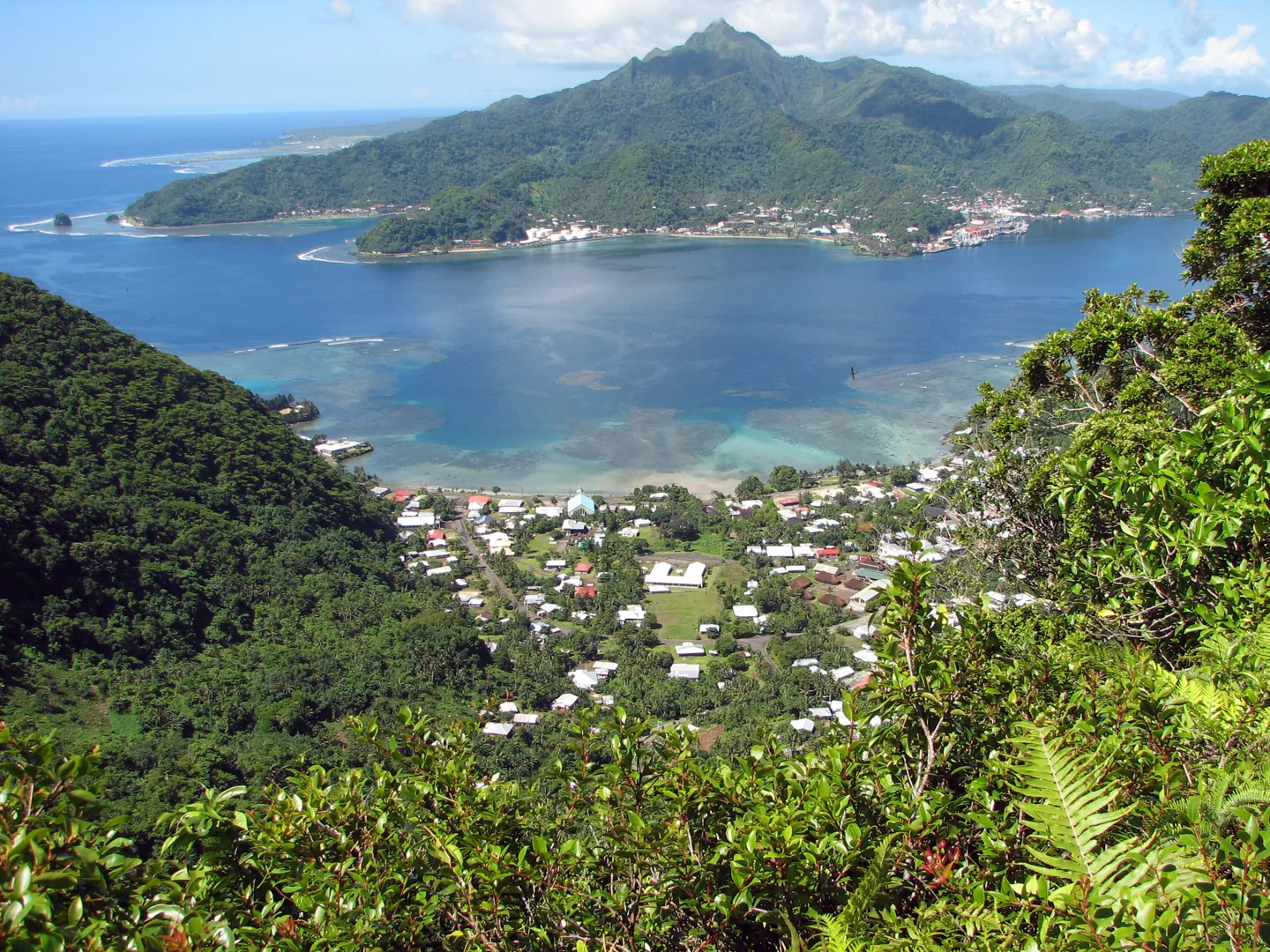
Moving & Living - American Samoa - Complete Guide
Plan a move to American Samoa through territorial residence sponsorship, immigration ID, schools, housing, banking, medical care and everyday transport.
Photo credit
A move to American Samoa starts with the place your work or family will be based. Tutuila’s harbour settlements, Tafuna area and campus at Mapusaga offer different daily journeys; the Manu’a islands require a separate plan for transport and services. The sponsor, the proposed home and the household’s medical and educational needs should be considered together.
These fourteen stages follow the actual order of a sponsored move: choose the base, obtain any required territorial residence approval before travel, prepare the household, then establish identity documents and everyday services. American Samoa has its own immigration system. The guide keeps visitor entry, residence, employment authority and college enrolment distinct, and marks optional retirement, school and pet preparations clearly.
American Samoa at a glance
- Territory
- American Samoa · US territory
- Main populated island
- Tutuila
- Government centre
- Pago Pago harbour area; offices in Fagatogo and Utulei
- Currency
- US dollar · USD
- Languages
- Samoan and English
- Immigration documents
- Territorial approval, immigration ID and status verification as applicable
Follow your moving journey
Start at step 1, or jump to the task you are working on.
01Choose a village around the job and essential services
Begin on Tutuila with the address of the job or family sponsor. The harbour settlements, the Tafuna area and a more distant village involve different daily journeys. Pago Pago is not a single compact district where every advertised address has the same access to work, schooling and the airport. For Manu'a, establish the island's services and connections before deciding that a remote setting can support your household.
| Area to investigate | Why consider it | What to test |
|---|---|---|
| Fagatogo, Utulei and the harbour corridor | A base for work and errands around the government and commercial centre. | The exact workplace, bus boarding point and slope to the home. |
| Tafuna and nearby villages | A starting point where employment or family is in that area. | Airport access, the school journey and the trip to harbour-side services. |
| Mapusaga area | A location to investigate for ASCC attendance. | The actual campus journey and access to shops and transport. |
| Manu'a islands | A move with a specific local employer or established household support. | Medical needs, supply arrangements and island connections. |

- Locate the employer, receiving school and any regular medical services. Ask the sponsor to identify housing close to those actual destinations.
- Compare two areas using the same household requirements: rooms, furnishings, working water supply, power, cooking facilities and transport.
- Ask how the village handles access, parking, noise and community arrangements. Obtain an introduction from the sponsor rather than treating the home as separate from its neighbours.
- Arrange viewings or a reliable inspection and keep a temporary accommodation option while permanent terms are resolved.
02Have the sponsor obtain residence approval before travel
Begin with the Department of Legal Affairs travel and entry service. American Samoa administers its own entry rules; the US Department of the Interior confirms that USCIS does not exercise jurisdiction here. A mainland US immigration document does not answer every territorial entry question, and visitor admission is not a substitute for an approved move.
US citizens and nationals: use the citizenship-specific entry instructions linked from the travel service, rather than applying the foreign-national petition process automatically. The published US-citizen entry page lists identity evidence, return or onward travel and evidence of employment or official assignment for citizens who do not already reside here. Ask Legal Affairs which evidence applies to a permanent move and to the accompanying household. Transit through another country has its own document requirements.
The territorial residency-petition page identifies employment and family applications. For a foreign-national residence application, an eligible local sponsor petitions on your behalf. The employment form is P-45; the family form is P-12. The department explicitly says that these petitions must be completed, submitted and approved before the petitioner enters American Samoa. Build your travel timetable around that sequence instead of planning to arrive as a visitor and sort out residence afterward.
- Identify the sponsor and the actual basis: the proposed job or qualifying family relationship. Ask Immigration which residence classification applies to your situation and to accompanying family members.
- Have the sponsor obtain the appropriate form and current document list. The published page refers to collection at the Executive Office Building in Utulei, while its current footer says Immigration is temporarily at DYWA Pago Pago during renovations. Confirm the collection location with Legal Affairs before sending someone there.
- Prepare the applicant's supporting records and submit the full petition through the responsible office. Keep the application receipt and copies of the sponsor's submission.
- After approval, follow the department's instructions for the country-dependent immigration bond and ID. At the 13 October 2026 review, the page lists a US$75 application fee and US$30 ID-card fee for either petition; the bond is a separate amount payable after approval.
- Arrange the journey with the approved documents and the citizenship-specific entry requirements. Retain the decision and any written employment conditions for arrival.
The guide does not quote a universal bond or processing period. Those depend on the individual file and the department's current instructions. The linked office, rather than an overseas US consular visa service, is the starting point for the territorial petition.
03Agree the employment terms and permitted activity
For a foreign worker, the local employer and the P-45 petition belong in the same planning conversation. Have HR identify the proposed classification and obtain confirmation of the work it permits. The Social Security Administration's American Samoa status guidance distinguishes classes with inherent employment authorisation from those needing separate authority. A generic promise that a resident can take any job is therefore inadequate.
- Obtain the written offer, work location, salary, expected hours and proposed starting date. Describe accommodation and transport benefits separately from salary.
- Ask who coordinates the petition and which documents the employer supplies. Resolve the start date around actual approval rather than the date you hope to arrive.
- Confirm professional licensing for regulated duties with the responsible local body. An immigration approval does not itself assess a teaching, nursing or other professional credential.
- Have payroll explain deductions, pay periods and the account needed for direct deposit. Budget from the money actually available after deductions.
No ordinary digital-nomad or pension-based residence programme was verified for this guide. If your income is from an overseas employer or clients, describe that proposed activity to Immigration before treating it as a basis to live here. If establishing a business, determine the applicable commercial licensing and immigration permissions separately through the territorial government directory. A business name or remote contract is not evidence of residence approval.
Keep the approval's conditions accessible and obtain advice before changing employer or adding a second activity. Ask what happens to the residence basis if the job ends and how the household should plan for that possibility.
04Price the move and establish territorial and federal tax duties
Work in US dollars and separate a recurring month from the initial move. A sponsored worker with furnished accommodation has different cash needs from a household arranging its own home. Imported belongings, onward island transport and an off-island medical plan can change the initial total substantially; obtain individual quotes rather than a national monthly estimate.
| Item | Recurring amount to establish | Initial cash to reserve |
|---|---|---|
| Housing | Selected home's rent and agreed shared charges. | First rent, documented deposit and basic furnishings. |
| Electricity and water | Previous bills and your expected usage. | Transfer, connection or deposit quoted by ASPA. |
| Communication | The mobile and home-internet plan you will use. | Device, activation or equipment charge. |
| School and health | Actual fee assessment and insurance quote. | Registration, materials, prescriptions and an emergency reserve. |
| Immigration and transport | Renewal or travel costs relevant to your status. | Application, ID, country-specific bond, airfare and removals. |
Hypothetical housing calculation: a home agreed at US$900 monthly with a one-month deposit would require US$1,800 for first rent and deposit. Twelve months of that hypothetical rent would be US$10,800. These figures illustrate the calculation; they are not a verified listing, standard deposit or average rent. Add the actual household's other costs and keep immigration bond money separate.
Use the American Samoa Treasury Tax Office for territorial filing instructions. For applicable US federal obligations, the IRS territory-residence guidance uses presence, tax-home and closer-connection conditions. Merely spending a particular number of days here does not settle every federal tax question. A change into or out of bona fide territorial residence can require Form 8898 under the relevant rules.
Give a qualified adviser the full picture: citizenship or federal tax status, departure date, employer, other income, family home and travel. Maintain a dated travel record and payslips. Determine where to file and how income is sourced before assuming territorial residence makes all earnings exempt from federal tax.
05Arrange school registration and verify college eligibility
For children, begin with ASDOE Student Services and Records Management, which lists registration, transcripts and verification services. Ask which receiving school serves the intended home and what the school needs to place a newcomer in the correct year. Prepare previous school records and discuss any learning support before making the housing choice depend on a presumed place.
- Contact the receiving school's registration staff through the department. Describe the child's age, previous system and proposed arrival date.
- Obtain the exact identity, guardianship, school-record and health-document list. Arrange records while the previous school can still answer requests.
- Confirm the enrolment decision and the practical journey. Ask about the daily timetable, meals, required clothing and transport instead of assuming these are included.
- Keep copies of the completed registration and identify the contact for absence, emergencies and academic follow-up.
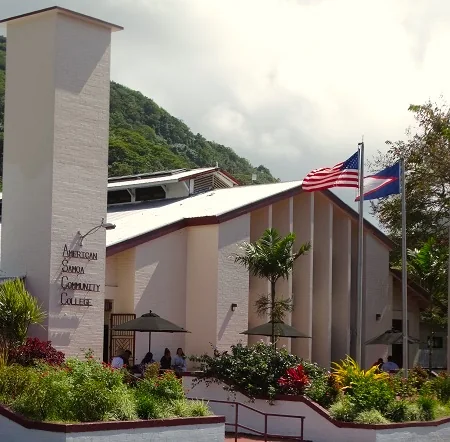
The American Samoa Community College admissions page makes immigration status part of enrolment. Foreign applicants need current ASG Immigration Board authorisation and valid territorial identification. The application list specifically includes authorisation to attend ASCC. College admission is therefore not an independent invitation to move without territorial approval.
Start with the programme requirements, then coordinate the college dossier with Immigration. Submit the official admissions application and the records ASCC requests before registration. For transfer credit, ask the earlier institution to send an official transcript directly to ASCC rather than relying solely on your personal copy. Determine the applicable tuition classification with the Finance Office: legal residence and resident tuition are distinct questions, and foreign students' resident-tuition application has its own residence-history condition.
Obtain the actual fee assessment and semester schedule for the course you will take. Do not budget from a general continuing-education price or assume nursing and other programmes have identical prerequisites. Keep the approval to attend, admission evidence and payment records together.
06Test a retirement move against residence and medical needs
A pension can fund daily life, but it does not itself establish eligibility for a territorial residence petition. The official directory describes family and employment bases; no separate retirement-residence application was verified. Start with your actual family or citizenship circumstances and obtain Immigration's written answer before arranging a permanent home.
- Determine the residence basis for each person through the territorial entry service. Keep any family sponsorship obligations distinct from an assumption that financial independence replaces sponsorship.
- List regular prescriptions, specialist follow-up and likely hospital needs. Ask the intended provider and insurer which care is available locally and how referral elsewhere would work.
- Price any medical-evacuation or off-island cover directly. Confirm its conditions for your age, pre-existing conditions and intended length of stay.
- Test pension payments and the tax position with the relevant pension agency and tax adviser. Keep a liquid reserve beyond the immigration bond and rental deposit.
Choose the home only after the medical and residence questions are answered. The attraction of a village setting does not establish that it offers the particular specialist support a household requires.
07Prepare the document folder and inventory before dispatch
Use the sponsor's current petition checklist as the central document list. Request civil-status records, employment evidence and clearances while the issuing institutions are still easy to reach. Keep the sponsor's copy and your own copy consistent, and record what is outstanding before booking a departure.
- Confirm the identity documents and validity required by your citizenship-specific entry procedure. Keep residence approval separate from transit documents needed for a connection through another jurisdiction.
- Obtain the specific police or medical evidence Immigration asks for. Determine the required issuing authority, age of the record and any translation or certification before paying for it.
- Keep passports, petition decisions, prescriptions, school reports and the initial accommodation contact in hand luggage. Save copies separately.
- Create a numbered inventory for the shipper, identifying furniture, electrical goods, medicines, food or plant items and a vehicle separately. Ask the mover to price customs and local delivery, not only ocean freight.
Obtain the applicable customs and agricultural treatment through the territorial government offices and the carrier before dispatch. A mainland US duty assumption is not a verified exemption for this shipment. The guide does not give a blanket household-goods relief because its conditions were not confirmed for every origin and residence status. Resolve that precise question against your inventory.
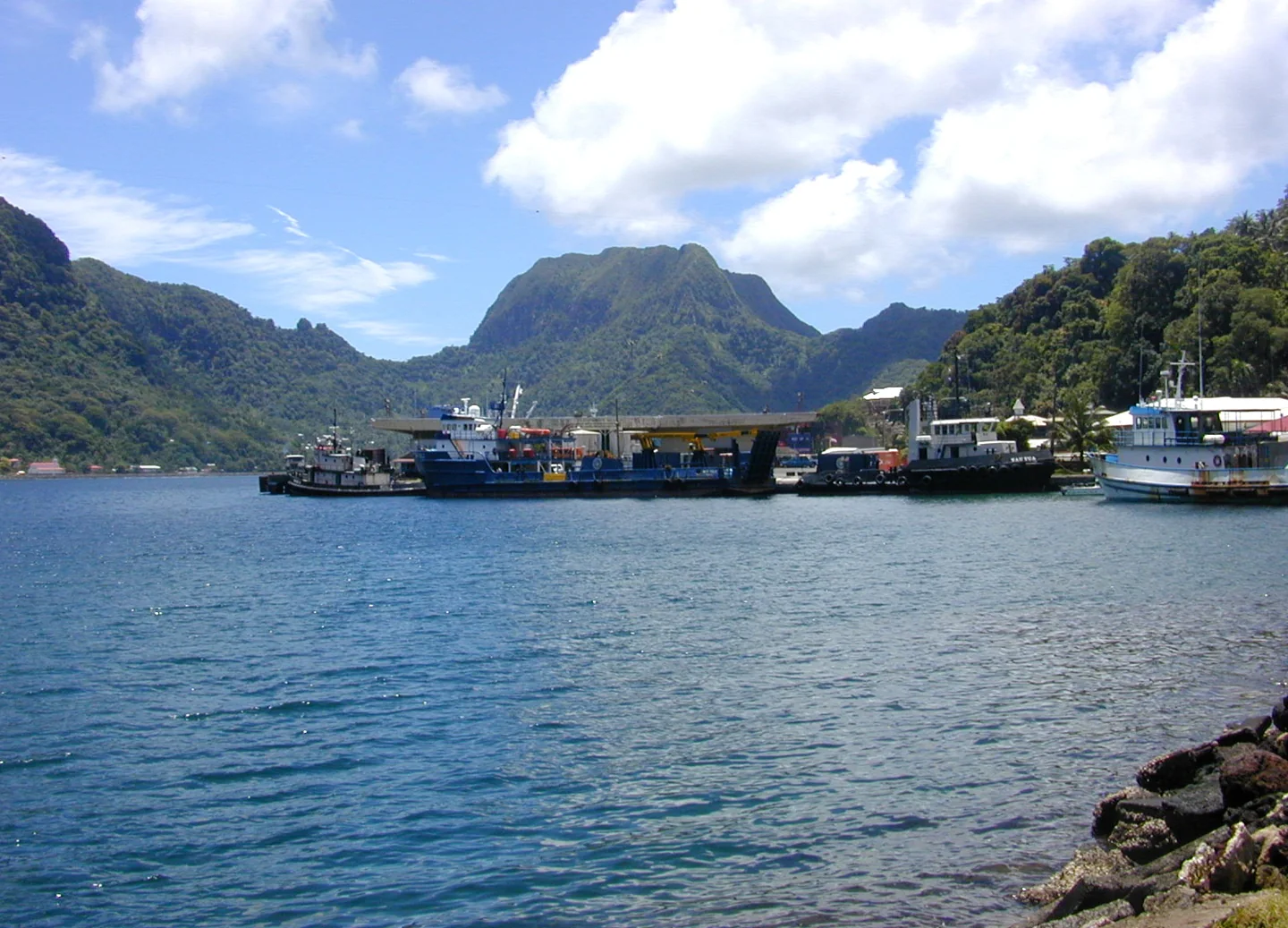
Arrange the destination receiver, unloading access and storage if the house is not ready. Keep essentials for the gap between your arrival and the shipment: suitable clothes, chargers and the records needed for first appointments should travel with you.
Prepare any pet separately
Contact the Department of Agriculture through the government department directory with the animal's species, origin, identification and proposed journey. American Samoa's official notices include a 2021 quarantine rule; older summaries and mainland pet procedures should not be treated as a complete current import dossier.
- Ask for the current import-permit procedure and conditions for this species and origin. Obtain confirmation that the animal is admissible before committing to flights.
- Give the conditions to the veterinarian and work backwards from travel for tests, vaccinations and the required certificate. Include every transit point in the assessment.
- Confirm the carrier accepts the animal, container and route. Obtain the cost and any handling arrangements in writing.
- Verify that the landlord permits the pet and identify a receiving contact for inspection or veterinary follow-up.
The complete current species-specific certificate, test schedule and quarantine charges were not verified for this guide. That uncertainty concerns the individual veterinary clearance, not a recommendation to use a guessed checklist. Do not dispatch the animal until Agriculture supplies the applicable conditions and the veterinarian completes them.
08Make the first days work around the sponsor and appointments
Arrange for the sponsor or another named contact to know the arrival time and initial address. Carry the approved petition and required entry documents where they are accessible. If the flight changes, update the receiver and accommodation provider, including any onward island transport.
- Complete entry inspection with the documents appropriate to your actual purpose. Keep the evidence of admission and any instruction about the next immigration visit.
- Collect the accommodation keys and inspect the basic water, power and cooking arrangements. Confirm how long the initial booking lasts.
- Activate a phone and test the route to work or the college. Locate the nearest practical shop and keep accessible money until payroll and banking are operational.
- Confirm the immigration-ID appointment and any outstanding clearance with the sponsor. Record dates and the person coordinating each task.
If the permanent home is delayed, extend the temporary arrangement before it expires and ask Immigration how to update the actual address. Keep the household's whereabouts and the sponsor's paperwork consistent throughout the move.
09Obtain the territorial ID and confirm employment status
Use the current territorial service directory to arrange the visit. Confirm the temporary office location before travelling there. Bring the petition decision, identity originals and the supporting documents the office specifies for the ID process; retain payment and submission receipts.
- Complete the Immigration Office's required registration or card process and check the name, classification and expiry on the issued document.
- Request the status verification needed by the employer, college or other service. The SSA policy describes territorial ID and a verification letter for foreign residents staying more than 29 days.
- Have the employer verify that the particular classification permits the proposed work and that any additional approval is present.
- If a Social Security number is needed, use the SSA procedure applicable to the individual's documents. A territorial ID alone is not a promise of a number or benefits entitlement.
Place renewal reminders well before the dates on your documents and obtain the current renewal list from Immigration. Ask how an address, sponsor or employment change affects the file before making that change. Keep the confirmation alongside the original approval.
10Choose an account and arrange ordinary payments
Use Territorial Bank of American Samoa's consumer-account service to compare products, then request the current opening documents and fee schedule. Identify whether the bank accepts your particular residence, identity and income evidence. Completing an enquiry does not establish account approval.
- Ask which account fits payroll, bill payment and cash access. Describe the proposed income and transfers accurately and bring the requested originals.
- Read the dated account and fee documents linked by the bank. Its downloads carry an October 2024 date; obtain confirmation of current charges rather than presenting every older amount as a newly verified 2026 tariff.
- Confirm minimum funding, monthly charges, card use, direct-deposit conditions, paper-statement fees and any restrictions on cheque use.
- Test access and an ordinary payment before relying on the account for first rent or payroll. Give the employer the confirmed details using its normal process.
Keep enough money available in an existing account for the transition, including pending bills in the departure country. Review the first statement for the agreed charges and retain the bank's contact details for resolving a delayed transfer.
11Inspect the house and verify the authority to rent it
American Samoa's communal land and matai system is part of the housing context. The Interior Department's explanation of fa'a Samoa describes that relationship. Do not interpret an offer to occupy a home as unrestricted ownership of the land or assume the person showing it has every necessary authority to grant the arrangement.
- Ask the sponsor to help identify who is entitled to agree the tenancy and whether village or family arrangements apply. Obtain local legal advice where the authority or land basis is unclear.
- Inspect the building, roof, drainage, ventilation, water pressure, electrical supply and cooking equipment. Photograph the condition and record included furniture.
- Agree rent, deposit, payment dates, term, notice, permitted occupants and pets in writing. Ask which utility accounts are individual and which charges are shared.
- Identify the payment recipient and obtain receipts. Sign an inventory and handover record, note meter readings and count keys.
No universal statutory rental deposit or currently available housing price was established for this guide. Use the proposed contract and actual property quote, then have unclear obligations reviewed before signing. Confirm that the written occupancy evidence is usable for your administrative file and agree how repairs will be requested.
12Establish local care and price any off-island cover
Begin with LBJ Tropical Medical Center and the local health services relevant to the household. Identify where routine care, prescriptions and any specialist follow-up can be obtained. The hospital's website provides the institution's starting point; it does not establish universal free care or acceptance of every overseas insurance plan.
- Ask HR what the employment package actually covers and obtain the insurer's policy. For an independent household, request a quote reflecting the intended residence and medical history.
- Contact the provider about registration, appointment arrangements and billing for your status. Ask the insurer whether it pays directly or requires you to pay and reclaim.
- Bring a concise medical history, current prescriptions and relevant reports. Arrange continuity before a regular medicine runs out.
- Confirm how unavailable specialist treatment would be referred off island and who would pay for transport, treatment and accompanying family.
Keep the coverage decision and emergency contact information accessible. Do not assume a mainland insurance card, Social Security number or territorial residence document guarantees payment. The exact patient charges and eligibility for assistance were not verified across newcomer categories; resolve those with the hospital or responsible programme for the individual patient.
13Activate a local connection and test the commute
Choose your connection around the address and handset you will use. ASTCA's prepaid data page provides short-validity bundles as well as a 30-day package. At the 13 October 2026 review, its data-only D7 bundle lists 50GB for US$45 over 30 days, activated by texting D7 to 247. A US$3 Ultra Starter option lists 5GB for 24 hours. These have different validity periods; compare the allowance and expiry together, not the price alone.
- Ask the operator to check handset compatibility and coverage at the home and workplace. Buy the SIM or service format that actually works with the device.
- Select the appropriate bundle and record activation and expiry. A data-only package does not establish the cost of voice calls or international use.
- Test messaging and a call before depending on the number for the employer or bank. Keep the top-up procedure accessible.
- For fixed home service, use ASTCA's residential application and ask whether the intended building is serviceable, which equipment is needed and how long activation takes.

Test the aiga bus rather than assuming a timetable
The National Park Service's Tutuila transport guidance describes aiga, or family, buses that run without fixed schedules. It quotes US$0.50–2 fares, with buses originating and terminating near Fagatogo Market; the route's village name identifies the service. Its guidance says buses do not operate on Sundays. Treat those published fares as a starting point for the actual journey, and confirm the payment with the driver.
Try your commute at the hour you will start work, including the walk to the road and the final connection. Ask where to board for the return trip and keep a separate plan for a late shift or Sunday errand. If arranging a taxi, agree the fare before departure. For a home on Manu'a, obtain an island-specific transport plan: a Tutuila bus description cannot establish how you will travel between remote islands or reach regular appointments.
Set up electricity and water after the lease
Contact American Samoa Power Authority about the specific property before moving in. Establish whether it already has service and whether the correct action is a change of account holder or a new connection. Ask the owner for the account and meter information and obtain a written breakdown of any activation or deposit charge.
- Confirm the documents required for the intended service and who must sign. ASPA's published 2015 utility rules provide for landlord co-signature on a tenant's initial application or transfer; ask customer service to confirm the current procedure.
- Record meter readings at handover and the agreed responsibility for any existing balance. Keep the service request and payment receipt.
- Set up the payment method and establish how bills will be received. Compare the first bill with the service start and readings.
- Confirm how water, wastewater and waste arrangements apply to the property, including any shared service paid through the landlord.
The linked 2015 rules establish the published procedure's context; this guide does not quote that document's rates as current prices. Obtain the current tariff and bill estimate from ASPA, especially where cooling equipment or other high-use appliances will change consumption.
14Learn the village routine and close out the first month
Ask the sponsor for introductions and the practical expectations of the village where you live. Learn who to contact about the house, shared access and community events. Fa'a Samoa and the matai system shape that setting; a respectful introduction is more useful than applying an assumed routine from another country.
- Confirm that residence, territorial ID and employment or college permission match each person's activity.
- Check the first payroll or transfer reaches the intended account and the budget uses the net amount.
- Keep the lease, inventory and utility evidence together, and compare the first bills with what was agreed.
- Complete school follow-up, medical registration and any approved pet arrangements.
- Test the transport plan for a normal weekday and keep alternatives for times when buses do not operate.
- Record expiry and renewal dates and identify who coordinates sponsor-related changes.
Choose a regular activity through the village, workplace or college that fits the actual week. Learn the Samoan names and everyday terms appearing on the services you use, and ask how to pronounce local place names. At the end of the first month, replace budget estimates with actual costs and write down each unfinished action with its owner and due date.
Sources & further reading
Reviewed 13 October 2026. Sources are linked beside the relevant instructions. Visa requirements depend on your nationality and application location. Service examples identify their review date and scope. Older bank and utility documents retain their dates; housing calculations are hypothetical. Photograph credits, licences and capture years appear with the images.
Browse the source directory
- Legal Affairs: travel and entry
- Interior Department: American Samoa
- Legal Affairs: residency petitions
- SSA: lawful foreign-resident status evidence
- ASDOE: student services and records
- American Samoa Community College: admissions
- ASCC: admissions application
- ASTCA: prepaid mobile data
- ASTCA: residential service application
- NPS: getting around American Samoa
- American Samoa Government
- Treasury: American Samoa Tax Office
- IRS: bona fide territorial residence
- Government: department contacts
- Government: official regulatory notices
- Territorial Bank of American Samoa: consumer accounts
- Interior Department: fa’a Samoa and communal land
- LBJ Tropical Medical Center
- American Samoa Power Authority
- ASPA: published utility regulations
- Legal Affairs: US citizen entry documents
Make your next step a practical one
Shortlist a city, confirm your residence route and build a budget before committing to a move.




