 Visa
Visa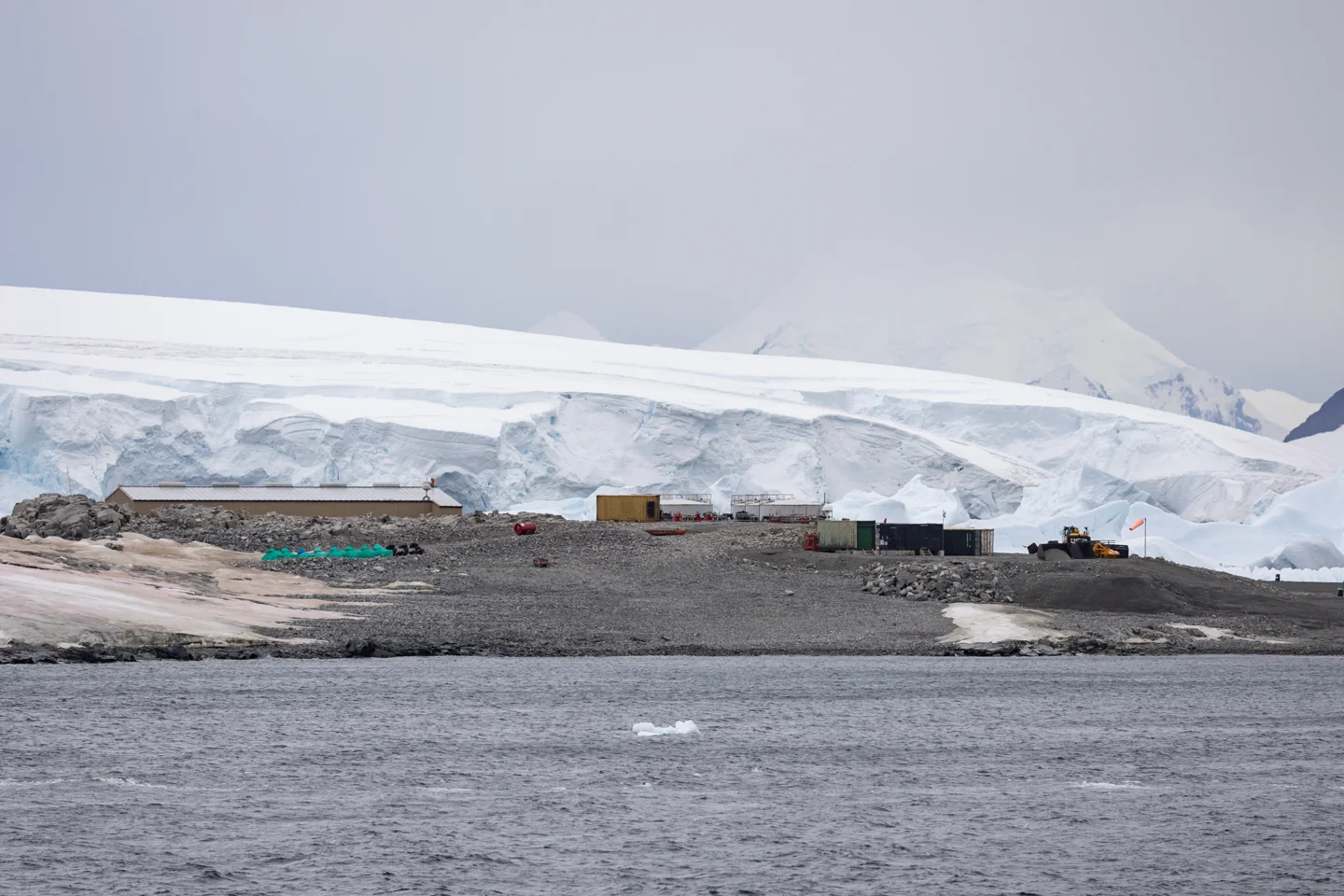
Moving & Living - Antarctica - Complete Guide
Prepare for authorised Antarctic station work or a research deployment: choose a programme, obtain clearance, arrange cargo and travel, and settle into station life.
Photo credit
Living in Antarctica usually means joining a research station, a field team or a vessel for an authorised assignment. Rothera, McMurdo and Australia’s coastal stations have different employers, seasons, travel arrangements and working environments. Your programme allocates the place and duration; an Antarctic visit does not establish a right to stay or work.
This fourteen-step journey follows the practical sequence from choosing an employer or research project to medical clearance, cargo preparation, gateway travel and everyday station life. Education, family planning and retirement are addressed where they fit this exceptional destination. Instructions are programme-specific: use your current deployment packet for the details of your own assignment.
Antarctica at a glance
- Type of move
- Authorised deployment or expedition; no ordinary settlement route described
- Places to compare
- Rothera, McMurdo, Casey, Davis and Mawson
- Accommodation
- Assigned by the programme or expedition operator
- Travel permission
- Expedition authorisation plus any gateway-country entry clearance
- Money
- Use your employer’s payroll currency and gateway-country payment arrangements
- Review date
- 13 October 2026; older operational publications are dated in the text
Follow your moving journey
Start at step 1, or jump to the task you are working on.
01Choose a programme and understand its station
Start with the work or research you can contribute. A station is a workplace with allocated beds and a transport schedule; choosing its scenery does not secure a place. The BAS station directory distinguishes Rothera on Adelaide Island from Halley on the Brunt Ice Shelf. A coastal logistics assignment and an ice-shelf science project can involve very different living arrangements.
- Read the station description alongside the role advertisement. Record whether the assignment involves a station, ship, traverse or temporary field camp.
- Ask which season and location the vacancy actually covers. Separate the period employed at home for training from the time deployed south.
- Compare the job’s technical requirements with your qualifications and recent experience. Make a shortlist of roles you can substantiate, rather than applying for every Antarctic vacancy.
- Before accepting, ask about room sharing, communication, dietary needs and the expected return window. These decisions affect months of daily life.
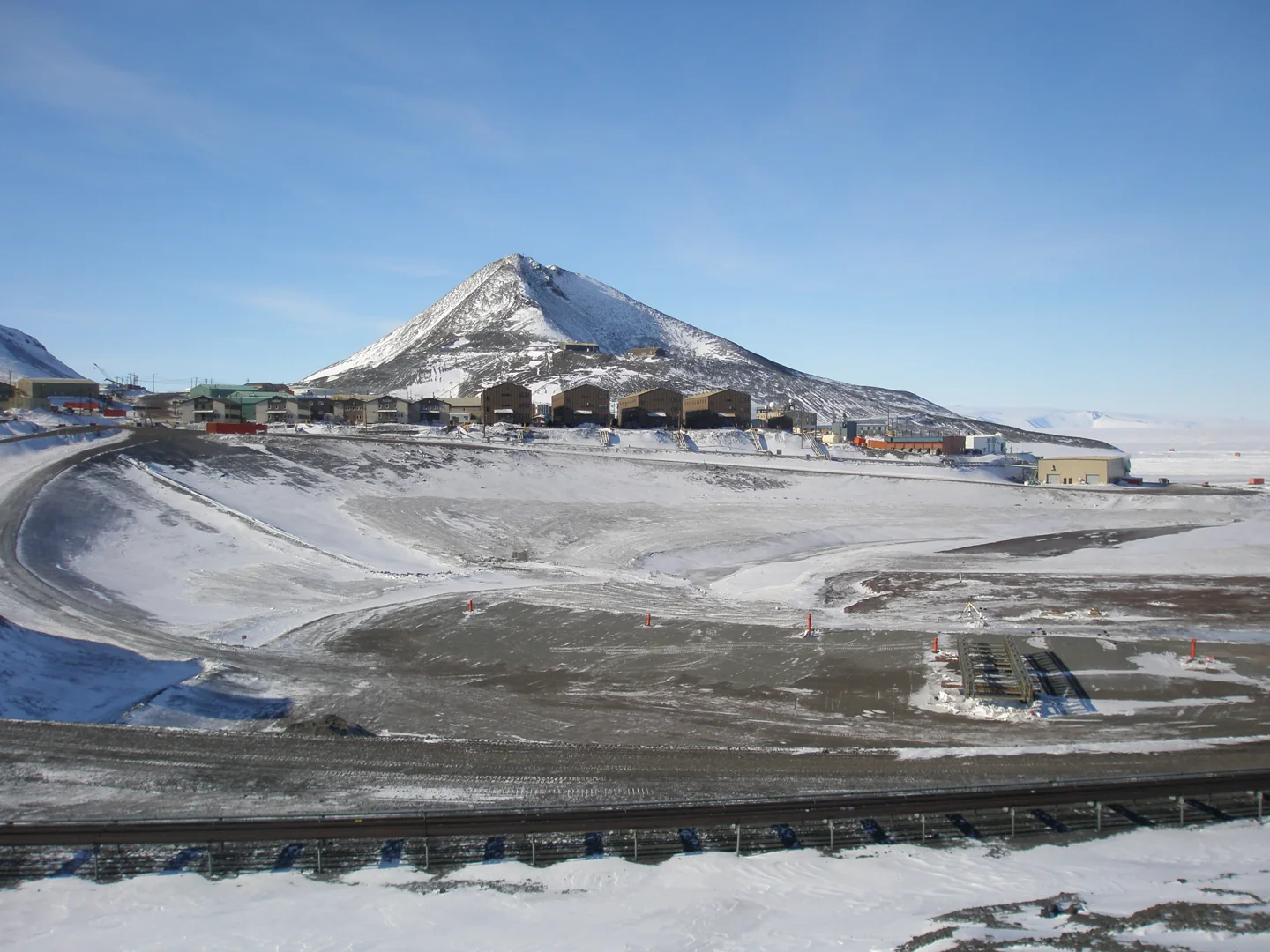
Use BAS’s research-station pages and the United States Antarctic Program opportunities directory as starting points. For Australia, read the current role before deciding between Casey, Davis, Mawson or a logistics position. An advertisement elsewhere in the Australian Antarctic Program may concern sub-Antarctic Macquarie Island, which is a different destination.
02Apply through the employer or funded research project
There is no single application for an Antarctic job. Scientific deployment normally follows a supported project, while cooks, mechanics, tradespeople and other specialists apply through the organisations running the programme. BAS operational-support careers describes these practical roles and assignments lasting six to eighteen months; its usual January recruitment pattern is a planning cue, not confirmation of an open vacancy.
- Open the current vacancy and save the person specification, deadline and contract details. Use its own application service; an Antarctic information page is not the employer.
- Match each essential requirement with a qualification, licence or specific work example. Describe the equipment you maintained, the responsibilities you held and how you worked with colleagues.
- Supply references who can discuss both technical performance and conduct in a small team. Tell them the likely timing of contact.
- Keep medical and psychological selection separate from the initial employment application. Follow the programme’s instructions when those stages are requested.
Australia’s 2027–28 recruitment information records applications opening on 1 October 2026 and a selection process that can take nine months. Eligibility belongs to the individual position: for example, the advertised Wilkins aerodrome management roles specify Australian citizenship for APS employment. That is not a rule for every Antarctic programme. Through USAP’s directory, inspect the named contractor’s own employment conditions and verify that the position actually deploys.
03Confirm expedition authorisation and gateway entry
An expedition permit, an employment contract and permission to enter a gateway country answer different questions. Do not treat a tourist booking as work permission or an Antarctic authorisation as a New Zealand, Australian or Chilean visa. Your organiser should identify which national authority oversees the expedition and which activities its authorisation covers.
- Give the organiser your nationality, passport details, proposed work and full itinerary, including outbound and return transit.
- Request confirmation of the expedition authorisation covering you. Researchers should identify any sampling, wildlife, protected-area or other specialist approvals separately.
- Ask the travel team which gateway-country entry category applies to your passport and assignment. Use the immigration service for that country and the supporting letter provided for your actual deployment.
- Keep the approval references and responsible contact with your travel documents. Resolve any difference between the job dates, itinerary and passport name before ticketing.
The FCDO permit service, updated in March 2026, explains the UK rules for British-organised expeditions and relevant British vessels or aircraft, together with exceptions involving another Treaty Party’s authorisation. Organised-tour passengers should confirm coverage with their operator; they should not automatically submit an independent expedition application. Other jurisdictions have their own procedures. The Environmental Protocol provides the environmental framework, rather than a universal Antarctic residence visa.
04Build a deployment budget and keep tax obligations in view
Build the budget from the offer and deployment terms. A private apartment rent, national grocery basket and ordinary commuting fare would be misleading here. The financial questions are what your programme supplies, what you must buy before departure, and which household costs continue while you are away.
| Cost group | Items to put in your worksheet | Evidence to obtain |
|---|---|---|
| Initial preparation | Passport renewal, clearance appointments, dental work, personal supplies and storage | Actual provider quotes; written reimbursement terms |
| Gateway travel | Flights, hotel nights, meals and any weather-delay expenses | Who books, who pays and the claim procedure |
| During deployment | Programme accommodation and food; any personal purchases | Contract and station-specific charges, if applicable |
| Recurring home costs | Mortgage or rent, family support, insurance, subscriptions and debt payments | Your existing statements and revised payment plan |
| Return | Extra cargo, gateway stay and transport home | Return entitlement and personal-travel exclusions |
Illustration only, in USD: invented preparation costs of $400, storage of $120 for six months and continuing household bills of $900 for six months total $6,520. Adding an invented $1,000 reserve makes $7,520. These are arithmetic inputs, not Antarctic prices or a recommended budget; replace every amount with your own quote or bill.
The AAD’s published employment information, dated June 2024, describes programme-covered travel, Hobart accommodation and personal cargo, subject to conditions. Obtain your entitlement in writing. For US taxpayers, the IRS foreign-country definition excludes the Antarctic region for foreign earned income exclusion purposes. Time south therefore does not by itself create eligibility for that exclusion. Give your tax adviser the employer, payroll country and assignment dates.
05Arrange family responsibilities and any university pathway
Plan this as a period away before planning a family relocation. An individual station job does not establish accommodation, schooling or accompanying permission for dependants. Discuss any proposal to bring another person with the programme directly; nobody should book travel on the assumption that a partner’s employment includes them.
- Agree who will manage children’s schooling, care and medical decisions during your absence. Give that person the contact details and permissions the school or care provider actually needs.
- Write a household calendar covering term dates, important appointments, renewals and family events. Make arrangements for tasks that require your signature or an in-person visit.
- Decide what happens if you cannot make a scheduled call. Share the official family liaison contact and agree when a missed conversation warrants contacting it.
- If study is your route, apply to the university first and identify the separate conditions for any field participation.
The AAD family-and-friends page links its separation resources. Use them to prepare a realistic support plan with the people remaining at home. A named academic starting point is the University of Canterbury’s Postgraduate Certificate in Antarctic Studies in Christchurch. Ask the university about the current curriculum, admission assessment, fees and whether your intake includes any field opportunity. Academic admission is not a guaranteed Antarctic deployment, a job offer or permission for independent residence.
06Keep retirement and long-term residence plans outside the assignment
The programmes described in this guide offer assignments and expeditions. They do not provide an ordinary retirement settlement pathway. A pension, savings account or tourist visit does not independently secure a station room or permission to remain when an expedition ends. If your aim is permanent relocation, choose a destination with an applicable residence process and treat Antarctic participation as a separate undertaking.
- Tell your pension administrator or benefits agency the planned absence and the location of your continuing home. Ask how payments, proof-of-life requests and correspondence will be handled.
- Review the dates of identity-document, insurance and property renewals. Arrange an authorised person for matters that cannot wait until your return.
- Confirm whether the assignment affects employer pension contributions or insurance benefits. Read the employment terms rather than assuming every Antarctic employer offers the same scheme.
- Keep funds for the period after the contract as well as the deployment itself. Record where you will live on return and which obligations restart immediately.
For a retirement-age traveller considering an expedition, discuss the operator’s itinerary, fitness assessment and assistance arrangements before paying. A cruise cabin is accommodation for that voyage; it is not a rental home or a right to stay at a research station. The official UK expedition guidance explains the organiser’s authorisation responsibilities where UK rules apply. Your pension authority and insurer remain the appropriate sources for household-specific financial decisions.
07Complete medical and dental clearance through the programme
Medical clearance is a deployment requirement, not a document to improvise. Remote care and evacuation arrangements differ from routine access to a city hospital. The medical team needs accurate information, while the programme determines the clearance process for the role, location and duration.
- Wait for the authorised medical packet or instructions. In USAP, medical and dental screening follows a formal offer or NSF approval; the University of Texas Medical Branch sends personalised requirements.
- Take the supplied checklist to each appointment. Ask the clinic to complete the specified tests and forms rather than sending a general fitness certificate.
- Submit records through the designated confidential channel and keep a record of receipt. Send additional information when requested; an appointment completed is not the same as clearance granted.
- Discuss ongoing medicines, dental treatment and any change in health with the clearance service before departure. Agree the supply, storage and documentation needed for your particular assignment.
Ask who bears the cost of appointments, additional treatment and repeat tests. Obtain those answers before making bookings, and allow time for follow-up work. Your employer also needs to explain insurance and evacuation responsibilities; medical clearance alone is not an insurance policy.
BAS describes Rothera’s medical facility and BAS Medical Unit support. That is a particular station arrangement, not a continent-wide hospital network. Tell your programme promptly if your condition changes after clearance so that it can reassess deployment rather than leaving the issue to arrival.
08Complete training, prepare clean cargo and arrange pet care
Work backwards from the cargo cutoff and predeployment course dates. Your sea freight, checked baggage and essential hand luggage may travel at different times. Put anything needed for gateway appointments or the journey in the bag that will remain with you, subject to transport restrictions.
- Attend the assigned courses. BAS’s September 2026 training account describes two weeks covering practical preparation and emergency responsibilities; your own programme supplies its required schedule.
- Sort the issued equipment list from personal items. The AAD employment page describes role-specific clothing and equipment, alongside personal indoor clothing. Confirm your current issue list before buying duplicates.
- Clean boots, clothing, camera bags and outdoor equipment carefully; remove soil, seeds and other contamination. Use clean, sealed packaging under AAD cargo biosecurity instructions when travelling with that programme.
- Declare batteries, aerosols and other potential dangerous goods to the freight team. Follow the cargo service’s packing and declaration instructions and its eCon consignment process where applicable.
Arrange pet care outside Antarctica. Annex II, Article 4 prohibits introducing dogs onto land, ice shelves or sea ice; restricted permits for certain organisms do not create a normal household pet-import route. Give the carer veterinary contacts, feeding instructions and payment arrangements for the full absence. Pack for a deployment, not a household removal: your cargo allowance and the accommodation supplied determine what can go south.
09Follow the gateway itinerary and complete arrival induction
Use the season-specific itinerary sent to you. Gateway travel may include clothing issue, briefings and a wait for the onward flight or ship. The USAP Participant Guide directory, linking the 2024 guide, distinguishes travel through New Zealand and Chile and the onward station journeys. It is useful orientation; your current deployment packet governs today’s reporting instructions.
- Confirm the reporting address, local contact number and required time before leaving home. Carry your passport, gateway entry documents and relevant deployment letters where you can retrieve them.
- Attend kit issue and luggage checks when scheduled. Label belongings with the programme’s required details and retain the cargo record separately.
- Monitor the official travel contact for changes. Ask who pays for additional gateway nights; do not change an employer-booked itinerary independently.
- On arrival south, report to the designated team, receive your room allocation and attend induction. Locate emergency assembly points and learn how to contact the duty staff.
Australia’s published deployment information describes seasonal station access and the inability to return during winter. Confirm the current dates for your assignment before promising a family visit or booking an onward holiday. A planned return window should not be treated as a guaranteed commercial departure.
10Finish employer records and make banking work remotely
The practical registration task is with your employer and programme. The sources used here do not describe a general Antarctic resident card, local household tax number or retail-bank onboarding system. Do not substitute a national programme badge for residence permission in another country. Keep the passport, employment records and gateway approvals that establish your actual position.
- Complete the employer’s payroll and emergency-contact forms using its secure system. Verify the payment currency, first pay date and account details with payroll.
- Before leaving reliable connectivity, test your bank login, scheduled payments and authentication method. Ask the bank what happens if your usual phone number cannot receive a code.
- Arrange sufficient funds and a suitable payment method for the gateway country. Your programme’s Antarctic supplies do not cover every purchase during independent travel.
- After induction, obtain the programme credentials needed for your work and its approved network. Follow its identity checks and access rules; retain the support contact for account problems.
The 2024 USAP guide directory identifies information-technology access and smart-card topics for participants. Ask for the current instructions before bringing equipment intended for work. Keep copies of ordinary financial correspondence accessible to the person managing your home affairs, with the permissions your provider accepts. Do not share passwords as a substitute for authorised access. This stage should leave routine bills and salary administration working even when a call or connection is delayed.
11Understand your room allocation and shared facilities
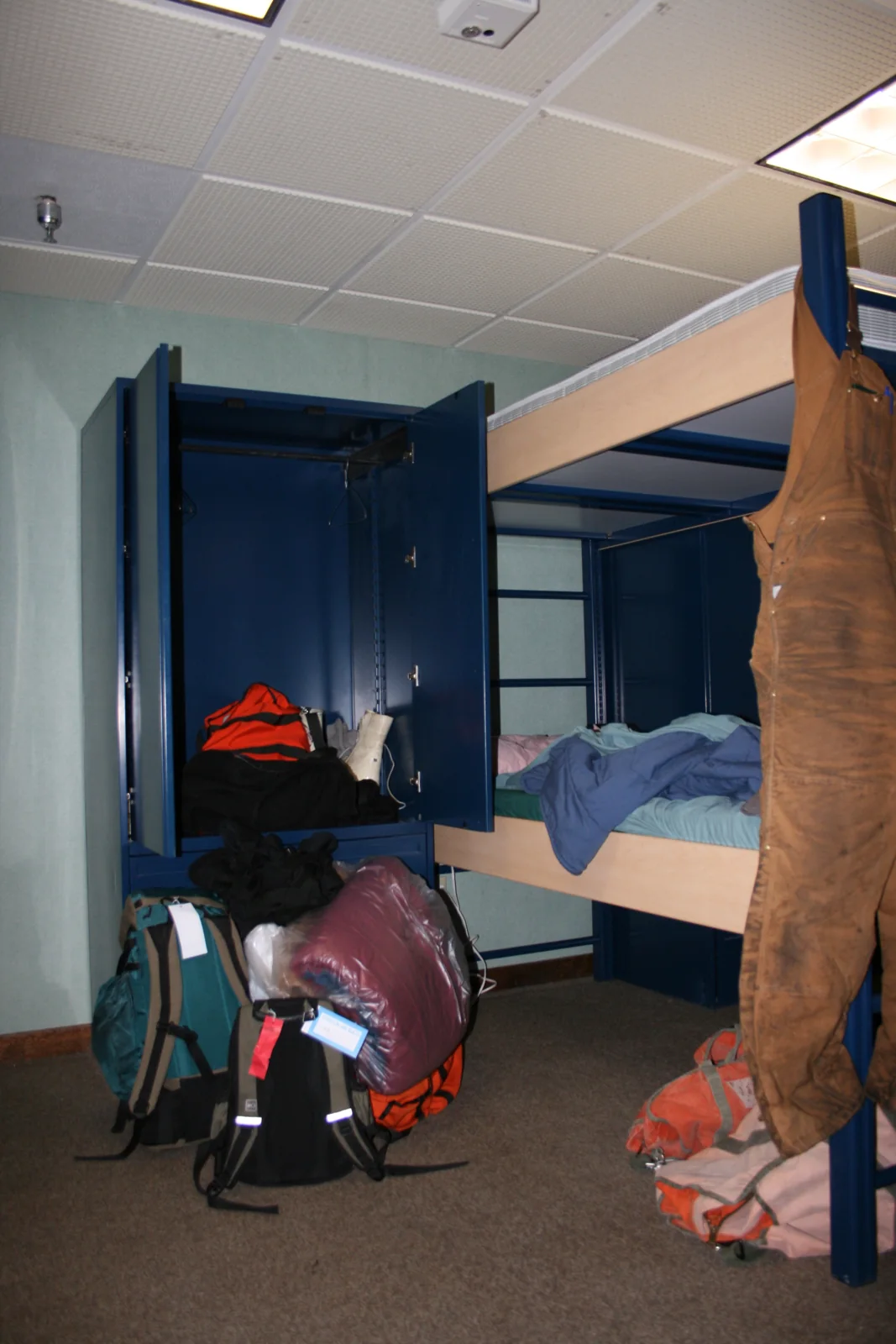
Accommodation is part of the deployment arrangement. The programmes covered here allocate station rooms, ship cabins or field accommodation; this is not an ordinary private rental search with deposits, guarantors and a tenancy signed on arrival. Ask for the arrangement attached to your assignment before selling furniture or shipping household goods.
- Confirm whether your stay involves a single room, shared room, cabin or camp. Ask about bedding, storage, bathroom access and the practical limits on personal equipment.
- At check-in, inspect the room with the relevant instructions in hand. Learn the cleaning arrangements, emergency exits and procedure for reporting a maintenance issue.
- Keep luggage and cables away from access routes. Ask before connecting additional appliances or changing anything installed in the room.
- Agree how to live considerately with roommates: light, noise, sleep schedules and use of the shared space matter when colleagues work different shifts.
Australian stations use the term donga for a bedroom. The AAD amenities overview, dated 2013, describes living quarters alongside the mess, workshops, stores and medical facilities; use it to understand the layout, then obtain current station details. There is no promise here that a particular photograph matches your assigned room. Treat a change of allocation as a programme issue and take it to the responsible staff rather than arranging an independent replacement address.
12Confirm medical support and insurance responsibilities
Establish the practical route to care before you need it. Ask the programme to explain routine consultations, urgent assistance, evacuation decisions and medical arrangements during gateway stays. A station medical room and a travel insurer have different functions; neither should be assumed to replace the other.
- Obtain the employer’s written insurance or benefits information. Identify exclusions, your own responsibilities and the contact used for a claim.
- If arranging a personal policy, describe the actual activity: paid station work, research fieldwork or an expedition, with the planned location and duration. Request written confirmation that the activity and geography are covered.
- Ask how medical evacuation is organised and authorised. Clarify who makes the operational decision and what the payment arrangements are; do not interpret a policy limit as a guarantee of immediate transport.
- During induction, record the medical contact and procedure for a problem outside normal hours. Confirm how to obtain repeat medicines and report illness.
The AAD life-as-an-expeditioner information notes limited medical support and the possibility of delayed, prolonged evacuation. BAS’s Rothera description identifies that station’s medical facility and specialist support. Use these sources to frame specific questions, not to infer identical services at every station or campsite.
Keep emergency information where you can find it offline. If a medical issue affects your work, speak to the medical team and supervisor early so that the programme can plan around it. For a passenger expedition, ask the operator for the equivalent shipboard-care and evacuation arrangements before final payment.
13Set up approved communications and learn local transport rules
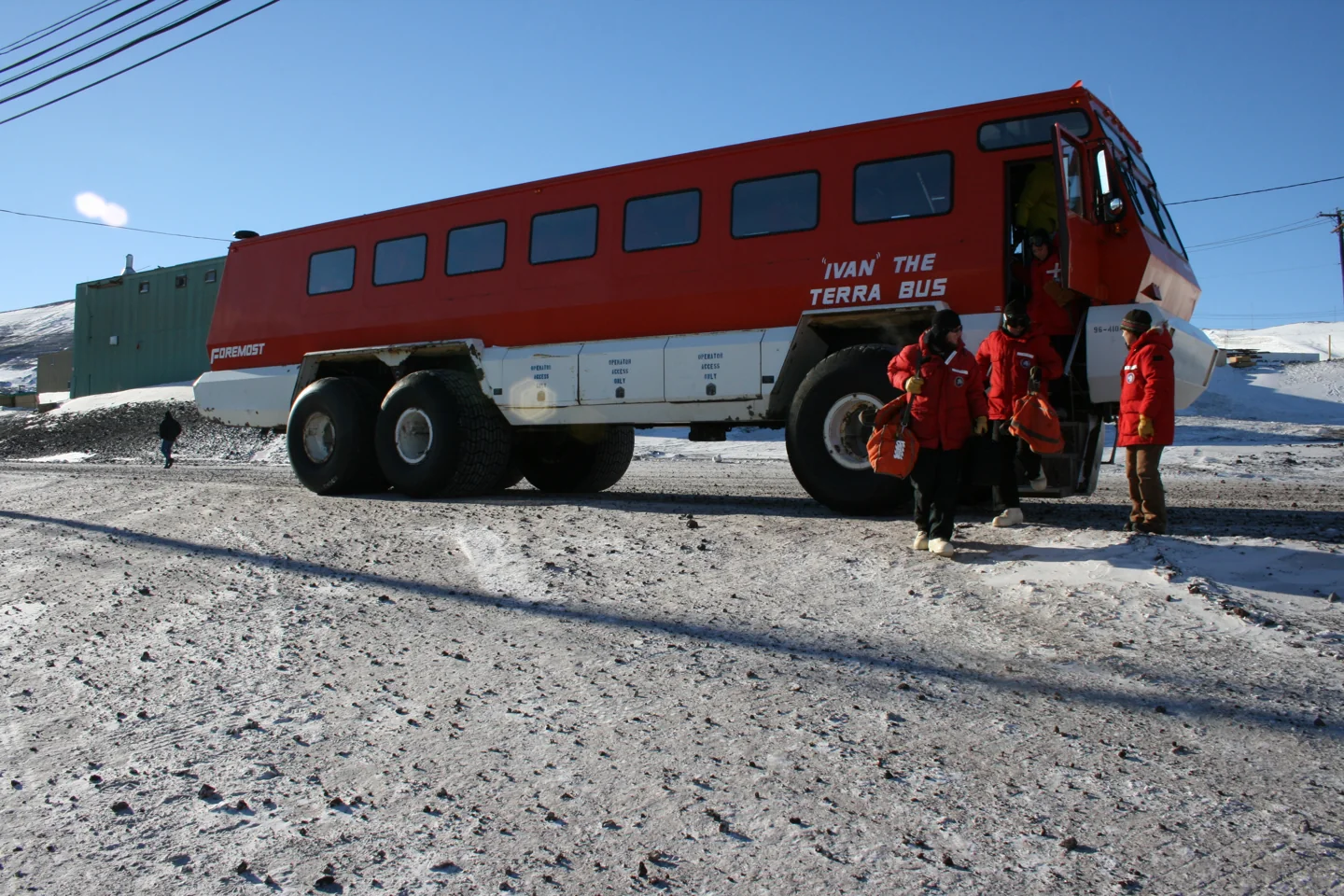
Do not plan station life around an ordinary household mobile contract or a car rented on arrival. Your operator provides the relevant communications and movement arrangements. Ask which personal devices are supported, what network restrictions apply and which transport requires training or permission.
- Install the communication applications approved for your assignment before departure, then test them with home contacts. Download essential documents, books and other permitted material for offline use.
- At induction, learn the local radio procedure and where it is required. Practise the checks taught by the programme rather than relying on a mobile phone for field safety.
- Request instruction before using a station vehicle or specialist equipment. Confirm the authorised routes, weather restrictions and process for an off-station journey.
- Find out how to report a power, water or heating fault. These are shared station systems, not utilities you activate through an individual household account.
The AAD’s published information describes satellite bandwidth limits and restrictions on particular applications. Confirm the current network policy with ICT staff; do not promise colleagues or clients a reliable remote-work connection. The station amenities directory identifies shared site services and vehicle operations. Permission to be on station does not independently authorise a private business, second job or unrestricted use of programme infrastructure. Raise any outside work proposal with the employer before accepting the deployment.
14Build a station routine and prepare the return journey
Use the first month to learn how the community works. The practical questions are when the mess serves food, how laundry and cleaning are organised, what shared duties you have, and where to raise a problem. Introduce yourself beyond your immediate work group; the people maintaining supplies and services are also your neighbours.
- First week: complete required induction, test the approved home contact method, record emergency contacts and understand the room and work arrangements.
- First month: review payments at home, settle into the duty roster, and ask for help with any equipment or communication problem still unresolved.
- During the assignment: join activities you can sustain alongside work and rest. Use the programme’s authorisation process for recreation outside the station.
- Before return: obtain the current itinerary, pack and declare return cargo, and confirm how and when belongings will reach home.
AAD’s station overview explains the shared facilities and community responsibilities. Your local briefing sets the current arrangements. Treat food stocks and equipment as community resources and take maintenance issues to the appropriate person.
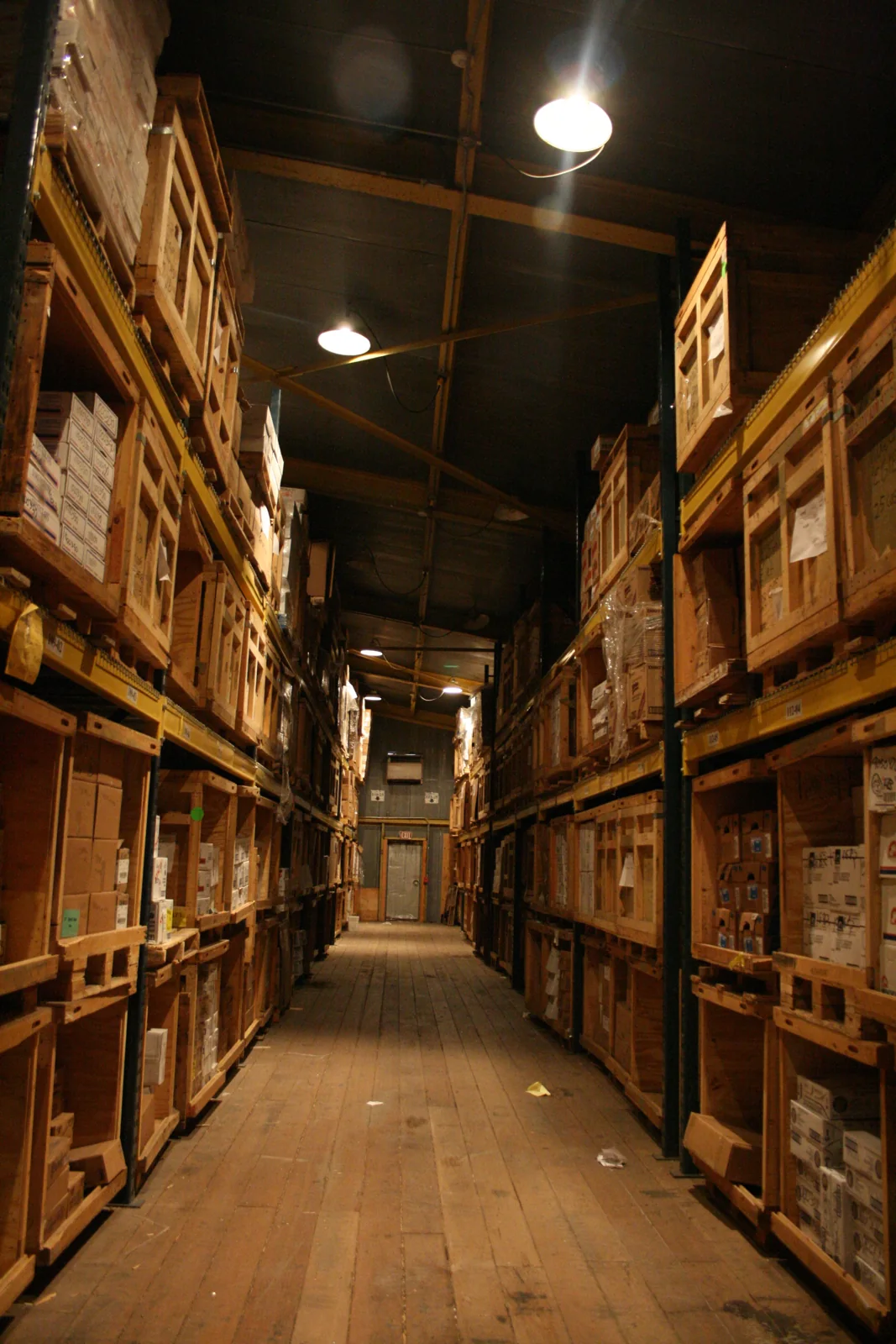
For Australian deployments, AAD personal-effects guidance explains return-cargo and biosecurity arrangements. Household goods may clear separately from your passenger journey; keep the essentials for homecoming with you. Do not pack rocks, soil or organic souvenirs without the required authorisation. Confirm excess-cargo costs before sending goods, and follow the programme’s return records and declarations. When the assignment ends, your next home, employment or travel arrangements need their own permission and budget.
Sources & further reading
Reviewed 13 October 2026. Sources are linked beside the relevant instructions. Expedition authorisation, employment eligibility and gateway-country entry rules depend on the programme, organiser and your nationality. No national Antarctic rent or monthly living-cost figure is quoted. The budget example uses invented USD planning amounts, explicitly labelled; programme benefits are scoped to their published terms. Photograph credits, licences and capture years appear with the images.
Browse the source directory
- BAS: research stations
- BAS: operational support careers
- AAD: essential information for applicants
- AAD: Wilkins aerodrome management eligibility
- USAP: jobs and opportunities
- FCDO: visits to Antarctica and permits
- Antarctic Treaty Secretariat: Environmental Protocol
- IRS: foreign-country tax-home definition
- AAD: life as an expeditioner
- AAD: information for family and friends
- University of Canterbury: Antarctic Studies certificate
- USAP: medical and dental screening
- USAP: deployment packets
- BAS: inside predeployment training, September 2026
- AAD: cargo biosecurity
- AAD: cargo and freight
- AAD: eCon cargo system
- Antarctic Treaty Secretariat: Annex II
- AAD: personal effects and return cargo
- AAD: station amenities and operations
- BAS: Rothera Research Station
- USAP: Participant Guide directory
Make your next step a practical one
Choose a programme and role you are eligible for, then organise the offer, medical clearance and authorised travel before committing to a deployment.




