 Visa
Visa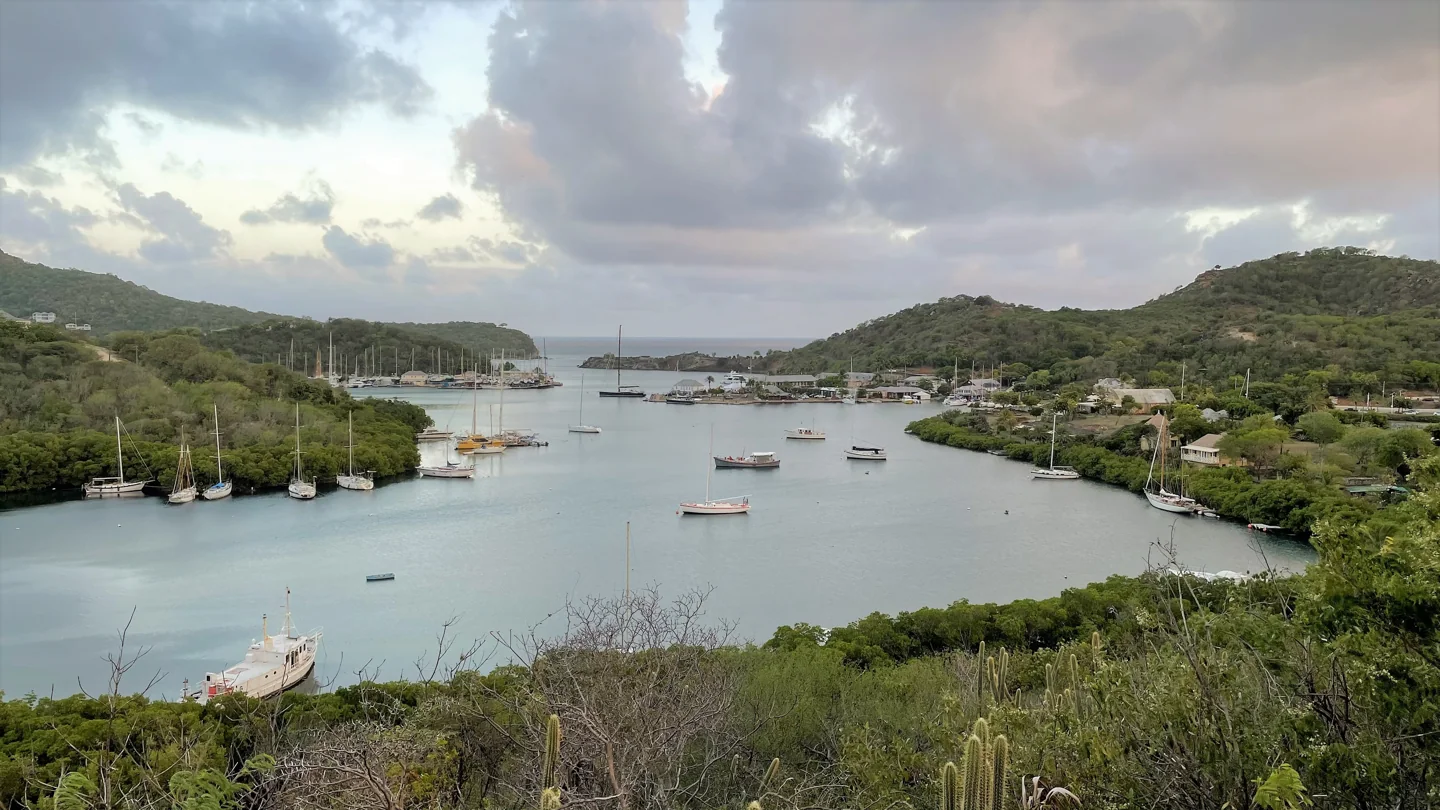
Moving & Living - Antigua and Barbuda - Complete Guide
Move to Antigua and Barbuda through the right entry, work, study and stay procedures, then arrange housing, banking, medical cover, utilities and island transport.
Photo credit
Where you live in Antigua and Barbuda should follow the journeys you will make every week. A job near St. John’s, a school in Buckleys and marina work around English Harbour lead to different neighbourhood choices. Living in Codrington on Barbuda adds inter-island travel and a different plan for services.
These fourteen stages connect entry clearance with the separate permission needed to work, study and remain, then walk through documents, money, housing and everyday services. The former Nomad Digital Residence programme has closed. Education, retirement and pet preparations are optional; follow the stages that fit your household and nationality.
Antigua and Barbuda at a glance
- Country
- Antigua and Barbuda · two main inhabited islands
- Capital
- St. John’s on Antigua
- Other places to compare
- English Harbour, Falmouth, Buckleys, Jennings and Codrington
- Currency
- Eastern Caribbean dollar · XCD / EC$; some providers also quote USD
- Driving
- Left-hand side; temporary-licence rules differ from ordinary residence permission
- Key dependency
- Work permit, stay extension and longer-term resident status are separate tasks
Follow your moving journey
Start at step 1, or jump to the task you are working on.
01Choose an island and test your daily journeys
Choose a base by putting your weekly destinations on the same map. St. John’s is the starting point for many administrative errands and bus journeys; English Harbour and Falmouth are useful places to investigate when your work is connected with the marinas. A household using Island Academy should include its Buckleys campus in the comparison. Barbuda deserves a separate plan rather than being treated as a suburb of Antigua.
| Area to investigate | Useful starting point | Journey to test before renting |
|---|---|---|
| St. John’s and its surroundings | Immigration, banking and the East or West bus station | Workday traffic, parking and the last practical bus home |
| English Harbour and Falmouth | Marina-related work and services | Your workplace, groceries and trips into St. John’s |
| Buckleys and nearby villages | Island Academy’s school journey | School pickup together with each adult’s commute |
| Jennings and the Jolly Harbour area | A western-island workplace or housing shortlist | Shopping, utilities and the actual ferry boarding location |
| Codrington, Barbuda | A job or household connection on Barbuda | Local transport and services, plus necessary Antigua trips |
Use the Tourism Authority’s transport overview to understand the difference between the islands, then test your own route at the relevant time. Ask a prospective landlord to identify the exact address and access road. Compare a property’s water arrangements, internet availability and total housing bill alongside its advertised rent. For Barbuda, confirm the travel dates you would need before committing to a job or school arrangement that depends on frequent crossings.
02Identify your entry clearance and permission to remain
Start with nationality and purpose, rather than assuming every arrival receives the same period. A visitor exemption or eVisa concerns entry. Work, study and a later resident permit have their own conditions. The duration recorded by Immigration on arrival is the date to use when planning the next application.
- Read the official visitor-visa exemption list for your passport and the entry requirements. Prepare evidence of accommodation, onward travel and support applicable to your circumstances.
- If a visa is required, use the official eVisa service. The submission instructions require a passport valid for at least six months from arrival and clear colour scans of original documents, including travel, accommodation and funding evidence.
- Compare the application details with your passport before payment. Keep the approval available offline and carry the evidence supporting your actual trip.
- For employment or study, establish the additional permission before travel or starting the activity. Plan the relevant stay extension with Immigration rather than treating visitor entry as residence.
The eVisa FAQ describes the eVisa as tourism permission and advises applying at least seven working days before departure; this is not a guaranteed turnaround. The service displays the fee for the selected application. Nationality-specific exceptions and regional arrangements require their own assessment. If your household includes different passports, prepare each person’s case separately and use Immigration’s responsible unit for a question the published rules do not resolve.
03Secure work permission through the employer or business route
For an employer-sponsored application, the employer has substantive work to do. The government work-permit form has separate applicant and employer schedules. It asks about the position, qualifications, proposed dates and accompanying family, then the employer’s workforce and recruitment efforts. A job offer alone does not complete this process.
- Agree the position, pay, duties and proposed start date in writing. Ask who will submit the permit application, pay the assessed charges and manage renewals.
- Complete your applicant section accurately, including passport details, experience and the proposed employment period. Provide the employer with evidence supporting the claimed qualifications.
- Have the employer complete its section, attach the detailed job description and recruitment evidence, and obtain the Labour Department’s current submission instructions.
- Retain the approval and make sure the employer and role match your intended work. Treat a proposed employer change as a new permission question, not an automatic transfer.
The government’s June 2026 Cabinet report discusses stronger evidence of local recruitment and wider vacancy advertising. Employers should obtain the implementing instructions from Labour; a Cabinet report is not a completed permit application. The reviewed form does not establish a reliable current fee or processing deadline, so obtain the assessed amount before paying.
For a sole-trader business, the IRD business-tax FAQ requires non-national applicants to provide a self-employed work permit. Business registration and taxation therefore do not replace immigration permission. Remote workers should note the official notice ending Nomad Digital Residence on 15 November 2025. The former programme is not an available new application route.

04Price the household and register the right tax obligations
Keep two worksheets: cash needed to establish the household and bills that recur afterward. Record XCD and USD separately until you know how the provider will collect payment. A quoted opening bank deposit is money placed in your account; a rental security deposit and a school tuition deposit have different return or credit conditions.
| Initial costs to obtain | Recurring costs to obtain |
|---|---|
| Travel, freight and any customs or clearance charges | Rent, electricity, water, internet and mobile service |
| Permission applications and document preparation | Household food, transport and medical insurance |
| First rent payment and contractual security deposit | School tuition, bus service and related supplies |
| Bank funding, connection costs and essential equipment | Support and obligations continuing in another country |
Hypothetical monthly worksheet, in XCD: rent of EC$2,500, groceries of EC$1,200, utilities and communications of EC$400, and transport of EC$300 total EC$4,400. These invented inputs are not national averages or market quotations. Insurance, schooling and household-specific expenses are additional. Replace each input with a property quote, provider offer or your own spending record.
For a family considering Island Academy, its 2026–27 international fee schedule quotes EC$6,000 per term for Grades 1–6, or EC$18,000 annually, before additional fees. Dividing that tuition by twelve gives an arithmetic planning equivalent of EC$1,500 monthly; the school does not bill it on that basis.
The IRD FAQ records personal income tax’s repeal in July 2016 and explains tax on unincorporated business income. This does not make every activity or household tax-free. Ask IRD taxpayer services about your business or property position, and give your overseas adviser the move date, continuing income and home-country ties.
05Secure a school offer and the student’s permission
Separate school admission from immigration approval. Island Academy is a practical private-school starting point in Buckleys; UWI’s Five Islands campus is a university option with its own programme assessment. Apply to the institution that suits the student, then use its acceptance evidence for the relevant permission.
- At Island Academy, contact admissions, complete the application and supply the child’s passport page, birth certificate, immunisation record and applicable school reports or transcript, together with requested parent or guardian documents.
- Pay the quoted EC$200 non-refundable registration fee and arrange assessment. Submission and assessment do not guarantee a place.
- If offered admission, follow the acceptance deadline. The school specifies acceptance within fourteen days with an EC$1,500 non-refundable deposit credited toward tuition. Obtain the remaining invoice before attendance.
- For university, start with UWI’s campus admissions directory and the Five Islands application portal. Request the current programme conditions and fee assessment rather than reusing an older academic-year handbook.
The Immigration student-permit FAQ requires approval before arrival for non-immigrant students, with a stated exception for OECS citizens who have acquired indefinite status. Its list includes Ministry of Education and institution acceptance, passport, financial support, health certificate, birth certificate, parent or guardian passports and a photograph. A non-parent guardian needs the specified custody evidence.
Permits normally require annual renewal and identify the institution. Arrange a proposed transfer with Immigration first. Do not assume a student permit authorises paid work. School transport places also require confirmation: Island Academy’s fee page lists separate bus costs, but its July 2026 booking deadline has already passed.
06Plan retirement through the applicable non-working status
For a retirement household, start with lawful stay, financial evidence and medical cover. Owning a home or receiving a pension does not, by itself, establish the right to remain indefinitely. Ask Immigration which endorsement or extension is appropriate at the beginning of your stay and which later resident category you may become eligible for.
- Prepare a summary of pension or investment income, savings, household members and proposed accommodation. Include supporting statements and the insurance arrangements you intend to use.
- Present the proposed basis of stay to Immigration and request its applicable document list, period and fee assessment.
- Obtain any required entry permission and track the authorised stay. Use the extension process when a further endorsement is necessary, providing the evidence appropriate to the purpose.
- Before committing to a property purchase, obtain advice on both ownership requirements and permission to reside. Treat them as separate decisions.
A published inconsistency needs a specific answer: the resident-permit FAQ lists two years for people of independent means in its category table, but its detailed document section says five years of lawful residence. It separately lists a homeowners/retired category. Ask Immigration to confirm in writing which category and qualifying period apply to your case; neither figure should be advertised as an immediate retirement visa.
Non-worker resident certificates do not authorise employment. If you intend to consult, run a business or take local work, explain that activity before relying on a non-working category. Continue pension, tax and insurance correspondence with the responsible institutions in the countries concerned.
07Prepare documents, shipping records and any pet application
Use one document checklist for each person. Align the name on passports, employment records, school papers and financial evidence before applications are submitted. Keep originals available while storing readable copies for the services that accept them; an upload requirement and a notarised-copy requirement are not interchangeable.
- Collect passports, civil-status records, employment or school evidence, insurance documents and any requested police or health certificate. Ask the receiving authority about the age and certification of a document before ordering it.
- Keep the initial accommodation address and approval papers accessible during travel. Separate documents needed on arrival from items in shipped luggage.
- Request a freight quote with an itemised inventory and the destination address. Ask the carrier which customs documents, charges and delivery arrangements apply to your goods; do not assume residence permission creates a blanket duty exemption.
- If bringing a pet, obtain the Veterinary and Livestock Division’s import conditions for the species and country of departure before finalising transport.
For dogs and cats travelling from the United States, APHIS guidance updated in July 2025 starts with a veterinary import licence. It requires microchip, rabies vaccination and accepted FAVN test evidence, plus medical history. It specifies parasite treatment within seven days of export and an endorsed health certificate issued within seven days before arrival. Its pitbull and mixed-breed restriction also matters. Use that sequence with a USDA-accredited veterinarian; other origins need their own export authority and the Antigua permit’s instructions.
08Complete arrival checks and protect the first few days
Carry the evidence for your actual purpose rather than relying on a booking confirmation alone. Immigration’s entry requirements distinguish identity and nationality evidence from proof of work, residence or citizenship. Keep each traveller’s documents together so that household members with different statuses can present their own case.
- At immigration control, present your passport and applicable clearance, accommodation and onward-travel evidence. Explain the purpose of the stay accurately.
- Read the arrival endorsement before leaving the terminal. Record its expiry date and retain any related document. Ask about an unclear endorsement while the issue can be addressed directly.
- Travel to the confirmed temporary address and test the immediate essentials: water, electricity, phone contact and access to groceries.
- Arrange the relevant next visit with Immigration’s appointments service. A worker should connect the approved work-permit dates with the stay endorsement; a student should retain the approved study permission.
The extension FAQ explains that a work permit gives conditional permission to work while the holder’s immigration stay must still be managed. Use the actual date in your passport to plan the next endorsement. A pending application should not be treated as a general right to ignore an expiry date.
If continuing to Barbuda, verify the crossing with the operator and arrange transport at the other end. The Tourism Authority’s overview describes different local transport arrangements there. Keep time and funds for a changed sailing rather than making a same-day administrative appointment depend on an unconfirmed connection.
09Complete the worker records and the appropriate stay endorsement
For a non-national taking local employment, assemble the permission documents before the Social Security visit. The Social Security Board’s registration FAQ requires registration before employment and identifies a passport and a work permit for the relevant registered employer as the non-national evidence.
- Prepare the employee registration form with the employer’s details and your correct identity information. The online form requests notarised uploads; follow the office’s instructions for presenting originals and completing registration.
- Obtain the Social Security number and provide the card details to payroll. Ask the employer how your contributions will be reported and how you can verify the record.
- For continuing stay, prepare the appropriate extension application with the work or study permission, accommodation, financial support and other requested evidence.
- Record each permission’s renewal date separately. Keep the approval and receipt with your household file, including any endorsement made in the passport.
The resident-permit FAQ describes a later application for work-permit holders after at least four years and requires a currently approved work permit. It also says to continue processing work permission while the resident application is being decided. Do not confuse this later resident-card stage with a new arrival’s first endorsement.
When a resident card is granted, preserve it for the re-entry procedure described by Immigration. Dependants need their own assessed status; a dependant’s permission should not be assumed to include employment. For a business taxpayer, ask IRD to identify the registration appropriate to the activity rather than assigning every newcomer a universal tax-number task.
10Choose a bank account and assemble the correct evidence
Choose the account by the payments you need to make: salary, rent, utilities, transfers or school fees. Ask about transaction charges and access before opening it. A visiting non-resident, a non-national living locally and an international student may follow different document lists.
- At ECAB, use the category matching your situation. For a non-national residing locally, the bank lists passport-based identification, address evidence no more than three months old, temporary-residence or work-permit evidence, and source-of-funds information.
- Ask whether your lease or tenancy agreement is acceptable address evidence; ECAB lists it as an option. Have your employer’s income letter or other supporting financial record ready.
- Download the account form and arrange an appointment to present the supporting documents. Complete the requested foreign tax-residency information.
- After acceptance, test online access and the intended payment method. Keep a transfer reference that identifies your utility account or student correctly.
For an alternative opening-deposit comparison, ACB Caribbean’s Antigua customer-information form quotes EC$100 for savings and EC$500 for chequing, reviewed on 13 October 2026. These deposits are customer funds, not an opening fee or confirmation that your application will succeed. Request the bank’s current account charges separately.
Verify currency with each payee. A supplier’s USD quote does not determine the currency in which a card terminal will charge you. APUA’s payment page provides its supported account channels; use the correct account number and save confirmation rather than treating a transfer leaving your bank as proof of the bill’s allocation.
11Inspect the property and write down the rental terms
Compare the property you can actually occupy with the journeys established in step 1. A holiday listing and a longer tenancy may have different prices, services and dates. Ask for a written offer stating the exact rental period; do not convert a nightly advertisement into an assumed long-term rate.
- Inspect the property and meet the person authorised to let it. Check the access road, locks, ventilation, appliances and the practical route to work or school.
- Ask how water reaches the property and what storage or pumping arrangements are present. Ask for the electricity and water account arrangements and whether previous balances affect connection.
- Put rent, currency, payment dates, security deposit, notice period and deposit-return conditions in the agreement. If a guarantee is requested, record precisely who guarantees what amount and obligation.
- Record whether utilities, internet, furnishings and any grounds or shared-area services are included. Allocate repairs, callouts and replacement of supplied equipment.
- At handover, photograph the condition, complete the inventory and retain payment receipts. Record meter or account details and the maintenance contact.
No national standard deposit amount is asserted here: use the sum and conditions agreed for the actual tenancy. A security deposit should not be assumed to pay the final month’s rent unless the agreement provides for it. Your address has administrative value too: ECAB’s requirements accept suitable tenancy evidence, while APUA’s electricity application identifies owner, lessee and tenant arrangements. Resolve the owner’s cooperation before signing, so that an attractive property also works for banking and services.

12Arrange medical cover before relying on scheme benefits
Plan healthcare from the date you arrive. The Medical Benefits Scheme is an important local institution, but it should not be described as automatic comprehensive insurance for every newcomer. Its beneficiary rules and the costs a hospital or private provider will charge are separate questions.
- Choose insurance appropriate to the length and purpose of your stay. Ask about existing conditions, prescriptions, outpatient care and treatment or evacuation elsewhere when medically necessary.
- Identify a clinician for ongoing care and carry a concise medical summary. Ask the provider about appointment arrangements and payment before transferring a continuing treatment plan.
- For MBS, read the current registration FAQ. It says non-nationals must have legally resided for twelve consecutive months before beneficiary registration; passport and Social Security card are required.
- Ask MBS how your contribution and residence records establish eligibility. Its FAQ describes a minimum of six months’ contributions for benefits, so record both conditions rather than assuming one substitutes for the other.
MBS registration is handled on Nevis Street. Its outpatient reimbursement description concerns listed conditions and does not support a promise that every private consultation will be paid. Obtain the applicable benefit decision and keep the claim documents it requests.
Sir Lester Bird Medical Centre, formerly Mount St. John’s Medical Centre, is the main referral-hospital starting point in St. John’s. The hospital’s patient information explains that participation with an insurer does not guarantee a particular service is covered. Confirm the provider, policy authorisation and any personal payment responsibility for planned treatment. A household in Barbuda should arrange its local care contact and any Antigua referral journey as part of this stage.
13Connect services and organise reliable island journeys
Start with the address and the existing property accounts. APUA’s 2026 electricity form distinguishes new connection, re-installation and other service changes and includes owner consent. Ask customer service which process applies to your rental; a new-building application should not automatically become a renter’s checklist.
- Obtain the property’s service identifiers and owner cooperation. Request the relevant electricity and water account instructions, assessed deposits and any connection charges.
- Choose internet and mobile service for the actual address and island. APUA’s inet service page identifies mobile and home services; request the current speed, coverage, currency, billing cycle and installation quote before ordering.
- Use APUA’s official payment channels once the account is set up. Verify the bill and first payment allocation.
- Before driving, follow the police temporary-licence instructions: original valid licence, local address and the quoted EC$50 or US$20. The police FAQ identifies Coolidge and Dockyard issuance points. OECS visitor provisions are qualified; planned residence needs its own assessment.
Antigua drives on the left. For bus commuting, test the route and return options through St. John’s East or West stations using the transport overview and local operator information.
Sea Bridge Ferries’ July 2026 fares quote adult Antigua–Barbuda travel at EC$175/US$65 one way or EC$325/US$120 return. Confirm departure details directly: the September 2026 schedule includes a Jolly Harbour boarding notice, while the FAQ still describes St. John’s. This inconsistency matters more than a remembered terminal address; obtain the location and time for your particular sailing.
14Build a weekly routine and close the first-month tasks
Turn the application paperwork into a routine the household can maintain. The useful first-month result is a workable home, a verified journey to work or school and clarity about what must be renewed. Keep those arrangements visible to the people who depend on them.
- First week: record the arrival endorsement, attend the agreed appointments and confirm temporary accommodation. Test the school or work journey at the hour you will use it.
- During the month: complete the applicable worker registration, bank application and housing handover. Verify utility payments and agree a practical maintenance contact.
- Before the first renewal: compare the work permit, stay endorsement, student permission and insurance dates. Start the appropriate process with the responsible organisation instead of treating them as one expiry.
- After the household settles: update the actual budget, identify the health provider and arrange a dependable plan for essential Barbuda–Antigua trips if they form part of your life.
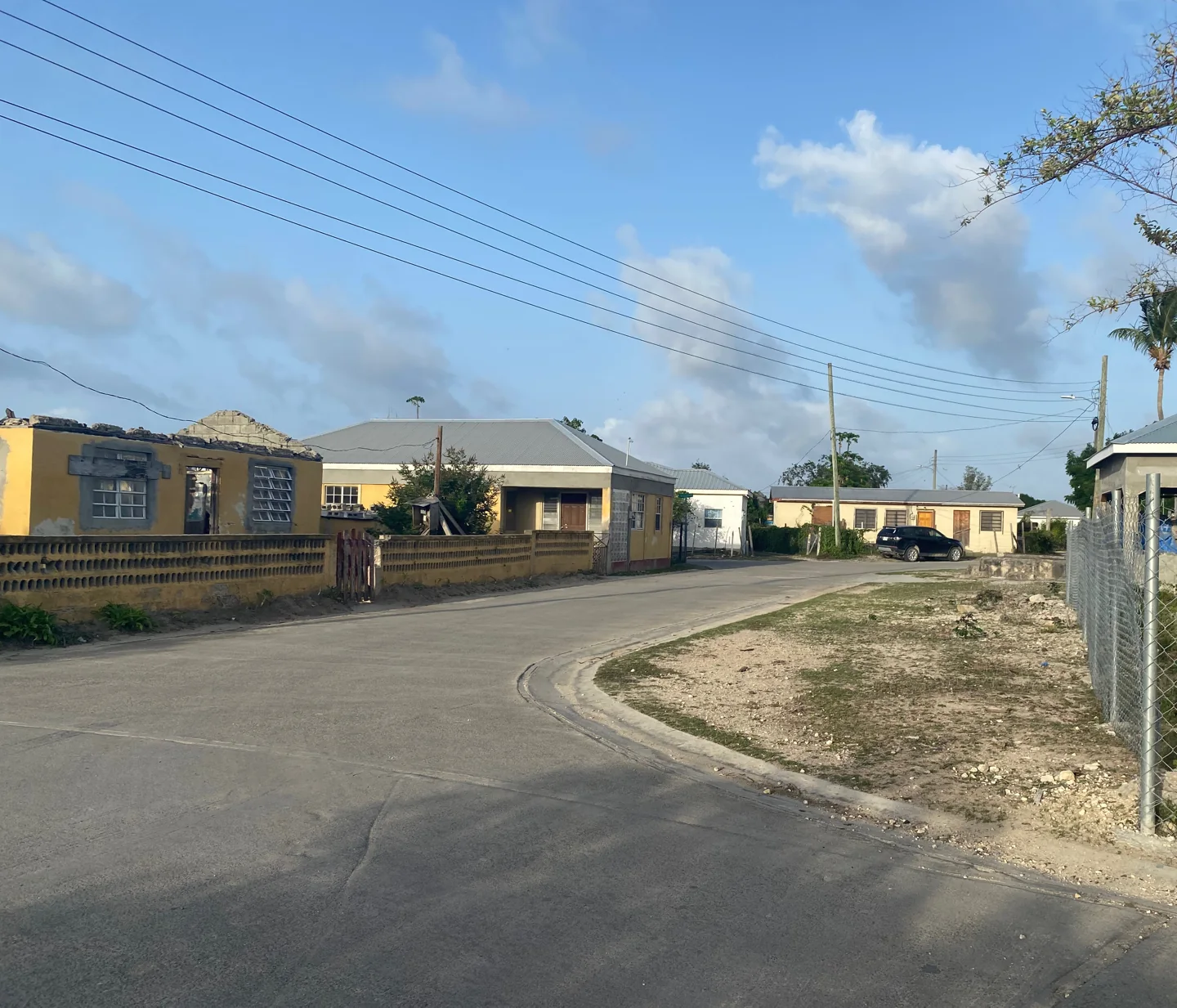
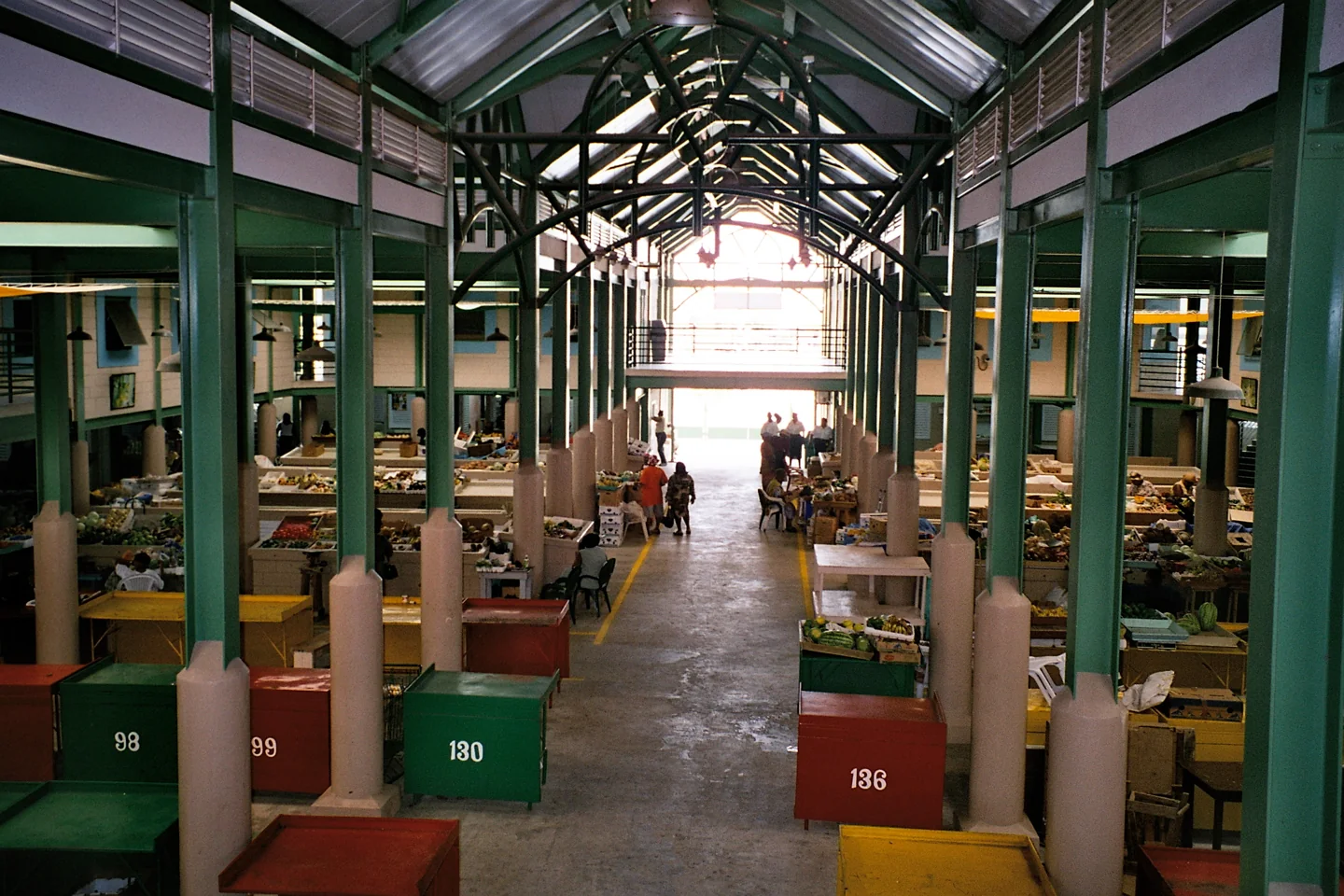
Community often begins with ordinary repeated contact: parents at school, colleagues at work, neighbours and a regular market visit. Ask which local activity welcomes new participants and what commitment it requires. Use photographs as orientation, not a promise that a business shown in an older image is still operating.
Keep a household folder with current permissions, receipts, tenancy records and contact details. Use Immigration’s current contacts when a status question remains unresolved, and MBS’s beneficiary service for your actual medical-benefit position. That leaves each question with the institution that can decide it, while your everyday routine continues around the job, school and neighbourhood you chose.
Sources & further reading
Reviewed 13 October 2026. Sources are linked beside the relevant instructions. Visa requirements depend on your nationality and application location. School prices apply to Island Academy international pupils in 2026–27; ferry fares retain their July 2026 effective date. Bank deposits are customer funds. Household figures are explicitly hypothetical, not national averages. Photograph credits, licences and capture years appear with the images.
Browse the source directory
- Immigration: entry and departure requirements
- Immigration: countries exempt from visitor visas
- Immigration: official eVisa application
- Immigration: eVisa documents and submission instructions
- Immigration: visa FAQs
- Labour Department: employer-sponsored work-permit form
- Government: work-permit recruitment discussion, 10 June 2026
- Government: Nomad Digital Residence closure notice
- Immigration: extension-of-stay applications
- Immigration: extension FAQs
- Immigration: resident-permit FAQs
- Immigration: appointments and responsible units
- IRD: Unincorporated Business Tax FAQ
- IRD: business-tax service and taxpayer contacts
- Island Academy: application and assessment
- Island Academy: international student fees 2026–27
- UWI: campus admissions directory
- UWI Five Islands: application portal
- Immigration: student-permit FAQs
- USDA APHIS: US pet exports to Antigua and Barbuda
- Social Security Board: employee registration FAQ
- Social Security Board: employee registration online form
- ECAB: customer-information requirements
- ECAB: account applications and appointments
- ACB Caribbean Antigua: customer-information form
- Medical Benefits Scheme: current registration and benefits FAQ
- Sir Lester Bird Medical Centre: current hospital services
- Sir Lester Bird Medical Centre: patients and insurance
- APUA: electricity application, 2026
- APUA: inet mobile and home services
- APUA: billing and payment
- Tourism Authority: getting around Antigua and Barbuda
- Royal Police Force: temporary driving licences
- Royal Police Force: licence issuance FAQ
- Sea Bridge Ferries: fares effective 1 July 2026
- Sea Bridge Ferries: schedule dated 28 September 2026
- Sea Bridge Ferries: booking and boarding FAQ
Make your next step a practical one
Choose the neighbourhood that fits your job or school, secure the applicable permission, then connect your housing address with banking and utility applications.




