 Visa
Visa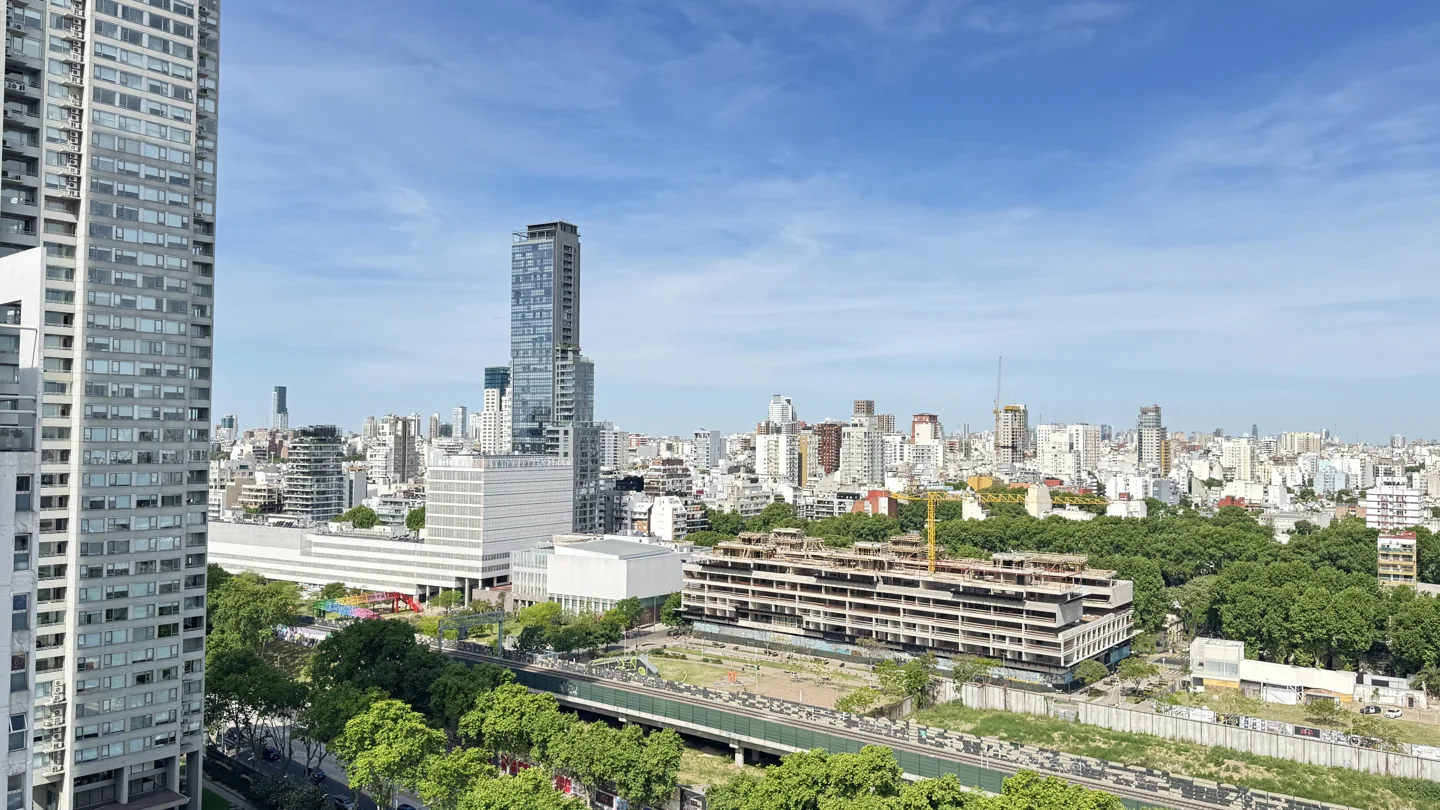
Moving & Living - Argentina - Complete Guide
Move to Argentina through the appropriate residence route, prepare documents, arrange schools, obtain local identity and tax records, and settle into housing, healthcare and daily transport.
Daily life in Argentina depends on the city and the journeys around it. An apartment in Buenos Aires links your routine to the Subte and colectivos; a home around Nueva Córdoba raises different university and commuting questions. In Mendoza, the city centre and Parque General San Martín offer another starting point for comparing neighbourhoods.
This fourteen-step journey connects the residence application with documents, employment, education, money and a functioning household. It distinguishes temporary residence from short transitory stays, explains the current national healthcare rules, and uses dated transport prices rather than a national cost estimate. School, retirement and pet tasks are optional parts of the move.
Argentina at a glance
- Country
- Argentina
- Capital
- Buenos Aires · Ciudad Autónoma de Buenos Aires / CABA
- Cities to investigate
- Buenos Aires, Córdoba and Mendoza
- Currency
- Argentine peso · ARS; rental contracts may specify a foreign currency
- Documents
- DNI for qualifying residents; CUIL and CUIT serve different purposes
- Transport terms
- Subte, colectivos and SUBE
- Application distinction
- RaDEX residence processing and an entry-permit or consular process differ
Follow your moving journey
Start at step 1, or jump to the task you are working on.
01Choose a city, then compare its neighbourhoods
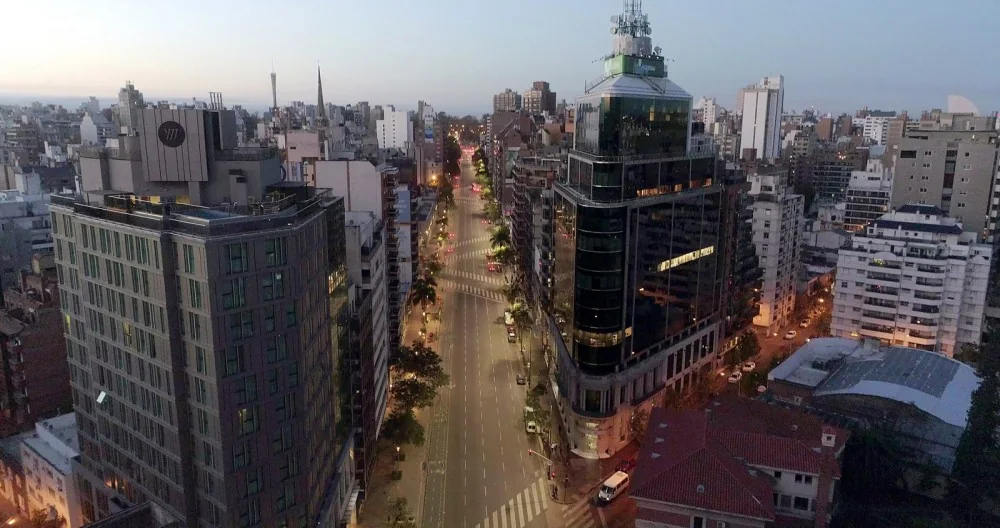
Begin with the location of the job, university or family connection bringing you to Argentina. Compare the neighbourhood around it with alternatives along a workable transport route. Buenos Aires city, often abbreviated CABA, is a different jurisdiction from Buenos Aires province; that distinction matters for schooling, appointments and services.
| Starting point | Areas or landmarks to investigate | Decision to test |
|---|---|---|
| Buenos Aires | Palermo, Belgrano and Caballito | Exact journey to work or campus, street noise and the building’s total charges |
| Córdoba | Nueva Córdoba and your university or employer’s location | Whether your daily route works from the particular apartment |
| Mendoza | City-centre addresses and the area around Parque General San Martín | Access to services, transport and the activities you want nearby |
The Buenos Aires tourism office’s Belgrano circuit provides a useful walking introduction to its mix of homes, towers and commercial streets. Use the Mendoza government’s park information to locate a public-space starting point, then compare actual addresses. These are orientation tools, not evidence that a neighbourhood is uniformly quiet or affordable.
- Put work, school and essential appointments on a map.
- Test the commute at the time you would use it, including the return journey.
- Ask each property for rent, building charges and service arrangements together.
- Stay temporarily nearby if possible before choosing the longer contract.
02Match your nationality and purpose to a residence category
Argentina distinguishes permanente, temporaria and transitoria residence. A short transitory permission and an ordinary temporary residence application are different processes. Start with Migraciones’ category directory, then use the procedure matching your nationality, activity and family position.
- Nationality route: the MERCOSUR procedure lists native nationals of Uruguay, Brazil, Paraguay, Bolivia, Chile, Peru, Ecuador, Colombia, Venezuela, Guyana and Suriname. Its grant is up to two years, renewable. People born elsewhere and later naturalised face a distinct five-year condition in Brazil, Paraguay, Uruguay, Bolivia, Chile, Colombia, Ecuador or Peru; holding any regional passport is not the complete eligibility test.
- Employment: an eligible employee can use the migrant-worker temporary residence procedure, with employer evidence described in step 3.
- Family: use the current family-reunification procedure to identify the qualifying relationship and supporting person’s status. Prepare the civil record proving the relationship.
- Study or retirement: use the dedicated student or pensioner process described below.
For an application made inside Argentina, the official RaDEX service is the starting point for the relevant residence processes. Register, complete the selected application, pay the assessed charges, upload its evidence and follow the appointment message. Keep originals for the in-person stage.
For someone still abroad, the entry-permit procedure connects approval with the Argentine consulate responsible for the usual place of residence. Obtain that consulate’s instructions before travel. Use the fee assessment in your actual process rather than an older national price list. Visitor entry should match the real purpose of the trip and does not independently authorise local employment.
03Prepare employer evidence or an authorised remote-work plan
An employer-sponsored application needs more than an offer letter. Under the official migrant-worker procedure, the signed pre-contract identifies the parties, duties, working hours, job duration, workplace, remuneration and employer CUIT. Signatures require the specified certification. Ask the employer to assemble this evidence before fixing your start date.
- Agree the duties, pay and place of work in a written pre-contract matching the application.
- Obtain the employer’s ARCA registration and registration in Migraciones’ foreign-worker sponsor register, commonly called RENURE.
- Arrange the employer’s alta temprana, its employment registration. The procedure requires the employer-signed evidence within thirty calendar days after starting the residence application.
- Keep the employment and residence documents together and confirm when the granted status permits the actual activity. The published employee residence period is one year, renewable.
For remote services to people or organisations abroad, the digital-nomad electronic entry process offers a transitory period of up to 180 days to qualifying nationals whose countries do not require a tourist visa. It asks for evidence of the activity, experience and an occupational reference. This is a nationality-limited route for foreign clients, not a universal local-work category.
The application made inside Argentina is handled in person rather than through RaDEX; use the listed jurisdictional contact and bring the activity evidence. A business founder should identify the matching category in Migraciones’ directory and then arrange the applicable ARCA registration. An account, invoice or company registration alone does not establish immigration permission.
04Build two budgets and assess your tax position
Keep the arrival budget separate from monthly expenses. Record the currency, quotation date and payment method for each item. A rent fixed in dollars and bills paid in pesos need their own cash-flow plan; an exchange rate observed today should not silently become a permanent budget assumption.
| Initial moving worksheet | Recurring living worksheet |
|---|---|
| Travel, temporary accommodation and freight quotes | Rent and any agreed adjustment schedule |
| Document legalisation, translation and application charges | Expensas, electricity, gas, water and communications |
| Contractual deposit and any accepted guarantee cost | Food, transport and household supplies |
| School preparation, essential equipment and account funding | Insurance, school costs and commitments abroad |
A verified recurring-cost example is available for Buenos Aires transport. The official October 2026 Subte annex lists ARS 1,817 for each of the first twenty monthly journeys using the nominal tariff, ARS 1,453.60 for journeys 21–30 and ARS 1,271.90 for journeys 31–40. Prices include IVA. Forty qualifying journeys on the same applicable registered SUBE-card arrangement therefore calculate to ARS 63,595. This is a transport calculation, not a national monthly living budget; buses and other travel are additional.
The September 2026 resolution supplies the October tariff’s authority. Reprice the calculation against the current fare service when you move, and verify the tariff applied to your payment method.
For tax, ARCA’s residence definitions include permanent residence and twelve months with temporary authorisations among the foreign-resident criteria. Take your permission dates, employment contract, foreign income and assets to an adviser for the applicable assessment. Keep tax residence distinct from the name of the immigration category and arrange the required registration before issuing business invoices.
05Arrange school enrolment or a university application
For children in CABA, use the city’s state-school enrolment system rather than assuming a preferred school will admit directly. The 2027 enrolment page, reviewed on 13 October 2026, gives a pre-enrolment window from 5 October to 6 November 2026 for new entrants and the specified level changes. The dates concern that intake and jurisdiction.
- Choose the correct level and list suitable schools through the city service.
- Complete pre-enrolment and the required documentary stage. Keep the registration record and follow the allocation instructions.
- Provide existing education records and identity documents. Article 143 of the current Education Law protects access to initial, primary and secondary schooling for migrants without an Argentine DNI using documents from their country of origin.
- For a move to another province or a mid-year transfer, contact that jurisdiction’s education service about the applicable placement process.
At the University of Buenos Aires CBC, the institution’s admissions material describes pre-entry, selection of site and shift, and presentation of documents. Foreign secondary studies need the applicable convalidación or recognition process. The CBC describes provisional registration with the identity document used for convalidation when the Argentine DNI has not yet been obtained.
Ask the chosen university for its current intake dates, language requirements and programme-specific charges. Admission and residence are separate: obtain the institution evidence for Migraciones’ student procedure where that category applies. A primary-school rule or one university’s policy should not be used to promise an identical admission or fee position at every higher-education institution.
06Prepare pension evidence for the retirement route
Argentina has a named pensionado temporary residence category. The inside-country procedure requires evidence from a government, international organisation or private company confirming a regular, continuing pension or retirement payment at least equal to five Salarios Mínimos Vitales y Móviles, usually abbreviated SMVM.
- Request the official pension statement identifying the source, recipient, regularity and amount.
- Ask Migraciones how that statement must be legalised, translated and used to evidence the applicable SMVM threshold at submission.
- Prepare the identity, address and criminal-record evidence required for the process.
- Submit through RaDEX where applying under the inside-country procedure, retain the payment record and attend the requested appointment.
- Record the granted expiry date and arrange renewal in the appropriate period.
The published inside-country grant is one year, renewable. Someone arranging permission from abroad should use the separate rentista or pensioner entry-permit service and the responsible consulate’s instructions. Its entry-permit conditions should not be substituted for the inside-country procedure.
Use the salary-linked threshold rather than an old dollar amount circulating in relocation articles. This guide does not invent an October 2026 exchange-rate conversion for it. Add healthcare, housing and continuing overseas commitments to the pension cash-flow plan. Discuss pension taxation and account access with the relevant institutions, and retain enough documentation to support a later renewal rather than relying only on the first approval.
07Legalise documents and prepare belongings and pets
Obtain documents in an order that preserves their usefulness. First identify the record and certification required, then legalise it, then arrange the accepted translation. The Migraciones legalisation rules describe apostille or the applicable consular legalisation and a national public translator whose translation is certified by the professional college. Confirm any category-specific exception before ordering duplicate work.
- Prepare civil records and the category evidence, with names matching your passport.
- For the residence processes requiring them, obtain the foreign criminal records for countries where you lived more than a year during the previous three years. The pensioner procedure requires the criminal records for applicants over sixteen and lists the Argentine record as integrated into RaDEX.
- Ask your freight provider for an inventory-based quote and customs document list. Have it assess your residence status before promising a household-goods exemption.
- Keep documents needed at the border and appointment accessible separately from shipped luggage.
For dogs and cats, follow SENASA’s incoming-pet instructions. The international veterinary certificate must be issued by the origin’s official authority and include Spanish; a suitably legalised official pet passport follows its own language rule. The health examination is within ten days before certificate issue, parasite treatment within fifteen days, and first rabies vaccination at least twenty-one days before entry. The certificate’s sixty-day entry validity depends on rabies protection remaining current.
Confirm whether the pet travels accompanied or as cargo: the advance-notice and fee arrangements differ. Give the airline the same transport plan used for the veterinary paperwork.
08Complete arrival checks and establish a usable address
Arrive with the documents for the purpose you have declared. The current Migration Law provides for an entry declaration stating the purpose and that health insurance is held, together with the conditions established by regulation. Carry the applicable approval and policy details so that the information you give can be supported.
- Present the passport or travel document accepted for your nationality and the relevant entry clearance. Explain the actual plan accurately.
- Keep evidence of the entry and any permission or endorsement issued. Record the permitted period and the next application deadline.
- Reach the confirmed address and establish phone access. Check that the accommodation can supply suitable address evidence for the appointments ahead.
- Review messages in the application account and email inbox, including appointment requests. Store approval and payment references where they can be retrieved offline.
If a residence application is made through RaDEX, follow the selected category’s instructions and bring originals to its in-person stage. A submission email or paid charge should not be confused with the final grant. Retain any provisional certificate actually issued and follow its terms and expiry.
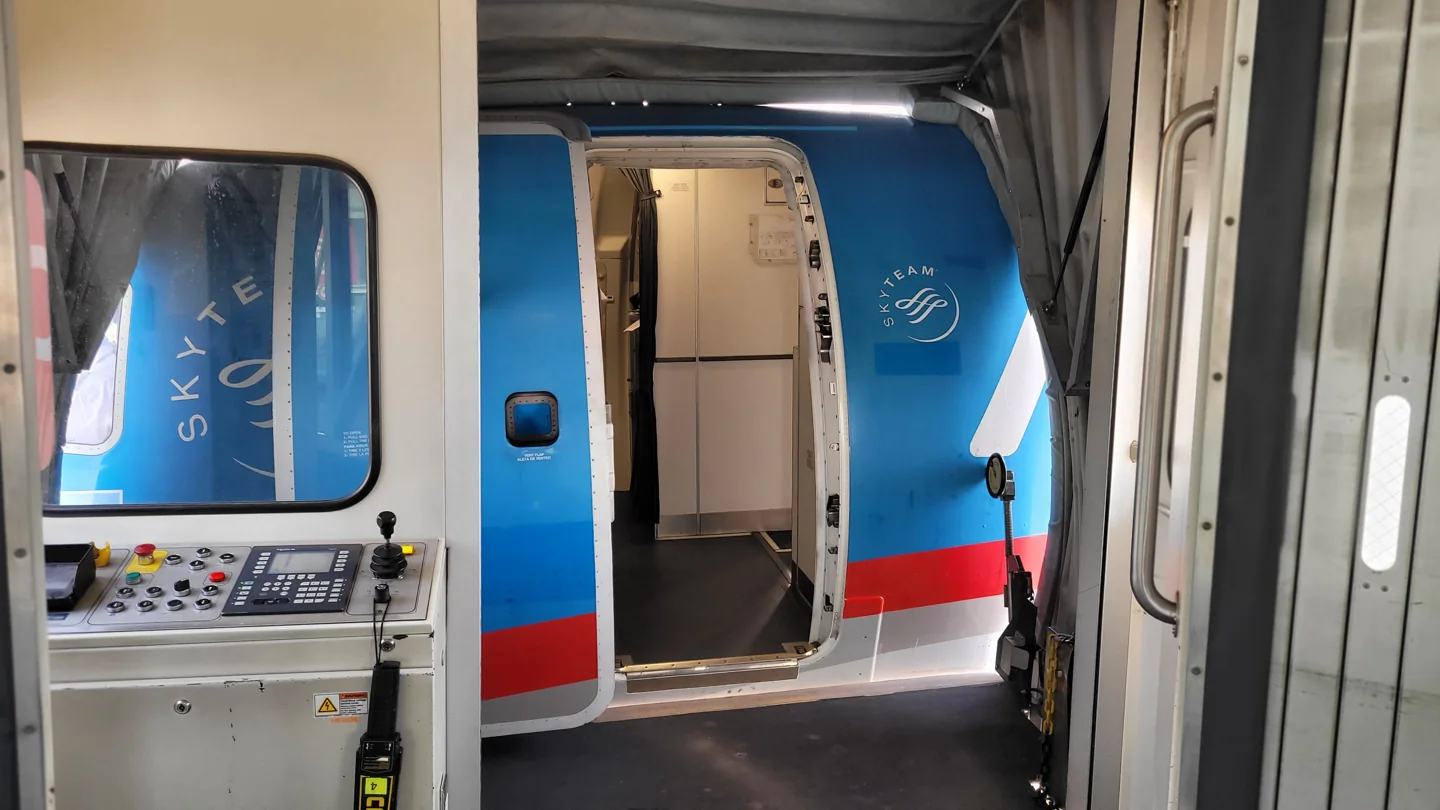
Allow the first days for local tasks instead of placing every appointment on the flight-arrival day. Córdoba’s airport, Buenos Aires’s arrival airports and an onward domestic journey are different travel plans; use the airport and operator stated on your ticket. Confirm pickup arrangements with the accommodation provider rather than assuming the nearest city-centre landmark is your destination.
09Connect residence approval with DNI and the right identifier
The DNI is the Documento Nacional de Identidad. RENAPER’s foreign-resident guidance ties its application to valid permanent or temporary residence; where the residence is absent, expired or expires within sixty days, the immigration position must be regularised first. A digital-nomad transitory stay should not be assumed to follow the ordinary temporary-resident DNI process.
- At the residence stage, confirm whether the first DNI application has been incorporated and how delivery to your recorded address will work. Avoid starting a duplicate application without asking.
- For dependent employment, use ANSES’s CUIL procedure. Provide the accepted identity and immigration evidence for your situation, and give the resulting number to payroll.
- For business or an applicable tax registration, identify the required CUIT process with ARCA. Foreign residents without a DNI have a specific special-situations application through Presentaciones Digitales.
- If an institution asks for a CDI, use the separate identification-key procedure when it applies; ask which identifier is required for the proposed transaction.
CUIL supports employment and social-security records; CUIT serves tax identification. Neither number independently gives permission to work or remain. Keep the residence resolution, provisional evidence and identity document linked in your household file. Update the institution when a definitive document replaces earlier evidence so that your salary, bank and tax records do not become separate versions of your identity.
10Open the appropriate account and learn local transfers
A caja de ahorro is a savings account; a peso account can provide the practical base for everyday payments. The BCRA’s immigrant-account information and its 2023 regulatory reminder describe access with appropriate foreign identity and immigration evidence. An app’s identity screen may still require an Argentine DNI.
- Ask a bank branch which account and identification procedure fit your residence stage. Take the passport, immigration evidence and applicable identifier, together with any address or income evidence it requests.
- Compare account maintenance, transfer, card and withdrawal charges for the product offered. Request the terms for any foreign-currency account separately.
- If using Banco Nación’s app, follow the BNA+ identity FAQ: its foreign-user onboarding requires a DNI. Use the branch route for a document question rather than repeatedly entering a passport into a DNI-only screen.
- After the account is operational, note its CBU and alias. Test a small transfer to a confirmed recipient and save the receipt before paying rent or a large invoice.
A CBU identifies a bank account; payment instructions may also give an alias. BNA’s transfer guidance distinguishes CBU and CVU destinations. Verify the payee’s displayed name before confirming, and agree the currency and amount with the supplier. A QR payment option is useful only once your account and the particular payment method are active.
Keep an alternative way to pay during account assessment. None of the linked procedures promises that every newcomer will obtain an account immediately or that a foreign card will meet every local payment need.
11Inspect the home and negotiate the written rental terms
Read the contract as a payment schedule, not just an advertised monthly price. Argentine rental terminology includes locador, the landlord, locatario, the tenant, and expensas, building charges. Ask for the recent expensas statement alongside the rent quote so that an apartment can be compared on its full recurring cost.
- Inspect the address, appliances, locks, ventilation and service connections. Record the condition and supplied furnishings at handover.
- Agree the rental currency, duration, payment dates and method in writing. The government’s current rental guide explains that parties may agree pesos or foreign currency and the contract term.
- Write down the adjustment index, frequency and calculation method. Ask the agent to demonstrate the clause using a clearly labelled example before signing.
- Identify the security deposit and its return terms. If a property guarantee, named guarantor or guarantee insurance is requested, obtain the precise acceptance conditions and cost.
- Allocate ordinary building services, repairs and any other charges consistently with the applicable rules. Preserve the signed inventory and payment receipts.
The legal guide distinguishes habitual building-service expenses from extraordinary common charges that are not the tenant’s responsibility. Use the actual bill and clause rather than assuming every item labelled expensas is payable by you. Ask for clarification before a large maintenance charge is added to the household budget.
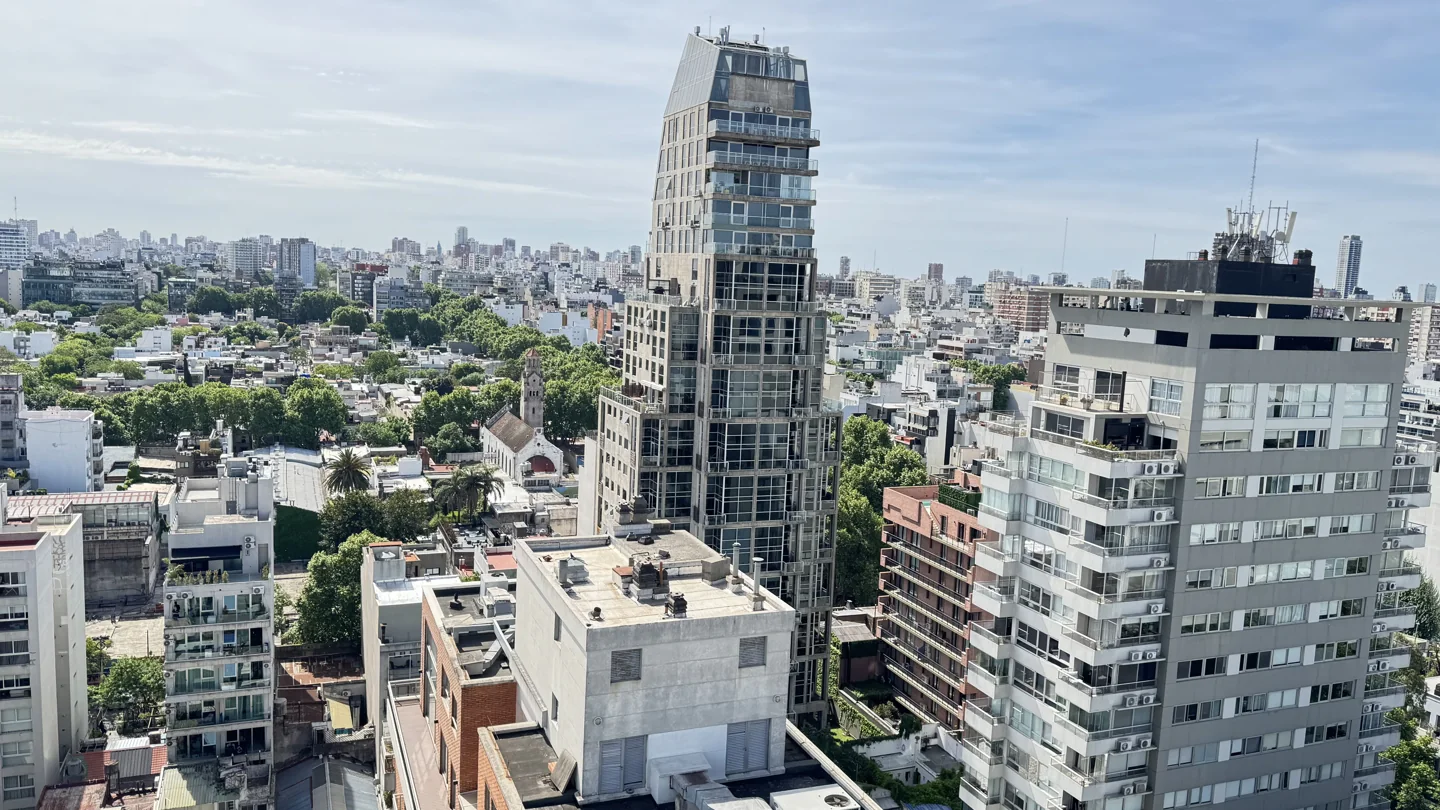
Negotiate the document position while your DNI or salary history is developing. A landlord’s accepted guarantee does not establish residence permission, and a photograph of an apartment tower does not mean a unit is available. Obtain the authorised person’s written offer for the particular home.
12Arrange healthcare for your status and local providers
Arrange insurance from the beginning of the stay, then connect any employment-based coverage with the providers near home. Argentina’s current national rule distinguishes emergencies, permanent residents and other patients using facilities administered by the national government. Provincial and city services need their own assessment.
Under Article 8 of the revised Migration Law, emergency care cannot be denied because of immigration status, and permanent residents access public healthcare on the same basis as Argentine citizens. Outside those cases, routine treatment at national-government facilities requires insurance or prior payment under the Health Ministry’s conditions. The August 2026 operating procedure develops those national-facility arrangements; it should not be presented as one identical billing rule for every provincial hospital.
- For planned care, ask the provider which document proves your status and which insurer or payment arrangement it accepts.
- If employed, obtain the details of your obra social or health agent from payroll and complete the agent’s enrolment.
- Use the Superintendencia’s choice guidance to compare the local cartilla, its provider directory, and the arrangements relevant to your beneficiary category.
- Where exercising a permitted change, follow the actual online application and enrol with the selected agent after confirmation.
A private prepaga plan and an employment contribution arrangement should be priced and assessed for your household. Confirm existing-condition terms, medicines, dependants and the effective start date. Keep a medical summary and prescription information ready for the clinician who will continue your care.
13Activate communications, transfer services and choose transport
For a mobile line before the DNI arrives, use an operator’s stated foreign-document route. Movistar’s prepaid registration guidance directs passport and foreign-document holders to its visitor activation service. That page explains buying the SIM at a kiosk or point of sale, contacting the official WhatsApp service with #NOMI, supplying the requested identity information and choosing a pack.
- Use the operator’s own contact link and activate the line before relying on it for appointments or bank messages.
- For a new home, identify each utility from its actual bill and request the account-holder process.
- For an Edenor-served address, its change-of-holder page lists the new user’s DNI, the paid latest bill and occupancy evidence such as a lease. Ask customer service about your document stage if the DNI is still pending.
- Confirm internet installation and the full ongoing tariff at the address before accepting a promotional offer.
For transport, obtain a SUBE card where appropriate and follow the registration service using the form, telephone option or identity-document visit described there. Verify that it is registered before budgeting on the nominal fare. The October 2026 Subte annex lists ARS 2,541.10 for the first twenty non-nominal journeys, compared with ARS 1,817 at the nominal tariff.
Use the network and timetable for your city. The Buenos Aires Subte price does not establish Córdoba bus or Mendoza transport charges. Test the connection, payment method and last practical service on the route you will actually use.
14Build a routine and review the first-month records
Use the first month to replace assumptions with the arrangements you have actually obtained. Write down the home address in the format used by the landlord, bank and utility; make sure appointment messages reach a contact you can access. Regular errands will also help you understand the neighbourhood beyond its advertised attractions.
- First week: preserve entry evidence, activate communications, confirm address documents and read the next immigration appointment instructions.
- During the month: connect the residence and DNI stages, arrange the appropriate employment or tax identifier, and test the bank payment method.
- At housing handover: retain the inventory, service readings and receipts; agree how to report maintenance.
- Before relying on a routine: confirm the school allocation or university stage, health-agent enrolment and weekday transport.
- Before renewal: identify the procedure matching the granted category, then prepare its evidence and dates.
Choose a regular local activity that fits the household: a class, neighbourhood sports group, parent contact or volunteer organisation. Ask about joining, costs and attendance directly. A few repeated visits are more useful than assuming that every event advertised to visitors provides an ongoing community.

Review the real budget after the first bills arrive, including expensas and any contractual adjustment. Keep sources such as Migraciones’ application FAQ and the current transport tariff service in your household reference list. When the job, address or family situation changes, take that specific change to the responsible institution and update the records affected by it.
Sources & further reading
Reviewed 13 October 2026. Sources are linked beside the relevant instructions. Visa requirements depend on your nationality and application location. The transport example uses the official Buenos Aires October 2026 Subte tariff in ARS, including IVA. Housing and moving budgets require actual quotations; no national monthly cost or currency conversion is invented. Photograph credits, licences and capture years appear with the images.
Browse the source directory
- Buenos Aires Tourism: Belgrano neighbourhood circuit
- Mendoza Government: Parque General San Martín
- Migraciones: residence categories
- Migraciones: nationality-based MERCOSUR temporary residence
- Migraciones: temporary residence for a migrant employee
- Migraciones: family reunification under the revised law
- Migraciones: official RaDEX service
- Migraciones: entry permits for applicants abroad
- Migraciones: residence application FAQ
- Migraciones: electronic entry for digital nomads
- Migraciones: digital nomad application inside Argentina
- Current Migration Law 25,871, including 2025 amendments
- Migraciones: temporary residence as a pensioner
- Migraciones: rentista or pensioner entry permit
- Migraciones: legalisation and translation rules
- Buenos Aires City: school enrolment for 2027
- Current National Education Law: Article 143
- University of Buenos Aires: CBC admissions
- Migraciones: temporary residence as a student
- SENASA: incoming dogs and cats
- RENAPER: DNI for foreign residents
- ANSES: obtain a CUIL
- ARCA: foreign residents without an Argentine DNI
- ARCA: income-tax residence definitions
- BCRA: account access for immigrants
- BCRA: deposit accounts without DNI, reminder B12635
- Banco Nación: BNA+ account and identity FAQ
- Government legal guide: current rental rules
- Health Ministry: Resolution 1066/2026
- Superintendencia: health-agent choices
- Superintendencia: actual health-agent change application
- Movistar Argentina: foreign visitor SIM activation
- Movistar Argentina: prepaid line identity registration
- Edenor: change the electricity account holder
- SUBE: register your transport card
- Buenos Aires: October 2026 Subte fare annex
- Buenos Aires: Directorio resolution 238/2026
- Buenos Aires: Subte fares and payment methods
- ARCA: identification key CDI
Make your next step a practical one
Match your nationality and activity to a residence category, prepare the documents for that process, then choose a home whose address and journeys work for your household.




