 Visa
Visa
Moving & Living - Australia - Complete Guide
Move to Australia step by step: choose a city, arrange the right visa and work, organise schools and belongings, and set up tax records, banking, housing and healthcare.
Photo credit
Australia offers different household routines: a Sydney train commute, Melbourne’s campus and tram connections, or a Brisbane base linked to the Translink network. Your suburb, work location and school journey matter more than a city-wide reputation for convenience.
This fourteen-step journey connects the appropriate visa with employment, education, documents and everyday services. It explains tax and banking records, state-specific rental rules, conditional Medicare eligibility and pet biosecurity preparation. Education, retirement and pet tasks apply only when they fit your move.
Australia at a glance
- Capital
- Canberra
- Currency
- Australian dollar · AUD
- Immigration authority
- Department of Home Affairs
- Visa evidence
- Grant letter and VEVO current conditions
- Tax identifier
- Tax File Number · TFN
- Healthcare
- Medicare eligibility depends on circumstances; visa insurance requirements remain relevant
- Housing
- Tenancy and bond rules vary by state or territory
Follow your moving journey
Start at step 1, or jump to the task you are working on.
01Choose a city and suburb around the journeys you need
Begin with the workplace, campus or school that brings you to Australia. A home advertised as being in Sydney or Melbourne can still involve a long journey to your actual destination. Compare the suburb, station or bus stop and the final walk rather than choosing only by a city’s reputation.

| City | Areas to investigate | Question to resolve |
|---|---|---|
| Sydney | The inner city, the Inner West or Parramatta, according to your destination | Which rail or bus connection serves the actual work or school address? |
| Melbourne | Carlton, Brunswick or a suburb around the campus or workplace | Does the tram, train or bus journey work at the times you need? |
| Brisbane | Inner-city areas or suburbs connected to your job | How much of the journey is walking, and how does the home handle the weather? |
| Perth | A suburb along a useful rail corridor or near your workplace | Can you reach everyday services as well as work without depending on a car? |
- Mark the places you must reach regularly.
- Compare five rental listings in each candidate area, recording weekly rent and additional charges.
- Request information about heating, cooling, insulation and the building’s condition.
- Reserve initial accommodation and repeat the likely commute before taking a longer lease.
If your immigration route requires regional residence or employment, resolve that restriction before choosing a city. The Home Affairs regional-visa information identifies routes with location conditions. A convenient suburb does not override the visa’s conditions.
02Choose the visa for your activity and application location
Use the Home Affairs visa explorer to distinguish visiting, study, work, family migration and permanent residence. A visitor application is not a substitute for a visa permitting the employment you intend to undertake. Select the category before ordering documents or committing to a start date.
- Identify your nationality, intended activity, family members and current application location.
- Read the eligibility, application and conditions tabs for the actual subclass.
- Prepare the required identity, qualification, relationship, health or character evidence.
- Submit through the designated official application service and retain the acknowledgement.
- When a decision arrives, read the grant letter for validity, travel and work conditions.
Partner migration illustrates why location matters: subclasses 820 and 801 are the onshore partner route, while a different process applies offshore. The partner-visa information identifies eligible citizen, permanent-resident or New Zealand sponsors and the application distinctions.
For students, the subclass 500 instructions require the appropriate study evidence and family declarations. The published standard work limit is forty-eight hours per fortnight while the course is in session; read the conditions and exceptions for your own grant. Do not assume admission to a course establishes a later permanent residence entitlement.
Keep the proposed arrival, visa validity and next required action in one calendar. Avoid treating published processing estimates as a promised decision date when arranging travel, employment or housing.
03Confirm work rights and put the employment arrangement in writing
Give the prospective employer your actual visa details and proposed arrival date. A job offer, skills assessment or employer nomination is a different stage from an approved visa allowing that work. Ask who handles any sponsorship and which conditions will apply to you and accompanying family members.
- Identify the visa’s work conditions and any employer, occupation or location restrictions.
- Agree the job, classification, hours, pay and work location in writing.
- Ask the employer which payroll, tax and superannuation details it needs.
- Retain the contract, payslips and a record of hours worked.
The Fair Work Ombudsman’s migrant-worker information confirms that visa holders have the same workplace protections as other employees. Immigration status does not remove rights to minimum entitlements, although visa breaches can have separate immigration consequences. Use Fair Work’s tools to identify the pay and conditions applying to the actual job rather than assuming one salary rule covers every occupation.
If you will work remotely for a foreign employer, establish whether your visa permits the activity and how the employer will manage Australian obligations. A foreign payment account does not settle the immigration, payroll or tax questions. Obtain a written arrangement before relying on that income for the move.
For a business, the government’s foreign-founder instructions require an appropriate visa for non-citizens and non-permanent residents. Then choose the legal structure and follow the business-registration and licensing process. Registering a business does not itself grant residence or work permission. Ask which ABN, tax, licensing and insurance obligations apply before trading or employing anyone.
04Price the move and establish the tax position
Separate cash needed to arrive from the cost of a normal month. Weekly rent, a refundable bond, temporary accommodation and furniture can make the first weeks very different from later spending. Keep each quotation’s currency, date and scope, and record which costs are shared across the household.
| Initial costs | Recurring costs | Evidence to collect |
|---|---|---|
| Visa applications, medical examinations and document work | Rent, electricity, gas and internet | Official application charge and property-specific provider quotes. |
| Flights, shipping, pets and temporary accommodation | Groceries, transport and vehicle expenses | Carrier quotations and your actual commute and shopping list. |
| Bond, rent in advance and household setup | Schooling, insurance and medical gaps | Lease, education fee schedule and insurance contract. |
As a dated local example, Translink’s Queensland network fare is AUD 0.50 per journey, reviewed 13 October 2026, excluding Airtrain. Forty eligible journeys would total AUD 20 as a calculation. That is a transport example for that network, not a national living-cost figure or an estimate for a household needing a car.
Discuss your tax position before receiving salary, remote-work payments or business income. The ATO’s residency guidance distinguishes tax residence from citizenship and visa status; a single day-count shortcut cannot settle every case. Keep arrival dates, overseas income and foreign-tax evidence, and ask how temporary-resident provisions or a treaty affect your circumstances.
Agree which amounts the employer withholds and which income you must account for separately. Obtain the appropriate Tax File Number and retain the payroll declaration. Budget using the income actually available after deductions, then replace estimates with the first payslips and bills. Do not treat an immigration grant as confirmation of a particular tax outcome.
05Arrange the school or university place before choosing the home
School procedures depend on the state, the child’s age and the family’s visa category. Ask the receiving education authority which enrolment process applies before assuming a government-school place has no tuition charge. Prepare previous reports, identity documents, vaccination records and any learning-support information the school requests.

- Identify the teaching language, year level and curriculum appropriate to the child.
- Use the state education authority’s school information to shortlist schools near the proposed home.
- Explain the visa subclass and expected arrival date to the enrolment team.
- Obtain the admission or enrolment authority, fee decision and documents required for the school.
- Test the school journey before committing to a long lease.
In New South Wales, the Temporary Residents Program publishes separate procedures for temporary residents, visitors and dependants of international students. It also lists visa-specific enrolment conditions and fee exemptions. Use the process for your household rather than the independent international-student programme by default. Request a written fee calculation, including any application charge, and ask whether your particular visa and school location qualify for an exemption.
For higher education, the University of Melbourne’s international undergraduate application guide is a practical starting point. Its channel depends on your qualification and intake: Australian Year 12 and some IB applicants use VTAC for the start-year intake, while other overseas qualifications generally use the university’s direct portal. Read the chosen course’s entry and English requirements, then submit the appropriate records.
Ask for the full tuition and student-service schedule, housing costs and insurance requirements. Accepting an offer and obtaining a Confirmation of Enrolment are education steps; the student visa remains a separate application. Keep the dates for acceptance, payment and arrival together so a missed deadline does not disrupt the sequence.
06Establish a real residence ground for retirement
Do not plan a new retirement move around an obsolete visa advertisement. Home Affairs states that the Investor Retirement visa, subclass 405, is closed to new applicants. The subclass 410 Retirement visa is also restricted to specified existing or former holders and qualifying partners. These are not ordinary new settlement options simply because you have savings or pension income.
- Identify an available family or other residence category for which you actually qualify.
- Read its sponsor, health, financial and application-location requirements.
- Ask the pension administrator how overseas residence affects payment and reporting.
- Price insurance, prescriptions and access to the care you need in the proposed city.
- Visit the home and test access to transport, shops and medical appointments.
A qualifying parent or partner application should be evaluated on its own rules and processing arrangements. An adult child living in Australia does not automatically establish an immediate right to move permanently. Keep the evidence for the specific category and avoid using a visitor stay as the household’s assumed long-term solution.
Confirm Medicare eligibility for your actual circumstances and arrange protection for any gap. Ask about continuing specialist care, appointment availability and the cost of services outside your cover. Include assistance at home, building access and transport to appointments in the budget. A residence plan is only workable when income, health and everyday access fit together.
07Prepare the document file and resolve biosecurity before shipping
Build the document file around the selected visa subclass and the institutions you will use after arrival. Keep passports, civil records, qualifications, employment or admission evidence and relevant medical records accessible. Ask which records need certified copies or translations before paying for document work. Carry essentials and originals separately from a shipment.
- Use the visa-specific checklist to identify the required evidence.
- Save secure scans and carry the originals needed for identity checks.
- Prepare an inventory for belongings travelling separately, with ownership and shipping records.
- Complete the Australian Border Force unaccompanied-personal-effects process, including Form B534 in English.
- Ask the carrier how customs and biosecurity inspections, charges and delivery will be handled.
Unaccompanied personal effects are household or personal goods arriving separately in reasonable quantities for your use, rather than sale or trade. Concessional treatment depends on both the person and goods meeting the applicable conditions. Do not assume a container labelled “personal belongings” is automatically exempt from every charge.
If a cat or dog is moving too
Start with DAFF’s country-specific import guides and allow at least six months. Some export countries are not approved; the preparation must then be completed through an approved country under the relevant conditions. Use the guide for the animal and export country, not a general vaccination list.
Where required, apply through BICON using the official import-permit process. Read the issued conditions for tests, treatments, identity evidence, travel and quarantine, then coordinate the veterinary and transport appointments in that order. The permit page displays AUD 626 for the first animal’s lodgement and assessment, reviewed 13 October 2026; this excludes transport, veterinary work and quarantine. Some origins do not require a permit, so identify the correct country group before paying.
08Declare the goods and make the first address usable
Keep the visa grant, accommodation address and the documents relevant to your arrival available offline. Follow the Australian Border Force arrival-declaration instructions for the goods you are carrying, particularly food, plant or animal material and equipment that may require biosecurity attention. Resolve uncertainty with the officer instead of relying on a shipment label or an overseas shop’s assurance.
- Retain the actual arrival date and the conditions associated with your visa.
- Confirm the accommodation entrance, host contact and transfer meeting point.
- Activate a local phone connection and test calls, data and verification messages.
- Confirm any scheduled work, school, banking or healthcare appointments.
- Put the next immigration or document deadline in the same calendar.
At the accommodation, ask how heating, cooling and access controls work, and save the building’s location offline. Test the likely commute before filling the week with appointments. Give each accompanying family member their own organised record of applications and identity documents.
Use the first week to establish a dependable contact address for services and ask how to update it after taking a longer lease. Keep your entry, application and payment records together; the visa grant letter remains the starting point for understanding work and travel conditions after arrival. Temporary accommodation gives you time to inspect the home and understand its lease before making the next commitment.
09Confirm visa records and arrange the tax identifier
Use Visa Entitlement Verification Online to confirm the visa currently in effect. Have your travel document and visa grant or transaction reference ready, then save the result for your records. VEVO describes current visa details, rather than a decision on a new application still under assessment.
- Compare the visa record with your passport, name and date of birth.
- Read the conditions affecting work, study, travel and the permitted stay.
- Provide the appropriate evidence when an employer or other authorised service needs it.
- Arrange the Tax File Number application through the ATO channel for your circumstances.
- Keep the application acknowledgement and ensure the contact and delivery address remain usable.
The TFN is a tax identifier, not immigration permission. Use the ATO’s foreign-passport and migrant application instructions to select the correct process instead of treating an account opened with a bank as tax registration. The ATO describes free online Individual Auto Registration for qualifying permanent migrants and temporary visitors who are in Australia with an eligible visa linked to their travel document. Read that eligibility first, then use the official IAR application. If you cannot use IAR, follow the alternative process identified in the instructions. Retain the number securely and supply the required payroll declaration when starting employment.
Keep identity and address details consistent across the visa, tax, banking and healthcare records. When you change passport or move, follow each institution’s update procedure; one amended record should not be assumed to update every other service.
10Open the account and complete identity checks
Compare an everyday transaction account for salary and bills with a savings account for money you will not spend immediately. Commonwealth Bank is one practical starting point; its recent-arrival instructions require an original current passport and ask for foreign tax-identification numbers where you have tax residence outside Australia. Obtain the checklist for your own application rather than assuming all banks use identical requirements.
- Ask about eligibility, identity verification and when the account becomes fully usable.
- Prepare identity, address and tax-residence information.
- Request the monthly fee, card and ATM charges, and international-transfer costs.
- Obtain the BSB and account number for domestic payments and the bank’s exact international receiving instructions.
- Test a small payment and transfer before moving your main balance.
Ask how to use BPAY for bills showing that payment option and whether PayID is suitable for receiving domestic payments. Confirm the recipient details before sending a transfer. Keep invoices and payment references attached to the transaction record, particularly for rent, deposits and business receipts.
Maintain a second payment method during setup. Opening an account does not guarantee a credit card, loan or the same charges available under a promotional offer. Choose the product and compare the amount that actually reaches the recipient after transfer and conversion fees.
11Inspect the property and follow the state’s tenancy process
Rental rules are state-specific. Use the tenancy authority for the property’s location rather than assuming one Australian rule applies everywhere. Weekly advertised rent also needs a monthly conversion for budgeting: a hypothetical AUD 650 per week is AUD 33,800 over fifty-two weeks, or about AUD 2,817 per month when divided by twelve. That is arithmetic, not a market rent estimate.

- Inspect the property and test appliances, ventilation, heating and cooling.
- Confirm the owner or agent, exact address and the documents required for the application.
- Read the lease for rent, term, payment method, notice and responsibilities.
- Use the applicable state bond process and retain its confirmation.
- Complete the condition report with dated photographs and return it through the required process.
The NSW Government’s ordinary tenancy-start instructions limit the rental bond to four weeks’ rent and a holding fee to one week. Keep bond, holding fee and rent in advance separate when reviewing the payment request.
In Victoria, the official renters’ guide generally sets the maximum bond at one month’s rent, with different treatment above AUD 900 weekly. Consult the applicable rules and exceptions for the actual agreement. Do not apply NSW’s figures to Melbourne simply because both listings show weekly rent.
At handover, record meter readings and existing damage, confirm keys and access devices, and identify the person responsible for urgent repairs. Keep receipts for every payment. If the home is furnished or bills are included, list the inventory and exact included services in the agreement.
12Confirm Medicare eligibility and the insurance your visa requires
Start with Services Australia’s Medicare eligibility and enrolment instructions. Living in Australia on any temporary visa does not automatically qualify you. Permanent residents, qualifying permanent-residence applicants, New Zealand citizens, specified temporary residents and reciprocal-agreement visitors follow their applicable conditions.
- Identify your eligibility category and the evidence required for it.
- Once in Australia, use the appropriate myGov enrolment or Medicare form.
- Provide the requested identity and visa records for each family member.
- Keep confirmation and check the coverage and card details.
- Choose a local medical practice and ask about appointments, billing and referrals.
The government Overseas Student Health Cover guidance explains the student-visa insurance requirement and specific exemption arrangements. Reciprocal Medicare access does not generally replace OSHC. Other visa holders should select cover that meets their grant conditions, including condition 8501 where applicable, rather than assuming a travel policy is sufficient.
Read exclusions, waiting periods, pharmaceutical limits and any dental or optical cover before buying. Ask the provider whether it bills your insurer directly or requires payment followed by a claim. For ongoing treatment, take medical summaries and medicine names and arrange an initial appointment before your supply runs out.
Ambulance coverage also varies by state and circumstances. Confirm that your cover includes the transport you may need. Keep the insurer’s contact, policy number and nearest appropriate care options accessible to the household, and budget for medical gaps instead of assuming all insured treatment has no personal cost.
13Connect the home and learn the local transport payment system
Photograph the electricity and gas meter readings at handover and agree which services are your responsibility. Ask whether the property has individual accounts or an embedded arrangement. Obtain a connection date and the full tariff before choosing a retailer; compare usage and supply charges rather than only a headline discount.
- Use Energy Made Easy where its comparison service covers your state or territory, or the applicable local comparison service.
- Ask the retailer which identity, address and meter information it needs and whether a connection visit is required.
- Use nbn’s moving-home information to establish the address’s connection arrangements, then order through your chosen internet provider.
- Choose a mobile plan using the coverage and allowance for your actual home and journeys.
- Record account numbers, billing dates and the provider’s fault contact.
For Sydney’s Opal network, Transport for NSW explains tapping on and off with the same card or device; read the stated exceptions for the service you use. A bank card, phone and watch linked to the same account are not interchangeable taps for one journey. Each traveller needs their own appropriate payment method.
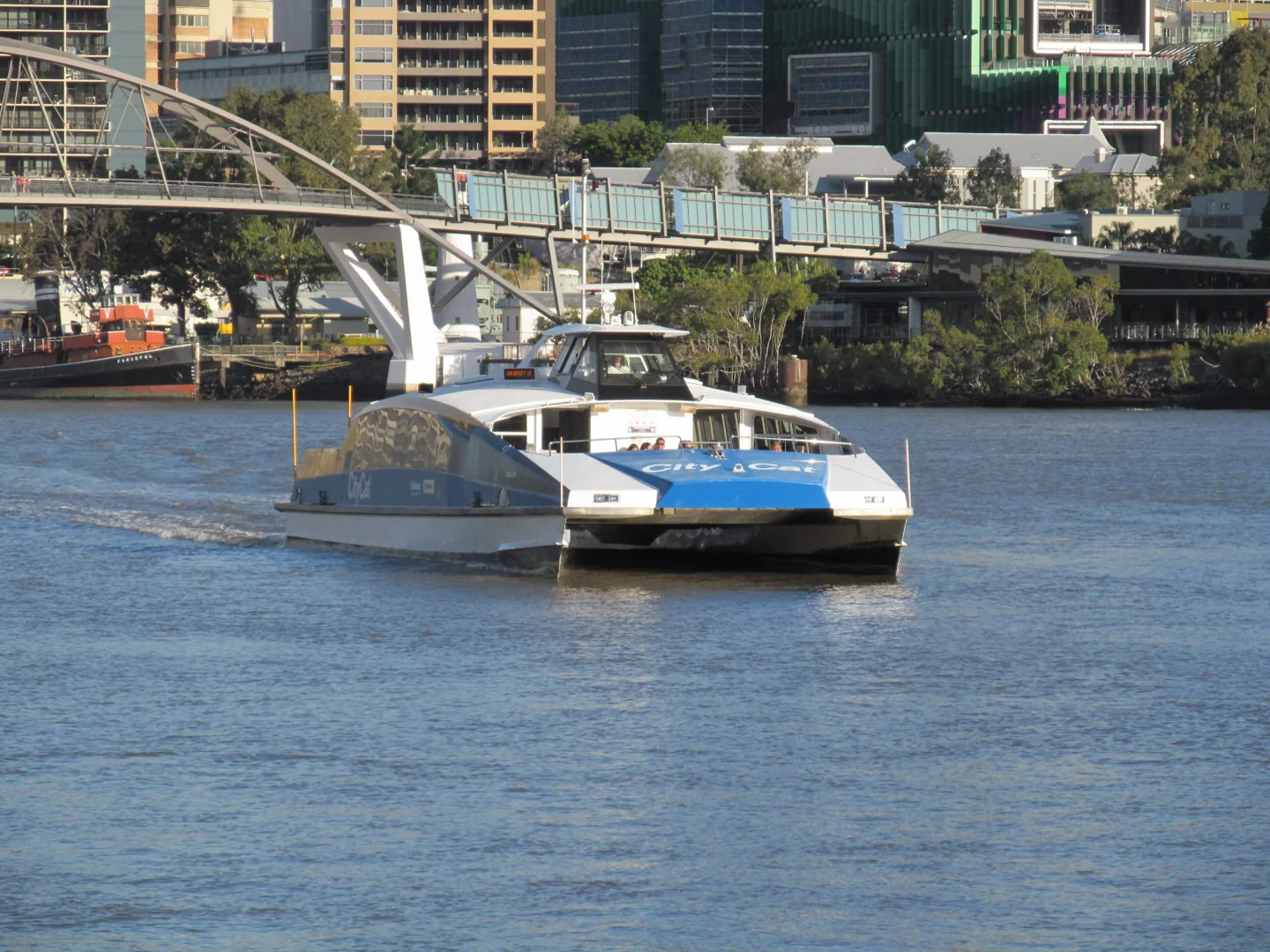
For Melbourne, begin with the official myki purchase and top-up instructions. For Brisbane and the wider Queensland Translink network, use the fare and ticket instructions linked in step four. Test the route, stops and payment before your first time-critical journey. Apply for a concession only if you meet its conditions; student enrolment alone should not be treated as proof of every transport discount.
14Complete the first month and build a local routine
Give the first month a practical finish line: you can reach work or school, pay the bills, obtain care and explain where your applications stand. Keep an outstanding-task list with the responsible institution, reference number and next action instead of repeating the same enquiry from the beginning.
| Stage | Tasks to close |
|---|---|
| First week | Save arrival and visa evidence, activate the phone and test the commute. |
| Before taking the home | Review the lease, bond process, condition report and utility arrangements. |
| After settling into the address | Complete banking, tax, school and healthcare steps appropriate to your circumstances. |
| End of month | Review actual spending, pending decisions and the next immigration or insurance deadline. |
Use the local council’s library and community information to find regular activities near the home. A class, sporting group, campus event or professional gathering can help you build dependable contacts. Choose something you can attend consistently rather than collecting groups across the whole city.
Replace budget estimates with your own payslips and receipts, separating setup purchases from ordinary bills. Confirm how a change of employer, address, course or family circumstances affects the relevant records and visa conditions. Keep applications and renewal dates in one calendar, with enough time to gather evidence before the next deadline.
Sources & further reading
Reviewed 13 October 2026. Sources are linked beside the relevant instructions. Visa requirements depend on your nationality and application location. Provider and government prices reviewed on 13 October 2026. Queensland fare example excludes Airtrain; the pet-permit fee excludes veterinary work, transport and quarantine. The rental calculation is hypothetical. Tenancy rules are labelled by state. Photograph credits, licences and capture years appear with the images.
Browse the source directory
- PrivateHealth.gov.au: ambulance coverage
- Australian Border Force: arrival declarations
- Commonwealth Bank: account setup for recent arrivals
- Australian Energy Regulator: Energy Made Easy
- Fair Work Ombudsman: migrant-worker rights
- business.gov.au: starting a business as a foreigner
- Home Affairs: Investor Retirement subclass 405
- Services Australia: Medicare eligibility and enrolment
- University of Melbourne: international undergraduate applications
- Public Transport Victoria: buying and topping up myki
- nbn: moving-home connection arrangements
- NSW Education: Temporary Residents Program
- NSW Government: ordinary residential tenancy-start costs
- Transport for NSW: tapping on and off
- PrivateHealth.gov.au: Overseas Student Health Cover
- Home Affairs: partner visa options
- DAFF: country-specific cat and dog import guides
- DAFF: pet import permits and assessment fees
- Translink: Queensland fifty-cent fares
- Home Affairs: regional and temporary work visas
- business.gov.au: business registration and licences
- Home Affairs: Student visa subclass 500
- ATO: residency for tax purposes
- ATO: permanent migrant and temporary visitor TFN instructions
- ATO: official Individual Auto Registration application
- Australian Border Force: unaccompanied personal effects
- Home Affairs: checking current visa conditions through VEVO
- Consumer Affairs Victoria: renters guide
- Home Affairs: visa explorer
- Home Affairs: restricted Retirement visa subclass 410
Make your next step a practical one
Choose the visa and destination that fit your actual activity, then organise documents and household services around their requirements.




