 Visa
Visa
Moving & Living - Austria - Complete Guide
Move to Austria step by step: choose a city, arrange residence and work permission, prepare your household and set up registration, banking, housing, healthcare and transport.
Photo credit
A move to Austria might mean a Vienna neighbourhood linked by U-Bahn, a university routine in Graz, or a smaller-city base near work. The practical choice starts with your daily journey and household needs, then connects to the residence permission that fits your nationality and activity.
This fourteen-step guide takes you from city selection and documents to the Meldezettel, banking, a Mietvertrag, healthcare and your first month. School, university, retirement and pet arrangements are optional branches; complete those that apply to your household.
Austria at a glance
- Capital
- Vienna · Wien
- Currency
- Euro · EUR
- Immigration authority
- Residence authority; employment assessment may involve AMS
- Address registration
- Meldezettel: normally within three days of taking accommodation
- EEA/Swiss residence
- Separate Anmeldebescheinigung for qualifying stays over three months
- Rental terms
- Mietvertrag · Betriebskosten · Kaution
- Healthcare
- Confirm statutory or private cover for your actual status
Follow your moving journey
Start at step 1, or jump to the task you are working on.
01Choose a city and neighbourhood around your daily journeys
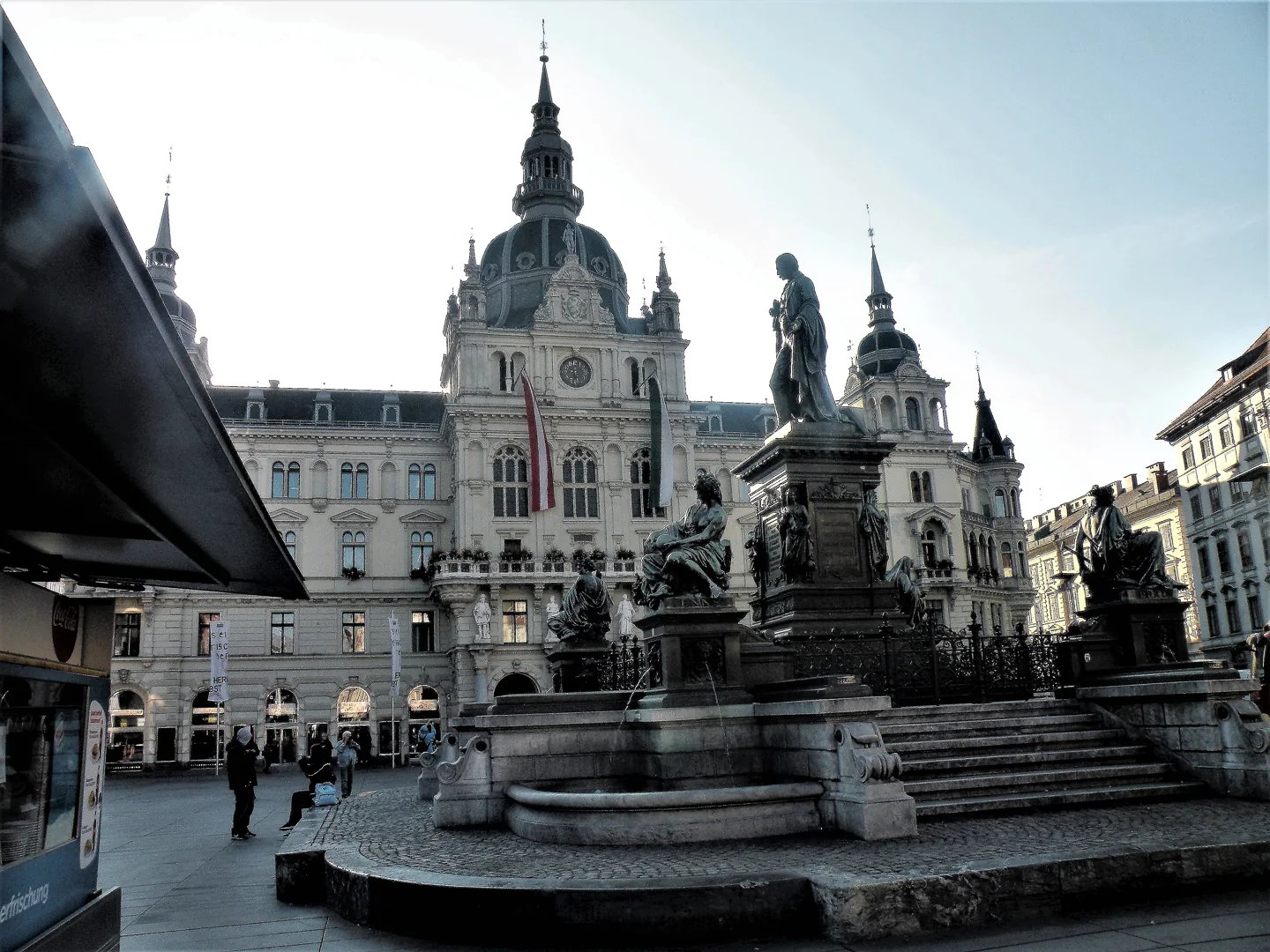
Start with the place you must reach most often. A Vienna apartment connected to your workplace by the U-Bahn raises different questions from a home near a Graz campus or a job in Linz. Compare the exact address, stops and walking route rather than assuming every home within a city gives you the same routine.
| City | Starting areas | What to test |
|---|---|---|
| Vienna | Josefstadt, Leopoldstadt or Favoriten, according to your destination | The actual U-Bahn, tram or bus journey and the final walk. |
| Graz | The centre and streets around your campus or workplace | Whether the daily journey works at the times you need. |
| Linz | Homes connected to the actual employment or study address | Transport access, building condition and the household’s weekly errands. |
| Salzburg | A base near the work or school that brings you to the city | The exact commute and the full housing cost. |
- Mark workplace, school and likely appointments on a map.
- Compare five rental quotations in each candidate area, including the charges added to the basic rent.
- Ask how heating and hot water are supplied and request recent bills.
- Book initial accommodation and test the journeys before committing to a longer lease.
Resolve whether the host can provide the signature or documentation needed for address registration. Austria’s official residence-registration instructions are an early part of the move, not a task to leave until the household is fully furnished. Keep the apartment address, entrance details and host contact accessible for the first days.
02Choose the residence procedure for your nationality and activity
Distinguish the right to enter from residence and work permission. EEA and Swiss citizens’ residence rules differ from the third-country residence categories. An address-registration confirmation is a separate record; it does not replace the immigration procedure applying to your nationality.
- Identify your nationality, intended activity, accompanying family and application location.
- Read the conditions for the category reflecting that activity: employment, study, family or another eligible basis.
- Prepare the required identity, income, insurance and category-specific evidence.
- Use the designated authority or Austrian representation for the application.
- Record the decision’s validity and any conditions controlling employment or renewal.
For EEA or Swiss citizens staying beyond three months, the published conditions include employment or self-employment, sufficient resources with comprehensive health insurance, or an eligible study arrangement. Where those residence conditions apply, request the Anmeldebescheinigung within four months of arrival. This certificate is different from the Meldezettel address registration.
For third-country employment, Austria’s Red-White-Red Card system uses specific worker categories. The Other Key Workers procedure allows the applicant to apply through the Austrian representation in their country of residence, or the prospective employer to apply with the competent authority in Austria. Eligibility still requires the category’s actual tests; a job offer alone does not establish permission.
Confirm how your lawful stay is maintained during processing before relying on an in-country application. Keep the acknowledgement and the authority’s instructions with your travel documents, and align the proposed work start with the permission actually granted.
03Agree the employment or business process before starting work
Ask the employer which residence and employment category applies to you. EEA and Swiss employment arrangements differ from those requiring a third-country permit. The Other Key Workers procedure combines an employment offer with the category’s salary, points and labour-market requirements; the Austrian Public Employment Service, AMS, participates in the assessment.
- Agree the job, work location, hours and remuneration in writing.
- Ask which collective agreement and classification govern the employment terms.
- Identify who will prepare the employer declaration and submit the application.
- Prepare the identity and qualification evidence for that category.
- Confirm the approved permission and social-insurance registration before relying on the start date.
Keep the employment contract, payslips and social-insurance records together. Ask payroll to explain deductions and whether any additional payments or benefits form part of the annual remuneration. Comparing only a monthly headline amount can obscure the employment package and the money available for housing.
For an actual business, use the Business Service Portal’s trade-registration instructions. A regulated trade may require evidence of professional competence; registration and the immigration right to conduct the activity are separate questions. Identify the legal structure, licensing and tax arrangements before invoicing or taking premises.
If your employer or clients are abroad, establish how the activity fits your residence status and Austrian obligations. Foreign clients do not automatically create a special remote-work residence route. Obtain a written arrangement for the work location, payroll or invoices, insurance and tax responsibilities rather than treating an overseas bank account as the whole solution.
04Price the move and establish the income-tax position
Keep the arrival cash requirement separate from the ordinary month. A Kaution, or rental deposit, ties up money even if it is later refunded. Ask for quotations showing the basic rent, Betriebskosten or building operating costs, heating and other charges separately. Do not turn one advertised apartment into a national living-cost estimate.
| Initial move | Recurring household | Evidence to obtain |
|---|---|---|
| Travel, shipping and temporary accommodation | Rent, heating, electricity and internet | Carrier quotes, lease and recent property bills. |
| Residence applications, translations and document work | Insurance, prescriptions and education | Official payment instruction and provider contracts. |
| Deposit and household setup | Food, local transport and vehicle expenses | Written rental terms and the journeys your household will make. |
The Finance Ministry’s personal tax-liability guidance distinguishes a residence or habitual abode in Austria from having neither. Unlimited liability generally concerns domestic and foreign income; nationality alone does not settle the result. Ask how your employment, pension, business or overseas income is treated and whether a treaty changes the outcome.
Keep arrival dates, income statements and foreign-tax records organised by year. Ask payroll which tax it withholds and whether you have a separate filing obligation for other income. Do not substitute the immigration document or Meldezettel for an income-specific tax assessment.
Build the budget from income after deductions and record costs in euros without mixing unlabelled currency conversions. After the first month, replace estimates with actual payslips and receipts. Keep one-off purchases separate so the next month’s plan reflects ordinary household spending rather than the cost of arriving.
05Arrange school placement and the correct university application
Start with the child’s age, previous schooling and the household’s address. In Vienna, the city school information describes compulsory schooling and the enrolment role of the Board of Education. Contact the education authority for a mid-year move rather than waiting for the normal first-school registration letter.
- Prepare school reports, identity records and the learning-support information the receiving school requests.
- Explain the child’s age, languages and expected arrival date to the enrolment team.
- Ask how the year level, school location and German-language support will be arranged.
- Obtain the placement instructions and confirm which documents must be presented.
- Test the school journey before choosing the final home.
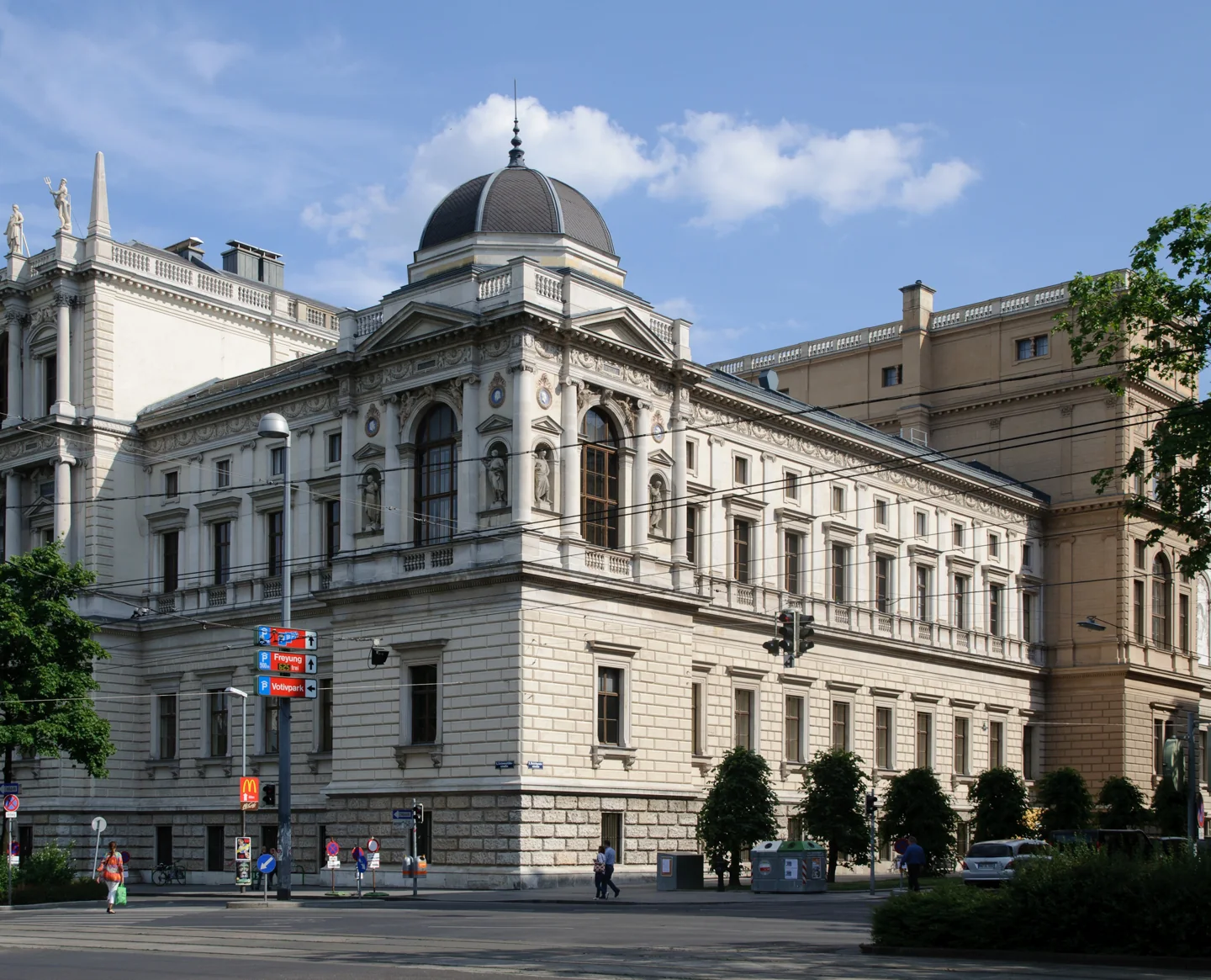
For higher education, the University of Vienna is a practical starting point. Choose the degree and read its admission procedure for your qualification and nationality. The university’s preparation-programme guidance explains that you apply for the degree first; the admission letter identifies any supplementary examinations. The VWU preparation programme is not a separate shortcut guaranteeing degree admission.
For German-language or multilingual courses, language evidence and any prescribed supplementary examination matter before full degree admission. Overseas school qualifications may require additional assessment. Prepare the requested certificates and translations and follow the decision rather than assuming every applicant has the same requirements.
Ask for the tuition and student-union contribution applicable to your category, course and semester. Add housing, insurance and any preparation-course costs separately. University admission and a residence application remain different tasks; keep the admission letter and evidence required for the appropriate student residence process together.
06Prepare a residence case for financially independent living
Austria publishes a settlement permit excluding gainful employment for qualifying third-country pensioners and financially independent applicants. It is a specific residence category with financial, insurance and other conditions, not permission to take a local job because you have pension income.
The published 2026 monthly income amounts are EUR 2,616.78 for a single applicant, EUR 4,128.24 for married couples or registered partnerships, and EUR 403.76 additionally per child. A quota place must also be available. These figures were reviewed on 13 October 2026; meeting an income figure alone does not guarantee approval.
- Identify whether this category, an applicable family route or EEA/Swiss residence rights fit your circumstances.
- Ask the competent authority about the category’s availability and application sequence.
- Prepare records showing the source, amount and continuity of pension or other qualifying income.
- Arrange comprehensive insurance and evidence of the proposed accommodation.
- Plan the documents and any language evidence required before submission.
Have the authority assess the income requirement for your household rather than comparing a bank balance with a single-person figure. Include housing and regular commitments in the discussion. A financial calculation should reflect the category and year of application, not an older advertised retirement threshold.
Ask the pension administrator about overseas payments and any reporting or proof-of-life requirements. For the home, test stairs, lift access, the route to a pharmacy and transport to the medical appointments you need. Include care and insurance costs in the recurring budget. If you intend to work, resolve the appropriate permission before relying on that income; the no-employment category should not be presented as a general remote-work visa.
07Prepare originals, the shipment inventory and pet documents
Organise documents around the residence category rather than ordering every possible certificate. Use the official residence-document information for the evidence required in your case. Keep the passport, civil records, qualifications and the employment or admission evidence accessible. Confirm translations and authentication for the issuing country before paying for them.
- Collect originals and the copies required for the application.
- Check the photograph dimensions and age stated for the category.
- Prepare an inventory of shipped belongings with descriptions, quantities and ownership evidence.
- Ask the carrier who handles declarations, inspection and delivery charges.
- Carry identity records and essential medicines separately from the shipment.
For a move from outside the EU, the Finance Ministry’s household-removal guidance sets conditions for tax and duty relief. These include ownership and prior use for at least six months, a normal residence outside the EU customs territory for at least twelve continuous months, and importing qualifying goods within twelve months of establishing the new residence. The goods must continue serving the same personal purpose. Ask Customs about the actual shipment and any exception; do not assume a business consignment is household property merely because it travels with your furniture.
For cats, dogs and ferrets, use the EU’s non-commercial pet-travel instructions for the origin and entry route. Establish the identification, rabies and document sequence with the competent veterinarian. Entry from outside the EU can require an official animal-health certificate and, for specified origins, an antibody test and waiting period. Confirm the applicable rules before booking the animal’s transport. Airline arrangements and any local dog-registration obligations remain separate tasks.
08Make the initial address usable and organise the first days
Keep the residence or visa decision, first address and accommodation-provider contact available offline. Follow the Finance Ministry’s traveller customs instructions appropriate to entering from within or outside the EU. Keep shipment and pet documents available if they form part of the journey.
- Retain the actual arrival date and the conditions associated with your entry or residence decision.
- Confirm the correct building entrance, accommodation contact and key handover.
- Arrange the accommodation-provider signature and documents for address registration.
- Activate a local phone connection and test calls, mobile data and verification messages.
- Confirm the next immigration, work, school or service appointment.
Do not postpone the address task until after buying furniture or finding a final long-term home. Ask the host how the registration for the accommodation you actually occupy will be handled. Keep each family member’s documents organised separately, including the records and representation needed for children.
Test the commute and inspect candidate homes during the first days. At the accommodation, ask how heating, hot water and access controls work, and save the building location. Keep a backup payment method while local banking is being established. Record appointment details and application references in one place so a later change of address does not interrupt follow-up.
09Complete address registration and arrange access to tax services
Use the official Meldezettel registration procedure for the accommodation you actually occupy. Complete a separate form for each person and obtain the accommodation provider’s signature. Take the required identity and civil records, such as passport and birth certificate, to the competent registration authority. The service is free; retain the written confirmation.
- Identify the authority serving the address and its submission arrangements.
- Complete and sign each person’s form with the accommodation provider.
- Present the required documents and confirm the recorded details.
- Keep the confirmation for institutions requesting proof of address.
- Complete the separate immigration certificate or permit process applying to your nationality.
Do not confuse this three-day address duty with the four-month EEA/Swiss Anmeldebescheinigung procedure discussed in step two. Tourist accommodation also has guest-registration arrangements; ask the host which process applies to your actual stay.
For tax services, follow the Finance Ministry’s current FinanzOnline access instructions. ID Austria is the standard route; alternative access arrangements require their own setup and two-factor authentication. If you cannot use the applicable digital identity, arrange the appropriate appointment rather than relying on an old username-only guide. Confirm with payroll or the tax office which personal tax record and filing obligations you need.
10Choose a bank account suited to your identity documents
Contact a bank about the account-opening channel for your passport and residence situation. Erste Bank’s online account information lists an Austrian residence, a qualifying phone number and an EU passport or identity card with a chip for its digital process. A newcomer with another document should ask about a branch procedure instead of assuming that online route will accept it.
- Explain your nationality, residence status and expected account use.
- Prepare the requested identity, address and tax-residence evidence.
- Compare maintenance, card, cash-withdrawal and transfer charges.
- Obtain the account’s IBAN and the exact details for incoming transfers.
- Test a small payment and transfer before moving your main balance.
The bank also publishes a basic payment-account procedure for eligible people lawfully residing in the EU, including those without a fixed address. Its appointment instructions ask for valid identity evidence and any documents supporting reduced charges. Read the eligibility and terms for the actual product; opening an account does not establish entitlement to a loan or credit card.
Agree direct-debit arrangements for rent or household bills only after confirming the recipient and mandate. Keep references with payments and maintain a backup method while the account is being set up. For business income, ask which separate account and supporting invoices are required.
11Read the rental agreement and record the full housing cost
Ask for the Mietvertrag, or rental agreement, and a breakdown of the monthly payment. Distinguish basic rent from Betriebskosten, heating and other charges. Confirm whether the agreement is a main tenancy, Hauptmiete, or a subletting arrangement, Untermiete, and who is responsible for the records and services you need.
- Inspect the apartment and test heating, hot water, windows and appliances.
- Confirm the owner or representative and the exact property being let.
- Read the rent, term, notice, repair and permitted-use provisions.
- Agree the Kaution, payment method and return conditions in writing.
- Complete a handover record with dated photographs and meter readings.
The government deposit guidance describes three gross monthly rents as customary, not a universal legal maximum. The amount depends on the agreement and applicable conditions. Keep a receipt identifying the deposit and obtain an explanation of how it is held and returned. Ordinary wear is different from damage for which a claim might be made.
The government tenancy-rights information distinguishes protection according to the agreement and the applicable tenancy-law coverage. Have an independent adviser explain unclear provisions rather than assuming every building has identical rent controls or termination rules.
Confirm the accommodation-provider cooperation needed for registration and who handles faults after move-in. If the apartment is furnished, attach an inventory. If bills are included, state which services and consumption are covered so the first invoice does not reveal an unexpected arrangement.
12Confirm insurance and arrange the e-card and local care
Use the official health-insurance information to identify the arrangement fitting employment, study, self-employment or another residence basis. Compulsory insurance and comprehensive private protection are not interchangeable paperwork choices for every applicant. Confirm the actual coverage start date and arrange protection for any interval before it begins.
- Ask the employer or responsible insurer which registration applies and obtain confirmation.
- Establish how each accompanying family member is insured; co-insurance conditions differ by relationship and household circumstances.
- Ask the insurer about your insurance number, e-card and any photo-registration requirement.
- Choose a doctor with the relevant health-fund contract or agree the cost of private treatment.
- Bring medical summaries and arrange continuation of medicines with a local practitioner.
The e-card is the social-insurance card used in accessing the system. Ask what evidence you should present while waiting for it rather than postponing necessary care or assuming the card alone creates coverage. Keep the insurance confirmation and contact details accessible.
The published prescription charge is EUR 7.55 per item for 2026, reviewed 13 October 2026; exemptions apply in specified circumstances. Budget medication and any treatment outside your coverage separately. Before a private consultation, obtain the price and ask whether the provider bills the insurer or requires you to claim reimbursement. For planned specialist care, confirm referral and appointment arrangements for the treatment you actually need.
If the insurer requires a separate photograph for your e-card, use the registration service for insured people without Austrian citizenship. Book the appointment and attend personally with a qualifying passport photograph no older than six months, your old e-card or Austrian social-insurance number, and the original valid travel document. First ask whether a suitable photograph is already available from an official register.
13Connect household services and choose your transport ticket
Take the meter readings from your apartment handover and identify which services the rent already includes. Electricity, gas and district heating can involve different account arrangements. Ask the landlord or Hausverwaltung, the building administration, for the meter identifiers and the existing heating arrangements.
- Record the handover date, meter numbers and readings with photographs.
- Compare electricity or gas offers using the regulator’s E-Control tariff calculator. Enter the actual postcode and an appropriate consumption estimate; compare the contract term as well as the displayed price.
- Register the chosen supply account for the address and agreed start date.
- For an existing Wien Energie contract, use the provider’s moving procedure in Meine Wien Energie: select the product, report the move and enter the new address and start date. It recommends giving four weeks’ notice.
- Confirm how district heating transfers to you. The provider may need confirmation from the owner or building administration; do not assume that changing the electricity account also transfers heating.
For mobile service, choose a provider and check coverage at home and on your commute before selecting a long contract. Austria requires identity verification for prepaid as well as contract SIMs; follow the RTR explanation of SIM registration and bring a document accepted by the operator. Check whether the quoted offer includes equipment, activation and an annual service charge. Arrange home internet separately where the apartment does not include it.
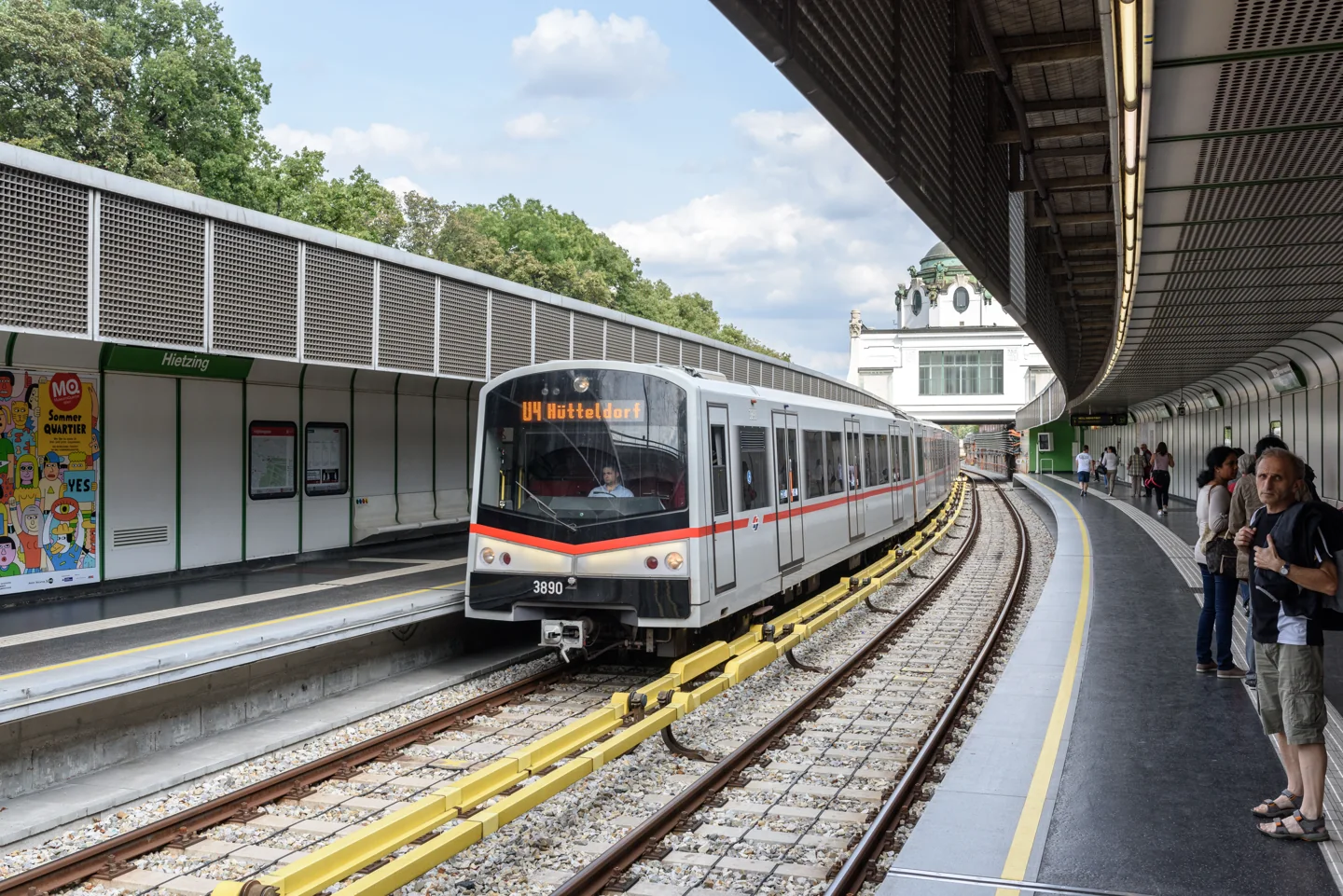
In Vienna, plot the journeys you will actually make before buying a pass. The Wiener Linien annual-ticket information lists a €461 digital annual ticket paid in one instalment for 2026, compared with €467 for the physical version. Monthly debit produces a different annual total: €500.40 digital or €506.40 physical. The digital ticket is displayed in WienMobil; an annual pass starts on the first day of the selected month.
The Vienna core-zone pass covers the city’s ordinary public transport network, but not the airport journey beyond that zone or the City Airport Train. Choose a separate airport ticket when needed. For another city, consult its actual operator and zones rather than buying a Vienna product for a Graz or Innsbruck commute.
14Turn the first month into a workable local routine
Put the documents you have collected into one household file: identity and residence records, address confirmation, employment or study correspondence, insurance evidence, the tenancy agreement and utility contracts. Add a calendar entry for each expiry, appointment or renewal that applies to your own route. An EEA worker’s immigration paperwork, a student’s admission conditions and a pensioner’s settlement permission are different lists.
- Check the spellings, address and household details on the records you received; ask the issuing institution to correct errors.
- Confirm that wages or other incoming funds reach the intended account and that the first rent and utility payments are recorded.
- Find the healthcare contact appropriate to your cover and save its appointment details.
- Test the school, campus or workplace journey at the time you will normally travel.
- Locate nearby groceries, a pharmacy, a library and the building’s waste collection arrangements.
- Review your first month’s actual spending against the budget from step four and adjust the next month using your own bills.
Build community around the place you chose, rather than treating Austria as one uniform experience. A Vienna household might combine a neighbourhood library with a regular walk through the Prater; someone in Graz might develop a routine around the university district and local markets. Ask your institution, employer or municipality about current language classes and community activities, then confirm the time and registration arrangements with the organiser.
Finally, revisit the optional branches of this guide. A household arriving without children does not need school admission, and someone employed locally should not use the independent-settlement route as a substitute for work permission. Your completed checklist should reflect the reason you moved and the permissions you actually hold.
Sources & further reading
Reviewed 13 October 2026. Sources are linked beside the relevant instructions. Visa requirements depend on your nationality and application location. Government and provider figures reviewed on 13 October 2026. Vienna ticket prices are 2026 prices for the specified payment method and zone. Independent-settlement income thresholds are eligibility figures, not a household budget. Rental calculations are hypothetical. Photograph credits, licences and capture years appear with the images.
Browse the source directory
- Austrian government: residence address registration
- Erste Bank: current accounts
- Erste Bank: basic payment account
- Austrian government: rental deposits
- Social insurance: e-card photo registration without Austrian citizenship
- Wien Energie: moving household services
- E-Control: electricity and gas tariff comparison
- Migration Austria: EEA and Swiss residence
- Finance Ministry: FinanzOnline access
- Migration Austria: health insurance
- Migration Austria: independent settlement
- Migration Austria: other key workers
- Your Europe: travelling with pets
- Finance Ministry: relocation-goods customs relief
- Migration Austria: required residence documents (2025 checklist)
- RTR: SIM identity registration
- Finance Ministry: personal income-tax liability
- Austrian government: tenancy rights and duties
- Migration Austria: settlement routes
- Business Service Portal: trade registration
- Finance Ministry: customs for travellers
- City of Vienna: schools
- University of Vienna: preparatory programme admission
- Wiener Linien: Vienna annual tickets
Make your next step a practical one
Shortlist a city, confirm your residence route and build a budget before committing to a move.




