 Visa
Visa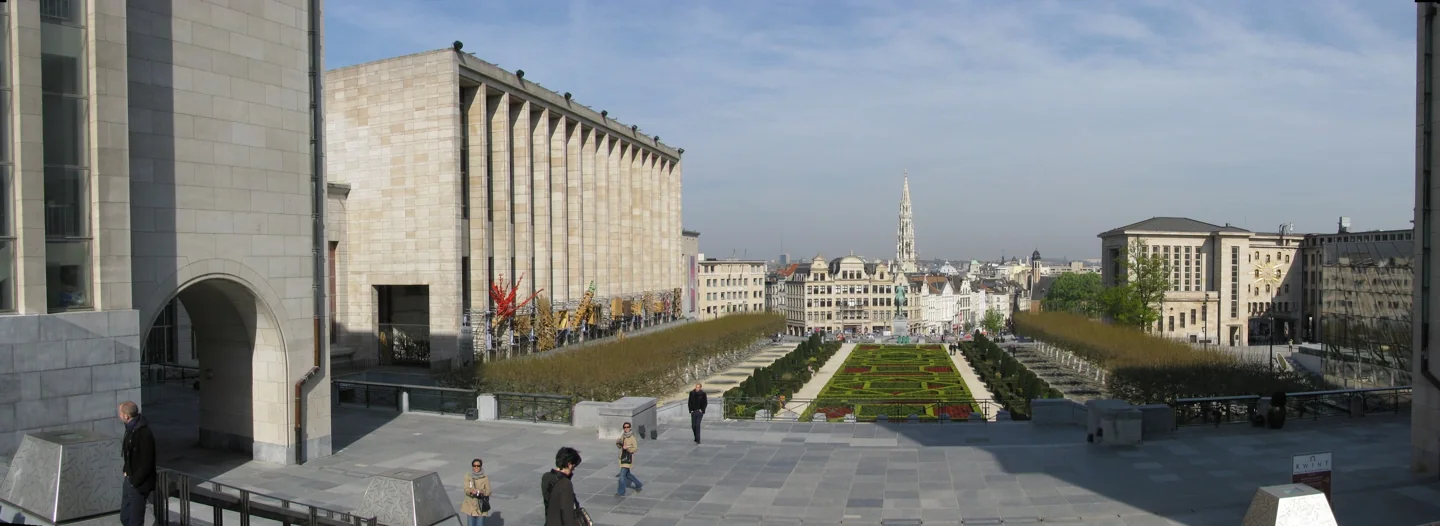
Moving & Living - Belgium - Complete Guide
Move to Belgium through 14 practical steps covering residence, regional work and rental rules, schools, healthcare, banking, tax and everyday services.
Photo credit
A move to Belgium takes shape around the place you work or study, the language of daily life and the municipality where you establish your home. Brussels, Leuven and Ghent offer different starting points; regional rules matter for employment and housing. This guide follows the decisions and procedures from choosing that base to arranging residence, money, care and the ordinary services you need after arrival.
Belgium at a glance
- Currency
- Euro — EUR
- Home address
- Identify both the region and the actual municipality
- Residence
- EU and associated-nationality routes differ from third-country applications
- Employment
- The applicable regional work category and federal residence decision are separate checks
- Housing
- Regional guarantee limits and lease-registration services differ
- Healthcare
- Establish the assessed health-fund status and cover date
- Education
- Use the actual teaching campus and school language network
Follow your moving journey
Start at step 1, or jump to the task you are working on.
01Choose the city and municipality around your actual destination
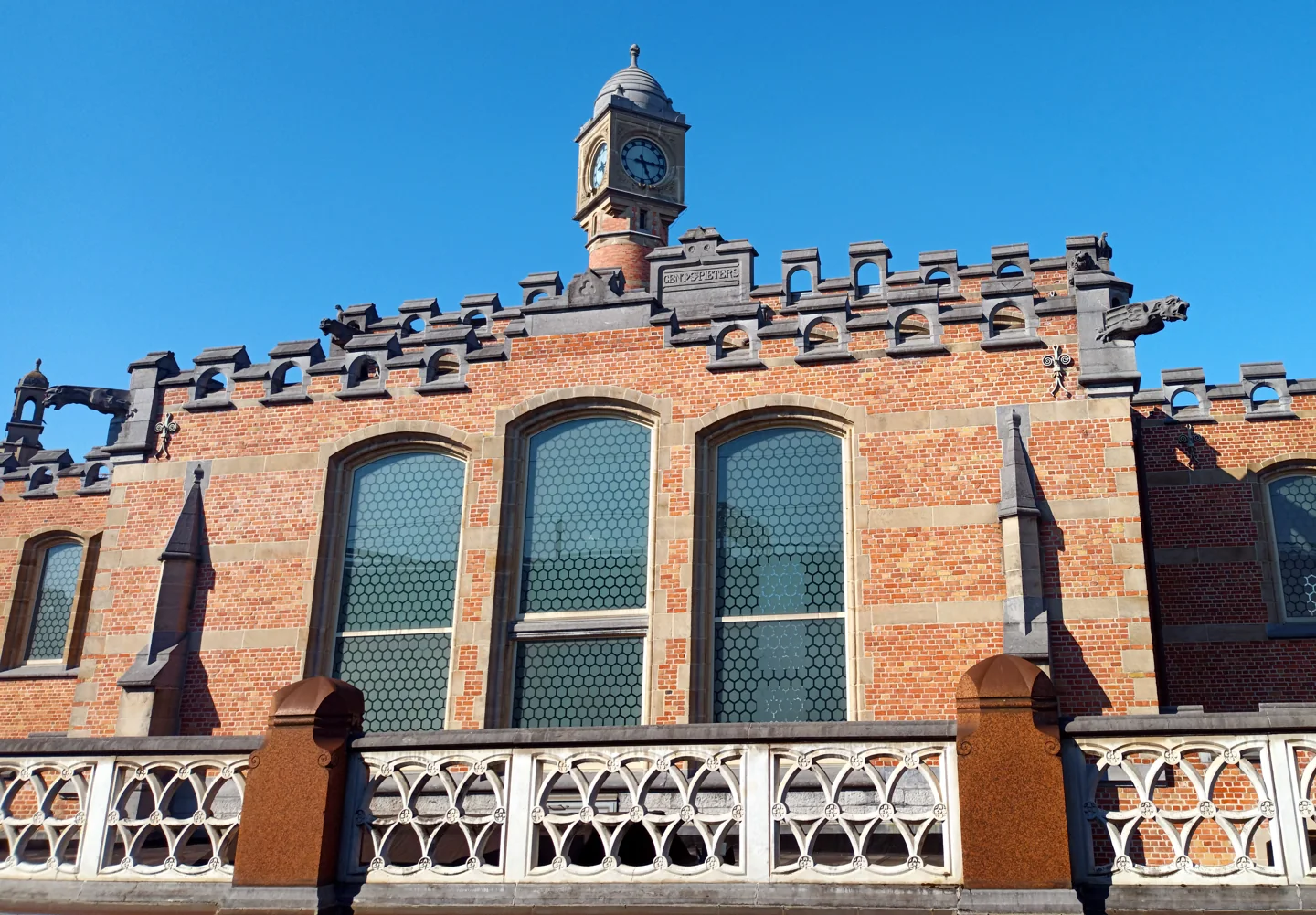
| Starting point | What to compare for the move |
|---|---|
| Brussels; Saint-Gilles around the Parvis | Walk the streets and test the complete journey to your destination. Use Saint-Gilles’s municipal procedure if that is where the home lies. |
| Leuven; centre or Heverlee | Use the actual teaching campus. Arenberg in Heverlee and a central Leuven location are different destinations. |
| Ghent; Sint-Pieters station area or Dampoort | Compare the connection from the actual station and the final trip to the home, work or faculty. |
Visit Brussels’s Saint-Gilles neighbourhood guide provides a useful starting point around the Parvis. It describes a neighbourhood to explore, not available accommodation or a guaranteed fit for your household. Inspect the actual building, evening noise, stairs or lift, heating and daily services before choosing a lease.
For Leuven, Visit Leuven identifies Arenberg in Heverlee as part of KU Leuven’s Science and Technology Campus, at Kardinaal Mercierlaan 94. This is why selecting the university name alone is insufficient for housing: obtain your programme’s actual teaching address and timetable first.
For Ghent, Visit Gent’s station guidance distinguishes Gent-Sint-Pieters from the city’s second main station, Gent-Dampoort. Choose the connection that fits the job, course and regular journeys. A home near one station should not be priced as though it gives the same commute as a home near the other.
- Mark the employer, teaching location, school and necessary care provider.
- Compare the door-to-door trip at the actual hours you will travel.
- Identify the municipality and its application service before treating the address as administratively suitable.
- Compare rent, charges, guarantee and utility responsibility on the same basis.
- Inspect the home and establish the written lease and handover arrangements.
02Choose the residence route for each household member
Begin with the passport, the purpose of the move and the proposed length of stay. Belgium's Immigration Office distinguishes a Schengen C visa for a short stay from a national D visa for a longer stay. The short-stay limit is 90 days in any 180-day period; visa exemption for a visit does not remove the longer-stay application requirements. The third-country procedure is separate from the rules for EU citizens and the associated countries.
Under the current EU residence guidance, the covered nationality group includes EU citizens and citizens of Norway, Iceland, Liechtenstein and Switzerland. Residence beyond three months needs the applicable ground: employment, self-employment, a qualifying job search, sufficient resources and health insurance, study with resources and insurance, or the specified family relationship. Apply for Annex 19 at the municipality by the end of three months from arrival, with the complete evidence for the selected ground.
- Identify the route for each person; a non-EU spouse does not use the EU citizen's nationality documents as their own residence evidence.
- For employment, obtain the employer's applicable authorisation process before arranging the entry application.
- For study, obtain the admission evidence and the student-route document list.
- For family residence, assemble the relationship evidence and the sponsor's required status and supporting records.
- Establish the responsible consular post, application location and required supporting file before booking the journey.
- Plan the municipal appointment around your actual Belgian home and the deadline for your route.
Keep the decisions, receipts and validity dates separately for each person. An application awaiting a decision should not be confused with a granted residence document or authority to begin employment. If relying on an exception allowing an application inside Belgium, establish the specific conditions rather than assuming a visitor can always change status after arrival.
03Put the employer-led single-permit application in the right region
For a job requiring a single permit, begin with the employer and the region of employment. The official One-Stop Counter distinguishes the combined work-and-residence procedure for the covered non-European worker from a work authorisation that does not itself establish Belgian residence. The portal's scope is workers from outside the EEA and Switzerland; establish any applicable exemption for your actual status.
The fixed-term application guidance identifies the region or German-speaking Community where the person will work. An employer established in Belgium or its permitted representative submits the application; a foreign employer uses the Belgian representative described in the procedure.
- Agree the position, place of employment and proposed contract with the employer.
- Have the employer identify the regional category and obtain its exact eligibility and document requirements.
- Arrange the employee's SSIN or temporary SSIN; the guidance links BelgianIDpro where a number needs to be obtained.
- Have the authorised employer or representative submit the One-Stop Counter application.
- For the ordinary initial case without Belgian residence permission, submit before entering Belgium. The guidance describes only specified circumstances for an application during a short stay.
- Retain both parts of the decision and obtain the necessary local-authority documents before starting work. For an initial application, approval of work alone is insufficient.
For Brussels employment, Brussels Economy and Employment states that applications have used the federal One-Stop Counter since 4 May 2026; emailed applications and the former PDF forms are no longer accepted. Its guidance also distinguishes exemptions based on residence status, duration and position. Identify the actual exemption or application category rather than sending an old form because a previous applicant used it.
For self-employment in Brussels, use the regional professional-card procedure unless an exemption applies. EEA and Swiss nationals are exempt; other exemptions depend on status or activity. An applicant abroad uses the Belgian diplomatic or consular post in their country of residence. The in-Belgium enterprise-counter application requires the stated valid residence documentation.
- Identify the professional-card requirement and the residence basis.
- Prepare the applicable form, criminal-record extract, identity photographs and business plan or summary, limited to twenty pages, with the other requested supporting records.
- Submit through the applicable post or recognised enterprise counter.
- Arrange the residence application concurrently through the post if you do not already hold the right of residence.
- After approval, complete the applicable enterprise registration, social-insurance affiliation and sector permits before operating.
The published Brussels professional-card charges are €140 at submission and €90 when the enterprise counter issues the card, reviewed 13 October 2026. They are separate from business setup and residence costs. Remote work for an overseas employer is not a residence category by itself: establish the employment, residence, payroll and social-security position for work physically performed in Belgium.
04Price the actual move and organise the tax file
Budget from the actual city, home and household. Keep the cash needed to move separate from the recurring costs once you live there. A refundable rental guarantee still ties up money even though it is not a monthly expense. Compare the salary that reaches the account with rent, charges and the services you will actually use, rather than treating a gross offer as spendable income.
| Initial moving cost | Recurring cost to price separately |
|---|---|
| Travel, temporary accommodation and shipment | Daily transport and journeys home |
| Translations and the applicable residence procedure | Renewals and any continuing professional administration |
| Rental guarantee, first rent and condition inventory | Rent, listed charges, energy, water and internet |
| University application and actual enrolment invoice | Tuition instalments, books or school costs |
| Interim insurance and household setup | Health contributions where applicable, patient payments and home cover |
For illustration only, if a proposed lease quotes €1,000 monthly rent, a two-month guarantee would tie up €2,000, while a three-month guarantee would tie up €3,000. This calculation is not a quoted Brussels or Flemish market rent. Apply the regional guarantee rules to the actual agreement and add the first rent, charges and other move costs separately.
FPS Finance’s foreign-income guidance says a Belgian resident must declare worldwide income and foreign immovable property. It also identifies the separate reporting of overseas bank accounts to the National Bank’s contact point and in the tax return. Establish your tax position and any treaty treatment; keeping the money outside Belgium does not itself remove a reporting duty.
| Taxable-income band | Rate applied to that band |
|---|---|
| Up to €16,720 | 25% |
| Above €16,720 to €29,510 | 40% |
| Above €29,510 to €51,070 | 45% |
| Above €51,070 | 50% |
The official calculation guidance distinguishes taxable income from gross pay and includes the personal allowance and further adjustments. The 2026 basic allowance is €11,180, subject to the applicable conditions. The table is not a net-salary calculator: an income reaching one band is not all taxed at that band’s rate.
- Keep arrival dates, addresses and the household’s employment and residence records.
- List salary, remote-work income, pension, investments, rent and overseas property, with the actual source and payment evidence.
- Obtain the employer’s withholding records and identify any separate return or reporting duty.
- Use the official filing service for the applicable resident or non-resident procedure and that assessment year’s deadline.
- Save the return, supporting records and assessment, then revise the household budget using the actual payments.
05Choose the teaching location and complete the admission file
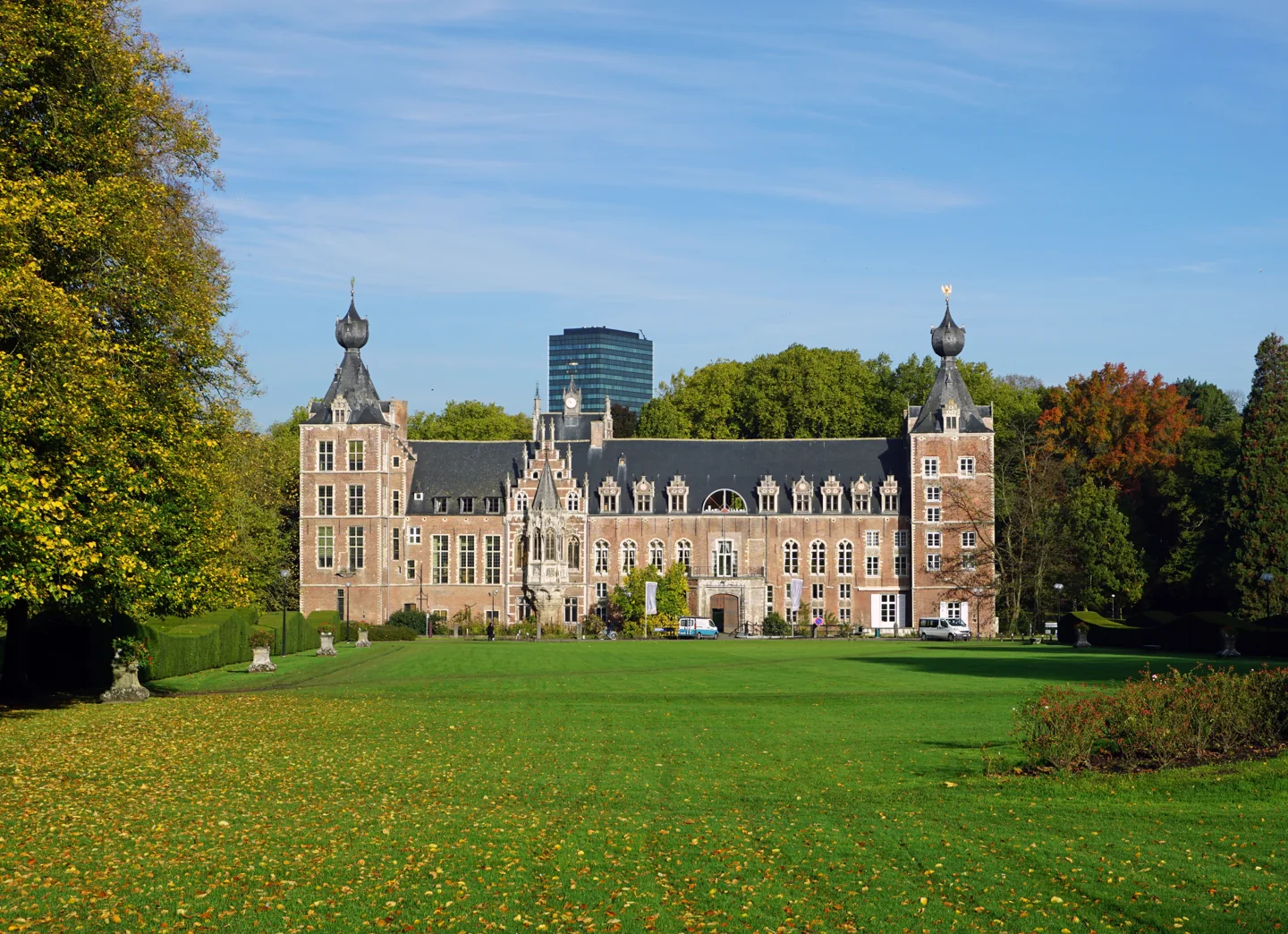
A concrete starting point is KU Leuven’s degree-application procedure, updated 4 February 2026 and reviewed for this guide on 13 October 2026. It lists a €90 fee for each application, with specified exemptions. This is an application charge, not tuition or an immigration fee.
- Create the university application account and complete your personal details and educational history.
- Add the specific programme and academic year in the application.
- Upload the required core and programme-specific documents in the accepted PDF or JPG formats.
- Pay the applicable application fee or establish the published exemption.
- Accept the declaration and submit the complete file.
- Retain the confirmation and follow the assessment and any request for additional evidence.
- If admitted, complete the separate enrolment process and the applicable immigration arrangements.
The university’s document lists distinguish bachelor’s, master’s, doctoral and other applicants. For a master’s application, the listed core file includes higher-education diplomas and transcripts, the required translation, language evidence, identity record, motivation letter, CV and payment evidence. The translation rule normally accepts English, Dutch, French or German for that category, with the stated programme exception. Bachelor’s documentation has a different language-exemption list; do not apply one category’s checklist to another.
For the covered higher-education D-visa application in Japan, the Belgian embassy’s checklist, updated 27 July 2026, gives a concrete sequence: complete Visa On Web, book the required appointment and present the ordered originals and copies. The file includes passport, photographs, medical evidence, admission evidence, financial proof and the listed additional records. Applicants aged eighteen or older need the specified criminal-record certificate; non-Japanese applicants need the stated Japanese residence-card evidence.
The post identifies scholarships, the university blocked-account attestation and other listed financial-support methods. Ask the university to provide the applicable attestation, then complete the consular file rather than treating a tuition receipt as sufficient means. These are Japan-post instructions; the responsible post for your residence country supplies its own document, certification, appointment and fee requirements.
Admission and enrolment are separate. Carry the original qualifications required by KU Leuven for verification, complete the enrolment process and retain the student-entry and municipal decisions.
For a Brussels nursery or primary school, start with the regional directory, which links separate French- and Dutch-speaking networks. Contact the receiving school about its actual admission procedure and teaching language. Prepare the previous reports and the child’s identity and residence evidence, obtain the school decision and test the journey before committing to the household move.
06Tie the pension plan to residence and healthcare entitlement
Retirement involves three decisions: the right to live in Belgium, the way the pension will be paid, and the institution responsible for healthcare. A pension payment or home purchase should not be treated as a residence decision. Use the applicable nationality and household route described in the immigration step; no universal retirement visa is assumed here.
For the covered EU residence route, the resources-and-insurance category can be relevant to a retired person. Prepare the income and health-cover evidence for the municipality rather than assuming that being retired removes the registration conditions. A non-EU household needs its own applicable residence basis and supporting file.
Your Europe’s pensioner healthcare guidance distinguishes a pension from the country where you live that establishes healthcare entitlement from the covered case in which the pension-paying country remains responsible. In the latter case, request S1 from that country’s health-insurance institution and register it with the relevant institution after arrival. These coordination rules are conditional; they do not make S1 available to every foreign pensioner.
- Confirm the residence basis and evidence for each household member.
- Ask each pension payer about the overseas address, bank details, payment currency and any continuing verification requirements.
- Have the responsible insurance institution determine the healthcare arrangement and issue S1 where applicable.
- Complete the Belgian health-fund registration and confirm the start date and dependants covered.
- Arrange continuing treatment, prescriptions and the journey to the chosen provider before selecting the permanent home.
- Include the actual pension and overseas assets in the applicable tax review.
07Prepare the application originals, shipment and animal documents
Build the personal file from the applicable consular, municipal, employer and university lists. Keep original identity and civil-status records, qualification evidence and the requested translations together. Where legalisation or an apostille is required, arrange the receiving authority’s actual procedure for the issuing country; a translation and legalisation establish different things.
For belongings from outside the EU, FPS Finance’s transfer-of-residence guidance describes conditional duty relief. It requires normal residence outside the EU customs territory for at least twelve continuous months, and the covered goods’ possession and use at the former residence for at least six months. Goods must retain their intended purpose and ordinarily be imported within twelve months of establishing the Belgian residence.
- Prepare a shipment inventory with descriptions, quantities and values.
- Keep evidence of the former residence, move and prior possession or use for the customs file.
- Identify separately any vehicle or goods with special import conditions.
- Arrange the declaration and clearance with the carrier or declarant and the competent import office.
- Retain the clearance decision and evidence supporting any relief.
The same guidance describes a year’s restrictions following duty-free importation: notify customs before lending, pledging, renting out or transferring the covered goods. Early import before establishing residence has its own undertaking and security-deposit conditions. Do not assume a container labelled “personal belongings” automatically qualifies.
For dogs, cats and ferrets, Belgium’s public-health guidance identifies microchip identification—or the covered pre-July-2011 tattoo—rabies vaccination and the appropriate travel document. It distinguishes the EU pet passport from the health certificate required for the covered arrival from outside the EU. Its vaccination guidance specifies the minimum age and waiting period; some origins also require rabies-antibody testing.
- Give the veterinarian the animal’s species, age, identification and vaccination records, departure country and transit route.
- Establish the current certificate, vaccination and any testing timetable for that journey before booking.
- Arrange the official endorsement and carrier acceptance, retaining the signed animal documents with you.
- For more animals or another species, establish the applicable commercial, event or species-specific procedure instead of reusing the ordinary pet case.
08Reach the booked home and prepare the first appointment
Confirm the arrival airport or station before planning the transfer. Brussels Airport at Zaventem and Brussels South Charleroi are different airports. Use the actual arrival point and final home address when buying transport, particularly if continuing to Leuven, Antwerp, Ghent or a destination in Wallonia.
At Brussels Airport-Zaventem, the railway station is beneath the terminal at level −1. Tickets are sold through SNCB/NMBS online or its app, and at station or baggage-hall machines. Scan the train-ticket QR code or applicable MOBIB card at the station gates. The airport’s published guidance identifies a €6.90 airport rail supplement, often already included in the ticket price; this is not the entire journey fare. Information reviewed 13 October 2026.
- Plan the actual day’s connection through the linked rail planner before committing to a ticket.
- Buy the ticket for the correct destination and confirm whether the airport supplement is included.
- Keep the ticket available for the gates and inspection, then complete the local connection to your accommodation.
- Meet the host or landlord, obtain the keys and confirm the full address and access arrangements.
- Keep the entry and residence documents together and arrange the municipal procedure described in the registration step.
09Register at the municipality where you actually live
Identify the municipality from the complete home address. The City of Brussels is one municipality within the Brussels-Capital Region; an address in Ixelles or Schaerbeek has its own municipal administration. Use the actual municipality’s foreigners or population service, not the office closest to your workplace.
The EU route’s complete-file deadline is described in the immigration step. Prepare the identity and status evidence before the appointment: employment, study, resources or family residence do not use interchangeable supporting documents. Each household member needs the appropriate procedure.
For the City of Brussels’s published single-permit worker registration, the covered initial case is a non-EU national living within the city, settling and working for more than 90 days with a valid D B34 visa. It lists a national passport, that visa and a recent ICAO-compliant photograph, no more than six months old; further documents may be requested.
- Submit the city’s linked IRISbox application with the required information and uploads.
- Attend the appointment scheduled after review, with the complete file. The procedure identifies Annex 49 as the registration-application confirmation.
- Complete the police residence check at the declared home.
- After a positive check, attend the second appointment to apply for the A residence card.
- Retain the issued document and the card-collection instructions.
The city publishes a €35 administrative fee for this worker-registration procedure, reviewed 13 October 2026. Do not treat it as the entire national immigration charge or the price of every residence card.
For an EU student registering in the City of Brussels, the listed file includes identity, a recent compliant photograph, enrolment at the covered educational institution and valid Belgian health-insurance evidence. The published charges are €25 for the registration request and €30 for the card request. The procedure includes an appointment, police address check, entry in the foreigners register and a subsequent card appointment.
The city’s first EU-card instructions explain collection: after registration, book the invitation’s appointment to order the card; the PIN is sent to the home address, and the card is collected at the place of application. It lists the identity document and Annex 8ter or Annex 19, plus the new PIN for collection. Its ordinary procedure is published as one to two weeks, not a guaranteed duration for the preceding residence assessment.
10Open the account and report any overseas accounts separately
One documented starting point is KBC Brussels’s expat account procedure. Its page allows an online application without Belgian citizenship or an existing permanent Belgian address. After arrival, it directs the applicant to the branch to sign and collect the debit card, with identity and residence documents. The published Plus Account price is €4.25 per month, reviewed 13 October 2026. This is one product’s price; card and credit approval remain subject to the bank’s decision.
- Choose the proposed account and read its current fee-information document.
- Submit the identity, address and tax information requested through the bank’s own application.
- Complete the required branch or digital verification and obtain confirmation of the account and access arrangements.
- Test a small payment and transfer before making the account the sole route for essential funds.
- Give the verified account details to the employer or other payer, and retain evidence of rent and guarantee payments.
Keeping an account abroad raises a different task. FPS Finance’s overseas-account instructions require the covered account holder—including a joint holder—to notify the National Bank’s contact point and report the account in the annual tax return. The contact-point notification is made once, with amendments or closure reported subsequently; the tax-return declaration recurs.
- Record the account details and each person who holds it.
- Use the National Bank form linked by FPS Finance. Online access uses eID with the required reader and PIN, or itsme.
- For the written procedure, send the dated, signed form with the specified Belgian identity or residence-document copy to the stated postal address. The instructions do not accept email.
- Retain the notification evidence and include the account in the applicable annual return. The guidance says a simplified-return proposal does not remove this reporting task.
Establish whether the reporting obligation applies to your tax position, using the budget and tax step. Opening a Belgian account does not automatically report or close accounts held elsewhere.
11Choose the regional lease rules and document the handover
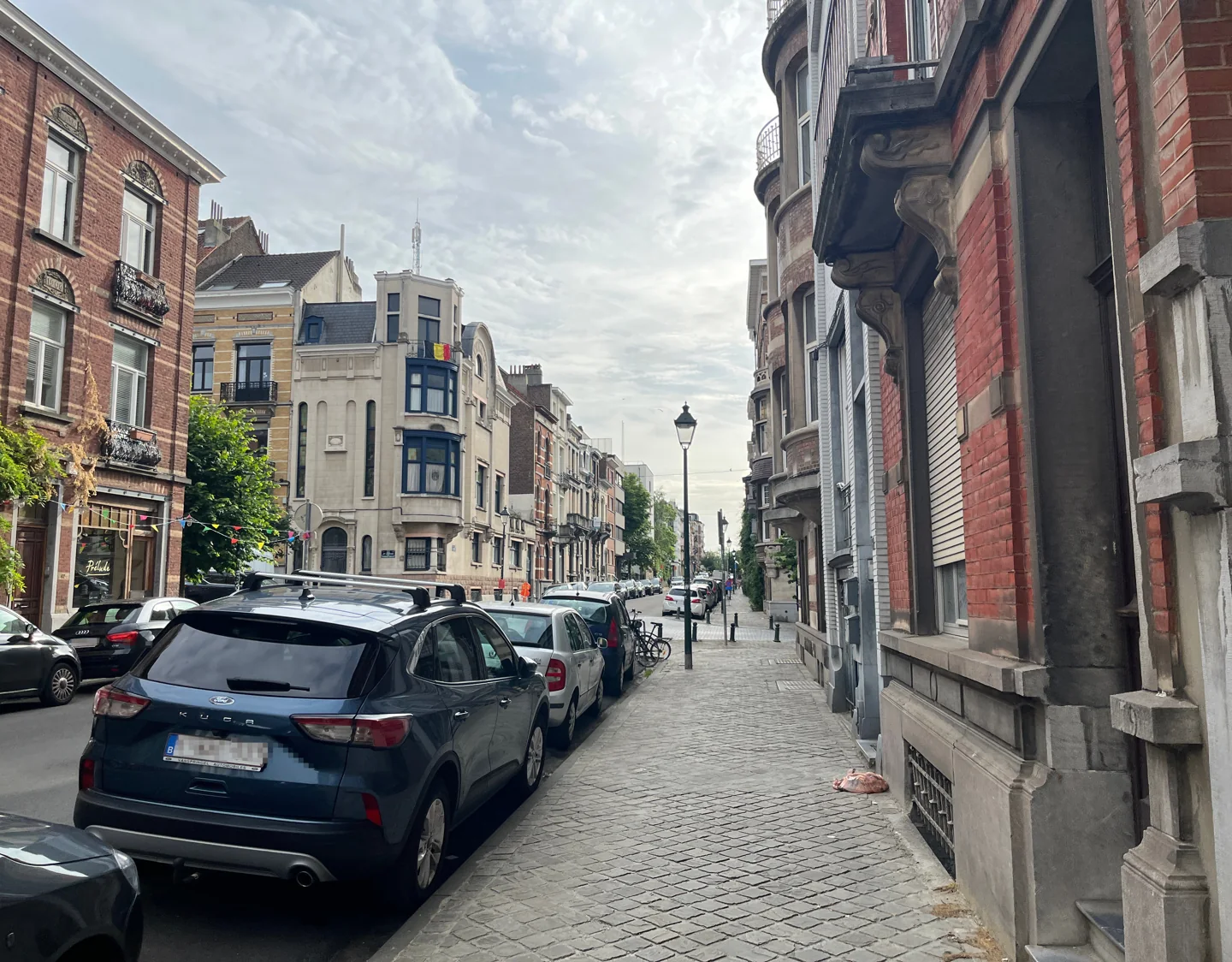
A Brussels apartment, a home in Antwerp and a property in Wallonia do not all use the same rental rules. Identify the region and whether the proposed contract is for your main residence or another purpose, including student accommodation. Read the term, notice provisions, charges and guarantee arrangements before comparing the final cost of two homes.
| Region and covered contract | Practical implication |
|---|---|
| Brussels; leases entered into or renewed from 1 November 2024 | The regional guarantee guidance caps the amount at two months’ rent. |
| Flanders; the covered housing contracts from 1 January 2019 | The Flemish guidance permits a maximum of three months’ rent. |
| Wallonia; main-residence guarantee | The Walloon guidance regulates the guarantee’s form when the parties agree to one. Establish the permitted arrangement for the actual contract. |
- Inspect the specific property and establish who is authorised to let it.
- Identify the lease type and region, then read the proposed written agreement.
- Record the rent separately from service charges, utilities and any initial payment. Establish whether charges are fixed amounts or reconciled against actual expenses.
- Arrange the guarantee in a permitted form and retain proof identifying it as a guarantee, rather than a rent payment.
- Make the condition inventory—état des lieux or plaatsbeschrijving—with photographs, meter readings, defects and the keys handed over.
- Obtain the required registration evidence and the relevant home-insurance documents.
- Use the actual occupancy address for your municipal procedure; lease registration and personal residence registration are separate tasks.
In Brussels, the regional reforms require the lease to enumerate the tenant’s charges and require fire and water-damage insurance. The guarantee may not be handed to the landlord in cash. Apply the published commencement and contract-date scope rather than treating every provision as a rule for every historic lease.
The current Brussels registration service explains the two-platform procedure: Irisrent at regional level and MyRent federally. The landlord is responsible; the tenant or an authorised helper can also register. Use the service’s actual links and retain the confirmations. In Flanders, the official rental guidance identifies the landlord’s registration obligation with the Legal Security Office.
12Join the appropriate health fund and establish your cover date
Choose the health-insurance arrangement from your employment, residence, study or cross-border position. Belgian compulsory insurance and a private policy are not interchangeable products. Establish which institution pays for the household’s care, the start date and any patient contribution before cancelling existing cover.
A public starting point is CAAMI/HZIV, which administers compulsory health and disability insurance without complementary membership contributions. This does not make all treatment free or exempt everyone from status-dependent compulsory contributions. Its first-enrolment procedure uses the registration form; changing from another Belgian fund also requires the transfer form and the applicable switching conditions.
- Ask the chosen regional office to assess the status and evidence for each insured person and dependant.
- Obtain the registration form and complete and sign it. For an existing Belgian policyholder, include the required transfer form.
- Use the supported electronic-signature procedure if you have the necessary Belgian eID and software. Otherwise the enrolment instructions permit signed scanned documents or paper forms through the office.
- Retain the submission evidence and obtain confirmation of the cover date, contributions and dependants included.
- Choose the local practitioner or clinic for routine and continuing care, and establish how appointments and payments work.
- Keep treatment certificates, invoices and reimbursement evidence together.
| Published category | What the guidance establishes |
|---|---|
| Legal residence in Belgium and a valid residence permit | Resident registration; contribution assessment depends on income. |
| Legal residence abroad; insured in the student category | Annual educational enrolment certificate and €78.93 per quarter in 2026. |
| Covered EEA student presenting the home institution’s EHIC | The listed registration without a contribution. |
Use the fund’s specific student rules for the assigned category. Confirm the first-enrolment cover date with the office; the quarterly fund-switching timetable is separate.
For a temporary stay by someone insured in the EEA or Switzerland, CAAMI’s EHIC instructions describe essential care and the Belgian patient contribution. The card is not blanket cover for all private or planned treatment. The guidance identifies prior S2 authorisation for the covered planned-care case and advance arrangements for continuing treatment. Present the card and retain the required invoices; arrange additional protection where the actual risks and exclusions call for it.
13Set up the daily journey, mobile service and energy handover
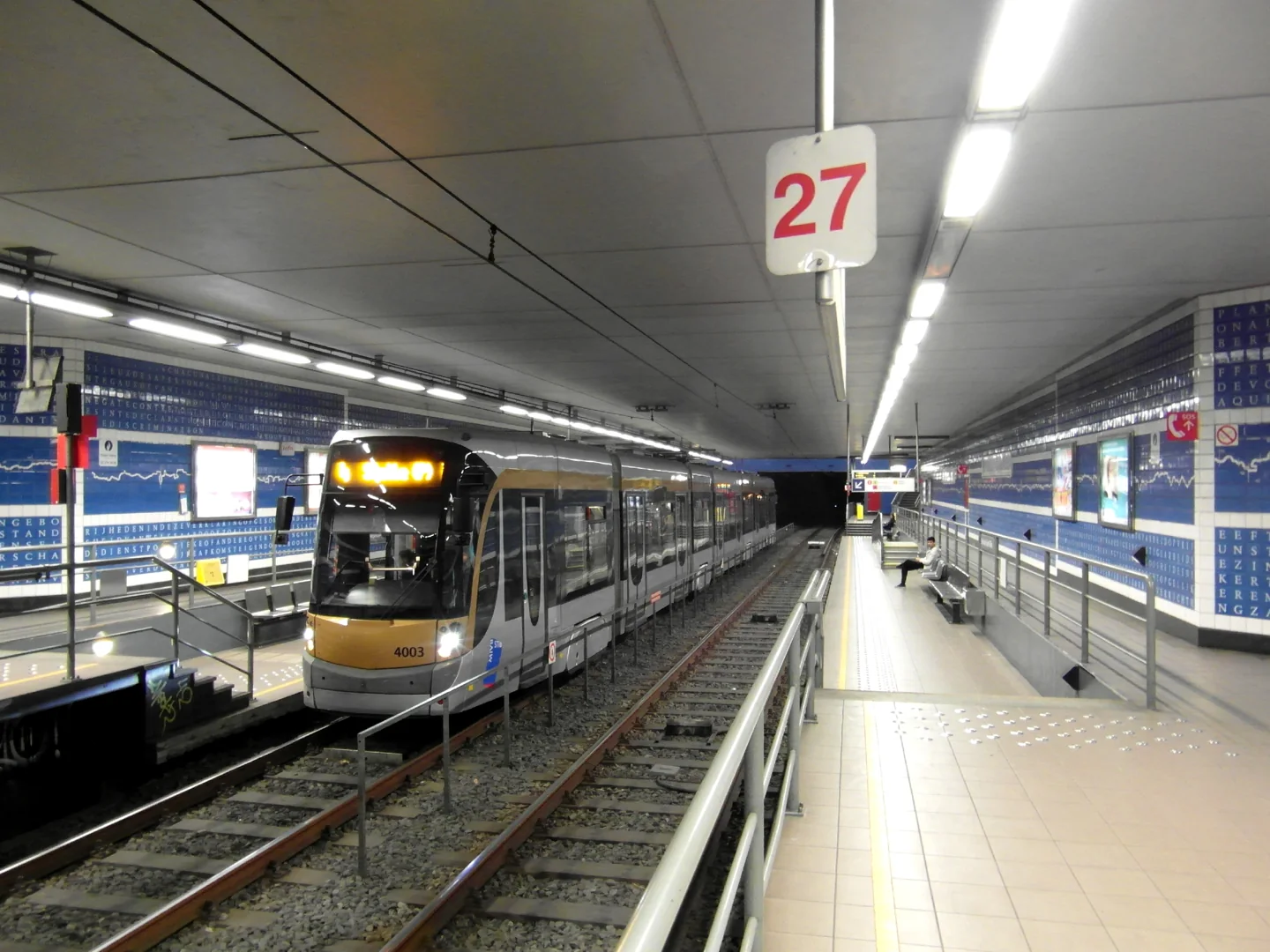
For ordinary Brussels STIB-MIVB journeys, the operator’s contactless instructions publish €2.40 per journey and an €8.50 daily cap. Validate the same card or device at each transfer within 60 minutes. One card or device cannot validate for several people. The special Airport2City fare from Brussels Airport is €7.90; do not apply the ordinary city fare to that departure. The page was published 10 June 2026 and reviewed 13 October 2026.
- Test the complete journey to work, teaching or school at the time you will use it, including the final walk.
- Choose the ticket or pass for the actual operator and services. A Brussels payment rule does not establish a national rail or another regional operator’s fare.
- When using contactless payment, wait for the successful-validation indication and keep the same card or device available for inspection.
- Arrange separate valid tickets or payment devices for fellow travellers.
- For regular travel, compare the operator’s pass options against the trips you expect, using the actual eligibility category.
For a Belgian prepaid mobile card, BIPT’s identification guidance requires user identification. In a shop, present the valid, legible original identity document; its list includes an international passport. A photocopy does not replace the original. The operator’s validation process determines activation, so test calls, data and necessary verification messages before relying on the number for other appointments.
At the home handover, record electricity and gas meter readings and establish who holds each supply contract. Brussels regulator BRUGEL provides the document de reprise des énergies / energieovernamedocument and says to retain the signed evidence. Its guidance for leaving a home tells the departing customer to send the completed form to their supplier promptly and within seven days, rather than to BRUGEL or Sibelga. Keep your own handover copy and arrange the new supply separately with the relevant supplier.
14Close the first-month file and build the weekly routine
- Complete the applicable municipal appointment, residence check and card-order or collection procedure.
- Retain the lease-registration evidence, condition inventory and guarantee records, with the correct region and address.
- Confirm health-fund entitlement and the cover date, including dependants and any continuing treatment.
- Test incoming salary or pension, everyday payments and the household bill arrangements.
- Complete school or university enrolment and practise the journey at the scheduled time.
- Record the energy handover and confirm the supplier and internet account responsibilities.
- List overseas accounts, income and property for the applicable reporting file and save the relevant tax-year dates.
Build a practical weekly routine around the places you use: colleagues, classmates, neighbours, local activities and the school community. Learn the terms that appear in your own documents—commune or gemeente, the lease’s condition inventory, the residence annex and the health fund—alongside the contact responsible for each task.
Sources & further reading
Reviewed 13 October 2026. Sources are linked beside the relevant instructions. Visa requirements depend on your nationality and application location. Operator fares, municipal application charges, KU Leuven's application fee, the published student health contribution, KBC Brussels's named account tariff and Brussels professional-card charges were reviewed 13 October 2026. Income-year 2026 is distinguished from assessment year 2027. The rental-guarantee calculation uses hypothetical rent; there is no national monthly cost estimate. Photograph credits, licences and capture years appear with the images.
Browse the source directory
- Brussels Airport: railway station, tickets and airport supplement
- Visit Leuven: Arenberg and the Heverlee university campus
- KBC Brussels: application from abroad and Plus Account tariff
- Brussels Housing: rental guarantees
- City of Brussels: first EU-card order and collection
- City of Brussels: EU student registration
- Brussels Housing: lease reforms and their commencement scope
- Brussels Housing: Irisrent and MyRent lease registration
- Brussels Economy and Employment: employee authorisations
- City of Brussels: initial single-permit worker registration
- CAAMI/HZIV: first enrolment and fund-switching procedures
- CAAMI/HZIV: registration forms
- CAAMI/HZIV: regional offices
- One-Stop Counter: work and residence applications
- CAAMI/HZIV: temporary-stay EHIC and reimbursement instructions
- BRUGEL: signed energy-handover document and supplier notification
- Immigration Office: third-country entry and residence
- Immigration Office: current EU residence and registration rules
- One-Stop Counter: employer-led fixed-term single permit
- Flemish Government: housing rental guarantees
- Flemish Government: renting a home and agreement registration
- FPS Finance: foreign-account notification and annual reporting
- Visit Gent: Dampoort and Sint-Pieters station geography
- KU Leuven: degree application instructions and application fee
- KU Leuven: programme-specific application documents
- FPS Finance: non-EU transfer-of-residence customs relief
- Your Europe: conditional pensioner healthcare coordination and S1
- FPS Public Health: pet travel documents and origin-dependent requirements
- BIPT: prepaid mobile identification requirements
- Brussels Economy and Employment: professional card for self-employment
- Visit Brussels: Saint-Gilles neighbourhood
- Brussels Region: French- and Dutch-speaking school directories
- STIB-MIVB: contactless city travel and Airport2City fare
- CAAMI/HZIV: foreign-student insurance categories and contributions
- Belgian Embassy in Japan: higher-education D-visa checklist
- FPS Finance: overseas income, property and bank-account reporting
- FPS Finance: income-year 2026 tax bands and allowances
- FPS Finance: resident and non-resident return services
- Walloon Housing: rental-guarantee arrangements
Make your next step a practical one
Shortlist a city, confirm your residence route and build a budget before committing to a move.




