 Visa
Visa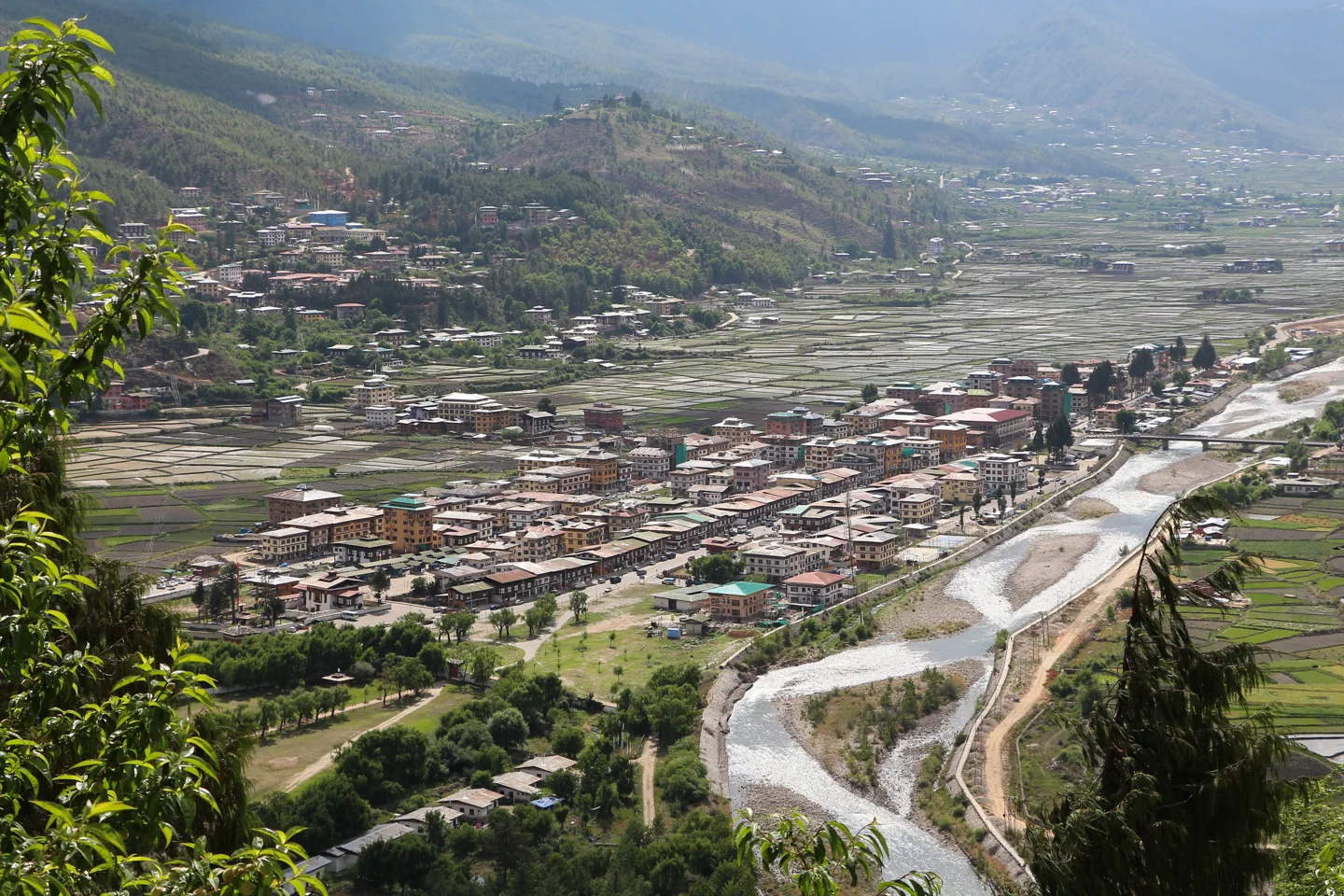
Moving & Living - Bhutan - Complete Guide
A practical moving journey for Bhutan: choosing a town, sponsored work and study permissions, documents, banking, housing, healthcare and the first month.
Photo credit
A move to Bhutan takes shape around a specific workplace, course or eligible family arrangement. A Thimphu office, a Ngabiphu campus and a Paro study placement produce different daily journeys and housing choices. This guide follows the practical sequence from establishing the right permission and preparing the household to completing local documents, arranging services and building a routine after arrival.
Bhutan at a glance
- Permissions
- Visitor entry, residence and employment approval serve different purposes
- Employment
- Arrange the specific employer and approval before travelling to live in Bhutan
- Study
- The recognised institution handles the student immigration application
- Currency
- Ngultrum, shown as Nu
- Banking
- Prepare the applicable issued local identity record and branch documents
- Emergency
- Ambulance: 112
Follow your moving journey
Start at step 1, or jump to the task you are working on.
01Choose a city around your approved work or course
Start with the location attached to your approved work or course, then choose the home around the daily journey. Bhutan's towns are not interchangeable bases for the same job: your sponsor, campus and permitted worksite determine which shortlist is useful.
| Starting point | What to establish before choosing a home |
|---|---|
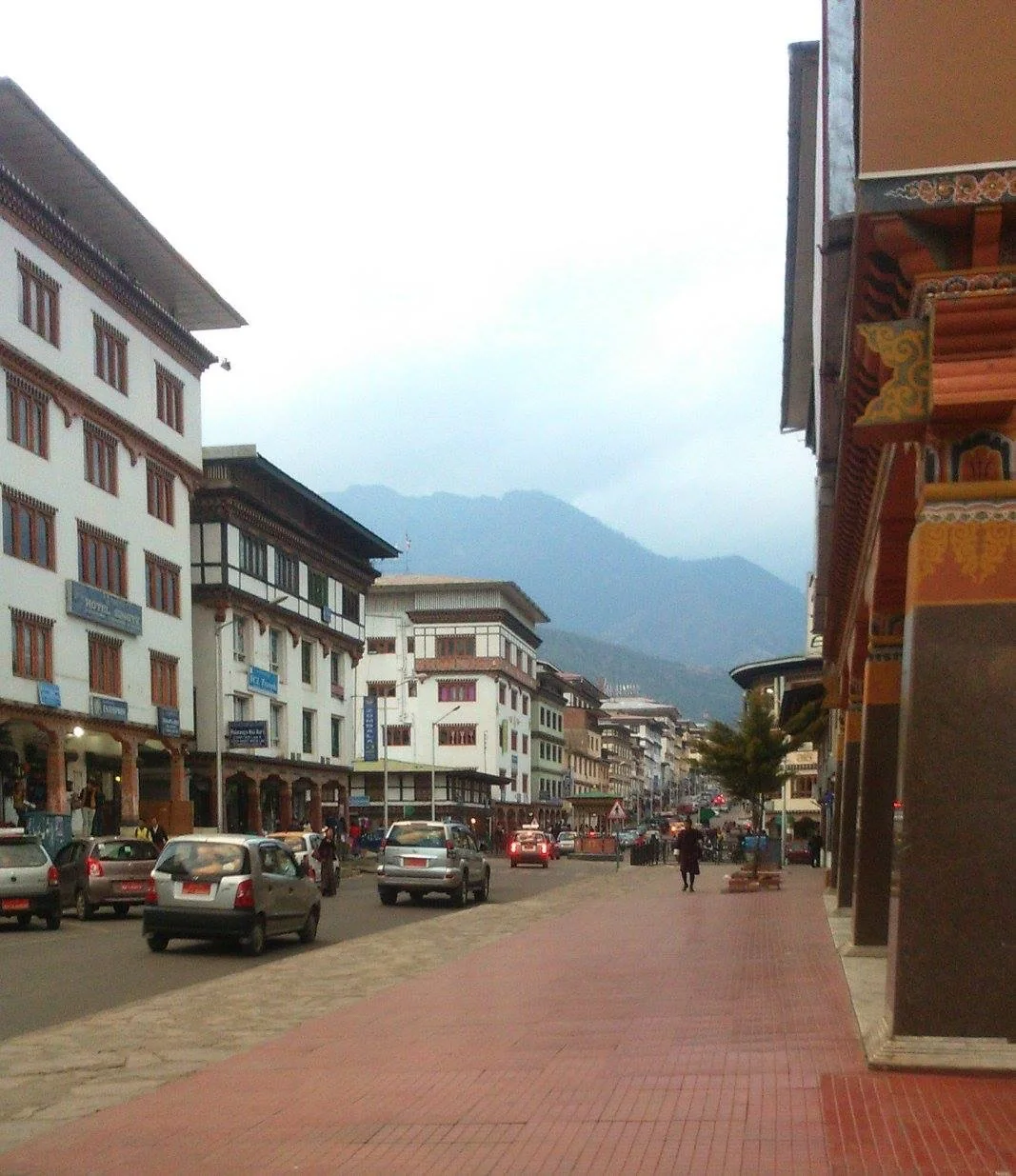
| Thimphu | Identify the office or campus entrance and compare addresses in the city core, Motithang, Changzamtog, Olakha and Babesa against that journey. The municipality's neighbourhood information is a starting point for understanding the address, not evidence of rental availability or a particular price. |
| Ngabiphu, Thimphu | Royal Thimphu College's campus is here, approximately 10km from the city centre according to the college. A central Thimphu address still needs a campus transport plan; discuss accommodation with the institution before choosing independently. |
| Paro | For a placement at Paro College of Education, locate the teaching buildings and proposed accommodation together. Ask the programme coordinator about the actual semester arrangement rather than assuming a hotel or tourist itinerary suits a study stay. |
| Phuntsholing | For an approved border-town job, establish whether the permit requires daily departure. A border-worker arrangement and a move to a resident household are different decisions. Assess the employer's exact worksite and permitted accommodation before signing a lease. |
| Gelephu | Build the shortlist around the approved assignment and daily services. Central Regional Referral Hospital is in Gelephu; establish your own treatment arrangements and travel time rather than mistaking its name for a facility in Phuntsholing. |
- Ask the sponsor for a location pin and written address, including the dzongkhag or municipality shown on your paperwork.
- Shortlist two or three addresses and test the complete commute, including the walk from the bus stop and the return journey.
- Inspect the home, meter arrangements and rental terms before committing. Keep temporary accommodation until the permitted location and practical journey are settled.
02Choose the entry and residence permission for your purpose
Choose the permission that matches the activity before arranging the move. Visitor entry, permission to remain and approval to work answer different questions; identify the sponsor or institution responsible for your actual case.
- For employment, secure the specific employer and follow the approval process in the work step before travelling to live in Bhutan.
- For study, obtain admission and have the recognised institution arrange the application under the current international-student instructions.
- For an accompanying household, establish each person's eligible relationship and separate dependent permission; do not infer it from a job offer or school place.
- Keep the issued conditions, duration and next formalities with the approval. Align travel and accommodation with the actual decision rather than the requested start date.
The official dependent-permit gateway begins with a work permit, trader card or investor card number. That is an application starting point, not proof that every holder is eligible to sponsor every family member. Resolve the category before using the form.
Optional: apply for the family's own permission
The non-tourist categories cover direct dependents of professional foreign workers; this does not automatically include every worker's household.
- Have the professional worker holding a valid permit prepare the accompanying-family application.
- Supply valid passports, a notarised marriage certificate for the spouse and notarised birth certificates for children below eighteen, plus the applicable visa or entry-permit form. Passports must remain valid six months beyond intended departure.
- Obtain each person's issued conditions and arrange any dependent-card formalities with Immigration. School admission and the worker's own approval do not replace the family application.
If a household member intends to work, resolve that activity under the applicable employment process. Keep separate records for each person's document, validity and permitted purpose rather than assuming everyone has identical rights.
03Secure the employer and arrange employment approval
For a job-based move, secure a specific employer and arrange approval before travelling to live in Bhutan. The foreign-worker regulations effective August 2024 require prior Labour approval and say the applicant must not be living in Bhutan while the employer or recruitment agent processes the application.
- Have the employer assess the occupation and your skills, qualifications, medical fitness and age eligibility. Recruitment cannot displace a Bhutanese employee simply to hire a foreign worker.
- Select the correct permit: regular R is limited to a year; short-term S cannot extend beyond thirty days in total, including its initial duration. Border-town B workers must leave daily, so that category does not establish a resident household.
- After approval, arrange the required medical examination for the applicable category before permit issuance.
- Track the contract and permit expiry; permission can end when employment or the designated work ends. For R renewal, have the employer or recruitment agent seek approval at least fourteen calendar days before expiry.
Before accepting the offer, agree who handles accommodation, travel, medical appointments and document delivery. Keep that arrangement with the signed contract and the employer's application reference.
04Separate moving cash from recurring costs and tax
Build the budget from your actual employment or study package. A furnished room with meals included and an independent flat produce different expenses; establish what the sponsor pays before adding a second allowance for the same item. Record quotes in ngultrum, written Nu, and keep foreign-currency charges separate until you obtain the bank's actual conversion and transfer costs.
| Initial cash requirement | Recurring expense | Where to obtain the figure |
|---|---|---|
| Travel and temporary accommodation | Trips to work or campus | Dated airline, accommodation and transport quotes for the precise journey, including baggage and transfer costs. |
| Applicable immigration and medical charges | Renewal and insurance provision | The sponsor's itemised application plan, responsible authority and actual screening provider. Keep employer-paid charges separate from your own cash requirement. |
| Rental deposit, advance rent and necessary furnishings | Rent, separately billed services and repairs assigned to you | The inspected unit's written tenancy offer and inventory. A refundable deposit ties up cash but is not a second monthly rent. |
| Meter activation or assessed electricity deposit | Electricity, water and heating costs | The landlord's handover record, Bhutan Power Corporation assessment and actual service bills for that premises. |
| Phone activation and any home-internet installation | Chosen mobile and internet package | The provider's quote for your address and identity category, including validity and any tax. |
| Course deposit, materials and arrival supplies | Tuition instalments, meals and other study costs | The institution's written international-student offer, fee schedule and refund conditions for your intake. |
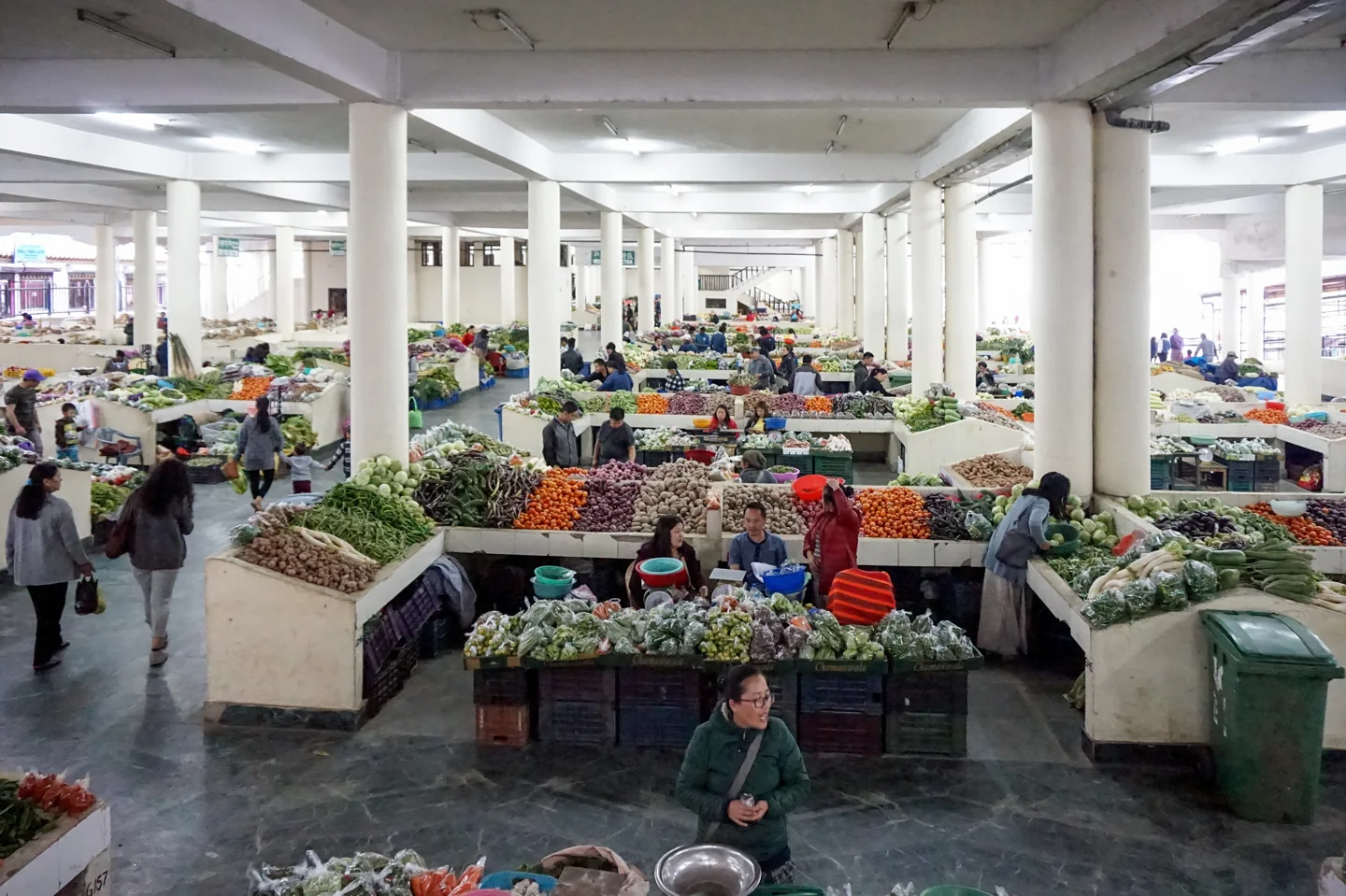
| Shipping, pet preparation and import arrangements | Groceries, household purchases and pet care | The carrier's detailed quote and applicable customs or animal-import decision; establish the regular shopping budget from the first weeks' receipts. |
Hypothetical housing calculation: if the agreed rent were Nu 20,000 and the refundable deposit were two months of that rent, the deposit would tie up Nu 40,000. Adding one month's rent would require Nu 60,000 before any separately agreed charges. These figures illustrate arithmetic only; Nu 20,000 is not a surveyed rent or a claim about an available Bhutanese property. Apply the deposit rule explained in the housing step to the actual agreement.
- Request the salary or funding arrangement in writing, including deductions, meals, accommodation and the timing of the first payment.
- Calculate initial cash independently of the recurring monthly plan. Keep enough accessible money for the gap before salary, scholarship payment or bank activation.
- After arrival, replace provisional grocery, transport and utility allowances with your receipts and bills. Review the result before taking on a longer rental commitment.
For a salary illustration, the DRC employer withholding schedule linked for income year 2026 lists monthly salary of 39,901–40,000 with withholding of 750, and 49,901–50,000 with withholding of 1,667. If payroll confirms that your taxable monthly salary is Nu 40,000 and that this schedule applies, subtracting Nu 750 leaves Nu 39,250 before any other deductions. This is a hypothetical payroll calculation, not an offer of employment, a household budget or an estimate of your final annual liability. The schedule was checked on 13 October 2026.
05Arrange the applicable school or university place
Optional: establish the child's school place
For a Thimphu starting point, Druk School lists its address in Chang Gedaphu, an online admission link and the contact [email protected], +97517719742. Ask admissions about the child's age and grade, previous-school records, language support, fees, transport and the immigration documents accepted for your household. Obtain the actual decision before choosing a home around that school; its website does not establish a guaranteed place or automatic eligibility for every foreign child.
Choose a campus and confirm the actual intake
Paro College of Education offers a named semester-abroad starting point for undergraduate or master's students taking at least two standard modules. Contact [email protected] about the programme, enrolment process and full fee and accommodation quote for your intended semester.
Royal Thimphu College's application instructions explain programme choices and submission of Class XII transcripts for applicants outside BHSEC. Confirm the international-student process with [email protected] before using a general application. Its actual admission portal states that the academic-year 2026 intake is closed, despite an older page banner describing admissions as open; obtain the next available intake directly.
- Request the programme's entry requirements, qualification assessment and language requirements for your own records.
- Ask whether the offer includes accommodation, meals and student services, and which charges are refundable if the immigration application fails.
- Obtain the written decision and the institution's immigration submission plan before committing to travel.
- Use the campus's actual location to test the housing and transport arrangement rather than selecting a home solely because it shares the city name.
Optional: arrange admission and the institution's immigration application
Agree the programme and intake with a recognised institution first. The student guidelines effective 1 May 2026 place the visa or entry-permit application with the institution.
- Prepare enrolment evidence, the signed application and identity records. A passport must remain valid six months beyond intended departure.
- Complete Annexure I's funding record with parental photo identification and income evidence. Write your own Annexure II statement of purpose, following its topic and word requirements; another person's or plagiarised statement can cause rejection.
- Have the institution submit at least fifteen working days before arrival. Its published seven-working-day decision period applies to a complete application.
- For study exceeding thirty days, arrange the student-card formalities with the institution within seven days after arrival.
- If changing from an exchange programme to short- or long-term study, address the required fifteen-day exit before planning continuity.
06Establish a residence basis before planning retirement
Optional, for a pension-funded household: establish the residence basis before choosing a property or treating a long visit as a retirement move. The researched non-tourist category list does not identify a dedicated retirement or remote-work category. Pension income or ownership of savings should not be presented as an approved ordinary settlement route.
- Identify whether your household genuinely qualifies through an applicable family or other approved category. Request the responsible agency's written explanation for that particular case.
- Establish the permitted duration, renewal process and any restrictions before committing to housing. A personal guest visit is not evidence of continuing residence entitlement.
- Ask the bank how the pension may be received under your approved status, and obtain the transfer and currency-account conditions.
- Arrange the treatment and insurance plan for ongoing needs, including specialist care and any overseas referral. Compare the actual pension receipts after fees with the recurring budget.
07Prepare the documents, shipment and any pets
Build one document file for each traveller, arranged around the actual application rather than a universal relocation checklist. The worker, student and accompanying family applications use different evidence; label originals and copies so the sponsor can see which document belongs to which person.
- Ask the sponsor for the applicable application checklist and the name of the office handling the case. Compare the passport's expiry with the rule for that category and intended departure.
- Collect the employment contract or enrolment letter, qualifications and funding evidence required for the application. Confirm whether an original, notarised copy or another form of certification is required for each item before paying to prepare it.
- For an accompanying family, prepare the applicable relationship evidence and separate applications. Keep the marriage and birth records with the traveller they support rather than sending an unexplained bundle of household papers.
- Arrange the required photographs and medical documents to the correct format and timing. The job-based Bhutan medical examination and any exporting-country pet certificate are separate tasks with different purposes.
- Keep the issued entry approval, sponsor's contact and first accommodation details accessible during travel. Store a secure digital copy separately from the originals.
The Immigration Department's work-permit checklist names the relevant employment entry record, undertakings, photograph and medical and qualification evidence. Use the student and dependent instructions in their own steps for those cases; do not apply one nationality's accepted identity record to every traveller.
Prepare an inventory and establish the shipment's treatment
Price the move using the actual inventory and arrival route. The Customs Manual's transfer-of-residence household concession describes qualifying Bhutanese nationals returning after more than twelve months abroad; do not assume it grants an incoming foreign resident blanket duty-free household imports.
- List each item's description, quantity and value, separating personal belongings, professional equipment and anything requiring another agency's approval.
- Ask Customs or the authorised clearance agent to establish your eligibility and the shipment's taxes before dispatch. Obtain an itemised freight, handling and clearance quote.
- For unaccompanied baggage, the manual uses dispatch within thirty days before or after the passenger's arrival, with matching consignor and consignee for an allowance claim.
- Prepare the airway bill, packing list, invoice or declared value, passport copy and any agent authorisation. Retain the declaration and clearance records alongside the inventory.
Optional: obtain approval for the pet before arranging its journey
Use BFDA's revised February 2026 dog and cat conditions. These also apply to tourists and temporary visitors; an owner's entry permission does not replace the animal's approval.
- Give the conditions to a government-authorised veterinarian in the exporting country. Establish microchip identity, up-to-date rabies vaccination and the required antibody test early: its sample must be taken three to twelve months before shipment, with the specified qualifying result.
- Arrange the species-specific vaccinations at least two weeks before export, parasite treatment within seven days and the fitness examination within twenty-four hours of shipment.
- Follow BFDA's permit instructions; submit the import application at least two weeks before planned entry and obtain the issued approval before transport.
- Confirm the transport crate, transit arrangements, veterinary certificates and post-arrival instructions. BFDA determines the applicable quarantine and document requirements; obtain these for your actual shipment.
08Enter under the correct approval and reach the first home
Arrange the first nights and onward transport through the employer, college or other approved sponsor before departure. Give the person meeting you the arrival time, your contact details and the document reference they will need to recognise your case. Carry the passport or accepted travel identity, issued entry approval, sponsor contact and accommodation address in your hand luggage, with an offline copy of each.
- At immigration, present the approval for your actual purpose. Compare the admitted period and any recorded conditions with the arrangements made by your sponsor before leaving the arrival area.
- Contact the sponsor and establish the next appointment: the applicable work medical examination and permit formalities, or the institution's student-card process. A successful entry inspection is the start of these tasks, not evidence that every later registration is complete.
- Reach the booked accommodation and save its precise address. Use the same accurate premises details when arranging the bank, phone and tax records; ask the host for the house or building reference where an online form requires it.
- Test your phone and the sponsor's contact number. Keep the first week flexible enough for appointments before promising a move-in date to a permanent landlord.
If you first visit to explore the country, use the Department of Tourism's visitor application instructions for that separate trip. They distinguish Indian permits from the visitor visa arrangements for Bangladesh, the Maldives and other nationalities. The tourist application and its Sustainable Development Fee are not a substitute for the appropriate employment, study or dependent permission.
09Complete local permits, cards and tax registration
Finish the local document associated with the admitted purpose before relying on it for banking or other services. Arrange the appointment with the sponsor who processed the application, and bring the originals and photographs requested for your category.
- For employment, complete the required examination and work-permit formalities through the employer or agent. Compare the issued worker, employer, occupation, location and validity details with the approved arrangement.
- For study, complete the card process with the institution on the timetable explained in the study step. A college identity card and an immigration document serve different purposes; establish which record a bank or provider requires.
- For dependents, obtain each person's issued permission and document separately. Keep those records accessible for school, bank or service enquiries without assuming that the principal applicant's card replaces them.
- Record expiry dates, the sponsor's renewal contact and any earlier employment or study end date. Notify the responsible sponsor of changes before treating a new worksite or activity as automatically permitted.
Arrange the Tax Payer Number separately where your obligations require it, using the instructions below. Keep the immigration document and TPN clearly labelled: a tax number does not establish residence or work permission.
Obtain the Tax Payer Number for your actual obligations
Ask payroll to identify your taxable remuneration and the current withholding treatment before budgeting take-home pay. The Department of Revenue and Customs publishes income-year 2026 employer schedules; avoid applying an older tax table to a new contract.
- If you do not already have a TPN, follow DRC's registration instructions and select the appropriate taxpayer category through its Register Taxpayer service.
- Enter the required personal and address details, choose the Regional Revenue and Customs Office where you will file, and attach the requested documents.
- Review and submit the declaration. Keep the application reference number, or ARN, for tracking.
- After approval, retain the issued TPN and RAMIS login securely and supply payroll with the necessary number. Use the TPN in correspondence with DRC.
Confirm the filing duty for your income and residence circumstances separately from monthly withholding. Keep employment, rental and other income records with the annual tax file; a deduction on a payslip does not by itself establish that every filing requirement has been met.
Before travelling beyond your approved location, arrange the relevant route permit with your sponsoring agency. The non-tourist instructions make this a separate requirement; a residence or work document alone should not be treated as unrestricted permission to travel throughout Bhutan.
10Open the appropriate account and test payments
Prepare the issued local document and open the account
Use Bank of Bhutan's current retail forms as a practical starting point. Arrange the branch visit after your applicable local document is issued; an immigration application receipt should not be assumed to replace it.
- Complete the Customer Information Form with your residential or working address, mobile number, employer and income details, and Tax Payer Number where applicable. Its identity options include work, student and dependent cards.
- Bring originals for verification, an identification copy and two recent colour passport photographs, as specified by that form.
- Complete the separate account-opening form for the selected product. Discuss which account and payment channels are available under your status; request mBoB, internet banking or the appropriate debit card as needed.
- Obtain the fee schedule, required opening balance and transfer conditions before funding the account. After approval, test access and a small payment before redirecting salary or recurring bills.
A foreign-currency account has separate eligibility. Bhutan National Bank's FC I categories identify particular diplomatic, donor-agency and approved-project staff; do not assume every foreign resident qualifies. A product for Bhutanese living abroad is also distinct from an incoming foreigner's account.
11Inspect the unit and register the written tenancy
Inspect the actual unit before deciding on a permanent home. Test the route to work or campus, the steps and road access, water supply, heating arrangements and internet inside the rooms you will use. Ask for an itemised quote showing rent, deposit, included services and any separate charges.
- Use a written tenancy agreement. The published tenancy regulations require three original copies: one for each party and one submitted by the owner to the local Tenancy Implementing Agency within two weeks.
- Specify the rental period, payment dates, repairs, service responsibilities and inventory. Agree the starting condition with photographs and a signed handover record.
- Keep the security deposit within the regulations' two-month-rent limit and obtain a valid receipt. Do not treat a refundable deposit as recurring rent.
- Retain your agreement and ask for its registration record. The local Dzongkhag, Thromde or Gewog administers tenancy within its jurisdiction.
- Obtain the owner's written consent before subletting, assigning the agreement or replacing yourself as tenant.
12Arrange routine care and the insurance you need
Arrange routine care and the insurance you will actually use
Keep the employment medical screening separate from ongoing healthcare. Passing a permit examination does not describe your insurance benefits or establish the charges for every subsequent service.
- Before departure, ask the employer or institution to identify your local treatment arrangements and obtain written insurance terms. Discuss outpatient care, medicines, existing conditions and overseas referral or evacuation, including who authorises and pays for each.
- Bring a medication list, prescriptions and relevant clinical records. Identify the facility serving the actual home and arrange the first routine consultation before your existing medicine supply runs out.
- Ask the facility about registration, the identity or permit document needed, referral arrangements and charges applicable to your status. Current foreign-resident fee eligibility was not established by the general Ministry of Health publications; obtain the applicable terms instead of assuming all public care is free.
- Keep treatment receipts and reports with the insurance file, and follow any prior-approval procedure for specialist or overseas care.
Complete the separate worker screening when required
Central Regional Referral Hospital's service page identifies foreign-worker screening and review of diagnostic reports. Have the employer arrange the correct approved service and appointment for your permit category rather than booking an unrelated certificate, such as an examination for an Australian visa.
For an ambulance, call 112, as listed in the tourism authority's emergency contacts. Save your actual local facility and insurer's contact details on the phone and in the household's offline record.
13Connect phone, electricity and the daily transport
Connect the home through the actual meter and account
- At handover, establish whether electricity remains in the landlord's account or whether you must arrange your own service. Record the meter number, reading and date, plus responsibility for any earlier balance.
- For a low-voltage application, use Bhutan Power Corporation's application and agreement. Prepare the premises details, applicable ownership certificate and the owner's authorisation letter when applying as tenant. Ask the local Electricity Services Division which foreign identification record it accepts; the form's CID field does not itself answer that question.
- Obtain the assessed deposit and connection charges, retain receipts and confirm service activation. Use actual consumption and the applicable tariff to establish the recurring budget.
Activate the phone and keep its identity record current
Discuss your permitted stay and identity documents at a Bhutan Telecom counter. Its tourist SIM is designed for an initial short stay; choose the appropriate longer-term arrangement with the provider rather than assuming the visitor bundle is a resident contract.
For a SIM issued against a work permit, Bhutan Telecom's March 2026 notice says validity ends with that permit. Bring the renewed permit to a counter before the old expiry to update KYC and extend service. Add this task beside the immigration renewal reminder, then test calls, data and the phone number used for banking.
Test the journey before committing to a neighbourhood
Ask the employer or college for its precise entrance location, then make the trip from the proposed home at the time you will actually travel. A place close on a valley map can still require a different bus, a steep walk or a taxi connection. Include the return journey after classes or work, rather than judging the address from a weekend viewing.
For Thimphu buses, use the City Bus Service route directory and request the current stop, first and last services, fare and payment arrangements. The municipality's Gakyid Ride and smart-card introduction dates from December 2021; its launch arrangements are not a verified 2026 timetable. Ask which identity document a foreign resident needs for a card and whether any student concession applies to your institution.
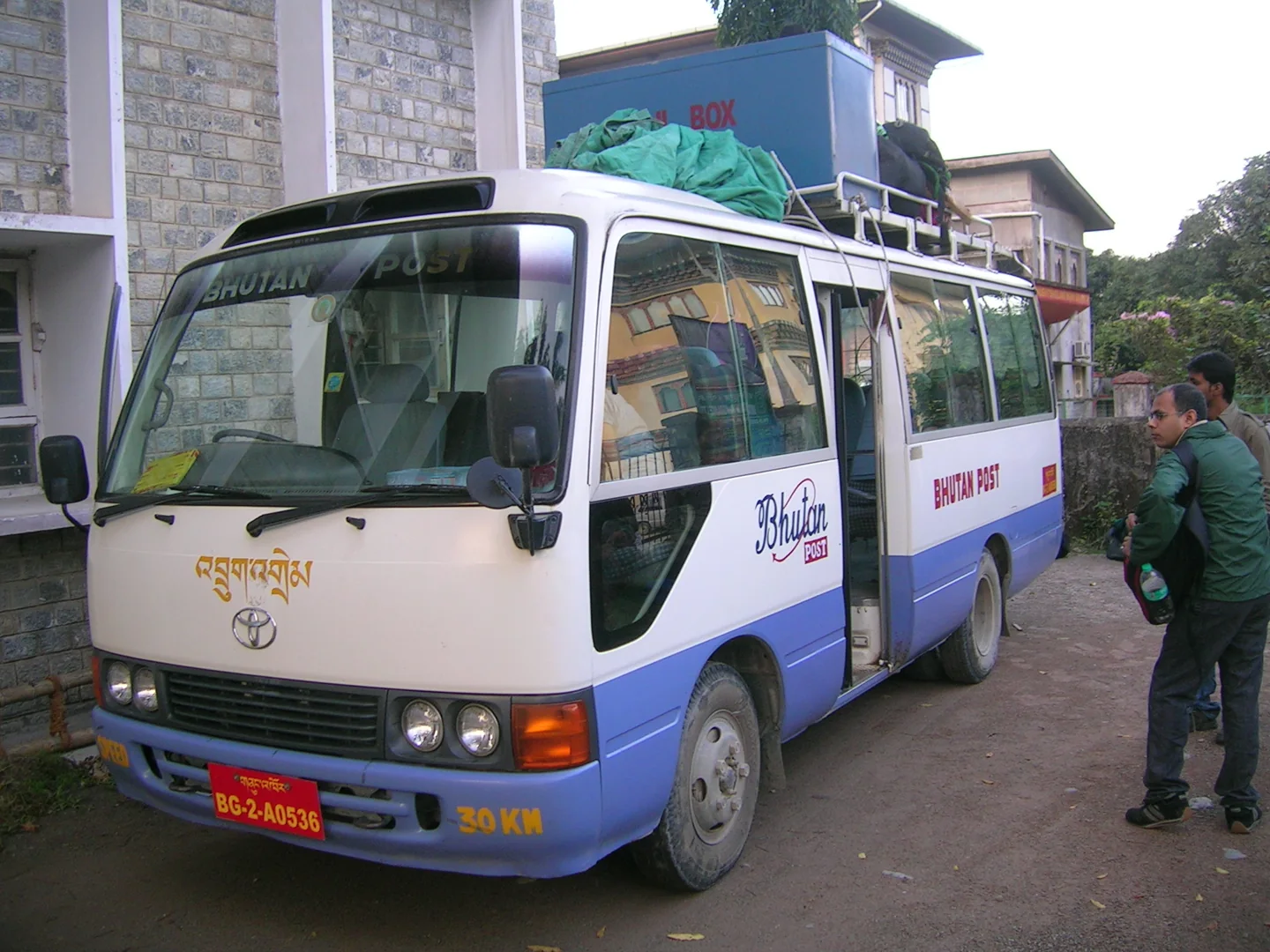
For an intercity starting point, Bhutan Post publishes a daily Express Coaster in each direction between Thimphu and Phuntsholing, departing the respective GPO premises at 10am. Tickets are sold at the GPO counters. The displayed one-way fare is 485/- on both routes, checked on 13 October 2026; the table does not spell out its currency, so confirm the payable ngultrum amount and operating date at the counter before relying on that figure. Thimphu tickets: 17677538; Phuntsholing: 17633026.
Arrange driving permission separately
If you plan to drive during a stay longer than three months, BCTA's foreign-licence instructions require reporting to its nearest office for endorsement and presenting a valid visa or work permit. Take your original home-country licence and ask for the applicable endorsement fee. Do this before relying on a car for the daily commute. A Bhutanese licence application follows a separate process, and the authority can require a competence test; a home-country licence does not guarantee automatic conversion.
14Build a routine and complete the first-month tasks
Make the first month manageable by building a routine around the places you actually use: the workplace or campus, the food shop, the bus stop, the landlord's repair contact and the facility handling routine care. Ask colleagues or classmates how those services work locally, then practise the journey and payment method yourself. A useful introduction is often the person who can explain a form, show you the correct counter or help describe your address.
If you are studying at Royal Thimphu College, start with the Student Services and campus-resource directory, which links clubs, sports, the library and event information. Ask the office which activities are running in your semester and open to your programme. Its FAQ is labelled Spring 2023, so obtain current residence and activity arrangements directly rather than treating every old timetable or rule as a current promise.
| First-month task | Evidence to keep |
|---|---|
| Complete the formalities attached to the approved purpose | Issued permit or card, its conditions, expiry and the sponsor's renewal contact. Keep each family member's record separately. |
| Settle the accommodation handover | Signed tenancy copies, registration information, deposit receipt, inventory, meter reading and landlord contact. |
| Activate practical payments | Bank account details, tested payment channel, salary arrangement and bills or rent-payment receipts. |
| Connect identity-dependent services | Phone account and KYC record; reminders linking any work-permit renewal with SIM validity. |
| Establish the everyday journey | Working bus or taxi arrangement, realistic commute allowance and applicable driving endorsement if driving. |
| Arrange routine care | Local facility contact, medication plan, insurance terms and claim or referral instructions. |
| Replace provisional costs with experience | First weeks' spending, actual recurring bills and the next month's revised budget. |
Choose one regular activity that fits your schedule and permitted purpose. For employment-related volunteering or a second paid activity, resolve permission before committing. For trips beyond the approved area, use the route-permit process already explained rather than treating a weekend plan as exempt. Keep a small calendar containing document renewals, rent, study dates and the next medical or administrative appointment; that turns the move into a routine you can maintain.

Sources & further reading
Reviewed 13 October 2026. Sources are linked beside the relevant instructions. Visa requirements depend on your nationality and application location. Specific payroll figures use the employer schedule linked for income year 2026. Housing arithmetic is explicitly hypothetical; provider-dependent rent, utilities, insurance and shipping require actual quotes. No national monthly living-cost estimate is asserted. Photograph credits, licences and capture years appear with the images.
Browse the source directory
- municipality's neighbourhood information
- Royal Thimphu College's campus
- Paro College of Education
- Central Regional Referral Hospital
- official dependent-permit gateway
- non-tourist categories
- foreign-worker regulations effective August 2024
- DRC employer withholding schedule linked for income year 2026
- Druk School
- Royal Thimphu College's application instructions
- actual admission portal
- student guidelines effective 1 May 2026
- Immigration Department's work-permit checklist
- Customs Manual's transfer-of-residence household concession
- revised February 2026 dog and cat conditions
- BFDA's permit instructions
- Department of Tourism's visitor application instructions
- Department of Revenue and Customs
- DRC's registration instructions
- Bank of Bhutan's current retail forms
- Customer Information Form
- account-opening form
- Bhutan National Bank's FC I categories
- published tenancy regulations
- Ministry of Health publications
- Central Regional Referral Hospital's service page
- tourism authority's emergency contacts
- Bhutan Power Corporation's application and agreement
- Bhutan Telecom counter
- March 2026 notice
- City Bus Service route directory
- Gakyid Ride and smart-card introduction
- Bhutan Post
- BCTA's foreign-licence instructions
- Student Services and campus-resource directory
Make your next step a practical one
Shortlist a city, confirm your residence route and build a budget before committing to a move.




