 Visa
Visa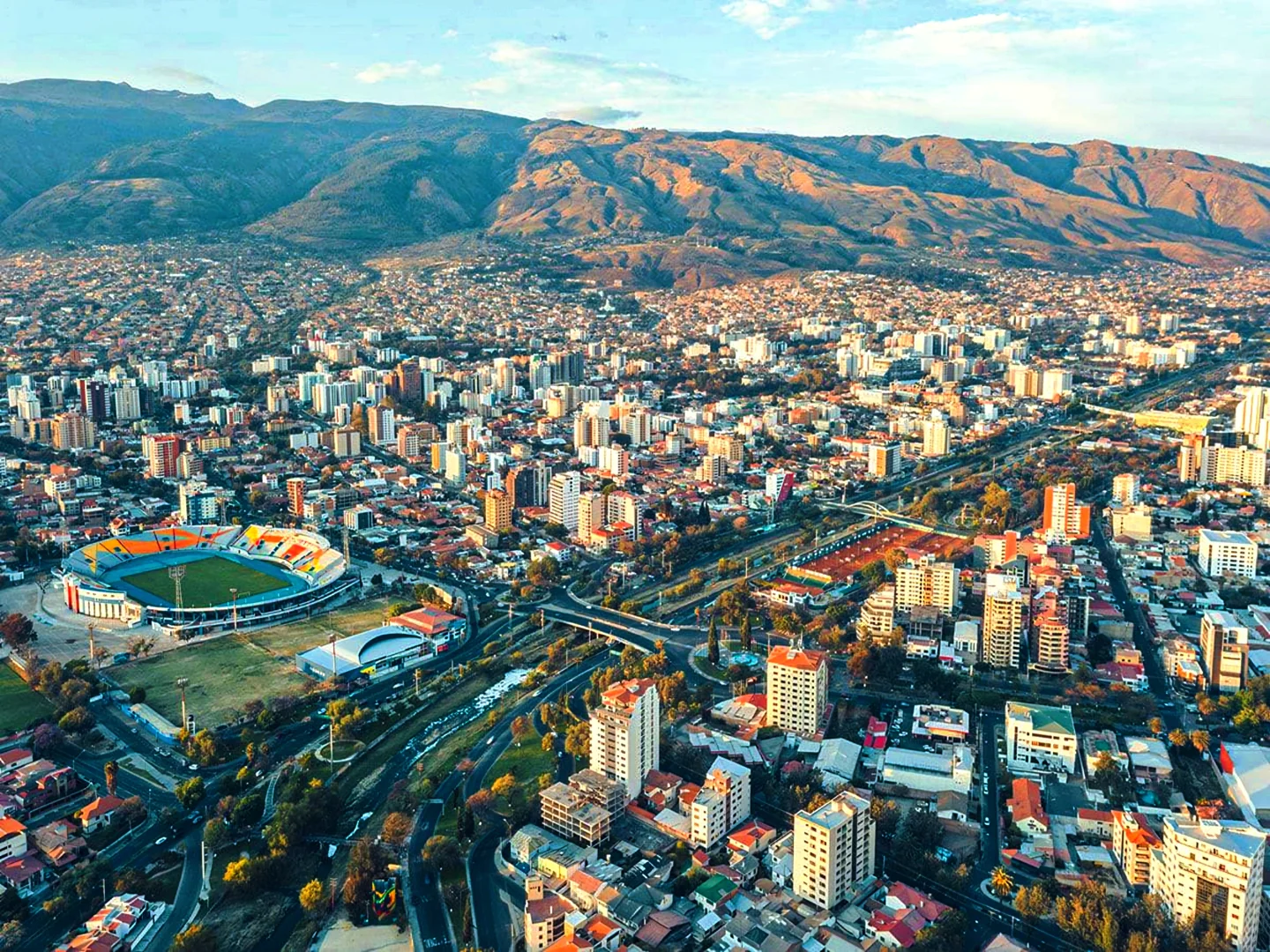
Moving & Living - Bolivia - Complete Guide
A practical moving journey for Bolivia: cities, immigration, employment, school admission, tax, documents, banking, rentals, healthcare and everyday services.
Photo credit
Life in Bolivia can mean a cable-car commute in La Paz, a home within Santa Cruz’s road rings, or a campus journey across Cochabamba. Those choices shape the move as much as the paperwork. This guide follows the practical sequence from choosing the right entry and residence arrangement to preparing documents, organising a household and completing the first month after arrival.
Bolivia at a glance
- Currency
- Boliviano, shown as Bs or BOB
- Residence
- Use Migration’s nationality and procedure selector; entry and residence are separate
- Identity
- Foreign-resident card: Cédula de Identidad de Extranjero, issued by SEGIP
- Tax
- Independent activity may require SIN registration and a NIT
- Housing
- Distinguish ordinary rent from an anticresis capital arrangement
- Healthcare
- SUS eligibility depends on the applicable beneficiary category
Follow your moving journey
Start at step 1, or jump to the task you are working on.
01Choose the city and home around the daily journey
Start with the address of the job, course or family arrangement that makes the move possible. Compare homes against that daily destination before comparing city names. A campus described as La Paz or Santa Cruz can sit well beyond the central streets you first see on arrival.
| City or starting point | Decision to make before housing |
|---|---|
| La Paz | Test the walk and any Mi Teleférico connection between the proposed home and workplace. For UPB, the university lists Camino Achocalla Km 3.5; assess that actual campus journey instead of assuming a central-city home is nearby. |
| Cochabamba | For a UPB programme, the campus address is Avenida Capitán Víctor Ustáriz Km 6.5. Discuss the timetable and transport with the institution, then inspect homes that serve the required journey. |
| Santa Cruz | The UPB campus is on the extension of Avenida Piraí between the sixth and seventh rings. Use the street and ring references when comparing addresses, and test the complete commute at the relevant time. |
| Sucre | For a course at UCB's Sucre campus, establish the exact teaching location and timetable with admissions before choosing a nearby rental. Keep the housing decision conditional on the actual admission and immigration plan. |
- Ask for the exact entrance address, location pin and ordinary working or teaching hours.
- Shortlist two or three homes and test both directions, including any walk, interchange and evening return.
- Compare the unit's written rental terms, utility arrangements and practical access with your own budget. Avoid deciding solely from a city's reputation or a photograph of its centre.
Keep the first accommodation flexible while testing the shortlisted journeys.

02Arrange the appropriate consular entry and residence plan
Identify the entry and residence route for your nationality and planned activity before travelling. A visa de objeto determinado is one purpose-based consular route, but the required entry document depends on the case. Entry and permission to remain are separate decisions.
- Identify the Bolivian consular office responsible for your place of application and nationality. Explain the activity, sponsor, planned dates and who will meet the costs.
- Use the office's linked visa application service and prepare the passport, photograph, purpose evidence, financial evidence and police record required for your case.
- Resolve any nationality-specific prior immigration authorisation before booking around a presumed processing date.
- After the decision, record the issued validity and contact the appropriate Migration office about the permission required for the actual stay.
Use the current nationality selector for the residence application
Open Migration's international procedures service, choose your nationality, select whether you are in Bolivia or abroad, then choose the actual procedure. Read its requirements, costs and processing sections. The service announces that changes from the Tranca Cero programme will be incorporated after the relevant rules are issued.
Its employee residence checklist covers one, two or three years. Prepare the application declaration, valid travel document, applicable entry or prior-stay evidence, activity evidence, criminal-record evidence and financial evidence. Accepted employment evidence includes a notarised employer invitation or an endorsed employment contract with company records. Criminal-record requirements change with time already spent in Bolivia and absences; yellow-fever evidence applies to specified high-risk areas. Complete the address declaration through the linked SIGEMIG service.
The displayed employee fees are 960, 1,260 and 1,560 UFVs for those respective durations, checked 13 October 2026. UFV is an indexed unit; obtain the payable boliviano amount for the payment date. Its stated processing period starts with a complete application and does not guarantee an individual decision.
Nationality-based arrangements also matter. MERCOSUR's residence framework describes temporary residence of up to two years based on nationality and a permanent-residence application during the ninety days before expiry. Establish which agreement and Bolivian implementation cover your nationality with Migration before choosing an activity-based route; this regional framework does not replace the receiving authority's application or give every visitor automatic work permission.
For applicants using the Embassy in Canada's instructions, the published purpose visa lasts thirty days and continuation requires an express application to Migration in Bolivia. Its suggested two-to-three-week preparation period is not a guaranteed approval time. Use that office's document and payment instructions only when it handles your application; another consulate's photograph or payment arrangements may differ.
03Secure income and complete the employer's contract formalities
Secure the actual employment arrangement before planning the household around a salary. Agree the role, worksite, pay currency, starting date and responsibility for immigration and labour formalities in writing. Resolve any professional recognition needed for the occupation separately from the general entry application.
- Have the employer identify the appropriate immigration basis and the documents it will supply for your application.
- Arrange the signed employment contract and the applicable refrendado, or labour-authority endorsement, through the departmental or regional labour office. The Ministry's April 2026 account of foreign-worker contract checks confirms that this remains a practical compliance task under Resolution 001/2024.
- Ask the employer to provide the filed contract and relevant registration references, and explain payroll deductions and employment-linked healthcare before the first payslip.
- Keep the issued immigration conditions and contract together. Resolve a proposed change of activity, employer or worksite with the responsible authority before assuming the original permission covers it.
Under Resolution 001/2024's foreign-worker contract rules, the endorsement deadline is thirty calendar days from the start of employment. The employer's file includes its identity or representation evidence, ROE, NIT, latest payroll declaration and request. The worker-specific file includes three original contracts, the foreign identity card or work visa, Migration's status decision and the applicable payment receipt. Arrange these together with the labour office; contract endorsement is expressly not an immigration regularisation procedure.
Optional: establish independent work or a business separately
If income comes from consultancy, a business or overseas clients, describe the actual activity to Migration and SIN before relying on it as a settlement plan. Arrange the applicable residence and tax registration rather than treating a foreign payment source as a dedicated remote-work visa. A company's registration, bank account or client contract does not by itself establish the owner's immigration permission.
04Budget separately for the move, monthly life and tax
Prepare the budget for the actual household and agreement. Monthly alquiler, an anticresis capital advance and employer-provided accommodation create different cash needs. Keep boliviano amounts, usually shown as Bs, separate from US-dollar charges until you obtain the bank's actual conversion and transfer terms.
| Upfront requirement | Recurring cost | Evidence to obtain |
|---|---|---|
| Flights, baggage and first accommodation | Trips to the job or campus | A dated quotation for the actual itinerary and a tested daily route, including any bus or cable-car changes. |
| Application, certification and identity-document charges | Renewal provision | The responsible consulate, Migration and SEGIP instructions for each traveller's case; keep agency costs separate from official charges. |
| Deposit, advance rent or anticresis capital | Rent and separately billed property services | The inspected unit's written offer, currency, repayment or deposit-return provisions and included charges. |
| Applicable bank opening balance | Chosen account and transfer charges | The selected bank product's actual terms. Money retained in your account is not the same as a non-refundable application fee. |
| Meter transfer and any installation | Electricity, water, internet and phone package | The provider's assessment for that supply or address, with the handover bill and usage allowance. |
| Course admission and document preparation | Tuition instalments and study expenses | The institution's written quote for the intended intake, including assessment charges, materials and refund conditions. |
| Shipping, clearance and pet preparation | Groceries, household purchases and ongoing care | Itemised carrier and clearance quotes, then the first weeks' receipts for ordinary spending. |
| Any initial treatment or policy payment | Insurance, medicines and uncovered care | Confirmed household coverage and the actual facility or insurer's charges. |
Hypothetical monthly-rent calculation: if an offer charged Bs 3,000 rent and separately agreed a deposit of Bs 3,000, the first month's rent plus deposit would require Bs 6,000 before other charges. This illustrates arithmetic only: it is not a surveyed market rent, a national deposit rule or an available property. For anticresis, record the actual capital and repayment terms separately instead of converting an uncertain repayment into an assumed monthly saving.
- Obtain the income arrangement in writing, including the first payment date, payroll deductions and anything the employer pays directly.
- Calculate initial cash independently of the recurring plan, with a provision for the gap before a local account and income payments work.
- After arrival, replace provisional food, transport and utility allowances with actual receipts and bills. Reassess the longer rental commitment against that result.
Resolve the tax arrangement for the actual income before calculating what the household can spend. An employee's payroll deductions and the registration and filing duties of a person providing independent services are different tasks; discuss the intended activity with the Servicio de Impuestos Nacionales, or SIN, rather than treating the immigration application as tax registration.
- For a salaried position, ask payroll to explain the proposed payslip, applicable RC-IVA treatment, employee registration and the procedure for any Formulario 110 invoice submission.
- For independent work or a business activity, establish the correct taxpayer category and registration duties with SIN. Its personal NIT requirements are a starting point for discussing the activity, foreign identity document and the tax, commercial and habitual addresses.
- Prepare the foreign identity card and tax, commercial and habitual address information listed by SIN. For independent professional or consultancy work, its checklist specifies a Título en Provisión Nacional; resolve how your qualification meets that requirement before registering the activity.
- Follow SIN's RNC registration instructions: the online route uses PDF supporting documents, with the identity card excepted from that scanning instruction; the in-person route requires the original documents at a SIN service platform.
- After registration, keep the issued NIT, system access, notifications and filing calendar together. Separate the business's receipts and expenses from the household budget.
Personalised tax treatment, filing deadlines and the applicable invoice procedure still depend on the actual activity and income. Obtain these from SIN or payroll before filing or budgeting net income. This guide does not infer a tax exemption for foreign pensions or remote-work income.
05Arrange admission and the applicable study permission
Choose the institution and obtain its actual admission plan
For children, one practical starting point in La Paz is American Cooperative School, ACS Calvert in Calacoto. Create a parent or guardian account on its linked admissions platform and upload the child's and parent's identification, birth certificate and applicable recent report cards. Grades one to twelve require assessed English proficiency. Its August-to-June calendar and Bolivian registration timetable can affect transfers: the school explains that students joining after September have Ministry registration deferred to the next academic year. Ask admissions to assess the child's records, grade placement and document legalisation before committing to a home or assuming a place is available.
Compare the programme and campus before choosing a home. Universidad Privada Boliviana's admissions directory separates foreign applicants and links its Cochabamba, La Paz and Santa Cruz campuses. Start with the foreign-applicant process for your chosen programme rather than using a domestic applicant's checklist.
For another concrete starting point, Universidad Católica Boliviana's Sucre admissions page lists foreign-student requirements including a school-leaving qualification revalidated in Bolivia, student visa, entry record, residence and foreign identity card, plus birth documentation and photographs. Contact [email protected] to agree the sequence for an applicant still abroad; documents needed to complete enrolment after arrival are not a reason to invent a residence approval before it exists.
- Ask admissions to assess your qualification and identify the certification, translation and revalidation needed for that programme.
- Obtain the next available intake and any examination or preparatory-course requirement. An old admissions banner is not a guarantee that applications remain open.
- Request the full fee quote for your intended semester, including academic charges, admission assessment and any accommodation or materials. Establish the refund conditions if the immigration application is unsuccessful.
- Keep the admission decision and immigration plan together, then test the actual campus journey before choosing permanent housing.
The Sucre page's displayed charges concern the first semester of 2026 and January or February admission activities. They are not a current quote for the next intake; obtain the applicable amount directly before budgeting or paying.
Optional: arrange the study permission after admission
Obtain the school's or university's admission decision first and establish the course dates and campus. Then arrange the entry and residence paperwork with the responsible Bolivian consulate and Migration office.
The Consulate in Viedma's student instructions describe a student entry visa valid for up to sixty days, followed by an application to DIGEMIG for one year's temporary student permission, renewable through the studies. This sequence does not mean admission itself grants residence or employment rights.
- Prepare the visa declaration, passport with at least six months' validity and the academic record appropriate to your level of study.
- Arrange the certification of the academic documents specified by the consular office before submitting them. The Viedma checklist names study certificates, qualifications and grade records as possible evidence.
- Follow the office's photograph instructions and applicable police-record and yellow-fever evidence requirements. Its police-record exception concerns applicants below sixteen, and vaccination evidence is tied to high-risk endemic areas.
- After entry, arrange the student's temporary-permission application with DIGEMIG before the issued stay expires. Keep the admission, immigration decision and academic calendar together.
06Establish a residence basis for a pension-funded move
Optional, for a pension-funded household: establish the permitted residence basis before committing to a long lease or an anticresis advance. A dedicated pension-income residence route was not verified in the sources reviewed for this guide. Ask DIGEMIG to identify the applicable category for your nationality and household circumstances, rather than treating pension receipts alone as an approved application.
- Prepare a clear description of the intended stay, any family connection and the actual income source. Obtain the responsible authority's category and document instructions for that case.
- Establish the permitted duration and renewal conditions, then compare those with the proposed housing commitment.
- Ask the bank how the pension can be received, including required records, currency, transfer charges and withdrawal arrangements. Confirm any continuing proof-of-life or other requirements with the pension payer.
- Resolve ongoing healthcare and insurance for each household member. Do not infer universal public coverage simply from age or foreign residence without confirmation.
- Assess the recurring budget against the pension actually received after fees and applicable deductions, keeping any large housing capital advance separate.
07Prepare the traveller documents and any pet application
Prepare a separate file for each traveller and label the evidence by application: employment, study, family relationship and shipment. Confirm which originals, certified copies and translations the receiving office requires before paying to prepare a generic bundle.
- Compare passport validity with the applicable consular and residence checklist. Keep the issued approvals and travel dates together.
- Collect the purpose evidence, police record and relationship or academic documents required for the actual case. Arrange photographs to the receiving office's format; university and consular requirements can differ.
- Establish the correct certification route for foreign public documents. The official legalisation service, updated in July 2026, describes diplomatic legalisation for countries outside the Hague Apostille Convention. Ask the receiving office to confirm the route for the particular document and issuing country.
- Resolve any required Spanish translation and academic revalidation with the consulate or institution before assuming certification alone establishes qualification recognition.
- Carry the originals needed for entry and the next appointment in hand luggage, with secure copies stored separately. Keep the household inventory and any pet's papers distinct from personal immigration files.
Optional: obtain the animal's import permission
Use the official VUCE dog-and-cat import procedure and arrange the applicable health certificate with the exporting country's authority before transport.
- Request Gran Paititi access from the departmental SENASAG office, register and complete form SENASAG-IMP-FOR-001.
- Submit the import request and origin health certificate; include invoice and packing records where the animal was bought. The online route accepts the supporting documents as PDFs.
- Pay against the office's issued assessment and submit the receipt. Resolve any requested corrections within the stated twenty-four-to-forty-eight-hour period.
- Obtain the issued permit, then carry the original supporting documents for SENASAG's border inspection.
The border examination is separate from permit issuance. VUCE describes correction or quarantine measures when requirements or clinical findings warrant them; an approved application is not a promise of automatic clearance. Align the carrier's booking, crate and transit arrangements with the issued conditions and keep the animal's papers accessible throughout the journey.
08Arrange the household shipment and customs declaration
Establish whether the shipment qualifies as household effects
Bolivia's menaje doméstico concession is conditional. The Customs authority's household-effects presentation includes foreigners establishing residence with a purpose visa and describes used household goods, rather than an unrestricted allowance for all purchases.
- Have Customs or the clearance agent assess eligibility, including the two years abroad requirement, before booking freight.
- Prepare the itemised inventory and complete the household-effects declaration in Customs' system. Arrange its consular validation in the country of origin before shipment.
- Schedule the shipment against the published arrival window: one month before to six months after the owner's arrival.
- Prepare the identity, visa and transport records, then have the customs broker arrange the import declaration and destination clearance.
The presentation gives foreigners a US$35,000 concession limit and excludes motor vehicles, including motorcycles. This is a concession limit, not cash paid to the mover or a shipping-cost estimate. Obtain the agent's freight, handling, storage and clearance quote separately, and establish the treatment of items outside the concession before dispatch.
09Enter with the correct approval and reach the first home
Book the first accommodation and onward transport before departure, with the address and a working contact available offline. Carry the identity document, issued visa or approval, purpose evidence and the documents needed for the next appointment in hand luggage rather than the household shipment.
- At entry, present the record appropriate to the actual purpose and confirm the admitted period. Retain the entry evidence needed for the subsequent application or institution's enrolment file.
- Reach the booked home and record the precise address. Use consistent address details for Migration, the identity application and later bank or service forms.
- Contact the employer, institution or responsible Migration office and arrange the next residence formalities before the admitted stay expires.
- Test the phone, sponsor contact and journey to the appointment. Keep the first week flexible enough for document preparation and office visits.
Record each traveller’s issued conditions and expiry separately.
10Complete the foreign-resident identity process
After Migration issues the appropriate permission, organise the foreign-resident identity document with SEGIP. The National Statistics Institute's document description identifies the Bolivian foreigner's card as the Cédula de Identidad de Extranjero, or CIE, issued by SEGIP. It is different from the identity document issued by your home country.
- Keep the issued Migration decision and its notification date together. Ask Migration which document SEGIP needs for the identity application and which deadline applies to your decision.
- Request SEGIP's current CIE checklist and appointment or pre-registration arrangement for the office handling the case. Establish the accepted original identity evidence and copies before attending.
- Obtain the current CIE payment instructions directly, then retain the receipt. A fee displayed for an ordinary Bolivian identity card should not be assumed to be the foreign-resident fee.
- At issuance, compare the name, nationality, document number and expiry against your records. Retain the collection or correction information with the card.
The current CIE fee and notification-to-application deadline were not verified from SEGIP's accessible service information during this review. Confirm these with the issuing office promptly after the Migration decision; do not rely on an older amnesty notice or treat an identity application as an extension of the permitted stay.
11Open the appropriate account and test payments
Choose the account for the transactions you need, then establish which documents the bank accepts under your residence status. A personal savings account, a current account with cheque facilities and a company's account have different requirements; do not use a business signatory exception as proof that a newly arrived visitor can open any personal account.
- Arrange the bank visit after obtaining the applicable local identity document. Ask for the checklist for your chosen personal product and prepare the evidence of address and income requested for the case.
- For a concrete example, BCP Bolivia's personal current-account page requires a foreigner's card and a copy of the valid passport for foreign applicants, alongside its general identity, latest electricity or water bill and applicable NIT evidence.
- Compare the currency, minimum opening amount, transaction charges and optional services before signing. Ask separately about receipt of foreign funds and the actual exchange or withdrawal conditions.
- After approval, activate the agreed electronic channels and test a small payment. Supply the correct account details to payroll only after the account works.
BCP's current-account page displays a minimum opening amount of Bs 2,500 for the boliviano account, checked on 13 October 2026. That is product-specific money to fund the account, not a universal banking fee or a minimum for every savings product. Use the bank's savings-product directory to compare the alternative and obtain its own terms for a foreign resident.
12Inspect the home and document the chosen rental arrangement
Ask whether the advertised arrangement is monthly alquiler or anticresis before comparing prices. They involve different cash commitments and contractual relationships; obtain the actual terms rather than treating both as a monthly rental quotation.
- Inspect the unit and test the work or campus journey. Check water, electricity, ventilation, access and the services inside the rooms you will use.
- Establish the identity and authority of the person offering the property. Request the records relevant to the agreement and compare the address and owner details before paying.
- For monthly rent, put the amount, currency, payment date, deposit, included charges, repair responsibilities, duration and exit conditions in the written agreement.
- Record the inventory and starting condition with the landlord, including supply codes, readings and any outstanding service balance. Keep a dated receipt for each initial payment.
Understand an anticresis offer before committing capital
The School of Judges' property-law material explains anticresis as a creditor relationship secured on the property: the owner is the debtor and the anticresista occupies and uses the home in connection with the credit advanced. It identifies a public document and registration in Derechos Reales as relevant formalities. This is not simply the refundable security deposit attached to an ordinary monthly lease.
For such an offer, have the actual title, registered charges, contract, amount, currency and repayment provisions assessed before advancing money. Agree how possession and repayment end, and who handles the public document and registration. A correctly named agreement does not itself prove that the owner can repay at the required time.
Match the commitment to the household's approved stay. Obtain the specific deposit or capital requirement from the offer; this guide does not invent a nationwide standard deposit or current rental price.
13Arrange healthcare, household services and transport
Establish the healthcare arrangement for each household member rather than assuming that a residence card makes every service free. Discuss employment-linked coverage with payroll and confirm eligibility for the Sistema Único de Salud, or SUS, through the health centre serving your home.
- Before departure, obtain the employer's or insurer's written coverage terms, including outpatient visits, medicines, existing conditions, specialist treatment and any overseas referral.
- Bring the medication list and clinical records needed for continuing care. Identify the local facility and arrange the first consultation before an existing supply runs out.
- Contact the neighbourhood health centre about SUS adscripción, meaning registration with the system. Present the identity and household records it requests and establish which members qualify under their actual circumstances.
- Obtain the registration record, referral instructions and details of any services or charges outside the confirmed coverage. Keep these with insurance contacts and treatment receipts.
The SUS beneficiary framework in Law 1152 distinguishes foreigners without short-term social-security coverage who qualify through international instruments and reciprocity from specified other groups. The latter include pregnancy through six months after childbirth, women's sexual and reproductive care, children below five, people aged sixty or above and people with disabilities qualified under the applicable rules. These are specific eligibility bases, not a promise that every foreign household is covered.
The Ministry's SUS directory links registration guidance. Ask the local health office which eligibility basis, international arrangement and documentation apply to your case. The law identifies first-level public facilities as the normal point of access; establish the local registration and referral arrangements before treating a specialist appointment as covered. Obtain the actual treatment and medicine coverage and any charges for services outside it.
Complete the electricity handover
Record the provider, supply code, meter reading and date when taking possession of the home. Ask for the latest paid bill and establish responsibility for any previous balance before agreeing to the service handover.
- For a CRE-served home, use the provider's individual account-holder change instructions.
- Prepare the identification and applicable possession evidence. For a tenant, the booklet specifies a current rental or anticresis contract with acknowledged signature, alongside the request letter and latest bill. Ask CRE which foreign identity record it accepts for your case.
- Resolve any outstanding electricity balance and complete the appropriate transfer process. A change of service holder and a transfer of the cooperative's contribution certificate are distinct procedures; establish which applies.
- Retain the completed agreement, account reference and payment arrangement. Use the actual bill to update the recurring budget.
Register the phone and test its everyday use
Entel Bolivia's prepaid instructions direct customers to a Multicentro or authorised seller to obtain a line and register it. Bring your identity and residence documents and establish the accepted foreign-applicant record at the counter; the accessible page does not provide a complete foreigner's registration checklist.
Choose the package by its allowance and validity, then test calls, mobile data and the number used for bank access. For home internet, request address-specific coverage and installation terms before assuming the mobile provider can connect the flat. Keep the package renewal date with the household's bills.
In La Paz, assess a home against the actual door-to-door journey, including the walk to a cable-car station and any change of line. Use Mi Teleférico's line information to plan the stations, then test the route at the time you will travel to work or campus.
- Identify the destination entrance and the closest useful station or bus stop, not simply the neighbourhood name.
- Establish the first and last service for the intended day, the payment arrangement and the fare for the complete journey. Include any connection outside the cable-car network.
- Test both directions before choosing a permanent home. Record the actual time and cost rather than assuming the outward trip describes the return after an evening class.
- For intercity travel, consult the La Paz municipal bus-terminal information and obtain the fare and departure details for the actual operator and service.
A Ministry of Public Works notice dated 19 December 2025 states Mi Teleférico's general fare as Bs 3 for the first line and Bs 2 for a transfer. That is the dated official fare evidence reviewed here on 13 October 2026; confirm the current charge at the station. At those published rates, one initial line plus one transfer would total Bs 5, a labelled calculation rather than a verified 2026 household transport budget. The notice's 11pm finish was a measure for that day's drivers' stoppage, not a permanent operating promise.

14Build the routine and complete the first-month checklist
Build the routine around work or campus, food shopping, the transport stop and local health centre. Practise the payment method and journey, and keep the landlord’s repair contact handy.
For UPB students, the university's own student-life directory links sports, culture and clubs. Ask the campus which activities are running in the semester and open to your programme. Choose a regular activity that fits the actual timetable, without assuming every advertised opportunity is available to every applicant.
| First-month task | Record to keep |
|---|---|
| Complete the appropriate residence and identity processes | Migration decision, notification and expiry; CIE application or issued card; next renewal contact. |
| Complete employment or study administration | Filed employment contract or enrolment record, applicable payroll details and the next institutional deadline. |
| Settle housing and services | Signed agreement, receipts, inventory, supply codes, readings and confirmed account-holder changes. |
| Test everyday payments | Working bank channel, correct salary account and evidence of rent or bill payment. |
| Arrange ongoing care | Confirmed coverage, local treatment contact, medication plan and referral or claim instructions. |
| Revise the budget | Actual food, transport and utility spending, separate from deposits or other capital tied up. |
This is an editorial planning checklist, not a universal thirty-day registration grace period. Keep the actual immigration, contract and institutional deadlines in the calendar, alongside rent and package renewals.
Sources & further reading
Reviewed 13 October 2026. Sources are linked beside the relevant instructions. Visa requirements depend on your nationality and application location. Employee residence costs are published in indexed UFVs, checked 13 October 2026. BCP opening funds concern its named current-account product. Cable-car fares are explicitly dated December 2025, not asserted as an October 2026 quote. Housing arithmetic is hypothetical; use household-specific quotes for recurring and initial costs. Photograph credits, licences and capture years appear with the images.
Browse the source directory
- university lists Camino Achocalla Km 3.5
- campus address is Avenida Capitán Víctor Ustáriz Km 6.5
- UPB campus is on the extension of Avenida Piraí between the sixth and seventh rings
- UCB's Sucre campus
- Migration's international procedures service
- SIGEMIG service
- MERCOSUR's residence framework
- Embassy in Canada's instructions
- Ministry's April 2026 account of foreign-worker contract checks
- Resolution 001/2024's foreign-worker contract rules
- Servicio de Impuestos Nacionales
- personal NIT requirements
- RNC registration instructions
- American Cooperative School, ACS Calvert
- Universidad Privada Boliviana's admissions directory
- Consulate in Viedma's student instructions
- DIGEMIG
- official legalisation service
- official VUCE dog-and-cat import procedure
- Customs authority's household-effects presentation
- SEGIP
- National Statistics Institute's document description
- BCP Bolivia's personal current-account page
- savings-product directory
- School of Judges' property-law material
- SUS beneficiary framework in Law 1152
- Ministry's SUS directory
- provider's individual account-holder change instructions
- Entel Bolivia's prepaid instructions
- Mi Teleférico's line information
- La Paz municipal bus-terminal information
- Ministry of Public Works notice dated 19 December 2025
Make your next step a practical one
Shortlist a city, confirm your residence route and build a budget before committing to a move.




