 Visa
Visa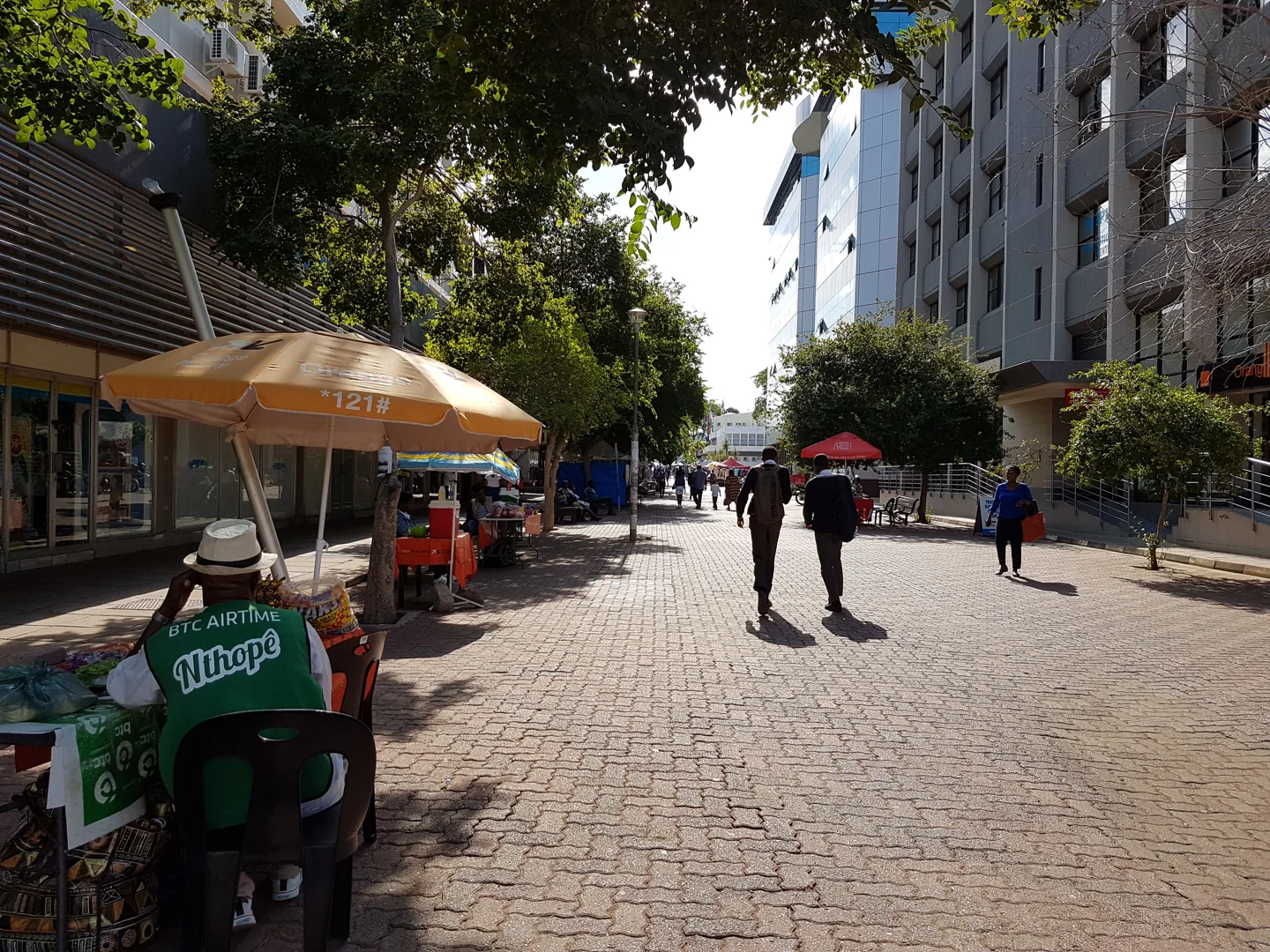
Moving & Living - Botswana - Complete Guide
A practical Botswana moving journey: city choices, work and residence permits, current tax rules, school, banking, housing, healthcare and household services.
A Botswana move might centre on a Gaborone campus, a Francistown workplace or a Maun operational base. Daily life takes shape around the actual home, plot address and transport arrangement. This guide follows the sequence from the qualifying work or residence plan to school, payments, care and a settled household routine, with separate optional instructions for students and pension-funded moves.
Botswana at a glance
- Currency
- Botswana pula · BWP / P
- Permissions
- Visitor entry, residence and work permission are separate
- Identity
- Omang is a Botswana citizen identity document; foreign applicants use the applicable passport and permit process
- Tax
- Income Tax Act, 2026 effective from 1 July 2026
- University
- Residence processing follows admission and proof of university registration
- Emergency medical service
- 997; government service lists specified towns
Follow your moving journey
Start at step 1, or jump to the task you are working on.
01Choose the town and test the household journey
Begin with the fixed destination: the workplace, operating premises, school or faculty that brings you to Botswana. Gaborone, Francistown, Maun and Kasane require different journeys, and a home that works for a short visit may not serve a school and working week.
| Place | Starting shortlist | What to test |
|---|---|---|
| Gaborone | Broadhurst, Maruapula, Village and the streets serving the actual campus or workplace | Time the door-to-door school and work journeys. Compare the exact home with the destination, rather than assuming all city addresses are equally convenient. |
| Francistown | The actual worksite and homes connected to its daily route | Locate the Labour Office, chosen healthcare provider and service accounts before selecting the property. |
| Maun | The town or the particular operational base named in the job offer | Establish whether work begins in town or involves travel to another site, and who provides that transport. |
| Kasane | The street serving the employer and household's regular destinations | Compare the home with the actual shift pattern, school and treatment arrangements. |
Two useful Gaborone anchors are the University of Botswana at Plot 4775 Notwane Road and Maru-a-Pula School at Plot 4725 Maruapula Way. Put the selected institution's teaching or entrance address on the map before comparing homes. A main-office address does not necessarily identify the building you will attend every day.
- List the weekday destinations and the times you need to reach them.
- Choose two neighbourhoods and arrange temporary accommodation in a workable location.
- Try the school or work journey, including the walk from the entrance to the pickup point or stop.
- Inspect the actual home for ventilation, cooling, water arrangements, communications and the condition of its fittings.
- Compare the whole monthly commitment: rent, services and transport, with any school or care costs added.
For a job based beyond the town, ask the employer to document staff transport, accommodation and days away before using a city rental as the household's permanent base. Keep the home search connected to that real work pattern.
02Apply for the residence category that fits the move
Select the purpose of the stay before making a housing commitment. Botswana's visitor entry, permission to reside and permission to work are separate decisions. The residence service is an application process, not a promise of approval for anyone who wants to settle.
- Use the government residence application service to identify the applicable category and office. The published lists distinguish immigrants, students, spouses of citizens and specified dependants.
- Prepare Forms 15 and 3, the category's certified passport and civil records, photograph and evidence of support. Spouse and supporter documents depend on the particular category.
- Resolve each family member's application: the service says people above eighteen apply separately, with the appropriate support evidence.
- Submit the complete file and applicable fee to Immigration, retain the receipt and follow the outcome through the submitting office.
- After approval, arrange the permit endorsement in the passport and record its validity. Keep any conditions with the household's calendar.
The service publishes thirty working days as its processing period; allow for additional evidence and make travel arrangements around the actual decision. Its dependant and student list shows BWP 1,500, checked 13 October 2026. Obtain the fee for the selected category rather than applying that figure to every immigration service.
Before travel, use the responsible Botswana mission to establish whether your nationality requires an entry visa and where your specific residence application should be lodged. A visa or admission letter is not the residence endorsement. Ask Immigration to identify the category for the intended activity when the general lists do not resolve it, such as an overseas-income arrangement without local employment.
03Arrange employment or the investor permission file
Arrange the actual employer, job and worksite before starting the permission file. Agree the gross salary, benefits, proposed start and responsibility for the applications in writing. Prepare any professional clearance separately from the employer's offer.
- Download the form through the government work-permit application service.
- Prepare the job advert issued within the preceding six months, contract, signed application letter, offer, CV and certified qualification and passport records. The published list requires two white-background passport photographs.
- Arrange the required English translation, qualification confirmation and professional clearance.
- Submit the file to the nearest Labour Office, retain its reference and collect the permit after notification of approval.
- Complete the separate residence arrangement and establish the permitted starting date before beginning the activity.
The service lists fourteen working days, checked 13 October 2026; this is a published service period, not a guaranteed decision. For renewal it instructs applicants to submit six months before the work permit expires, with the renewed contract and existing work and residence permits. Put that lead time on the calendar when the first permit is issued.
Optional: prepare the investor file around a genuine operating business
The same service's investor list requires investment evidence, the operating premises, company and trade-licence records, employee and asset details and bank evidence. Prepare these with the business representative before relying on company formation as the basis of the move. A registration certificate alone does not replace the work and residence decisions.
No dedicated remote-work residence route was verified in the reviewed services. Describe the work actually performed in Botswana, employer location and payment arrangement to the responsible authorities. Obtain the immigration and tax treatment for that arrangement before planning to work remotely from a visitor stay.
04Price the move and establish the current tax treatment
Write both budgets in pula, using BWP or the local price label P. Keep the bank's actual exchange quote with money transferred from abroad; do not substitute a remembered rate when calculating what will arrive in the account.
| Cost | Amount or calculation | Scope |
|---|---|---|
| Student residence service | BWP 1,500 | University of Botswana's international-student instructions, checked 13 October 2026; not every visa or household category. |
| Mobile data example | BWP 199 | Orange All My Internet 30GB monthly product, displayed thirty-day validity, VAT included; checked 13 October 2026. |
| Initial housing payment | First rent plus agreed refundable deposit and separate fees | Use the exact property offer, agency terms and signed agreement. |
| Recurring household spending | Rent, water, electricity, food, communications, care and transport | Use the proposed home's bills and the household's actual usage. |
| Education | Institution's admission and term or semester quote | Separate teaching, boarding, uniforms and transport where applicable. |
| Move and document preparation | Travel, shipment, clearance, translations, certification and any assessments | Quote by origin, applicant and shipment; keep initial costs outside the monthly total. |
Illustrative housing arithmetic: if an offer quotes BWP 6,000 monthly rent, a BWP 6,000 refundable deposit and BWP 700 for separately paid first-month services, the initial housing outlay is BWP 12,700. Those inputs are hypothetical, not surveyed Botswana rent, a standard deposit or a verified utility bill. Replace them with the particular agreement and supplier charges.
- Collect the property's complete quote and two recent utility bills.
- Add the first transport arrangement and temporary accommodation, allowing for any overlap before handover.
- Price each applicant's document and permission file separately, including the profession's assessment if required.
- Match the first salary, pension or scholarship payment date with the due dates.
- After arrival, replace planning figures with receipts and review the sustainable monthly total.
For a worksite away from the household's home town, put work transport and overnight accommodation in the correct payer's column. Ask the employer to identify the benefits it pays directly and the amounts deducted from salary. A package described as including housing still needs the address, services and household access written down.
The Income Tax Act, 2026 and its commencement order took effect on 1 July 2026. Its residence rules include a permanent home or an aggregate 183 days in a twelve-month period beginning or ending during a tax year, with specified temporary-absence and arrival/departure rules. Working in Botswana can produce Botswana-source employment income wherever it is paid.
The Act's resident individual schedule has a BWP 48,000 zero-rate band and rates rising to 27.5% above BWP 400,000; the non-resident schedule differs and starts at 5%. These refer to taxable income, not a guaranteed net salary. Keep a dated travel record and arrange the classification and any applicable treaty treatment for the actual household.
- Register through BURS's taxpayer-registration service and obtain the current individual form and requested identity and permit evidence.
- Have payroll record the issued tax reference and confirm it uses the 2026 tax table for the correct classification.
- Keep the first payslip and reconcile gross pay, deductions and the credited amount.
- For business, overseas income or pension payments, record the reporting and payment responsibilities with the applicable BURS office.
- Keep the return, payment receipt and any foreign tax evidence with the tax-year calendar.
BURS's general registration page still describes older 2011 thresholds. Use its current forms and 2026 legislation for the filing plan; do not calculate today's liability from that older introductory figure. Ask BURS to resolve a form or classification that does not fit the newcomer's documents.
05Arrange school placement or the next university intake
Optional, for a school or university household: arrange placement and the teaching calendar before signing a long lease. Collect the student's passport, school reports, qualification records and any support needs for the institution's assessment.
Start with the school's actual admissions service
At Maru-a-Pula's 2027 A-Level admissions, external applicants have a published deadline of 2 November 2026. This is still ahead at the guide's review on 13 October; the 5 October deadline for current pupils has passed. Use the external form linked by the school, provide recent reports or exam results and specify the subjects and any boarding request.
The school assesses academic and subject-specific eligibility, available places and the proposed subject combination. Shortlisted external applicants attend assessments or an interview. Treat any provisional offer according to its final-result conditions. Contact the school at +267 391 2953 about the intended year group; the A-Level instructions are not a universal procedure for younger pupils.
Apply for the next available university intake
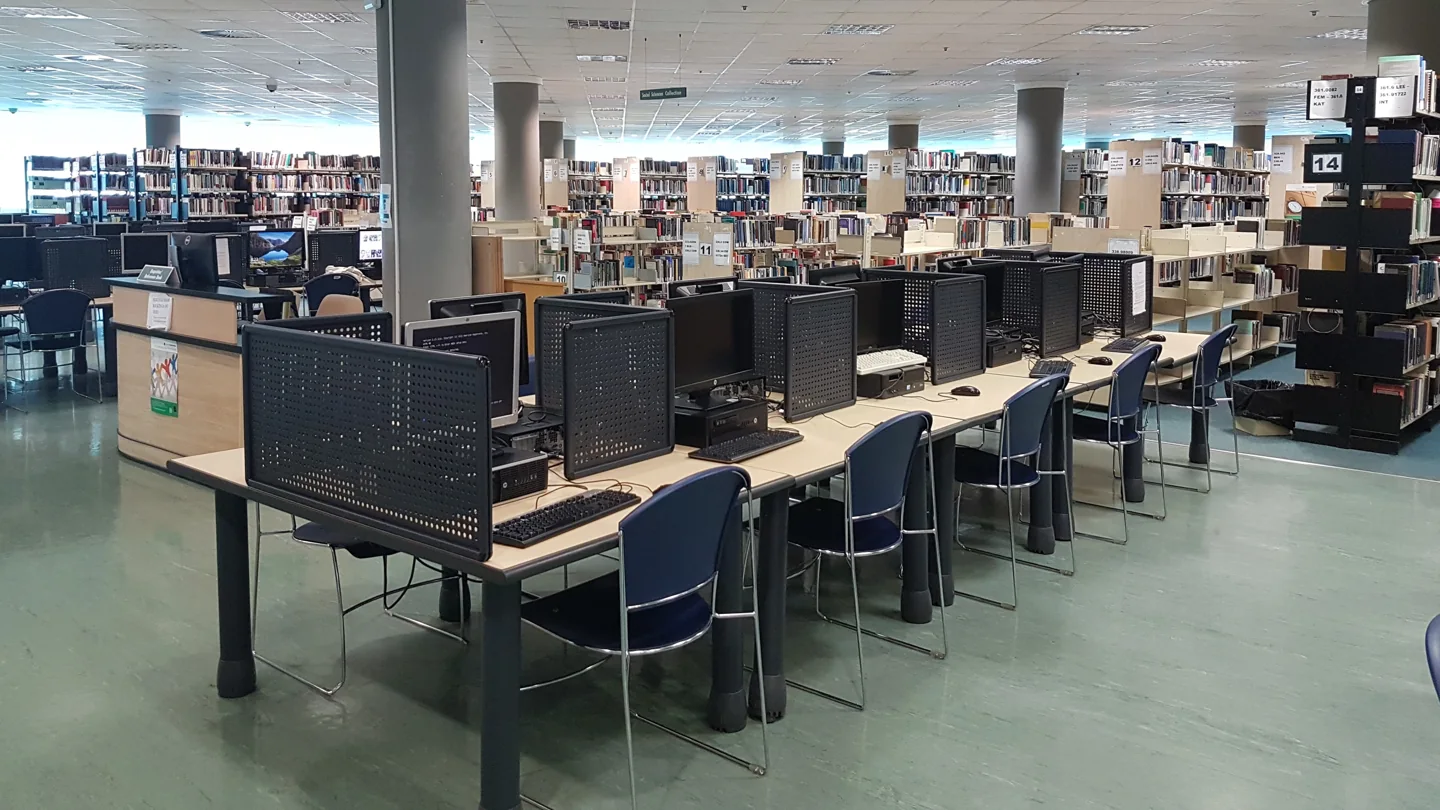
The University of Botswana's undergraduate application service lists its August 2026 deadline as 6 August 2026, already passed. Obtain the next intake's programme requirements and package through [email protected]. Prepare the fee receipt, certified secondary results and passport; transfers or upper-level applicants need the applicable transcripts and qualifications.
- Select the programme and its entry requirements, then obtain the current application package.
- Use the online application linked by the university and keep a working email and mobile contact.
- Pay through the university's listed payment service and retain the receipt and reference.
- Use the acknowledgement's login details to track the application through Student Admissions, Self Service and Student Centre.
- After an offer, complete enrolment and the accommodation application separately.
The university's international-student instructions say residence processing follows admission and proof of registration. Prepare the admission and sponsorship letters, certified passport and birth evidence, photographs and the International Office letter. Its residence charge is BWP 1,500, checked 13 October 2026. Arrange the application with the International Office and keep the permit valid throughout study. An admission offer does not itself endorse the passport.
Request the residence and enrolment timetable together, particularly when the institution needs a document that Immigration has not yet issued. Obtain the actual next step from the International Office so the file can progress in the correct sequence.
06Establish a qualifying pension-funded residence plan
Optional, for a pension-funded move: establish the qualifying residence category before treating Botswana as a permanent retirement destination. No dedicated ordinary retirement visa was verified in the reviewed government services. A pension statement can support a financial plan, but does not issue residence permission.
- Describe the nationality, intended duration, household and any citizen-spouse or dependant connection to Immigration.
- Obtain the applicable application list and document how the household will be maintained.
- Arrange the pension payer's transfer details, proof-of-life requirements and any change-of-address notification.
- Resolve the Botswana and origin-country tax treatment for the actual pension and other income.
- Obtain a healthcare and insurance decision for the applicant's age and medical history before calculating the amount left for housing.
Compare the issued permission and its renewal requirements with any proposed long rental or purchase. Keep the pension's payment currency, bank conversion charges and coverage dates in the recurring budget. If joining a medical-aid scheme, obtain the newcomer's own membership terms; an existing employee's pension membership arrangement may have prior-service conditions that do not apply to a new arrival.
07Prepare certified records, shipment clearance and pets
Prepare originals and certified copies around the actual application sequence. Use separate applicant folders for Immigration, Labour, education and healthcare, with a shared folder for housing and payments. Keep any requested translation with the source original.
- Compare names, dates and passport details across civil records, qualifications and the employment or admission agreement.
- Obtain the purpose-specific certifications and translations before the submitting appointment.
- Prepare the household relationship and supporter evidence needed for a spouse or dependant case.
- Keep travel documents, essential originals, prescription information and the first address in hand luggage.
- Save a secure copy of each submitted file and its receipt, including the organisation that issued any missing record.
Arrange customs before sending belongings
The BURS baggage-declaration instructions require goods and their correct values to be declared. Prepare a household inventory with quantities, descriptions, ownership and value evidence, and give it to the mover before dispatch.
Obtain the specific import treatment and any exemption evidence from BURS for the actual status and shipment. An ordinary passenger allowance is not evidence that a vehicle or household container qualifies for settlement relief. Agree who submits the declaration, which documents must arrive before the goods, and who pays clearance, storage and delivery. Keep the inventory, shipping record and clearance receipt together.
Optional: obtain the animal's journey-specific veterinary arrangement
Use the government's animal import-permit service and Department of Veterinary Services contact, [email protected]. Supply the animal, origin, route, destination and intended arrival. The published dog and cat section asks for valid rabies evidence; its SADC movement section lists exporting-country movement permission, health evidence and rabies certification in English or Setswana.
The page mixes import-service instructions with an export-inspection sentence, so obtain the correct inbound permit and certificate directly for the particular origin. Have the official veterinarian schedule the required evidence before booking transport. Confirm any transit-country requirements separately and carry the issued documents with the animal, rather than placing them in the household shipment.
08Enter with the right documents and reach the first home
Arrive with the entry documents for the actual nationality and purpose, the first accommodation address and a working host contact. Match the passport record and permitted stay with the agreed immigration plan before calculating subsequent deadlines.
- Keep the entry stamp or recorded conditions with the issued permission and travel documents.
- Reach the reserved home, campus accommodation or employer-arranged base and record its complete address.
- Arrange a local phone using the foreign-national identification procedure in step 13.
- Locate the relevant Immigration or Labour Office appointment and the next submission or collection task.
- Set up the immediate food, medicine and transport needs while the longer housing and banking tasks progress.
For a University of Botswana arrival, its International Office asks for flight or bus details three weeks in advance to arrange pickup. Its published pickup conditions specify arrival between 08:00 and 17:00; obtain confirmation and arrange your own transfer when the conditions are not met. Do not treat the page's older dollar taxi estimate as a current fare.
Save the destination's street, plot number and a recognisable landmark with the host's contact. For an employer pickup, identify the meeting point, vehicle or driver and what happens if travel is delayed. Keep the onward journey aligned with the real operating site if the job is based outside the arrival town.
09Collect residence records and organise local identifiers
Organise the local records in the order each service needs them. For a foreign national, the passport and issued residence record remain central; the ministry's Omang service is for Botswana citizens aged sixteen and above. A residence application is not an Omang application.
- Keep the filed immigration receipt, application category and collecting office together.
- After approval, verify the endorsement and dates against the authorised employment, study or family arrangement.
- Prepare the tax registration with the income and permit evidence, retaining the issued BURS reference.
- Give the employer, bank and medical-aid scheme the particular record each has requested.
- Put work renewal, residence expiry and any institution's next record issue on one household calendar.
When an organisation requests an Omang field that a foreign applicant cannot complete, use its foreign-national procedure rather than substituting a passport number into an unrelated citizen field. Obtain the accepted identifier from the receiving organisation and retain its instruction with the application.
Keep the permanent home's plot and unit address consistent across records. When temporary accommodation is replaced, arrange the address update with each organisation holding a household account and establish any required Immigration notification. Make a dated record of the change and the evidence used, especially when the bank or insurer relies on a named bill or lease.
10Open a foreign-national account and test payments
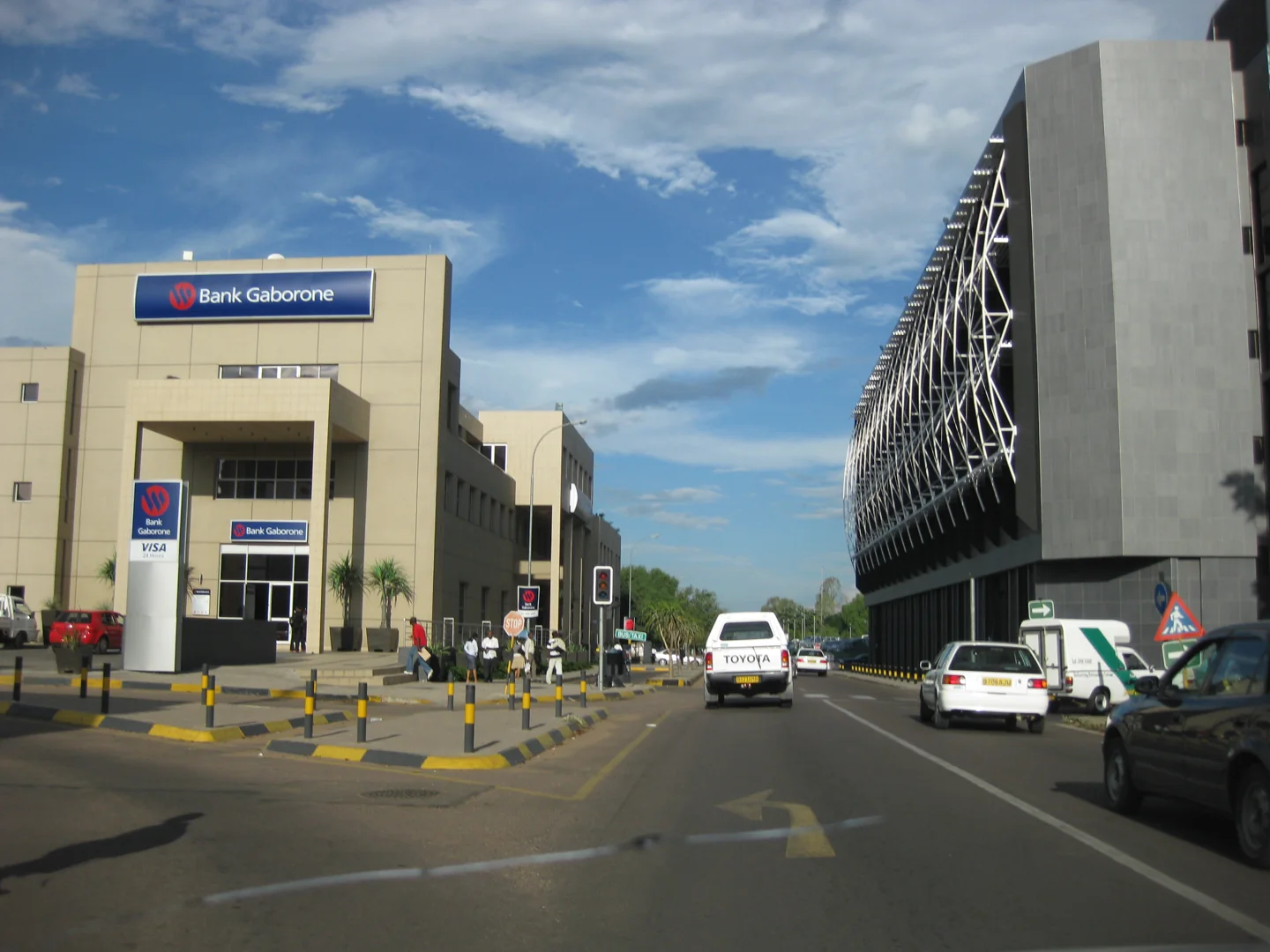
Choose a product that accepts the newcomer's actual status and documents. Botswana's Omang is a citizen identity document; it is not an identity card automatically issued to every foreign resident. For example, FNB's DigiPlus criteria require an Omang number. Use the appropriate foreign-national product instead of assuming its cellphone-opening process accepts a passport.
- For a practical starting point, use Absa Botswana's current-account appointment service and select the account and branch.
- Its Ultimate Account list asks a non-Motswana applicant for a valid passport, utility documents in the applicant's name and a payslip or employer letter.
- Before attending, obtain the branch's complete foreign-national checklist and its accepted address evidence if the utilities remain in the owner's name. Prepare the residence and work records applicable to your status.
- Obtain the agreement, current fee schedule, card and digital-access instructions.
- Test an incoming payment and a small local transaction, then give the verified account details to payroll.
A student can ask about Absa's Ignition Account: the published list uses a passport for a non-Motswana, an income declaration and a college or university address letter. Arrange the product's actual eligibility with the branch; possessing the listed documents does not guarantee acceptance.
For money sent from abroad, obtain the receiving account's currency, bank routing details and charges from the issued record. Keep a usable payment arrangement for the initial bills while the application is being assessed. Confirm the landlord's bank details from the signed agreement and save the first rent receipt.
11Inspect the home and document the rental handover
Inspect the home and establish the owner's or agent's authority to rent it before paying. Match the plot, unit and the person signing to the proposed agreement. Obtain the full offer in pula and identify which household services are included.
- Read the duration, commencement, rent, deposit and payment date, with the early-departure and notice terms.
- Record the deposit's receipt, permitted deductions and return conditions. No nationwide standard deposit or cap is asserted here.
- List water, electricity, waste, communications and any building or estate charges, identifying the payer and account holder for each.
- Agree maintenance, existing damage, pets, guests and access arrangements before signing.
- Photograph the inventory and meter readings with the owner, then sign the handover and obtain keys and payment receipts.
Test taps, plumbing, lighting, sockets, cooling equipment and phone reception. Ask how the property's water arrangements work and whether any tank or other equipment belongs to the rental. Establish responsibility for servicing that equipment and reporting a fault. For electricity, identify whether the home uses a prepaid meter and which number belongs to the unit.
Make the daily journey from the actual gate or apartment entrance. A school address or shopping centre nearby on a map can still require a different pickup or driving route. Obtain the fixed-internet availability for the precise unit before committing to a long communications contract.
Students should apply for campus housing separately after admission and keep the allocation decision. The university describes limited bed spaces; its published wording does not establish that a particular applicant already has a room. Compare an alternative lease with the teaching timetable, travel and complete service costs if allocation has not been confirmed.

12Arrange medical-aid coverage and ongoing care
Arrange a care plan before travel, then complete the chosen local coverage and practice setup. Residence permission, membership of a medical-aid scheme and access to a particular treatment are separate tasks.
Apply using the scheme's household-specific requirements
One starting point is Bomaid's own membership instructions. For a non-citizen principal member, its list includes passport, residence and work-permit evidence, income, address and bank records. The address options include an employment confirmation, affidavit, residential lease or named utility bill. Arrange the selected health plan and each dependant's documents with the scheme.
The scheme describes a general waiting period of up to three months and a condition-specific period of up to twelve months. Obtain the decision for each applicant and arrange any bridging cover around the actual benefit start. Ask for the treatment limits, designated providers, medicines, authorisation and any co-payment conditions in writing.
- Submit the membership file and keep the accepted plan, start date and household list.
- Identify the local primary-care practice and make a first appointment for ongoing care.
- Bring treatment summaries, prescriptions and the clinical records relevant to continuing treatment.
- Establish which specialist, medicine or hospital service requires authorisation and who submits that request.
- For work or family travel away from the home town, obtain the policy's transport and treatment arrangements for the actual destination.
Save the emergency service with the home address
The government emergency medical service uses 997. Its published eligibility includes citizens and non-citizens in Gaborone, Mochudi, Lobatse, Mahalapye, Palapye, Phikwe, Francistown, Maun and Kasane. Give the dispatcher the location or landmark, what happened, number of patients and callback number, then follow the instructions. Keep the passport and coverage record accessible. For a home or operational site elsewhere, establish the actual nearest treatment and transport arrangement before relying on a city service.
13Activate the phone, water, electricity and daily travel
Register the phone before relying on it
Orange Botswana's SIM-registration service requires a passport for a foreign national. Take it to an Orange shop, have the assistant register and activate the number, then test a call and data connection before leaving.
The operator's All My Internet offer displays a 30GB, thirty-day package at BWP 199 including VAT, checked 13 October 2026. Its page gives different activation codes in the product text and FAQ, so select the exact package through the operator's Max it app or shop and confirm price and expiry before purchase. Keep enough credit for the chosen bundle and set a top-up reminder. The page says unused data does not carry beyond its validity.
Match water and electricity to the handed-over meters
Use the Water Utilities Corporation's customer services to organise the account for the actual home. Its live site links connection applications, bill payment, meter readings and customer identification. For an already connected rental, establish the account-holder arrangement with the owner and WUC before requesting a new physical connection.
- Photograph the water and electricity meters, recording the numbers and readings on the handover date.
- Obtain the previous bills and match the unit to each service account.
- Determine whether the tenant opens or updates an account, or pays the owner under the agreement.
- Give the supplier the requested identity, occupation and address evidence and retain its reference.
- Test the first payment or prepaid recharge, saving the receipt with the meter number.
The Botswana Power Corporation's production site links its Motlakase services for viewing bills, paying and recharging a meter. Use the provider's linked service and the exact meter number from the home. Keep electricity credit, recharge instructions and the fault contact with the household records. Ask WUC or BPC to resolve a mismatch between the meter and bill before paying another property's account.
For fixed internet, obtain the operator's confirmation of availability at the precise plot and unit, with installation timing, equipment, price and contract length. Test the connection where work or study will happen rather than judging it solely by a coverage map.
Test the daily transport arrangement
Make the work or school journey using the transport you intend to rely on. Record the pickup point, boarding destination, fare quoted for that trip and the return arrangement. If a shared minibus or combi serves the route, establish its actual destination with the operator before boarding; this guide does not assign an unverified national fare or timetable.
When the employer provides transport, obtain the starting point, shift schedule and rules for missed pickups in writing. For a car, price insurance, fuel, parking and the applicable driving-document and registration arrangements separately. For travel between towns or to an operational base, book against the real work dates and provider confirmation, allowing for onward connections.
14Build a local week and finish the first-month records
Build a repeatable week around the household's real destinations: the same food shop, a school contact, a regular lesson or activity and a local walk. Main Mall offers an ordinary city setting for errands; the University of Botswana and school communities provide their own starting points for institutional activities.
- Ask the workplace, faculty or school for its current clubs, orientation or parent contacts.
- Choose a regular activity you can reach from home and attend it consistently.
- Arrange the language support needed for your work, services and everyday conversations.
- Keep the supplier, owner, employer and medical contacts accessible to every adult in the household.
- Review the first month's receipts and commute before deciding whether the home remains suitable.
Finish the first-month handover
- Permission: filed records and issued endorsements are matched to each person's activity and expiry.
- Income and tax: the first payment is reconciled, with the payroll and BURS references retained.
- Education: placement, enrolment, campus allocation and travel arrangements are confirmed where applicable.
- Home: the lease, deposit receipt, inventory, readings and service-account responsibilities are recorded.
- Care: each member's benefit start and local practice are established, including any waiting-period arrangement.
- Services: the phone is registered, top-up is tested and first water and electricity payments are documented.
- Routine: the actual working week and one regular community activity are in place.
If the household relocates again, carry forward the same records and arrange the address and service changes before closing the earlier accounts. A settled routine depends on those practical handovers as much as on finding a new street.
Sources & further reading
Reviewed 13 October 2026. Sources are linked beside the relevant instructions. Visa requirements depend on your nationality and application location. The University of Botswana student residence charge and Orange Botswana 30GB monthly data offer were checked 13 October 2026. The housing inputs are explicitly hypothetical. Tax examples refer to the Act effective 1 July 2026, rather than older introductory guidance. Photograph credits, licences and capture years appear with the images.
Browse the source directory
- government residence application service
- government work-permit application service
- University of Botswana's international-student instructions
- Orange All My Internet 30GB monthly product
- Income Tax Act, 2026 and its commencement order
- BURS's taxpayer-registration service
- 2026 tax table
- Maru-a-Pula's 2027 A-Level admissions
- University of Botswana's undergraduate application service
- BURS baggage-declaration instructions
- animal import-permit service
- the ministry's Omang service
- FNB's DigiPlus criteria
- Absa Botswana's current-account appointment service
- Bomaid's own membership instructions
- government emergency medical service
- Orange Botswana's SIM-registration service
- Water Utilities Corporation's customer services
- Botswana Power Corporation's production site
Make your next step a practical one
Shortlist a city, confirm your residence route and build a budget before committing to a move.




