 Visa
Visa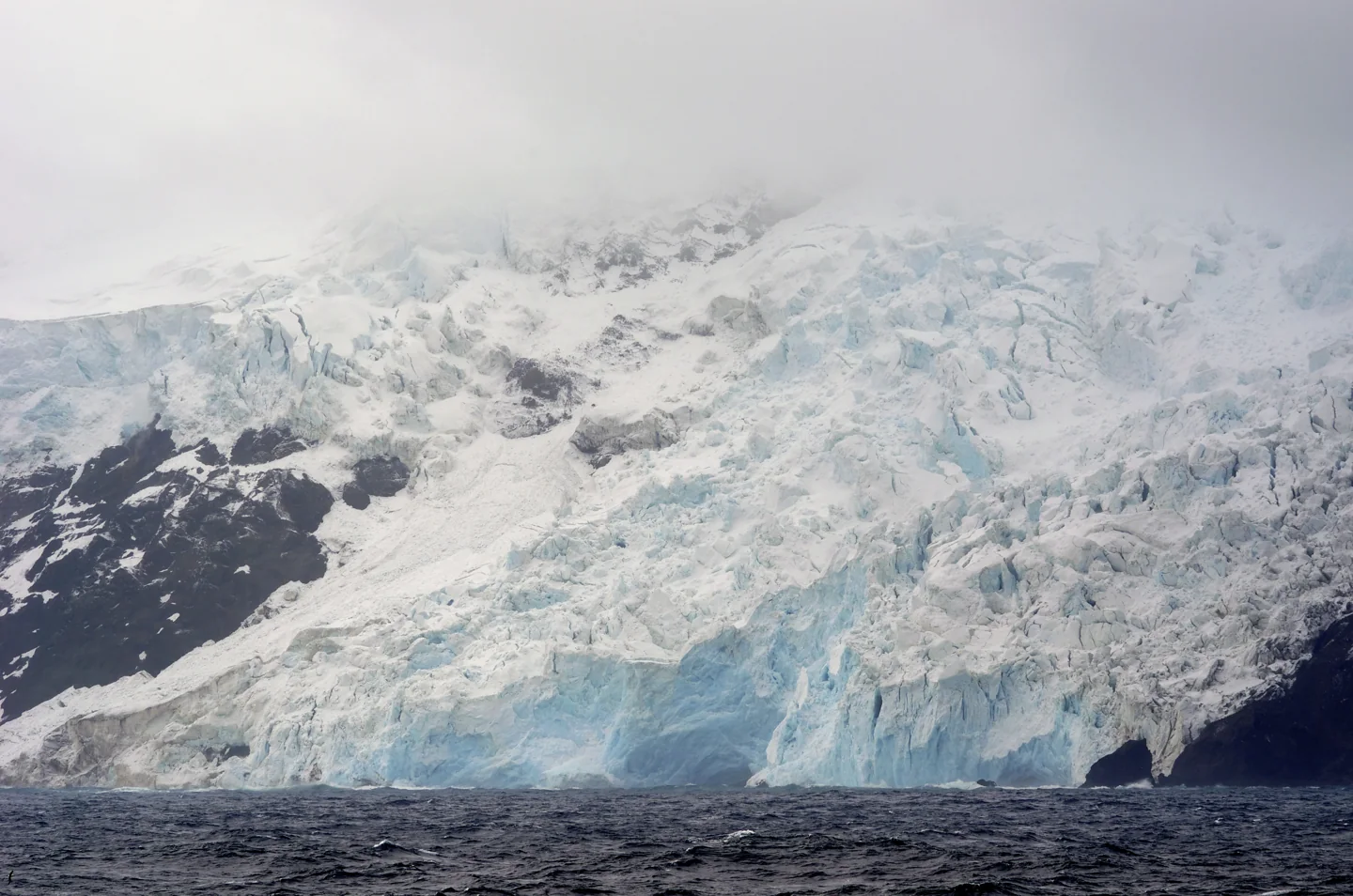
Moving & Living - Bouvet Island - Complete Guide
Prepare for a Bouvet Island field visit or expedition: assess the activity, arrange permissions, organise travel and equipment, and complete the operational handover.
Photo credit
Bouvet Island rises from the South Atlantic as a glacier-covered Norwegian island, with field activity shaped by its protected environment and difficult access. There is no ordinary city move to plan here. This guide explains how to assess a proposed expedition or field stay, prepare the applicable permissions and arrange the practical support for the visit and return.
Bouvet Island at a glance
- Type of move
- A supported field visit or expedition; no ordinary settlement route described
- Authority
- Norwegian Polar Institute for reserve activity and relevant dispensations
- Location
- Sub-Antarctic; north of the Antarctic Treaty area’s 60°S boundary
- Landing
- Ordinary landing and restricted aircraft operations have different requirements
- Nyrøysa
- Seasonal access restrictions; assess the actual activity and dates
- Household services
- Arrange accommodation, money, communications and care through the actual organiser
Follow your moving journey
Start at step 1, or jump to the task you are working on.
01Define the purpose and operational area of the stay
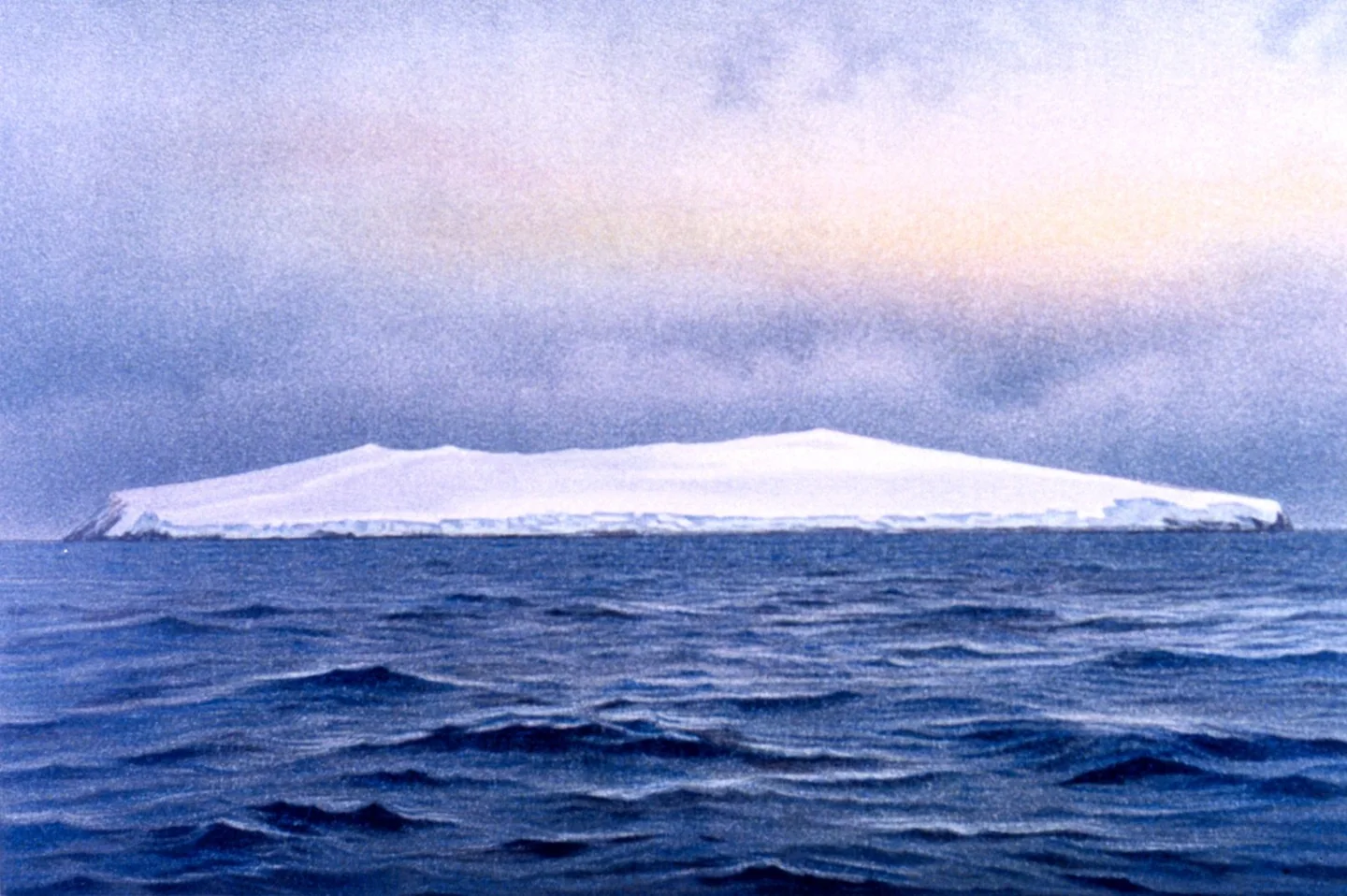
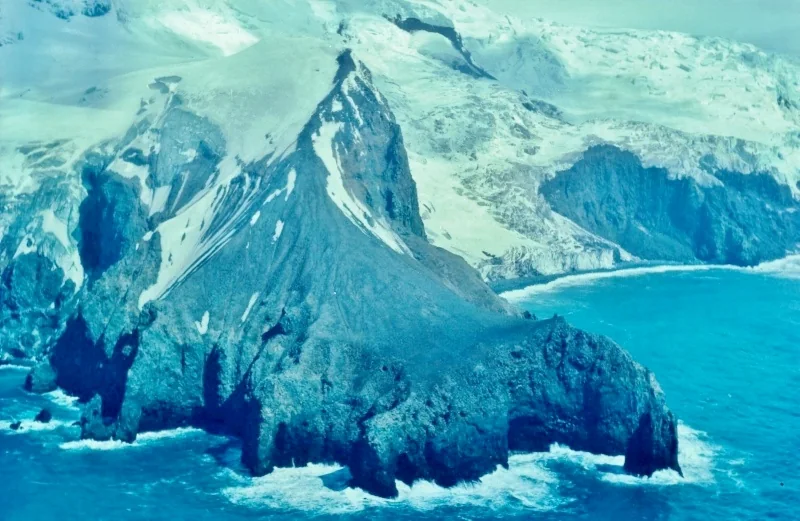
Bouvet Island, or Bouvetøya, requires a different decision from an ordinary city move. The Norwegian Polar Institute's island profile places this Norwegian volcanic island north of the Antarctic Treaty area's 60°S boundary. It describes a 49-square-kilometre island dominated by glaciers and steep coastal cliffs, with Olavtoppen rising to 780 metres. Town and neighbourhood comparisons do not provide a useful starting point here.
- Describe the actual purpose: research, monitoring, technical support or another expedition activity. Identify the organisation taking responsibility for it.
- Locate the operational area and landing alternatives on the team's map, with coordinates and the planned dates.
- Identify whether the proposal uses Nyrøysa, the field-station area, or another coastal site, then apply the correct access assessment in step 2.
- Decide whether your role is aboard the vessel, ashore or both, and how long each part is expected to last.
- Obtain the organiser's acceptance of that plan before arranging personal travel around it.
Keep a shore objective separate from a guaranteed shore visit. A ship booking, scientific interest or radio licence does not establish that a particular transfer can happen. Use the project's authorised operating area and the vessel's actual arrangements to determine what the stay can include.

02Match the activity to the reserve and landing permissions
The Institute's current reserve instructions, checked 13 October 2026, distinguish ordinary landing from restricted operations. A basic permission to land or stay is generally not required, while aircraft landings require specific permission. From 1 November to 15 March, Nyrøysa access is restricted to approved environmental monitoring; separate aircraft restrictions run from 1 November to 1 May. Research exemptions have conditions, and visits for other purposes are not permitted during the area's traffic ban.
- Send the activity, site and timing to the Institute as the responsible environmental authority, identifying operations that may require a dispensation.
- For helicopter use, complete its helicopter-landing application with the applicant's contacts, activity and period, landing alternatives and vessel position.
- Include arrival and departure landing numbers, helicopter information, pilot experience and the method for avoiding wildlife disturbance.
- Send the signed form to [email protected], as directed on the form, and retain the decision with the operational plan.
- Have the organiser identify any further activity-specific permission and any changed proposal requiring reassessment.
The authority's decision should be available to the expedition leader and relevant operator before the operation, with the approved conditions reflected in the briefing. Separately establish passport and entry requirements for the departure country, transit and return; a Bouvet activity decision does not perform those immigration tasks.
03Arrange the actual research, technical or expedition role
Start with a real position or accepted project role, not an assumed local employment market. The Institute's recruitment service is a starting point for its advertised research, logistics and technical roles. An advertised Institute job is not necessarily a Bouvet assignment; obtain the location, work pattern and selection decision for the specific position.
For current research context, BOUVECO is an Institute-led project studying the island's land, coast and ocean connections. Its published programme runs from 1 April 2026 to 31 March 2031. This identifies an active scientific programme, not a publicly available expedition seat or an offer of work.
- Prepare the qualifications and experience required by the actual employer or expedition organiser.
- Obtain a written role description, supervisor and conditions for selection or participation.
- Agree who pays travel, equipment, accommodation, insurance and any additional waiting days.
- Identify whether the arrangement is employment, contracted work, institutional fieldwork or privately funded participation, and record the corresponding responsibilities.
- Complete the selection, contract and deployment clearance before describing the trip as confirmed.
No ordinary remote-work or retirement residence route is established by these sources. An overseas client or a laptop does not provide the logistics or authority needed for a field stay. Keep the financial and professional arrangements connected to the actual permitted project, including what happens if the shore work cannot proceed.
04Budget for the expedition and keep tax responsibilities clear
Use the organiser's written quote and payment currency. An island-wide monthly rent or grocery figure would be misleading here: the meaningful costs concern a vessel-supported visit or deployment and the household maintained elsewhere. Keep both columns in the plan so paying for the expedition does not hide continuing home commitments.
| Initial or expedition cost | Recurring or continuing cost | How to establish it |
|---|---|---|
| Travel to the departure port and any entry clearance | Home rent, mortgage and household bills | Use actual bookings and the household's agreements. |
| Vessel, shore-transfer and cargo arrangement | Deployment pay or agreed participant contributions | Obtain the operator and employer terms, including waiting days. |
| Equipment and preparation | Communications and continuing insurance | Use the project equipment list and the actual plan duration. |
| Medical assessment and cover | Family, school and care commitments elsewhere | Identify who pays and when cover or benefits begin. |
| Cancellation, return and storage arrangements | Income reporting and contractual payments | Record deadlines, references and responsibility for each task. |
Hypothetical calculation: suppose a participant's quoted expedition contribution is USD 20,000, departure travel USD 1,500 and equipment USD 800. The initial subtotal is USD 22,300 before any retained home costs or additional waiting charges. These inputs are invented to illustrate the calculation; they are not a Bouvet operator quote or a verified minimum budget.
Agree the tax and payroll treatment with the employer and the authorities relevant to your actual residence, contract and income. Keep the deployment dates, payment statements and expense records for that review. The island's Norwegian status does not by itself determine one universal tax result for every overseas participant.
05Complete the role's training and preserve education arrangements
Adapted step: this is not an on-island school or university admissions process. For a student researcher, obtain institutional approval and supervision for the field placement. For a household with children, maintain the real school and care plan in the place where the family will live.
The Institute's logistics resource directory includes risk-assessment resources, equipment information and field-course services. Its listed Arctic course and medical materials are not automatically the rules for a Bouvet expedition. Ask the project leader for the documents and assessments applicable to the actual role and journey.
- Have the organiser identify the competence needed for your tasks and the ship-to-shore arrangement.
- Complete the specified training and demonstrate the use of the equipment assigned to you.
- Record who has responsibility for first aid, communications, equipment maintenance and supervision.
- For institutional work, obtain approval for the methods, data handling and any samples before dispatch.
- Arrange the family or student's absence, learning and care commitments with the institution serving them elsewhere.
Keep certificates and deployment acceptance in the personnel file, with any conditions that remain outstanding. A course booking is not confirmation that the project has accepted your competence. Settle those decisions while it is still practical to complete further training or change the task allocation.
06Decide whether the proposed stay fits the household plan
Optional, for someone comparing retirement destinations: Bouvet Island's documented activity and logistics arrangements do not establish a conventional place to retire. Treat a possible expedition as a time-limited undertaking with accommodation and support arranged by its organiser. A pension, property-search budget or ordinary relocation checklist does not create a settlement service.
- Define the intended duration and purpose, then compare it with the actual activity and support arrangement.
- Obtain the organiser's participation and medical criteria for your circumstances.
- Keep pension payments and any proof-of-life or address requirements operating through the real household base.
- Arrange care, household payments and contact responsibilities for the time away.
- Retain a confirmed return and continuing accommodation plan outside the island.
If the objective is an ordinary year-round home with shops, schooling and regular medical care, select a destination with those services and a qualifying immigration route. That is a different decision from participating in Bouvet fieldwork. For an accepted expedition, compare the obligations, physical work and limited personal space with the intended lifestyle before paying.
07Prepare the permit file, equipment and biosecurity handover
Make one personnel folder and one operational file. The first holds your passport, transit and return arrangements, contract or participation agreement and deployment clearance. The second holds permissions, equipment and cargo records, communications and the team's operating plan. Keep the issued decisions accessible aboard the vessel rather than leaving the only copies with an office ashore.
- Match the travel dates and identity details across the documents and bookings.
- Label equipment and cargo with the owner, purpose, contents and handling instructions.
- Agree which items travel with the participant and which are dispatched through the organiser.
- Clean footwear, clothing and equipment and have the expedition identify its inspection and packaging procedure.
- Document the return, waste and sample arrangements before the cargo leaves the departure base.
The reserve instructions prohibit taking dogs ashore. Arrange pets and their care at the household base; a veterinary travel document does not override that rule. The Institute also identifies introduced species as an environmental concern, particularly where equipment has previously been used in other polar or sub-Antarctic areas.
For scientific samples or specialised equipment, obtain the project-specific collection, export, import and transport arrangements from the responsible organisation. A landing permission is not automatically permission to collect specimens or to move them across another country's border. Keep the relevant documents with the consignment and the person handling it.
08Reach the departure base and complete the vessel briefing
For this journey, arrival begins at the organiser's departure base, not at an island airport or a city apartment. Obtain the meeting point, joining time and port-entry instructions from the operator and carry the contact details for a delayed journey.
- Complete the departure country's entry and the operator's joining requirements.
- Hand over the personnel documents and have the operator reconcile the passenger and cargo records.
- Attend the vessel briefing, including the planned accommodation, working areas and communications.
- Review the proposed shore-transfer method, assigned equipment, task limits and return arrangement.
- Have the expedition leader confirm the day's decision and instructions before participating in a shore operation.
Prepare an alternative work plan for time aboard if the shore operation does not occur. Agree how observations, equipment preparation or other assigned tasks proceed during that period, with permission and competence limits preserved. A booking or a previous successful landing is not a decision for the current operation.
Keep changes in joining dates or cargo routing aligned across the vessel, project and home contacts. If a component of the journey is changed, establish which organisation updates the permit, passenger record or receiving-port arrangement before assuming every earlier approval still fits.
09Keep operational records instead of inventing a local registry
This step does not involve a municipal residence desk, a Bouvet taxpayer card or a local identity application. Use the actual personnel and activity records required by the employer, institution and operator, while maintaining tax, banking and civil records through the relevant authorities elsewhere.
- Give the leader the documents required for your accepted role and record any conditions attached to the deployment.
- Keep the applicable permission and its area, period and operational terms in the team file.
- Record the actual landing, return and task dates using the project's reporting format.
- Track equipment, samples and waste through the assigned inventory and handover records.
- Have the organiser identify the final report or other return obligations attached to the activity.
The Norwegian government's 2015 account of island activity explains the role of field monitoring and expedition logistics. Use it as dated background rather than a current station booking list or an active permit decision. Today's operating file should contain the actual team's approvals and arrangements.
When another team takes over equipment or a project task, record what was transferred, its condition and the receiving person's responsibility. Keep the handover separate from a general diary entry so it can be used for the final inventory and report.
10Arrange payroll and payments through the real base
Organise money through the employer, organiser and the accounts you actually hold. The field visit is not a reason to invent an island banking branch or to open an unrelated Norwegian account. Ask the payer which currency and bank details it needs, then use the bank's verified receiving instructions.
- Confirm salary or participant-payment dates and the account used for each.
- Obtain the operator's invoice, due date, payment reference and terms for cancellation or waiting.
- Test any required incoming transfer before relying on it during deployment.
- Arrange the household's continuing rent, bills and care payments from its actual base.
- Keep expense receipts and identify which costs are reimbursed under the written agreement.
If project purchases are made through an institutional account, obtain the purchasing and reporting process rather than paying personally without an agreed reimbursement arrangement. Record equipment ownership as well as the payment: an item bought for the project may need to be returned at the end of the visit.
Keep the administrator's and bank's contacts available through the expedition's approved communications. Give a trusted household contact the practical authority needed to handle a missed payment at home, without sharing account credentials in a group message or an operational log.
11Agree the vessel or approved field accommodation
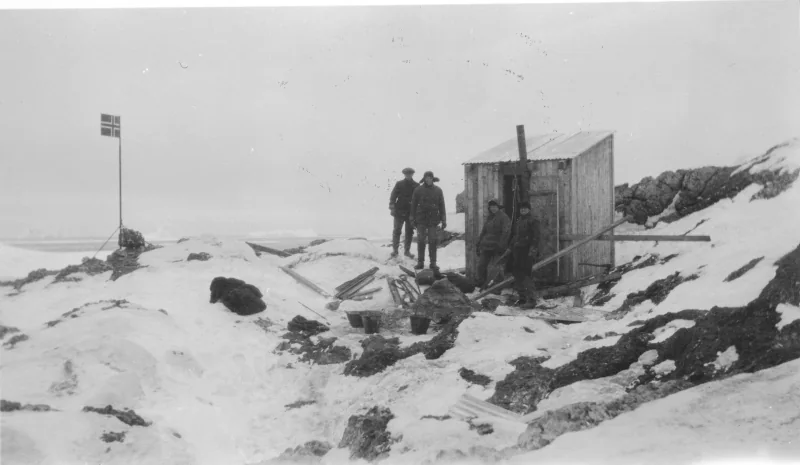
Obtain your actual accommodation assignment from the organiser. The field station is not a hotel listing, and a historical hut photograph is not evidence that shelter is available for the proposed trip. The government's 2015 description discusses the Norvegia station erected in 2014; current access, condition and capacity for your project require an explicit operational arrangement.
- Identify whether sleeping accommodation is aboard the vessel, in an approved field arrangement or divided between them.
- Obtain the assigned space, equipment provided and items you must bring.
- Agree food, water, sanitation, power and waste responsibilities with the organiser.
- Attend the equipment and accommodation handover, noting faults and the reporting contact.
- Keep the return-to-vessel or departure arrangement with the daily work plan.
Establish quiet periods, storage and access to shared working space before the first night. Keep wet clothing, field equipment and personal belongings in the places assigned by the team. For an institutional stay, record how the facility and equipment are left for the next users.
Do not base an accommodation decision on an old expedition's itinerary or published photograph. Use the actual assignment and support records for the current visit, including the arrangements if the planned shore accommodation cannot be used.
12Complete medical clearance and the evacuation arrangement
The Institute's reserve guidance states that there is no local rescue service. Establish care through the organiser's actual vessel and expedition arrangements before departure. A general travel-insurance card does not establish that a particular remote field activity or its transport is covered.
- Obtain the project's medical assessment and clearance process for the accepted role.
- Give the assessing clinician the duration, work and transfer arrangement, with the information needed for ongoing treatment.
- Arrange the medication and medical equipment permitted for the journey and its transit countries.
- Obtain the insurer's decision for the actual activity, locations, treatment and evacuation.
- Have the leader identify the onboard or team medical responsibility, shore response and onward receiving facility arrangements.
Keep the approval, medicine information and emergency contacts accessible to the responsible clinician or leader. Ask the operator who authorises transport, how assistance is requested and who handles the financial guarantee. Resolve any exclusion or missing support before it becomes an offshore administrative problem.
Agree how the home contact is informed if the journey changes or treatment is needed. Use the expedition's written response plan for an incident; this guide does not substitute a clinical protocol, promise a response time or name a hospital that the operator has not arranged to receive a patient.
13Test communications, power and any radio authorisation
Arrange communications and charging as expedition equipment, with the leader defining the systems, user roles and contact schedule. Obtain the service and coverage terms for the actual route instead of assuming a domestic SIM or a household broadband package will serve the visit.
- Identify the primary communication system, backup and the person monitoring each.
- Test the assigned equipment, batteries, power connections and agreed contact procedure before departure.
- Keep the operator's vessel and shore arrangements distinct from personal messaging access.
- Record the check-in times and the response to a missed contact under the team's plan.
- Keep configuration, maintenance and equipment-return responsibilities with the handover file.
Optional amateur-radio activity: use Nkom's current radio-amateur service to establish the licence and call-sign arrangement for the proposed operation. Its Norwegian licence-issue fee is NOK 2,170 for 2026, checked 13 October; this is not a universal Bouvet landing charge or a quoted expedition call-sign fee. Foreign participants should obtain their own applicable authorisation rather than relying on a mainland prefix or an old expedition's call sign.
Keep the environmental assessment and the communications authorisation as separate records. Radio permission does not itself permit an aircraft landing or construction. Have the organiser include the equipment and proposed installation in the activity plan assessed by the responsible authority.
14Establish the field routine and complete the return handover
Build the routine around the team's work and rest plan. Establish the daily briefing, equipment checks, assigned work area and end-of-day record, with a clear way to raise an equipment or welfare issue. A small expedition depends on those shared arrangements rather than a neighbourhood service network.
- Permissions: keep the current area, dates and activity conditions accessible to the leader.
- People: maintain the actual team and passenger record, medical responsibility and home contacts.
- Equipment: reconcile issued items, condition and ownership with the return inventory.
- Samples and waste: complete the approved handling, transport and receiving arrangements.
- Payments: retain invoices, receipts and the responsibility for any changed journey costs.
- Return: confirm the vessel, onward travel and accommodation through the actual operator.
- Reporting: finish the activity and institutional reports, including any required authority submission.
After return, close the equipment and financial records and record the lessons relevant to a future deployment. Keep the actual dates and decisions separate from the proposed itinerary. They are useful evidence for reporting, employment and the assessment of another visit, without presenting one successful expedition as a guaranteed route for the next person.
Sources & further reading
Reviewed 13 October 2026. Sources are linked beside the relevant instructions. Bouvet Island is a protected field destination. Activity approval, expedition arrangements and departure-country immigration are separate tasks; this guide does not describe an ordinary settlement route. No national rent, monthly living-cost figure or expedition price is asserted. The USD budget calculation uses invented inputs. Nkom’s verified 2026 Norwegian amateur-licence issue fee is separately scoped and is not a Bouvet landing charge. Photograph credits, licences and capture years appear with the images.
Browse the source directory
- Norwegian Polar Institute's island profile
- Institute's current reserve instructions
- Institute as the responsible environmental authority
- helicopter-landing application
- recruitment service
- BOUVECO
- logistics resource directory
- Norwegian government's 2015 account of island activity
- Nkom's current radio-amateur service
Make your next step a practical one
Define the activity and organiser, then obtain the appropriate assessment, permissions and vessel-supported arrangements before paying for the journey.




