 Visa
Visa
Moving & Living - Brazil - Complete Guide
Your move to Brazil, step by step: choose a city, arrange your visa, find a home and set up the documents, money and services you need to settle in.
Life in Brazil changes with the city you choose. São Paulo offers a dense urban routine of work, restaurants and culture; Rio puts mountains and the coast beside the city; Florianópolis opens up an island way of living. The move itself has a more predictable sequence: settle your residence route and income, prepare the departure, then build your local life around an address, documents and everyday services.
This guide takes you through that sequence in fourteen steps. Each step explains what to do, where to start and what you should have in place before going further. School, study and retirement sections are there for the households that need them; the arrival, registration and housing steps are the backbone of getting settled.
Brazil at a glance
- Language
- Portuguese
- Currency
- Brazilian real · BRL / R$
- Capital
- Brasília
- Key document
- CPF — taxpayer registration
- Emergency numbers
- 190 police · 192 medical · 193 fire
- Start with
- Income, residence route and city fit
Follow your moving journey
Start at step 1, or jump to the task you are working on.
01Choose your city and neighbourhood
Brazil offers very different versions of everyday life. In São Paulo, you might live in an apartment near a metro station and spend the weekend between restaurants, museums and Ibirapuera Park. In Rio, the beach can be part of your morning, although the journey to work still determines where it makes sense to live. Florianópolis brings the lagoon, beaches and island roads into the picture; choosing the right side of the island matters as much as choosing the city.
Start with these four city options
| City | Areas to investigate | The decision to make |
|---|---|---|
| São Paulo | Pinheiros, Vila Mariana and the Paulista corridor | Which address gives you a manageable journey to your actual office or campus? |
| Rio de Janeiro | Botafogo, Flamengo and Copacabana; compare Barra separately | Can you combine the beach or outdoor life you want with the work or school journey? |
| Florianópolis | Centro, Trindade and Lagoa da Conceição | Do you want urban connections, a university-area base or a lagoon-side setting? |
| Curitiba | Centro, Batel and Água Verde | Would an inland city suit your routine better than a coastal move? |
These are places to begin your search, not assurances about price or safety. Look at the exact street and building. A neighbourhood name can cover homes with very different transport links, noise levels and rents.
How to narrow the shortlist
- Put your workplace, campus or preferred school on a map.
- Find two areas connected to it. In São Paulo, use the metro network map to see whether a home actually sits on a useful line.
- Save five rental listings in each area, including condominium charges.
- Book your initial accommodation in one candidate area so you can try the journeys in person.
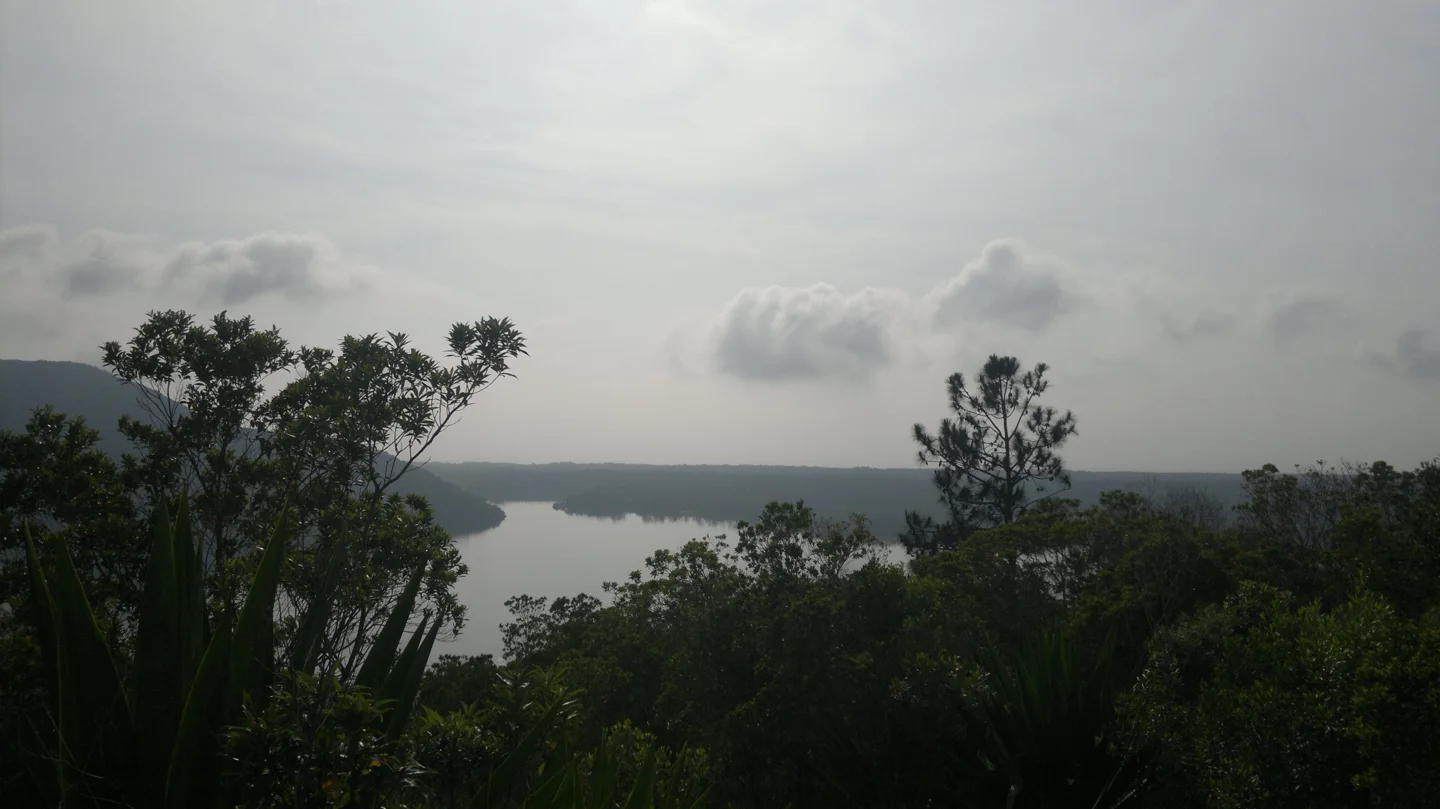
Southern Brazil has cooler periods as well as warm ones; an apartment’s ventilation and winter comfort deserve attention. On the coast, ask about humidity and how the building handles heavy rain. Choose the home for a full year of living, rather than the weather during a short visit.
02Choose your visa or residence route
The first immigration decision is the purpose of your stay. A Brazilian employer, a foreign remote job, a university place and a Brazilian family connection lead to different paperwork. Find your route before paying for a long lease or shipping belongings.
| Your situation | Start with |
|---|---|
| You have a Brazilian job offer | The employer’s work-authorisation process and the relevant work visa. |
| You work remotely for a foreign employer or clients | Digital nomad requirements and evidence of the overseas professional relationship. |
| You have an admission offer | The study visa checklist, admission letter and financial evidence. |
| You are joining qualifying family | Family-reunion eligibility and civil-status documents. |
| You receive a pension | The retirement route described in step 6. |
Applying through a consulate
- Find the Brazilian consulate responsible for where you live. Open its visa page and select your category.
- Collect its category-specific documents. Examples include a job authorisation, admission letter, relationship certificate, insurance or income records.
- Complete the consular application form, upload the requested files and print and sign the application receipt.
- Follow that consulate’s instructions for the originals, payment and appointment or postal submission. Procedures differ between posts.
- When the passport is returned, read the visa conditions and entry validity. Put the post-arrival registration task in your calendar.
The official visa service explains the application sequence. Completing the online form alone does not complete the consular process.
If you are moving as a digital nomad
The financial test includes at least US$1,500 a month from a foreign paying source or at least US$18,000 in bank funds. You also need evidence of qualifying remote work; the income threshold alone is insufficient. Prepare the work contract or client evidence alongside the financial documents, then use the Ministry of Justice requirements and your consulate’s checklist.
A visitor entry is a different permission. US, Canadian and Australian passport holders need a visitor visa again under the rules introduced on 10 April 2025; the official e-visa guidance describes that route. Do not rely on an older visa-free travel article when planning your arrival.
03Arrange work or a business before relying on local income
For a local job, begin with the employer rather than arriving with the expectation that sponsorship will follow. Ask HR to name the authorisation required, explain who submits the application and confirm when you may start. Put the office address, salary, benefits and start date in writing.
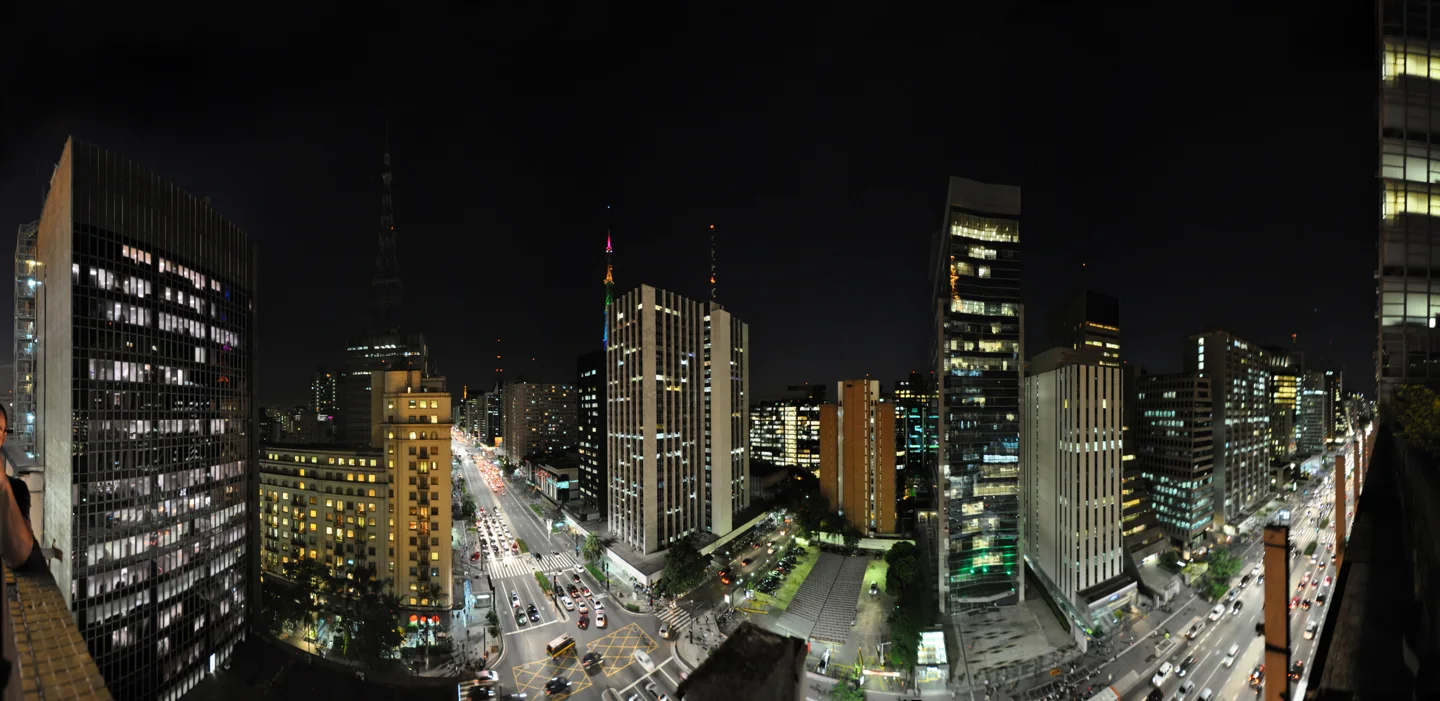
Make the offer useful for your budget
- Ask whether the quoted amount is gross or net and how payroll deductions affect take-home pay.
- Confirm whether the offer is employment under the CLT framework or a contractor arrangement, often advertised as PJ. Have an adviser explain the obligations of a proposed contractor structure before comparing the headline amounts.
- Check health cover, meal or transport benefits, probation terms and the location of the work.
- Once eligible and onboarded, use the Carteira de Trabalho Digital instructions to access the digital employment record through your CPF and gov.br account.
Portuguese is part of the job search even when you work in an international field. Prepare a Portuguese CV if the vacancy calls for it and practise describing your experience. For a regulated occupation, settle qualification recognition and professional registration before treating the job as available.
Remote work and setting up a company
For remote work, agree the location with your employer or clients, keep written proof of the overseas arrangement and test the time-zone overlap. For a Brazilian business, take your proposed activity to a local accountant: ask for the registration route, invoicing requirements and monthly accounting and tax costs. Company registration and permission to reside are separate tasks. Opening a company does not, by itself, complete an immigration application.
04Price the move and settle your tax questions
Rent is the best place to begin a Brazil budget because it changes so much with the city and neighbourhood. Use a dated market benchmark to compare cities, then replace it with actual listings for the size and area you want.
| City | Average BRL / m² | 50 m² calculation |
|---|---|---|
| São Paulo | R$63.28 | R$3,164 |
| Florianópolis | R$60.49 | R$3,025 |
| Rio de Janeiro | R$56.71 | R$2,836 |
| Brasília | R$51.64 | R$2,582 |
| Belo Horizonte | R$48.28 | R$2,414 |
| Curitiba | R$46.82 | R$2,341 |
Source: FipeZAP, February 2026, based on advertised apartments. The last column multiplies the city average by 50 m², rounded to the nearest real; it is not a quote for a one-bedroom apartment. Condominium charges, IPTU and bills are additional. This dated comparison is not an October 2026 price survey.
Turn the comparison into your own monthly figure
For each shortlisted home, add rent + condominium + any IPTU charged under the lease + electricity, water and gas + internet. Then add groceries, transport, health cover and school or childcare. In São Paulo, the published single metro fare is R$5.40: 44 single journeys would be R$237.60 before other trips or bus integration. Use the operator’s fare guide for the ticket you will actually use.
Keep setup money separate: flights, document authentication, translation, temporary housing, moving services, furniture and any rental guarantee. For example, a three-month cash deposit on R$3,000 rent ties up R$9,000 before the first normal month’s expenses. It is money you need available even though it is not an ordinary monthly bill.
Do the tax review before your departure
Take your proposed entry date, work arrangement, pension and investment details to a Brazilian tax adviser. Receita Federal’s residence rules include the 184th day in a period of up to twelve months in relevant temporary-entry cases; some circumstances create residence earlier. Ask the adviser to identify your effective residence date and obligations using the official tax-residence rules. Keep an entry-and-exit log and records of overseas income from the start.
05Arrange school places or university admission
If children are moving with you, school location should come before the rental contract. A home on the opposite side of a large city can make an otherwise suitable school difficult to use every day.
For children: contact admissions with a complete enquiry
- Send the child’s age, current year group, languages, proposed arrival date and any learning-support requirements.
- Ask about places in the relevant year and the documents needed to assess the application.
- Request the full annual fee schedule, including admission charges, transport and other extras.
- Arrange a meeting or tour and try the school journey before choosing a home.
Public and private Brazilian schools, as well as international schools, deserve separate consideration. For named international starting points, Graded in São Paulo publishes tuition information, while Escola Americana do Rio de Janeiro has admissions teams for its Gávea and Barra campuses. These are examples to research, not promises of available places. Graded’s tuition is paid in twelve monthly instalments; compare the complete year rather than one payment.
For university: distinguish an exchange from a full degree
At the University of São Paulo, incoming exchange students and degree-seeking applicants follow different routes. Start with the international office and the page for your intended type of study. For an exchange, contact your home university’s coordinator before submitting an independent application.
Ask the receiving department about teaching language, academic calendar and any Portuguese requirement. Save the admission evidence needed for the visa application. If you are bringing a foreign degree for recognition, use the Carolina Bori service to identify the recognition process; that is separate from simply gaining admission to a new course.
06Plan retirement around healthcare and pension transfers
For retirement, choose the local routine before the holiday setting. Being close to a hospital, shops and people who can help you may matter more than a sea view reached by a long drive. São Paulo may suit someone who wants a large-city routine; a coastal destination will need its own assessment of medical services, transport and insurance costs.
Prepare the application and income trail
- Read the retirement checklist at the consulate serving your home address.
- Gather proof of retirement or qualifying survivor’s pension and the ability to transfer the required amount.
- Plan how the money will reach Brazil, including bank documentation and exchange costs.
- Price health coverage for your age and circumstances, and arrange ongoing prescriptions.
The consular retirement guidance specifies evidence of monthly pension transfers to Brazil of at least US$2,000. Use that as an eligibility condition, not an assurance that the amount covers your chosen lifestyle. If a partner is moving with you, establish their immigration route too. Before buying a home, complete the residence and tax review and spend time living in the intended area.
07Prepare documents, belongings and pets for departure
Put the documents you will need in Brazil into your hand luggage. Keep passports, visa paperwork, certificates, school records, medical information and the initial accommodation address accessible. Obtain required apostilles or legalisation and translations while you still have easy access to the issuing authorities.
Decide what to ship
- Make three lists: take with you, ship later and replace locally.
- Request an itemised moving quote that identifies customs handling, storage, delivery and insurance.
- Give the mover your arrival date and immigration situation before it dispatches anything.
- Keep a photographed inventory and the shipment reference.
Under Receita Federal’s relocation-baggage guidance, unaccompanied belongings must follow the applicable customs procedure. The page describes a shipment window from three months before arrival to six months after it, with specific conditions for relief. Have the mover explain how your inventory fits those rules. Cars, commercial goods and restricted items should not be assumed to qualify as ordinary household baggage.
Bring a dog or cat
Start with MAPA’s pet-entry page. Arrange the required international veterinary certificate or eligible official passport through the exporting country’s veterinary authority, meeting Brazil’s health conditions. Then book the animal with the airline: its crate, route and carriage requirements are a separate part of the plan. Confirm that both the temporary accommodation and eventual rental allow pets.
08Get through the first few days comfortably
Your first address is a base for getting organised. Before flying, save the booking confirmation, the host or reception’s contact details and the address in Portuguese. Ask how late check-in works. Download the information as well as keeping it online.
Your arrival sequence
- Keep your passport and permission documents available for the border and record the date you enter.
- Use the airport’s designated taxi or booked-transfer arrangements, or the official collection area for your chosen ride service.
- At the accommodation, confirm the internet, access keys and whether you can receive deliveries or important post.
- Get food, water and a working payment method before starting administrative appointments.
- Save your address, a local contact and the emergency numbers: 190 police, 192 medical and 193 fire and rescue, listed by Anatel.
A travel data plan can cover the gap before a local mobile line is set up. Keep the overseas number working if your banks use it for verification. If you cannot complete an online registration, take your documents to an official provider branch rather than borrowing another person’s identity details.
Keep the first week light enough for appointments and neighbourhood visits. Immigration deadlines come first; decorating an apartment and booking weekend trips can wait until the essential registrations are moving.
09Get your CPF and complete immigration registration
Two registrations sit behind many later tasks. The CPF is your taxpayer number. Your RNM identifies migration registration, and the CRNM is the migration identity card. A CPF is not a residence permit.
How to apply for a CPF
Have your passport or accepted migration identity ready. Where the identity document does not establish birthplace, parentage and date of birth, the service lists a birth or marriage certificate, or its foreign equivalent, as additional evidence. Children and applications through a representative have their own document requirements.
- Open the official CPF registration service and select the foreigner option, or the appropriate route for an application from abroad.
- Enter your details as shown in your identity documents. Follow the documentary requirements for your age and situation.
- If further attendance is requested, use the service’s Receita Federal, email or partner-channel instructions to finish the application.
- Save your registration confirmation and verify that your name and birth details are correct.
The official service is free except for applications through partner units, which charge R$7. You do not need to buy an intermediary’s “CPF package”.
How to register with the Federal Police
The registration service sets 90 days from entry for temporary visa holders; for an approved residence authorisation, it describes 30 days from publication in the Official Gazette. Use the deadline for your actual situation.
- Select your category on the official service and gather its document list.
- Complete the registration form and generate any applicable GRU payment request. The page lists R$204.77 for card issuance; exemptions or other charges depend on the case.
- Book at the Federal Police unit responsible for where you live.
- Attend with the originals and requested evidence for document checks and biometrics; keep the protocol you receive.
- Use the card-status link, then follow the unit’s collection instructions when the CRNM is ready.
Start early. Filling a form or paying a fee is not the same as finishing the appointment. If the system is unavailable or no suitable slot appears, use the state migration-unit contact linked by the service rather than assuming the deadline stops running.
10Open a bank account and learn Pix
Use the documents you have now to find an institution that can onboard you. Account options differ by immigration status and by the institution’s checks. A newcomer with a protocol may need a different process from someone holding a completed CRNM.
At the branch or in the application
- State your nationality and residence status, and ask which account is available to you.
- Submit the requested identity and CPF evidence; provide address and income information where the bank asks for it.
- Read the fees and access conditions before accepting extras such as credit products.
- Confirm that you can log in, receive money and make payments. Test with a small amount before transferring your moving fund.
The Central Bank’s guidance explains account-opening identification; it does not guarantee that every app will accept the same documents.
Set up Pix
Inside the banking app, look for Pix. You can register a payment key or use account details through a participating institution. A random key is useful when you do not want to share your phone number or CPF as the key. Before confirming a payment, check the recipient name and amount shown by the app. The Central Bank’s Pix introduction explains how the system works.
Keep copies of the lease, rent receipts and transfer records. If an agent says the rent recipient has changed, confirm through a previously verified contact before making the next payment.
11View homes and sign a rental agreement
Search in Portuguese as well as English. Aluguel means rent, mobiliado furnished, condomínio building charges and IPTU the property tax. An imobiliária is a real-estate agency. A listing’s rent figure can omit charges that substantially change the monthly payment.
From listing to keys
- Compare listings through a local agency or QuintoAndar, keeping the same size, furnishing and neighbourhood filters.
- Ask what identity and income evidence the application accepts before paying for anything. QuintoAndar’s accepted-document page includes the CRNM; do not assume an overseas passport alone completes every provider’s process.
- View the property. Test taps, windows and locks, look for damp, and ask about internet installation, pets and building access.
- Get the complete charge breakdown and proposed guarantee in writing.
- Read the lease term, rent-adjustment clause, repair responsibilities and early-exit penalty before signing.
- At handover, compare the condition report with the property, photograph defects and record meter readings.
Understand the guarantee
A fiador is a guarantor; seguro-fiança is a form of rental guarantee insurance; caução may mean a deposit. For a cash deposit, Article 38 of the tenancy law caps it at three months’ rent and provides for a savings-account deposit with its benefits accruing to the tenant. Do not treat an insurance payment as if it were necessarily a refundable cash deposit.
Keep the inspection report with the signed lease. Send defects through the agreed channel promptly so there is a dated record. Before move-in day, book any required lift or delivery slot with the building’s management and arrange utility account changes.
12Register for care and choose any private cover
Brazil has a public system, SUS, alongside private care. SUS access does not depend on holding a particular nationality or visa: the Ministry of Health’s migration guidance describes universal access. The practical task is finding the service you will use and arranging ongoing care.
Start with your local UBS
- Find the Unidade Básica de Saúde serving your address through the municipality’s health department.
- Take your available identity documents and address evidence and ask to register and obtain or locate your Cartão SUS number.
- Explain your medicines, ongoing conditions and any appointments needed. Bring vaccination records for children.
- Ask how routine appointments and referrals work, and identify the nearest urgent-care service.
The Ministry’s migrant health guide explains the SUS card and states that address evidence helps registration but is not compulsory. Missing paperwork should not be treated as a reason to delay seeking urgent care.
If you want a private plan
Use the ANS contracting guide to compare the plan’s geographical coverage, named hospitals, outpatient and inpatient benefits, co-payments and waiting periods. Ask for the network in your actual city and the treatment of existing conditions. Keep arrival coverage in place until you understand when the chosen policy begins covering the services you need.
For regular prescriptions, arrange the first local consultation before your supply is close to running out. Bring the generic medicine names and dose instructions rather than relying only on a brand used in another country.
13Set up your phone, transport and everyday services
Visit an official mobile-provider shop with your passport, CPF and available migration documents if online activation is difficult. Ask the staff to set up the line for your own identity and confirm calls, data and access to account recovery before leaving. For home internet, give the provider the complete address and apartment number and arrange installation with building access.
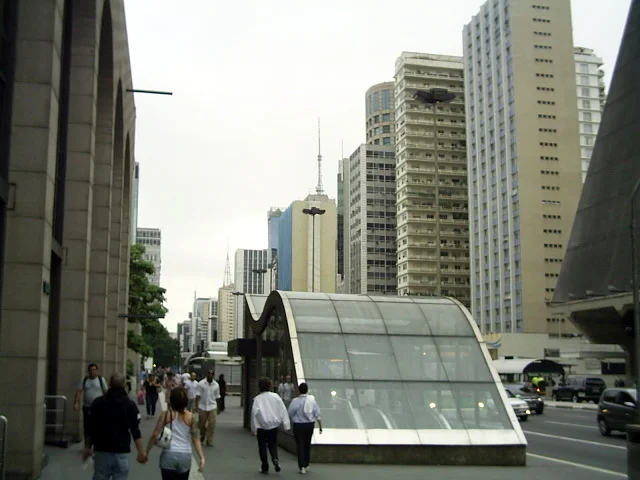
Build the commute first
In São Paulo, use the official network map and ticket guide for rail travel and any bus integration. Try the route at the time you will actually leave home, including the walk to the station. In other cities, use the relevant local operator rather than assuming São Paulo’s cards or fares apply.
If you plan to drive, the Senatran foreign-licence guidance describes a 180-day period where applicable conventions or agreements permit foreign licence use. Confirm your eligibility and documents with the state DETRAN, then arrange the local licensing process if staying longer. Include parking, insurance and maintenance in the car budget.
The small details that make services easier
Keep your address in the local format, including the CEP postal code. Learn to recognise boleto, a payment document, and check the payee in your bank’s payment screen. Ask the building’s portaria, or reception, how visitors, parcels and maintenance appointments are handled.
Learn Portuguese around those tasks. “Quais documentos preciso apresentar?” asks which documents to provide; “Pode falar mais devagar?” asks someone to speak more slowly. Save written appointment instructions, and use help from a translator for a contract you cannot yet read confidently.
14Make a routine and close out your first-month tasks
Once your address and appointments are under control, make time for the part of Brazil you moved for. Try a neighbourhood Portuguese class, a running group, beach volleyball or a capoeira class. Choose something close enough to attend regularly, so meeting people becomes part of the week.

São Paulo’s metro cultural routes connect places such as MASP and the Museu do Futebol to named stations. In Rio, build walks or beach time around a local route you know. In Florianópolis, make an outing to the lagoon or beaches part of discovering which areas suit you. Local advice about weather, access and routes is more useful than treating every trip as a tourist itinerary.
Before the month ends
- Confirm that your immigration registration is completed or properly progressing within the relevant deadline; keep the protocol.
- Save your CPF, lease, handover report and account details securely.
- Make the first rent and utility payments through the agreed channels and retain receipts.
- Locate routine healthcare, urgent care and your insurer’s assistance contact.
- Compare a month of real spending with the figures you planned.
- Make one regular language-learning commitment and one regular social activity.
You do not need every administrative task finished to begin enjoying life here, but you do need to know what remains open and when it is due. Keep a short list of pending appointments and renewals, then let the rest of your week become a normal life rather than a permanent moving project.
Sources & further reading
Reviewed 13 October 2026. Sources are linked beside the relevant instructions. Visa requirements depend on your nationality and application location. The rent comparison retains its February 2026 report date. Photograph credits, licences and capture years appear with the images.
Browse the source directory
- Brazilian consulate: electronic visitor visas
- Ministry of Justice: digital nomad residence
- Brazilian tenancy law, including Article 38
- Ministry of Health: health services and migration
- ANS: choosing a private health plan
- Receita Federal: tax residence and non-residence
- Central Bank: opening a deposit account
- Central Bank: Pix payments
- Brazilian consulate: retirement visa
- Ministry of Education: foreign diploma recognition
- Receita Federal: moving belongings to Brazil
- MAPA: bringing pets into Brazil
- Senatran: foreign driving licences
- Anatel: emergency telephone numbers
- Apply for a Brazilian visa: official service
- Find a Brazilian embassy or consulate
- Brazilian consular visa application form
- CPF registration: forms, documents and service channels
- Federal Police: registration, appointments and card collection
- FipeZAP residential rent report: February 2026
- QuintoAndar: accepted rental identity documents
- QuintoAndar: rental listings and application process
- Digital work record: how to activate and view it
- University of São Paulo: incoming students and admissions
- Graded São Paulo: tuition and fees
- American School of Rio de Janeiro: admissions
- Ministry of Health: migrant access and SUS card guide
- São Paulo metro: current network map
- São Paulo metro: tickets and fares
- São Paulo metro: cultural routes and ticket guide
Make your next step a practical one
Shortlist a city, confirm your residence route and build a budget before committing to a move.




