 Visa
Visa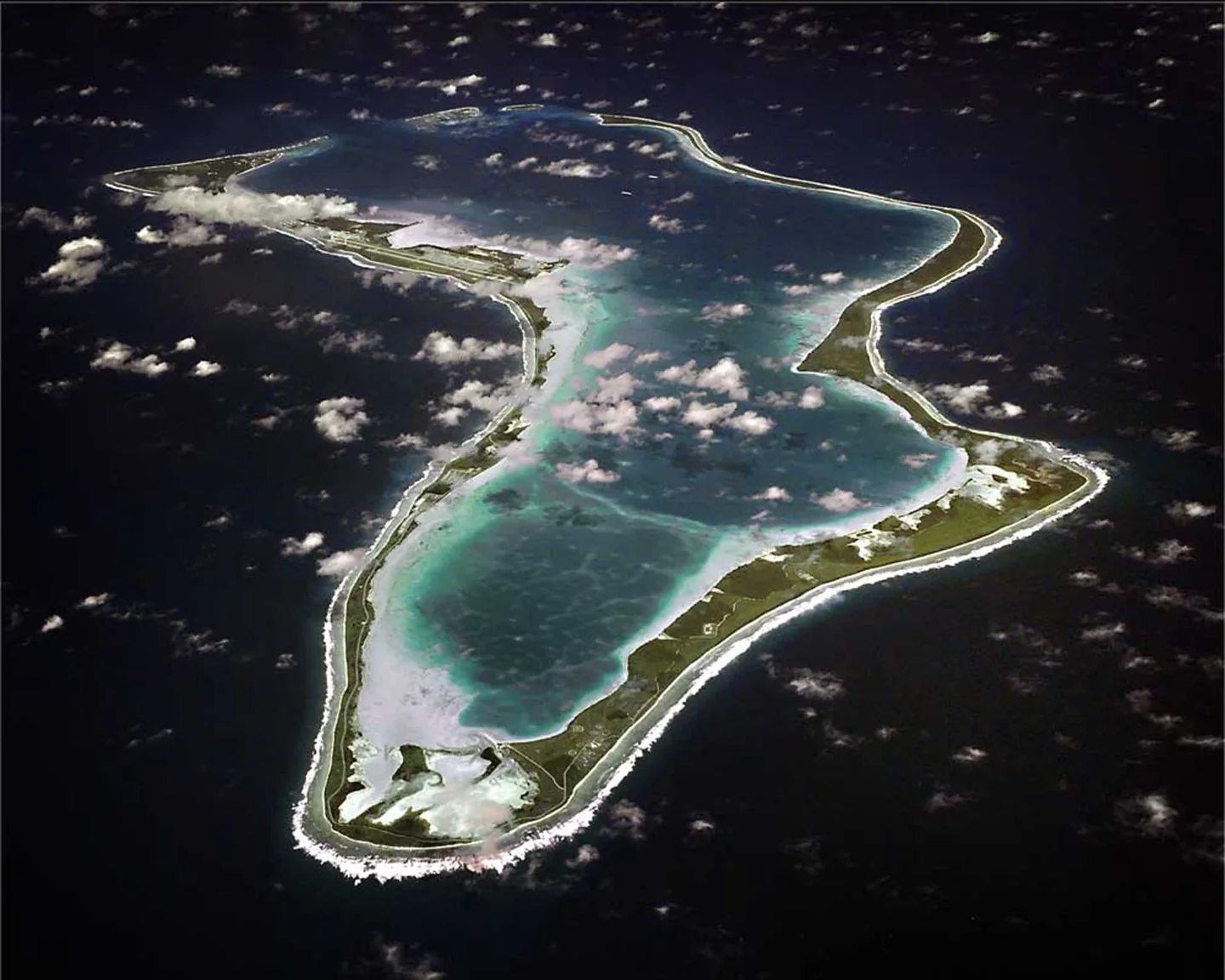
Moving & Living - British Indian Ocean Territory - Complete Guide
A practical 14-step guide to authorised Diego Garcia assignments and Chagos expeditions, including the current permit pause, logistics, documents and life after arrival.
Photo credit
Life in the Chagos Archipelago depends on why you are authorised to be there. Diego Garcia supports an isolated military installation; the outer islands offer protected marine environments rather than towns, rental markets or public services. This journey explains how to organise an approved assignment, prepare a scientific expedition, or understand the tightly limited yacht arrangements.
Start with the current restriction: BIOTA has paused substantive consideration of new entry permits since 31 March 2026, except exceptional cases, including necessary Diego Garcia military-facility operations and official BIOTA purposes. Published application forms do not mean ordinary applications are open. The current entry notice also says settlement applications are not being entertained while the cited court order is stayed.
British Indian Ocean Territory at a glance
- Access first
- Entry-permit pause; exceptional cases only
- Main assignment location
- Diego Garcia; sponsor and area clearance
- Outer-island stay
- Only the locations and dates on an issued permit
- Household planning
- Unaccompanied installation assignments
- Travel
- No commercial flights to BIOT
- Reviewed
- 13 October 2026
Follow your moving journey
Start at step 1, or jump to the task you are working on.
01Choose the authorised location before planning a move
Start by distinguishing Diego Garcia from the outer Chagos islands. An installation assignment, a research project and a passing yacht have different needs and permissions. A neighbourhood search would lead you in the wrong direction: your first decision is the authorised purpose and the organisation responsible for the stay.
Diego Garcia's assignment rules are described in the installation's Military OneSource profile. Its published access categories include unaccompanied military personnel, authorised civilian employees and contractors. An attractive vacancy elsewhere in the Indian Ocean is not evidence that its employer can sponsor entry here.
| Proposed stay | Place to establish | First practical decision |
|---|---|---|
| Authorised installation employment | Diego Garcia and the assigned work location | Identify the receiving command or approved contractor. |
| Scientific expedition | The actual field sites and support base | Have the institution identify access, methods and logistical responsibility. |
| Yacht passage | Only the anchorages permitted for the vessel | Establish whether the current permit pause allows your case to be considered. |
| Ordinary household relocation | No settlement option established by these procedures | Resolve the legal possibility before spending on transport or housing. |
Write a one-page plan containing names, nationalities, intended dates, purpose, location and the organisation paying for the stay. Use that same information in subsequent paperwork. For a scientific group, distinguish people working on Diego Garcia from those remaining aboard a vessel: a general archipelago description is too imprecise for a location-specific assessment.

02Establish whether your entry case can be considered
The current BIOTA visiting notice is the starting point. Substantive consideration of new entry permits has been paused since 31 March 2026, except exceptional cases. It identifies necessary military-facility operations on Diego Garcia and official BIOTA purposes among those exceptions. Neither an old form nor a scientist's invitation establishes that your case qualifies.
- Identify the organisation responsible for your purpose and send it your location and personnel plan.
- Have that organisation establish the applicable entry process and any exceptional-case assessment with BIOTA.
- Ask which permissions are separate: entry, installation area clearance, scientific activity and access to specific sites.
- Provide the actual nationality and passport used by each person, including dual nationality where the application requires it.
- Keep the written decision and conditions together; arrange travel after the relevant permissions are issued.
For full British citizen passport holders, FCDO's entry guidance specifies at least six months' validity after arrival and two blank pages. That page explains its passport scope; another nationality should obtain its own answer rather than treating British passport guidance as a universal checklist. A UK visa is not a BIOT entry permit.
For an exceptional scientific case that is allowed to proceed, BIOTA's science procedure distinguishes entry permission from expedition approval. It publishes planning periods of at least three months for expeditions independent of Diego Garcia and six months when personnel will be within three nautical miles of Diego Garcia. These are planning leads, not approval guarantees or an exception to the pause.
03Put the assignment or research role in writing
Choose the actual work arrangement. A Diego Garcia posting needs the receiving organisation's approval, not a self-created remote-work itinerary. There is no ordinary remote-worker route described in the official procedures reviewed for this article. Likewise, starting a business outside the territory does not establish a right to operate inside an installation.
- Obtain the appointment, contract or institutional fieldwork approval.
- Record the exact employer or principal investigator, work location, assignment length and reporting contact.
- Ask the receiving organisation to identify the permissions tied to the role and nationality.
- Settle responsibility for transport, accommodation, insurance, equipment and return travel in writing.
- Confirm what happens if entry is refused, delayed, shortened or withdrawn.
For research, use the actual scientific expedition application form to organise the submission. It asks for a research plan, daily activities, personnel details and logistics. Where sampling is proposed, its fields request ethical approval and species, locations and sample quantities. Describe the work precisely enough for the institution and authority to evaluate it; a general interest in marine conservation is not a project plan.
Read the contract's practical terms alongside the job description. For example, identify who purchases replacement work equipment and who pays for a changed return journey. Keep a responsible contact at home who can access the signed arrangements. For students, distinguish the academic supervisor from the person controlling the vessel or accommodation: each has a different responsibility when the schedule changes.
04Separate deployment costs from continuing household bills
There is no useful ordinary national rent-and-grocery budget for this restricted destination. Build a budget around the actual assignment or expedition quotation, then add the expenses that continue where your household remains. A salary or grant can look generous while still leaving substantial home commitments uncovered.
| Initial expense | Recurring expense | Evidence to obtain |
|---|---|---|
| Travel to the staging point and authorised onward journey | Home housing and household support | Booked itinerary and actual household bills |
| Documents, equipment and shipment | Food, accommodation and communications during the stay | Employer terms or expedition supplier quotations |
| Insurance and evacuation arrangements | Insurance, subscriptions and loan payments | Policy schedule and payment calendar |
| Permits or project-specific deposits | Tax withholding and pension contributions | Authority's current invoice and payroll advice |
| Return journey or contingency funds | Replacement consumables and maintenance | Exit plan and agreed responsibility |
The published yacht charge is £250 per week, effective 1 July 2024, with a £7 non-UK transfer charge unless all bank charges are covered. This is a mooring-permit charge, not a monthly living cost; applications remain subject to the current pause. See the official charges and payment procedure.
For tax, identify your existing tax jurisdictions and payroll obligations. Relevant UK leavers should follow HMRC's departure procedure, using the applicable P85 or Self Assessment/SA109 process. UK tax residence depends on the relevant tests and ties, not simply having an overseas posting. US citizens and resident aliens abroad should consider US worldwide-income and filing rules. Obtain individual advice where more than one jurisdiction is involved; do not assume an assignment here makes income tax-free.
05Keep education and household care in the place they will operate
An ordinary family-school move is not the model for a Diego Garcia assignment. The installation profile identifies unaccompanied postings. Do not put children on the personnel list on the assumption that a work appointment brings dependent access, a local school place or family accommodation.
- Identify where the household will actually live during the posting.
- Confirm the child's enrolment and term dates with that existing school.
- Record who can handle school correspondence, appointments and urgent decisions while you are away.
- Arrange the necessary authorisations through the school and relevant home-country process.
- Put household support and travel for reunions into the real assignment budget.
For a university researcher, the relevant admissions and supervision relationship is with the university organising the work. Have the supervisor approve the fieldwork period, data responsibilities, ethics requirements and assessment deadlines. This article does not list a BIOT university admission route because the reviewed access procedures do not establish one.
Prepare a practical communications plan with the school or supervisor: a principal contact, a backup contact and a method that works if a scheduled call cannot take place. A short written update can be more reliable than promising to attend every meeting remotely. Keep important forms accessible to the person who remains with the household, rather than storing the only copy in the traveller's luggage.
Use the installation-specific assignment profile for the access context and the scientific approval procedure for institutional fieldwork. Neither is a promise of family admission or a substitute for your own school's arrangements.
06Treat retirement as a home-country plan, not an entry category
No ordinary retirement settlement option is established by the official entry procedures reviewed here. A pension, savings account or ownership of a yacht does not turn an authorised short stay into residence. The first decision for a retiree is therefore whether the actual proposed purpose can be approved, rather than how much passive income to demonstrate.
The published visiting notice says settlement applications are not being entertained while the cited right-of-abode court order remains stayed. People with a specific legal interest in those proceedings should use the current authority notice and obtain advice about their own position; this guide cannot infer a new entitlement from a general relocation question.
- Keep the intended long-term home separate from any temporary approved visit.
- Ask the pension administrator how a temporary absence or change of address affects communications and payments.
- Confirm how contributions and employer benefits operate during an assignment.
- Arrange ongoing care and medication in the place where you will ordinarily live.
- Plan the return date and where you will stay when the authorised purpose ends.
For a UK pension recipient whose actual residence changes, HMRC's departure guidance explains why informing the authority matters for pension taxation. It is not an immigration permission. Avoid giving a destination address that you will not actually be entitled to occupy, or closing an account needed for the return household before an alternative payment arrangement is functioning.
07Prepare one personnel file and a role-specific packing list
Pack for the authorised role and the transport arrangement, rather than for a conventional unfurnished apartment. Divide the list into documents needed during transit, essentials carried personally, and equipment shipped under the organiser's rules. Keep any item essential to reporting for work out of a shipment that might arrive later.
- Carry passports, issued permissions, appointment details and the receiving contact.
- Keep accessible copies of insurance, medical instructions and the approved itinerary.
- Create an equipment inventory showing owner, quantity, intended use and return destination.
- Ask the receiving organisation which items require declarations or separate approval.
- Confirm baggage and shipment allowances with the transport and assignment offices before dispatch.
Diego Garcia's household-goods office information identifies the Fleet Logistics Center Yokosuka Personal Property Office in Building 461. Use that installation-specific contact for an authorised shipment; an ordinary international removals quotation does not establish that cargo can be accepted.
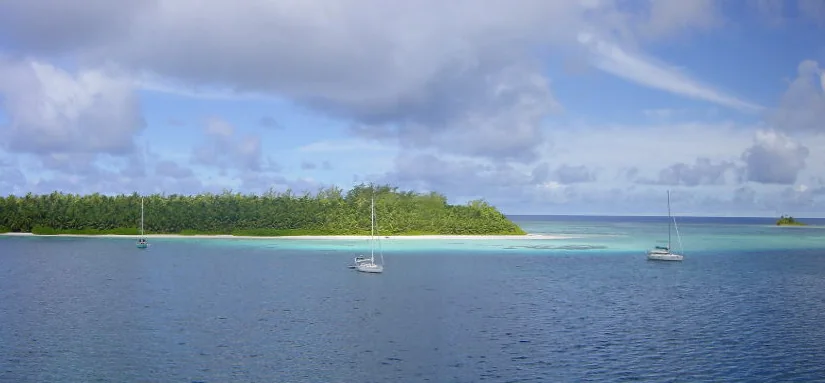
For an outer-island yacht, the May 2024 yacht guidance requires pets to remain aboard and prohibits landing them. Arrange animal care accordingly; do not plan a dog walk ashore at Boddam. The same document's biosecurity instructions support cleaning gear and preventing invasive species transfer.
For researchers, prepare the imported equipment and any sample-export arrangements through the institution. Retain the approval record alongside the inventory so that the person handling a crate can identify its purpose. Do not rely on a device's personal ownership as permission for its use at a restricted site.
08Arrange arrival through the receiving organisation or issued vessel permit
Your arrival plan should answer four concrete questions: who expects you, which journey is authorised, how you reach your accommodation or vessel station, and how you report a change. A commercial itinerary to a nearby Indian Ocean country answers none of those questions for the final BIOT leg.
FCDO's entry information states that there are no commercial flights to BIOT. For an assignment, obtain the actual onward arrangement from the receiving organisation. Avoid treating dates in an older expedition form as a current published airline schedule.
- Reconfirm the receiving contact and actual arrival instructions shortly before travelling.
- Keep issued permissions available during transit, with the passport used in the application.
- Carry enough personal essentials to manage the agreed first-day arrangements.
- Follow the receiving organisation's reporting and accommodation handover.
- Report any itinerary change through the responsible contact before assuming another arrival is acceptable.
An approved yacht arrival has a different process. The yacht reporting guidance requires reports on entry into the maritime zone, arrival at an authorised anchorage, departure from an anchorage and exit from the zone. Use the contacts and instructions accompanying your actual permit; retain transmitted reports and the vessel's permit file.
Put the first day on paper before leaving: reporting point, lodging or onboard berth, food, drinking water, communication method and the person who confirms you are safely arrived. For a team, identify who reports for everyone and which checks remain individual. This prevents a group arrival from obscuring a missing person or document.
09Complete the permissions handover rather than an ordinary resident registration
Do not look for a standard expatriate residence card, municipal registration desk or national tax-number appointment as your next step. The practical task is to finish the entry and assignment handover required by the actual authority and receiving organisation. Each permission should be identifiable by holder, location, purpose and validity.
- Have the receiving contact verify the names, passports and arrival dates against the authorised list.
- Identify any installation credential or local orientation required for the assigned role.
- Record which places and activities are authorised and which require another decision.
- Save the expiry date and instructions for a proposed change or early departure.
- Keep the original permission and an accessible copy for the period of the stay.
Use the BIOTA administrative contacts for a question about territorial permission; use your command or employer for its own personnel process. These are different responsibilities. Do not send an employer's identification form to an unrelated office just because it asks for similar personal information.
For a research team, put the approved methods and sites into the operational briefing. If a field location changes, the project leader should assess the permission implications before reallocating work. A permit for one purpose should not be interpreted as general access to the archipelago.
Make a small conditions register: document name, issuer, holder, relevant dates and responsible contact. The point is to enable the person making a day-to-day decision to find the controlling document, rather than relying on a remembered conversation.
10Keep payments functional before leaving the normal banking network
This is not a conventional arrival-day bank-account opening exercise. Begin with the account receiving your salary or grant and the accounts paying the household bills that continue elsewhere. Establish practical access before transit, especially if your bank's authentication depends on a telephone number that will be difficult to use.
- Confirm the payroll or grant account with the paying organisation.
- Test the bank's legitimate authentication and recovery methods on the devices you will carry.
- Record bill due dates, automatic payments and the authorised person handling household matters.
- Ask the receiving organisation how everyday purchases and any authorised services are paid for.
- Keep project expenditure separate from personal expenditure and retain receipts.
For an approved yacht application, BIOTA's payment sequence is explicit: approval comes first, followed by bank-transfer instructions; the permit is issued after payment is received. Do not transfer money speculatively to try to secure consideration during the pause. Keep the receipt and issued document together.
For a funded expedition, identify the person authorised to approve an invoice and the institutional account that will pay it. Obtain a written quotation rather than making a personal payment for a cost that may not be reimbursable. Give the institution a backup accounts contact so that an invoice can be resolved during fieldwork.
Before departure, complete a practical test: can you view a statement, pay a real continuing bill and recover access through the bank's approved process? Retain the bank's own contact details securely. A functioning payment arrangement at home can matter more than the expectation of opening a new local account.
11Secure assigned quarters or an approved onboard berth
There is no ordinary rental search to complete from the processes described in this guide. For a Diego Garcia appointment, ask the receiving organisation for the actual quarters arrangement, reporting point, inventory and conditions. For an expedition or yacht passage, identify the berth and vessel arrangements in the operational plan.
- Obtain written confirmation of the accommodation tied to your authorised purpose.
- Confirm what is supplied and what personal items you should bring.
- Identify any charges, responsibility for damage and the procedure for reporting a fault.
- Record the arrival handover and the departure clearance.
- Keep the accommodation dates consistent with the authorised stay and transport plan.
The yacht guidance prohibits overnight stays ashore between sunset and sunrise and prohibits encampments or structures. Historic plantation buildings on Île Boddam and Île du Coin are not houses to rent; the guidance marks them out of bounds because of structural defects.
For a scientific group, agree how equipment is stored separately from sleeping space and who keeps the inventory. Discuss any sharing arrangement before travel, including how the team manages different work schedules. If accommodation depends on a provider outside your employer, put that provider's acceptance in the file rather than assuming the appointment letter covers it.
At handover, note the condition of the supplied items and learn how to report problems. At departure, reconcile the same inventory. This fulfils the practical role of a check-in record without pretending the stay is governed by an ordinary residential lease, local deposit scheme or neighbourhood letting market.
12Arrange medical fitness, medication and evacuation cover
FCDO's current health guidance describes limited medical facilities, no hospitals or air ambulances, and evacuation arrangements that can take 24–72 hours to organise. That is not a promised rescue time. Do not assume facilities supporting authorised Diego Garcia personnel are available to a yacht in the outer islands.
- Have the actual organiser identify the medical assessment and clearance required for the role.
- Discuss ongoing conditions, medication quantities and storage with the treating professional before departure.
- Keep medicines identifiable, with the relevant prescription and clinical information.
- Obtain insurance or employer cover that explicitly addresses the actual activity, location and evacuation arrangements.
- Record the insurer or employer's assistance contact and how treatment decisions and costs are authorised.
The published outer-island yacht application asks for English insurance evidence covering medical evacuation of at least US$100,000 per person, plus wreck recovery, cleanup and removal in BIOT. Highlight the relevant clauses for the permit application; a generic travel-insurance certificate may not establish those elements.
For a field team, assign responsibility for the medical file, emergency communications and notification of the institution. Keep sensitive clinical material accessible to the appropriate person without circulating it in the general equipment inventory. The clinician and organiser should resolve whether the planned activity is medically suitable; this guide does not replace that assessment.
Before departure, distinguish routine supplies from an emergency response. Someone should know how to obtain help using the actual communication system and which information the assistance provider needs. On Diego Garcia, learn the installation's procedure during orientation rather than applying a distant yacht's contacts to an on-base incident.
13Confirm communications, transport and supplies through the actual operator
There is no ordinary utility-company sign-up sequence to reproduce here. Tie these services to the accommodation, installation or vessel providing them. Obtain the arrangement that applies to your role, including who can use it, any charges and how faults are reported.
- Confirm the actual telephone and data arrangements with the receiving organisation or vessel operator.
- Keep essential documents and contact information available offline.
- Identify the transport permitted for your work and how it is booked or allocated.
- Learn the accommodation's water, power and fault-reporting arrangements at handover.
- For a vessel, have the operator establish the supplies and communications needed for the authorised passage.
The linked scientific expedition form describes vehicle-hire information and limited transport on Diego Garcia. It is an older operational form, not a current timetable or tariff. Have the organiser confirm transport availability and terms before relying on a particular service or making a field schedule around it.
For an assignment, ask how you travel from quarters to the actual duty point and how transport works when work finishes outside normal hours. For researchers, assign transport to the equipment as well as the people. A vehicle suitable for passengers does not automatically solve the movement of bulky scientific gear.
Test the agreed communication method early in the stay. Establish a regular household contact window and a backup method through the organisation if necessary. Record the difference between an everyday call, an operational report and an emergency request so that the correct contact receives each message.
14Build the routine and close the stay properly
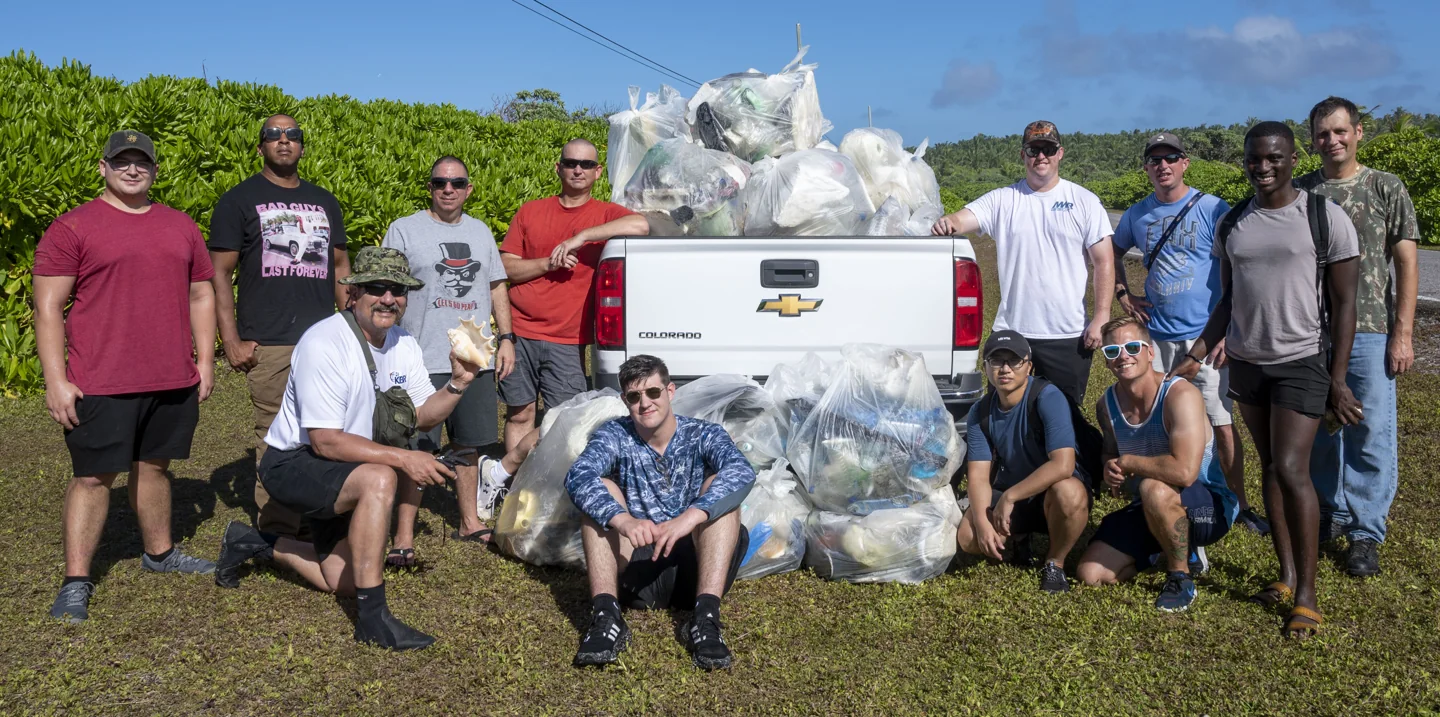
An authorised stay becomes manageable when work, household contact and departure responsibilities are visible in the same calendar. Start with the receiving organisation's orientation, then identify the activities available to your actual personnel category. A photograph of a past community event is useful context, but it is not an invitation to enter the installation.
- First days: finish the reporting handover, confirm accommodation, test communication and understand medical assistance.
- First week: reconcile the equipment inventory, verify payroll or grant payments, and establish household contact.
- During the stay: retain operational records, track permission dates and record approved changes.
- Before departure: arrange transport, return borrowed items, reconcile accommodation and close any project accounts.
For yachts, the published documents disagree on the fishing-log return deadline: the current mooring webpage says 28 days after leaving, while the May 2024 PDF says 10. Obtain the controlling instruction from BIOTA and retain it. For planning, preparing the record within the earlier period avoids leaving it until the longer deadline; it does not resolve the legal discrepancy. See the current procedure and dated guidance.
For science, agree the reporting and data handover with the institution and BIOTA. The linked expedition form includes a summary-report requirement within three months after the expedition; confirm its current terms when the exceptional case is assessed. Assign the report owner before departure so that its completion does not depend on finding a volunteer later.
On Diego Garcia, build community through activities made available by the receiving organisation. Learn colleagues' routines and how shared facilities work. A successful stay ends with the permissions, equipment, accounts and return household reconciled, as well as the work itself completed.
Sources & further reading
Reviewed 13 October 2026. Sources are linked beside the relevant instructions. Reviewed on 13 October 2026 against the linked primary sources. Older expedition forms and May 2024 yacht guidance are identified where their details need current confirmation. This is an access and assignment guide; it does not describe an ordinary settlement route. No verified ordinary monthly living-cost or rental series exists for this restricted territory. Published yacht charges are identified with their effective date; assignment costs require employer quotations. Scientific-form deposits are older published terms requiring current confirmation. No hypothetical allowance is presented as a current entitlement. Photograph credits, licences and capture years appear with the images.
Browse the source directory
- BIOTA: current entry-permit notice
- BIOTA: outer-island mooring applications
- BIOTA: guidance for yachts, May 2024
- BIOTA: scientific expeditions
- BIOTA: scientific expedition application form
- BIOTA: responsible administrative contacts
- Military OneSource: Navy Support Facility Diego Garcia
- Military OneSource: Diego Garcia household goods office
- FCDO: BIOT entry requirements
- FCDO: BIOT health and medical assistance
- HMRC: leaving the UK to live abroad
- HMRC: residence and foreign income
- IRS: US citizens and resident aliens abroad
Make your next step a practical one
Begin with the current entry notice and your sponsoring organisation. Arrange travel only when your actual purpose and permissions are confirmed.




