 Visa
Visa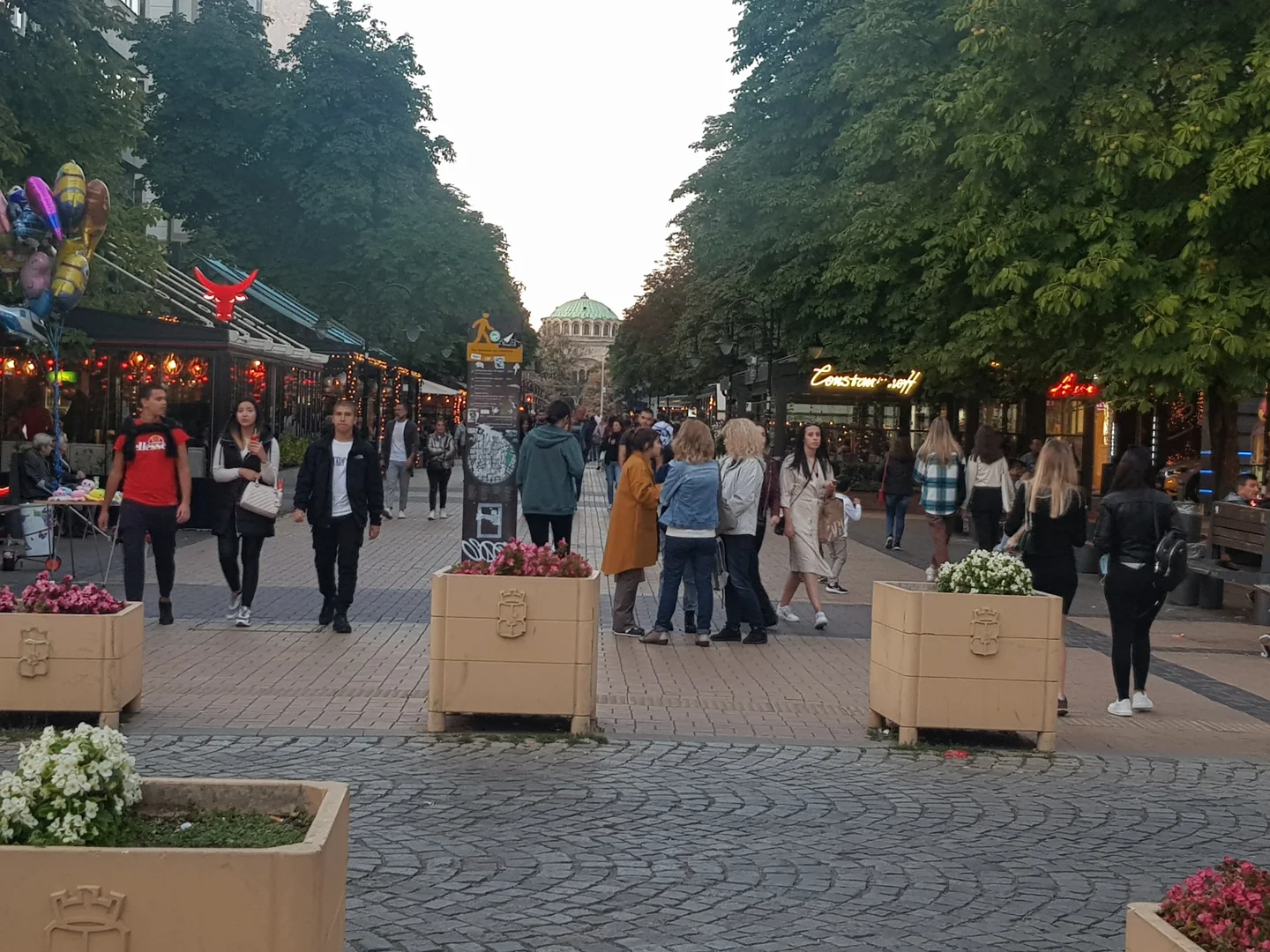
Moving & Living - Bulgaria - Complete Guide
Move to Bulgaria step by step: choose a city, distinguish EU and non-EU residence routes, prepare work or retirement documents, then arrange your home, euro banking and healthcare.
Photo credit
In Sofia, an apartment near the right metro line can put work, university and evening walks within one routine. Plovdiv offers a different pace around Kapana and the older centre; Varna brings the Sea Garden and Black Sea into daily life. Moving here means choosing between those settings and completing a procedure that depends strongly on your citizenship and source of income. Follow the journey below from the residence decision to your first settled month.
Bulgaria at a glance
- Language
- Bulgarian; official documents use Cyrillic
- Currency
- Euro (EUR) since 1 January 2026
- Residence decision
- EU registration differs from non-EU D visa and residence permission
- Remote work
- A qualifying digital nomad residence route exists; Bulgarian clients are restricted
- Local services
- MVR Migration, NRA tax authority and NHIF health insurance fund
- Reviewed
- 13 October 2026
Follow your moving journey
Start at step 1, or jump to the task you are working on.
01Choose a city around your actual daily journeys
Choose the everyday base before choosing the attractive apartment. Sofia, Plovdiv and Varna offer different routines, and the exact address matters more than a general description of Bulgaria as inexpensive or relaxed. Start with your workplace, school or campus, then compare the streets that connect to it.
| City | Where to begin | What to test |
|---|---|---|
| Sofia | Lozenets, the central Vitosha Boulevard area and Mladost | The journey to your actual office or faculty, including the walk from the metro. |
| Plovdiv | Kapana and streets around the older centre | Evening activity outside the home, parking if needed, and the route to work beyond the centre. |
| Varna | The centre and residential streets within reach of the Sea Garden | A year-round home and services, rather than an accommodation offer designed around summer visitors. |
Plovdiv’s municipality describes Kapana as its creative district; Varna’s Sea Garden is a useful landmark for comparing walking routes. These are orientation points, not promises about rents, safety or available homes. In Sofia, use the metro operator’s station directory to identify the actual station rather than relying on an advertisement saying “near the metro”.
- Mark your fixed destinations and the working hours involved.
- Shortlist two areas and save several comparable homes in each, with floor area, heating arrangement and total charges.
- Book temporary accommodation where you can try those journeys.
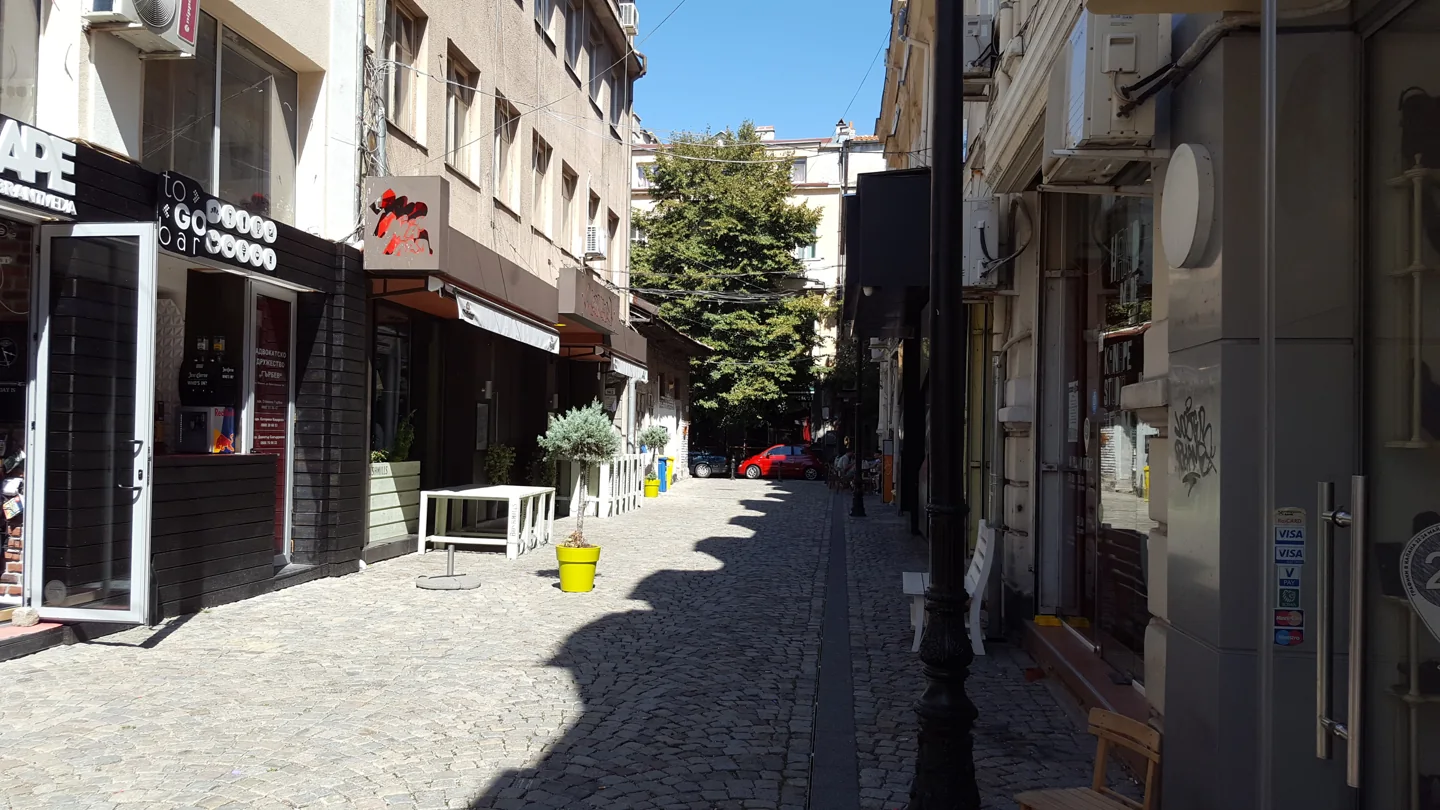
- Visit prospective streets in the evening as well as during the day. Look at entrances, lighting, deliveries and noise from nearby venues.
02Separate visitor entry from the residence route you need
Your first immigration question is citizenship, followed by purpose. A visitor’s permission to enter Schengen does not authorise an indefinite move or employment. Bulgaria is part of the Schengen area, so a visitor must count eligible short stays across the area rather than treating Bulgaria as a fresh allowance. Use the Ministry of Foreign Affairs visa guidance for your nationality.
If you are an EU, EEA or Swiss citizen
The Migration authority’s EU citizen instructions distinguish an initial stay with a valid identity document from residence beyond three months. Longer residence needs a qualifying basis such as employment, self-employment, study or sufficient resources with health cover. Collect evidence for that basis before arranging registration. A non-EU family member has a separate document procedure; do not assume the EU citizen’s passport covers everyone.
If you are a third-country national
- Select the actual basis: employment, qualifying remote work, study, pension income or an applicable family category.
- Obtain the employer, university or other supporting evidence required for it.
- Arrange the D-visa application through the competent Bulgarian mission, then complete the residence process in Bulgaria.
The central D-visa instructions place applications normally at the mission serving your permanent residence, with an exception for lawful residence in another country subject to its conditions. A personal interview is required. The visa and subsequent residence permit are separate stages. Newly arriving UK citizens generally follow the third-country route; protected earlier residents should establish their Withdrawal Agreement status instead.
Write down the legal category for every adult and child, who supplies each document, and which stage must finish before the next can begin. This becomes the working plan for employment, housing and health cover.
03Arrange a lawful job, remote arrangement or business
For a Bulgarian job, give the employer your citizenship and qualifications at the start. The EU immigration portal’s employed-worker guidance describes an employer-driven approval process linked to the single residence and work permit. Agree who prepares the application and when you may actually begin the role. A signed offer and visitor entry alone are insufficient.
Use the digital nomad route only if the arrangement fits
The 2025 legislation recognises several qualifying remote arrangements: employment for an organisation outside the EU, EEA and Switzerland; certain management or ownership roles in a company outside that area; or established personal services delivered remotely. The ownership branch requires more than 25% where that ownership qualification is used. Personal remote services must have been performed for at least a year before applying. Restrictions on Bulgarian work or clients matter; this is not a general permit to freelance locally.
The Foreigners Act and current Migration checklist set the income test at gross average annual income of at least 50 minimum monthly wages for the preceding calendar year. Ask the office to confirm the wage base and its euro calculation for your application year; do not substitute an online threshold using a different year. Permission lasts one year and can be renewed once for another year.
- Prepare contracts showing the parties, remote delivery, role, payment and duration.
- For employment, obtain the employer’s registration evidence; the current checklist requires recent company evidence and an adequate remaining fixed-contract term.
- For company or personal-service branches, gather the required registration, ownership and client-reference evidence.
- Match bank or income records to the amounts declared and arrange the required Bulgarian translations.
For a Bulgarian business, use the Registry Agency’s Commercial Register and BULSTAT services with an accountant to decide the entity and registrations. Incorporation, tax registration and immigration permission solve different problems. Complete the appropriate work or residence basis before personally running activities that require it.
04Build a euro budget and map your tax obligations
Bulgaria adopted the euro on 1 January 2026. The ECB announcement fixes the historic conversion at EUR1 = BGN1.95583, but a supplier’s current euro price should be taken from its current tariff. Do not build a 2026 budget by mechanically converting old online lev figures.
| Initial costs | Recurring costs | Evidence to collect |
|---|---|---|
| Visa, residence decision and identity card; translation and legalisation | Renewal, insurance and professional support where needed | Your purpose-specific authority checklist and supplier quotations |
| Temporary accommodation, rental deposit, agreed agency charge and delivery | Rent, building charges, electricity, water and heating | The exact rental agreement and recent bills for that home |
| School registration and entrance charges | Tuition, transport, meals and learning support | The named school’s current academic-year schedule |
| Travel, belongings and pet preparation | Groceries, telephone, internet and local transport | Bookings, service tariffs and your own basket of purchases |
Illustrative rent calculation: if a particular offer is €700 monthly, the agreed deposit is €700 and the agent’s written charge is €350, those three items need €1,750 initially. These are hypothetical inputs, not a Sofia market average or a legal rule about deposits. Add temporary accommodation and moving costs separately.
A verifiable small recurring comparison is Sofia’s €2 all-lines day pass: buying one on 20 travel days would cost €40. A Yettel data eSIM package costs €10.23 for its initial 30-day package. Together those selected services total €50.23; this excludes rent, food, voice service and every other household cost. Compare a longer transport product once your actual travel pattern is known.
The National Revenue Agency, or NRA, considers residence using the whole circumstances, including the centre of personal and economic interests. Bulgarian tax residence can involve worldwide taxable income; a foreign payer does not automatically mean tax-free earnings. Keep arrival records, contracts, payslips, bank evidence and foreign tax certificates.
For civil-contract income, the NRA’s current instructions explain 10% advance tax on the relevant taxable base after applicable contributions, and an annual return generally by 30 April of the following year. Other income categories need their own treatment. Ask an accountant to identify payroll, self-insurance, treaty relief and filing obligations for your arrangement before the first payment.
05Arrange school places or the correct university admission
For children, decide first whether the family wants Bulgarian schooling or an international curriculum. Contact the local education office or intended school with the child’s age, previous year group, language and learning needs; ask which prior records must be recognised. Choosing a home before confirming the school journey can make an otherwise suitable move difficult.
The Anglo-American School of Sofia provides a concrete international starting point at Pancharevo. Its application asks for the child’s photograph, passport details for the child and parents, previous progress reports, teacher contacts and relevant support assessments. Prepare official English translations of records, complete the online application, then wait for assessment and a formal offer. Places depend on capacity and the school’s ability to meet learning needs. An offer must be confirmed within two working days.
For 2026–27 AAS fees, Kindergarten–Grade 5 tuition is €22,300 annually. Its published new-student total is €28,511, including the listed capital, entrance-capital and registration charges. Optional transport and other extras remain separate. Obtain the invoice appropriate to your enrolment dates instead of assuming an annual total is the amount payable immediately.
University: use the programme’s actual channel
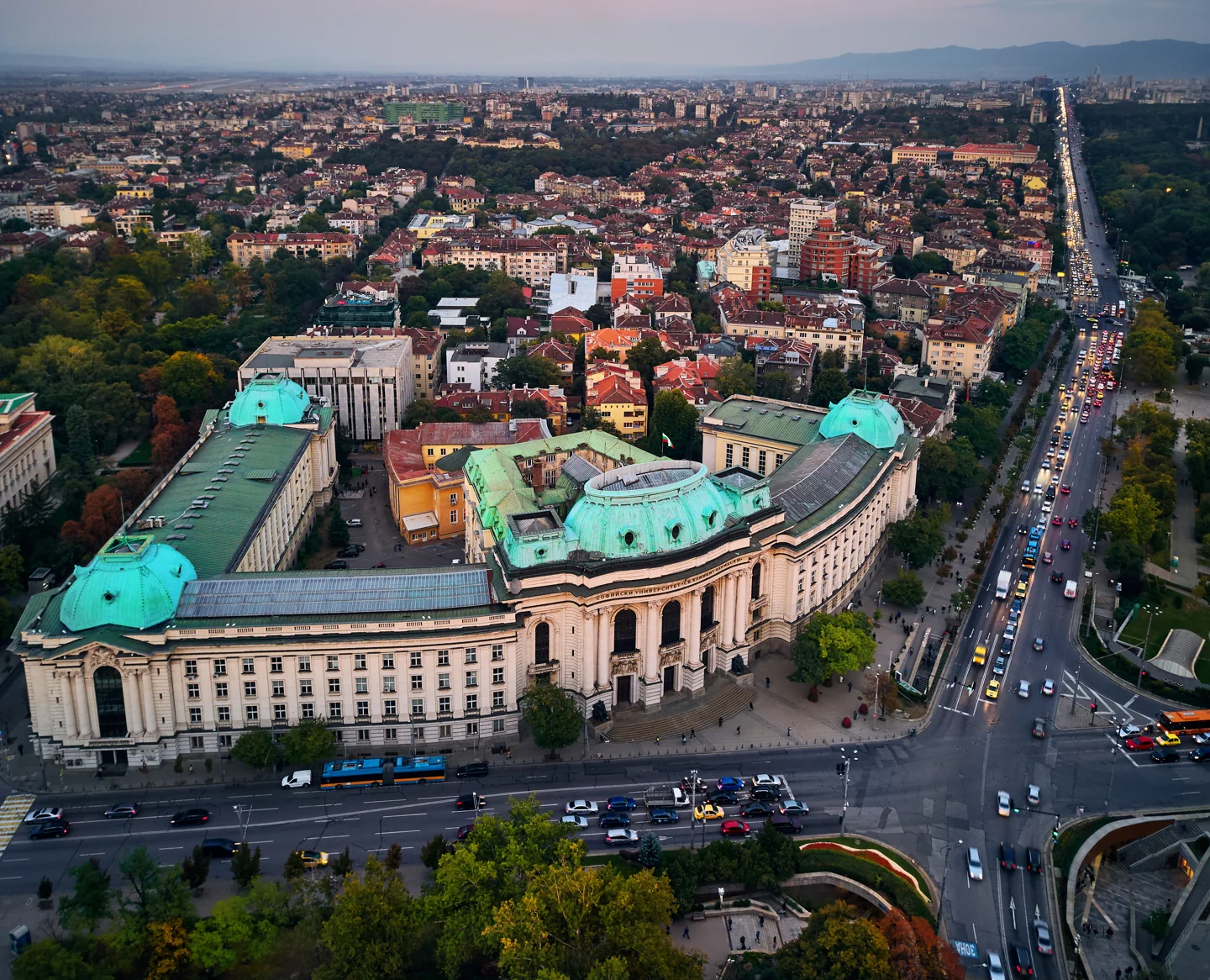
At Sofia University, incoming Erasmus applications for 2026–27 start after the Incoming Team’s “Start of Application” email. Prepare the learning agreement, transcript, language evidence where required and identity-document copy; send the separate PDFs, then submit the online form supplied by the team. The spring/summer deadline is 15 November 2026. This is an exchange procedure, not the application route for a complete degree.
The university’s September 2026 immigration instructions distinguish EU students, D-visa students and qualifying mobility from another EU country. Admission and a dormitory place do not complete immigration registration. Confirm your actual faculty address and accommodation document before booking arrival.
06Plan pension residence and ongoing care
Bulgaria has a residence basis for qualifying pension recipients; it is not necessary to invent a separate “retirement visa” independent of the D-visa and residence system. EU citizens may instead use the self-funded EU residence basis with adequate resources and health cover.
- Obtain the pension authority’s evidence showing entitlement and payments. Use the name exactly as it appears in your passport.
- Prepare the accommodation and financial evidence required for the pension category.
- Arrange a Bulgarian bank account capable of receiving pension payments; discuss the pre-residence document route with the bank rather than assuming online opening is available.
- Submit the pension evidence and the bank certificate in the format required by the mission, then complete the residence stage locally.
The Migration pension checklist is the starting point for the supporting documents and renewal timing. It requires an application at least 14 days before the authorised stay or relevant visa permission expires. Put the deadline in your calendar early enough to obtain fresh documents, rather than using it as the day to start preparing.
Build care into the choice of town. Ask a prospective clinic how it handles the condition, medication or tests you regularly need, and what it charges if you are not publicly insured. An eligible S1 arrangement, private cover and Bulgarian public insurance have different conditions; pension residence alone is not proof of entitlement to all NHIF services. If your pension-paying country remains responsible under the applicable coordination rules, request S1 from its insurer and register it with the local health-insurance institution.
Keep a pension-payment contingency in the budget for transfer delays or requests for updated evidence. If buying a home later, separate that purchase decision from the initial residence application and try the town through an ordinary season first.
07Prepare translated records, belongings and pets
Create a document list by recipient: consulate, Migration, employer, school, bank and insurer. A document accepted in English by a school may still need Bulgarian translation for immigration. Keep originals, legible scans and a separate set of copies; record expiry dates and the issuer’s contact details.
The central D-visa guidance asks for the application, travel document, relevant copies, photograph, and originals with two copies of supporting evidence. Initial adult residence applications also involve criminal-record evidence, subject to stated exceptions. Obtain civil-status and qualification documents while access to the issuing authority is straightforward. Apostille, legalisation or a treaty exemption depends on the issuing country and document; arrange the correct procedure before translation.
For belongings from outside the EU, consult Bulgarian Customs’ transfer-of-residence relief before the mover collects them. Relief has conditions and paperwork; the ordinary import period under the scheme is 12 months from establishing normal residence. Give the agent an itemised inventory, proof of prior residence and evidence of the move, and ask which items are excluded. A removal-company quotation is not a customs decision.
Pets need a dated veterinary plan
The European Commission’s current non-EU pet rules require identification before the relevant rabies vaccination and normally a 21-day wait after primary vaccination. An antibody test is required unless the origin falls within the listed-country exceptions; where needed, the blood sample timing includes at least 90 days before certificate issue. Use the current 2026 health certificate and owner declaration. The previous model’s transitional acceptance applies to certificates issued before 1 October 2026.
Arrange the official veterinary endorsement and entry-point checks within the certificate’s 10-day entry validity, alongside the airline’s carriage requirements. Pets moving from within the EU follow the applicable passport procedure. For unusual species or a journey outside ordinary accompanied pet travel, obtain the competent authority’s separate instructions before buying transport.
08Get from the arrival point to a usable temporary base
Keep the accommodation address in Cyrillic as well as Latin script, together with the host’s telephone number. Carry the passport, visa or residence evidence, insurance and essential application originals in hand luggage. Make the first night easy to complete even if baggage is delayed.
- At Sofia Airport, the operator confirms the station beside Terminal 2. Plan the terminal transfer separately if arriving elsewhere, and use the current network information for the onward journey.
- Reach your accommodation and obtain a receipt or booking record with the correct dates and occupants.
- Ask the hotel, host or dormitory which accommodation reporting it completes and what evidence it gives you. Do not assume this replaces your personal residence application.
- Establish a working data connection and a payment backup before the next working day.
- Contact the responsible Migration office about the applicable local procedure and your category’s timing.
For a transport validation made with a bank card, keep that same card available for inspection; the Urban Mobility ticket instructions explain revalidation when changing vehicles. If an overseas card does not work, obtain the appropriate operator ticket rather than continuing without a validated journey.
Make a short appointment folder: address evidence, passport copies, insurance, employer or admission letter and the office’s checklist. Leave time for copying, translation corrections or the landlord’s signature. Avoid scheduling the whole move around one assumed appointment duration.
09Complete residence, identity and tax-service setup
Address reporting, residence permission and production of the physical document are distinct tasks. Use the Migration residence service directory to obtain the form for the actual basis and the separate identity-document procedure. EU citizens should use the EU registration channel rather than a third-country D-visa checklist.
- Assemble the passport, accommodation evidence, insurance, funds and purpose documents specified for your category.
- Follow the local office’s submission and payment instructions; retain a dated receipt and any request for further evidence.
- Complete the card stage and collection instructions when authorised. Check the spelling, address, category and expiry immediately.
- Give the employer, university and bank the updated document where required, while keeping a copy in the renewal folder.
For the digital nomad purpose, the current Sofia checklist lists a €5.11 application charge and €255.65 for granting one-year permission. Those total €260.76 before the separate identity-card fee, consular visa charges and document services. Do not apply that calculation to every residence category. Keep the published tariff and the office’s payment reference with your receipts.
Students should follow their university’s route-specific arrival instructions as well as Migration’s requirements. For example, the qualifying other-EU student mobility procedure includes advance submission and a later in-person visit; another EU residence card alone does not authorise any length of study in Bulgaria.
Use the personal identifier assigned in your Bulgarian documentation consistently when dealing with local services. Ask the NRA about a personal identification code, or PIK, for the tax services you need; it is an access credential, not the same thing as the foreigner’s identity number. Keep credentials private and establish who files the first required declaration.
10Open an account that matches your residence status
Prepare for a branch visit even if the bank offers digital services. UniCredit Bulbank’s foreign-client document matrix is useful because it distinguishes applicants with and without Bulgarian residence documents. For EU, EEA or Swiss citizens without a local permit it lists a passport or national identity document; for other non-resident foreign citizens it lists an international passport together with a national passport or identity card. Foreign residents use their international passport and Bulgarian residence permit.
Its matrix also identifies supporting address evidence for the non-resident columns where the identity document lacks an address, evidence of the need for an account, and the bank’s customer questionnaire. Documents without English translation may need an official Bulgarian translation. Extra checks remain at the bank’s discretion.
- Contact the bank’s branch or customer service with your exact status and intended use, especially if opening before pension residence.
- Bring the originals and the requested evidence of income, address and account purpose.
- Compare monthly account and card charges, transfers, cash withdrawals and closure conditions before signing.
- Activate mobile access, verify the telephone number receiving security messages, and test a small incoming payment.
The account is now in a euro economy. Under the ECB’s changeover explanation, the January 2026 dual-cash period has ended. The Bulgarian National Bank exchanges eligible lev cash indefinitely without a fee; banks and participating post offices may charge after the initial free period, while their mandatory exchange period runs through 31 December 2026. Check the actual exchange service before taking older cash to a branch.
11Inspect a home and sign a workable rental agreement
Read the Bulgarian terms on the offer. Naem is rent; depozit is deposit; a dvustaen listing generally describes two principal rooms rather than two separate bedrooms. Ask for the floor plan and count the actual sleeping rooms. Clarify whether advertised floor area includes common parts.
- Inspect the exact apartment: water pressure, hot water, windows, ventilation, heating, lift and entry system.
- Ask for the landlord’s authority to let it and the building’s rules. Obtain written permission for pets or any intended activity where needed.
- Agree rent currency and payment date, deposit deductions and refund procedure, notice, repairs, utilities and building charges.
- Confirm that the owner will supply the residence/address evidence and any required notarised declaration. A rental receipt alone may not complete that file.
- Record meter readings, equipment, damage and the number of keys in a signed handover record with photographs.
Deposit size, commission and inclusions should come from the contract, not a claim that every Bulgarian rental follows one formula. Ask the agent to put its own fee and payment trigger in writing. If paying a holding amount, record which property it covers and what happens if the immigration-related address documents cannot be supplied.
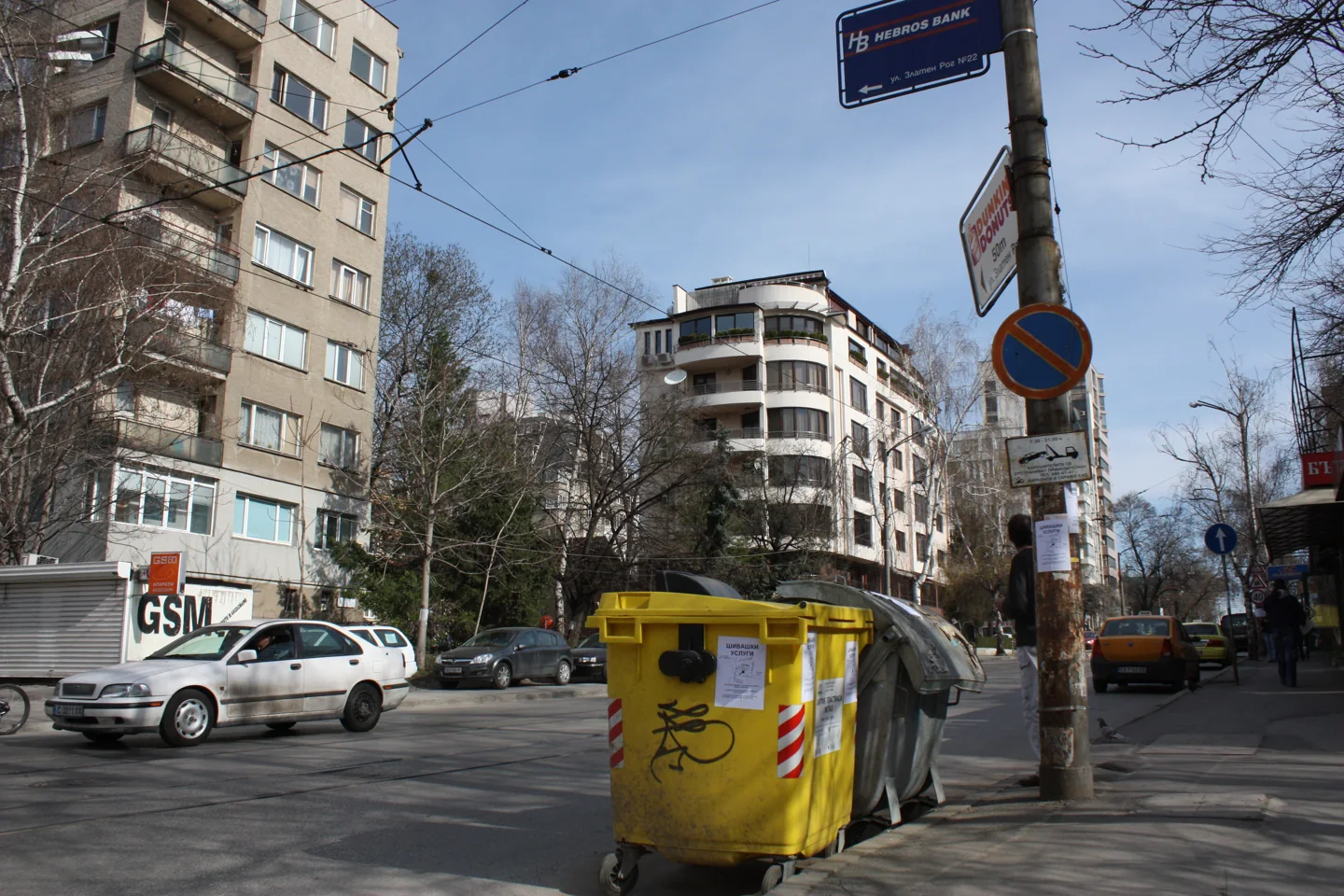
In Sofia, district heating and building services deserve specific attention. Obtain recent bills, the customer numbers and the latest available reconciliation statement, then agree which periods the owner pays. A low summer bill does not show the cost of occupying the home through winter.
12Establish health entitlement and choose usable care
Identify whether your category enters Bulgaria’s compulsory health-insurance system or requires another arrangement. The Health Insurance Act includes specified foreign-resident categories, not every person with temporary residence. Long-term or permanent residents and some work-permit holders have different positions from an ordinary temporary pensioner, student or remote worker.
The NHIF’s explanation of the July 2025 changes confirms coverage for qualifying single residence/work and seasonal-work permit holders, with rights arising from receipt of the relevant permit and the contribution/status requirements. Ask payroll to confirm registration and use the NRA to resolve contribution-record problems before assuming a clinic can bill the public system.
- Before travelling, obtain the immigration-compliant cover for your category and a separate explanation of its treatment benefits and exclusions.
- If another European system remains responsible, establish the applicable EHIC or S1 arrangement with that insurer and NHIF. An EHIC for necessary treatment during a temporary stay is not a blanket substitute for settled-residence cover.
- Once entitlement is established, select a doctor participating in the system and use the NHIF initial GP-choice form. Ask how appointments, referrals and repeat prescriptions work.
- If using private care, obtain the clinic’s prices and your insurer’s direct-billing or reimbursement procedure.
Under the NHIF international guidance, participating services and patient contributions still matter. Confirm whether a particular consultation is through NHIF or private billing when making the appointment. Bring a short medical history, medicine names and prescriptions; ask a local clinician how continuing treatment will be arranged rather than relying on an overseas brand name alone.
13Connect the home and learn the transport payment system
For immediate data, Yettel’s current tourist eSIM lists the €10.23 30-day package with unlimited data for the first five days and the stated 25GB allowance thereafter. It operates in Bulgaria, is a data product and requires a compatible device. Install from the emailed instructions and arrange voice calls or a local number separately if you need them for bank access or appointments. Compare a household internet contract only after confirming service at the exact address.
A utility partida is the customer account. Sofiyska Voda allows a tenant account-holder arrangement with owner consent; if the owner cannot consent personally, its procedure permits a notarised declaration. Collect the prior customer number and actual readings, then submit the required documents. The landlord’s agreement to let the apartment is not automatically the utility company’s completed consent procedure.
For district heating, use Toplofikatsia Sofia’s account and heat-allocation services to identify the account and the company responsible for allocation. Its tariff effective 1 July 2026 lists €73.30 per MWh excluding VAT. That energy rate alone cannot predict an apartment’s monthly bill; consumption and allocation matter. Keep the opening readings and the agreed responsibility for earlier balances.
Validate every Sofia public-transport journey
The 30-plus ticket costs €0.80 and permits transfers within 30 minutes of first validation. Revalidate in each subsequent vehicle; the last validation must occur before the period expires, after which you can finish that journey. More than two qualifying 30-plus purchases on the same bank card in a day aggregate to the €2 all-lines daily product. Use the same payment medium consistently rather than assuming different cards share a cap.
For water payments, the operator’s customer-number payment service is a concrete starting point. Save receipts and establish calendar reminders for invoices. In another Bulgarian city, use that city’s transport and utility providers; a Sofia ticket or heating tariff is not a national product.
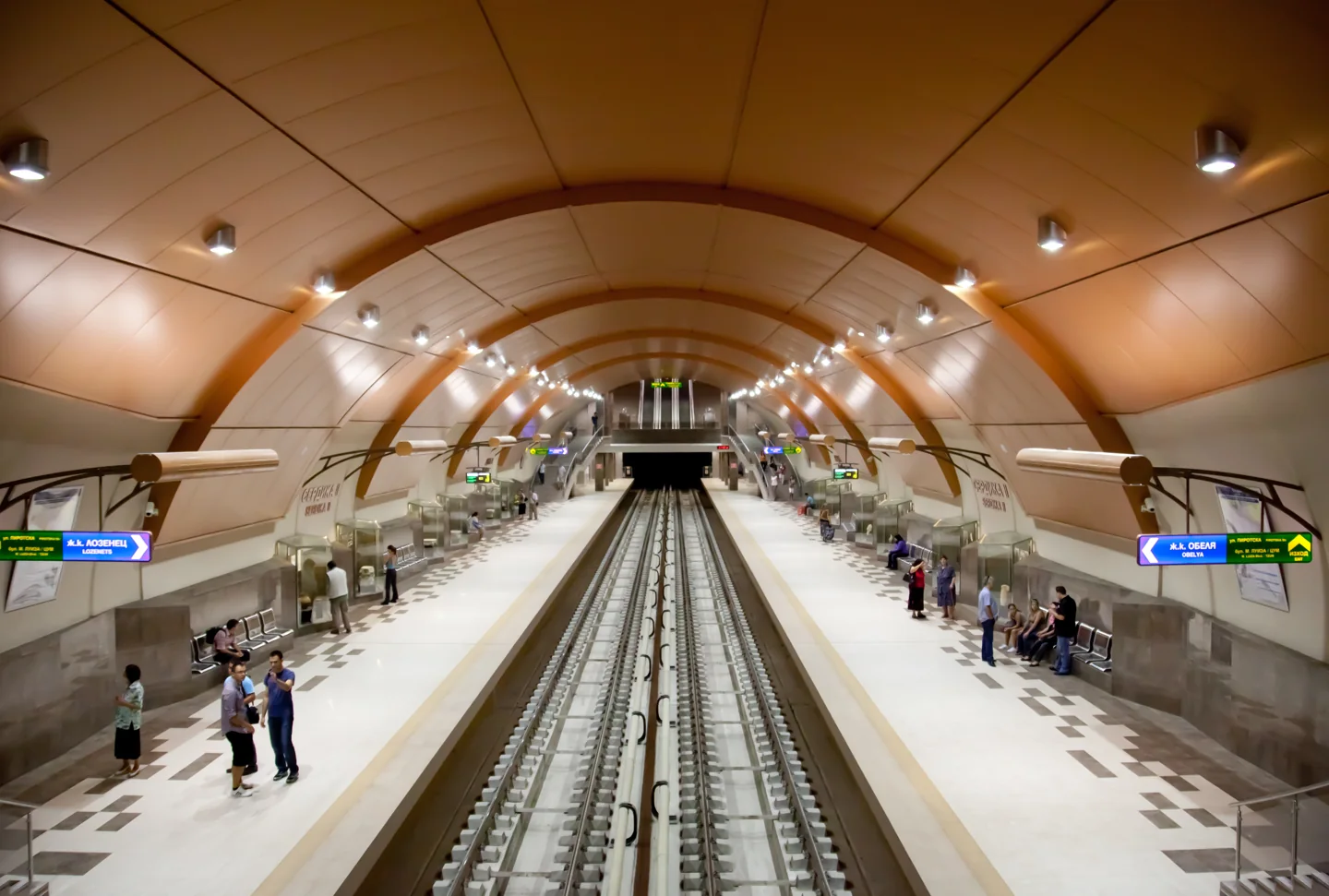
14Finish the first month and build an ordinary local routine
The first month is complete when you can repeat an ordinary week without rebuilding the arrangements each day. Choose a food shop, pharmacy, walking route and a recurring social activity near the home. Learn the Cyrillic spelling of your street, destination and nearest station; it makes signs and local correspondence easier to match.
- Week one: retain accommodation evidence, settle the applicable reporting and appointments, test payment access and organise your document folder.
- Week two: finish the rental handover, confirm utility-account responsibility and arrange school or faculty attendance.
- Week three: verify health entitlement or insurance claims access, identify the doctor and review the first bills against your budget.
- Week four: set residence-renewal reminders, identify the first tax filing, and check that every household member has the correct documents.
Use a named local place as the anchor for community: the school’s parent network, a university group, a language class or a regular activity around the Sea Garden or Kapana district. Ask about participation and meeting times rather than assuming a published listing guarantees an event or space.
Keep one live task list showing the responsible person, deadline and proof of completion. A permit receipt, school offer, bank account and insurance policy all have different expiry or follow-up conditions. Review the list whenever the employer, address or family circumstances change. The result is a move that works administratively and a neighbourhood where the household can settle into daily life.
Sources & further reading
Reviewed 13 October 2026. Sources are linked beside the relevant instructions. Visa requirements depend on your nationality and application location. Euro prices reviewed 13 October 2026 identify operator, service, place and applicable academic year or tariff date. Calculations and sample rent assumptions are labelled; there is no invented national monthly living-cost figure. Visa, card, insurance, removal and housing quotations remain separate. Photograph credits, licences and capture years appear with the images.
Browse the source directory
- Your Europe: health cover while living abroad
- ECB: Bulgaria joins the euro area on 1 January 2026
- ECB: Bulgarian cash changeover and exchange
- Plovdiv Municipality: Kapana neighbourhood
- Varna Municipality: Sea Garden
- Metropolitan: airport station and operating network
- MVR: EU citizen residence
- MFA: visas and consular application requirements
- MFA: central long-stay visa instructions
- European Commission: employed worker in Bulgaria
- State Gazette: June2025 immigration amendment
- MVR: consolidated Foreigners Act
- Sofia MVR: current residence purpose checklists and euro fees
- MVR: residence permits for third-country nationals
- Registry Agency: company, property and BULSTAT registers
- NRA: resident and non-resident taxation
- NRA: civil-contract income, declaration and advance tax
- Anglo-American School of Sofia: admissions
- AAS: 2026–27 tuition and fees
- Sofia University: 2026–27 incoming Erasmus applications
- Sofia University: visa and entry, updated17September2026
- Bulgarian Customs: transfer-of-residence personal property
- European Commission: current non-EU pet travel
- UniCredit Bulbank: foreign-client documents
- UniCredit Bulbank: individual client requirements and branches
- NHIF: current Health Insurance Act
- NHIF: foreign worker coverage after July2025 changes
- NHIF: international healthcare arrangements
- NHIF: initial GP registration forms
- Sofiyska Voda: tenant account-holder change
- Sofiyska Voda: pay by customer number
- Toplofikatsia Sofia:2026 heat prices
- Toplofikatsia Sofia: accounts and heat allocation services
- Yettel: current prepaid tourist eSIM
- Sofia Urban Mobility:30plus ticket and daily bank-card aggregation
- Sofia Urban Mobility: daily all-lines pass
Make your next step a practical one
Shortlist a city, confirm your residence route and build a budget before committing to a move.




