 Visa
Visa
Moving & Living - Burkina Faso - Complete Guide
A practical moving journey for an authorised stay in Burkina Faso: establish entry and work permission, organise schools and medical cover, then set up residence, banking, housing and services.
Photo credit
Ouagadougou combines administrative offices, campuses and neighbourhood services across a spread-out capital; Bobo-Dioulasso offers another urban setting around its commercial centre. An actual move depends first on an authorised purpose, current entry rules and workable arrangements with the host or employer. This guide follows those decisions through the residence file, a rental home, payments and everyday services, with optional education and retirement planning clearly separated.
Burkina Faso at a glance
- Currency
- West African CFA franc (XOF / FCFA)
- Starting point
- Nationality, authorised purpose and host arrangements
- Employment
- 2026 Labour Code: work permission and contract formalities are separate from entry
- Services
- Migration Division, DGI, CNSS, ONEA and SONABEL
- Current context
- Official advice against all travel; US visa suspension has limited exceptions
- Reviewed
- 13 October 2026
Follow your moving journey
Start at step 1, or jump to the task you are working on.
01Choose a base around your host, work and essential services
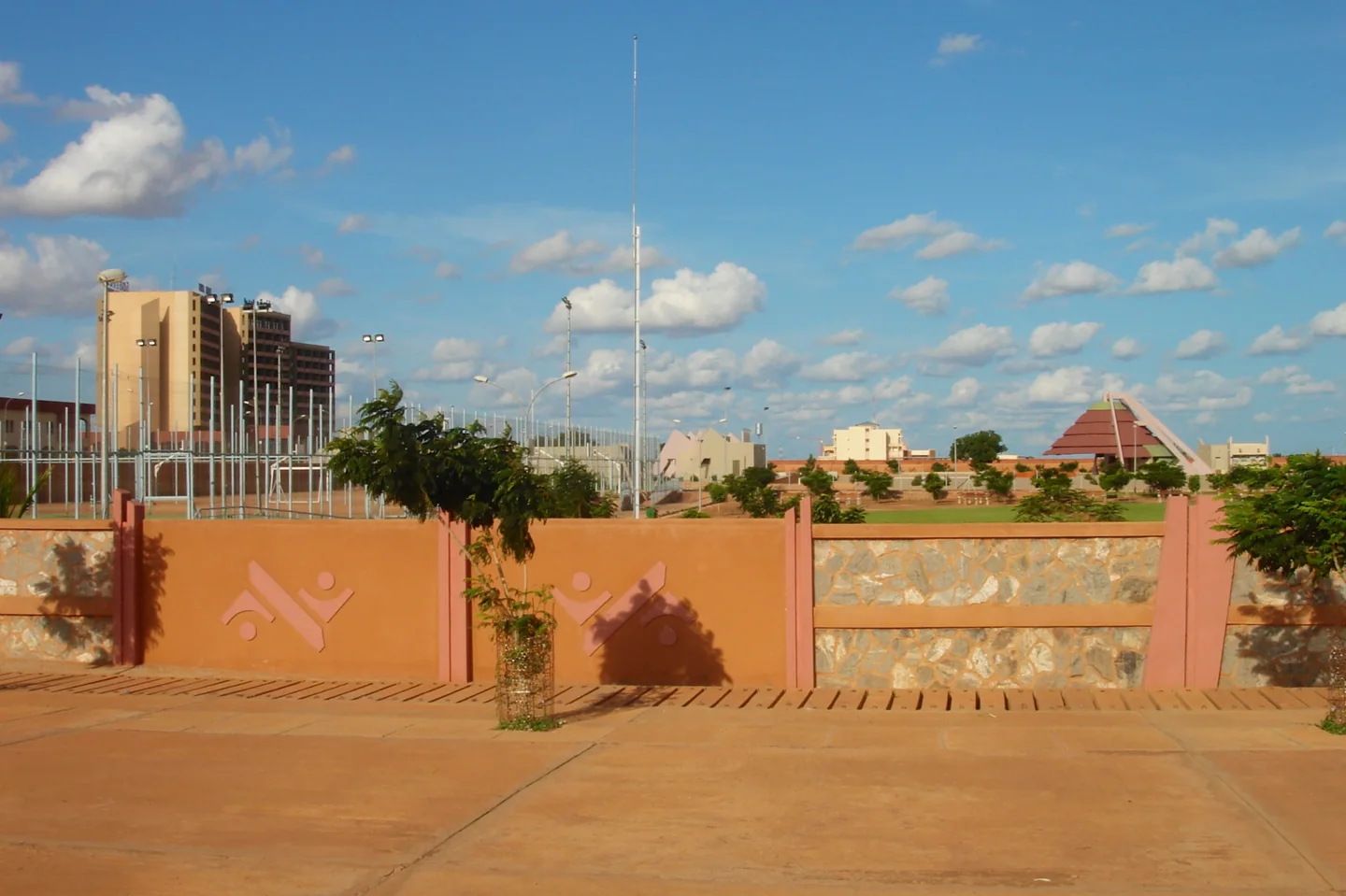
The first decision is whether the proposed stay can actually be supported. Current FCDO advice is against all travel to Burkina Faso. A relocation for an authorised assignment or family purpose needs arrangements for transport, communications, medical care and departure that work for that household. A neighbourhood name cannot establish those conditions.
| Base | Practical starting points | Decision to resolve |
|---|---|---|
| Ouagadougou | Ouaga 2000, the actual school or campus area, and streets connected to the workplace | Which home lets you reach the office, school and agreed medical provider using the transport arrangement available? |
| Bobo-Dioulasso | The commercial centre and the area specified by the employer or family host | Does the host have a workable local service and movement plan for the assignment, rather than merely a property to offer? |
Do not plan a city-comparison road trip as the way to make this choice. Ask the employer or host for current photographs, floor plans, an inspection by someone authorised to visit and an explanation of the journeys involved. For a household already locally resident, evaluate the exact property and the current movement conditions before changing address.
- List the places you must reach regularly, including the school and medical provider.
- Agree who provides transport and how changes or late arrivals are handled.
- Compare two suitable properties using water, electricity, communication and total rental costs.
- Arrange an initial base that can supply the accommodation evidence needed for immigration.
02Establish the entry permission and stay duration for your nationality
Start with the passport you will use and the reason for the stay. The Migration portal distinguishes recognised travel documents, visa or residence permission, health records and the return or repatriation arrangements needed at entry. An electronic application receipt is not an approval, and a visitor permission does not settle the separate employment question.
Two recent nationality changes need particular attention. The government’s September 2025 announcement waived visa fees for African nationals while expressly retaining the visa requirement where it applies. The US State Department’s current entry guidance says Burkina Faso suspended visas to Americans from 30 December 2025 with limited exceptions. The availability of an online form does not establish eligibility for an exception.
- Ask the competent mission or Migration Division which nationality provision applies to you and each dependent.
- Describe the exact purpose, intended arrival and departure dates, employer or host, and whether any work is involved.
- Obtain the category-specific checklist and complete the supporting documents before submitting the official eVisa application or the mission’s procedure.
- Check the permission issued for duration, number of entries and the conditions attached to it.
The French long-stay page describes a multiple-entry circulation visa whose total stays cannot exceed 90 days per semester. Longer visa validity therefore does not automatically allow continuous residence for its full validity. Establish the document that covers your actual planned residence.
Burkina Faso’s withdrawal from ECOWAS took effect in January 2025. Preserve the nationality and treaty conditions of any exemption; do not rely on a general statement that the country remains an ECOWAS member. For British citizens resident in the UK, FCDO entry guidance points to online applications or the Burkina Faso embassy in Brussels, rather than issuance in the UK.
03Complete the employer’s foreign-worker process before starting
The 2026 reform changes how a foreign employee should prepare. Under Article 42 of the new Labour Code, subject to treaty and other stated exceptions, an employer engaging a foreign non-resident needs prior public-employment-service authorisation and the worker needs the relevant work permit. In this provision, non-resident means a foreigner without a permanent residence permit; a temporary residence document does not by itself remove the requirement.
The contract has its own formalities. The code provides for the visa and registration of a foreign worker’s contract with the competent labour inspection service. For the fixed-term procedure, the employer requests and pays for the contract visa before execution. Foreign indefinite contracts also require the visa and registration, with renewal every two years. Immigration entry permission remains a separate document.
- Give HR the passport, qualifications, role and intended employment dates.
- Ask HR to identify any treaty exemption and supply the evidence supporting it, or complete the required authorisation and permit process.
- Review the written contract, salary, benefits, work location and employer-paid formalities.
- Obtain the appropriate completed contract and permission records, then agree the actual authorised start date.
The government’s explanation of the reform also recognises telework. That employment-law development does not create an immigration category for anyone working online. The visa pages reviewed here do not establish a separate digital nomad route; a foreign employer or remote service arrangement needs its actual immigration and labour treatment established before the move.
The public worker record-card service is listed as free, but that card should not be confused with the new work permit or the contract visa. Do not use its price as the cost of the whole foreign-worker process.
If you are setting up a business
Identify the business form and activity with an accountant before using a business-visit category as a relocation plan. The CNSS employer instructions explain the CEFORE joint registration process involving the tax administration, commercial registry, Chamber of Commerce and CNSS for the relevant employers. Prepare the entity’s registration and tax records, then complete the appropriate employer and worker files. Establish any activity-specific licence separately. Company registration does not by itself authorise your residence or personal work in Burkina Faso.
04Separate moving costs, household spending and payroll obligations
Keep the budget in West African CFA francs, shown as FCFA or XOF. Separate what the household pays from what the employer provides: accommodation, transport or medical support may be included in an assignment, while an independently rented home requires its own service arrangements.
| Initial move | Recurring household costs | What to obtain |
|---|---|---|
| Application and document preparation | Renewal and professional support where applicable | The applicable authority’s fee and the translator’s written quotation |
| Temporary accommodation, rental deposit, agency charge and delivery | Rent, water, electricity and any building or staff costs | The exact agreement and recent property bills |
| School application and enrolment | Tuition, meals, transport and support | The school’s invoice for the relevant year and grade |
| Travel, belongings, vaccinations and insurance | Food, communications, transport and medical cover | Household-specific quotations and service tariffs |
Hypothetical housing calculation: an offer with monthly rent of 250,000 FCFA, an agreed 500,000 FCFA deposit and a 125,000 FCFA agency charge would require 875,000 FCFA for those three items. These inputs are an example, not a national rental average or a rule about permissible deposits.
For a real service comparison, SOTRACO’s Ouagadougou table currently lists 200 FCFA for an ordinary ride and 10,000 FCFA for the regular monthly subscription. Forty such rides would cost 8,000 FCFA. This is a transport calculation for that tariff, not a household living-cost total or confirmation that a particular journey is appropriate under current conditions.
The French visa table and English visa table publish different amounts: for example, business long-stay fees appear as 231,000 and 187,000 FCFA respectively. Nationality fee waivers also matter. Obtain the applicable quote from the application service or Migration Division; the conflicting public tables cannot establish a guaranteed fee for your case.
For salary, establish who handles IUTS, the tax on pay, and social contributions. The DGI’s published tax-code explanation includes resident salary paid by a foreign employer; an overseas payer does not automatically remove local tax obligations. Keep the contract, benefit breakdown, payslips, arrival records and foreign tax evidence. Ask payroll or an accountant to apply the current law to the arrangement, including treaty treatment, rather than applying one percentage to all gross income.
05Obtain a school offer or the university’s actual admission decision
Ask a school about the child’s previous curriculum, language, year group and learning needs before choosing a home around it. Compare the actual daily transport arrangement as carefully as the curriculum. An admissions enquiry, a place in a waiting pool and a confirmed place are different stages.
The International School of Ouagadougou’s 2026–27 procedure starts with an enquiry, a campus visit or virtual discussion, and an interview with the relevant school leader. Submit the application, previous academic and support records, and the requested fee. New and transfer students are assessed; applicants outside Ouagadougou can arrange virtual testing through the school and their current institution. Admission depends on capacity and the school’s ability to meet the student’s needs.
Wait for the director’s admission and placement decision and the invoice. Agree payment with the Business Office before the child’s first day. Ask for the current year’s full charges, including any transport or support, rather than importing an older online tuition figure into the budget.
University applicants: use the institution’s own channel
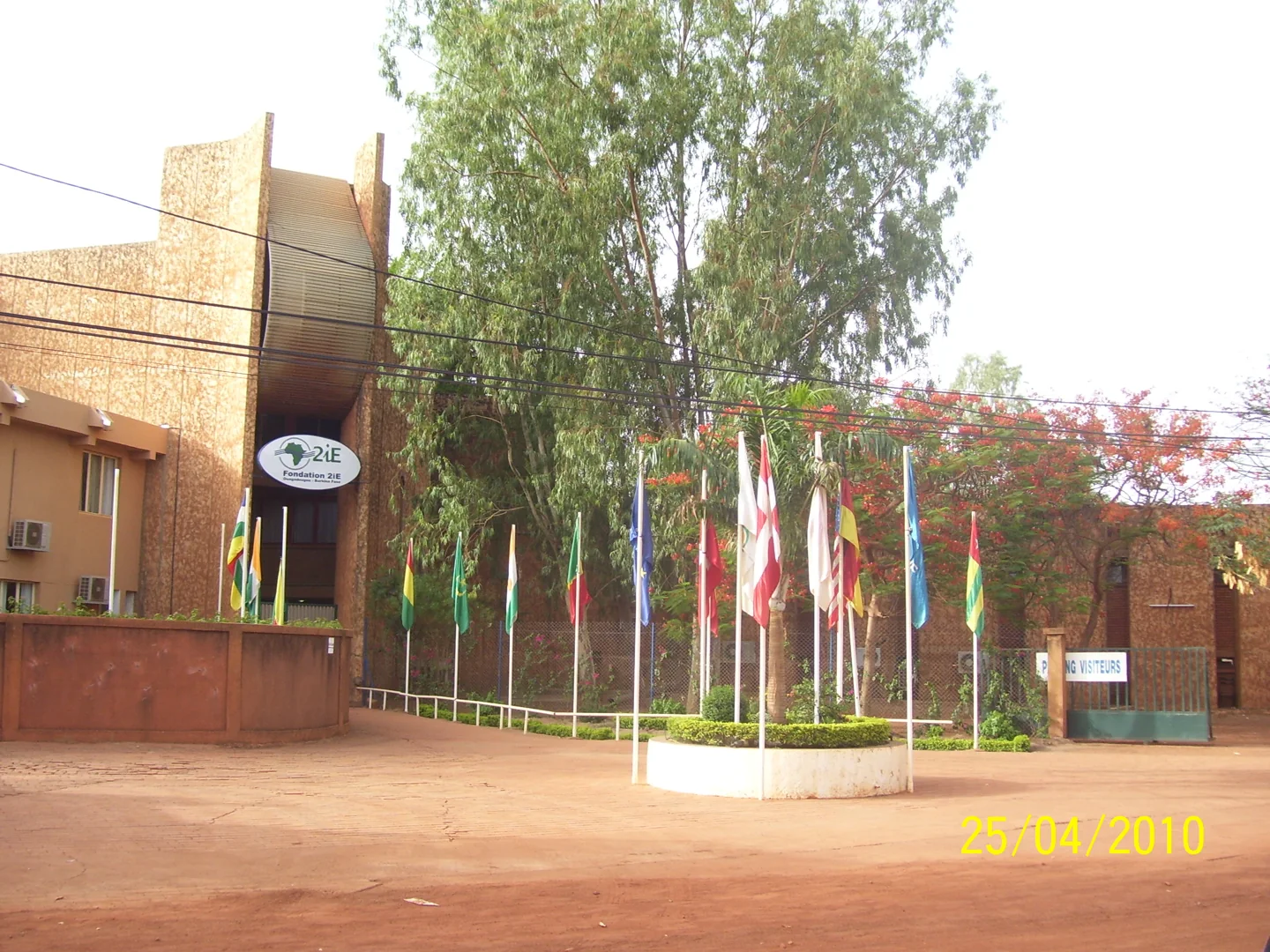
2iE’s registration instructions point to creating an account, completing the profile and submitting the application through DIGITAC. Choose the programme first, then obtain its qualification and document requirements from admissions. Track the decision in the actual portal; a profile is not proof of acceptance.
Request a current financial offer and confirmation of the assigned campus and accommodation. The published accommodation page includes figures introduced for 2015–16, so those amounts are not presented here as 2026 housing quotations. Admission, accommodation and immigration permission must each be completed for the intended stay.
06Resolve the residence basis and care arrangements before a retirement move
The official visa categories reviewed for this guide do not establish a dedicated retirement route with a published pension threshold. Do not assume that pension income, a house purchase or a lengthy visa validity creates an ordinary settlement right. Ask the Migration Division to identify the category and document that would cover the actual proposed residence.
- Describe the intended stay, citizenship, family connection if any, and source of pension or other income.
- Obtain the authority’s requirements for financial support, accommodation and the actual permitted stay.
- Discuss ongoing treatment, prescriptions and emergency transfer with the insurer and medical provider before committing.
- Prepare an income-transfer arrangement and a reserve for treatment or interruption to payments.
A family visit and family residence should not be treated as interchangeable. If a relative will host you, establish what that person must provide and whether the purpose covers your planned duration. Keep the written answer with the file so the family and bank can work from the same arrangement.
For someone with regular care needs, the relevant decision is whether the services can meet those needs in practice, with the required transport and funding. Use the Polyclinique Internationale de Ouagadougou as one named starting point for enquiries, and obtain a response about the specific condition rather than relying on a general list of specialties. Current circumstances and the household’s practical support belong in the retirement decision from the start.
07Prepare records, belongings and any pet shipment
Organise documents by recipient: Migration, labour inspection, employer, school, bank and insurer. Keep the passport spelling consistent across files, preserve originals and create legible scans. Ask the recipient which documents need French translation, certification or legalisation before paying for those services.
The long-stay checklist names the passport, application, purpose evidence, a medical certificate, support or sufficient-income evidence, health insurance and payment receipt. Photo requirements differ between the language versions of the portal; use the instructions provided for the actual application instead of assuming either public page is complete.
For belongings, prepare a valued inventory and the delivery address before the mover collects them. Burkina Customs’ tariff service is the starting point for classification. A general household-relocation duty exemption was not verified for this guide: ask Customs or the clearing agent to identify the treatment of the listed items, required evidence and charges before shipment. Separate freight, clearance, storage and delivery in the quotation.
Pets: prepare for the actual country of departure
For dogs and cats exported from the United States, APHIS publishes a Burkina Faso procedure and a bilingual health certificate. The certificate records veterinary examination and rabies vaccination details, including dates and validity, with the required veterinary signatures. Its stated validity is 30 days after issue. Work with the accredited veterinarian on endorsement and the travel dates; the pet certificate does not determine the human traveller’s entry eligibility.
For another origin or species, obtain the requirements from the competent veterinary authority and the carrier before booking. A rule for dogs and cats from the US cannot be applied automatically to other animals, and an airline’s carriage approval does not replace destination permission.
08Arrive with the right documents and an agreed first-day plan
Carry the application originals and entry approval in hand luggage, together with the host’s address and telephone number. Agree the collection arrangement before departure: who is meeting you, where you will meet and how to contact the host if the arrival changes. Keep the first day focused on reaching the agreed accommodation and preserving the documents needed for the next stage.
- Present the recognised travel document, permission and health evidence requested by border control.
- Complete the arrival information sheet accurately, using the actual address and purpose.
- Retain the permission, arrival record and any receipts issued.
- Reach the accommodation using the arranged transport, then obtain a booking or hosting record with the correct occupants and dates.
- Confirm a working telephone connection, accessible money and the appointment plan with the host or employer.
The Migration entry requirements include the health record and the applicable return or repatriation provision. British-citizen entry guidance specifically calls for yellow-fever vaccination evidence. Arrange that documentation through the appropriate medical service before travelling rather than expecting an airport arrival to resolve it.
Obtain the exact address details the local offices use. A postal box, a neighbourhood name and the physical property address serve different purposes. Ask the host to write the arrondissement, sector, street or property references and useful landmark consistently, then use the required version in applications and service requests.
Make a short first-week folder containing passport copies, entry evidence, the host or lease record, insurance and the employment or admission documents. Establish which office receives each part of the file, and leave time for copies or a corrected document.
09Complete the local residence and employer records
Use the Migration Division’s residence instructions to establish whether the stay is covered by the issued visa, a residence permit or another title. Accredited diplomatic and international-organisation personnel and eligible accompanying family members have a distinct Foreign Affairs document process; do not substitute an ordinary visitor application for the sponsor’s procedure.
- Present the passport, entry evidence, purpose and accommodation documents required for the actual category.
- Retain the application receipt and note requests for further evidence or collection.
- Check the name, duration and conditions on the document issued before using it with other services.
- Give the employer, school or bank the updated evidence where required.
If changing your effective residence, the portal requires prior declaration to the migration-control police at least 72 hours before the change, with a declaration receipt. Build this into the transition from temporary accommodation to the rental home. The declaration is not something to leave until after the old accommodation has been vacated.
For employees, CNSS worker registration is the employer’s responsibility; its instructions describe submission within the month following hiring and delivery of the registration card through the employer. Ask HR for the record and check the details. eCNSS supports the relevant online services, while DGI’s fiscal-document portal provides a separate channel for tax evidence.
A residence document, the CNSS number and a tax identifier are separate records. Ask payroll or DGI which registration is needed for your income or business activity, rather than creating unrelated applications because another expatriate used them. For residence renewal, the official renewal instructions direct the person concerned to attend the Migration service in person; start preparation before the present permission expires.
10Set up a bank account and a registered payment wallet
Banking is easier when the documents show the same name and address. BOA Burkina Faso’s current-account page lists applicants aged 18 or older, a recent identity photograph, valid identity-document copy, proof of address in the applicant’s name and a minimum amount determined by its current bank conditions. The public page does not supply that minimum; obtain the current terms from the branch instead of using an older tariff PDF.
- Contact the branch with your nationality, residence document and intended account use.
- Ask which proof of address it accepts if the home’s utility account remains in the landlord’s name.
- Bring the originals and requested income or employment evidence, then review the account and card charges.
- Activate access and test a small deposit, withdrawal or transfer before relying on the account for salary or rent.
For BOAweb, the bank describes a separate branch subscription and signed terms for an existing customer. Confirm the telephone and contact details used for access, and keep statements available for immigration or other financial evidence.
Orange Money’s Burkina Faso instructions describe opening at an Orange shop or approved agent with valid identification, including a passport. Opening is free, and the stated minimum initial deposit of 200 FCFA is credited to the wallet rather than taken as an opening fee. The wallet can pay bills such as ONEA and SONABEL, subject to the actual service and transaction charges.
Confirm the recipient or customer number before authorising a payment, retain the confirmation and test with a small amount first. Keep the PIN private. If the telephone or SIM is lost, the operator directs customers to its assistance service to block the account and arrange recovery.
11Agree the rental terms and document the property handover
Ask for a written bail, or lease, and clarify loyer, rent, separately from the deposit or caution. A furnished offer may still leave transport, internet, electricity or water outside the price. Record what is included instead of relying on the agent’s verbal description.
- Confirm the owner’s or representative’s authority to let the exact property.
- Inspect the home through the agreed local arrangement, including doors, screens, water supply, drainage, electrical installation and cooling equipment.
- Agree the duration, rent date, advance payment, deposit deductions and return, notice, repairs and agency fee.
- Establish who holds each utility account and who pays any earlier balance.
- Record meter readings, furniture, equipment, existing damage and keys in a signed handover document with photographs.
Ask how the property handles interruptions to supply: what equipment is installed, who maintains it and which costs the household pays. A generator, storage tank or backup connection mentioned in an advertisement needs an actual inspection and explanation. Have a qualified person assess equipment you do not know how to operate.
The landlord’s paperwork also matters for services. ONEA’s tenant subscription procedure uses a landlord-signed joint-guarantee form legalised by the competent authority. Arrange the owner’s cooperation as part of the lease discussion, not as a surprise after the deposit is paid.
Record the physical property references alongside the mailing address. Use the agreed address in the advance immigration declaration and in service applications, and keep the old and new handover dates clear so charges can be assigned to the correct period.
12Arrange treatment access, insurance and medical transfer
Before committing to the stay, give the insurer the country, duration, purpose and current travel-advice context. Obtain confirmation of cover for the actual itinerary and activities, ongoing conditions, local treatment and medical evacuation. A policy that exists on paper may exclude a proposed assignment or travel against official advice.
The FCDO healthcare guidance describes very limited facilities and the need for medical-evacuation arrangements and accessible funds. Use that information to plan care with the clinician and insurer before travelling, particularly for pregnancy or a condition requiring regular treatment. Arrange vaccination and malaria-prevention advice through a qualified professional.
- Identify a provider able to discuss the specific care needed and the route from the home.
- Ask the insurer whether it pays that provider directly or requires an initial payment and reimbursement.
- Obtain the emergency assistance number and the steps for authorising transfer.
- Carry prescriptions and a concise medical history, then agree how medicines and follow-up will be supplied locally.
The Polyclinique Internationale de Ouagadougou in Ouaga 2000 publishes general consultations and several medical and surgical services. Contact it about the actual appointment, clinician, current fee and insurance arrangement. A provider’s insurer-logo list does not confirm that a particular policy pays for a particular consultation.
FCDO lists 18 for an ambulance request in Ouagadougou and 112 outside the capital, while noting that a response may not be available. Keep the host’s alternative medical-transport plan alongside those numbers. Ask the employer which benefits are supplied separately from CNSS registration; a social-security record is not a substitute for confirmed treatment and evacuation cover.
13Connect the home and choose workable communications and transport
For mobile internet, Orange’s subscription instructions point to Maxit and the relevant USSD package menus. Choose the package by data allowance, validity, eligible hours and renewal terms, then confirm the balance after activation. Its public dynamic catalogue did not provide a verifiable current monthly price during this review, so older statistical figures are not used as current offers.
For home internet, use the Orange fibre eligibility service with the precise property location. Confirm installation, equipment, power needs and the contract before paying. Test the work connection and its backup from the home rather than assuming a coverage-map colour guarantees usable service.
Water connection and subscription are different tasks. ONEA asks a tenant seeking a subscription for identity evidence, the relevant old invoice or completed-connection documentation, the legalised landlord guarantee and the applicable consumption advance and ancillary charges. Its published 2,000 FCFA connection-quotation charge is only for preparing the quotation, not the price of installing water at a home.
Likewise, SONABEL’s electronic counter separates connection, subscription, index submission and other requests. Obtain the existing account and meter information from the landlord and use the appropriate service. Do not pay for a new connection if the actual task is arranging supply through an existing one.
Choose transport for the actual permitted journey
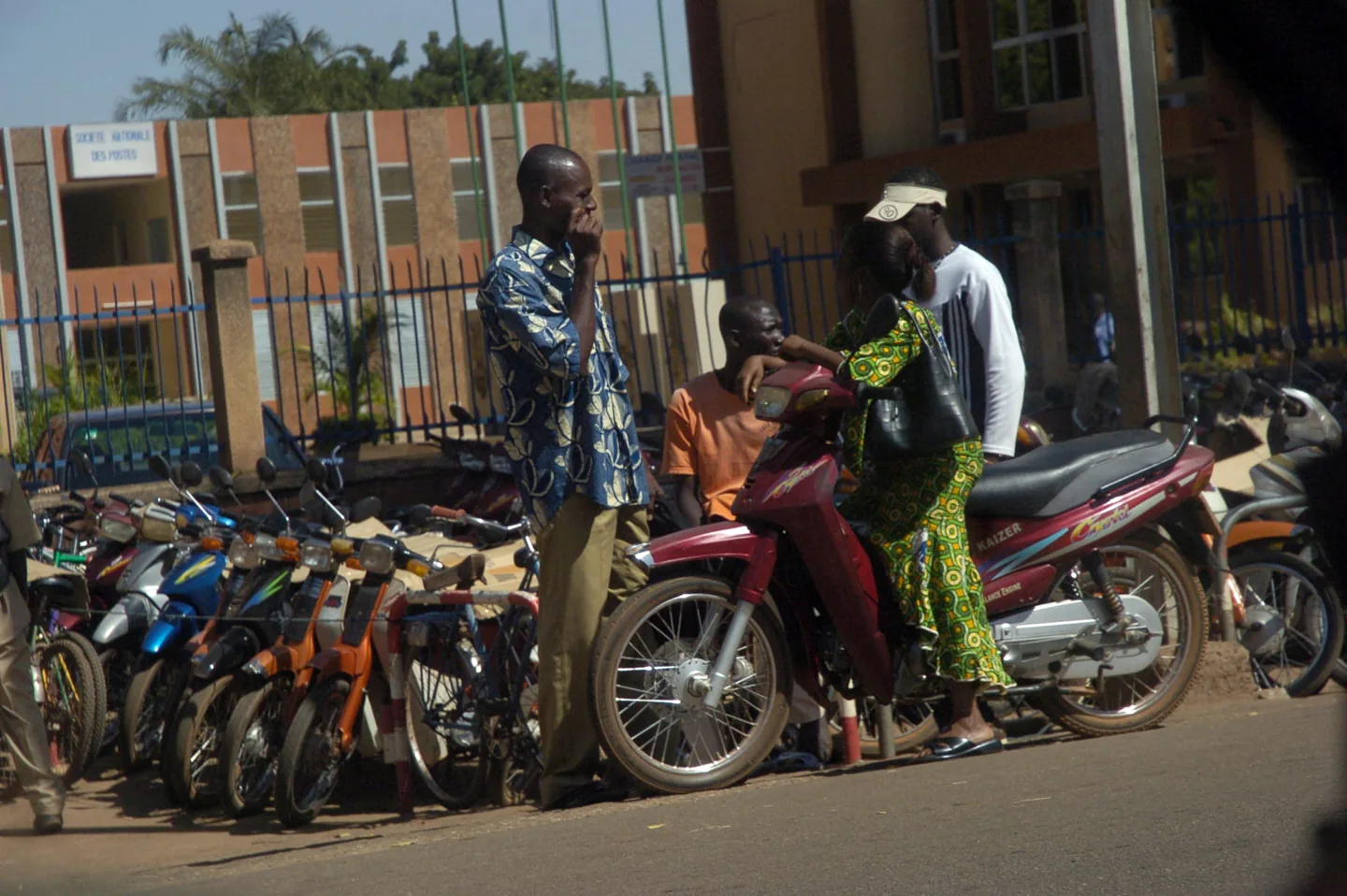
Use SOTRACO’s city network information to discuss a particular route with the host; its tariffs and subscriptions differ between cities and ordinary and intercommunal services. Compare the selected product against the number of journeys you will actually make. Where the assignment supplies a driver or transport, establish the booking, waiting and out-of-hours procedure instead.
14Close the first-month tasks and build a repeatable routine
Close the outstanding tasks by checking evidence, not by counting how many appointments you attended. A receipt, an approval, an issued document and an activated service show different stages. Keep one task list naming the person responsible, deadline and document that proves completion.
- Week one: retain entry and accommodation records, confirm communications and accessible funds, and attend the relevant first appointments.
- Week two: complete the residence file, work records where applicable, school decision and documented rental handover.
- Week three: test payments, review utility responsibility and confirm the medical and insurance arrangements with the actual provider.
- Week four: review the first bills, set renewal and tax reminders, and resolve missing documents for each dependent.
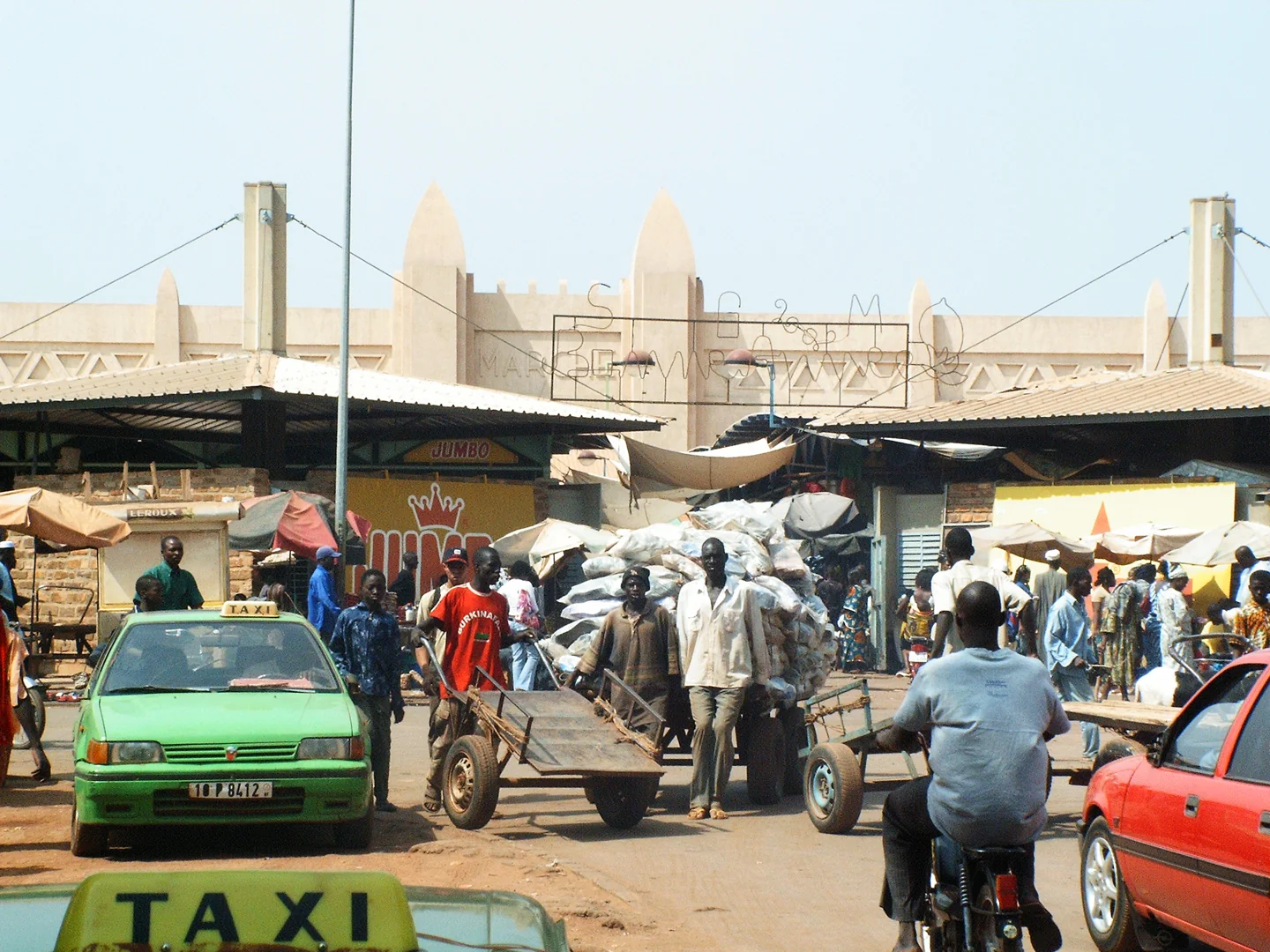
Ask the school’s community office, the employer or the university about regular activities compatible with the local arrangements. Establish a food-shopping routine, pharmacy contact and a practical way to obtain household supplies. Photographs of a market provide context; they do not confirm present access or mean the household should travel there.
If hiring a cleaner, guard, cook or driver directly, establish the employment conditions and the relevant household-employer CNSS registration. Those responsibilities differ from buying a service from a registered company. Keep the agreement and payment records with the household file.
Review the departure or assignment-end plan alongside renewals. Decide who closes service accounts, returns the home, records final readings and supplies employment documents. Setting those responsibilities early makes the eventual transition more orderly, while keeping the present routine focused on the actual stay.
Sources & further reading
Reviewed 13 October 2026. Sources are linked beside the relevant instructions. Entry, stay duration, employment and international-organisation status are separate questions; nationality and treaty exceptions must be retained. Prices identify the named service and were reviewed 13 October 2026. Visa portal French/English tariffs conflict and nationality fee exemptions apply; the guide reports the uncertainty rather than a guaranteed fee. Older 2iE housing figures are not current quotations. Calculations and hypothetical rent inputs are labelled, not national living-cost averages. Photograph credits, licences and capture years appear with the images.
Browse the source directory
- FCDO: current Burkina Faso travel advice
- US State Department: entry restrictions and travel advisory
- Visa Burkina: border entry documents
- Visa Burkina: residence and address changes
- Visa Burkina: French long-stay instructions
- Visa Burkina: conflicting English long-stay page
- Government: visa fee waiver for African nationals
- Official eVisa applicant portal
- Visa Burkina: in-person renewal service
- ECOWAS: withdrawal and interim arrangements
- FCDO: British-citizen application location and yellow fever evidence
- Government: May2026 Labour Code changes
- Labour Code2026: promulgation and scanned legal text
- Service Public: worker record card
- CNSS: employer and household-staff registration
- CNSS: registration of a worker
- CNSS electronic services
- DGI: tax code explanatory text
- DGI: current fiscal-document services
- International School of Ouagadougou:2026–27 admissions
- 2iE: registration procedure and official portal
- 2iE DIGITAC application service
- 2iE: fees and accommodation directory
- BOA Burkina Faso: current-account documents
- BOA: activate online banking
- Orange Burkina Faso: wallet opening and bill payments
- Orange: activate a mobile internet package
- Orange fibre: test the actual address
- ONEA: water connection and tenant subscription
- SONABEL electronic service counter
- SOTRACO: city tariffs and network information
- FCDO: healthcare and medical evacuation
- Polyclinique Internationale de Ouagadougou
- APHIS: dogs/cats exported from the US to Burkina Faso
- APHIS: bilingual US dog/cat health certificate
- Burkina Customs: tariff and classification service
Make your next step a practical one
Establish the authorised basis and the host’s practical arrangements, then complete the document and household-service tasks for that actual stay.




