 Visa
Visa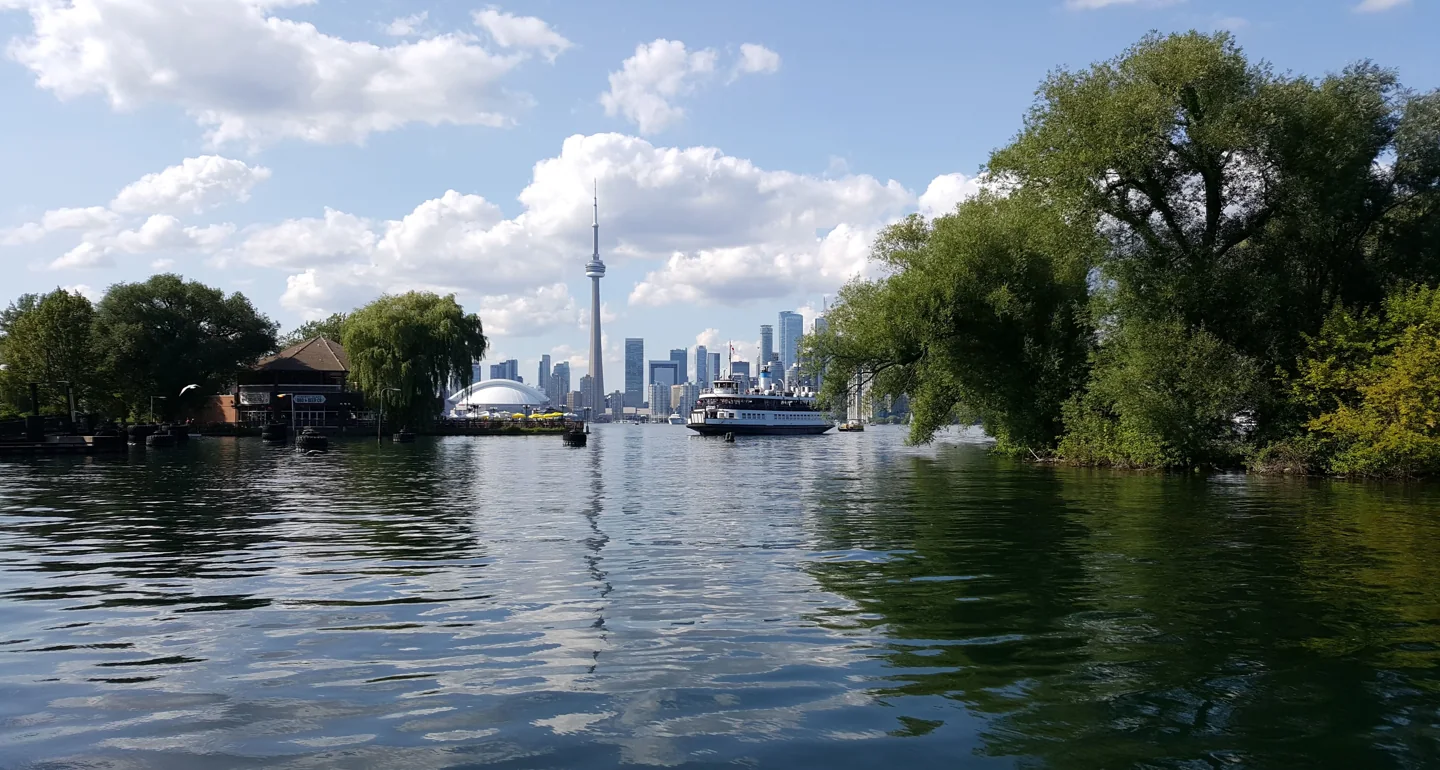
Moving & Living - Canada - Complete Guide
Plan a move to Canada in fourteen practical steps: choose a province, arrange immigration and work, budget for rent, enrol students, complete SIN and health applications, and establish everyday services.
Photo credit
Moving to Canada starts with a province as much as a country. A Toronto subway commute, a Montréal apartment with exterior stairs, a Vancouver neighbourhood near SkyTrain and a Calgary home along the CTrain produce different budgets and paperwork. Federal immigration permission opens one part of the journey; provincial health, school and tenancy rules shape the household you establish afterward. Follow this sequence from choosing a realistic base to completing the first month’s registrations.
Canada at a glance
- Money
- Canadian dollar · CAD; published prices may exclude sales tax
- Immigration
- IRCC handles federal permission; Québec selects its own skilled workers
- Work and tax number
- Social Insurance Number · SIN; not a general public identity document
- Healthcare
- Provincial or territorial eligibility and registration
- Housing
- Use the tenancy rules for the province where the home is located
- Reviewed
- 13 October 2026
Follow your moving journey
Start at step 1, or jump to the task you are working on.
01Choose the province, then test the neighbourhood
Choose your province before arranging a long lease. It determines the health plan, school board and tenancy rules you will use. It can also be part of your immigration commitment: a provincial nominee should plan around the nominating province, while Québec has its own selection system. A national shortlist should therefore begin with your actual route and job or programme, rather than a ranking of attractive cities.
| Starting point | Neighbourhoods to investigate | Practical test |
|---|---|---|
| Toronto, Ontario | Danforth, the Junction, or an address near the actual workplace | Try the TTC connection and school journey; distinguish Toronto from another Greater Toronto municipality |
| Montréal, Québec | Plateau-Mont-Royal, Rosemont or Verdun | Inspect stairs, heating and métro access; establish the household’s school-language arrangements |
| Vancouver, British Columbia | Grandview–Woodland, Mount Pleasant or another area serving your job | Test the bus/SkyTrain journey and the appropriate school-district boundary |
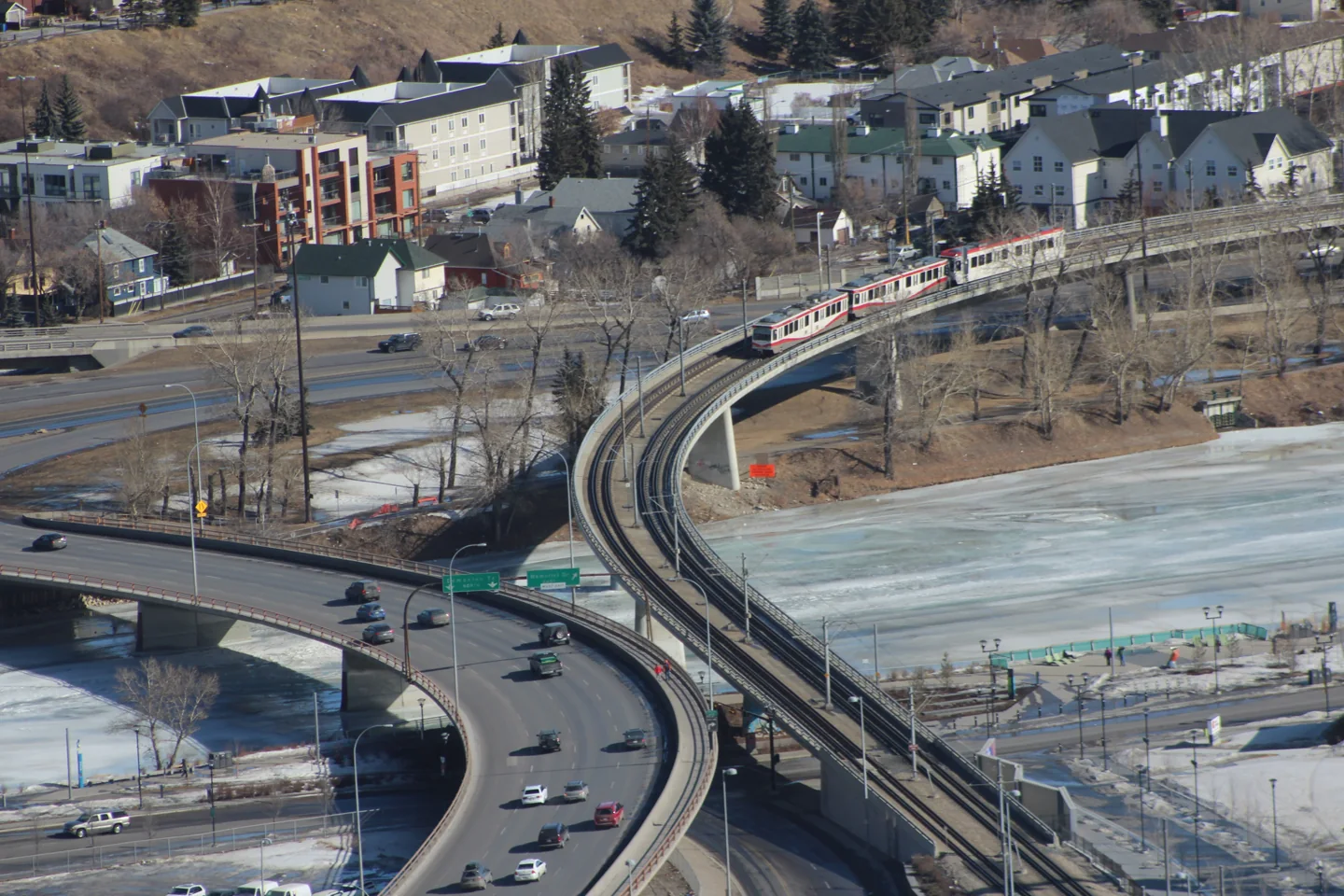
| Calgary, Alberta | Beltline, Bridgeland or a neighbourhood near a CTrain station | Measure the whole door-to-door trip, including walking to the station in winter |
These are useful viewing areas, not guarantees of affordability or school places. For each candidate address, note the municipality, postal code, transit stops, nearest groceries and work travel time. Try the route at the hours you will actually travel. A home in Burnaby is not registered through the City of Vancouver’s school process simply because both are in Metro Vancouver.
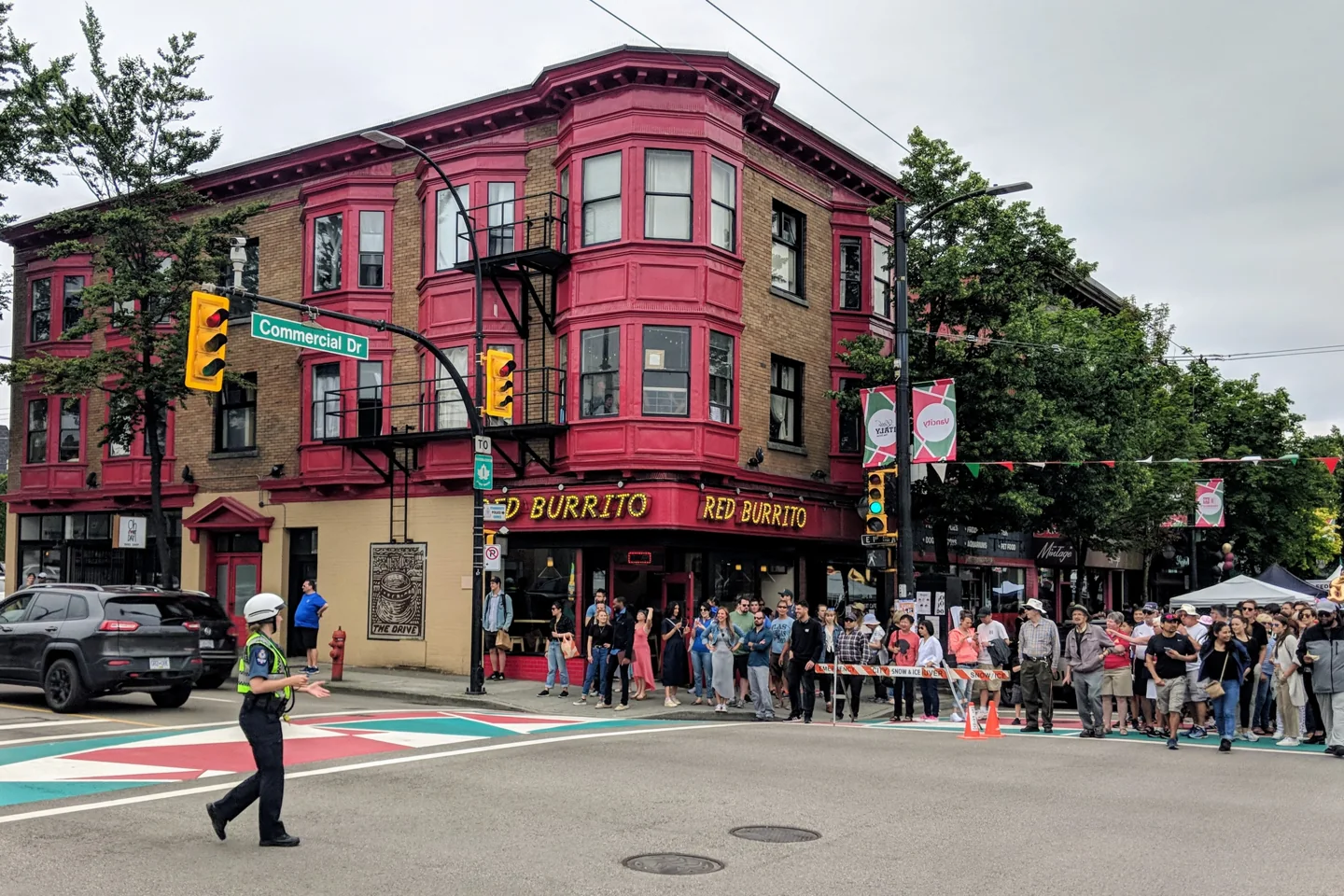
Use a winter version of the shortlist: space for wet coats, safe steps, dependable heating and a route you can manage after snow or heavy rain. The City of Vancouver’s transport information places Commercial Drive in Grandview–Woodland; investigate the actual routes serving the property. Other cities have different local services. Keep the shortlist to two or three realistic addresses until the employment, school and permission decisions are clear.
02Choose the immigration route and submit the right file
Separate three questions: what allows you to travel to Canada, what allows you to remain there, and what allows you to work or study. A visitor visa or eTA does not provide a general settlement or employment permission. Use IRCC’s nationality and travel-mode service for the travel-document decision; air, land and sea requirements can differ.
For a skilled permanent move
- Compare your eligibility under Express Entry’s three programmes and the destination province. Arrange the applicable language test and educational assessment before entering results in a profile.
- Follow the official profile process using your own account. Keep employment dates, duties, qualifications and household details supported by documents.
- A pool profile is not an approved residence application. If invited, use the permanent-residence application instructions: complete the form, upload the personalised checklist, pay and submit within the invitation’s 60 days.
- Keep the submission receipt and respond to biometrics, medical or document requests through the authorised channel.
Settlement-funds requirements depend on the programme. Federal Skilled Worker and Skilled Trades applicants generally need funds; Canadian Experience Class applicants have an exemption, as can authorised workers with a valid job offer meeting the conditions. Follow the household-counting rules, including qualifying family members who are not coming with you. A property valuation or borrowed money is not a substitute for accessible settlement funds.
For provincial nomination, start with the province’s actual stream and then its specified Express Entry or non-Express Entry federal process. For Québec skilled-worker settlement, PSTQ uses an Arrima expression of interest, possible invitation and selection application; the Québec selection certificate leads to the separate federal stage. Choose the correct pathway before making promises about where you will settle.
03Arrange lawful work and recognition of your qualifications
For an employer-specific temporary move, the employer acts first. IRCC’s employer-specific instructions explain the LMIA or exemption decision and the documents the employer must give you. Ask for the signed offer, job location, duties and the relevant LMIA evidence or exemption-related offer number. Confirm who is handling the employer stage before paying for your own application.
Use the current outside-Canada work-permit process when that is your application location. An open permit has its own eligibility category; it is not a general alternative that every accompanying spouse can choose. Read the eventual permit’s employer, occupation, location, conditions and expiry together. A new job offer alone does not change existing employer-specific conditions.
Before accepting a regulated role, use Job Bank’s foreign-candidate and credential tool with both the occupation and province. Contact the listed regulator about assessment, examinations and supervised practice. An immigration educational assessment and professional registration answer different questions. Keep original degree records and employment references available so that the regulator can assess the actual qualification.
Remote work has a specific, limited treatment. IRCC’s 26 May 2026 digital-nomad instructions permit qualifying foreign remote work under visitor status for up to six months at a time. Prepare evidence that income is entirely outside Canada: employer contract and payslips, or foreign-client contracts, invoices, registration and bank records. Remain a genuine visitor; Canadian-market work needs the appropriate permit or a recognised exemption. Each accompanying family member needs their own status. This is not a separate permanent-residence programme.
For a corporation, the government registration sequence covers incorporation, CRA business/tax accounts, any extra-provincial registration and licences. Resolve your own work permission separately. The federal Start-Up Visa programme is paused for new applications at review; incorporating a company does not reopen it.
04Fund the initial move and calculate the monthly household cost
Use Canadian dollars and distinguish an application charge, a refundable deposit and funds you must demonstrate but retain. Each affects available cash differently. Add flights, temporary accommodation, shipping, translations, medical examinations, school deposits, insurance, furniture and winter clothing using actual quotes. Include applicable sales tax when comparing a displayed service price with the amount payable.
| Verified item | CAD amount and scope | Source |
|---|---|---|
| Economic permanent residence | 1,590 per principal adult, including 990 processing and 600 right-of-residence fee; dependent-child fee differs | IRCC fee list, modified 21 September 2026; April 2026 increase |
| Temporary applications | Work permit 155; eligible open-permit holder charge additional 100; study permit 150; biometrics 85 per individual when required | IRCC fee list |
| Two-bedroom asking rent | Vancouver metro 3,030; Toronto metro 2,650; Calgary metro 1,890 monthly | Statistics Canada, Q2 2026, released 9 September 2026 |
| Mobile plan example | Public Mobile displays 35 monthly for a Canada-wide 50 GB plan; applicable terms and tax affect checkout | Operator’s current plan page, reviewed 13 October 2026 |
The rent figures describe metropolitan two-bedroom listings, not every neighbourhood, an available apartment or what existing tenants pay. Use them to test a shortlist, then replace the number with a quote for the exact unit. Keep rent, heat, electricity, internet, groceries, transport, childcare, insurance and debt payments as separate recurring rows.
Hypothetical worksheet: a household entering 2,650 CAD rent, 250 utilities/internet, 70 for two phone plans, 900 groceries, 300 transport and 200 insurance would total 4,370 CAD monthly. Only the stated arithmetic is being illustrated; the non-rent entries are assumptions, and childcare, tuition, car costs and tax are excluded. This is not a national living-cost estimate.
CRA distinguishes tax residence from immigration status. Record when you establish residential ties and retain foreign income and asset records. The normal return deadline is 30 April of the following year; self-employed filing can run to 15 June, with payment obligations needing separate attention. Québec residents also file provincially. Get advice on the arrival year rather than applying a simple “183 days” rule to every household.
05Choose schools and arrange the study-permit dependencies
For children, ask the relevant school board which status and address evidence apply before choosing the rental. Public funding and placement are household-specific; a visitor’s child and a child accompanying a qualifying worker may enter different processes. Bring birth and guardianship records, reports, immigration documents and vaccination information.
Toronto District School Board’s 2026/27 registration begins online, with age evidence and address documents from its two required categories. Its non-resident admissions office handles relevant work, study and visitor categories before school registration. Ask about the proposed start date, English-language assessment and support needs. For Early French Immersion beginning in September 2027, the published application window is 2–27 November 2026; regular registration does not automatically obtain an immersion place.
In Vancouver, use the school board’s registration service, then book the document-verification appointment supplied in the confirmation. The July 2026 checklist requires an actual City of Vancouver residence, a whole long-term lease plus additional residence proof, the child’s original birth record and the parent’s and child’s status papers. For its listed work-permit funding category, the board names a one-year-or-longer permit and employment for at least one year and 20 hours weekly. Have the registrar assess your category rather than assuming any permit is enough.
For university study
Use the institution’s own admissions requirements and application. As a concrete starting point, UBC’s 2027 cycle opens in early October 2026 through its application portal. The published general deadline is 15 January 2027 at 23:59 PST; International Scholars applicants have the earlier 15 November 2026 deadline. Programme and document requirements still apply.
After the offer, assemble the study-permit file. Use IRCC’s PAL/TAL decision tool: public-DLI master’s and doctoral degree programmes have the specified exemption from January 2026, while Québec commonly still requires a CAQ. Applications from 1 September 2026 require a single applicant outside Québec to demonstrate 23,448 CAD annual living funds, plus tuition and travel. Do not plan to meet that requirement through future Canadian work.
06Establish a genuine basis for a pension-funded stay
Canada does not offer a general retirement permission simply because someone has reached pension age or can purchase a home. Decide whether you qualify through an actual permanent-residence category or intend a temporary family visit. Keep those plans separate: a long permitted visit is not permanent residence and does not supply the same provincial health entitlements.
For eligible parents or grandparents, the super-visa route requires a qualifying adult child or grandchild living in Canada, the required income, invitation and relationship evidence. The applicant applies from outside Canada, takes the required medical examination and provides qualifying private health insurance valid for at least a year from entry. The route allows the specified extended visits but remains temporary. Have the insurer and host work from the current conditions for your application; a generic travel-policy quote is not necessarily suitable.
Build a pension file showing payer, award, payment currency, tax withholding and proof-of-life procedures. Ask the payer whether Canadian residence changes any condition. Establish how the income reaches the Canadian account and what happens when an annual confirmation is due while you are travelling.
Do not budget for an automatic Canadian pension on arrival. Service Canada’s OAS guidance generally requires at least ten years’ Canadian residence after age 18 for someone applying while living in Canada, with different full-pension rules and possible help from international agreements. Have Service Canada assess relevant prior residence and treaty history rather than assuming that a residence card creates entitlement.
Choose a home around the care and transport you can actually use. Inspect exterior stairs, lifts, winter access and room for mobility aids. Obtain private-cover quotations before the move if provincial eligibility is unresolved. Keep annual insurance renewal, pension correspondence and permission expiry on one household calendar.
07Prepare records, goods-to-follow lists and pet paperwork
Carry passports, permission documents and the evidence needed at arrival in hand luggage. Keep civil-status and guardianship documents, qualifications, employment letters, school reports and medical summaries organised by person. Arrange the translation or certification required by the receiving authority; an untranslated record may be acceptable in one file and insufficient in another.
Request driving-history documents before leaving if you may seek a local licence. Obtain the insurer’s claim-history record separately. Keep usable copies of prescriptions and a clinician’s summary, then have the relevant import and dispensing rules confirmed for any medication travelling with you. Do not ship important identity records inside a delayed freight consignment.
CBSA’s relocation guidance tells qualifying movers to prepare two copies of an inventory divided into goods accompanying them and goods to follow. Record values, makes, models and serial numbers where relevant. The officer’s BSF186 record and receipt are needed for later clearance; goods shipped later should appear on the original list. First-time settlers intending residence for at least a year and returning residents have different ownership/use conditions. Do not apply the returning-resident six-month rule indiscriminately to a first-time settler.
Ask the mover to quote customs clearance, storage and delivery as well as freight. Obtain the broker’s written treatment of vehicles, commercial tools and any controlled goods. Customs relief does not itself establish that an item meets another department’s import requirements.
For pets, use CFIA’s actual import decision tool before booking transport. Select species, purpose, age at arrival, country of origin and whether the owner accompanies the animal. Work from the resulting requirements with the departure veterinarian and airline. Adoption or resale can fall into a different category from moving your own pet, and dog age changes the questions. Keep the resulting instructions and required originals with the animal; do not substitute a single generic health certificate for the tool’s answer.
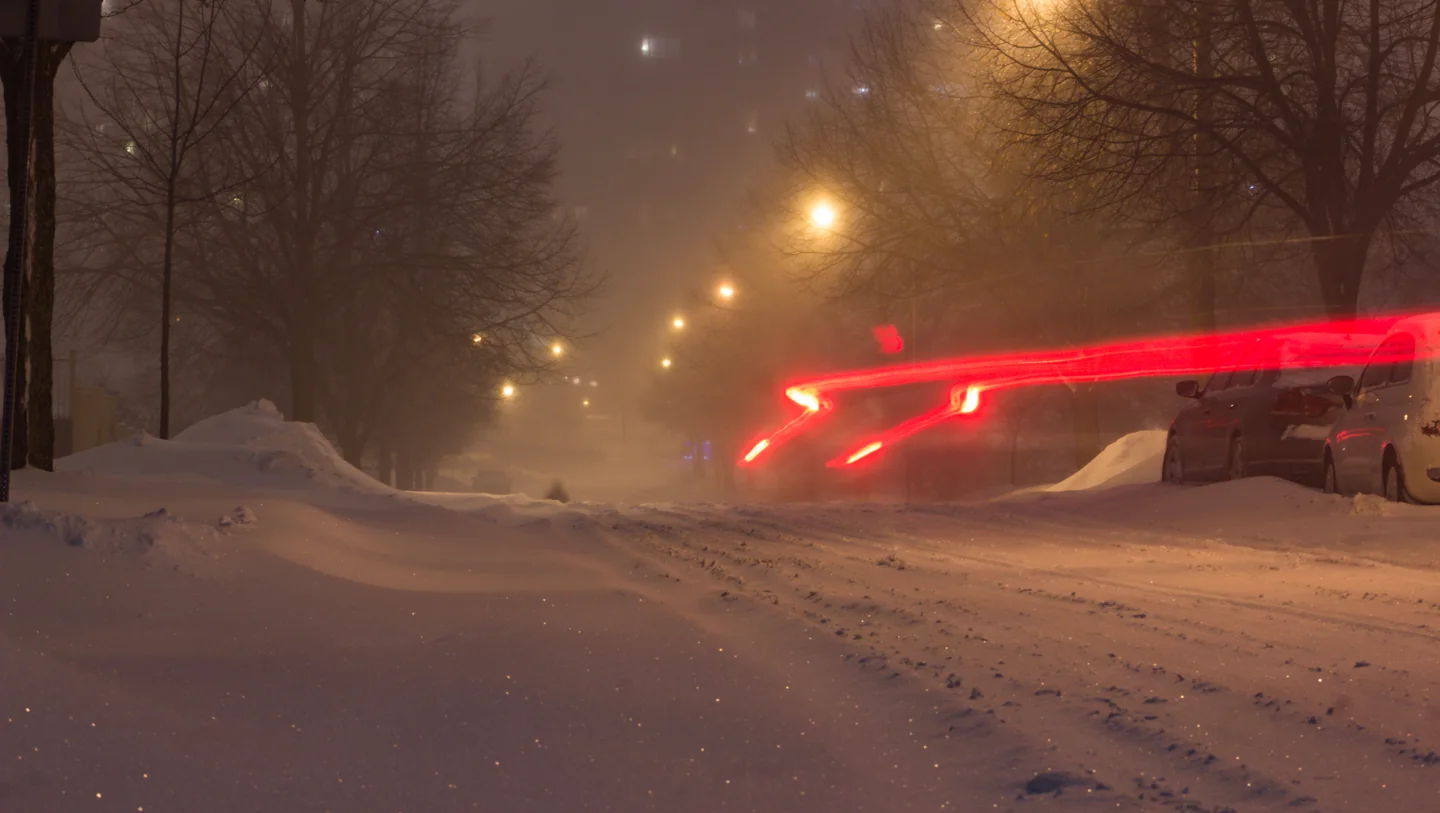
Prepare the home and commute for the season you are entering. Obtain suitable footwear, learn the building’s snow and ice arrangements and leave time for disrupted journeys. The Toronto photograph records a particular 2019 snowstorm, not a forecast. Keep emergency supplies and medication access practical for your household.
08Complete the border process and organise the first nights
Allow time at the first Canadian airport or land crossing for the immigration and customs process before an onward connection. Keep the first accommodation address and contact available offline. Tell the officer the real purpose of arrival and present the approval and supporting evidence that match it.
- For a newly approved permanent resident, carry the passport, Confirmation of Permanent Residence and residence visa where required. Compare names and details before travel and arrive before the COPR expires; IRCC states that it cannot extend that document.
- For an approved temporary worker, follow the worker-arrival checklist: passport, applicable travel visa, valid medical results where required, proof of approval and supporting employer documents. The letter of introduction is not the actual printed work permit.
- Before leaving the immigration desk, check the issued document’s name, dates and conditions and ask the officer about any error.
- Declare the accompanying goods and the goods-to-follow inventory. Keep the customs receipt in the relocation folder for the later shipment.
- Arrange transport to the booked accommodation and retain its confirmation and payment record.
For the first week, prioritise appointments that unlock the rest of the move: SIN where eligible, bank identification, health registration and school verification. Keep enough access to funds for temporary accommodation and everyday purchases while the Canadian account is being established.
Use a temporary address consistently and update it when you move. If it cannot receive secure mail, obtain the institution’s instructions before giving it as the destination for a card. A hotel booking helps explain the first nights, but it may not satisfy a school board’s long-term residence evidence. Schedule final school and utility arrangements around the home you actually occupy.
09Obtain your SIN and keep the residence record accurate
The Social Insurance Number connects eligible residents to employment and government programmes. It is not a general identity card to hand to every person requesting a number. Begin with Service Canada’s required-document page and your immigration category. A permanent resident can use the qualifying COPR within the stated one-year period or PR card; a temporary resident needs the appropriate authorising document.
- Prepare the primary status document, secondary identity record and any supporting name-change papers. Ensure names agree.
- Choose online, in-person or mail through the official SIN application service. At an in-person visit, bring originals; a complete accepted file can be processed during the visit. The application is free.
- Store the confirmation securely and provide the number through the employer’s proper payroll process.
- If a temporary SIN begins with 9, track its expiry and update the record after the new immigration document is issued.
There is no need to wait for a plastic SIN card: Service Canada no longer issues one. Do not submit a duplicate first-number application because the old confirmation has been misplaced; use the service’s retrieval or confirmation route.
For a new permanent resident, IRCC normally sends the first PR card automatically when the required Canadian mailing address and photo information are provided within 180 days. Port-of-entry and virtual confirmation use different instructions. Give the actual delivery address and update it if the household moves before the card arrives.
Build a calendar for passport, permit or status expiry, the PR-card file and provincial documents. Keep submitted references and decisions distinct. If a change of employer, studies or household situation affects permission, resolve that file through IRCC before relying on the old document. The SIN record does not grant permission beyond the immigration conditions.
10Open a bank account and establish traceable payments
Choose a chequing account for the payments you actually make, then compare its monthly fee, included transactions, cash withdrawals and international transfers. A newcomer promotion can have eligibility and expiry conditions; ask for the normal price after it ends. Keep savings needed for the move separate from a spending account if that helps track the remaining balance.
FCAC’s account-opening guidance recognises that non-citizens and people living elsewhere may open an account with proper identification. One route uses two original reliable-source documents: one showing name and address, another name and birth date. Foreign passports are among the accepted document types. The guidance also explains an identity-confirmation alternative. Ask the branch how your actual documents fit before assuming you need a Canadian driver’s licence first.
- Book an appointment or follow the chosen institution’s supported opening process.
- Bring original identity and address evidence and explain the source and purpose of incoming funds.
- Obtain account, institution and transit details or the direct-deposit form needed for payroll.
- Test the debit card and a small transfer; check charges and the net amount received.
- Set up agreed bill payments and keep their references alongside invoices.
Learn how the bank distinguishes a bill payment, a pre-authorised debit and an Interac e-Transfer. Match the landlord’s identity and lease details before sending rent. Save written acknowledgement or a receipt and the bank’s transaction record; a message that someone intends to pay is not proof that the payment arrived.
Newcomers may not have a local credit history. Ask about a suitable credit product and its limit, interest and repayment date rather than applying for several accounts at once. A card is borrowing, not an addition to the settlement budget. Keep at least one workable payment method available while changing payroll or subscriptions.
11Inspect the unit and apply the province’s rental rules
Inspect the exact unit before a large transfer. Record heating, ventilation, locks, appliances, signs of leaks, laundry, storage and access. Ask whether heat, hot water, electricity, parking and internet are included, separately billed or subject to another contract. Test the building’s entrances and the route to transit with the household’s practical needs in mind.
| Province | Initial payment distinction | What to do |
|---|---|---|
| Ontario | A rent deposit is for rent, not damage security | Use the standard lease for covered tenancies; record services and deposits in the correct sections |
| British Columbia | Security deposit may be up to half a month’s rent; a pet-damage deposit has its own half-month limit | Follow the provincial rules and complete the move-in condition inspection |
| Québec | A landlord cannot require additional security or key deposits; advance rent is limited to the first payment period, at most one month | Use TAL’s payment guidance and retain rent receipts |
These examples are not rules for all provinces or every accommodation arrangement. Special tenancies and shared accommodation can have different treatment. Identify the applicable system before assuming that an informal room agreement gives the same protection as a self-contained apartment lease.
- Verify the owner or authorised manager and the address being offered.
- Submit the requested lawful application evidence using the institution’s secure channel; explain foreign references where relevant.
- Read the written agreement, including term, notice, utilities, repairs, occupants and insurance.
- Confirm lawful initial payments and obtain receipts matching their purpose.
- Photograph the condition and meter readings at handover and keep the signed record.
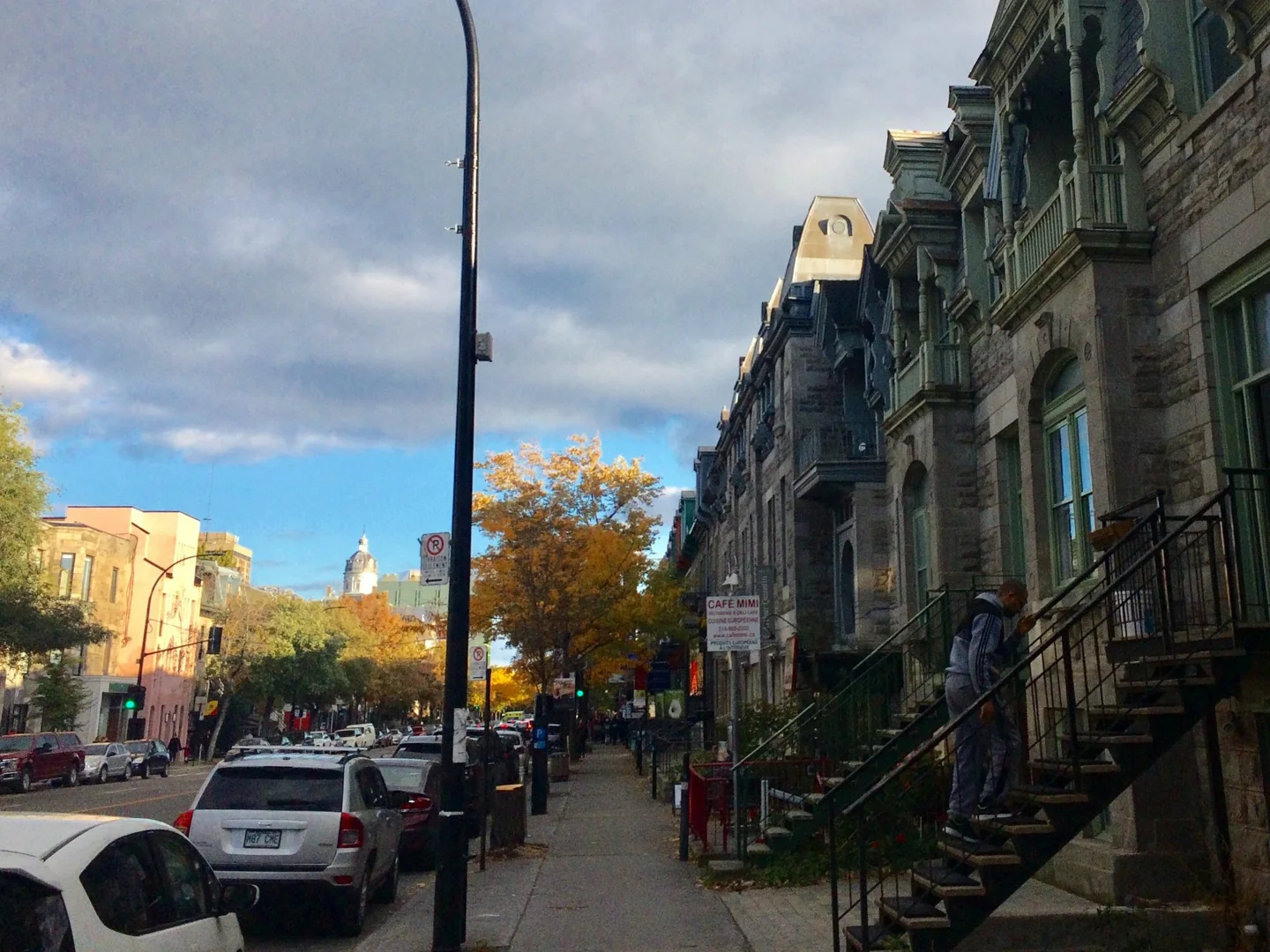
Hypothetical BC example: at a negotiated 2,400 CAD monthly rent, the maximum ordinary security deposit is 1,200 CAD; a permitted pet-damage deposit could add another 1,200. Those calculations illustrate deposit limits, not a Vancouver market quote. Budget the first rent payment and furniture separately. In Montréal viewings, inspect the exterior stairs and the lease’s exact responsibility for heat before choosing a picturesque row-house apartment.
12Register with the correct health plan and arrange care
Provincial health coverage requires an application and qualifying status and residence. It does not automatically begin because a passport has been stamped. Ask the plan to assess each household member and give the effective date. Keep private cover for any gap or services outside the public plan, and compare the employer’s dental, prescription and other supplementary benefits.
| Province | Arrival action | Important distinction |
|---|---|---|
| Ontario | Apply through OHIP/ServiceOntario with the required status, residence and identity evidence | No waiting period if eligible; a listed worker category needs full-time Ontario employment for at least six months, alongside the residence conditions |
| British Columbia | Submit MSP enrolment as soon as eligible | The wait is normally the balance of the month residence begins plus two months; status can affect the starting date |
| Québec | Use RAMQ’s status-guided registration | A waiting period of up to three months commonly applies, with exceptions including children under 18 and relevant agreements |
| Alberta | Apply through AHCIP’s moving-from-abroad procedure within three months of establishing residence | Eligible arrivals from abroad may be covered from the residence date; temporary categories require their own assessment |
A coverage start date and a family-doctor appointment are separate outcomes. In Ontario, Health Care Connect helps match people with primary care. In BC, the Health Connect Registry asks for the Personal Health Number, address and contact details and places applicants on a matching list. Register, keep contact information current and use the services directory for interim care; a registry does not promise an immediate appointment.
Bring medical summaries, vaccination records, medication names and sufficient lawful supply for the transition. Ask a local clinician or pharmacist how continuing prescriptions will be arranged. Keep the nearest urgent-care and emergency location available to everyone in the household, and retain invoices when private insurance requires reimbursement.
13Connect services and learn the transport payment rules
Start with the lease’s list of included services. “Hydro” commonly means electricity in Canadian household discussions; it does not establish that heat or water is included. Record the provider, account responsibility and start date for every service you must arrange.
For a BC Hydro account, create a MyHydro profile, open the residential account and supply the address, phone and landlord details. The displayed new-account charge is 13.50 CAD plus GST on the first bill; a security deposit may also be required. In Québec, Hydro-Québec’s moving service distinguishes becoming a customer from changing an existing address and provides an address-specific cost estimator. Arrange the account for the real handover date.
For internet and phone, check service at the exact unit and the full price after introductory terms. Confirm installation, equipment-return and cancellation conditions. Public Mobile’s current page displays a Canada-wide 50 GB plan at 35 CAD monthly, but coverage, device compatibility and applicable terms matter. Keep the old phone connection usable until necessary account-verification codes can reach the new number.
In Toronto, the TTC adult card/contactless fare is 3.30 CAD, compared with 3.35 cash. Card payment has the applicable two-hour transfer; cash does not. From September 2026, the monthly cap counts 47 paid journeys using the same eligible payment method in a calendar month, then further journeys are free. Do not budget an old adult monthly pass as the normal current option.
In Metro Vancouver, TransLink’s fare zones depend on vehicle, journey and time; buses are one-zone and a single fare normally allows 90 minutes. In Calgary, the adult fare is 4 CAD and the operator provides My Fare and journey-planning tools. Test the actual commute before buying a car. In BC, ICBC’s ordinary new-resident rule gives 90 days to switch a valid foreign licence, with country-dependent testing and specific exemptions; it is not a Canada-wide deadline.
14Complete the first-month file and prepare a local routine
Bring the relocation file together once the household address is stable. Check that the bank, employer, school, health plan and IRCC mailing records use the correct address and name. Keep the lease, condition report, utility confirmations, SIN record, immigration documents and school decisions accessible by the person who must act on them.
| Timing | Complete | Evidence to retain |
|---|---|---|
| First week | Entry documents, first address, phone and registration appointments | Issued permit or COPR, accommodation records and references |
| First two weeks | SIN where eligible, banking, health and school follow-up | Confirmations, coverage date and school-verification result |
| By the first month | Lease handover, services, actual household budget and mail updates | Receipts, meter records and dated outstanding-task list |
| Before relevant deadlines | Permit renewals, tax return, school applications and local driving requirements | Calendar entry identifying the responsible household member |
Use IRCC’s current settlement-service finder with city or postal code, then filter for employment, language or family support. Eligibility matters: economic permanent residents now have the stated time-limited access from April 2026, and the finder uses a separate direction for Québec. Ask a provider about the actual programme and your status before visiting. TDSB’s newcomer services provide another named starting point for relevant Toronto families.
Find a nearby library, recreation activity or school-parent connection that fits the weekly timetable. In Vancouver, Commercial Drive provides one neighbourhood starting point; use an organiser’s current calendar to choose an activity and confirm the meeting location and date.
Finally, replace assumptions in the budget with the first bills and receipts. Keep unresolved items specific: an application awaiting a decision, a repair awaiting completion and an unconfirmed school place are still tasks. Give each its next action and date, then review the list together each week.
Sources & further reading
Reviewed 13 October 2026. Sources are linked beside the relevant instructions. Entry documents, temporary status, work permission and permanent residence are distinct. School, health and tenancy conditions vary by province and household status. Sources were reviewed on 13 October 2026. Reviewed 13 October 2026. Immigration fees use IRCC’s fee list modified on 21 September 2026 and the permanent-residence increase from 30 April 2026. Student funding uses the threshold effective 1 September 2026. Rent figures are metropolitan asking rents for the second quarter of 2026, released by Statistics Canada on 9 September. Transit, phone and electricity charges keep their named-provider scope. Illustrative household budgets and deposit calculations are labelled hypothetical. Photograph credits, licences and capture years appear with the images.
Browse the source directory
- IRCC: Express Entry
- IRCC: create an Express Entry profile
- IRCC: apply after an Express Entry invitation
- IRCC: Express Entry settlement funds
- IRCC: Provincial Nominee Program
- Québec: Skilled Worker Selection Program
- IRCC: travel documents by nationality and route
- IRCC: employer-specific work permits
- IRCC: work-permit application outside Canada
- IRCC: current digital-nomad instructions
- Job Bank: foreign candidates and credential recognition
- Government of Canada: corporation registration
- IRCC: Start-Up Visa programme status
- IRCC: fee list
- IRCC: April2026 permanent-residence fee changes
- Statistics Canada: quarterly rents, Q2_2026
- CRA: newcomers and tax residence
- Toronto District School Board:2026/27registration
- TDSB: admissions for non-resident pupils
- Vancouver School Board: newcomer documents
- Vancouver School Board: registration service
- University of British Columbia:2027admission dates
- UBC: actual undergraduate application service
- IRCC: study-permit documents
- IRCC: provincial/territorial attestation and Québec CAQ
- IRCC: study-permit financial support fromSeptember2026
- IRCC: parent/grandparent super-visa eligibility
- Service Canada: OAS residence and international agreements
- CBSA: household belongings when moving to Canada
- CFIA: official pet import decision tool
- IRCC: approved Express Entry application and COPR
- IRCC: first permanent-resident card
- Service Canada: apply for a SIN
- Service Canada: required SIN documents
- FCAC: opening a bank account
- Ontario: standard residential lease
- British Columbia: tenancy deposits and fees
- Québec TAL: paying rent and prohibited deposits
- Ontario: OHIP health-card eligibility and application
- British Columbia: Medical Services Plan enrolment
- British Columbia:2026MSPwaiting period
- RAMQ: Québec health eligibility and wait
- RAMQ: actual registration questionnaire
- Ontario: Health Care Connect
- HealthLinkBC: primary-care registry
- BC Hydro: new residential account
- Hydro-Québec: moving and service accounts
- Public Mobile: displayed Canada-wide plans
- Toronto TTC:2026fares and monthly cap
- TTC: September2026fare-capping instructions
- TransLink: July2026fare zones
- Calgary Transit: current fares
- ICBC: moving from another country
- IRCC: current newcomer-services finder
- TDSB: newcomer community support
- City of Vancouver: Commercial Drive and bus corridors
- IRCC: worker arrival after outside-Canada application
- Alberta: health coverage when moving from abroad
Make your next step a practical one
Choose the province and actual work or study route first, then match the housing, school and health registration files to that decision.




