 Visa
Visa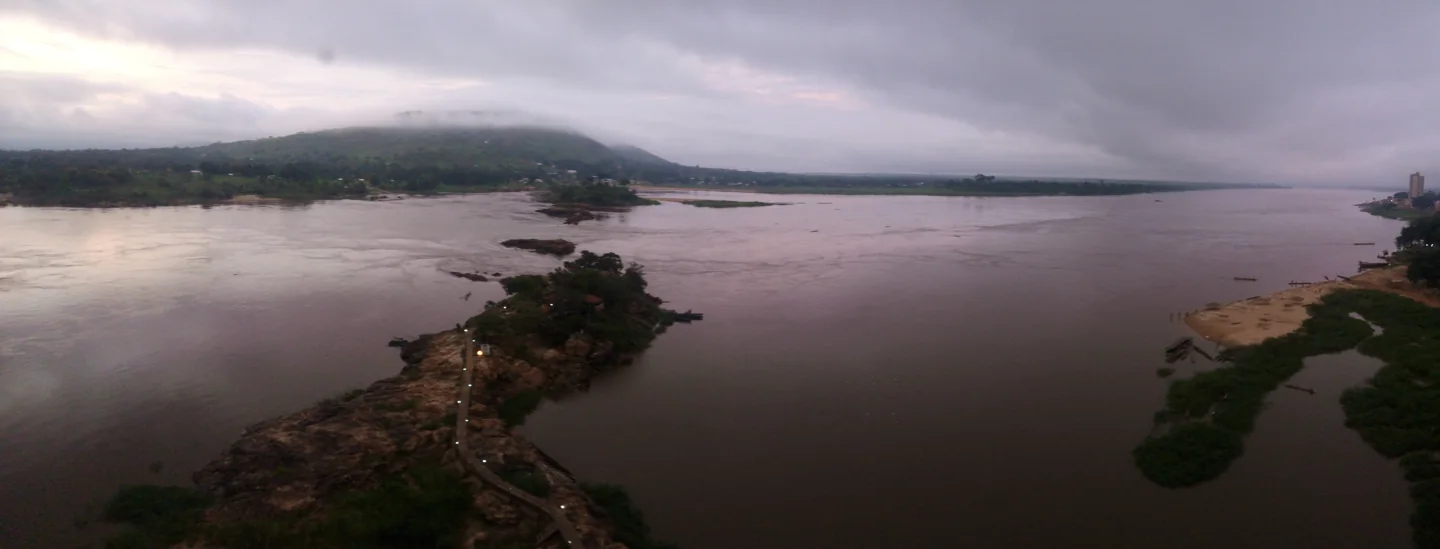
Moving & Living - Central African Republic - Complete Guide
A practical fourteen-step move to Bangui: prepare visas and employment approvals, plan schools and evacuation cover, arrange housing, register locally, and set up banking, phones and everyday services.
Photo credit
In Bangui, the Oubangui River borders a city of ministries, school communities, trading streets and international organisations. Moving here depends on a workable local support arrangement: permission for your actual purpose, dependable housing and transport, and healthcare that includes an evacuation plan. This guide follows a household from that decision through its first month, with concrete consular, school, banking and business starting points.
Central African Republic at a glance
- Practical base
- Bangui; provincial assignments need their own operational arrangements
- Languages
- French and Sango
- Currency
- Central African CFA franc · XAF
- Entry documents
- Appropriate passport and visa; yellow-fever certificate
- School starting point
- Lycée Français Charles de Gaulle, Avenue Nasser
- Reviewed
- 13 October 2026
Follow your moving journey
Start at step 1, or jump to the task you are working on.
01Choose a supported base in Bangui
Start with the exact address of the job, school or project bringing you to the Central African Republic. Bangui is the practical starting point for the institutions in this guide. Bouar, Berberati and other provincial towns require a separate assessment of the assignment, accommodation, transport and medical support; they are not interchangeable alternatives to a capital-city household.
The current FCDO assessment advises against all but essential travel to Bangui, including M’Poko airport, and against all travel elsewhere, expressly including Bimbo, Begoua and Coline. This affects the decision to move and the insurance you can obtain. Do not treat those outlying areas as an ordinary cheaper commute without an organisation’s specific operational assessment.
- Map the actual workplace, proposed accommodation and, if relevant, the school on Avenue Nasser. Ask the host organisation which journeys it can support each day.
- Compare central Bangui around PK0 and the administrative streets with candidate homes near your workplace. A neighbourhood name alone does not establish road access, water availability or a suitable security arrangement.
- Request a live inspection of each shortlisted property, including the approach road, boundary, water storage and working backup power. Ask who responds when a pump, gate or generator fails.
- For a family, test the school run and medical journey as well as the office commute. Record who drives, who authorises an alternative route and how you return if a normal road is unavailable.
Choose temporary accommodation while these questions are settled. A furnished room with an agreed arrival contact can be more useful initially than a remote lease whose services nobody has tested.

02Obtain the visa for your actual purpose and duration
The Paris embassy publishes both short-stay and long-stay applications. Its long-stay form covers 45–90 days; the label does not mean permission to settle indefinitely. An entry visa also does not establish approval to take a local job.
| Currently linked Paris form | Duration printed on form | Published charge |
|---|---|---|
| Short stay | 1–30 days | €80 |
| Short stay, longer band | 30–45 days | €160 |
| Long stay | 45–90 days | €300 |
These are the embassy’s linked February 2025 forms, observed on 13 October 2026. They also print a €20 express supplement and a separate €50 category for conventioned NGOs. Do not assume the NGO category applies to every charity worker, or that another consulate uses the Paris tariff.
- Tell the responsible consulate your nationality, current country of residence, travel dates and purpose. Establish whether it accepts your application and which supporting invitation or mission documentation applies.
- Complete the appropriate online or paper form. The service instructions require a printed application, physical passport, two identity photographs and the supporting documents even when the form was completed online.
- Include the requested flight evidence and invitation, mission order or accommodation confirmation. Journalists and tourists have additional documents named on the forms; ask which category accurately describes your trip.
- Arrange the accepted payment method and passport delivery. Paris permits payment by bank transfer using its official payment instructions, or cash at the embassy. Postal return requires an addressed envelope and Chronopost arrangements.
- Read the issued visa’s dates and conditions before the final booking. Prepare a residence application with the sponsor if your intended stay extends beyond that permission.
Passport advice differs by nationality: British-passport guidance says six months after arrival, while French guidance says six months after planned departure. Give the consulate your actual passport and itinerary rather than applying the less demanding wording to everyone.
03Agree the contract, work approval and local sponsor
Ask the employer to separate the job offer, entry invitation, residence file and approval of the foreign employment arrangement. A mission letter may support travel without completing all those tasks. International organisations, accredited NGO missions, ordinary private employers and independent businesses can have different administrative treatment.
- Obtain a written contract identifying the employing entity, workplace, duties, currency of pay, probation, leave and termination arrangements. Specify accommodation, transport, medical evacuation and school support separately.
- Have the sponsor identify the responsible labour service, any contract endorsement and the evidence required before work begins. Request a copy of the approval or a written explanation of the applicable mission exemption.
- Ask payroll to show the expected net salary, deductions and who remits them. Keep a named contact for salary, immigration and social-insurance questions.
- Resolve accompanying relatives’ status separately. A spouse’s inclusion in travel or residence paperwork does not establish permission for a second job.
Current-law uncertainty: the CNSS Labour Code page still links the 2009 text. This review did not establish a complete current replacement text and implementing foreign-worker checklist. Have the sponsor obtain the operative provisions from the labour authority; older online contract-visa charges should not be treated as current fees.
Business option: use GUFE’s creation procedure to choose an individual enterprise or company, prepare identity evidence, two photographs, a police record under three months old, the foreign applicant’s status document, registered-office evidence and relevant company/capital papers. Submit the complete file through GUFE and collect the RCCM and tax documents. Sector licences and your own permission to work remain separate. Remote work: no dedicated current remote-worker visa was verified; obtain an assessment of the proposed activity instead of assuming a visitor visa authorises it.
04Price the household and settle payroll and tax treatment
Use XAF, the Central African CFA franc, for local calculations. It is distinct from West Africa’s XOF. BEAC publishes the euro parity of €1 = XAF655.957; bank charges and the exchange offered for cash or transfers can still change what you receive.
| Cost to obtain in writing | Include in the initial reserve | Include in recurring spending |
|---|---|---|
| Housing | Temporary stay, agreed advance and deposit, inventory | Rent, property services and repairs assigned to tenant |
| Utilities | Meter/account arrangements, necessary equipment | Electricity, water, backup fuel or maintenance |
| Family | School registration, first tuition instalment, documents | Tuition schedule, supplies and school transport |
| Health and travel | Insurance inception, flights and shipment | Insurance, treatment excess and dependable transport |
Hypothetical Bangui household, not a market survey: XAF450,000 rent + 90,000 electricity and backup provision + 20,000 water + 30,000 connectivity + 180,000 groceries + 150,000 transport + 120,000 insurance reserve = XAF1,040,000 monthly. Every input is an illustrative allowance to replace with quotations. School, taxes, payroll deductions and major medical treatment are excluded.
Hypothetical arrival cash flow: XAF450,000 first rent + 450,000 agreed deposit + 300,000 temporary accommodation + 500,000 flights + 400,000 shipping + 200,000 setup = XAF2,300,000. This does not establish a customary deposit or a nationally representative moving cost. Add your actual visa and family fees.
Take the contract, income sources, assignment dates and continuing overseas ties to payroll or a qualified adviser. The DGID administers local taxes; use the Finance Ministry’s enacted-law directory rather than assume a 2023 tax PDF gives 2026 rates. Obtain the applicable salary calculation, filing responsibilities and treatment of any mission exemption. Being paid abroad or working for an NGO is insufficient evidence of exemption. Keep the assessment and payment receipts with the employment file.
05Arrange school admission before moving children
The AEFE directory verifies the Lycée Français Charles de Gaulle in Bangui, with education through the French secondary cycle. Its Avenue Nasser campus and French-language curriculum are a useful starting point for families; they do not establish that a particular class has space or that a child arriving from another curriculum needs no assessment.
- Contact the school with the child’s age, present year group, language background and intended start date. Ask which records, assessment and placement process apply.
- Use the Eduka portal linked by the school for the actual admission file. Prepare identity and previous-school records according to the school’s checklist; do not send them to an unrelated intermediary.
- Request the current annual tariff for your child’s category and a written acceptance. The 2026/27 financial regulations specify payment rules but do not themselves provide a complete fee table.
- Arrange the school journey and identify who can collect the child. Coordinate the move date with the school’s written placement rather than an agent’s assurance.
For 2026/27, the school’s regulations allocate 40% of annual tuition before the school year, 30% by 31 October 2026 and 30% by 1 March 2027. New-entry registration payments are non-refundable; midyear tuition is calculated proportionately for the remaining attendance period. Obtain the invoice before interpreting how these rules apply to a late arrival. The July registration campaign has already passed at this review date.
For university study, first obtain programme and foreign-admission instructions directly from the institution’s verified administration. This review did not establish an authenticated current foreign-admissions portal for the University of Bangui. Do not pay a purported online university portal without independent institutional confirmation. Academic acceptance and immigration permission still need separate treatment.
06Assess retirement or a stay without employment
No dedicated retirement visa or automatic residence right based on buying property was verified in the published consular starting points. A pension, overseas savings or a relative’s invitation may explain funding without answering which permission allows the proposed duration.
- Describe the intended stay to the consulate: duration, pension or other income, household members and whether any work will be performed. Request the appropriate residence category and its documentary basis.
- Obtain insurance that accepts the destination, age and pre-existing conditions, including the evacuation arrangement. Price long-term prescriptions and follow-up care before committing to a home.
- Confirm pension-payment access and tax treatment with the paying institution and the relevant tax administrations. Keep an overseas account usable while a local account is assessed.
- Arrange a local contact who can help with transport, appointments and official correspondence. Consider whether the household can maintain the required practical support throughout the stay.
For someone approaching retirement while employed locally, ask payroll for the CNSS registration and contribution history before the contract ends. A history of contributions is not proof that a particular pension is immediately payable or transferable abroad. Obtain the fund’s determination for your record and intended country of retirement.
07Prepare the paperwork, shipment and any animals
Create a travelling folder containing passports, visa evidence, invitation or mission order, employment approvals, household civil records, school correspondence and insurance details. Carry originals needed for entry and keep encrypted copies accessible separately. Ask the recipient authority which documents require a French translation or legalisation before paying for every document to be certified.
- Book travel-health preparation sufficiently early. Arrange the yellow-fever certificate required for entry and keep it with the passport, not in shipped belongings. Discuss prescriptions and the personal medical plan with your clinician.
- Inventory belongings with values, serial numbers and ownership evidence. Give the proposed freight agent the destination address, entry status and shipment type.
- Use eDouanes and the clearance agent to establish the correct declaration and whether any personal-effects relief applies. Request a written calculation including handling, storage and inland transport; a shipping quotation may cover none of those.
- For a pet, obtain country-specific import instructions through the consulate and responsible veterinary service before purchasing carriage. This review did not verify a current official pet-permit checklist, quarantine rule or fee. Ask explicitly about species, origin, transit, vaccination evidence, certificate timing and inspection arrangements.
Arrange any animal’s departure only when those answers, airline acceptance and the accommodation’s agreement are in place. Do not apply another country’s rabies-test timetable to this destination. Keep essential work equipment and a workable first-week clothing supply with you in case the freight takes longer than expected.
08Arrange the airport handover and first-day essentials
Agree the M’Poko airport handover with the host before departure: driver’s name, contact number, vehicle identification, meeting point and fallback contact. Confirm who is meeting accompanying relatives if they arrive on a different flight. Use pre-arranged transport and the host’s current route plan.
- Present the passport, visa and vaccination evidence requested at entry. Keep the invitation and accommodation details available for questions about the purpose of travel.
- Check the entry record before leaving the airport area. Photograph the dated stamp for your files and compare the permitted stay with the sponsor’s planned residence timetable.
- On reaching the accommodation, confirm the entry procedure, keys, local contact, available water and power arrangements. Save the address with a nearby landmark for drivers and appointments.
- Obtain a working local telephone number and a modest supply of local cash through an established provider. Confirm the next day’s official or employer appointments.
Keep the first few days light enough to resolve the paperwork and household handover. Hand the sponsor copies of the actual entry evidence, not only the pre-departure visa. If a dependent’s entry date differs, record it separately: one household calendar can otherwise hide a different expiry date.
09Complete residence, tax and employment registrations
A visitor admission, local residence document, employer registration and tax identifier serve different purposes. Ask the sponsor to identify the immigration office handling your stay and the exact residence document being requested. The public sources reviewed did not establish a universal current residence-card filing deadline, fee or document checklist; do not substitute the Paris visa’s duration for that missing instruction.
- Assemble the actual passport and entry record, purpose evidence, local address and household documents requested by the responsible service. Have the sponsor confirm current photographs, certification and payment requirements.
- Obtain a dated receipt or reference when the application is lodged. Confirm what that receipt permits while a decision is pending and whether travel or work needs separate approval.
- If employed, ask for your CNSS registration and the employer’s registration evidence. CNSS describes a signed employer form accompanied by the employee list and named salary record; use its actual registration service rather than invent a foreigner-only online account.
- Resolve personal or business tax registration with DGID and retain the identifier and applicable declarations. A company’s NIF and your own immigration document are not interchangeable.
The currently published CNSS contribution explanation gives 19% for the employer and 3% for the worker, with the employer remitting the total. Have payroll confirm the applicable base, exemptions and current assessment for your contract; the published guidance is dated 2023. Store the first payslip and contribution evidence so discrepancies can be corrected promptly.
10Open the right account and set up local payments
Plan a transition period. Ecobank’s CAR account instructions distinguish resident and non-resident applications. Resident foreign applicants are asked for residence permission alongside identity, address evidence, photographs and KYC information; the CAR-specific addition is proof of earnings.
- Request the local account-opening checklist and charges. Prepare the passport, accepted address evidence, two photographs and salary evidence. The French-language checklist asks for the latest payslip for a salary account.
- Provide the requested earnings evidence and explain expected incoming payments. For a non-resident application, follow the separately specified notarisation requirements; the account category is not a way around local immigration rules.
- Confirm the account currency, transfer instructions, card charges and access methods. Test a small transfer before routing the entire salary.
- Keep transaction receipts and enough cash for expenses that do not accept a card. Do not assume every shop or accommodation accepts an international card.
Orange Money provides a practical additional payment route. Opening is free and the provider accepts a passport among foreign-customer identity documents. Visit an authorised agency with your Orange line and accepted ID, wait for the activation SMS, and change the initial PIN before use. Ask the agent to show current transfer and withdrawal charges. A wallet’s free opening does not mean every transaction is free, and it does not replace a residence or employment application.
11Inspect the home and agree a written lease
Arrange viewings through the host’s established contacts or an identifiable agent. Use temporary accommodation until the property, owner’s authority to let it and essential services have been inspected. The guide does not provide a verified Bangui rent average or a statutory deposit cap.
- Match the person signing the lease with ownership or authorisation evidence. Put the full address, occupants, duration and payment currency in the bail.
- Separate loyer (rent), any caution or dépôt de garantie (security deposit), advance rent and service charges. Record the agreed amounts, payment dates and deposit-return conditions.
- Prepare an état des lieux: dated photographs, inventory, meter readings, keys, existing damage and the condition of pumps, water storage and backup equipment.
- Agree who handles electricity, water, generator fuel, guards, maintenance and urgent repairs. Test those arrangements before handing over the final payment.
- Specify notice, early departure, access by the landlord and the process for resolving disagreements. Obtain receipts for deposits and each rent payment.
These French terms help you read the agreement; they do not establish that French tenancy law applies. If the employer rents the property, identify which obligations belong to the employer and which expenses you must reimburse. Send the agreed address and permitted occupants to the immigration, school and employer contacts that need current address evidence.
12Arrange local care and an evacuation plan
Official health guidance describes limited facilities and basic care in Bangui. Choose insurance that explicitly covers the destination, intended duration and activity, as well as evacuation. Ask the insurer to name the assistance service, authorisation process and how an evacuation would be initiated from Bangui.
- Provide medical conditions and regular medication accurately when arranging cover. Obtain written acceptance and effective dates for every household member.
- Locate a suitable provider with the host and insurer. The FCDO directory, updated 7 March 2025, names Hôpital de l’Amitié, Hôpital Communautaire and Clinique Dr Chouaib among Bangui starting points. Confirm current services and access directly; inclusion is not an endorsement or a promise of specialist capability.
- Discuss how appointments, deposits and reimbursement work. Keep an accessible reserve for treatment and a copy of the insurer’s emergency instructions.
- Agree a practical transport plan for urgent care, with a contact able to arrange a vehicle. Emergency response can be unreliable; a list of telephone numbers alone is insufficient preparation.
Bring the medical summary and prescription information needed for continuing care. Clarify safe storage at the accommodation where medicines require temperature control. Review the local plan after arrival: which facility will see a child, where necessary medicines can be obtained, and when the insurer would recommend treatment elsewhere. CNSS employment contributions should not be treated as proof of comprehensive private treatment or evacuation cover.
13Connect the phone, utilities and daily transport
Start with the services already attached to the property. Record the electricity and water meter numbers, current account holder, last readings and any unpaid bills. Ask the landlord or host to accompany the transfer or connection process where needed.
- For mobile service, use Orange CAR’s actual catalogue and an authorised shop. Take accepted identity evidence and test calls and data at the home and workplace.
- The prepaid page displays a “Forfait Internet 11000” with 10GB and 30-day validity. It shows inconsistent inclusive/exclusive-tax labels and no effective-price date. Confirm the final XAF charge and allowance in the purchase menu before buying; do not substitute the business catalogue’s different bundles.
- For electricity, identify the ENERCA service account and the property’s actual meter arrangement. Agree how you purchase credit or settle bills and who maintains backup equipment. The World Bank project report identifies the utility but is not a current consumer tariff.
- For water, confirm the SODECA account, storage and maintenance arrangements. The 2026 reform document concerns the utility, not an individual connection offer. No current universal connection fee was verified.
- Agree the normal driver or transport provider, journey price, working hours and backup contact. Record the school and medical journeys separately from an occasional office trip.
Run a complete household test: a phone call, a video meeting if relevant, water at the tap and power to essential equipment. Give each adult the payment and service contacts. Avoid budgeting around an untested connection or an advertised network signal that has not been checked at the actual address.

14Complete the first month and build a workable routine
Build community through people and institutions already connected to your daily life. The school’s parent activities are a practical starting point for enrolled families. Radio Guira provides a local news source with French and Sango content. Ask colleagues or hosts for introductions that fit your interests and the current transport arrangements.
| When | Complete | Keep as evidence |
|---|---|---|
| First days | Entry record, accommodation handover, phone and care contacts | Passport stamp, keys/inventory, active insurance details |
| First week | Residence appointment, school placement, banking checklist | Application receipts, school letter, bank document list |
| Weeks two–four | Payroll review, service payments and a realistic household budget | Payslip, contribution evidence, bills and transaction receipts |
| Before month end | Follow up undecided applications and calendar renewals | Reference numbers, responsible contact and next deadline |
Ask a local colleague to help you practise the French administrative vocabulary you use most often, and learn the Sango greetings appropriate to everyday introductions. Record explanations of the specific services you use rather than trying to memorise a long generic checklist.
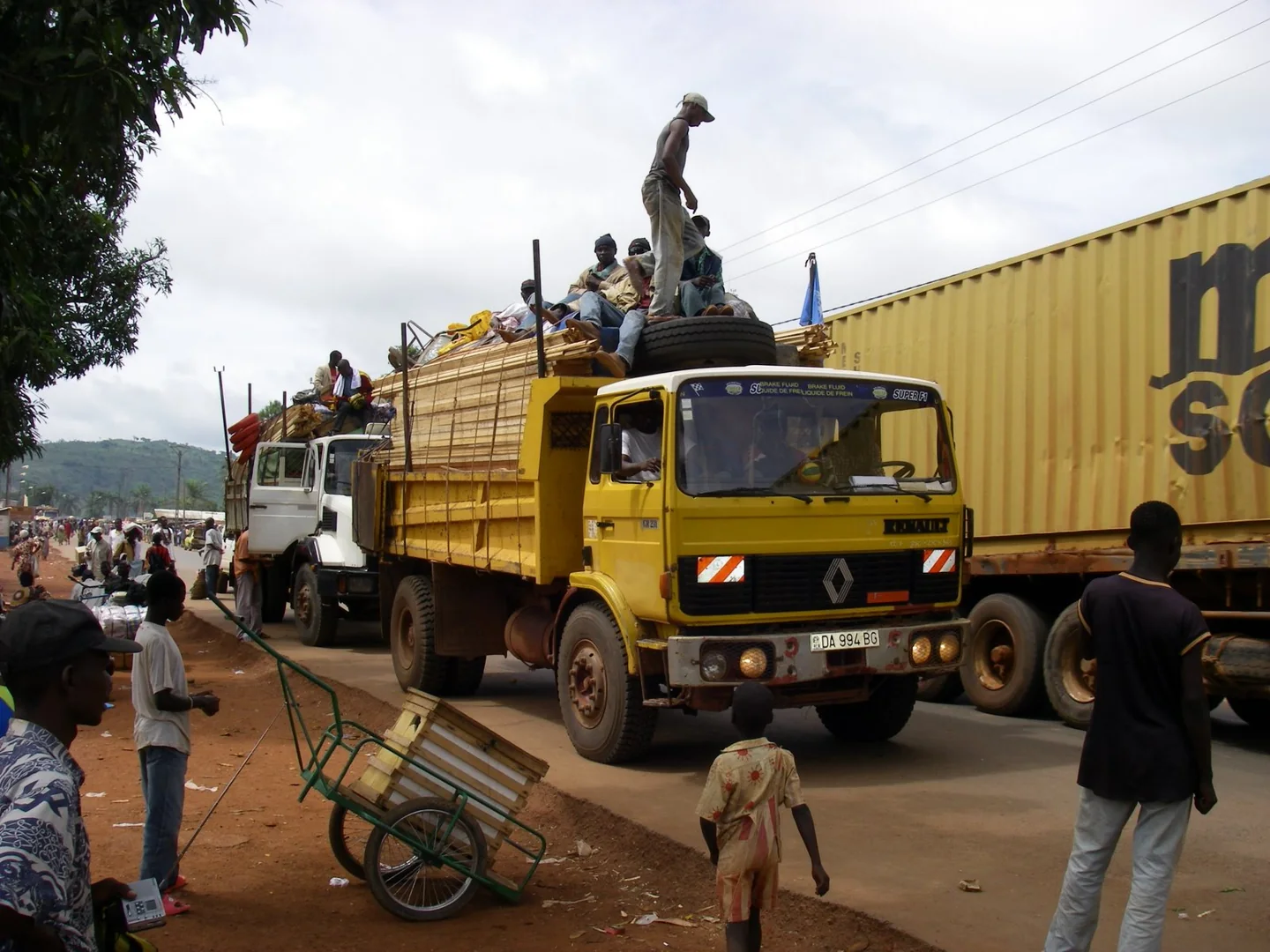
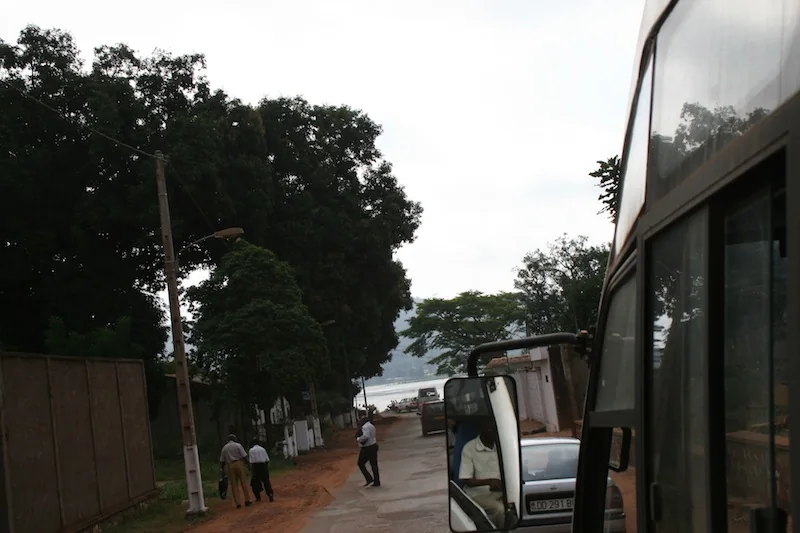
Keep a household calendar for entry expiry, residence follow-up, school instalments, lease notice and insurance renewal. Review it whenever a family member arrives later or the assignment changes. If photographing community activities, obtain permission; official guidance explains that public photography can require authorisation. The archival photographs in this article show actual Bangui settings at their stated dates, not present-day assurances about services or conditions.
Sources & further reading
Reviewed 13 October 2026. Sources are linked beside the relevant instructions. The guide distinguishes verified primary instructions from missing current residence fees, consolidated employment rules and veterinary details. Older legal PDFs and older institutional directories retain their dates. Photographs document actual places at their stated historical capture dates. Observed 13 October 2026. Visa amounts are the Paris embassy’s currently linked February 2025 forms, not a universal consular tariff. The school payment rules retain their 2026/27 year. Orange displays a plan name and data allowance, with inconsistent tax labels; confirm the inclusive charge. Household totals are explicitly hypothetical. Photograph credits, licences and capture years appear with the images.
Browse the source directory
- FCDO: current destination assessment
- FCDO: entry conditions for British passports
- France Diplomatie: entry and stay
- CAR Embassy Paris: short-stay application
- CAR Embassy Paris: long-stay application
- CAR Embassy Paris: official contact starting point
- CAR Ministry of Foreign Affairs
- CNSS: published Labour Code directory
- GUFE: company creation procedure
- Finance Ministry: DGID responsibilities
- Finance Ministry: current laws directory
- BEAC: currency and euro parity
- AEFE: Lycée Français Charles de Gaulle
- Lycée Français Charles de Gaulle: current website
- LFCDG: admissions portal linked by school
- LFCDG: 2026/27 registration campaign
- LFCDG: 2026/27 financial regulations
- CNSS: employer and employee registration
- CNSS: registration service and form
- CNSS: social contributions
- CAR eDouanes: official customs portal
- Ecobank CAR: Classic Current Account requirements
- Orange CAR: opening an Orange Money account
- Orange CAR: prepaid internet offers
- Orange CAR: connectivity catalogue
- FCDO: practical safety and transport
- FCDO: healthcare and evacuation
- FCDO: named Bangui medical facilities
- AfDB: SODECA reform technical assistance, May2026
- World Bank: CAR electricity project report, December2025
- MINUSCA Radio Guira
Make your next step a practical one
Confirm the purpose and sponsor of the move, then obtain the household’s permission, school and medical arrangements before paying for a long lease or shipment.




