 Visa
Visa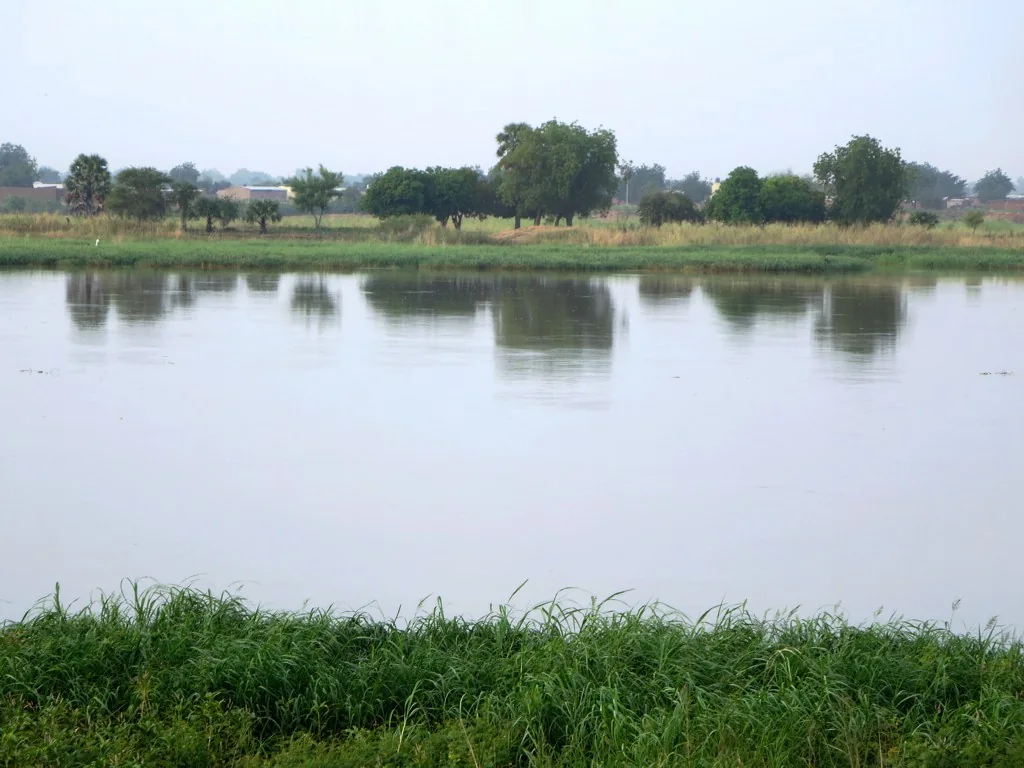
Moving & Living - Chad - Complete Guide
Prepare a move to Chad in fourteen practical steps: use the current e-Visa system, arrange work approvals, compare school fees, complete local registrations and set up a household in N Djamena.
Photo credit
In N’Djamena, a working week can connect the offices around Bololo, a school on Rue Joseph Brahim Seid, and appointments across a city beside the Chari River. A successful move starts with the right immigration and employment paperwork, then turns to the household details: an affordable school place, reliable transport, a usable home and a medical plan. This guide explains that sequence using Chad’s actual application services and institutions.
Chad at a glance
- Main base
- N’Djamena; provincial assignments require a separate local plan
- Languages
- French and Arabic; local languages vary by community
- Currency
- Central African CFA franc · XAF
- Entry service
- Official e-Visa portal for non-exempt travellers
- Employment service
- ONAPE: work authorisation and contract endorsement
- Reviewed
- 13 October 2026
Follow your moving journey
Start at step 1, or jump to the task you are working on.
01Choose the city around the assignment and daily journeys
Ask where you will work each day. N’Djamena concentrates the services covered here, but an employer’s capital-city address does not mean the assignment itself is based there. A post in Moundou, Sarh or Abéché changes the household plan, especially the school, medical and transport arrangements.
Use specific destinations to compare homes: the employment and business offices around Bololo, the Lycée Français Montaigne on Rue Joseph Brahim Seid, or the CHU Renaissance in Ndjari. Measure the whole journey to the actual building. A home near one institution may be inconvenient for another.
- Obtain the workplace or project address and the host’s current transport arrangements. Identify whether accompanying relatives can use those arrangements.
- Shortlist two or three areas within an acceptable journey of the places you need. Compare the roads, property access, water and backup electricity during a live viewing.
- For children, establish the school place first and then test the school run. For a university course, confirm the campus where the teaching takes place.
- Reserve temporary accommodation with an identified arrival contact while the lease and services are inspected.
The current FCDO assessment advises against all but essential travel to N’Djamena and much of the country, with stronger restrictions in specified northern, Lake Chad and border areas. Make the location decision with the host’s operational assessment and insurance provider. A provincial posting requires its own support plan rather than a longer version of a capital-city commute.
02Select the entry category and use the current e-Visa route
Chad’s 11 May 2026 immigration announcement makes the official e-Visa platform the channel for new applications, except diplomatic and courtesy visas handled by Foreign Affairs. Manual entry authorisations have been abolished. Older instructions to obtain an ordinary visa at a consulate do not describe this current filing route.
- Use the official portal to establish whether your nationality is exempt and which purpose and duration match the proposed trip. The exemption list is country-specific; an exemption from an entry visa does not establish a right to work or settle.
- Agree the appropriate invitation with the host. An employer, international organisation and private relative do not provide the same supporting documents.
- Prepare the passport, photograph, itinerary and accommodation evidence, then complete the application yourself through the official service. Keep the reference and monitor requests for further information.
- Read the issued permission’s dates, entry conditions and traveller details before booking the final journey. Plan any longer residence application with Immigration rather than assume repeated visitor extensions.
The June circular gives a maximum filing window of 60 days before entry and a standard processing target of ten working days; express processing is 72 hours. It supersedes the homepage’s older 90-day wording. The service’s seven-day advance recommendation is not a promise that a standard application will finish within that period.
US citizens: a June 2025 presidential announcement suspended new visa issuance to Americans. This review did not verify an official reopening. Obtain nationality-specific confirmation from the immigration service before paying or committing to travel; the existence of the newer online platform does not resolve that question.
03Arrange the job approval or formalise the business
ONAPE, the Office National pour la Promotion de l’Emploi, handles employment authorisations and contract endorsement. The French expression visa du contrat de travail refers to endorsement of the employment contract; it is different from an immigration visa in your passport.
- Obtain the contract with the exact employing entity, duties, location, pay currency, working hours, probation and termination terms. Price housing, transport, school and insurance support separately.
- Ask the employer to arrange the appropriate ONAPE submission. The October 2025 administrative-visa notice lists the contract, jobseeker-card evidence, medical certificate, identity copy and copy of the job offer. Confirm the additional requirements for a foreign worker through ONAPE, including permission to take up the proposed role.
- Keep the approved contract and authorisation evidence. Agree the actual starting date and who follows up Immigration, payroll and CNPS files.
- For a spouse who also intends to work, arrange a separate assessment. Permission to accompany someone does not demonstrate permission for a second job.
For a business: the ANIE Guichet Unique lists different individual and company files. Prepare certified identity evidence, the relevant criminal-record or declaration evidence, premises and location plan, foreign residence evidence and any sector authorisation. A company also needs its governing and capital documents. At review, ANIE’s creation page says the digital service is still being finalised and directs applicants to the physical desk at Place de la Nation, Bololo. Do not confuse its published modification charges with new-company registration fees.
For remote work: no dedicated current digital-nomad residence route was verified. Describe the employer, clients, location and intended duration to Immigration and ONAPE as appropriate. A foreign-paying client does not answer whether the work and stay are permitted.
04Compare the package with a complete household budget
Calculate local spending in XAF, the Central African CFA franc. BEAC publishes the parity of €1 to XAF655.957. Include transfer and cash-exchange charges when comparing a euro salary with bills in francs; the official parity does not eliminate those charges.
| Budget line | Initial costs to price | Recurring costs to price |
|---|---|---|
| Accommodation | Temporary stay, agreed deposit, rent advance and inventory | Rent, property services and repairs assigned to you |
| Daily services | Account transfers, necessary equipment and setup | Power, backup provision, water, phone and internet |
| Family | Admission, documents and first school invoice | Tuition instalments, transport and supplies |
| Health and mobility | Cover inception, flights, shipment and any vehicle purchase | Insurance, treatment excess, driver or fuel costs |
Hypothetical monthly calculation, not a rent or living-cost survey: XAF500,000 housing + 100,000 power and backup allowance + 20,000 water + 35,000 communications + 180,000 food + 150,000 transport + 100,000 insurance reserve = XAF1,085,000. All inputs are assumptions to replace with dated quotations. School, payroll deductions, taxes and major medical treatment are additional.
Hypothetical arrival reserve: XAF500,000 first rent + 500,000 negotiated deposit + 300,000 temporary stay + 500,000 flights + 350,000 shipment + 150,000 setup = XAF2,300,000. This establishes no customary deposit requirement. Add the household’s actual immigration, school and insurance charges.
Ask payroll for a written gross-to-net calculation and an explanation of local income-tax and CNPS treatment. Bring assignment dates, the contract, income sources and ongoing overseas ties to the DGI or an appropriately qualified adviser. The current Finance Ministry directory includes the enacted 2026 finance law; older online tax schedules should not be substituted for the applicable assessment. Obtain the filing and payment responsibilities and any exemption evidence. A mission invitation, NGO employer or foreign bank payment alone does not establish a tax exemption.
05Secure school placement or the appropriate university admission
The Lycée Français Montaigne provides a French-school starting point in N’Djamena. Tell admissions the child’s age, current class, curriculum, language background and intended arrival date. Request the placement process and current availability before selecting a home around the school.
- Use the school’s own admissions links, rather than an intermediary claiming to reserve a place. The linked 2026/27 new-entry form is currently inactive; contact the school for the late-arrival procedure.
- Obtain the documentary checklist and any assessment arrangements. Ask the present school to prepare the required records.
- Read the 2026/27 financial regulations and obtain an individual invoice. The pupil’s nationality and level affect the tariff.
- Confirm acceptance, payment and the agreed start date. Arrange the actual school journey and authorised collection contacts.
| Annual tuition, 2026/27 | French or Chadian pupils | Other nationalities |
|---|---|---|
| Primary, including preschool | XAF2,340,000 | XAF2,550,000 |
| Collège | XAF3,060,000 | XAF3,450,000 |
| Lycée | XAF3,570,000 | XAF4,080,000 |
The same schedule adds first-entry rights of XAF300,000 for French/Chadian pupils or XAF500,000 for others, plus XAF100,000 registration. It gives 72 hours after acceptance to pay, with later-registration provisions to resolve for your arrival. Subsequent tuition deadlines include 4 December 2026 and 5 March 2027. Ask how midyear billing applies rather than simply divide annual tuition by twelve.
For university study, the University of N’Djamena’s 2026/27 Licence 1 calendar closed new applications on 31 August. Registration for selected candidates runs to 17 October 2026; this is not a fresh application extension. Ask the university which route and qualification assessment apply to a foreign applicant or transfer student. Course acceptance and permission to live in Chad remain separate arrangements.
06Assess a stay funded by a pension or other income
A pension or savings account explains how you might support yourself; it does not identify the permission that allows the proposed stay. No dedicated current retirement visa or residence right from buying a house was verified through the responsible immigration service.
- Give Immigration the intended duration, household details, sources of support and any planned activity. Obtain the category and documentary requirements applicable to your circumstances.
- Ask the pension administrator how payments, proof-of-life correspondence and changes of tax residence are handled abroad. Keep an account accessible while local banking is arranged.
- Price cover that accepts your age, medical history, destination and evacuation needs. Discuss whether the care you need can be maintained locally.
- Arrange practical help for official correspondence, appointments and transport. Establish who can assist when a document needs renewal or a health issue changes the plan.
If retiring from employment already covered by CNPS, request the contribution record and a written assessment of entitlement, required documents and payment arrangements. Do this before departure from the job; a locally issued insurance booklet is not itself a pension award. Keep the former employer’s details for correcting any gaps in the record.
07Prepare the invitation file, originals and shipment
Prepare originals separately from uploaded scans. Carry the passport, issued entry evidence, invitation, employment approvals where applicable, household civil records, school correspondence and medical-cover details. Leave copies accessible through a secure separate device or storage arrangement.
The June checklist requires readable colour passport and identity-photo files, PDF travel and accommodation evidence, and a legalised invitation. Private hosts have additional legalised identity, support and accommodation documents. Organisational invitations need the supporting documents for the correct host category; ask the host to prepare that file rather than label every organisation an NGO.
- Have the receiving office specify translation and certification needs for household or professional documents. Complete the requested formalities before travelling.
- Arrange travel-health preparation with a clinician and carry the original vaccination certificate requested by Immigration. Give the adviser the transit countries and household circumstances.
- Create a valued packing inventory, with serial numbers and ownership evidence where relevant. Obtain a transport quote specifying what is included through final delivery.
- Request the DGDDI transfer-of-residence instructions and establish the eligibility for any relief before shipping. Obtain the declaration, handling, storage and inland-delivery costs in writing through Customs and the clearance agent.
Pets: current Chad-specific permit, certificate-timing and quarantine requirements were not verified. Obtain the veterinary service’s instructions for the animal’s species, origin, transit and arrival point before booking carriage. For a US departure, APHIS’s guidance where requirements are unspecified explains contacting the destination authority; a recommended US certificate is not evidence of Chad’s import approval. Match the official instructions with airline carriage and accommodation acceptance.
08Arrange the airport handover and record the admission
Confirm the airport pickup before departure: driver, telephone number, vehicle, meeting point and a second contact. Share the flight and any accompanying household members with the host. Plan the first journey around actual arrival time and the host’s current access arrangements.
- Keep the issued visa or other entry evidence available with the passport and original vaccination document. Carry the invitation and accommodation address for questions about the visit.
- Check the entry stamp or record and the permitted stay. Save a copy for the residence and employer files.
- Ask the immigration officer what local registration is required, where to complete it and which documents to take. Record the instruction before leaving.
- At the accommodation, collect keys, confirm the water and power arrangements and save the full address plus a nearby landmark.
- Establish a working local contact number and arrange the next official appointments with the host.
Keep the first days available for those appointments. A different arrival date for a spouse or child may create a different immigration timetable. Give the person coordinating the household copies of the actual admission records, not just the pre-departure application. Keep enough accessible funds for initial cash payments while the bank and longer-term home arrangements are completed.
09Complete local registration and the residence file
Entry permission, residence documentation and employment approval are different records. The FCDO entry guidance instructs travellers staying over 72 hours to register with the police, taking a passport photograph to the Commissariat Central on Avenue Général Kerim Nassour. Confirm the current procedure with the officer at entry and arrange the visit during your first days.
- Have the sponsor identify the Immigration service handling the proposed residence and its current checklist. Prepare the passport and admission evidence, purpose, address and household documents it requests.
- Obtain the filing fee and payment instructions directly. This review did not establish a current universal residence-card tariff or a complete category-specific checklist.
- Keep a dated receipt and reference. Ask what the document permits while a decision is pending, including work and travel.
- Calendar each household member’s expiry and renewal action. Keep residence evidence available for banking and employer administration.
ONAMA’s May 2026 report of the police instruction confirms checks of foreign residents’ visa and residence documents. A submitted file or employer assurance should not be treated as proof that all your status requirements are complete.
For employment, give payroll any existing CNPS insurance booklet. Its unique number follows the worker between employers; the new employer records the hiring rather than creating a second identity. For a new registration, use the worker service with the employer and have CNPS confirm the foreign identity documents. A person hiring household staff should also address the employer registration, rather than assume a private household is excluded.
10Arrange a bank account and usable payment methods
Ecobank’s Chad checklist asks resident foreign applicants for residence evidence as well as identity, address proof, two photographs and KYC information. It also specifies proof of earnings for Chad. Obtain the local checklist for the account you actually want; requirements printed for another Ecobank country are not automatically applicable here.
- Prepare the passport, accepted address evidence and the required status document. For a salary account, include the latest payslip or the salary evidence the branch requests.
- Explain expected incoming payments and complete the customer-information assessment. A non-resident application has a separately specified certification process; discuss that category honestly with the bank.
- Obtain the fee schedule and transfer instructions. Confirm which services work locally, the card arrangements and any minimum-balance condition.
- Test a small transfer, withdrawal or payment before moving all your funds or directing the whole salary into the account.
Ask Airtel Chad or another authorised provider about mobile-wallet registration and current transaction limits. Take the accepted identity evidence and register through the provider’s own process. Keep a private PIN and review the confirmation for each transaction. Separate cash-out and transfer charges from any free account-opening offer.
Maintain a transition reserve and an overseas account you can still access. Verify the payment method with the landlord, school and clinic before assuming that a foreign card or mobile wallet will be accepted. Keep receipts for larger payments and use the exact beneficiary instructions on the current invoice.
11Inspect the property and agree rent, services and exit terms
Use temporary accommodation while an identifiable landlord or agent arranges viewings. An attractive photograph does not establish ownership, a functioning service connection or a suitable daily journey. Ask the host to help inspect the home and confirm the person authorised to let it.
- Put the property address, occupants, term and currency in the bail. Separate rent from deposit, advance payments, agent charges and service costs.
- Agree exactly who handles power, water, backup equipment, fuel, security and urgent repairs. If the employer is the tenant, establish your own reimbursement responsibilities.
- Prepare an état des lieux with the keys, inventory, condition photographs and meter readings. Record existing damage before paying the final balance.
- Write down payment dates, accepted payment methods, receipts and deposit-return conditions. No national statutory deposit cap was verified; record the agreed amount and return conditions in the contract.
- Agree notice, early departure and access by the landlord. Retain a signed copy and identify the contact responsible for disputes or maintenance.
Test water at the taps, locks and essential electrical equipment during the handover. Ask to see the current meter accounts and unpaid-bill position. Where the home relies on storage or backup power, establish the operating and maintenance arrangements rather than only whether equipment is present.
Share the final address with the institutions that require it. If the business needs registered-premises evidence before your household lease is settled, ask ANIE what evidence is acceptable for the proposed company address. Do not substitute an uninspected personal home for that business requirement.
12Choose local care and arrange insurance and evacuation
The current health guidance describes stretched medical services even in N’Djamena. Arrange cover for the actual destination, activity and duration, including evacuation and relevant medical conditions. Ask the insurer how assistance is requested and which costs need advance authorisation.
- Provide medical history and regular treatment needs when obtaining the quotation. Obtain written acceptance, policy dates and cover for each family member.
- Identify the local provider with the host and insurer. The CHU Renaissance in Ndjari publishes its services and consultation information; contact it to establish the actual appointment and payment arrangements for the care you need.
- Keep a medical summary, prescription details and a plan for obtaining continuing medicines. Discuss appropriate storage where temperature-sensitive medication is involved.
- Agree transport for urgent care and the contact who can coordinate with the insurer. Keep accessible treatment funds alongside the insurance documentation.
Confirm the local care plan after arrival: which provider sees children, where routine appointments take place and which circumstances require treatment elsewhere. A hospital’s published services do not guarantee every specialist or procedure is available on your arrival date.
CNPS covers specified employment-related social risks; do not interpret an employment deduction as comprehensive international medical and evacuation insurance. Ask the employer which cover is included, whether dependants are named and when the policy becomes effective. Keep the assistance number available offline as well as in the phone.
13Set up connectivity, utilities and daily transport
Start with the connections already installed at the property. The previous tenant’s payment arrangement may not be suitable for you. Record account and meter numbers and arrange the appropriate transfer, bill payment or new connection with the landlord and the responsible service.
- Use the provider’s own shop or service to obtain a registered line and a suitable data plan. Test calls and data at the home and workplace before choosing a larger package.
- Price home internet separately from mobile data. Obtain the equipment cost, installation assessment, data allowance, renewal terms and a demonstration at the actual address.
- For electricity, establish the SNE account and payment arrangements; ARSE is the sector regulator. Confirm the current bill and any applicable household support directly. An older subsidy announcement is not evidence that your present consumption is free.
- For water, confirm the STE service account or the property’s actual supply arrangement, storage and maintenance responsibilities. Obtain current charges rather than treating delivered water and a metered connection as equivalent.
- Agree a regular transport provider, journey price, hours and alternative contact. Keep school and medical journeys in the arrangement rather than assuming every trip is covered by an office driver.
If driving, arrange the licence and vehicle requirements for your nationality. British-driver guidance requires conversion to a Chadian licence; an overseas licence or international permit should not be assumed sufficient. Travel outside the capital needs a separate authorisation and operational plan. Test the whole everyday routine while the host can still help resolve gaps.
14Build the first-month routine and close outstanding files
Use institutions already connected with your life for introductions: colleagues, the school community or the Institut français du Tchad. The institute’s own site provides its library and cultural programme. Choose an activity whose date, access and return transport you can actually arrange; a photograph or old event listing is insufficient.
| Period | Practical tasks | Record to retain |
|---|---|---|
| First days | Record admission, complete the instructed registration and test first-night services | Entry record, registration receipt and accommodation contact |
| First week | Confirm the school, care provider and residence follow-up | Acceptance, cover details and application reference |
| Weeks two–four | Review the first salary, bank transfer and household bills | Payslip, contribution evidence and receipts |
| Month end | Replace budget assumptions with actual costs and chase undecided files | Revised spending plan, next deadlines and responsible contacts |
Practise the French administrative terms you use in appointments, and ask local colleagues which greetings and languages suit your community. Coordinate household responsibilities so that more than one adult knows how to pay a bill, contact the driver or follow an application.
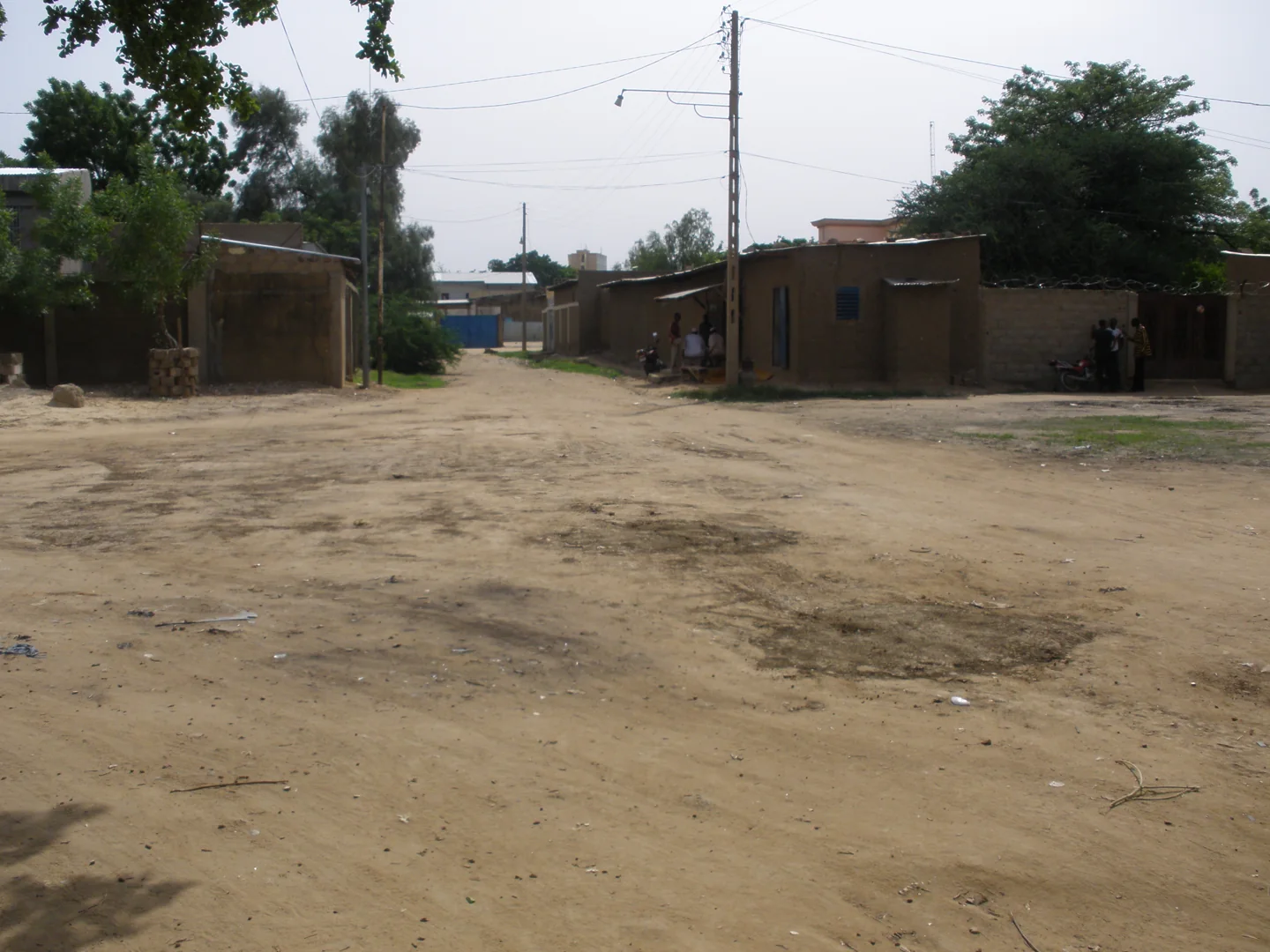
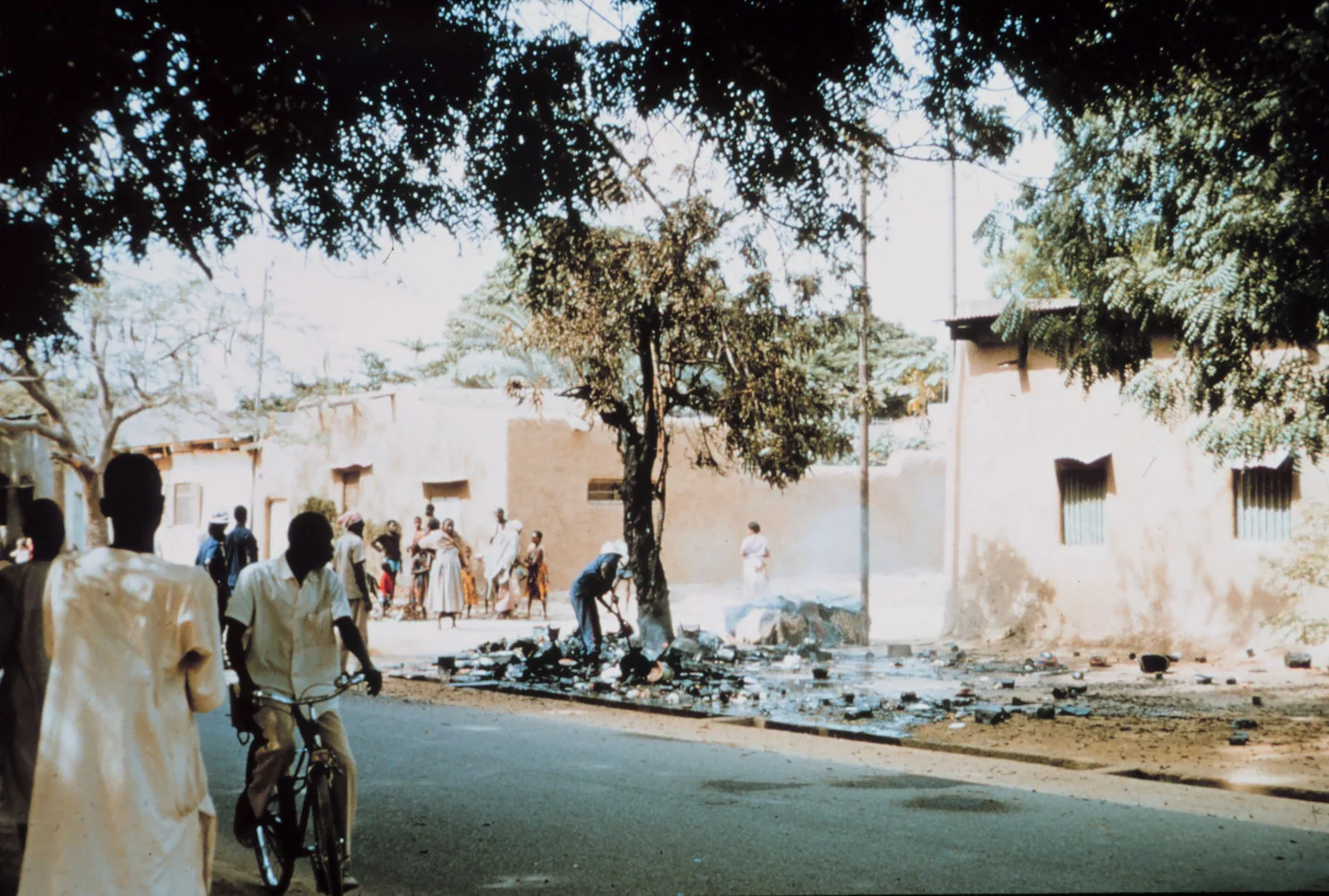
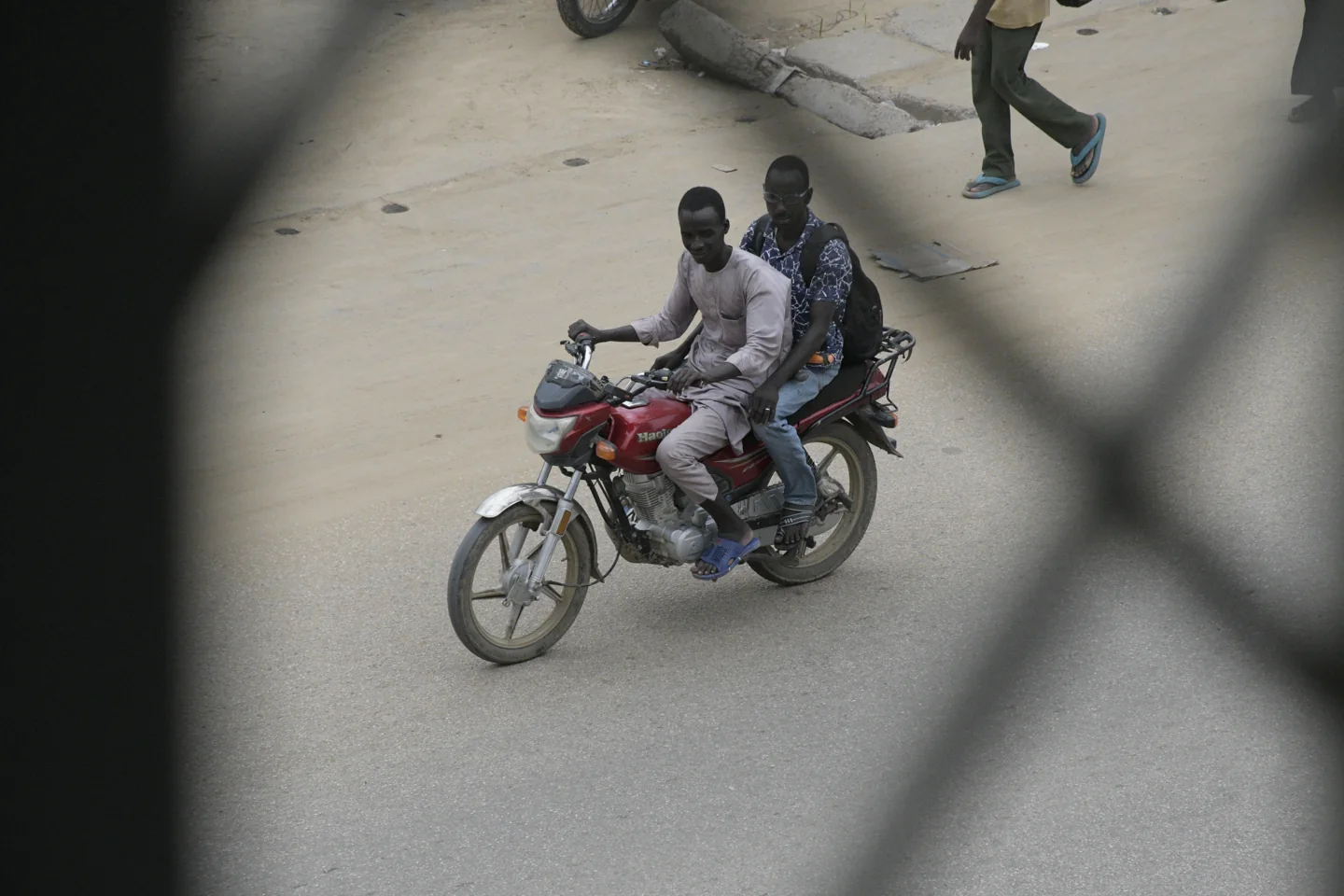
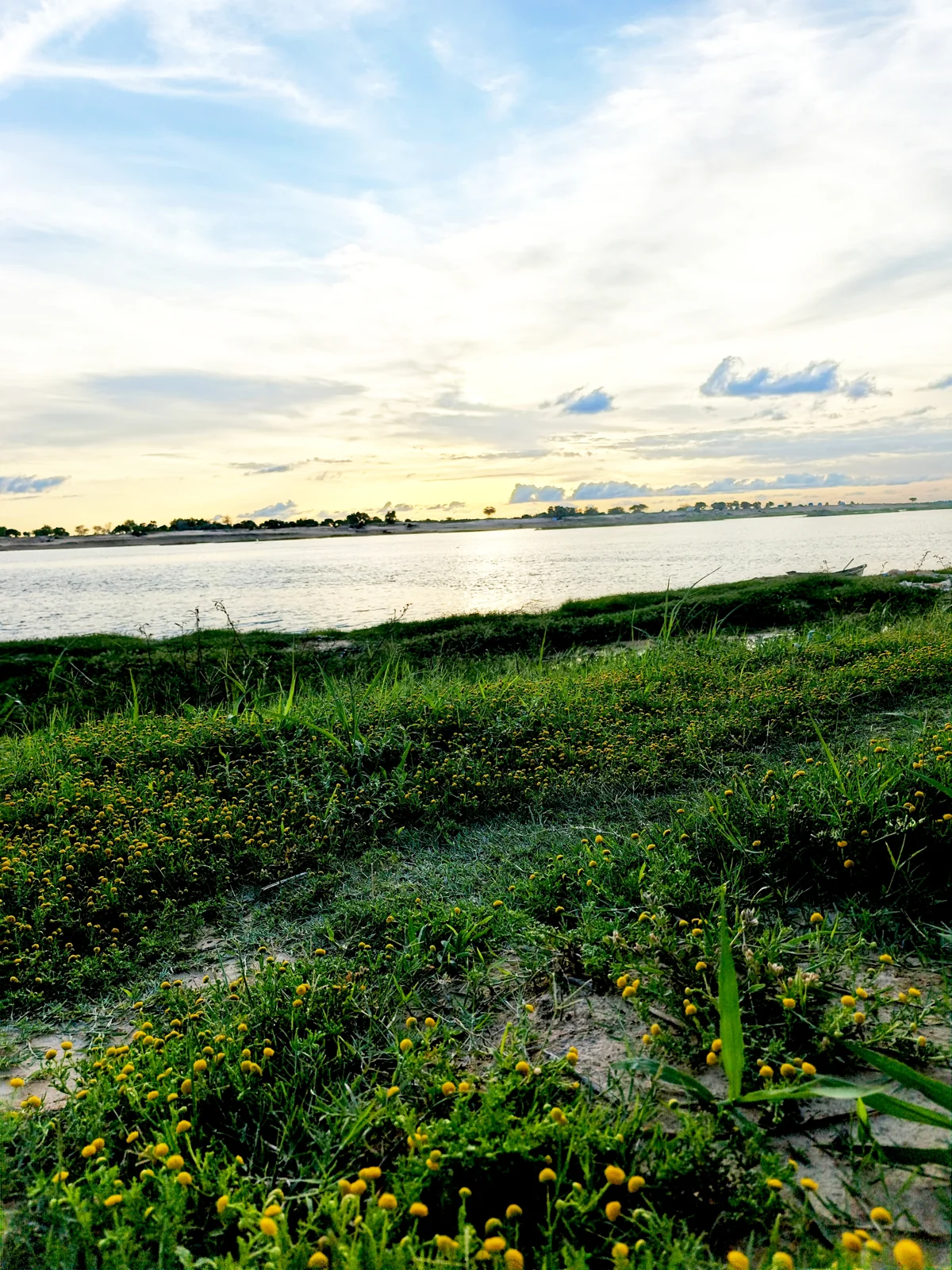
Keep a calendar for immigration, the lease, school instalments and insurance. Update it when a relative arrives later, the job location changes or a contract ends. When taking photographs, follow the rules on permission for official, military and airport sites. The images in this guide preserve their stated capture dates; archival streetscapes do not represent available rentals or present-day road conditions.
Sources & further reading
Reviewed 13 October 2026. Sources are linked beside the relevant instructions. Current DEI announcements take precedence over older embassy-application wording and older homepage filing windows. Admission dates, inactive forms and current nationality-specific uncertainties are distinguished from guaranteed availability. Unverified residence and pet details are referred to the responsible authority. Reviewed 13 October 2026. School amounts retain the exact 2026/27 year, pupil nationality and level. Visa fees must be confirmed in the current category-specific service; no old embassy tariff is presented as current. Household cost tables are hypothetical calculations, not surveys or nationally representative living costs. Photograph credits, licences and capture years appear with the images.
Browse the source directory
- FCDO: current Chad destination assessment
- AP: President announced US visa suspension, June2025
- DEI: official e-Visa service
- DEI: online-only application announcement, May2026
- DEI: June2026 application checklist and timing
- FCDO: British-passport entry and registration
- Security Ministry: immigration responsibilities
- ONAMA: police residence-document checks, May2026
- ONAPE: employment authorisation and contract endorsement
- ONAPE: administrative contract visa, October2025
- ONAPE: contact
- ANIE: Guichet Unique document lists
- ANIE: digital creation service not yet launched
- BEAC: currency and euro parity
- Finance Ministry: tax authority and structure
- Finance Ministry: enacted laws directory
- Lycée Français Montaigne: current school website
- LFM: 2026/27 application links
- LFM-linked application form: currently inactive
- LFM: financial regulations and fees, 2026/27
- University of N Djamena: current admissions calendar
- University of N Djamena: international office starting point
- CNPS: official employer and worker FAQ
- CNPS: worker registration service
- CNPS: employer registration service
- DGDDI: international moving service
- DGDDI: current customs contact
- Ecobank Chad: current account and foreign-customer checklist
- Airtel Chad: official service starting point
- FCDO: healthcare and evacuation planning
- CHU Renaissance: consultations and services
- FCDO: driving, identification and photography
- ARSE: electricity regulator
- APHIS: unspecified destination requirements, US departures
- Institut français du Tchad: programme and library
Make your next step a practical one
Resolve the household’s entry and work arrangements, obtain school and insurance quotations, then inspect a home with its actual daily transport and utility arrangements.




