 Visa
Visa
Moving & Living - Chile - Complete Guide
Plan your move to Chile through fourteen practical steps: choose a neighbourhood, apply for residence, arrange schools, obtain your cédula and establish banking, housing and healthcare.
Photo credit
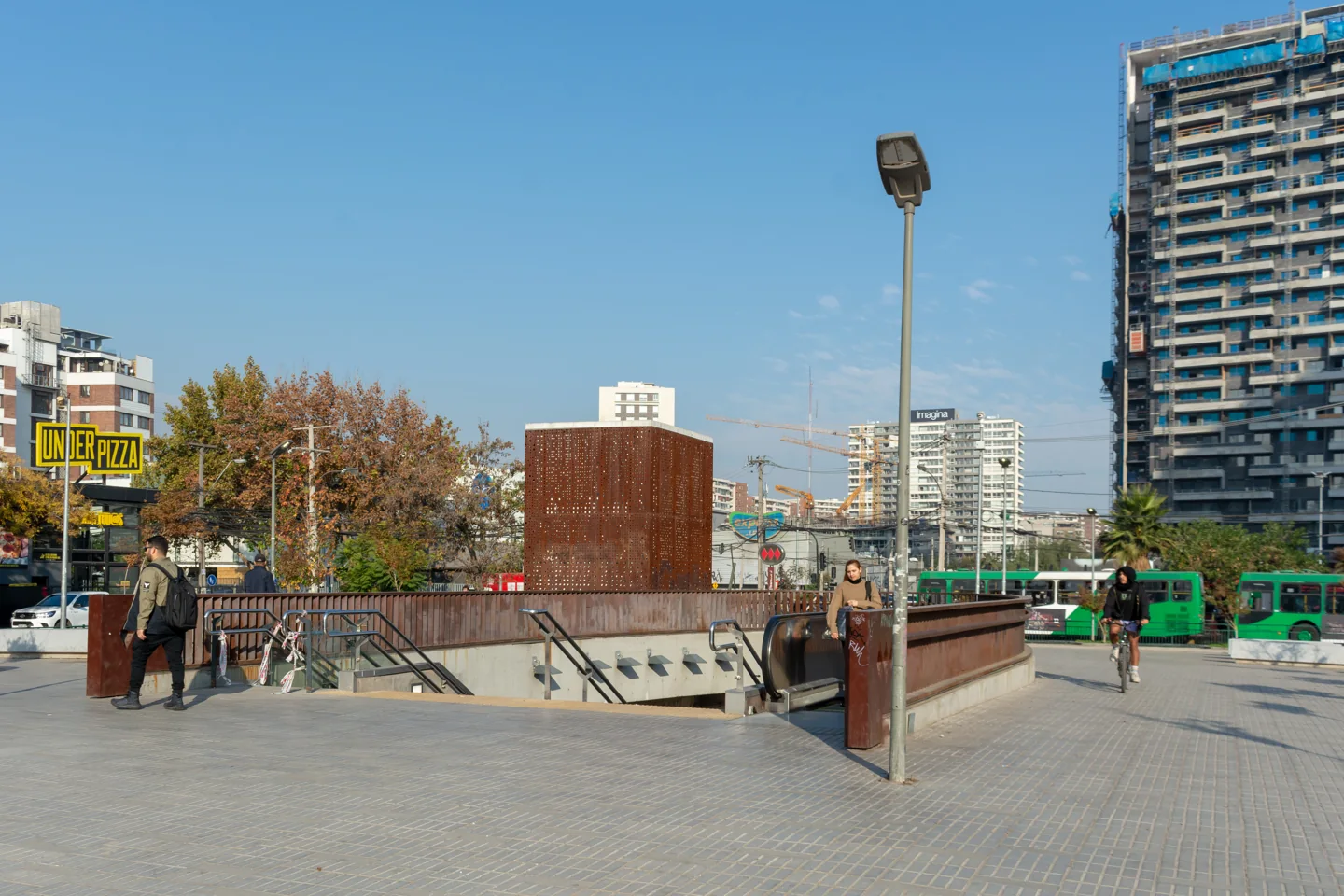
A Metro connection can shape a working week in Santiago; in Valparaíso, the climb from the Plan to a hillside home becomes part of the daily journey. Farther south, Concepción combines university life with connections across the Biobío. Moving to Chile means choosing among these different routines while completing a connected set of tasks: residence approval, a Chilean identity card, household services and the school or work arrangements that brought you here. This guide takes you through that process.
Chile at a glance
- Currency
- Chilean peso · CLP; $ usually means pesos
- Main language
- Spanish
- Residence authority
- Servicio Nacional de Migraciones · SERMIG
- Local identity
- Cédula de identidad with RUN
- Public healthcare
- Fonasa; primary care through CESFAM
- Reviewed
- 13 October 2026
Follow your moving journey
Start at step 1, or jump to the task you are working on.
01Choose a city around your real daily journey
Start with where you must be each morning. A job described as “Santiago” might involve an office near a Metro station, a factory outside the central communes or frequent journeys to another region. Likewise, a school in Lo Barnechea creates a different housing search from a university course in central Santiago. Ask for the street address and on-site timetable before choosing your home.
| Base | Explore first | Test before deciding |
|---|---|---|
| Santiago | Providencia around Manuel Montt or Los Leones; Ñuñoa around Irarrázaval; Las Condes around your actual destination | The complete walk, Metro interchange and final bus journey, including school collection |
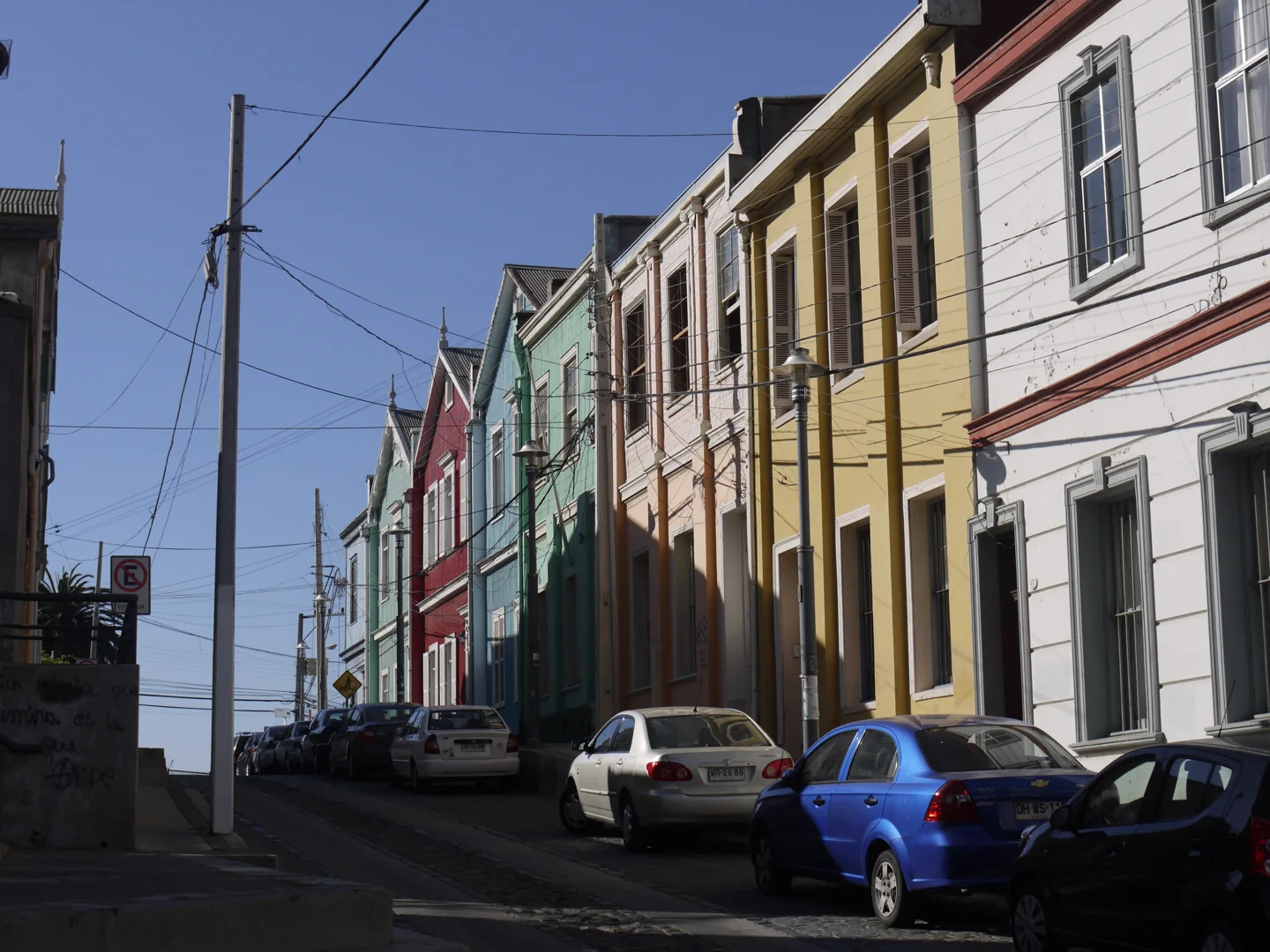
| Valparaíso / Viña del Mar | The Plan and Cerro Alegre in Valparaíso; neighbourhoods connected to your work or study in Viña | Stairs, steep streets, access with luggage and the return journey after dark |
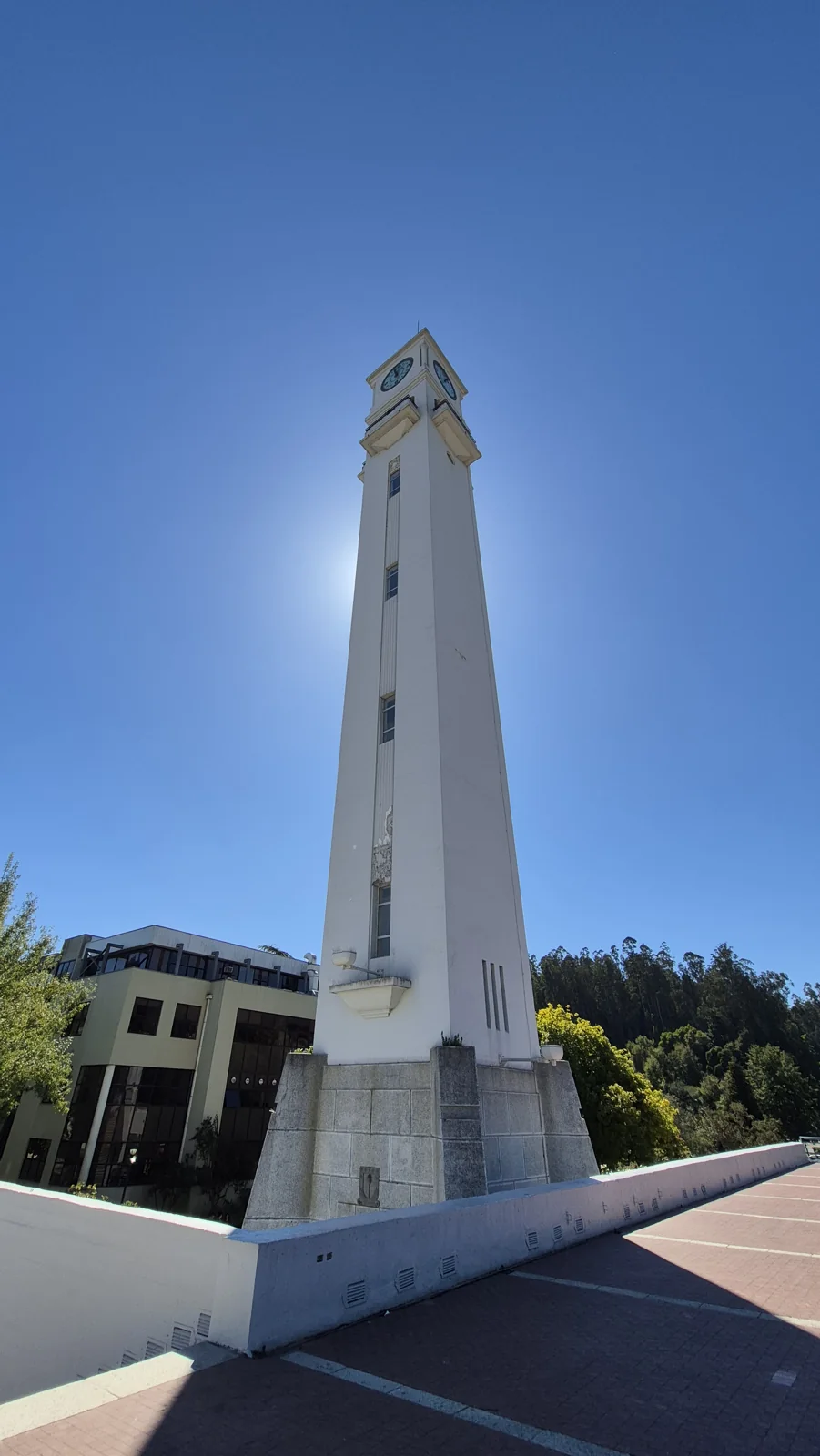
| Concepción | The centre and the area around Universidad de Concepción | The campus entrance you use and any onward Biotren or bus connection |
The official Chile Travel city directory, Cerro Alegre guide and Concepción information help you orient the search. They describe places rather than guarantee rental availability. For a posting in another city, build the same comparison around the employer’s location instead of assuming that a capital-city routine transfers there.
- Plot work, school, healthcare and regular errands on one map.
- View temporary accommodation in the shortlisted area while you test the journey.
- Visit a prospective home at commuting time and in the evening. Assess street noise, lighting, stairs and grocery access.
- Ask what changes during winter: heating, damp, daylight and access to the building matter more than a listing’s photographs show.

02Apply for the residence category that matches your move
Chile separates Permanencia Transitoria, its visitor permission, from Residencia Temporal. A visit does not normally provide a way to switch to residence after finding a job. SERMIG’s category directory explains the defined exceptions for applications inside Chile; use the appropriate exception only when your circumstances meet it. Many movers must apply while abroad.
| Purpose | Starting route |
|---|---|
| Employment with a Chilean employer | Activities with remuneration, supported by the relevant contract or formal offer |
| Study | The recognised-institution student category in the residence directory |
| Family relationship | The relevant family or dependent category, with evidence of that relationship and the sponsor’s status |
| Argentina, Bolivia, Brazil, Paraguay or Uruguay nationality | Reciprocity residence; this is a defined list, not every Latin American nationality |
| Pension or qualifying recurring asset income | Retired-person or rentier residence, explained in step 6 |
- Read the chosen category’s eligibility and document list before ordering certificates.
- Create your own account in the official digital application service. Select the overseas application where required; a new applicant can use a SERMIG account without already possessing ClaveÚnica.
- Upload legible documents, complete household details accurately and save the submission reference. Each family member needs the appropriate permission.
- Respond to requests through the official file. Use the nationality-based tariff and the payment instruction issued for your application rather than a flat fee from an old travel article.
- Wait for the actual decision and issued residence evidence before treating the move as approved.
For a reconnaissance trip, consult visitor entry conditions separately, including any prior consular authorisation required by your nationality. Booking accommodation or submitting an overseas residence application does not itself grant resident entry.
03Settle the contract, remote-work position or business setup
For employment, obtain a contract showing the employing entity, workplace, role, gross pay and hours. Ask for the expected net pay and separate any relocation support, health cover, school allowance or temporary housing from salary. The Dirección del Trabajo’s current guidance reflects the reduction of the ordinary weekly limit to 42 hours from 26 April 2026; specialist schedules and statutory exclusions require their own assessment.
The formal-job-offer residence option has a specific sequence: an initial 90-day permission and, after entry, 45 days to present the definitive contract for the one-year extension described by SERMIG. Put that deadline in the arrival calendar. Do not confuse an offer with a completed contract or a pending application with unrestricted permission to start.
- Confirm who supplies the employer’s tax and corporate evidence for immigration.
- Agree which documents payroll needs and when deductions begin.
- Keep the signed contract and all amendments, then compare the first payslip with the agreed package.
Remote work needs an immigration assessment too. SERMIG’s visitor rules restrict paid activity, including income obtained abroad, with a limited authorisation for specific occasional tasks. Its remunerated residence category includes particular independent-service contracts; it is not a general digital-nomad permit covering any overseas job. Describe your actual clients, duties and location when obtaining advice.
For a company, Tu Empresa en un Día is a registration mechanism, not residence permission. Decide the legal structure and authorised representative, obtain the required RUT, complete the constitutive document and arrange the relevant signature. Registry filing may be free while notarial or electronic-signature services cost money. Follow with SII Inicio de Actividades and any municipality or sector-specific operating permission before trading.
04Build a peso budget and resolve the tax position
In Chile, an ordinary dollar sign usually means Chilean pesos: CLP. Listings may instead quote UF, the inflation-linked Unidad de Fomento. Use the SII value for the relevant payment date when comparing a UF charge with peso income. Ask whether an advertised rent excludes gastos comunes, parking, heating or other charges; those omissions can change the decision.
| Item | Assumed CLP |
|---|---|
| Rent | 650,000 |
| Building common charges | 100,000 |
| Electricity, gas and water | 90,000 |
| Groceries | 250,000 |
| Phone and home internet | 45,000 |
| Transport allowance | 60,000 |
| Contingency | 100,000 |
| Calculated subtotal | 1,295,000 |
Replace every assumption with an actual quotation for your city and household. Add healthcare contributions, private insurance, school fees, childcare, debt payments and tax separately; this subtotal is not a universal cost of living or a salary recommendation.
| Item | Assumed CLP |
|---|---|
| First rent payment | 650,000 |
| Negotiated refundable deposit | 650,000 |
| Temporary accommodation | 600,000 |
| Travel and baggage | 800,000 |
| Documents and translation allowance | 200,000 |
| Household setup | 300,000 |
| Calculated subtotal | 3,200,000 |
The assumed deposit is a budgeting input, not a legal cap. Add the actual immigration charge, shipping, broker commission and any school-entry payment.
Under the SII’s foreign-resident guidance, updated April 2026, qualifying foreign nationals with Chilean domicile or residence initially pay tax on Chilean-source income during their first three years; worldwide-income treatment follows. This is not a blanket three-year tax holiday. The underlying interpretation distinguishes foreign nationals from returning Chileans. Bring assignment dates, income sources and foreign ties to a qualified adviser; determine where work income arises rather than assuming payment to a foreign account settles the question. Ask who files, what withholding covers and whether any treaty claim needs evidence.
05Arrange a school place or the correct university admission
For a child joining the Chilean system without a RUN, Mineduc’s IPE process supplies a provisional school identifier; the guardian may need an IPA. These support education access and are not residence documents. Prepare the child’s identity, previous school records and the responsible adult’s details, then follow Mineduc’s identification and recognition instructions for the actual school level.
Use the Sistema de Admisión Escolar for establishments covered by that system. At this guide’s review, the 2027 main-round results are scheduled from 15 October 2026 at 09:00 to 21 October at 14:00. Families who already applied must respond to their result and save the receipt; rejecting it leaves the child without that assigned place. A newcomer who missed the main application round needs the appropriate later process or vacancy service, not the results screen as a new application.
- Shortlist schools around the intended home and check year level, timetable, teaching language and transport.
- Ask how an overseas record is assessed and which translations are needed.
- Obtain a complete cost schedule: tuition, entry charges, meals, uniform, bus and activities.
- Keep the acceptance and enrolment receipt; an enquiry or application payment is not a place.
For an English-language starting point, Nido de Aguilas is on Avenida El Rodeo in Lo Barnechea. Its own admissions process uses Open Apply and publishes a CLP 190,000 non-refundable application fee, checked 13 October 2026. Following an offer, the school specifies seven consecutive days to sign the enrolment contract. Request the current annual tuition and actual availability before building a school-based housing plan.
At university level, Universidad de Chile’s SIEXT assesses specified overseas secondary-school histories rather than offering automatic entry to all foreigners. Its 2027 rules exclude applicants still finishing the final overseas school year in the second semester of 2026. Read the 2027 tests and places and arrange the required certified records. In Concepción, UdeC’s special-admissions office is another practical starting point; obtain the rules for your intended intake rather than reusing a previous year’s fee or deadline.
06Document the pension or recurring income supporting retirement
Chile has an actual temporary residence category for retired people and rentiers. Retired applicants must evidence a qualifying pension; rentiers rely on regular income from property or financial assets. A savings balance is not automatically the same as recurring qualifying income. SERMIG relates sufficiency to the applicant’s basic needs and the relevant official indicators; this guide does not invent a single guaranteed minimum for every household.
- For pension-based residence, obtain the certificate showing the pension amount and duration and the latest payment evidence, with the apostille or legalisation required by the category.
- For rentier residence, assemble evidence of ownership and the regular income generated by the property or financial asset.
- File from outside Chile through the official service. Include dependants under the applicable household rules rather than assuming the principal applicant’s pension letter covers everyone.
- Calculate the income actually available after exchange and transfer charges, and request health-insurance quotations for your age and medical circumstances.
Test the chosen location against the routine you expect to have: a reliable route to medical appointments, groceries without a car and a home that is comfortable in winter. A coastal view does not resolve those needs. If you expect to undertake consultancy or open a business, describe that activity during the residence assessment rather than treating retirement terminology as an answer to work permission.
Keep a calendar for pension payment dates, residence expiry and any annual tax obligations. Retain provider contacts and arrange access to statements from abroad. Before changing the country where a pension is paid, ask the paying institution about proof-of-life procedures and other continuing conditions; the Chilean residence decision does not amend an overseas pension award.
07Prepare the documents, shipment and pet journey
Order certificates around the application date. SERMIG’s general requirements distinguish the passport, adult criminal-record evidence, recent photograph and supporting category documents. Foreign documents need the applicable apostille or legalisation; documents outside Spanish or English require the stated official translation. Check validity against the chosen category before paying for several copies: a certificate that was usable when ordered may be too old when uploaded.
- Keep originals and complete scans, including reverse pages and legalisation marks.
- Carry residence approval, passport, household certificates and essential prescriptions in hand luggage.
- Send a numbered inventory to the shipping agent. Specify ownership, used household goods, values and the permission under which you are arriving.
- Obtain a written clearance assessment from Aduanas or your licensed agent before shipping. Old tariff tables are not a guarantee that your entire consignment or car qualifies for relief.
- Keep freight, storage, handling, insurance and any taxes separate in the quotation.
For dogs and cats, use SAG’s current 2026 requirements, reflecting the rules effective from 27 July. Permanent identification must match the international veterinary certificate. The clinical examination is within ten days before certificate issue; internal and external parasite treatment is five to thirty days before issue. A first rabies vaccination must be at least 21 days before entry. The CVI is valid for ten days, with a possible five-day extension according to the journey. Ask the origin’s official veterinary authority to certify the applicable requirements and coordinate travel dates precisely. SAG also describes the EU pet-passport option and additional authorisation for ferrets. Do not apply a dog checklist to birds or other species.
Reserve an airline-approved carrier and obtain the airline’s acceptance of the animal and routing. Retain the original veterinary documents with the traveller; a photograph of them may not satisfy border inspection.
08Enter with the correct permission and get to your first base
An overseas grant requires attention to the Estampado Electrónico, or EE. SERMIG states 120 working days from notification to download it and then 90 calendar days to enter Chile. Read the grant and the actual dates before booking; a submission receipt is not the electronic residence certificate. Save a printable copy and one available offline on your phone.
- Present the passport and issued residence evidence at border control. Keep the evidence of entry associated with the permission.
- Follow the Aduanas–SAG declaration for your luggage. Declare relevant food, plants and animal goods instead of assuming commercially packed items are excluded.
- If carrying more than USD 10,000 equivalent in cash, follow the customs reporting procedure. Plan an electronic transfer rather than arriving with the full move budget in notes.
- Use Nuevo Pudahuel’s official transport information at Santiago airport to choose the appropriate authorised car or airport-bus connection. Centropuerto and TurBus options should be matched to your final address and arrival time.
- Tell the accommodation host when you will arrive, confirm how keys are collected and keep a backup contact.
For a connecting domestic flight or an onward regional bus, allow time for immigration, baggage and inspection. Check whether the final journey requires another terminal or a city transfer. A map distance between the airport and a neighbourhood does not account for luggage, traffic or the last connection.
During the first evening, make sure the phone works, essentials can be bought and your important documents remain accessible. Put the identity-card booking and any job-offer contract deadline ahead of sightseeing; those early tasks determine whether the rest of the setup proceeds smoothly.
09Book the cédula and activate your government access
The cédula de identidad is the practical identity document used across Chile. It contains the RUN, Rol Único Nacional. You will also encounter RUT in tax and banking contexts; use the exact number, including its check digit, supplied by the responsible service instead of making up a provisional identifier.
- Check the Registro Civil eligibility and appointment instructions for obtaining a foreigner’s card.
- Book within the applicable 30-day deadline. For an overseas residence grant, SERMIG’s EE instructions tie this to entry; an in-country grant has its own effective-date sequence. Save the booking proof.
- Attend the selected office with the documents requested for your case and pay the published CLP 4,270 card charge, checked 13 October 2026.
- Keep the application receipt and collection instructions. The service describes approximately twenty working days for collection, not guaranteed same-day delivery.
- Once eligible, obtain and activate ClaveÚnica through Registro Civil’s appointment or office channel. It requires a valid Chilean identity card; a provisional RUN alone does not qualify.
Keep control of the activation code and password. If someone helps with a form, remain able to log in yourself and read the notifications. Use your own email address consistently for immigration and appointments, especially if an employer or relocation company assists with the move.
For invoicing or business activity, arrange the separate SII tax access and Inicio de Actividades. For children joining school without their card yet, the education identifier in step 5 addresses a different need. A bank rejecting an incomplete ID file is not resolved by presenting a school IPE or assuming that a company’s RUT is your personal identity.
10Open a usable account and test everyday payments
BancoEstado’s published digital CuentaRUT instructions provide a concrete starting point: Chileans or foreigners over 18 with a valid Chilean identity card can obtain the account through the bank’s app without an income or commercial-history requirement. That description does not promise a passport-only account before the card arrives. Other products have their own identity, income and residency criteria.
- Read the current account terms, limits and fee schedule before accepting the product. Distinguish card purchases from charges for withdrawals, transfers or overseas use.
- Apply through the bank’s own app or an appropriate branch. Use your personal phone and email rather than a landlord’s contact details.
- Activate the security method and card, then make a small test payment.
- For salary, give payroll the exact bank, account type, number and holder details requested. Confirm when the first payment will reach the account.
- Before moving a large overseas balance, compare the receiving-bank charge, sender’s charge and exchange result. Keep the documentation showing the source of funds.
A domestic transfer request commonly includes the recipient’s RUT and account type as well as the account number. Read those fields carefully, particularly when paying rent. Confirm the recipient independently and keep the receipt with the invoice or lease; a transfer description on its own does not show what obligation the payment satisfied.
Until the local account works, retain a usable overseas card and enough funds for essential purchases. Check overseas transaction settings before departure. Keep the account application and its activation on your own device, and update the contact details after any phone-number change so that you can approve payments and receive bank messages reliably.
11Inspect the home and agree the complete arriendo
The arriendo should explain more than the monthly amount. Ask what the landlord wants as proof of income and whether an aval or other guarantee is required. If you have just arrived and cannot provide a local earnings history, explain the actual documentation available—an employment contract, employer guarantee or verified funds—and negotiate the terms. Do not assume every owner will accept the same substitute.
- Verify the landlord’s identity and authority to let the specific property. For an agent, establish who receives the payment and what the commission covers.
- Inspect the home: heating, ventilation, hot water, damp, locks, lifts and the route from the street. Test mobile reception and ask about fibre availability.
- Read the written lease against Chile’s urban rental framework. Identify the duration, peso or UF amount, adjustment method, deposit and return conditions.
- Separate gastos comunes from utilities and ask for recent building statements. Clarify which charges are fixed, usage-based or occasional.
- Agree responsibility for repairs, maintenance, pets, parking, notice and early termination.
- Record the condition, inventory, meter readings and all keys in the handover. Keep dated photographs and a signed copy.
Request a receipt for each initial charge. A reservation payment should have written conditions explaining what happens if the lease is not completed. The illustrative deposit in step 4 does not establish a national statutory maximum, and this guide does not promise that a listing includes every building charge.
In Valparaíso, inspect the hill access with the groceries or pushchair you will actually use. In an apartment building, speak to administration about deliveries and move-in arrangements. For an unclear clause or dispute, Corporación de Asistencia Judicial guidance offers an official orientation route; eligibility for representation in court is a separate assessment.
12Choose coverage and register for local care
Understand the distinction between Fonasa, the public insurance system, and a private Isapre. Fonasa affiliation guidance describes a contribution of 7% of taxable pay for contributing members, subject to the applicable ceiling. Its Copago Cero concerns care in the public institutional network; it does not make every private consultation or freely chosen provider free.
- Ask payroll which health arrangement applies and when the first contribution and coverage begin.
- Apply through the appropriate Fonasa channel or obtain the private insurer’s accepted contract. Include eligible dependants explicitly.
- For public primary care, identify and register with the relevant CESFAM or consultorio for your home or applicable workplace.
- Keep the affiliation confirmation and learn how appointments, referrals and prescriptions are obtained there.
- For a private policy, read the provider network, reimbursements, waiting conditions and treatment exclusions before relying on it.
If a foreign newcomer lacks the usual documents or has no income, Fonasa lists specific access categories and assessment channels. Present the actual situation to the service rather than assuming that ordinary payroll enrolment is the only route or that an overseas insurance card creates Fonasa membership.
Bring a concise medical history, prescriptions using generic names, vaccination records and recent specialist reports. Arrange enough lawful medication supply for the transition and ask a local clinician how continuing prescriptions will be issued. For regular therapy or a specialist condition, confirm the actual provider and appointment route before deciding the neighbourhood.
Interim international insurance should cover the period between landing and effective local cover. Compare that date with the policy’s end date; an employment start date and an insurance start date may differ. Keep the assistance contact, policy number and nominated emergency contact available offline, especially while the local phone and banking arrangements are still being completed.
13Register the phone, connect services and learn transport
Two different phone tasks can affect a newcomer. SUBTEL’s prepaid identity rules took effect on 20 August 2026: new lines and recharges need the operator’s identity-validation process. If it remains incomplete after ten calendar days, further recharges are blocked until validation. Take your actual identity documents to the operator if the online form cannot handle them.
An imported handset separately needs the applicable Multibanda administrative registration. Choose an authorised certification company, prepare the IMEI and identity/travel evidence and complete its process. Dial *#06# to display the IMEI; include both numbers for a dual-SIM device. An unregistered handset can be blocked thirty days after first use on the local network. Successful SIM activation does not complete handset registration.
- At the home handover, copy the electricity and water account numbers and photograph the meters.
- Confirm with the lease who pays each bill and whether a name change is needed. Enel and Aguas Andinas provide service channels for their respective supply areas; use the actual supplier shown on the property’s bill.
- Compare internet offers for the specific address, including installation, equipment and cancellation terms.
- For Santiago transport, obtain a bip! card or an eligible QR payment method and test the complete commute.
Red Movilidad’s fares, checked 13 October 2026, show Santiago buses at CLP 795; Metro/Tren Nos fares are 735 low, 815 off-peak and 895 peak. Eligible travel integrates up to two transfers within 120 minutes, in the same direction and without repeating a bus route. Forty-four separate peak journeys would be CLP 39,380, a calculation rather than a monthly pass price. These rates do not describe Valparaíso or Concepción’s systems.
For driving, use the municipality’s class B application or the specific recognition route applicable to your licence. Budget the actual municipal fees and tests; possession of an overseas licence is not evidence that every exchange agreement applies to you.
14Close the first-month files and establish a local routine
The first month is complete when everyday tasks work without repeatedly borrowing someone else’s account, phone or documents. Test the arrangements together: receive a salary payment, pay a bill, travel to the school, book care and find the nearest essential shops. Where one file is still pending, record its reference, the next action and who is responsible.
- Identity: attend or retain the cédula appointment, track collection and activate your own government access when eligible.
- Work: reconcile the first payslip; for the formal-offer residence sequence, complete the contract submission within its actual deadline.
- Children: retain the school acceptance, enrolment confirmation and the route between provisional school identity and the eventual RUN.
- Home: reconcile the first rent, common charges and meter readings with the handover documents.
- Health: confirm the effective coverage date, dependants and primary-care appointment route.
- Communications: complete both SIM identity verification and any imported-device registration.
- Immigration: calendar the permission’s expiry and the appropriate extension or later residence assessment; the first grant is not automatic permanent residence.
Use your municipality’s current cultural and sports listings, a course at your actual university or a neighbourhood activity to create a repeatable social routine. Practise the Spanish you need for a landlord, a clinic and a service counter, including the difference between an application receipt and an approval. At work or school, learn the contact who handles an absence or timetable change.
Include one concrete household preparedness task. Enter the address in SENAPRED’s Visor Chile Preparado to identify the relevant evacuation information, particularly on the coast, and follow the Familia Preparada process to agree exits, contacts, responsibilities and a kit. Walk the relevant route together rather than just saving the map. Keep the plan with copies of your essential documents, then update it after moving home or changing the school.
Sources & further reading
Reviewed 13 October 2026. Sources are linked beside the relevant instructions. Current 2026 pet and prepaid-phone rules take precedence over older instructions. Immigration, school identifiers, tax registration and bank eligibility are distinct procedures; nationality and application-location restrictions are retained. Amounts are CLP unless a different currency is stated. Identity, school-application and Santiago transport prices were checked on 13 October 2026 and retain their scope. Household budgets are clearly hypothetical calculations. The immigration tariff page’s displayed September exchange conversion is not used as an October rate. Photograph credits, licences and capture years appear with the images.
Browse the source directory
- Chile Travel: cities and regional connections
- Chile Travel: Cerro Alegre and Cerro Concepción
- Chile Travel: Concepción
- SERMIG: temporary residence categories
- SERMIG: temporary residence requirements
- SERMIG: visitor permission and work restrictions
- SERMIG: application service
- SERMIG: reciprocity residence
- SERMIG: residence for remunerated activities
- Dirección del Trabajo: 2026 working-hours implementation
- Registro de Empresas y Sociedades: creation FAQ
- ChileAtiende: individual start of taxable activity
- SII: tax obligations of foreign residents
- SII: source of income and foreign-resident treatment
- SII: UF values
- SERMIG: immigration fees
- Mineduc: IPE and IPA for families without Chilean IDs
- Mineduc: School Admissions System
- Nido de Aguilas: admissions and location
- Nido de Aguilas: application process
- Universidad de Chile: SIEXT admission
- Universidad de Chile: 2027 SIEXT places and tests
- Universidad de Concepción: special admissions
- SERMIG: retired people and rentiers
- SERMIG: electronic residence certificate
- SAG: current dog, cat and ferret import conditions
- SAG: July2026 pet-entry change
- Aduanas: arriving travellers and declarations
- Nuevo Pudahuel: official airport ground transport
- ChileAtiende: foreign identity-card application
- ChileAtiende: ClaveÚnica
- BancoEstado: digital CuentaRUT eligibility
- BCN: Law18101 on urban leases
- ChileAtiende: legal orientation including housing
- ChileAtiende: Fonasa affiliation
- ChileAtiende: CESFAM registration
- SUBTEL: compulsory prepaid identity registration
- Multibanda: administrative mobile registration FAQ
- Multibanda: approved registration companies
- Enel Chile: account-name change contact
- Aguas Andinas: payments and service locations
- Red Movilidad: Santiago fares and integration
- ChileAtiende: classB driving licence
- SENAPRED: address-based hazard and evacuation map
- SENAPRED: household emergency plan
Make your next step a practical one
Choose the actual residence route first, then connect a neighbourhood shortlist with your workplace or school. Assemble the application documents and a quotation-based budget before signing a long lease.




