 Visa
Visa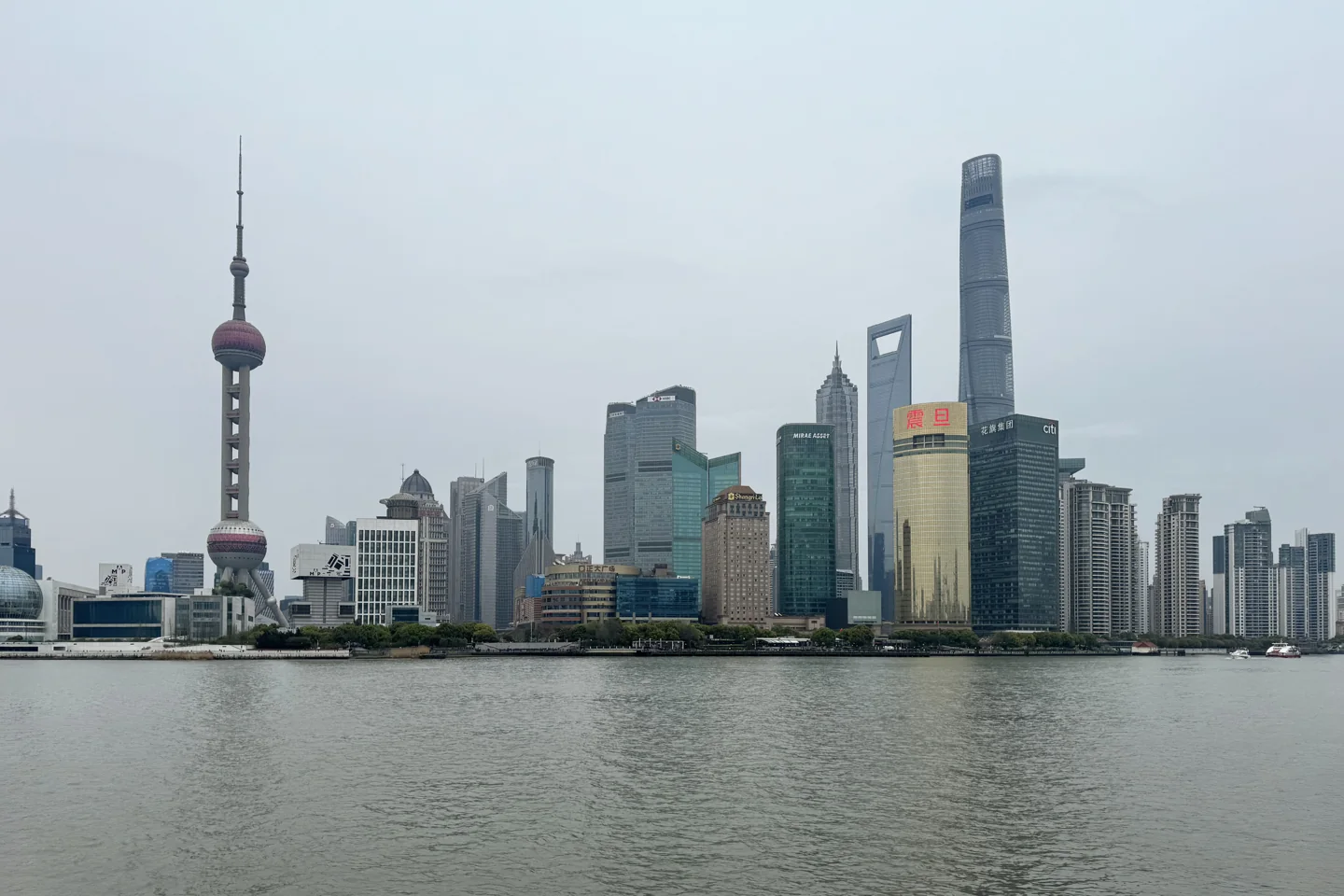
Moving & Living - China - Complete Guide
Move to mainland China step by step: arrange the right visa and work approval, plan schools and costs, register your address, obtain residence permission and set up banking, housing and healthcare.
Photo credit
In Shanghai, a journey across the Huangpu can decide which side of the city makes sense for a home. In Beijing, the distance between a school in Shunyi and an office in Chaoyang matters more than a familiar neighbourhood name. A move to mainland China works best when those daily choices connect with the administrative sequence: employer or university support, the right entry permission, address registration and residence paperwork. This guide explains how to put that sequence into practice, using local services and clearly labelled Shanghai examples.
China at a glance
- Scope
- Mainland China; Hong Kong and Macao have separate procedures
- Currency
- Renminbi · yuan · CNY / RMB
- Main official language
- Mandarin Chinese; local languages and dialects vary
- Residence authority
- Local public-security Exit-Entry Administration
- Address registration
- Generally within 24 hours at a new accommodation
- Reviewed
- 13 October 2026
Follow your moving journey
Start at step 1, or jump to the task you are working on.
01Choose a base around work, school and the actual station exit
Begin with the address in Chinese, not just the city or district. An office described as “Pudong” could be near Lujiazui or much farther out; a convenient home on a map may still require a long walk from the useful Metro exit. Ask the employer or university for the building entrance, attendance schedule and typical arrival time.
| City | Starting comparison | Decision to test |
|---|---|---|
| Shanghai | Jing’an or Xuhui for a Puxi routine; Pudong around the actual office or school | Which side of the Huangpu makes the daily journey simpler? |
| Beijing | Chaoyang for your specific workplace; Haidian for the relevant university; Shunyi for a school-based household | Does the chosen school turn an attractive central address into an impractical commute? |
| Shenzhen | Futian or Nanshan around the real workplace and Metro connection | How far is the building from the station you will use? |
| Chengdu | A central neighbourhood or a home close to the actual southern business or university destination | Can the regular journey be completed without several changes? |
The Beijing government’s dated education directory is useful for understanding why international-school searches extend into Chaoyang, Haidian and Shunyi. Confirm each institution’s current location directly before treating that directory as a current vacancy list.
- Map work, school, healthcare and the nearest useful station entrance together.
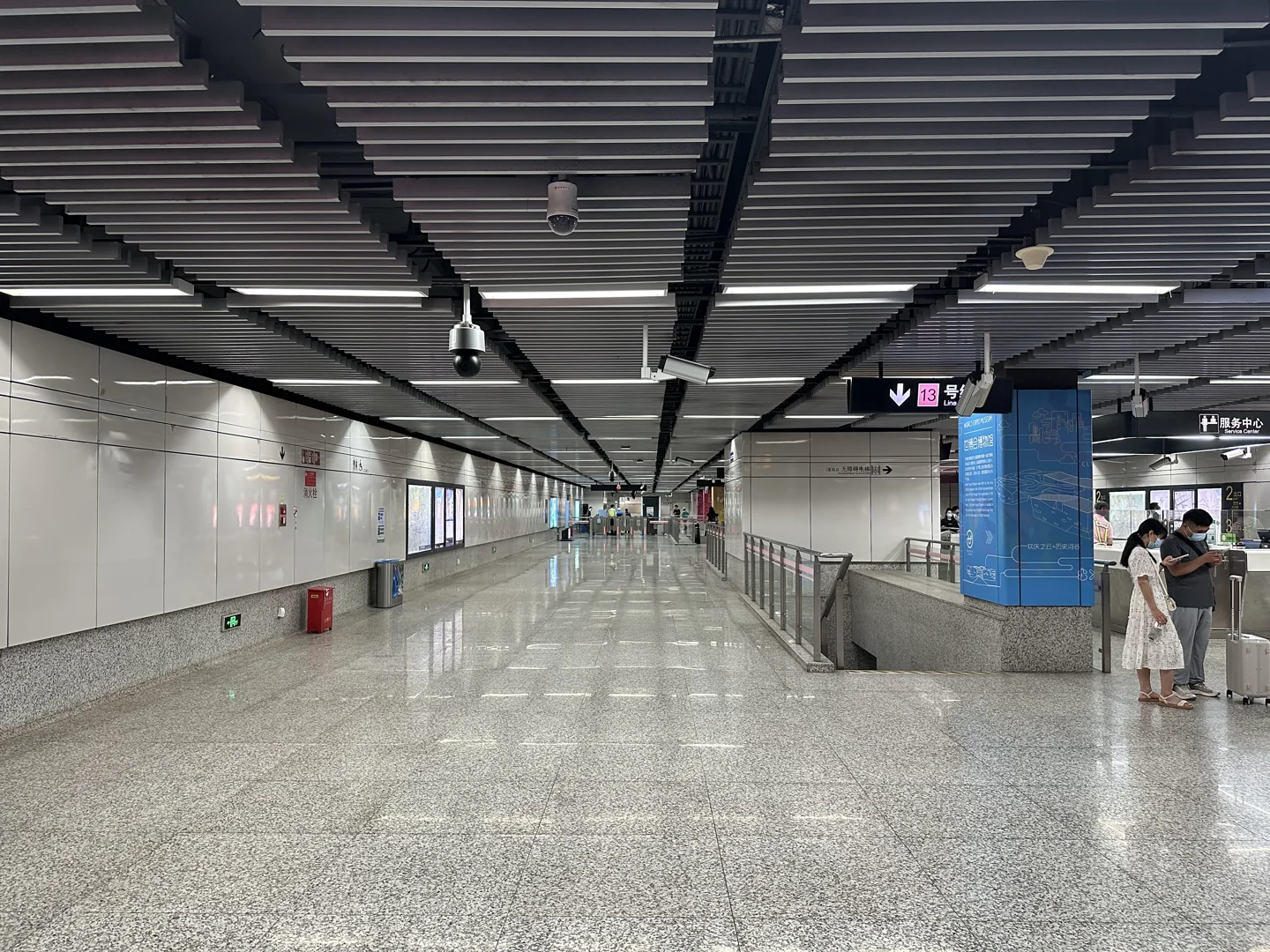
- Test the entire journey, including security checks, stairs and the final walk.
- View temporary accommodation first if the long-term area is still uncertain.
- Inspect noise, heating or cooling, deliveries and building access at the times you will actually be home.
This guide concerns mainland China. Hong Kong and Macao have separate immigration and administrative systems; a mainland permission does not settle the requirements for moving to either.

02Match the visa to the purpose and prepare the supporting approval
An entry visa, a residence permit and permission to work are different documents. For the usual employed move, the sequence begins with employer-supported work approval and the appropriate work visa, then continues after arrival with the approved work record and work-related residence permission. Tourist entry, a business visit or visa-free travel does not substitute for that sequence.
| Planned move | Usual starting category |
|---|---|
| Employment | Z, with the relevant work-approval document |
| Long-term university study | X1, supported by the admitting institution’s documents |
| Long-term family visit to a foreign resident working or studying in China | S1, where the relationship and sponsor meet its conditions |
| Family reunion with a Chinese citizen or a foreign permanent resident | Q1, where eligible |
The official entry regulations describe the core categories. A specialised K category for eligible young STEM talent also exists; obtain its actual eligibility and activity conditions from the responsible consulate. It is not a general permission for every remote worker or an assurance of unrestricted employment.
- Identify the visa centre or consular office responsible for where you legally reside. Where applicable, use the Ministry of Foreign Affairs visa service specified by that office.
- Assemble the passport, photographs, supporting approval and the jurisdiction’s additional documents.
- Complete the online review and subsequent passport-submission procedure described by that office. Save the application reference.
- Pay the published fee for your nationality, visa category and service. There is no single universally applicable visa charge.
- Read the issued visa: entry validity, permitted entries, stay conditions and any requirement for a residence permit.
A current Tijuana Z-visa checklist illustrates the work-approval and residence-permit sequence, but its Mexican identity and local legal-residence instructions are not a checklist for every applicant worldwide.
03Secure the employer’s approval or a properly established business
Ask the employer who handles the Notification Letter of Foreigner’s Work Permit, which application category applies and what evidence you must provide. The pre-entry checklist can involve academic qualifications, work history, criminal-record evidence, health records and a signed employment arrangement. The employer submits through the relevant system; possessing a degree or receiving an offer is not the approval itself.
- Confirm the exact employing entity and work location, especially if an overseas company is sending you to a Chinese subsidiary.
- Agree duties, pay currency, gross salary, deductions, working time, probation and termination terms.
- Separate rent, school, transport and medical support from salary. State whether the employer pays the provider or reimburses you.
- Get a written timetable for the arrival formalities and the lawful start of duties.
- Retain the approved work record and the residence evidence, not just the initial offer.
China has integrated work-permit information with social-security cards and stopped issuing new physical work-permit cards under that system. An electronic record still requires the underlying approval. Older physical cards can remain valid until the relevant renewal or modification; do not delay the file while expecting a new plastic card to arrive.
A job performed from a Chinese home for an overseas employer needs a specific immigration and tax assessment. The overseas payer does not make visitor status a remote-work route. Describe where the work is done and who employs or contracts you.
For a business, use the local foreign-invested company registration checklist. Prepare the articles, shareholder and officer identification, lawful business premises and registration application, and address the required foreign-investment reporting. Company ownership does not itself authorise your personal employment or residence. Obtain a costed plan for registration, tax, banking and sector permissions before committing to premises.
04Separate the monthly budget, upfront cash and tax responsibilities
Prices are quoted in renminbi, usually described as yuan, RMB or CNY. Build the budget around the particular city, building and household. A monthly rent figure is not the amount needed to receive the keys: several months’ advance rent, the deposit and a broker’s charge may fall due together.
| Item | Assumed CNY |
|---|---|
| Rent | 8,000 |
| Power, water and gas | 500 |
| Phone and home internet | 400 |
| Groceries and meals | 2,500 |
| Transport allowance | 400 |
| Private health-cover allowance | 800 |
| Contingency | 1,000 |
| Calculated subtotal | 13,600 |
Replace each assumption with an actual quote. Add school or university costs, childcare, tax, social-insurance deductions and overseas obligations separately. The insurance allowance is not a quoted premium or evidence that a particular condition is covered.
| Item | Assumed CNY |
|---|---|
| Three months’ rent at 8,000 | 24,000 |
| Refundable deposit | 8,000 |
| Temporary accommodation | 7,000 |
| Flights and baggage | 5,500 |
| Documents and translations | 2,500 |
| Household setup | 3,000 |
| Calculated subtotal | 50,000 |
The quarterly rent here is advance payment, not an additional cost on top of those same three monthly rent payments. Add visa, residence, health-examination, shipping and agency charges from the actual file.
Ask payroll for a gross-to-net explanation. The State Taxation Administration’s non-domiciled rules use a 183-day residence test and conditions involving preceding years and absences for certain foreign-source income. They do not create a blanket six-year tax holiday. The employment-income rules distinguish where duties are performed and who pays; salary earned for work in China is not made foreign-source merely by payment abroad. Keep an entry-and-exit calendar and obtain a personal assessment of withholding, filing, treaties and any allowable employer benefits.
For unsupported foreign identity documents, the current tax-service guidance provides a registration-code route at a tax service hall. Keep the passport details consistent with payroll and the bank before requesting a refund.
05Obtain school eligibility or the correct university admission
International-school admission is influenced by the household’s nationality, work and residence documents as well as the child’s educational needs. Shanghai American School’s current admissions page describes eligibility categories and its two campuses. It says applications for 2027–28 opened on 14 September 2026, while 2026–27 places are extremely limited in many grades. Contact admissions before paying for a current-year application; a next-year application does not provide a place for an immediate move.
- Choose the curriculum, teaching language and year level, then identify the actual campus.
- Submit the school’s required family identity, work/residence and relationship evidence, together with educational records.
- Discuss language support, learning support and the assessment process before assuming the child can enter the desired grade.
- Obtain the full invoice structure and written acceptance. Establish the enrolment deadline and refund conditions.
- Confirm the bus route or school run before deciding the apartment.
| Level | Annual tuition |
|---|---|
| Kindergarten–Grade 4 | 285,800 |
| Grades 6–8 | 301,600 |
| Grades 9–12 | 311,000 |
The school’s fee schedule separately lists a 32,000 non-refundable enrolment fee, a new-student entry fee of 28,000 for primary or 33,000 for middle/high school, and a 2,800 non-refundable application fee. Optional buses are 12,150 per semester. Request the invoice for your entry date; these are not verified 2027–28 charges or a quotation for every school in China.
For university, use the Fudan International Students Office or the equivalent office at your chosen institution. Its published 2026 English-taught list includes economics, data science and medicine, with programme-specific entry evidence and tests. For a later intake, obtain that intake’s actual notice rather than assume the 2026 application is still open. Arrange transcripts, qualification certification, language/test evidence, financial support and the institution’s visa documents. Confirm the teaching campus: Fudan’s Jiangwan gate below is not an assurance that every programme is taught there.

06Resolve permission and pension arrangements before retiring
Do not plan indefinite retirement in mainland China solely around pension income or ownership of an apartment. The ordinary visa categories do not provide a general pension-income retirement visa in the way some other destinations do. A family-based route depends on a qualifying relationship and sponsor; an employment permission depends on the relevant work arrangements. Ask the Exit-Entry Administration to assess the basis for the actual stay before employment ends.
A specific NIA private-affairs provision concerns foreign nationals of Chinese origin aged 60 or above who own property in China. It requires property evidence or a notarised purchase contract and income evidence, and allows assessment for permission of up to three years. This is not a property-based route available to every foreign retiree.
- Identify which permission presently supports residence and when it expires.
- If a family category is relevant, obtain the relationship and sponsor evidence and establish the application sequence.
- Request the Chinese social-insurance record and a written explanation of any pension entitlement.
- Compare the cost and acceptance conditions of medical coverage for your age and treatment needs.
- Arrange access to overseas pension statements, payments and any continuing proof-of-life requirement.
The current Shanghai pension guidance distinguishes qualifying pension claims from simply having contributed during an assignment. It also explains retaining an individual account when leaving before the prescribed pension age or applying in writing for the relevant account balance. Obtain a personal calculation rather than assume the full amount paid by both employer and employee can be withdrawn.
Evaluate retirement housing through the routine it supports: manageable stairs or lifts, regular clinic access, groceries and a transport route that remains usable without a car. Keep a sufficient payment method for healthcare while any insurance or pension file is being processed. An employer’s policy may cease with the assignment, even if another residence application is underway.
For a shorter family visit, use the actual visit permission and its dates. Several consecutive visits should not be treated as an already approved permanent-settlement plan.
07Prepare certified documents, household goods and the pet file
Ask the employer, university or consulate which originals need apostille or legalisation and which translations it accepts. The work-notification checklist is a practical starting point for an employed move. Do not order a generic “China document package” without matching the actual file: qualifications, criminal-record evidence, family certificates and health reports have different uses.
- Scan complete documents and certification pages; keep originals accessible.
- Carry the visa-support records, family documents and essential medical information in hand luggage.
- Prepare a numbered shipment inventory with used goods, quantities, values and ownership.
- Get the arrival and clearance sequence in writing from the agent before dispatch.
- Separate freight, handling, storage, insurance and any duties in the quotation.
Shanghai Customs’ January 2026 personal-effects guidance says the relevant long-term non-resident traveller must first obtain long-term residence permission before declaring the shipment. Eligible first-import personal-use goods may receive relief; vehicles and subsequent imports have different treatment. Arrange storage and timing around the actual permit instead of sending a container that reaches port before the file can be cleared.
Personal pet entry is limited to one dog or cat per person per entry. Use the origin-specific customs requirements to establish the official health certificate, matching microchip, vaccination evidence and any approved rabies-antibody report. Designated and non-designated origins do not follow identical rules. The entry port and whether quarantine is required depend on the documentation and origin; obtain the actual clearance plan before reserving the flight. Another species cannot simply use a dog’s checklist.
Ask the airline to accept the animal, carrier and transit routing, and keep the original certificates with the accompanying traveller. Also confirm local dog-registration and breed rules with the destination authority and landlord before settling on the property.
08Arrive, connect your phone and register the first address
Read the visa and keep the passport, invitation or approval documents, destination address in Chinese and host’s number readily available. Complete the arrival procedure required by the border authority and retain the entry evidence. A residence application after landing does not make the entry conditions irrelevant.
- Follow customs declaration instructions for the items you carry, including animals and controlled articles. A household shipment and accompanied baggage are different clearance files.
- Choose authorised airport transport appropriate to your luggage and final address.
- At Pudong, the international-arrival service facilities offer help with SIMs, payments and transport. Short-term mobile packages should be compared with what a resident household needs.
- At a hotel, confirm that accommodation registration is handled for your passport.
- At an apartment or another non-hotel address, complete the required registration with the host within 24 hours. Keep the confirmation.
The current online service selector distinguishes the national visitor-accommodation platform from Shanghai’s local self-service system. The latest instructions provide host assistance for the initial file; use the correct address and all occupants’ actual details. If the online process cannot complete your situation, contact the local police accommodation service or 12367 promptly.
Arrange the first health-examination and residence appointments immediately. The first week is also the time to make sure the accommodation can produce the rental or ownership evidence needed for later paperwork. A booking platform receipt may not provide every document required by the local authority.
Keep a small amount of usable local currency and a tested card while electronic payments are being activated. Save the address and transport plan offline so that arrival does not depend entirely on an untested foreign mobile connection.
09Complete the examination, residence file and employee registrations
For a visa requiring resident formalities, NIA guidance sets the residence-permit application deadline at 30 days after entry. Work with the employer or university immediately; do not wait until day 29 to discover a missing appointment or certification. In the ordinary employed sequence, the work approval must support the work-related residence application.
- Book the applicable local medical examination or verification of an overseas report. In Shanghai, use the International Travel Healthcare Center’s current instructions for No. 15 Jinbang Road.
- Its July 2026 guide asks for advance booking, passport copies, three recent two-inch photos, printed forms and evidence supporting the purpose of residence. Bring original overseas examination results if seeking verification; acceptance is not automatic.
- Assemble the local residence checklist: passport/visa, application, relevant health certificate, employer letter and accepted work-approval evidence, plus documents required for your individual case.
- Attend the Exit-Entry Administration, obtain the acceptance receipt and follow the collection instructions. Establish what the receipt permits while the passport is retained.
- Inspect the returned permit for purpose, identity and expiry, then save a copy and calendar the next action.
NIA’s Chinese-original charging schedule lists CNY 400 for a permit shorter than one year and 800 for one year to less than three years, checked 13 October 2026. These are residence charges, not the overseas visa or medical-examination fee; use the actual granted duration to identify the band.
For employees, Shanghai’s August 2026 guidance requires employer-led social-insurance registration within 30 days of receiving the employment documents. An overseas policy does not automatically exempt you from contributions; an applicable bilateral agreement needs its own evidence and scope assessment.
Your passport and residence evidence remain important identity documents. A foreign permanent-resident identity card is not issued automatically to every new temporary resident. When changing address or passport, obtain the applicable update instructions from the local authority rather than assume a new accommodation receipt updates every file.
10Open the account and test mobile payments under your own identity
Official bank-account guidance accepts a passport or the relevant permanent-resident identity document as the main identification, while allowing banks to request supporting evidence. The Shanghai account-opening guide is a starting point, not a guarantee that every branch offers the same account immediately.
- Choose a bank and branch able to handle the passport-based application. Ask in advance about proof of address, employment or study and the mobile number needed.
- Bring the originals and spell the name exactly as in the passport. Explain any difference between the account display name and the name used by payroll.
- Read account limits, card charges and transfer rules before accepting the product.
- Activate the card and security method on your own device, then test a small transaction.
- Give the employer the exact account information and verify the first salary payment.
For Alipay or WeChat Pay, register your own account, complete the requested verification and link a supported card through the official app. Confirm that the foreign issuing bank permits the transaction. A successful merchant purchase does not prove that every wallet function, personal transfer or utility payment is available with that card.
Read the fee shown for each transaction, particularly when using an overseas card. This guide does not carry forward an old promotional threshold as a guaranteed current exemption. Keep a second payment method until rent, bills and ordinary purchases have actually been tested.
For money sent abroad, ask the bank about documentation of salary, tax and the lawful source of funds. An account’s balance does not itself answer the foreign-exchange reporting or remittance questions. Keep payroll and tax records together so that a later transfer is supported by the underlying earnings evidence.
11Verify the landlord and negotiate the complete lease
Know what the payment phrase means. 押一付三, yā yī fù sān, means one month’s deposit and three months’ rent in advance. It is a payment arrangement to negotiate, not a universal nationwide legal requirement. Calculate the complete initial amount before agreeing to an apartment that appears affordable by its monthly rent alone.
- Ask for landlord identity and ownership evidence, or lawful subletting authority if the person is not the owner.
- Inspect the exact unit. Test hot water, heating/cooling, locks, appliances, mobile reception and the practical entrance route.
- Read the Chinese lease with competent translation if needed. Identify occupants, term, rent, deposit, payment dates and early-termination conditions.
- Specify utility and property-management costs, repair responsibilities, pets, renewal and the deposit-return process.
- Record the condition, inventory, meter readings and keys with dated photographs and a signed handover.
- Obtain receipts and arrange the landlord’s cooperation with the accommodation-registration file.
Shanghai’s municipal leasing regulation describes contract contents and supervision of certain funds received by housing-leasing enterprises. Its rule concerning advance rent above three months or deposits above one month is not a blanket one-month deposit cap for all landlords in China. The type of landlord and local rules matter.
Clarify a broker’s fee before viewing or signing, including when it becomes payable and what happens if the lease is not completed. Check the actual recipient account against the landlord or authorised agency. Keep any agreed rent-free period or promised repairs in the signed document.
After moving, complete the new address registration rather than relying on the hotel’s earlier record. Save the landlord’s contact and the building management contact separately; maintenance, utilities and government paperwork may involve different people.
12Arrange coverage and learn the actual hospital process
Establish what the employer’s statutory medical participation covers and whether a separate private policy is included. Social insurance and an international policy are not interchangeable. Ask whether dependants are covered, which providers can be used and when the cover begins.
- Bring prescriptions, relevant medical history and recent reports, with clear medicine names and dosage information.
- Choose a nearby appropriate provider for routine care and identify its booking channel.
- Check the actual policy with both the insurer and the provider: outpatient cover, direct billing, deductibles, pre-authorisation and exclusions.
- Keep funds available for amounts payable before reimbursement.
- Retain invoices and the supporting records requested for claims.
The Shanghai hospital-visit guide explains guàhào, registration for the consultation: take the passport to the registration desk, choose the department and keep the hospital card, or bìnglìkǎ, for future visits. Some appointments can be booked through hospital apps or Suishenban; if a foreign-ID form cannot complete your details, use the provider’s registration channel instead of entering an invented Chinese ID number.
Jiahui International Hospital’s own insurance page is a practical Shanghai starting point for checking commercial direct billing. Acceptance of an insurer’s name does not prove that your exact policy, treatment and authorisation are covered. Obtain confirmation for ongoing specialist care before changing doctors or choosing a home around that provider.
For emergencies, the published numbers are 120 for medical assistance, 110 for police and 119 for fire. Keep the address in Chinese available to the caller and identify the nearest suitable emergency department. A medical insurer’s assistance line serves a different purpose from requesting a local ambulance.
Interim cover should bridge arrival and the actual effective local policy date. If your assignment or university enrolment ends, establish the cover’s end date and replacement arrangements before the next residence or travel period begins.
13Set up a passport-registered SIM, bills and transport
For a local SIM, visit an official China Mobile, China Unicom or China Telecom store with the passport, compare the actual package and complete registration. Ask about data, calls, renewal and cancellation rather than selecting a short airport package for a long assignment. Keep the number stable while it supports banking, appointments and official messages.
For home internet, establish address coverage, installation timing, speed, equipment and contract duration with the provider. Bring the identification requested and agree with the landlord who owns existing equipment. For work, test the services you need: Google and several other overseas platforms are blocked in mainland China. Arrange lawful, usable communication and employer IT access before relying on a familiar overseas workflow.
- Copy each utility account number from the actual bill and record the handover meters.
- Clarify which payments are your responsibility and which are included in rent.
- For Shanghai bill payment, select the location and correct provider in Alipay’s Utilities or WeChat’s Me → Services → Utilities, then enter the account number.
- If the wallet cannot pay that bill, use an appropriate offline supplier outlet or other supported payment channel.
- Test the commute with the payment method supported at the actual station.
The Shanghai guide published in August 2026 describes an ordinary Metro starting fare of CNY 3 for up to 6 km and a separate Airport Link tariff. A September 2026 fare hearing was subsequently verified; a later implementation decision was not. Use the station or operator’s live fare for your route rather than treat that dated schedule as an October price guarantee. If a journey costs an assumed CNY 5, forty-four separate trips calculate to CNY 220; that is a hypothetical commute calculation.
Save the correct station exit and final walking route, especially where the road layout is unfamiliar. Shanghai’s system and payment options do not automatically describe Beijing, Shenzhen or Chengdu. A driving plan likewise needs the applicable Chinese licensing assessment; do not assume an overseas licence alone settles it.
14Close the first-month files and build a repeatable routine
Organise the move by completed outcomes rather than the number of forms started. You should be able to receive income, pay a household bill, travel to work or school and book necessary care using your own details. Where a file remains pending, record the reference, responsible person and next action.
- Address: keep the correct accommodation confirmation for the actual home and all relevant occupants.
- Immigration: verify the submitted residence file, collection arrangements and permission expiry.
- Work: retain the approved work record, signed contract and first reconciled payslip.
- Tax and social insurance: confirm enrolment, the identity used in the file and any personal filing action.
- Family: hold the school acceptance and enrolment evidence; keep each member’s permission separate.
- Home: reconcile advance rent, deposit, meters and the first utility bills.
- Health: confirm effective coverage and the provider’s booking and billing method.
- Communications: test important messages and services before changing or cancelling the number.
Learn the Mandarin needed for your own routine: the address, building entrance, workplace, school and hospital department. Keep those written in Chinese as well as in the form used on your phone’s map. Practise explaining an appointment or service problem without relying on a colleague being available every time.
Use the university, school or neighbourhood’s actual activities to find recurring contact with people. A regular walk, sports session or language exchange is easier to sustain than a collection of one-off introductions. In Chengdu, spaces such as People’s Park show how much everyday social life happens in public places; the photograph below depicts its matchmaking corner, not a relocation service.
Keep the landlord and employer contacts, the local service numbers and your essential documents available offline. Review the setup after a change of job, home or passport. Those changes may need separate updates to immigration, work approval, the bank and household services; completing one update does not automatically complete the others.

Sources & further reading
Reviewed 13 October 2026. Sources are linked beside the relevant instructions. National rules and Shanghai examples are distinguished. Recent accommodation-registration and electronic work-permit services take precedence over older descriptions; a visa, residence permission, work approval, tax status and social-insurance enrolment are separate matters. School amounts retain the 2026/27 year and distinguish tuition, enrolment, entry and optional costs. Residence-permit charges retain the NIA service scope. Household budgets are hypothetical calculations. Shanghai’s August fare schedule is dated explicitly because a September 2026 fare hearing was verified but a subsequent implementation decision was not. Photograph credits, licences and capture years appear with the images.
Browse the source directory
- Beijing government: education and school locations
- Chinese embassy: entry and residence regulations
- Chinese Visa Application Service Center: official selection
- Ministry of Foreign Affairs: online visa service
- Visa Centre Tijuana: current Z visa example
- Hainan government: STEM K visa
- Shanghai: Foreigner Work Permit process
- Shanghai: pre-entry Notification Letter checklist
- Shanghai: integration of work permits and social-security cards
- Shanghai: foreign-invested company registration
- Shanghai: incorporation FAQ and foreign investment report
- State Taxation Administration: non-domiciled residence day-count rules
- State Taxation Administration: non-resident and non-domiciled income
- Shanghai: current tax filing process
- Shanghai: foreign-employee social insurance, August2026
- Shanghai: foreign-national pension arrangements
- Shanghai American School: current admissions
- Shanghai American School: 2026/27 fee schedule
- Fudan: current international undergraduate directory
- Fudan: 2026 English-taught programme list
- Shanghai Customs: personal-effect clearance
- Shanghai: customs arrival declarations
- Shanghai: pet-entry requirements
- Shanghai Customs: one cat or dog per person
- Shanghai: Pudong airport services, April2026
- Shanghai: current accommodation registration instructions
- Shanghai police: accommodation-registration service selection
- NIA: stay and residence services
- NIA: residence application categories and fees, Chinese original
- Shanghai: work-related residence permit documents
- Shanghai International Travel Healthcare Center: current exam instructions
- Shanghai: bank-account documents
- Shanghai: practical account-opening guide
- Shanghai: payment methods for foreigners
- Shanghai: municipal housing leasing regulation
- Shanghai: understanding rental-payment terminology
- Shanghai: practical rental verification
- Shanghai: hospital visit and guahao registration
- Jiahui Health: insurance and direct billing
- Shanghai: mobile services and passport registration
- Shanghai: home broadband setup
- Shanghai: current bill-payment instructions
- Shanghai: current Metro travel guide
- Shanghai government: September2026 Metro fare hearing
- Shanghai: public and emergency contact numbers
- FCDO: mainland internet access
Make your next step a practical one
Obtain the actual workplace or campus address and the correct visa-support documents. Connect those with a school or housing shortlist, a cash-flow budget and bookings for the first residence formalities.




