 Visa
Visa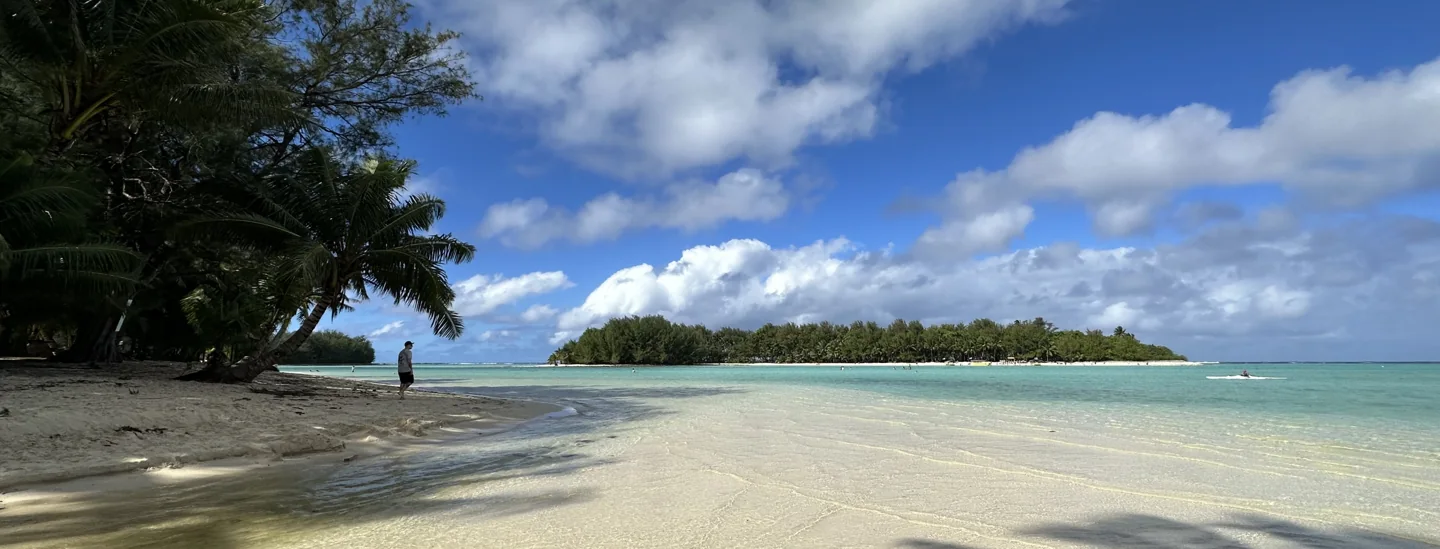
Moving & Living - Cook Islands - Complete Guide
Move to the Cook Islands step by step: choose Rarotonga or an outer island, arrange the correct permit and employment, prepare family and freight, then set up tax, banking, housing, health and services.
Photo credit
A home on Rarotonga connects you to Avarua’s offices, the island bus, schools and lagoon villages; a home on Aitutaki or another outer island requires a different plan for supplies, journeys and specialist services. Moving begins with the right Cook Islands permission, including for New Zealand passport holders. This guide follows the practical sequence from choosing that route to establishing a household and maintaining it after arrival.
Cook Islands at a glance
- Main bases
- Rarotonga · Aitutaki · other Pa Enua islands
- Currency
- New Zealand dollar · NZD
- Languages
- Cook Islands Māori and English
- Tax identifier
- Revenue Management Division number · RMD
- Immigration application
- ASYPX · MFAI
- Emergency
- 999
- Reviewed
- 13 October 2026
Follow your moving journey
Start at step 1, or jump to the task you are working on.
01Choose the island around your work and household
Rarotonga is a practical starting point when your household needs government offices, several schooling choices and regular access to the main hospital. Aitutaki is a different move, with arrangements made on that island and flights to Rarotonga when needed. The other Pa Enua, or outer islands, should be assessed against a specific employer, project or family connection. Use the tourism authority’s island directory for geography, then resolve everyday access with the people providing your essential services.
| Base | Useful starting areas | Test before choosing |
|---|---|---|
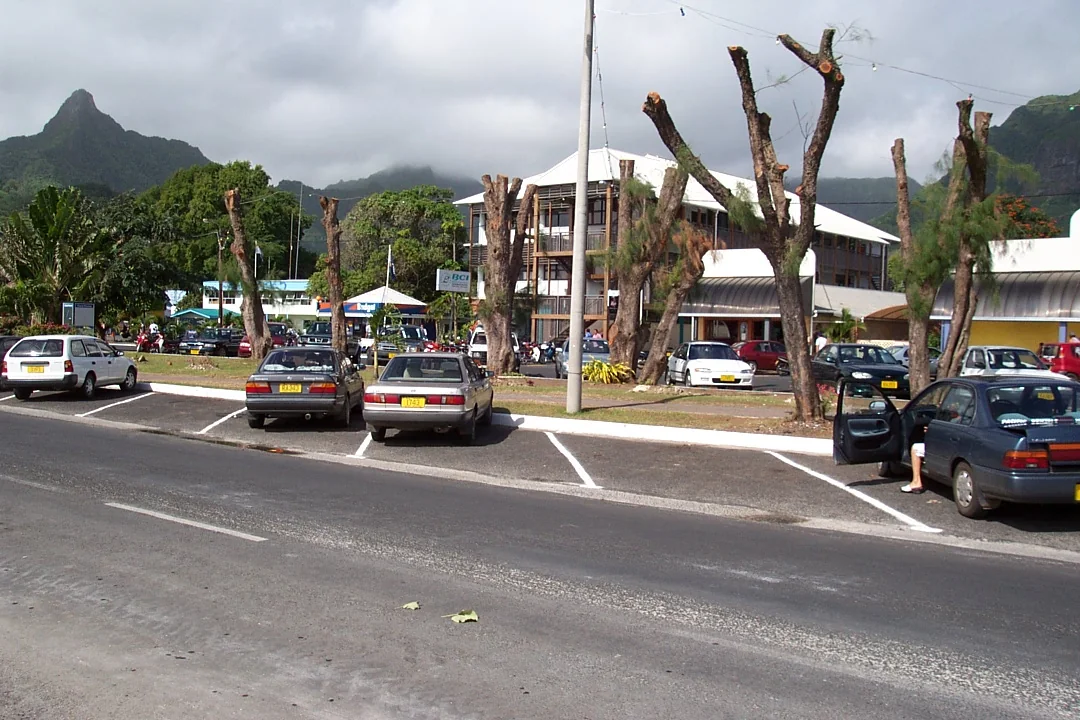
| Rarotonga’s north | Avarua, Avatiu, Nikao and Tupapa | Journey to offices, the selected school and shopping; noise at the actual property |
| Rarotonga’s west | Arorangi and its surrounding roads | Work or training commute and the last return bus |
| Rarotonga’s southeast | Muri, Ngatangiia and Titikaveka | Whether the lagoon setting works with your daily journey to Avarua |
| Aitutaki | Arutanga and the locality of your workplace | Local schooling, banking, care and the cost of necessary flights |
The official Rarotonga brochure helps you locate the villages. Mark your workplace or campus first, shortlist homes second, and reserve temporary accommodation in one candidate area. On arrival, try the morning and evening journey, ask about water storage and inspect the internet service at the address. A property inland from the main road may involve a different walk or pickup than the listing suggests.
02Select the Cook Islands permission you actually need
A New Zealand passport does not by itself give an ordinary newcomer unrestricted Cook Islands settlement or work rights. The immigration ministry distinguishes people with continuing rights, including recognised Cook Islanders and permanent residents, from visitors and temporary permit holders. If you have Cook Islands ancestry, investigate status recognition before applying as an unrelated foreign worker.
A visa authorises travel and entry; a permit governs the purpose and duration of your stay. The ministry’s visitor guidance describes 90 days on arrival for New Zealand passport holders and 31 days for other international passport holders. Those are visitor arrangements. Work, investment, family residence and study have their own criteria, and the visitor rules exclude work for gain or reward and study.
- Use the official route criteria to match your purpose: International Worker, Government Worker, Specialist Worker, Resident Investor or the applicable family or student category.
- Identify each accompanying person’s category separately. A worker’s spouse and child do not automatically acquire the worker’s permission.
- Arrange the requested identity, health, character, financial and onward-travel evidence with the employer or relevant provider.
- Apply through ASYPX, retaining the application reference, receipt and uploaded documents.
- Wait for the decision and read the employer, activity, duration and travel conditions before beginning the permitted activity.
The ministry publishes a standard processing time of 20 working days on its application guidance, with delays possible for incomplete evidence and external clearances. Allow time for those preceding tasks; the processing period is not an arrival guarantee.
03Make the job or investment approval concrete
For a private-sector job, ask the employer to explain the International Worker application. The published requirements include an employment offer, English proficiency, evidence of local recruitment efforts and an employer agreement to support a values or language programme. Keep the actual recruitment evidence and contract available rather than relying on a general sponsorship letter.
- Check the employer’s legal name, workplace island, duties, hours, pay and contract duration.
- Separate wages from benefits: identify housing deductions, utility payments, transport and insurance in writing.
- Agree who coordinates the immigration, health and labour reviews and how requests for further documents reach you.
- For a regulated occupation, resolve the local practising approval with the relevant professional authority before promising a start date.
- Read the issued permission against the actual role. A change of employer requires a new application, as the immigration FAQ explains.
The International Worker regulations normally limit consecutive stays to six years before a break longer than one year, with specified skills or treaty exceptions. They also require at least one month offshore during each prior 36-month permit. Build these travel obligations into the contract and renewal calendar.
Where formal sponsorship applies, Immigration says the sponsor must not seek reimbursement of money paid as a result of that sponsorship. Resolve proposed flight or permit deductions against this rule before signing; the hypothetical moving worksheet is not an instruction to reimburse a sponsor.
If establishing or buying a business
The Business Trade and Investment Board (BTIB) requires approval for foreign enterprise activity. Its published process calls for the completed checklist and an NZD 750 application fee, lodged by the seventh of the month for consideration at the month-end board meeting. A business plan, due-diligence evidence and proposed ownership belong in the actual application forms and checklist. Approval may carry conditions.
After approval, follow the company-registration instructions with the Ministry of Justice, then organise tax registration and the personal immigration permission. Overseas-company and local foreign-enterprise arrangements are distinguished by BTIB; ask which describes your proposal. No dedicated digital-nomad route is established here. Describe overseas remote work to Immigration and RMD before assuming it fits a visitor permission.
04Price the household and plan income deductions
Use New Zealand dollars, NZD, for comparisons and ask whether every supplier quote includes tax, equipment and delivery. A salary that covers rent and groceries may still leave the household short if school, a vehicle, specialist travel and freight are omitted.
| Item | NZD | Basis |
|---|---|---|
| Rent | 1,600 | Assumption; replace with an actual long-term quote |
| Food and household supplies | 750 | Assumption |
| Electricity, water and household fuel | 180 | Assumption; inspect the account and equipment |
| Local transport | 160 | Assumption; see the bus calculation below |
| Insurance and health reserve | 200 | Assumption; obtain individual cover |
| Home PLUS internet | 149 | Published monthly package, subject to service and contract |
| Mobile plan | 29 | One published 28-day cycle, not a full calendar month |
| Everyday bank account | 7 | Published monthly fee for the named BCI product |
| Calculated total | 3,075 | Excludes school, income tax and irregular travel |
Verified product rows come from Vodafone broadband, Vodafone prepay and BCI. For a 365-day mobile budget, NZD 29 × 365 ÷ 28 is approximately NZD 378.04, assuming continuous renewal at that price. That calculation avoids quietly treating a 28-day plan as twelve annual payments.
A separate hypothetical initial reserve of NZD 10,800 comprises rent advance 1,600, an assumed negotiated security deposit 1,600, temporary accommodation 1,200, flights 1,400, freight 4,000 and setup purchases 1,000. It excludes permits, shipping taxes, school and individual insurance; the deposit is an assumption, not a legal cap. The ministry’s fee sheet, updated 21 August 2026, lists NZD 960 for International Worker and Government Worker permissions and NZD 470 for International Child and Special Spouse applications. For one worker, spouse and child, those three listed charges total NZD 1,900 before other assessments or bonds.
RMD says tax residence can arise when your home is in the Cook Islands and/or you spend more than 183 days in a twelve-month period. Obtain an assessment of overseas earnings and continuing foreign obligations using the tax authority’s guidance. Payroll should also explain PAYE and CINSF contributions, normally 5% from the member and 5% from the employer, with limited statutory exclusions.
05Arrange school placement and the right study permission
Start school discussions with the child’s age, current year, curriculum, reports and learning support needs. The Ministry of Education’s contact directory identifies Tereora College, Apii Avarua and other Rarotonga schools, and Araura College on Aitutaki. Obtain current enrolment instructions directly from the chosen school; its presence in a directory does not establish a place or fee entitlement.
- Ask which school and year can accommodate the child and whether an assessment or transfer record is required.
- Provide the requested reports, identity and birth documentation, guardianship evidence where applicable, and the proposed address.
- Coordinate the education information with Immigration. An International Child category is specified for children of approved Government or International Workers; other household routes differ.
- Ask for current tuition or contribution, uniform, device, transport and activity costs before accepting the place.
- Settle the arrival date against the school calendar and your issued permissions.
Tertiary starting points
The University of the South Pacific’s Cook Islands campus can explain which courses and study modes are delivered locally. Review the 2027 prospectus, then use Student Administrative Services for admission. A programme taught at a different USP campus should not be assumed available face to face on Rarotonga.
The Cook Islands Tertiary Training Institute has a trades campus at Arorangi and a hospitality campus at Ngatangiia/Muri. At review, its homepage says accredited-course enrolments for 2026 are closed. Ask about the next intake. Its 2026 enrolment form requires international students’ visa evidence valid for the course length and distinguishes applicable domestic and international fees. Do not treat a downloadable form as proof that admission remains open.
06Match retirement plans to a real residence basis
For someone without continuing rights or an eligible family connection, retiring here is not simply a matter of buying a ticket and maintaining overseas income. This guide does not identify a dedicated retirement visa. A Long-term Visitor permission is still temporary and excludes work and study.
The detailed visitor criteria require funds, onward arrangements and insurance and limit visitor stays to twelve months at one time for New Zealanders or eight months for other foreign nationals. Character and health evidence applies for visits exceeding six months. An abbreviated row in the ministry’s fact sheet is ambiguous; use these detailed limits and obtain a decision for your actual proposed stay.
- Ask Immigration which route fits your intended duration, family ties and any proposed activity.
- Request confirmation from the pension provider about payment abroad, bank details and proof-of-life requirements.
- Discuss pension taxation with RMD and any continuing obligations in the paying country.
- Price suitable cover, planned specialist trips and emergency evacuation separately from normal living expenses.
- Rent initially and test the routine before entering a substantial property arrangement.
For eligible NZ Super applicants, Work and Income’s Cook Islands application process, updated 13 July 2026, begins by contacting the New Zealand High Commission or outer-island administration. It gives twenty working days from first contact to complete the application and explains the identification evidence. Existing recipients planning a move should follow its linked overseas-payment process instead. Eligibility and pension payment do not themselves establish Cook Islands immigration permission.
07Complete clearances and plan freight and pets
Collect passports, civil-status records, qualifications and the documents requested for your permission. The immigration FAQ requires police certificates, when applicable, to be no more than six months old on submission and in English or accompanied by an official translation. Retain originals as well as clear scans; do not ship your administrative file inside household freight.
Te Marae Ora’s worker guidance calls for a medical report less than three months old from an accepted New Zealand panel physician. Coordinate the examination with the Ministry of Health. Immigration links the IMM18 screening form, while an older health-page label says IMM8; confirm the required current form before the examination so the clinician completes the accepted paperwork.
For a proposed stay of six months or more, Immigration’s FAQ requires a Ministry of Health clearance letter. Complete the examination offshore, send the complete medical documents to Te Marae Ora for assessment, then attach the issued clearance to the immigration application. The examination report and the approval letter are separate documents.
Belongings and Customs
Get an inventory-based freight quotation including destination handling, storage and delivery to the final island. The published tariff concession 85.01 has specific conditions for qualifying non-Cook Islanders: age eighteen or over, prescribed evidence of prior overseas residence and the intended qualifying stay, and goods owned and used for at least a year for personal use. Ask Customs to assess your circumstances, permit and inventory; it is not a universal duty-free moving allowance. Keep invoices and the shipping document.
Pets require advance approval
The Agriculture Ministry requires a live-animal import permit and states that imported live animals land only in Rarotonga. Its biosecurity page supplies species- and origin-specific standards, including dog and cat conditions for New Zealand and Australia. Obtain the permit and its applicable health standard first, then book the exporting veterinarian, airline and inspection. Resolve onward movement separately before arranging delivery to an outer island. Clean outdoor equipment and declare regulated food, plant and animal materials.
08Land with the correct dates and onward connection
Use Cook Islands local dates when booking the first night and domestic connection: a journey across the International Date Line can arrive on a different calendar date from the one you casually expect. Give the host the actual flight and arrival date printed on the itinerary.
Immigration’s published arrival guidance requires a passport valid for six months beyond departure. If your passport falls short, use the formal exemption process before travel and confirm airline acceptance rather than relying on an older transport-publication exception.
- Carry the passport, approved visa where required, onward arrangements, funds evidence and accommodation details requested in Immigration’s arrival instructions.
- Complete the passenger arrival declaration and identify items requiring Customs or biosecurity assessment.
- Collect the entry endorsement and check its date, permitted purpose and duration.
- Retain the receipts and clearance papers for declared goods.
- Meet the arranged transfer or proceed to the confirmed domestic check-in, with the correct baggage booking.
The Customs passenger guidance requires declarations for restricted goods, specified cash or valuables and purchases above the passenger concession. Biosecurity’s declaration guidance covers food, plant material and other regulated items. Ask an officer about an uncertain item rather than assuming a supermarket purchase is unrestricted.
For an outer-island move, Air Rarotonga recommends at least ninety minutes from an international arrival to its domestic flight and 120 minutes in the reverse direction; its guidance recommends a later domestic booking when the international arrival is less than two hours before departure. Separate-ticket delays have particular conditions. Check the actual fare’s baggage: Seat Only has no checked allowance, while Seat + Bag and Fully Flexible include one piece up to 23 kg. Northern-group cabin limits differ from other routes.
09Establish your RMD and employment records
The Revenue Management Division number, or RMD number, is the identifier used for tax administration. Applying for online tax access is a different task from obtaining that number. The registration page provides the forms, and the FAQ says number applications are presently handled manually through the office.
- Download the RM1 individual application and complete names consistently with your identity documents.
- Prepare one original photo-identity document and one original supporting document from its categories. A foreign passport and foreign birth certificate are listed options; originals may need to be sighted.
- Provide the actual physical and postal addresses, contacts and banking information as required.
- Submit the complete file through RMD’s accepted channel and obtain confirmation of the issued number.
- Give the number to payroll, check the first payslip and retain tax-deduction evidence.
- Once the number exists, register for e-Tax access to manage returns and information.
Business applicants use RM2 for business registration, with PAYE and VAT assessed separately where required. Do not submit an individual form and assume the company is registered. RMD can explain which reporting types apply to your activity.
Employees should also obtain their National Superannuation Fund membership details and confirm contributions on payslips. Keep the permit, RMD and NSF identifiers together, with renewal dates and any required offshore periods. Address, role or household changes can affect the records: identify the office that must be notified rather than leaving different organisations with conflicting information.
10Open an account and make payments work
Start with the account you need for wages and ordinary spending, then ask about transfers, cards and access on the island where you will live. An account offered in New Zealand is not automatically a Cook Islands account or a substitute for local verification.
Bank of the Cook Islands (BCI) publishes a three-stage opening process: choose the product, complete the opening form, then bring it with a passport and driver’s licence to a branch. It says staff can work through alternative evidence where those documents are unavailable. Ask which address, tax-residency and source-of-funds evidence your own circumstances require.
- Obtain the actual personal-account form and current service tariff from the bank.
- Take originals and supporting evidence to the agreed verification appointment.
- Check the account’s full name, number and international receiving instructions before asking payroll or a pension provider to use it.
- Activate the available card and online access, keeping the recovery contact details secure.
- Send a small test payment and confirm the net amount after all transfer fees.
The published BCI Everyday Account has an NZD 7 monthly fee and NZD 10 minimum opening amount. These figures apply to that product, not every local account. Ask separately about card costs, teller withdrawals and international transfers; a low account fee does not include every transaction.
Maintain cash for suppliers that require it. The public bus takes cash even if you routinely use EFTPOS elsewhere. If living on an outer island, establish the actual cash-withdrawal and support arrangements before routing all household funds through a single card.
11Inspect the rental and distinguish it from a land lease
A long-term home search and a registered lease of land are different transactions. A holiday accommodation rate is also different from a residential quotation. Ask the employer and local contacts for long-term introductions, then inspect the property and agree terms against the intended length of your permission.
- Confirm who owns or controls the property and whether the person offering it has authority to rent it.
- Inspect roof, drainage, ventilation, locks, water storage, plumbing and the meter arrangements.
- Test access from the main road after dark and during the hours you will commute.
- Record rent in NZD, payment interval, advance rent, any negotiated bond and the return conditions.
- Write lease duration, notice, repairs, guests, pets and the furnished inventory into the agreement.
- Photograph the handover condition, note meter readings and obtain a receipt for each initial payment.
No verified national residential-deposit cap is quoted here. The one-month security amount in the budget is only a hypothetical negotiated amount. Ask a local lawyer to review unclear termination or bond terms rather than applying New Zealand’s residential rules without establishing their Cook Islands relevance.
For land or a substantial leasehold purchase, the Ministry of Justice’s land-lease process begins with title information and discussions with landowners, followed by survey and formal examination. Its guidance identifies exceptions for Pukapuka, Mitiaro and Mangaia and recommends competent legal assistance. A seller’s brochure does not establish title, road rights or Immigration approval.
Before collecting keys, identify who pays for a pump, a storage tank, an internet installation and an old utility balance. Those details determine whether the quoted home is ready to occupy.
12Register for local care and cover the eligibility gap
Te Marae Ora is the Cook Islands Ministry of Health. Its primary-care guidance describes Puna clinics around Rarotonga. Ask which clinic serves your address, how to book and what identity evidence to bring. An outer-island household should identify its local provider and the arrangements for referral to Rarotonga before treatment becomes urgent.
The ministry’s subsidised-service categories include Cook Islanders, permanent or honorary residents and specified other groups. For a work-permit household, it describes eligibility after living and paying taxes in the Cook Islands for more than six months. A newly arrived worker should therefore obtain the actual fee category and cover for the initial period, instead of assuming subsidy begins with the work permit.
- Bring medical summaries, vaccination records and generic-name prescriptions.
- Confirm the clinic’s registration and fee arrangements for your status.
- Ask the employer and insurer who pays local consultations, tests, prescriptions and hospital charges.
- Check evacuation, specialist referral, pre-existing conditions and accompanying family cover.
- Store the assistance number and authorisation process where each adult can find them.
New Zealand healthcare eligibility requires its own assessment. Health New Zealand says Cook Islands residents who are not New Zealand citizens are not eligible for publicly funded services unless they meet other criteria. Do not treat referral travel or Cook Islands residence as automatic entitlement.
Resolve medicine import questions before packing. Customs lists controlled-drug restrictions, so a foreign prescription alone does not establish permission to bring every medicine. Use the Ministry of Health contact linked by Customs for the particular drug and proposed supply. For emergencies, Te Marae Ora publishes 999.
13Connect the home and learn the two bus directions
For Rarotonga electricity, use Te Aponga Uira’s connection services to identify the account and any transfer or new-connection work. Its February 2026 invoice explanation distinguishes actual and estimated meter readings and separate tariff bands. Take the handover reading and clarify an old balance before assuming the first bill belongs entirely to your occupancy.
To Tatou Vai’s domestic registration offers an online or paper process and distinguishes domestic occupancy from other connections; registration and verification are needed for the published domestic subsidy. This is a Rarotonga service. Its current FAQ says the public water is not disinfected and recommends boiling before drinking or food preparation. Establish the household’s drinking-water system at handover.
Vodafone’s Prepay 29 lists 6 GB, sixty local/national minutes and 750 local/national texts for NZD 29 per 28 days, with auto-renewal. Activate through My Vodafone with sufficient credit and monitor usage. Home PLUS broadband is advertised at NZD 149 per month, subject to address technology, installation charges, fair use and a twelve-month minimum term; the published early-termination charge is NZD 199. Obtain the address-specific service and equipment terms before ordering.
Establish the commute
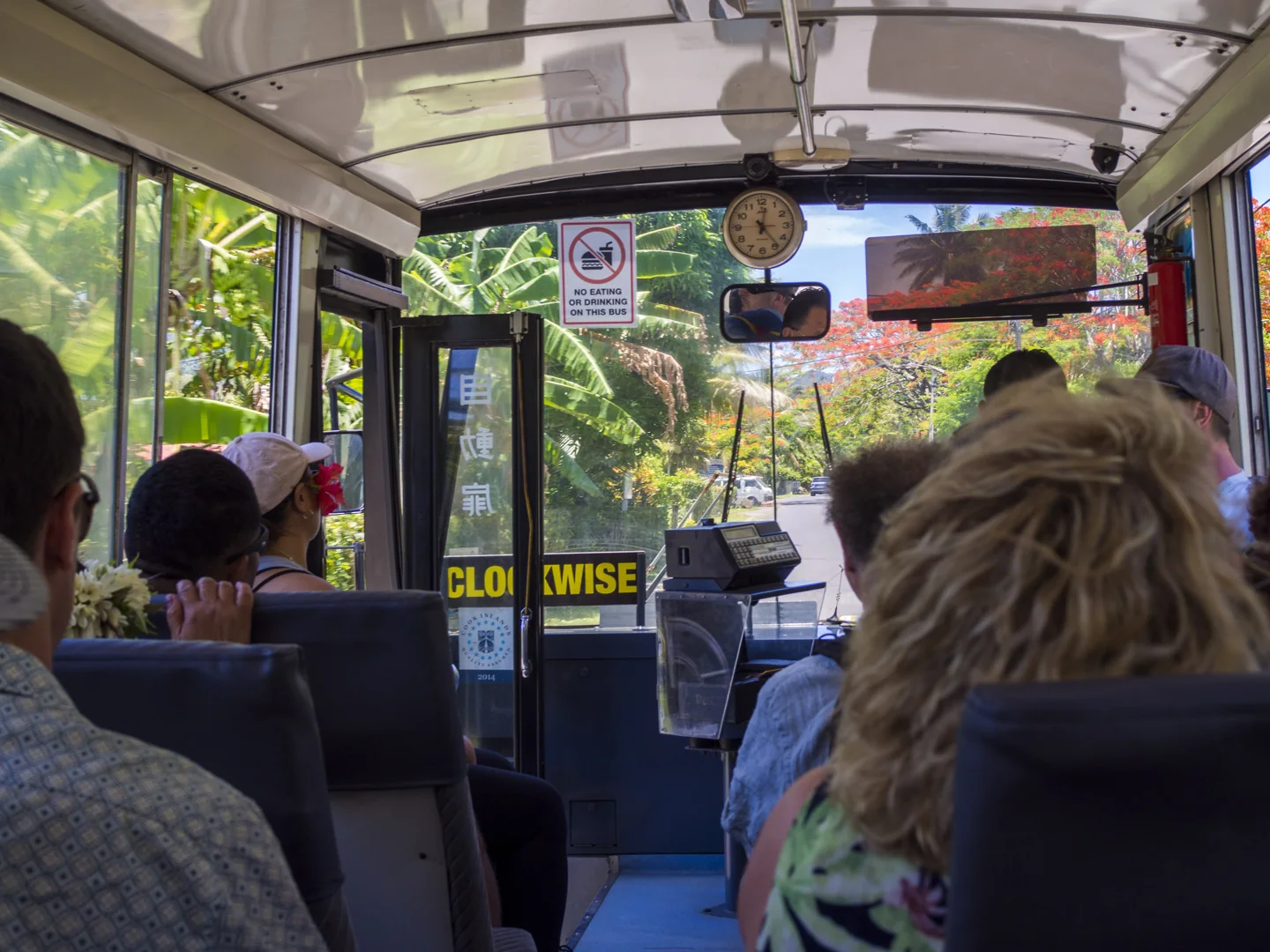
Cook Islands Bus runs Clockwise and Anti-Clockwise services from Cooks’ Corner in Avarua, with different weekend and holiday schedules. Its current cash fares include NZD 5 adult single and NZD 35 for ten adult rides. Forty-four rides for twenty-two return workdays cost NZD 154 at NZD 3.50 per ride; buying five ten-ride passes costs NZD 175 upfront and leaves six rides. Use TransportMe’s actual operator setup to follow the bus.
Drivers should use the Transport Ministry’s guidance, which identifies Police as the licensing office and specifies the overseas-licence countries and vehicle classes covered by its visitor rule. Resolve longer residence and motorcycle entitlement with Police before renting a scooter.
14Build a routine and finish the first-month tasks
Start with the places you will use repeatedly: the same shopping route, a clinic, your workplace or campus and the village where you live. Punanga Nui Market in Avarua is a useful place to get familiar with local produce and crafts; Muri’s evening market serves a different routine. Keep notes of household purchases so the budget becomes yours rather than a planning example.

Ask CITTI about Cook Islands Māori short courses and the next suitable level or session. Separately, where your permit requires a recognised values or language programme, confirm with the employer and Immigration which course satisfies it. General participation and an immigration-approved completion record should not be assumed identical.
- File the permit decision and entry evidence and set reminders for expiry and required travel.
- Confirm RMD and superannuation records and check the first payslip.
- Test the wage or pension payment, card access and a cash backup.
- Keep the signed rental agreement, condition record and utility account details together.
- Confirm school arrangements and the next payment or enrolment task, where applicable.
- Save clinic, insurer and evacuation contacts and the household’s drinking-water plan.
- Replace hypothetical costs with actual receipts and set aside money for irregular island or overseas journeys.
On Aitutaki or another outer island, build these arrangements around local providers rather than repeating a Rarotonga checklist unchanged. Introduce yourself through the workplace, neighbours or a community group and ask about local routines and participation. A completed move includes knowing whom to contact when a service fails and what must be renewed before it does.
Sources & further reading
Reviewed 13 October 2026. Sources are linked beside the relevant instructions. Cook Islands immigration permissions apply separately from New Zealand citizenship. The detailed visitor criteria clarify the long-term limits where an abbreviated fact-sheet row is ambiguous. Immigration charges take precedence over conflicting tourism extension information. Newer residential broadband products are used alongside their coverage, contract and fair-use conditions. Current admissions closures and status-specific health eligibility are retained. Prices reviewed on 13 October 2026. Immigration charges follow the ministry’s fact sheet updated 21 August 2026. Bank, bus and telecom prices identify the actual provider and product. Household and initial moving costs are hypothetical calculations, with 28-day mobile cycles distinguished from calendar months. No national living-cost average is claimed. Photograph credits, licences and capture years appear with the images.
Browse the source directory
- Cook Islands Tourism: the islands
- Cook Islands Tourism: Rarotonga brochure and map
- MFAI: immigration services
- MFAI: visa and permit fact sheet, updated 21 August 2026
- MFAI: visa and permit criteria
- MFAI: Immigration Regulations 2023
- MFAI: application, documentation and permit FAQs
- MFAI: ASYPX application service
- MFAI: what to have on arrival
- MFAI: visitor stay by passport
- MFAI: travel and entry exemptions
- BTIB: foreign-investment approval
- BTIB: actual forms and checklists
- BTIB: company registration after investment approval
- MFEM: tax residence and registration FAQs
- MFEM: tax registration services
- MFEM: RM1 individual RMD-number application
- Cook Islands Revenue Management: e-Tax
- National Superannuation Fund: membership and contributions
- Ministry of Education: school contacts
- University of the South Pacific: Cook Islands campus
- USP: admissions and enrolment service
- USP: 2027 prospectus and programme information
- CITTI: current courses, campuses and intake notice
- CITTI: 2026 enrolment form and international-student evidence
- Work and Income: NZ Super applications from the Cook Islands, updated 13 July 2026
- MFEM: passenger Customs declarations and medicines
- MFEM: Part II tariff, concession 85.01 for qualifying non-Cook Islanders
- Agriculture Ministry: import permissions and live animals
- Agriculture Ministry: biosecurity forms and country-specific animal standards
- Agriculture Ministry: arriving-passenger declarations
- Te Marae Ora: international-worker screening
- MFAI: linked IMM18 medical screening form
- Air Rarotonga: international connections
- Air Rarotonga: fare-specific baggage
- BCI: opening an account
- BCI: Everyday Account fees and minimum balance
- Ministry of Justice: registered land-lease process
- Te Marae Ora: subsidised health-service eligibility
- Te Marae Ora: primary care and Puna clinics
- Health New Zealand: Pacific-country eligibility
- Vodafone Cook Islands: current prepay plans
- Vodafone Cook Islands: Endless residential broadband
- Te Aponga Uira: connection services
- Te Aponga Uira: invoice explanation, February 2026
- To Tatou Vai: domestic customer registration
- To Tatou Vai: drinking water and property responsibilities
- Cook Islands Bus: current timetable
- Cook Islands Bus: fares and passes
- Cook Islands Bus: actual live-tracking setup
- Transport Ministry: driving-licence scope and responsible Police office
- CITTI: Cook Islands Māori language short courses
- Cook Islands Tourism: markets
Make your next step a practical one
Choose the island against your employer, school and care needs, obtain the matching permission before commencing work or study, and coordinate your arrival documents with the RMD, bank and housing arrangements.




