 Visa
Visa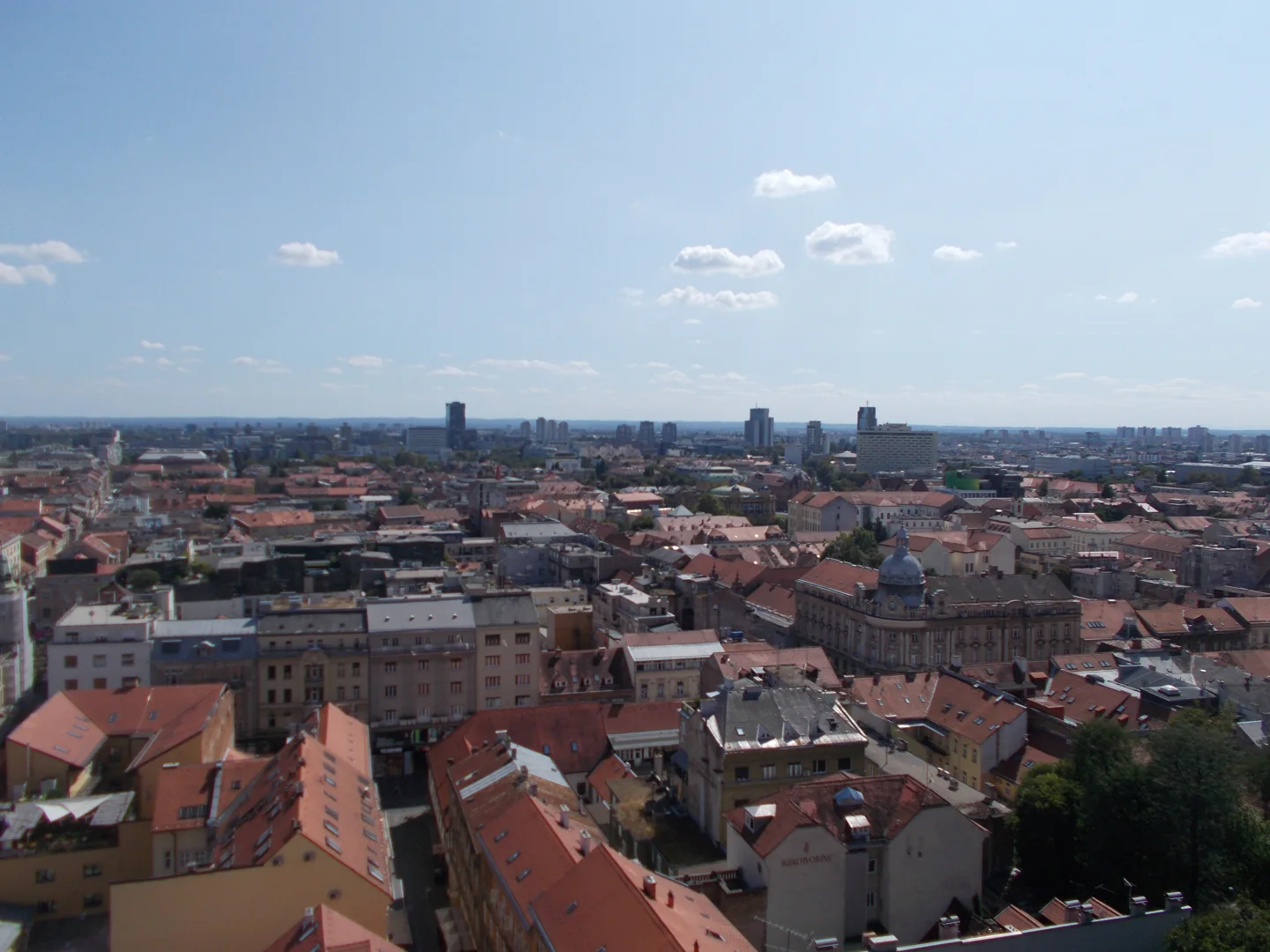
Moving & Living - Croatia - Complete Guide
Move to Croatia in 14 practical steps: choose Zagreb or a coastal base, establish the correct EU or non-EU status, plan work and schools, obtain OIB, register your address and arrange banking, housing, HZZO and transport.
Photo credit
In Zagreb, a tram journey can link your home, school and office; in Split or an island community, the same routine depends on buses, hills and ferry schedules. Moving here starts with a more decisive distinction: EU/EEA and Swiss citizens follow registration rules, while other newcomers need a suitable residence basis and, where relevant, work permission. This guide follows that sequence through documents, OIB, a registered address, banking and everyday services.
Croatia at a glance
- Language
- Croatian
- Currency
- Euro · EUR / €
- Residence authority
- Ministarstvo unutarnjih poslova · MUP
- Personal number
- Osobni identifikacijski broj · OIB
- Public insurance
- Hrvatski zavod za zdravstveno osiguranje · HZZO
- Capital transport
- Zagrebački električni tramvaj · ZET
- Reviewed
- 13 October 2026
Follow your moving journey
Start at step 1, or jump to the task you are working on.
01Choose a city around your actual weekly journeys
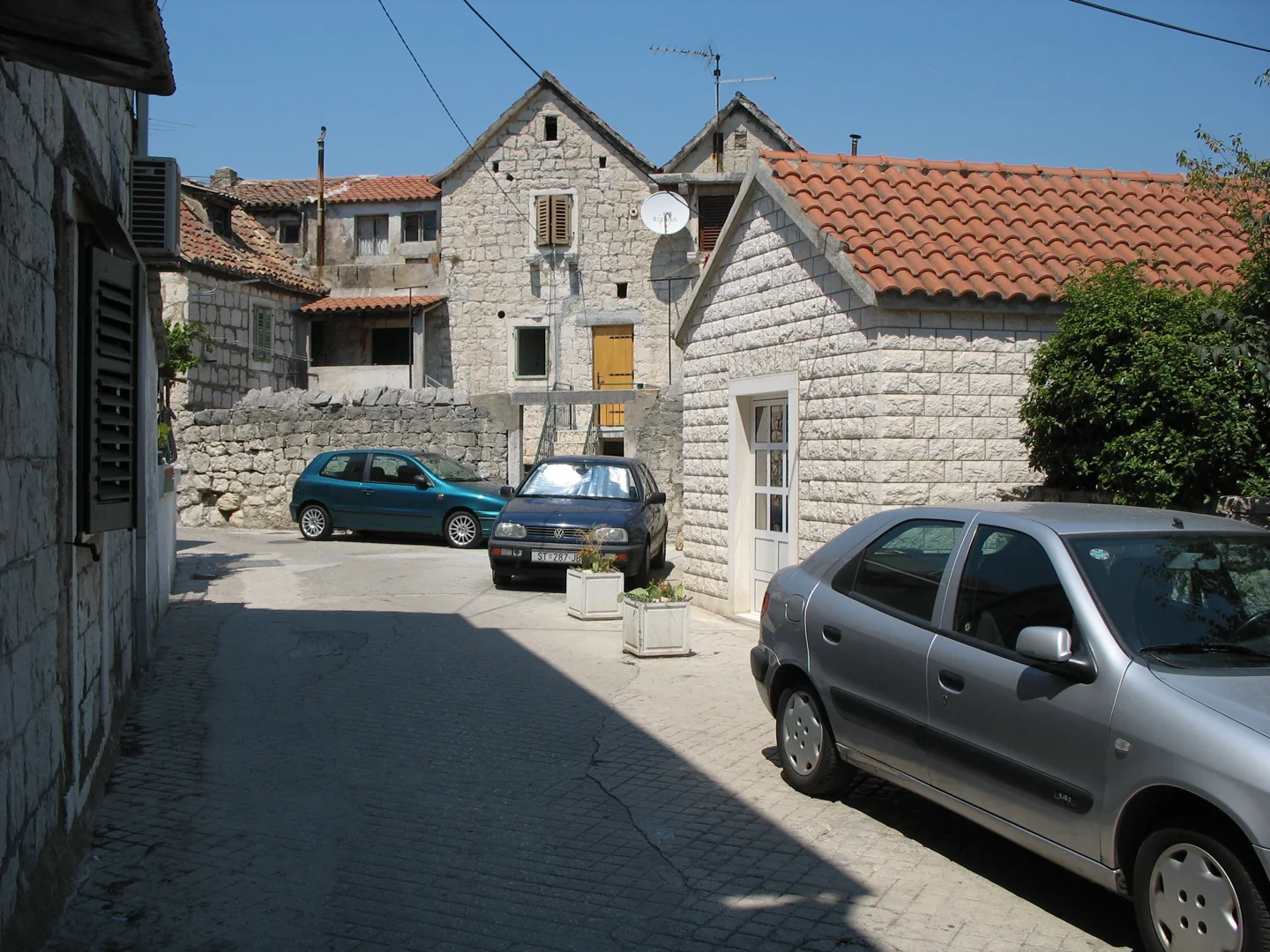
Start with the location of the work, course or family connection bringing you to Croatia. A Zagreb address, a Split apartment and a house on an island produce quite different weekday routines. Draw those journeys before comparing listings.
| Base | Practical starting points | What to test |
|---|---|---|
| Zagreb | Lower Town for central journeys; Maksimir, Trešnjevka and Jarun for a wider search; Novi Zagreb for destinations south of the Sava. | The actual tram or bus connection, heating arrangements and access to your particular university faculty. |
| Split | Veli Varoš for older streets near the centre; Bačvice and other residential districts for comparison. | Steps, access for removals, parking and whether the tenancy includes summer. |
| Rijeka, Osijek or Pula | Alternative city bases when your job, family or programme is there. | Local services and connections instead of assuming every appointment is available nearby. |
| An island | Choose the specific island and settlement before searching for a home. | Winter sailings, vehicle transport and the mainland journey for specialist appointments. |
- Mark the employer, school or faculty address and two candidate homes on a map.
- Try the commute at the time you would actually travel, including walking to the stop.
- Visit the building and ask how heating, cooling, deliveries and refuse collection work.
- Compare a year-round lease with a seasonal offer before treating the monthly rent as your annual housing cost.
The tourist boards’ information on Zagreb’s green spaces and Split’s Varoš neighbourhood helps you orient yourself. Use it alongside an inspection of the specific street and building.
02Choose the residence procedure for your nationality and purpose
Visitor entry, residence and employment are three separate questions. For ordinary third-country short visits, days in Croatia count with days elsewhere in Schengen: the usual ceiling is 90 in any 180 days. Select your nationality in the Foreign Ministry’s visa overview and use the linked EU permitted-stay tool; moving across a Schengen border does not restart the clock.
| Your position | Starting point | Important distinction |
|---|---|---|
| EU/EEA or Swiss citizen | MUP registration when staying beyond three months. | Work does not require the third-country stay-and-work permit. |
| Non-EU local employee | Employer-supported stay and work process, normally involving HZZ. | An offer alone is not permission to begin the job. |
| Non-EU remote worker | Digital-nomad temporary stay for qualifying foreign work. | It does not authorise work for Croatian employers. |
| Student or joining family | Residence supported by the actual admission or eligible relationship. | Use the requirements for that family or study category. |
For EU/EEA and Swiss residence, assemble identity, accommodation and the evidence appropriate to employment, study or sufficient resources and health cover. Register at the competent regional police office no later than eight days after the initial three months expire. See MUP’s nationality-specific registration rules.
Other applicants should begin with MUP’s temporary-stay checklist and their Croatian mission. Visa-exempt applicants can generally apply locally during lawful stay; visa-required applicants need a mission unless a statutory exception covers their category. Do not assume an online submission extends visitor days. Under the May 2026 family provisions, ordinary permit holders generally need two years of continuous approved stay before the specified family-reunification route, with exceptions that must be assessed separately.
03Put work permission ahead of your first working day
Joining a Croatian employer
- Obtain the written offer with role, place of work, salary and employer details.
- Ask which HZZ labour-market procedure applies. The employer handles the test where required; listed shortage occupations and other categories have specific exceptions.
- Provide passport and qualifications. For a regulated profession, obtain the relevant recognition evidence rather than submitting a diploma as if it automatically licenses practice.
- Have the employer follow HZZ’s submission instructions, then retain the decision and the employer/job evidence accompanying your permit.
The MUP work rules tie authorised work to the permitted job and employer, subject to the current statutory change procedures. Obtain the required approval or opinion before switching. If qualifying employment ends while your permit remains valid, contact HZZ within five days; the permitted job-search period depends on your category and permit duration, rather than being an unlimited grace period.
Working remotely for a foreign organisation
The digital-nomad requirements currently specify at least €3,622.50 monthly, or €43,470 already held for twelve months or €65,205 for eighteen months. Additional family members increase the requirement by 10% of the average monthly net salary used in the calculation. Prepare foreign-work evidence, insurance covering Croatia, legalised criminal-history evidence and the intended address. Use the actual MUP online application or the nationality-appropriate mission. Visa-required applicants cannot turn a tourist C visa into unrestricted permission to await a decision.
The 2025 amendment allows a maximum eighteen-month nomad stay. If initially granted less, submit an extension in person at least sixty days before expiry; the extension can be up to six months within the overall limit. A new application normally requires the specified six-month interval. Close family applications follow approval of the principal applicant.
Starting a business
Company registration and personal work permission remain separate. Choose the legal form with an accountant, arrange the registered address, incorporation and tax registrations through the government’s company-establishment procedure. START is restricted to Croatian citizens; foreign founders have notary/HITRO.HR alternatives, with a separate electronic court-register option for eligible EU citizens.
04Build your own moving budget and establish your tax position
Use euro quotes for the actual household. Separate the money needed before arrival from recurring spending, and keep immigration proof-of-funds requirements distinct from a prediction of what you will spend.
| Item | Allowance | Status |
|---|---|---|
| Rent | €850 | Assumption; replace with a year-round offer. |
| Food and household supplies | €300 | Assumption. |
| Energy, water and building costs | €140 | Assumption; request summer and winter bills. |
| Home internet and mobile | €45 | Assumption; compare your actual contract. |
| Transport | €53.09 | ZET’s published 30-day multi-day ticket, reviewed 13 October 2026; choose the product and coverage you need. |
| Insurance and healthcare reserve | €120 | Assumption, not an HZZO contribution quote. |
| Personal spending and contingency | €150 | Assumption. |
| Illustrative total | €1,758.09 | Calculation; excludes school, tax, car costs and dependants. |
For initial cash, suppose first rent is €850, the negotiated deposit €850, temporary accommodation €600, travel €400, freight €1,200 and setup €300. Those assumptions total €4,200, before permits, document authentication, insurance and school charges. The deposit is a planning assumption, not a statutory national amount.
For a police-filed ordinary temporary-stay example, the published charges are €46.45 for approval plus €31.85 for the standard biometric card and €9.29 administration: €87.59 calculated. Mission, visa and accelerated procedures differ. Sources: temporary-stay charges, card fees and Zagreb fares, reviewed 13 October 2026.
Resolve taxation before the first payroll or invoice
- List salary, foreign self-employment, pension, investment and rental income separately.
- Give the Tax Administration your home, family and travel facts. Its residency procedure uses TU for a move from non-resident to resident, and treaty rules where relevant.
- Record the foreign tax paid and retain the certificates needed for relief.
- Arrange Croatian registrations and payment deadlines with payroll or your accountant.
The domestic tests include an available dwelling for 183 days in one or two calendar years; actual occupation is not required for that dwelling test. The digital-nomad exemption concerns qualifying receipts under approved status, not every investment, pension or other receipt a remote worker may have.
05Secure the school or university place before choosing the commute
A public-school move starts with the school serving your address and the child’s completed study. Ask the school to recognise the previous educational period and assess placement. Bring reports and certificates, identity and address information, and arrange translations in the form the receiving school requires.
The government’s transfer procedure puts recognition for continuing primary education with the receiving school. Its team can recommend preparatory or supplementary Croatian classes following assessment. Kindergarten and secondary admission follow their own enrolment procedures; do not treat a primary-school appointment as a nursery place or upper-secondary offer.
An English-language starting point in Zagreb
- Contact the American International School of Zagreb about the relevant grade and capacity before paying an application fee.
- Use its Schoolis enquiry service, then follow the actual application process.
- Prepare two years of reports, applicable high-school transcripts, medical/immunisation records, references and learning-support evidence in certified English translations.
- Arrange supervised reading and mathematics assessments for Grades 1–12 and the additional assessment/interview required for the pupil.
Rolling review is not a place guarantee. Grade 11’s normal 1 September application deadline has passed for 2026 entry; Grade 12 applications are limited to exceptional circumstances. Ask about an appropriate next intake rather than assuming October entry is available.
| Division | Tuition |
|---|---|
| Pre-kindergarten | €9,853 |
| K–5 | €19,120 |
| Grades 6–8 | €20,485 |
| Grades 9–10 | €21,085 |
| Grades 11–12 | €21,425 |
The school’s own schedule adds €500 application, €1,500 K–12 admission and an initial annual €2,700 K–12 capital fee. A new K–5 pupil therefore has a €23,820 calculated base before optional services or payment-plan charges. Obtain the individual invoice; the capital-fee structure changes with years of attendance.
University admission
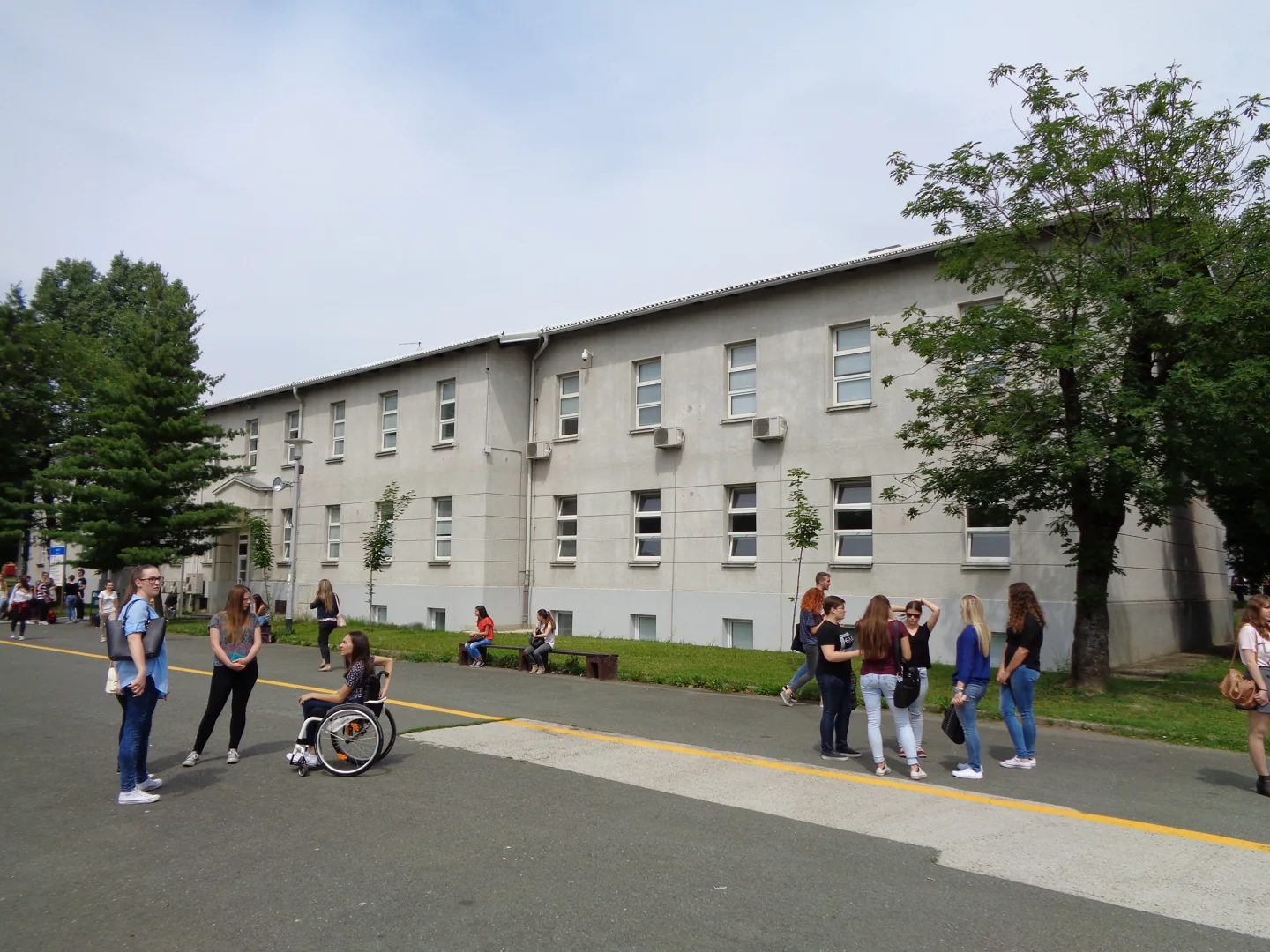
For the University of Zagreb, identify the exact faculty and degree, then follow its admission and qualification-recognition process. Use the 2026–27 English-degree directory to distinguish full programmes from individual exchange courses. Ask the faculty for its deadline and tuition; the university does not have one price or application date for every course.
06Arrange pension income and a residence basis for retirement
Retiring describes your life plan; it does not by itself identify your immigration category. EU/EEA and Swiss retirees can use the sufficient-resources and health-insurance basis described in MUP’s registration rules. Obtain pension statements, an address and the insurance evidence before the registration appointment.
For non-EU retirees, discuss the appropriate residence basis with MUP. The 2025 Aliens Act amendment specifically permits extension of “other purposes” stay for a retired third-country national older than 60 who owns Croatian property, and the specified spouse or partner. This is an extension provision with conditions; it is not automatic residence for every buyer, every pensioner or someone simply renting a holiday apartment.
- Ask the pension administrator whether payments can continue to your chosen account and what annual verification it requires.
- Obtain statements showing the pension’s nature, amount and payment history for the residence and banking files.
- Have an adviser assess Croatian and foreign pension taxation and treaty treatment.
- If your competent foreign insurer can issue S1, obtain it and register it with HZZO. HZZO explains qualifying pensioner cover for the relevant EU/EEA, Swiss and UK coordination cases.
- Evaluate the building’s stairs, nearby primary care and transport before buying or signing a long lease.
A pension statement, S1 and a property deed serve different purposes. Keep each original accessible and obtain the immigration decision independently of arrangements made by an estate agent.
07Prepare authenticated documents, household goods and pets
Make one file per applicant. Use the receiving authority’s checklist to distinguish civil-status records, police certificates, qualifications, income evidence and insurance. Record which originals will be retained, which need translation and which must be authenticated.
- Order the civil and criminal-history documents required by your category.
- Establish whether a treaty removes authentication, an apostille applies, or consular legalisation is required. The Foreign Ministry describes authentication routes.
- Use a suitably authorised translator for the receiving service. An immigration category accepting English does not mean a Croatian school or court will accept every untranslated document.
- Carry originals and a secure digital copy separately from your removals shipment.
Shipping the household
Prepare an itemised inventory with ownership/use evidence, a destination address and a freight quote covering clearance and delivery. Croatian Customs’ transfer-of-residence relief concerns qualifying moves from outside the EU: normally twelve consecutive months abroad and goods owned and used for at least six months. Ask the mover to identify the relief application and applicable shipment deadlines. Vehicle taxes and exclusions need separate assessment; a residence permit does not make every import tax-free.
Bringing a dog, cat or ferret
- Give the official vet the origin, transit countries and first EU entry point.
- Arrange microchip identification before the rabies vaccination used for travel; the normal primary-vaccination wait is at least 21 days.
- Determine whether your origin requires a rabies-antibody test and additional waiting time.
- For non-EU travel, obtain the correct EU health certificate from the official state vet within ten days before EU arrival, plus the non-commercial declaration. Use a qualifying passport for travel where that is accepted.
- Reserve the airline animal space and use the appropriate designated Croatian entry point if Croatia is the first EU arrival.
The current EU pet tool covers origin-specific exceptions, young animals and travel within five days of an authorised accompanying person. Birds and other species follow different rules. Have the vet assess the whole itinerary rather than treating the airline’s acceptance as border clearance.
08Record lawful arrival and establish the first few days
Keep the passport, permission or visa, accommodation confirmation and insurance accessible during the journey. If arriving through another Schengen country, retain travel evidence that helps show when you reached your Croatian address.
- Reach the booked accommodation and confirm the full postal address, host’s name and contact number.
- For a short stay, ensure the host completes the applicable guest registration. MUP explains the eVisitor exchange used by accommodation providers; this does not replace residence registration after approval.
- Store the entry and visa dates with the permit decision. Schedule police appointments around the applicable deadlines rather than around the end of the rental booking.
- Arrange a working phone number, food, medication continuity and a transport route to the police and tax offices.
- Ask the accommodation provider for the signed evidence needed by the relevant residence category.
Residence timing deserves particular attention. MUP’s nomad page describes a longer post-approval window for visa-required applicants, but the May 2026 amendment requires long-stay visa holders to contact the competent police office within thirty days of the visa’s validity starting. Obtain the officer’s instructions for your decision and proceed promptly; do not plan a six-month delay using the older summary.
A guest-registration confirmation proves an accommodation procedure. Your application receipt, residence decision and biometric card prove different stages, so keep them labelled separately.
09Obtain OIB and complete address and residence records
Obtain or confirm your OIB
The Osobni identifikacijski broj identifies you in tax and many administrative transactions; it is not a residence permit.
- First establish whether an OIB has already been assigned through an earlier Croatian transaction or file.
- Complete the natural-person portion of the bilingual OIB application with your identity and residential information.
- Bring the identification document and copy to the competent Tax Administration office. Its assignment page explains the basis for issuing OIB to foreigners. That page retains a March 2020 appointment arrangement, so confirm today’s attendance procedure instead of assuming its old eight-day service promise.
- Check the certificate’s name and document details and retain copies for banking and employment.
Register the actual address
Third-country residents should report the address within three days of entry under MUP’s residence instructions. Bring the accommodation evidence accepted for your category and arrange the owner’s presence or properly certified consent where necessary. EU/EEA and Swiss address procedures use their own forms and timing; follow the registration and address-change section, rather than using a third-country form.
Complete the biometric card
At the competent police office, present the passport, approval and a 30 × 35 mm photograph, provide the required biometric data and follow the issued payment references. The card procedure requires personal collection. Keep its receipt while waiting and obtain clarification about travel if the card is not yet available.
After your records are established, use an accepted electronic credential to access e-Citizens. Possessing OIB alone is not an activated online identity.
10Open a suitable euro account and establish payments
Book a branch appointment and describe your actual status: resident, applicant or non-resident. Ask what account can be offered before relying on a website’s mobile onboarding intended for a different customer category.
- Prepare identity, OIB, the residence/address evidence requested, employment or income documents and foreign tax-identification numbers.
- Declare tax residence and explain the source of the initial transfer. Erste’s own identification information shows why banks request this evidence.
- Compare a basic account with a salary or regular-income account. Ask for the fee document covering transfers, withdrawals, cards and online access.
- Confirm the delivery address for the card, activate the payment channel and make a small test transfer before funding major bills.
- Set up rent payments using the landlord’s verified account details and the reference agreed in the lease.
As a practical starting point, Raiffeisenbank Croatia publishes basic-account eligibility and a free-service package for qualifying regular-income customers. Those packages have conditions and different transaction coverage; free account management does not mean every transfer or third-party ATM withdrawal is free.
When paying an official charge, enter the specified payment model and reference as well as the IBAN. Save the confirmation showing who paid and which case it relates to. A successful debit without the required reference may still need reconciliation.
Keep a second payment method available while the account and card are being established, and reconcile the first rent, utility and insurance payments against their invoices.
11Inspect the apartment and sign a usable year-round lease
Search for najam or dugoročni najam and ask explicitly whether the home is available throughout the agreed period. In coastal locations, a listing covering only the academic or winter season may not meet your relocation plan.
- View the apartment and establish the person’s authority to let it.
- Read the proposed ugovor o najmu, including dates, occupants, rent, payment account, deposit, utilities, repairs and termination.
- Get written confirmation that the owner will supply the evidence or consent needed for residence registration.
- Request the energy certificate and recent bills; inspect the heating system, moisture, windows and available internet connection.
- Agree the deposit amount, deductions, return deadline and agency charges before payment.
- At handover, photograph the inventory and meter readings, record defects and sign the condition record with the owner.
The government’s tenancy information calls for a written agreement and explains landlord repair responsibilities. Its notice provisions distinguish contract situations; for an indefinite tenancy, it describes at least three months’ tenant notice. Have unclear early-exit terms translated and reviewed before signing.
Clarify what režije includes. Ask separately about building reserve charges, refuse, water allocation and heating, rather than treating one estimated utility figure as a fixed inclusive rent. Establish whether bills remain in the owner’s name or will be transferred.
Bring the final signed accommodation document to the police procedure. An attractive listing, a payment receipt or an informal message is not necessarily the document that establishes a registered address.
12Establish your insurance basis and choose local primary care
HZZO, the Croatian Health Insurance Fund, determines compulsory cover. The answer depends on employment, residence, existing foreign insurance and statutory exemptions; there is no single private policy or flat monthly charge that suits every newcomer.
- For local employment, confirm that payroll has registered you and obtain the registration evidence.
- For foreign-coordinated cover, bring the appropriate S1 or other entitlement document and establish which institution pays.
- For other temporary residence, present the permit, identity and insurance history to HZZO so it can determine the basis and any contribution liability.
- Complete the required registration promptly: HZZO describes an eight-day registration period following the relevant circumstances.
- Use the contracted-provider directory to find a family doctor or paediatrician accepting patients near the address, then arrange records transfer.
The insured-category guidance updated in April 2026 identifies digital nomads as exempt from compulsory registration, with private coverage and personal responsibility for care costs. Maintain the policy accepted for that stay; an exemption is not free access to HZZO services.
For qualifying foreign pensioners, S1 registration is different from presenting an EHIC for temporary visits. Ask the competent insurer which document fits a permanent move. Choose additional cover according to gaps in the established entitlement, including copayments, private treatment and travel needs.
Once enrolled, record the doctor’s contact, appointment method and referral procedure. Request an English summary of ongoing treatment from your former provider and give the Croatian clinician the relevant records rather than relying on a list of medicines alone.
13Set up phones, household accounts and your regular transport
Phones and utilities
Start with prepaid service while assessing the permanent address. Hrvatski Telekom’s Simpa service is one practical starting point. Its 15 April 2026 change notice lists current revised option amounts; older product summaries differ, so use the current tariff and checkout confirmation rather than an old screenshot. Compare validity period, renewal, domestic units and roaming limits before activation.
- Test mobile reception inside the home and establish fixed-service availability at its exact address.
- Identify the electricity supplier and meter point from the existing bill. Under HEP Elektra’s customer-transfer procedure, prepare the tenancy/right-to-use evidence and owner consent where required.
- Record final readings and the agreed handover date so the old and new customer’s charges can be separated.
- For Zagreb water, establish whether the apartment has an individual or shared meter. Vodoopskrba i odvodnja explains account changes and household allocation; the building manager may handle shared-meter records.
- Set invoice delivery and reminders only after the customer and meter details are correct.
Make the commute work
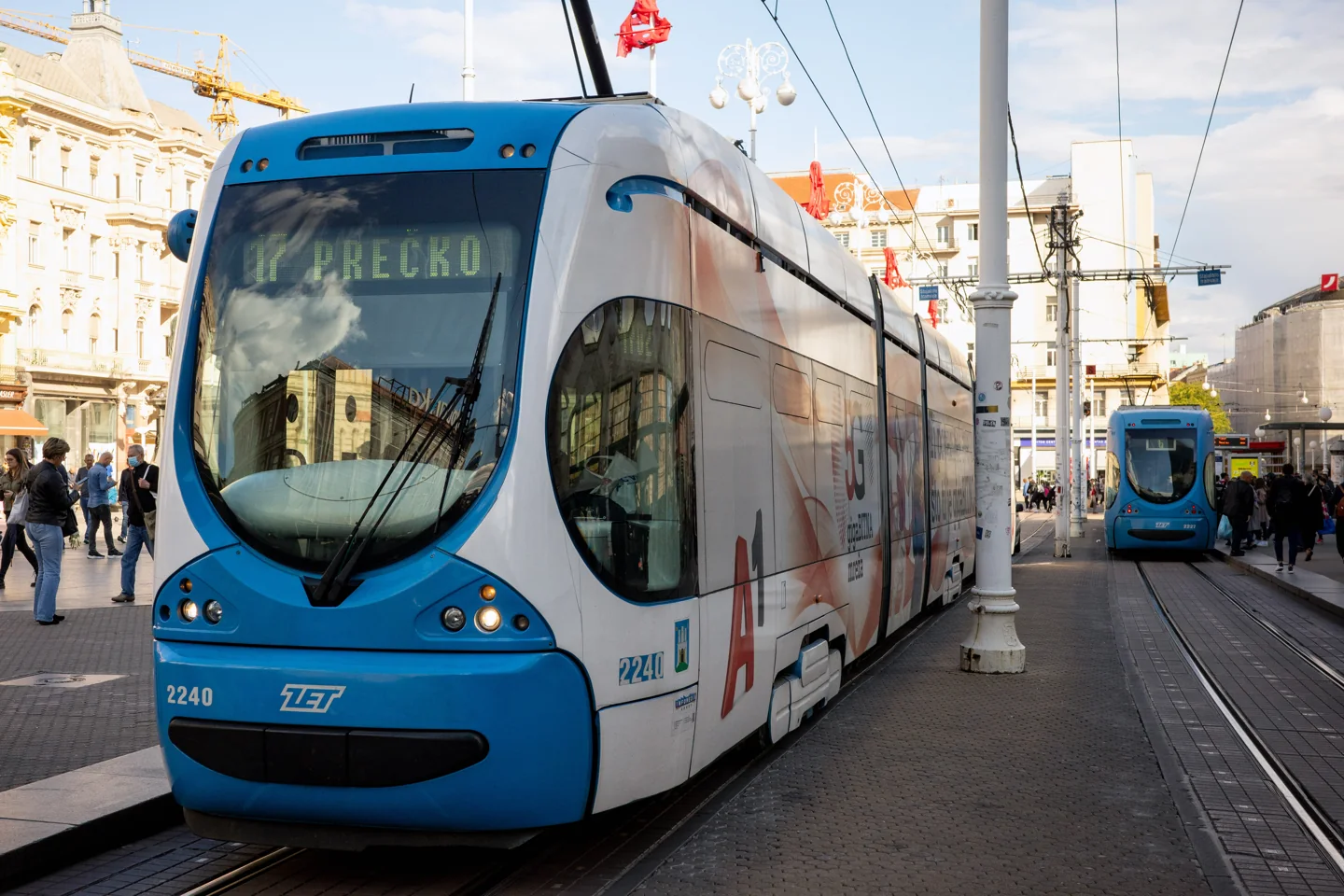
Zagreb’s published ZET fares, reviewed 13 October 2026, include €0.53 for thirty minutes and €0.93 for sixty minutes when bought in advance. The corresponding driver prices are €0.80 and €1.33. Choose the duration and zone, then validate immediately: paper tickets have direction and zone conditions.
With Moj ZET, purchase/register the ticket using the vehicle QR code or NFC and use the transfer function when changing vehicles. Keep the active ticket available for inspection.
For islands, use Jadrolinija’s actual sailing search and its route-specific reservation rules. A ticket does not reserve a vehicle on every sailing. Drivers should resolve licence recognition with MUP: its foreign-licence guidance describes a one-year period from entry for the specified residents, with licence-category and exchange considerations.
14Build a local routine and close the first-month tasks
Choose repeatable local activities: a language class, neighbourhood walk, sports session or market trip gives you a reason to return and learn the place. Start with the services around your actual home, including the nearest pharmacy and the route back after evening activities.
For Croatian lessons, the University of Zagreb’s Croaticum enrolment process involves an online application, identity evidence, the relevant enrolment/placement procedure and payment instructions supplied during enrolment. Its semester and short-course arrangements differ. A course place is not a service for obtaining a visa.
Dolac remains a useful shopping reference, but the market operator’s January 2026 notice places outdoor traders temporarily along Pod zidom, Tkalčićeva, Splavnica and the western part of Ban Jelačić Square during renovation. Use current operator notices before visiting; the photograph below shows the older arrangement and its prices are not current euro quotes.

| Task | Evidence to retain |
|---|---|
| Entry, residence and address | Visa/decision dates, registered address, appointment receipt and card-collection instructions. |
| OIB and employment or business | OIB certificate, permitted work details, payroll or accountant contact. |
| School and healthcare | Placement confirmation, insurance basis and primary-care contact. |
| Home and payments | Lease, deposit receipt, inventory, readings and first cleared bills. |
| Renewals and changes | Calendar reminders for permit, passport, policy and contract dates; instructions for notifying relevant changes. |
At the end of the month, replace every budget assumption with a bill or confirmed quote. Re-test the commute, settle any unresolved account mismatch and review whether the home works for winter as well as the season in which you arrived. Keep official receipts and decisions together so the next administrative visit starts with an organised record.
Sources & further reading
Reviewed 13 October 2026. Sources are linked beside the relevant instructions. Primary authorities and actual providers were reviewed on 13 October 2026. The May 2026 Aliens Act amendment takes precedence over older summaries: long-stay visa holders must contact police within 30 days of visa validity starting. The digital-nomad page still describes a longer registration window, so applicants should obtain case-specific timing instructions. No general retirement visa or automatic residence through property ownership is asserted. Official euro fees and Zagreb fares were reviewed on 13 October 2026; AISZ tuition applies to its 2026–27 school year. Household rents, food, freight and setup allowances are explicitly hypothetical, not national averages or current market quotes. Photograph credits, licences and capture years appear with the images.
Browse the source directory
- Zagreb Tourist Board: Maksimir, Jarun and green spaces
- Split Tourist Board: Varoš neighbourhood
- Foreign Ministry: nationality-specific visas and Schengen day calculation
- European Union: EES permitted-stay tool
- Interior Ministry: EEA and Swiss residence, employment and family procedures
- Interior Ministry: third-country temporary residence and documents
- Official Gazette: March 2025 Aliens Act amendments, including retirement extension and nomad duration
- Official Gazette: May 2026 Aliens Act amendments, including family, long-stay visa and employment rules
- Interior Ministry: current digital-nomad eligibility, application and 2026 financial evidence
- Interior Ministry: actual online digital-nomad application
- Police Directorate: competent regional police offices
- Interior Ministry: third-country work permissions
- Croatian Employment Service: employer labour-market tests and permit applications
- Croatian Employment Service: current permit workflow and five-day job-loss registration
- Government: company incorporation routes for Croatian, EU and other citizens
- Government: START access restrictions and foreign-founder alternatives
- Tax Administration: residency determination, TU/TI questionnaires and domestic/treaty tests
- Official Gazette: statutory income-tax exemption for qualifying digital-nomad receipts
- Government: recognition of school study abroad and Croatian language support
- Government: kindergarten, primary and secondary school enrolment
- American International School of Zagreb: actual 2026–27 admissions process
- American International School of Zagreb: 2026–27 tuition and additional fees
- AISZ: own Schoolis admissions enquiry service
- University of Zagreb: degree admission and recognition requirements
- University of Zagreb: 2026–27 full-degree programmes in English
- HZZO: healthcare in Croatia and pensioner S1 entitlement
- Foreign Ministry: public-document authentication and treaty exceptions
- Customs Administration: transfer-of-residence personal-property relief
- European Union: current non-commercial pet documents and origin-specific rules
- Croatian Customs: designated pet-entry points and identification checks
- Interior Ministry: short-stay accommodation registration and eVisitor
- Tax Administration: OIB assignment to foreigners; page retains March 2020 appointment procedure
- Foreign Ministry: bilingual OIB application and competent-office instructions
- Interior Ministry: biometric card application, photograph and fees
- Government: foreign residents accessing e-Citizens
- Raiffeisenbank Croatia: basic accounts, eligibility and limited free services
- Erste Croatia: identification, foreign tax residence and source-of-funds requirements
- Government: written residential tenancy and notice provisions
- HZZO: foreign insurance, compulsory registration and primary-care access
- HZZO: current insured categories and private-cover exemptions; updated 16 April 2026
- HZZO: search for contracted healthcare providers
- HEP Elektra: changing the electricity customer
- Zagreb Vodoopskrba i odvodnja: water-account and household procedures
- Hrvatski Telekom: prepaid option changes effective 15 April 2026
- Hrvatski Telekom: obtaining a Simpa prepaid service
- ZET: currently published Zagreb fares
- ZET: paper tickets, zones, direction and validation
- ZET: actual Moj ZET purchase, validation and transfer instructions
- Jadrolinija: route-specific vehicle and passenger reservations
- Jadrolinija: sailing schedules and tickets
- Interior Ministry: recognition period for foreign driving licences
- University of Zagreb Croaticum: language-course application and enrolment
- Zagreb market operator: 8 January 2026 Dolac temporary trading locations
- Zagreb market operator: current notices and market information
Make your next step a practical one
Shortlist an address, identify the route applicable to every family member, and obtain the application checklist before committing to a long lease.




