 Visa
Visa
Moving & Living - Cuba - Complete Guide
Plan a move to Cuba through 14 practical steps: establish the right immigration and work basis, choose a neighbourhood, arrange schools, documents and pets, then organise registration, payments, housing, healthcare and everyday services.
Photo credit
In Havana, a home near an international school in Miramar creates a different daily routine from an apartment around Vedado’s university streets. In Santiago de Cuba, distance from the capital changes access to institutions and specialist services. A workable move starts with an authorised reason to live here, a dependable address and a realistic way to pay for essentials. This guide takes you through those decisions and the practical work that follows arrival.
Cuba at a glance
- Language
- Spanish
- Currency
- Cuban peso · CUP; some services priced in foreign currency
- Immigration
- Interior Ministry immigration office and the relevant Cuban consulate
- Tax authority
- Oficina Nacional de Administración Tributaria · ONAT
- Phone provider
- ETECSA · Cubacel and Nauta
- Legal transition
- New migration legislation has delayed commencement in November 2026
- Reviewed
- 13 October 2026
Follow your moving journey
Start at step 1, or jump to the task you are working on.
01Choose a base around the services you need
Begin with the address you will visit most often: your employer, university, school or medical provider. Cuba is a long island, and a pleasant holiday location may leave you far from the institution responsible for your immigration paperwork. Arrange a short initial stay so you can inspect the neighbourhood and building before committing to a longer rental.
| Starting point | Why investigate it | What to test in person |
|---|---|---|
| Vedado, Havana | A practical search area when university or central-city appointments dominate your week. | The actual commute, stairs, road noise and reliable internet at the proposed home. |
| Miramar and nearby Playa, Havana | Both International School of Havana campuses are in Miramar; school location can determine a family’s housing search. | School transport coverage, distances between campuses and household water storage. |
| Habana Vieja or Centro Habana | Consider these when your activities are central and you prefer to do errands on foot. | Building condition, shared access, ventilation, deliveries and the route home after dark. |
| Santiago de Cuba | A possible base when family or an institutional placement is in eastern Cuba. | Where each required immigration, banking and medical task can be completed locally. |
Plot school addresses from ISH’s own campus information and your care options from the September 2026 medical directory. These are useful starting points, not promises that a service has space or can provide every treatment. Walk your proposed daily route at the time you would normally use it. Carry water, note where you can buy groceries, and ask the current occupant how the building manages interruptions to power and water.
Give your address precisely: street, building number, cross streets, apartment, municipality and province. A listing described simply as “Havana” is not enough for a rental agreement, a delivery or an institutional appointment.
02Establish the permission that fits your actual move
A tourist visa is an entry document for a visit. It does not establish permission to settle, take employment or operate a business. Cuba’s tourism authority describes tourist permission of 90 days, potentially extended for a further 90, and nationality-specific exemptions. Use the government eVisa service for a tourist application when that is the appropriate category; ask the responsible consulate which document applies to a sponsored move.
- Describe the purpose accurately. Send the consulate your nationality, country of lawful residence, intended arrival date, sponsoring institution and the details of accompanying family members.
- Get the sponsor’s approval process first. For institutional categories, the Cuban counterpart may need to obtain authorisation before the consulate can issue a visa. Request the approval reference and the exact category to use.
- Separate each person’s application. A spouse or child’s entry category and residence position must be established alongside the principal applicant’s; a relationship does not automatically confer employment rights.
- Obtain the local completion instructions. Ask who books the immigration appointment, what evidence establishes your address, and when the local identity document is issued.
The Cuban mission’s consular explanation distinguishes institutional visas from the A2 family category for certain foreign spouses and children of Cuban citizens. A2 entry is not itself permanent residence. The permanent-return procedure on that same page is for emigrated Cubans, and must not be treated as a general foreigner’s residence application. Find the mission serving your residence country through Cuba’s overseas missions.
A dated legal transition matters. The migration legislation published on 5 May 2026 has a 180-day commencement provision: calculated from that publication, 1 November 2026. On this guide’s 13 October review date it is not yet the current framework. The regulation also addresses applications already underway. Show the consulate your submission and arrival dates and request the applicable process; do not treat newly published future residence categories as available today. See the original Gazette, including its final and transitional provisions.
03Arrange sponsored work or an authorised business activity
For a job, ask the employer to put immigration and work authorisation in the employment plan rather than leaving you to arrive as a tourist and resolve it alone. Under the procedure described by Spain’s official labour office in Cuba, the employer applies to the Ministry of Labour and Social Security, and approval connects to the temporary-residence process through the immigration authority. The authorisation is tied to the permitted activity; it is not a general licence to work for anyone. Read the official employer sequence and identify the responsible Cuban labour ministry.
- Obtain a signed offer naming the employing entity, work location, role, start date and contract length.
- Ask the employer who submits the permit file, how approval will be evidenced and which qualifications must be authenticated.
- Agree the salary currency, payment channel, housing provision, insurance and responsibility for dependant applications in writing.
- Keep the approval and contract with your passport records. Do not start another paid activity just because your residence document has been issued.
The labour-office guidance describes renewal applications at least 45 calendar days before expiry. Put that review in your calendar and ask the sponsor how the coming migration-law transition affects your case. Avoid copying its older tourist-duration or currency examples: current entry and payment information comes from the sources linked in the relevant steps here.
Remote work needs an answer about the activity itself. These sources do not establish an ordinary digital-nomad visa. Ask the consulate whether your proposed overseas employment can lawfully be performed under your intended status; an offshore salary and a laptop do not answer that question. For a business, obtain the institutional and investment approvals applicable to the actual proposal before spending on premises. The official residence briefing does not describe routine self-employment for non-permanent foreign residents.
If you are subject to US jurisdiction, establish the applicable Treasury authorisation separately. Cuban entry permission does not authorise US-regulated travel transactions, and ordinary tourism is not generally authorised. There were additional educational-travel changes on 30 September 2026.
04Build a budget in the currencies you will actually use
Keep separate CUP, USD and EUR columns. A school invoice in euros, a rental quotation in dollars and a phone charge in pesos cannot be added without an exchange assumption. Write the currency and accepted payment method beside every quotation. Use the Central Bank’s official publication for the relevant transaction and date; an exchange widget without a valid date is not a usable quotation.
The following is a hypothetical planning worksheet for one adult, not a current Havana quotation or a Cuban average. Replace every allowance with an actual offer. None of the figures establishes what a particular home or insurance policy costs.
| Recurring item | Assumed USD allowance per month |
|---|---|
| Rent | 600 |
| Food and household purchases | 250 |
| Utilities and communications | 100 |
| Transport | 100 |
| Insurance or medical reserve | 100 |
| Other spending | 100 |
| Calculated total | 1,250 |
| Initial item | Hypothetical USD allowance |
|---|---|
| Flight | 800 |
| First rental month and assumed one-month security deposit | 1,200 |
| Temporary accommodation | 300 |
| Freight | 1,000 |
| Basic household setup | 200 |
| Calculated initial cash requirement | 3,500 |
The deposit is a worksheet assumption, not a statutory entitlement or limit. The first month’s rent overlaps the recurring worksheet and should not be counted twice. Add actual immigration, legalisation, phone, school, pet and insurance invoices separately; retain an emergency reserve beyond this example.
Cuba’s consolidated tax law distinguishes permanent residents’ income regardless of origin from non-permanent residents’ income obtained or generated in Cuba. It also lists specified income exclusions and recognises treaty rules. Payment into an overseas account alone does not settle the source question. Ask a qualified adviser to classify your salary, pension, investment income and any business activity using your actual status; do not import another country’s familiar “183-day rule”. See the January 2026 consolidation, especially Articles 8, 15, 18 and 19. Keep contracts, payslips, pension statements and home-country tax records together for that consultation.
05Secure school or university admission before fixing housing
Make the school decision before the long lease. At the International School of Havana, Campus 18 serves Pre-Kinder through Grade 8 at Calle 18 and Avenida 5ta in Miramar; Campus 22 serves Grades 9–12 at Calle 22 between Avenida 1ra and 3ra. Ask which campus and transport service your child would use.
- Contact admissions for the current application pack and discuss curriculum, language and any learning support needed.
- Submit the required documents through the school’s linked admissions portal and arrange the application payment.
- Wait for the school’s decision. Its current admissions explanation allows applications during the year subject to criteria and space; it recommends starting several months ahead.
- After acceptance, confirm enrolment, sign the financial contract and obtain the start date and full invoice. Tuition does not include every trip, examination or transport charge.
For French-medium schooling, the Lycée Français International de La Havane Alejo Carpentier uses Eduka. Its new-pupil instructions request pupil and parent passports, reports and an EXEAT departure certificate, followed by administrative validation and an appointment. Discuss French-language support and placement directly with the school.
Verified school-specific example: its signed 2026–27 schedule lists non-French elementary tuition of EUR 5,760. The family-paid annual elementary package totals EUR 6,300 and first enrolment for a first child is EUR 2,500: EUR 8,800 calculated first-year total for that stated category. The EUR 1,000 advance described in the application procedure is credited toward first enrolment, not another EUR 1,000 to add. Company-paid, sibling and other grade categories differ. Confirm your own invoice before transferring money.
For a degree, use the University of Havana’s foreign-student information. It distinguishes government agreements, self-funded studies and other arrangements; do not assume every foreign student studies free. Ask the faculty and international office for admission, Spanish-language and qualification requirements, the applicable charges, housing and the sponsoring visa process before sending documents.

06Test whether retirement is compatible with your residence basis
Begin with eligibility, not a monthly pension target. The sources reviewed here do not establish an ordinary retirement visa available to any foreign pensioner. Family circumstances or another authorised purpose may provide a basis, but the consulate must identify it for your case. A tourist extension, a rental payment or interest in buying property is not evidence of permission to settle. Use the relevant Cuban mission to obtain the actual route.
- Explain your citizenship, family connection, proposed length of residence and whether you intend to do any work. Request a written checklist for the proposed status.
- Ask your pension provider whether it can continue payment abroad and what proof-of-life or reporting requirements apply.
- Ask the sending bank which lawful payment channels remain usable. Establish access to living and medical funds before relying on a Cuban account.
- Discuss regular treatment, prescriptions, evacuation and long-stay cover with an insurer and a suitable clinic before choosing a distant home.
Retain statements showing pension amount, payment currency, beneficiaries and the country administering each pension. An insurer’s age limit or pre-existing-condition exclusion can change the affordability of a move even when immigration permission is possible. Obtain the policy wording and acceptance of your disclosed conditions rather than treating a promotional “international cover” label as enough.
Plan for practical assistance as well: someone who can accompany you to appointments, a home you can enter without difficult stairs, and a way to contact relatives when the internet is unavailable. Test those arrangements during an initial stay. The current health briefing describes medicine shortages and the need to fund care and possible evacuation.
07Prepare authenticated documents, baggage and pets
Make a document register with four columns: original, required translation, authentication authority and expiry. Include passports, relationship certificates, qualifications, sponsor approvals, school records and any police or medical evidence specifically requested. Ask the consulate how documents issued in each country must be authenticated; do not assume an apostille alone completes the Cuban process.
For documents issued in the United States, the Cuban mission describes prior state or federal authentication and the consular legalisation of originals and Spanish translations. Its quoted charges are US-consular examples, not a worldwide fee schedule. Use its actual document instructions to organise the order of work; obtain a category-specific invoice before dispatching valuable originals. Keep scans offline and carry the records needed at entry in hand baggage.
Before booking freight, ask Cuban Customs and the carrier how your status affects the shipment, quantities and charges. Supply an inventory identifying personal belongings, medicines, electronics and any professional equipment. Get a written landed-cost quotation showing brokerage, storage and local delivery. Do not rely on a food or medicine allowance whose published extension ended in an earlier year.
For a dog or cat, start with the exporting country’s official veterinary service. Cuba’s Agriculture Ministry procedure calls for an official export health certificate containing identification, health and vaccination information, including rabies details. Arrange inspection and the certificate near the travel date, then align the traveller and animal details with the airline booking. Arrival involves veterinary examination and record checking; retain the address for subsequent local follow-up.
Requirements are origin-specific. Argentina’s SENASA Cuba instructions give a ten-day certificate validity and say consular certification is unnecessary for that export route. Do not apply that exception to documents from every country. For a longer stay, arrange the Cuban export procedure before the animal leaves and separately meet the return country’s requirements. Confirm airline crate, temperature and transit conditions before paying for the flight.
08Complete entry and establish the first few days
Assemble one small arrival file: passport, correct visa or approval, accommodation address, return or onward evidence where required, insurance certificate and the electronic declaration. Cuba’s entry information includes medical cover and the arrival formalities. Nationality-specific conditions remain important; British passport holders should use the separate British entry guidance for their passport-validity requirements.
- Complete the official D’Viajeros declaration close to departure. Using the final 72 hours follows the timing stated in British entry guidance; follow the actual service’s permitted date window. Save and print the QR confirmation.
- Reconfirm the arrival terminal and arrange a transfer with your host or an identifiable operator. José Martí’s terminal number matters when organising collection.
- After entry, check the permission recorded in your passport or entry evidence against the expected category and expiry. Raise a discrepancy while the documents are available.
- Reach your booked address, provide the identification needed by the accommodation operator and keep the payment receipt.
- Contact your sponsor and arrange the local completion appointment rather than waiting for the temporary accommodation period to end.
Carry the payment means you established before travel, with enough for the transfer, accommodation and an unexpected medical expense. The current money guidance says Visa and Mastercard payments and withdrawals cannot be relied on; an ATM is not a fallback plan. Keep declaration and exchange receipts with the corresponding cash records.
For an airport phone purchase, ETECSA lists Cubacel Tur service points including José Martí Terminal III, Hall C. Choose the plan after considering the validity and card restrictions in step 13. Save your host’s address and contact details offline so you can still reach the home before the connection is working.
09Complete local immigration and tax registration through the right office
Use the arrival instructions supplied for your particular category. Cuba does not have a single visitor-to-resident online application suitable for everyone. For sponsored work, the official labour-office explanation connects the employer’s approval, immigration authorisation and temporary identity document. Ask the sponsor to identify the office, book the appointment and explain what remains outstanding before you attend.
- Bring the original passport, issued visa, approval reference, contract or admission, requested photographs and the evidence of your actual Cuban address.
- Ask the official to identify the document being issued, its validity, the permitted activity and any conditions concerning travel or accompanying relatives.
- Obtain a receipt or case reference for anything still pending. Record the collection and renewal instructions with the expiry date.
- If you change accommodation, ask the immigration office how the new address must be recorded and provide the landlord’s supporting documents.
Do not substitute a tourism booking confirmation for a residence-registration decision. Equally, a local identity card does not remove restrictions attached to the underlying permission. Resolve differences between the sponsor’s letter and the issued record before entering another contract.
Tax registration is a separate task. ONAT administers the taxpayer register. The consolidated regulation, Article 28, assigns a Número de Identificación Tributaria, or NIT, on registration and requires it on relevant declarations and economic records. Ask the employer or municipal tax office which registration and payroll duties apply to you; bring identity, address and activity or employment evidence so the office can identify the correct category. Obtain your assigned number and the applicable filing instructions rather than assuming every arrival has the same return deadline.
Keep a single calendar for immigration expiry, sponsor renewals, school payments and tax obligations. The November migration transition makes the date of an application especially important, so retain proof of when each file was submitted.
10Choose an account and payment method that works for your status
Start with the Central Bank’s institution directory. Banco Metropolitano, Banco Popular de Ahorro and BANDEC are different institutions; ask the branch serving your address which personal products it can offer for your immigration category. An account used for CUP payments and a foreign-currency card account have different purposes.
The September 2026 Gazette, Resolution 102/2026, specifies minimum identity evidence for foreign-currency accounts: permanent residents use Cuban identity evidence; temporary residents use a valid passport with current visa or their Cuban temporary identity document; other foreign individuals have a passport and corresponding visa requirement. Banks also conduct due diligence. These documentary rules do not guarantee that every branch will open every product or accept every transfer.
- Take your original identification and visa or residence record. Ask in advance for any further address, source-of-funds or employment evidence required.
- Request the account currency, fees, minimum balance, accepted cash currencies and transfer details in writing.
- Ask specifically how to pay rent, receive salary and recover remaining funds when you leave. Foreign-currency cash withdrawal depends on availability and bank policy.
- Make a small permitted test payment before routing important income through the account.
The current FCDO payment briefing says international Visa and Mastercard are no longer accepted. The Central Bank’s recent regulatory notice does not mean those networks have resumed service. Ask each merchant and issuing institution which domestic or prepaid product it accepts, how it can be funded and whether unused value can be recovered.
Record whether a displayed price is CUP, USD or a foreign-currency account value often described as MLC. Do not treat MLC as a packet of banknotes, or use an old CUC price as a current quotation. Exchange through authorised channels and retain the receipt. Keep enough accessible funds outside an untested payment arrangement to handle urgent needs lawfully.
11Inspect the home and put the rental terms in writing
A casa particular is a practical form of private accommodation to investigate for the first stay. For a longer home, establish that the owner can lawfully accommodate you and that the address evidence will be accepted for your status. A website listing or a tourism rental licence alone does not establish immigration permission to live there indefinitely. Confirm the address requirements with the office identified through your consular or sponsor instructions.
- Verify the person signing. See the identity and ownership or authority evidence, and have the full address written into the agreement.
- Inspect essential systems. Turn on taps and lights, examine water storage, ventilation and appliance condition, and ask what happens when the mains supply is interrupted.
- Agree the money. State currency, payment method, due date, deposit amount and the conditions for return. Obtain a signed receipt for each payment.
- Allocate responsibilities. List the included bills, repairs, internet, cleaning and access to shared areas. Put termination, extension and visitor arrangements in writing.
- Document handover. Photograph the inventory and existing damage with the owner; record keys and any meter readings.
In a furnished home, ask who owns the router, tanks, pumps and any backup equipment and who pays when they fail. A generator in the building does not necessarily power your apartment or operate whenever you need it. Test the internet with the services you actually use and ask ETECSA about an installation before accepting a landlord’s promise of new broadband.
No verified national rental-price average or deposit cap is asserted here. Compare written offers for homes that meet your actual requirements rather than converting a short holiday rate into an assumed annual rent. If the contract is unfamiliar, have a competent local adviser explain its effect before you pay a substantial advance.
12Arrange insurance and identify where you will receive care
Buy cover for the full intended stay and obtain the insurer’s confirmation that Cuba, your activities and any disclosed conditions are included. The Cuban tourism health information identifies insurance requirements and responsible providers. Ask how authorisation, direct settlement and evacuation work in practice; a short tourist policy may not match a sponsored long stay.
- Give the insurer your intended status, duration, age, activities and relevant medical history, and retain its written acceptance.
- Before departure, discuss medicine quantities and travel documentation with your clinician. Carry labelled supplies, prescriptions and a treatment summary within applicable import rules.
- Select a clinic near the intended home and ask whether it provides the care you need and how payments are made.
- Save the insurer’s assistance details offline. Request authorisation promptly if you are referred for treatment and retain invoices for the claim.
The medical directory reviewed in September 2026 lists Central Clinic Cira García at Calle 20 and Avenida 41 in Miramar, and the International Clinic Camilo Cienfuegos on Calle L in Vedado. In Santiago it lists the International Clinic at Avenida Raúl Puyol and Calle 10. These are starting points for enquiries, not assurances of a particular appointment, medicine or specialty being available.
The current health guidance describes serious medicine shortages and foreign-currency payment before treatment. Do not rely on buying a regular prescription locally or settling a medical bill with Visa or Mastercard. Maintain usable funds while clarifying how the insurer will reimburse or settle costs.
Cuba’s public health system and foreigner treatment arrangements must be considered alongside your specific status. Ask the clinic or sponsor what entitlement your issued documents establish; avoid assuming that every temporary foreign resident receives the same free services as the local population. Access to suitable care should influence the housing decision, especially outside Havana.
13Set up phone access, household services and daily transport
For short initial use, ETECSA’s current Cubacel Tur information distinguishes seven-day and thirty-day offers, with additional packages subject to a maximum temporary-line lifetime. Ask the sales point for the package content and expiry; an older “one month” travel article may describe a different offer. ETECSA currently lists UnionPay and MIR for the specified visitor-service purchases, so do not arrive expecting to pay with every international card.
For a longer-term number, ETECSA’s permanent Cubacel line is currently published at CUP 1,000, comprising CUP 750 activation and CUP 250 balance, or USD 35, comprising USD 25 activation and USD 10 balance. These are provider prices reviewed on 13 October 2026, not currency equivalents derived here. Ask the commercial office which identification and payment method apply, install the SIM and test a call and data before leaving. “Permanent line” describes the phone service, not an immigration status.
Home broadband requires a separate feasibility decision. Nauta Hogar uses a fixed line and depends on area and technical availability. Ask the commercial office about the actual address before signing the lease. Its published additional browsing charge is CUP 12.50 per hour after the plan’s included time; this is not the entire monthly package price. Use the official Nauta portal for the corresponding account service.
For electricity and water, review the owner’s current bills and agree who remains the account holder and who pays. Identify the commercial office from the bill. Unión Eléctrica publishes supply notices; the water and sanitation group is the institutional starting point for the relevant water provider. Request the actual address-specific transfer or service instructions rather than inventing a nationwide online setup procedure. Keep bill copies and an agreed plan for storage, charging and communications during interruptions.
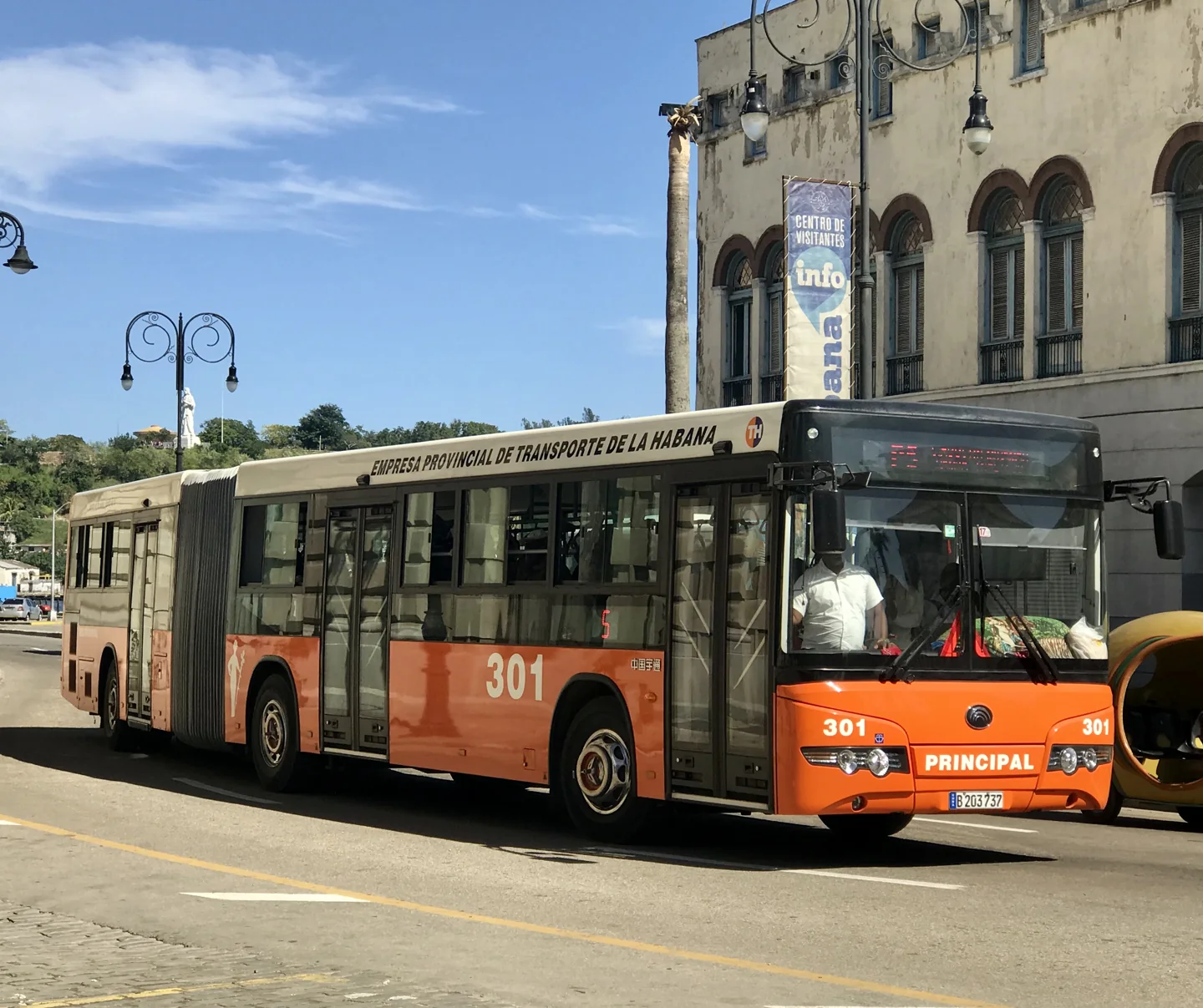
Test your commute using the transport you will actually afford and use: city buses commonly called guaguas, licensed taxis or the shared-car services often called almendrones. Agree the destination, currency and fare before a taxi ride. For an intercity journey, the official Havana transport directory names Viazul and the terminal at Avenida Independencia and 19 de Mayo. Reconfirm operating departures and accepted payment directly: older ministry pages still advertise Visa and Mastercard bookings. The Havana transport service directory and national transport information provide operator starting points, but dated fares are not a current quote.
14Build a routine and close the first-month tasks
Begin with a week you can repeat. Choose the grocery stop, travel route and appointment day that work with your household’s schedule. Learn how your own building communicates supply interruptions, where you can get drinking water and how to contact the owner without relying on one internet app.
Spanish is the working language for many errands. Ask your university or a suitable local teacher about a course that fits your timetable; start with the expressions you need for addresses, quantities, appointments, account balances and repairs. The University of Havana’s current information is a practical institutional starting point when study is already part of your move. School communities can help families build a social routine, but neither a school nor a social club replaces an immigration sponsor.
- First week: compare the entry record with your approval, contact the sponsor, obtain a working phone and test the route to your main institution.
- Second week: complete the appointments that your immigration category requires, obtain receipts for pending documents and clarify applicable tax registration.
- Third week: settle the inspected housing agreement, verify bill responsibility and test the account or payment product against real household needs.
- By month-end: confirm school or study attendance, insurance arrangements, pet follow-up if applicable and a calendar of expiries and payments.
Review what the first month actually cost in each currency. Replace the hypothetical worksheet with your own receipts, distinguish one-off purchases from ordinary spending and retain enough flexibility for an unexpected journey or treatment. A budget based on an untested transfer channel needs revision before it becomes the household’s only option.
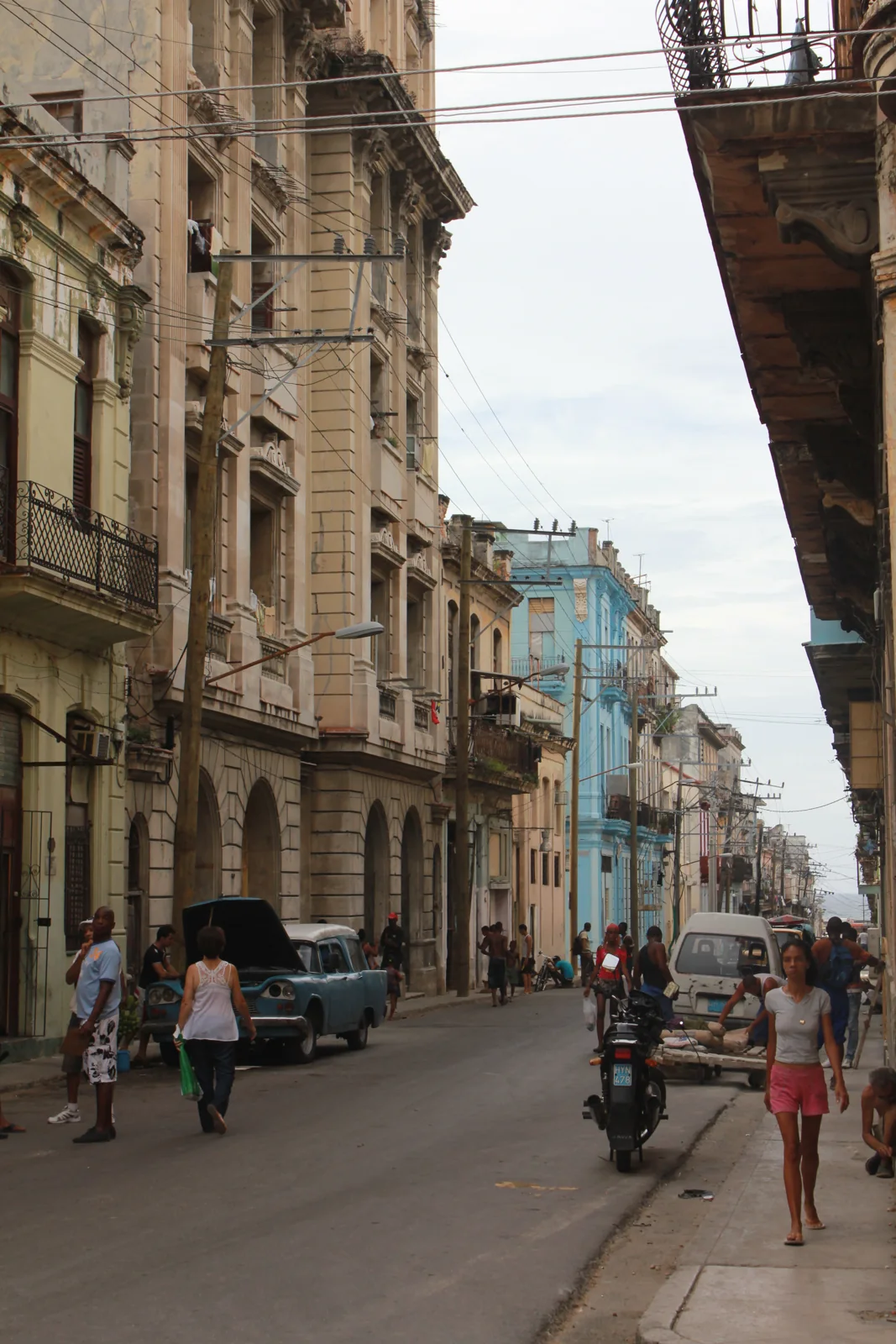
As you get to know the city, explore public spaces and neighbourhood activities without making every outing another administrative task. Keep the historical photographs in this guide in perspective: a street view shows a real place at its capture date, while the condition of your home and today’s services must be established locally. Revisit outstanding paperwork with the responsible institution, especially if your case crosses the November legal transition.
Sources & further reading
Reviewed 13 October 2026. Sources are linked beside the relevant instructions. Primary authorities, original Gazette documents and the actual schools and providers were reviewed on 13 October 2026. The new migration legislation published on 5 May has a 180-day delay before commencement; future provisions are not described as current eligibility. Gazette copies are explicitly identified when hosted by archives. Older tourism pages still describe card payments which conflict with current FCDO advice; those payment instructions and dated transport fares are not reproduced as current. ETECSA’s currently published activation and additional-hour charges were reviewed on 13 October 2026. The French school’s signed schedule is for 2026–27. Rental, food, freight and other household allowances are hypothetical calculations rather than verified market quotations or national averages. No undated exchange-rate widget is treated as a current quotation. Photograph credits, licences and capture years appear with the images.
Browse the source directory
- Ministry of Tourism: entry documents, tourist permission and electronic visa
- Cuban government: electronic tourist visa service
- Ministry of Transport: D’Viajeros arrival declaration
- FCDO: British-passport entry conditions, arrival declaration and customs
- Cuban mission in the United States: consular categories, institutional visas and US document legalisation
- Cuban Foreign Ministry: overseas missions and consular services
- Official Gazette 39 of 5 May 2026: migration legislation and delayed commencement; original Gazette PDF hosted in an archive
- Spanish Ministry of Labour’s Cuba office: employer work authorisation and immigration sequence
- Spanish Ministry of Labour’s Cuba office: residence, study and self-employment distinctions
- Cuban Ministry of Labour and Social Security
- US Treasury: current authorised Cuba travel categories
- US Treasury: educational-travel changes effective 30 September 2026
- Official Gazette Special 1 of 12 January 2026: consolidated tax law and tax-registration regulation; original Gazette PDF hosted in an archive
- National Tax Administration Office: responsible tax authority
- International School of Havana: Miramar campuses and programmes
- International School of Havana: current 2026–27 admissions and fee conditions
- International School of Havana: own linked admissions portal
- Lycée Français International de La Havane: new pupil admission
- Lycée Français International de La Havane: own Eduka application service
- Lycée Français International de La Havane: signed 2026–27 school fee schedule
- University of Havana: foreign-student study routes, including self-funded programmes
- University of Havana: current university and faculty information
- Cuban Ministry of Agriculture: official dog and cat import/export procedure, published 9 May 2022
- Argentina SENASA: Cuba-specific pet export certification and ten-day validity
- Cuban General Customs: responsible import and baggage authority
- Central Bank of Cuba: official current exchange-rate publication and financial notices
- Central Bank of Cuba: actual banking and non-bank institution directory
- Official Gazette 76 of 10 September 2026: Resolution 102/2026 foreign-currency bank accounts; original Gazette PDF hosted in an archive
- Central Bank: September 2026 foreign-currency account and transaction updates
- FCDO: current service disruptions, money and card acceptance
- Ministry of Tourism: health insurance and responsible insurers
- FCDO: current medicine availability, treatment payments and medical evacuation
- FCDO: medical facility directory reviewed 18 September 2026
- ETECSA: permanent Cubacel line activation and current prices
- ETECSA: current Cubacel Tur packages, validity and accepted cards
- ETECSA: Nauta Hogar installation, prepaid service and additional-hour price
- ETECSA: actual Nauta customer portal
- Unión Eléctrica: responsible electricity provider and current supply notices
- Grupo Empresarial de Agua y Saneamiento: responsible water-service group
- Ministry of Tourism: Havana airport, transport operators and terminal address; historical card instructions require reconfirmation
- Ministry of Tourism: Havana local transport services and rental offices
- Ministry of Tourism: intercity and airport transport; dated fares are not presented as current
Make your next step a practical one
Obtain a route-specific consular answer and sponsor checklist, then choose housing around the institution, school or care you will actually use.




