 Visa
Visa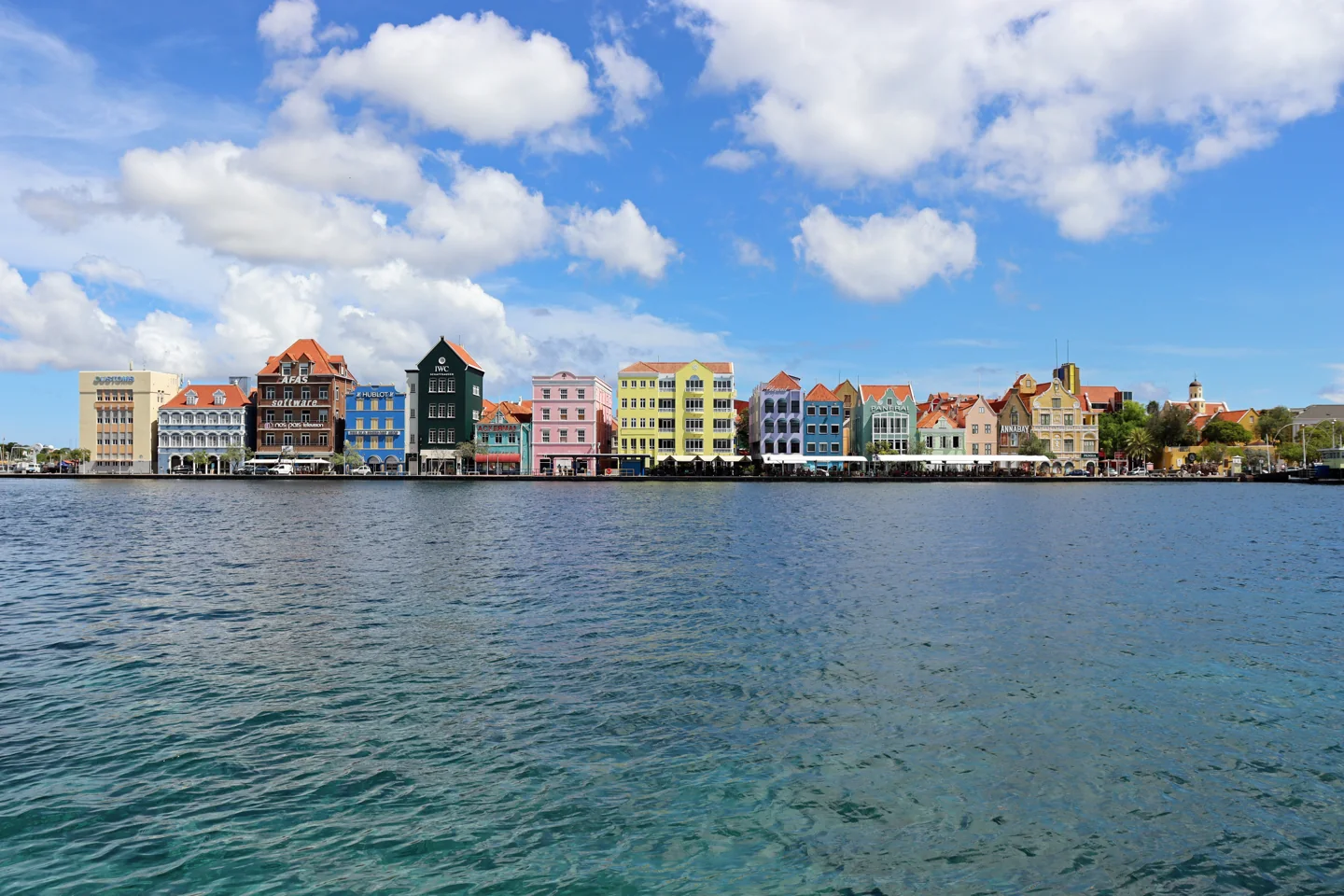
Moving & Living - Curaçao - Complete Guide
Move to Curaçao in 14 practical steps: choose a Willemstad neighbourhood, distinguish residence permits from Dutch and US admission declarations, arrange work or study, then organise Kranshi, sédula, CRIB, banking, housing and health cover.
Photo credit
A home in Pietermaai puts you close to Willemstad’s historic streets; a base near Emmastad or Jan Noorduynweg can make a school or university routine easier. Curaçao’s move-in paperwork is just as dependent on your starting point: nationality and purpose determine the admission document, and that decision leads into address registration, identity, tax and household services. This guide follows that journey with the island’s actual institutions and practical application steps.
Curaçao at a glance
- Main city
- Willemstad
- Languages
- Papiamentu, Dutch and English
- Currency
- Caribbean guilder · XCG / Cg
- Admission authority
- Toelatingsorganisatie Curaçao · TO
- Population register
- Publieke Zaken · Kranshi
- Identity and tax
- Sédula identity card · CRIB tax number
- Public insurance
- SVB administers BVZ; status-specific exclusions apply
- Reviewed
- 13 October 2026
Follow your moving journey
Start at step 1, or jump to the task you are working on.
01Choose a neighbourhood around your everyday journeys
Start with a weekday rather than a beach. Put your workplace, children’s school and medical appointments on a map, then compare the journeys from each proposed home. Willemstad’s historic centre, eastern residential areas and the western part of the island give you very different routines. A house that suits a fortnight’s holiday may add substantial driving to a school year.
| Area to investigate | Useful starting point | Decision to make |
|---|---|---|
| Punda, Otrobanda and Pietermaai | Central Willemstad, historic streets and activities around the harbour. | Can you comfortably reach your daily destinations, and does the particular street suit your needs for parking and quiet? |
| Emmastad and nearby residential areas | The International School of Curaçao is on Koninginnelaan in Emmastad. | Test the school journey at drop-off time before choosing accommodation farther away. |
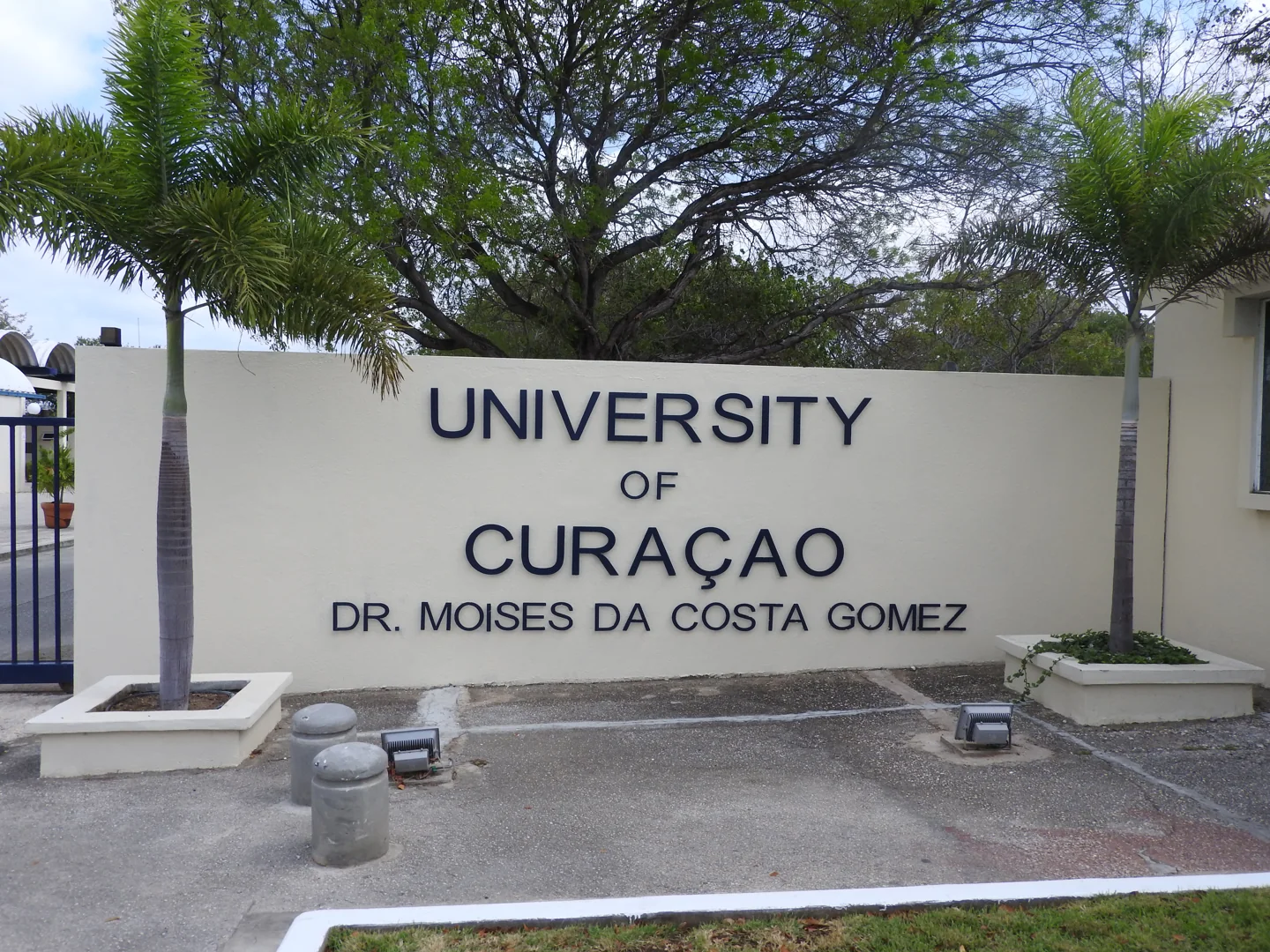
| Areas convenient to Jan Noorduynweg | The University of Curaçao’s campus is at Jan Noorduynweg 111. | Compare a student’s actual travel options with the convenience of a central entertainment district. |
| Jan Thiel or the western part of the island | Worth exploring when the setting fits your household and work arrangements. | Calculate the full weekly travel requirement rather than assuming every destination is close. |
Use the school’s own address, the university’s campus information and the ABC route planner to build the comparison. Visit the home in daylight, check ventilation and shading, and ask which rooms have air conditioning. Look at water and electricity bills from that actual property rather than relying on a landlord’s estimate for “average use”.
Book a flexible initial stay while inspecting longer-term homes. Confirm whether the owner will provide the address evidence you need for registration. Your admission document and housing arrangements must work together; a beautiful listing without permission to register the address can delay several later tasks.
02Select the admission document for your nationality and purpose
Curaçao is a country within the Kingdom of the Netherlands with its own admission administration. A European Dutch residence card or freedom to visit Schengen does not, by itself, settle the right to move here. Begin with the Toelatingsorganisatie’s permit and declaration directory, not a generic Netherlands immigration application.
| Your position | Application starting point |
|---|---|
| Dutch or US national | The appropriate Verklaring van Rechtswege, or admission-by-right declaration, with evidence supporting the purpose. |
| Other foreign national taking employment | Employer work authorisation, followed by the relevant residence-permit file. |
| Student, pensioner or person joining family | The corresponding permit checklist, or nationality-specific declaration where applicable. |
| A person with a qualifying Curaçao-born Dutch parent or another exclusion | Ask TO whether a Niet van Toepassing declaration establishes your position; provide the relationship and nationality evidence. |
The admission-by-right explanation expressly addresses Dutch and US citizens and says they can await that declaration decision in Curaçao. Ordinary first residence applications can require waiting abroad. Do not transfer this exception to a partner with a different nationality. Family admission uses its own relationship, support and sponsor evidence; the family checklist includes specific conditions for unmarried partners, so “we live together” may not provide the required legal evidence.
- Choose the exact category and download its documents from TO.
- Collect the required evidence and pay against the relevant payment instruction, retaining the receipt.
- Submit through the official immigration portal. For a purpose not available there, the submission instructions give the PDF-email alternative.
- Keep the case reference and monitor the nominated email. After approval, use TO’s collection instructions.
Check the nationality-specific Caribbean visa rules separately. If an entry visa is needed to collect an approved residence document, NetherlandsWorldwide explains that sequence. A submitted file is not permission to begin local work.
03Organise local employment, remote work or a business
For employment requiring a tewerkstellingsvergunning, the employer leads the work-permit process. The government counter describes notifying the vacancy to Sentro pa Labor at least five weeks before the application and demonstrating local recruitment. Ask the employer to identify the applicable requirement or exemption for your nationality and role, then establish the permitted start date.
- Obtain the contract with role, employing entity, salary, hours, location and duration.
- Ask who files the employer-side documents and which authenticated qualifications or photographs you must supply.
- For the ordinary foreign-worker route, follow the TO sequence: positive work-permit decision, then residence application with the supporting employer records.
- Keep the issued decision and contract together. If the employer or permitted purpose changes, use the corresponding amendment process before treating the old approval as transferable.
Dutch and US declaration applicants should use the separate employment or sole-proprietor declaration checklist. It asks for sustainable means, identification and civil-status evidence; it is not the same file as an ordinary worker’s residence permit.
For overseas remote work, investigate @HOME. The Tourist Board’s remote-worker page directs Dutch and US citizens to the declaration route and other applicants to its remote application page. Its FAQ describes overseas employment, a foreign business or contracted foreign clients, a six-month temporary stay with a possible further six months, and no local-employer work under that programme. This temporary arrangement does not automatically make you a resident. Because the FAQ retains older currency and COVID material, obtain the current fee, application documents and tax treatment rather than relying on its older examples.
For an on-island business, use the vestigingsvergunning process and the Chamber of Commerce. The government notes that a separate director permit has no longer been required since August 2023; older lists may still mention it. Establishment approval does not automatically provide residence, work permission or every sector licence. Agree the sequence for your business and personal status before committing to commercial premises.
04Budget in Caribbean guilders and organise your tax records
The current currency is the Caribbean guilder, XCG, written Cg. The Central Bank states a USD peg of US$1 to Cg1.79. Your bank or merchant may apply charges or a different transaction rate. Antillean guilder notes ceased ordinary circulation in 2025; old ANG or NAf labels remain on some websites and should not be mistaken for today’s cash.
This worksheet is hypothetical for one adult renting a home, not a researched national average or a current property quotation. Amounts are monthly XCG allowances to replace with actual offers and your own spending.
| Recurring item | Assumed XCG per month |
|---|---|
| Rent | 1,800 |
| Food and household purchases | 650 |
| Water and electricity | 250 |
| Phone and home internet | 150 |
| Transport | 350 |
| Insurance or medical allowance | 250 |
| Other spending | 200 |
| Calculated monthly total | 3,650 |
| Initial item | Hypothetical XCG allowance |
|---|---|
| Flight | 1,600 |
| First month’s rent and assumed one-month deposit | 3,600 |
| Temporary accommodation | 800 |
| Freight | 1,500 |
| Basic furnishings | 900 |
| Calculated initial requirement | 8,400 |
The deposit is an assumption, not a statutory limit. First-month rent overlaps the recurring table. Add actual application, document, utility-deposit, pet and school charges separately; this worksheet excludes car purchase and a reserve for emergencies.
For verified government examples reviewed on 13 October 2026, the work-permit page lists XCG 500 for up to six months and XCG 1,000 for six to twelve months. These are work-processing charges, not the complete immigration bill. The specified admission-by-right declaration lists XCG 615. A nationality-based immigration waarborgsom is separate: use the security-deposit instructions when your approval requires it.
The Tax Department describes residents’ worldwide income and non-residents’ Curaçao-source income. Keep overseas earnings and pensions in the adviser’s file, rather than assuming an offshore payment account removes tax obligations. Ask payroll for your annual jaaropgaaf or wage-tax record. Returns use the online tax service; the invitation normally sets a two-month filing period. Establish the deadline for your first return and request an extension through the proper process if necessary.
05Arrange the school place or degree admission
Contact the school with your child’s age, present curriculum, language needs and intended starting date. Discuss placement and support before paying for a home based on an assumed school place. The International School of Curaçao provides an English-medium starting point in Emmastad; its admissions office handles the actual decision.
- Use the school’s admission process and its linked Apply Now service to begin the application.
- Scan the child’s identification, photograph, immunisation record and requested reports. For Grade 2 upward the instructions request current reports and the previous two years.
- Complete the grade-specific writing or questionnaire tasks, financial-responsibility and health forms, and teacher-reference details.
- Request the current application invoice and keep the transfer reference. Wait for acceptance, then confirm the attendance date and required fees.
Verified family-paid 2026–27 example: ISC’s schedule amended 4 May 2026 lists annual Grade 1–5 tuition of XCG 26,399, first enrolment XCG 2,500, the first-child building levy XCG 5,000, application XCG 200 and annual PTA XCG 60. The calculated first-year combination is XCG 34,159 for those stated items and that payment category. Annual tuition was scheduled for payment in June; instalment totals differ. Ask the business office for the applicable midyear invoice. The family, company and foreign-mission schedules are separate, and sibling rules affect the calculation.
At the University of Curaçao, foreign degree applicants begin with the International Office and proof of application for immigration purposes. The university lists evaluation of qualifications obtained outside the Kingdom, language evidence, health cover and additional residence and sédula requirements. Resolve this admission-to-immigration sequence with the office before assuming you need the final sédula merely to enquire.
The posted 2026 new-student registration period closed on 21 August; later applications need faculty approval. For a future intake, request its announced timetable. Choose the programme, establish the teaching language and qualification recognition, complete the university’s linked registration and financial-settlement forms, and obtain confirmation before planning attendance. Study permission does not automatically authorise a job.
06Distinguish pensioner residence from the penshonado tax scheme
Curaçao’s admission directory contains genuine rentenier and gepensioneerd categories. The first concerns living from resources such as investment income; the second concerns retirement. Use the route appropriate to your nationality: an ordinary foreign permit and a Dutch or US declaration are different applications.
The ordinary pensioner checklist includes passport evidence, a recent birth certificate, a police certificate and an original bank statement confirming sufficient resources for yourself and accompanying family. Its household-support examples depend on sponsor category and children; do not interpret one family figure as a universal pension minimum for a single applicant. Ask TO to identify the evidence required for your actual household, and keep pension-payment and bank records ready.
The penshonado scheme is a tax decision, not a substitute for admission. The Tax Department’s conditions include age 50 or above, at least 60 consecutive months outside Curaçao, an application within two months of population registration, and qualifying property ownership within 18 months. The page also restricts local activities by the applicant and spouse, with specified exceptions. It still expresses some property values in ANG; have the tax inspector or adviser confirm the applicable value and your eligibility rather than making a property purchase from a brief summary.
- Obtain the admission checklist and establish when the first decision must be awaited abroad.
- Ask the pension administrator about overseas payments and proof-of-life requirements.
- Have an adviser assess whether ordinary taxation or a qualifying penshonado election fits your actual foreign income.
- Price long-term insurance and regular treatment before choosing housing. Confirm your SVB position; pensioner status alone does not establish every health entitlement.
Diary the short tax-application window as soon as registration occurs. Keep the accountant’s statement required where relevant by the residence checklist, but treat approval from the tax inspector as a separate record.
07Collect recent documents and organise belongings and pets
Work backwards from the planned submission date. Some TO checklists request a birth certificate issued within the last year and a police certificate from the last residence issued within three months. List the date, issuing country and purpose for each record, and obtain the correct authentication and translation for the authority receiving it.
TO’s checklist notes concerning EU-issued civil records and Kranshi’s legalisation explanation are not identical. Establish acceptance with both offices where you will use the record. The population register accepts records in Dutch, English or Spanish and requests sworn translation for other languages. Keep the originals for inspection and scan complete, readable colour passport pages as described in the immigration submission instructions.
For freight, obtain an inventory and quote covering export packing, sea or air carriage, clearance, storage and delivery. Customs’ moving-goods page distinguishes used household belongings from new purchases. Its April 2023 relief brochure describes a conditional exemption, a six-month import period after transferring normal residence, and evidence such as registration, departure records and an inventory with values. A car has its own requirement for twelve months’ continuous ownership and use before shipment. Have the broker confirm eligibility before sending it; relief is not automatic for every temporary stay.
Pet preparation has a different timetable. The Tourist Board’s veterinary instructions require an official certificate valid for no more than two weeks, ISO microchip identification and valid rabies vaccination, with the specified minimum age and timing. Arrange the parasite treatment and official endorsement within the relevant departure window rather than obtaining the certificate months ahead.
Those instructions prohibit dogs and cats from South and Central America except Suriname, and prohibit pit-bull-type dogs. A permitted airline crate does not override an origin or breed restriction. Before booking, send the animal’s origin, identification and route to Veterinary Affairs using the contact on Customs’ own pet page. Arrange any required authorisation, airline and transit requirements, and a home that permits the animal. Carry the originals with the pet’s traveller.
08Prepare entry evidence and the first arrival arrangements
Keep the issued admission decision or declaration paperwork in hand baggage, together with your passport, any required entry visa, insurance and the address of your first stay. Use the Tourist Board’s entry page for the linked formalities, while preserving the category-specific instructions in your own approval.
- Complete the official Digital Immigration Card when it applies to your entry. Save the confirmation; it is an arrival declaration, not permission to take employment.
- Confirm your airport collection with the driver or host and provide your flight details. Agree where to meet and how the journey will be paid.
- At entry, keep the approval and supporting documents available. Check the recorded category and permitted period before treating the journey as the start of settled residence.
- Reach the booked home, retain the receipt and contact the sponsor or institution responsible for your next appointment.
- Obtain a working phone number and plan the route to TO, Kranshi or the school without relying on an untested overseas connection.
Visitor duration is nationality-specific. The local immigration explanation distinguishes Dutch and US visitors, certain other nationality groups and the ordinary short visit. Do not turn a visa exemption into an assumed six-month entitlement for every passport. An ordinary first residence applicant must also preserve the requirement to await approval abroad where applicable.
Carry enough accessible funds for a transfer and accommodation before a local bank account is ready. Keep your foreign card issuer informed of the journey and test access without routing all essential funds through a new account immediately. Prepare offline copies of the full address, emergency contacts and appointment confirmations.
For an @HOME temporary stay, follow its issued decision and programme instructions. Its short-stay status is different from population registration as a settled resident; do not automatically book every later resident procedure solely because a temporary remote stay was approved.
09Register the address, obtain the sédula and request CRIB
For a settled stay, contact Publieke Zaken, commonly called Kranshi. Its registration page concerns people coming to live for at least four months and explains the admission-title requirement for applicants outside the stated local Dutch exceptions. Where a title is required, it must have sufficient remaining validity. Bring the actual decision and passport endorsement, not just a portal acknowledgement.
- Arrange the population-registration appointment and take passport, address evidence and the applicable original civil records. Take accompanying children to registration too.
- Use a rental or purchase contract, or the main occupant’s written permission, to establish the address. Ask the office which records apply to your nationality and prior residence.
- Obtain confirmation that the admission record has been registered, then book the identity-card appointment for anyone aged twelve or older.
- Attend the sédula appointment personally with the required identity evidence; the photograph is taken there.
- Request your CRIB number through the tax authority’s process and retain the confirmation.
Kranshi’s registration is free, while its listed proof of registration costs XCG 5. The separately published first or renewal sédula charge is XCG 15 for adults and XCG 1 for ages 12–17, reviewed on 13 October 2026. Check appointment location in the Sita service: the identity page notes service from multiple locations since March 2026. It also requires the foreign-born applicant’s admission decision to have been recorded at least a week before the sédula application.
CRIB means Centraal Registratie Informatie Belastingplichtige. The tax instructions request clear identity evidence, name and residential address and allow a valid passport alternative; it is not always necessary to wait for a new sédula merely to request the number. Use the linked application service or the official contact method. Put the number in the employer, bank and customs files where requested, and report later address changes through the appropriate office.
10Open the account appropriate to your residency position
Ask a bank which account category matches your status. A settled resident, a temporary @HOME participant and someone owning a local property while living abroad may be treated differently. Do not select “resident” on an application simply because you are staying in an apartment.
As a practical example, Maduro & Curiel’s Bank’s non-resident current-account page requests valid identification showing nationality, address evidence such as a utility bill within three months, confirmation of income, a local tie and a reference from a reputable third party. The online process normally still requires a personal visit to finalise matters. Ask the bank what demonstrates your particular connection and which documents it needs for a resident product instead.
- Gather identification, address evidence, income or pension records and the relevant admission document. Obtain any requested bank reference before leaving your previous country.
- Compare account-maintenance, transfer, foreign-currency and card charges. Ask whether you need an XCG account, a USD account or both for the payments you actually make.
- Complete the application with the correct tax-residence information and source of funds. Respond to additional-document requests.
- After approval, activate the card and online access, then test a small local payment and a permitted transfer before changing salary instructions.
For a bank transfer, match the beneficiary name, account number, currency and reference to the actual invoice. Immigration and school payments often need a clear applicant or pupil reference; an unlabelled transfer can be harder to match. Keep the receipt with the related application rather than only in your banking app.
The Central Bank’s USD peg does not remove merchant exchange margins or sending-bank charges. Ask in which currency a bill will be settled, retain enough cash for the transport method you use and review the first account statement so recurring fees are included in your real budget.
11Inspect the property and agree an address-supporting lease
Ask for a written huurovereenkomst, or rental agreement, identifying the owner, tenant, full address, duration and payment terms. Agree the waarborgsom for the rental separately from any immigration security deposit. Put its return conditions, permitted deductions and accounting period in writing; there is no verified universal deposit amount asserted here.
- See the owner’s identity and ownership or authority evidence. Establish who will sign the permission needed for your registered address.
- Inspect taps, meters, air conditioning, doors, drainage and any furnished appliances. Ask for recent utility bills and note existing damage.
- Specify rent currency, payment method, deposit, due date, included services, repairs and the notice process.
- Agree rules for animals, visitors, parking and shared spaces. Confirm who pays fixed charges and who tops up a prepaid meter.
- Sign the inventory and meter readings at handover, exchange keys and obtain receipts for money paid.
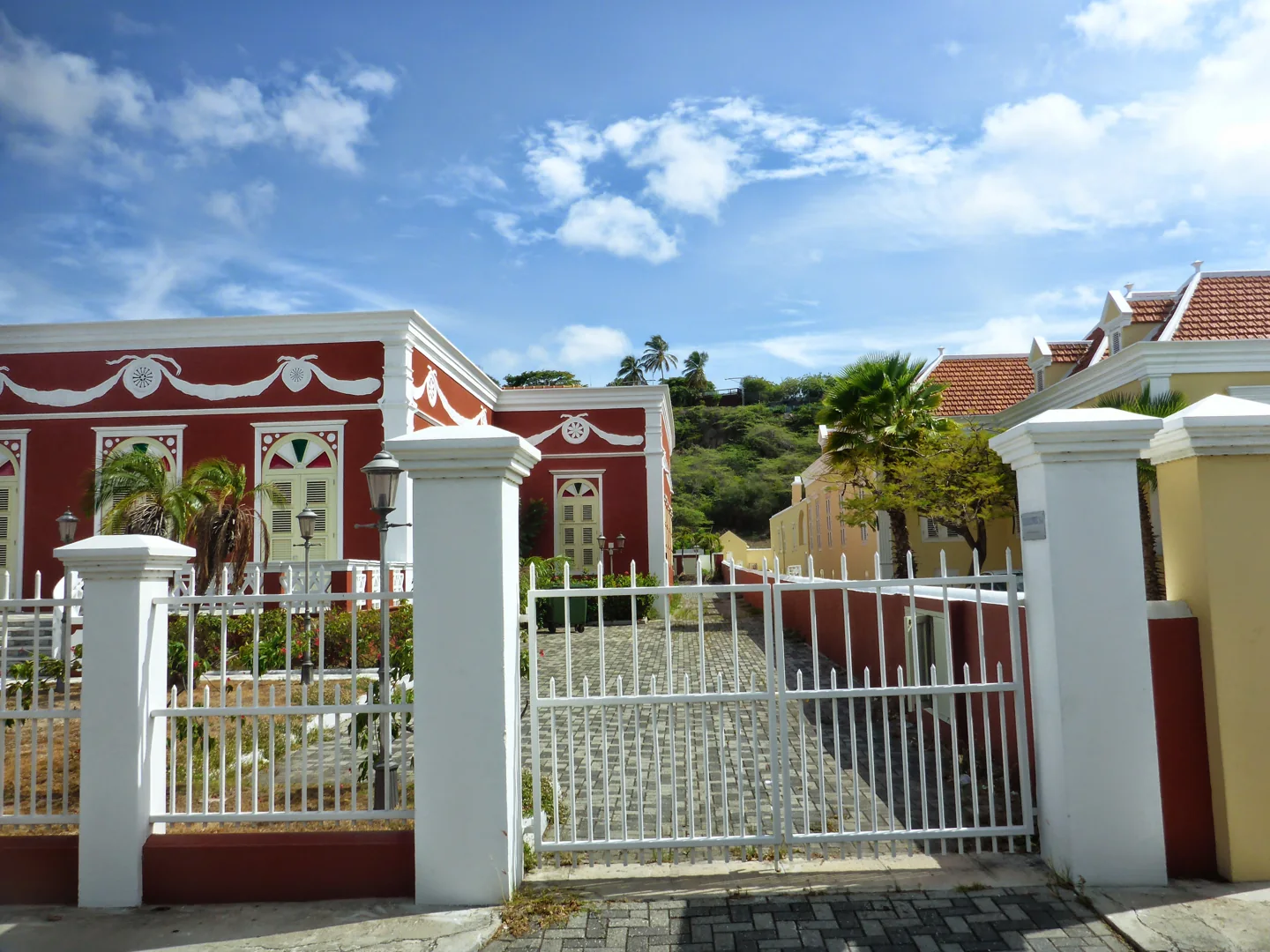
Older buildings can be appealing, but a historic façade is not evidence that a particular apartment’s wiring, ventilation or plumbing suits you. Test the actual internet arrangement as well. If you need a new connection, request address-specific availability before accepting an installation promise.
For a dispute, the government describes the Huurcommissie as the independent rental commission. Its powers include termination approval and specified rent-setting procedures; the latter depend on the property’s value and applicable legal conditions. Use the linked intake and checklist for the issue you face rather than assuming every high-priced rental has the same regulated maximum. Keep the contract, correspondence, inventory and receipts ready for advice or an application.
12Determine insurance entitlement and choose your primary doctor
The Sociale Verzekeringsbank, SVB, administers Basisverzekering Ziektekosten, or BVZ. Its insured-population explanation includes important exclusions, including people admitted only through a required temporary or residence permit under the stated LTU provision. Do not assume every foreign permit holder becomes publicly insured because they have registered an address.
- Show SVB or your insurer the exact admission document and ask which insurance category applies to you and each dependant.
- If eligible for BVZ, use the relevant SVB forms and obtain confirmation of registration before relying on benefits.
- If excluded, obtain private cover that accepts your length of stay and disclosed medical conditions, and confirm local treatment, prescriptions and evacuation provisions.
- Choose a nearby huisarts, or general practitioner, ask about enrolment and provide a medical summary and medication list.
For BVZ-covered care, SVB describes the GP as the primary contact for consultation, prescriptions and referral. Ask which doctor is linked to your record and how to obtain specialist authorisation. Private-policy users should establish which doctors the insurer accepts and when an authorisation or direct-payment arrangement is required.
Curaçao Medical Center provides a starting point for hospital and clinical services. Before a planned treatment, obtain the specialist’s instructions, coverage decision and any patient-registration requirements directly. A referral or policy label does not promise an immediate appointment for every specialty.
Carry medicines within the applicable travel rules and retain the prescription. Ask your doctor or pharmacist how to continue the treatment locally before your initial supply runs down. Put insurance premiums and out-of-pocket treatment into the household budget, and retain claim invoices rather than assuming all services are included. For @HOME applicants, arrange the medical cover requested by that programme without treating its temporary approval as BVZ enrolment.
13Connect the home and test your phone and transport
For a first phone connection, compare Flow’s Chippie prepaid offers with Digicel’s Curaçao top-up service. Check device compatibility, data allowance, validity, top-up channel and international-call charges. Test a local call and the data connection in the home before committing to a long contract. Request an actual installation assessment for fixed internet, especially if work calls depend on it.
Aqualectra’s instructions say a renter applies for connection with identification and the rental contract; owner documents apply to an owned property. Use its connection forms and brochures and verify the meter number with the owner. A move requires closing the previous service and opening the service at the new address rather than simply carrying the old contract to another property. Ask for the deposit calculated for the connection and retain its receipt.
Agree whether electricity is postpaid or Pagatinu, the prepaid system. Learn the meter’s top-up procedure and low-balance indication before the owner leaves. For ordinary billing, read the due date and allow time for a banking payment to be credited; Aqualectra notes that online transfers can take several days. Use MiKuenta to access the corresponding customer account and compare usage with meter readings.
For buses, use the ABC planner for your actual stops and travel date, then test the return journey. Its payment instructions describe cash and SmartPass, with registration and top-up points. The fare pages still label amounts ANG, so ask ABC for the current XCG fare rather than presenting an old label as a newly verified price. Small independent buses are a separate service; confirm their destination and fare before boarding.
If driving will be part of settled life, investigate licence acceptance and exchange before purchasing a car. The government’s exchange page specifies eligible country arrangements, admission documents, medical and authenticity evidence, and driving tests for named issuing countries. It publishes XCG 175 for that exchange procedure. Temporary permit holders should obtain the correct alternative instructions rather than assuming a procedure requiring an indefinite permit or declaration applies to them.
14Build a weekly routine and finish the first-month file
Choose a manageable rhythm for shopping, work, school and appointments. Learn a few Papiamentu expressions alongside the Dutch words used on documents: leges for administrative charges, beschikking for a formal decision and inschrijving for registration. Understanding the label helps you take the right document to the next counter.
The Tourist Board’s culture information is a starting point for exploring Willemstad and the island beyond administrative errands. School activities, university events, sport and neighbourhood groups can provide regular opportunities to meet people. Ask about membership, meeting language and the actual timetable, then choose something you can attend consistently.
- Week one: check your recorded entry, contact the sponsor or school, test the phone and complete the inspection of possible long-term homes.
- Week two: collect the admission document where required, confirm the registration sequence with Kranshi and prepare the applicable original records.
- Week three: obtain identity evidence and CRIB as appropriate, finalise the account and home services, and settle healthcare arrangements.
- By month-end: replace hypothetical budget allowances with actual spending, file the receipts and confirm deadlines for immigration, tax and school obligations.
For a penshonado application, keep the two-month tax window visible in that calendar. For a temporary remote stay, record its actual expiry and permitted activity rather than assuming it will convert to ordinary residence. For a worker, ask the employer when the work and residence records next need attention.
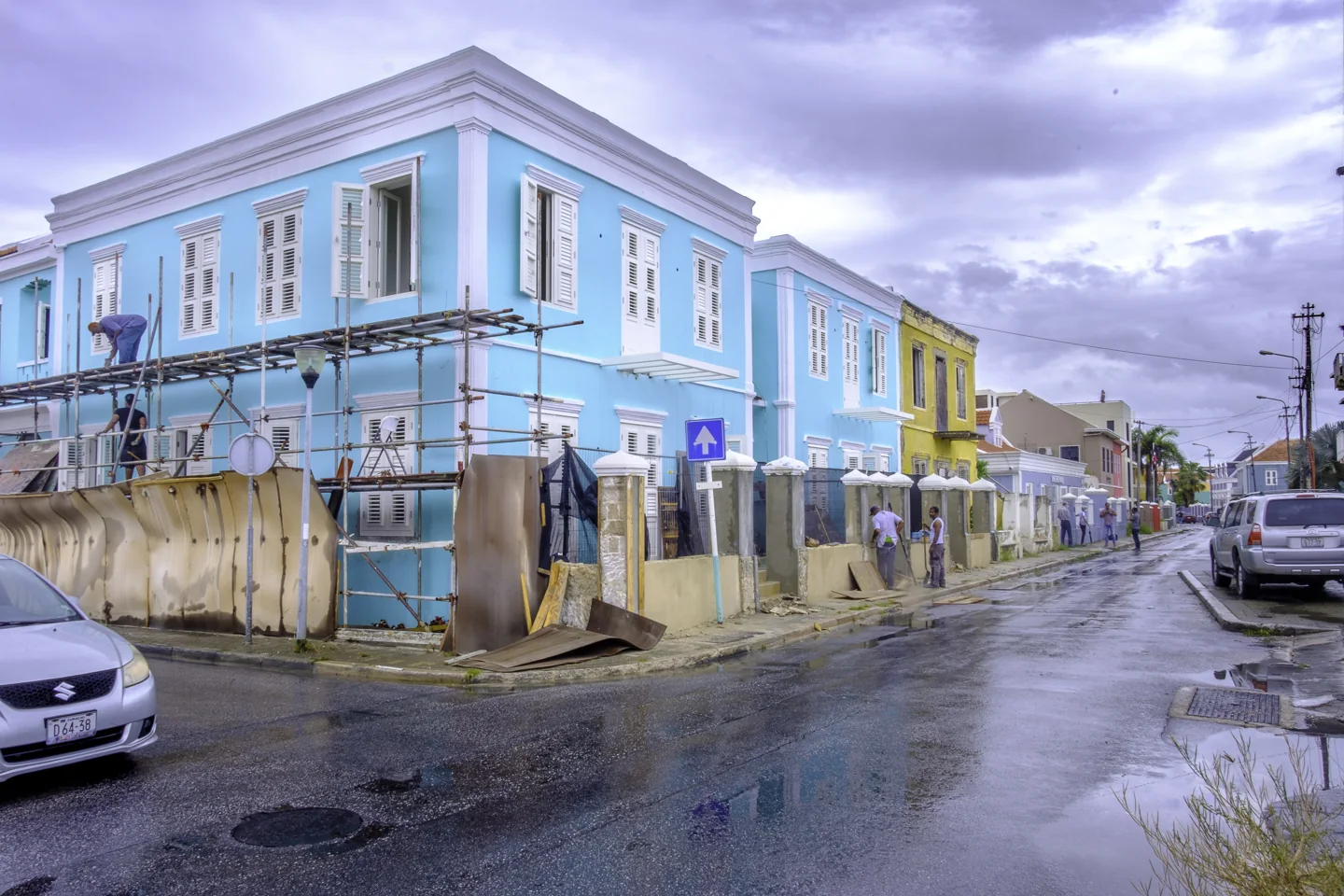
Keep a small household reference file with the lease, meter numbers, insurance, doctor, bank and institutional contacts. Photograph or scan the decisions and receipts, but preserve the originals where required. Once the weekly journeys and essential services work, use the time saved to explore a different neighbourhood or market. The photographs here show genuine places at their stated historical dates; verify current conditions locally rather than treating a picture as a service guarantee.

Sources & further reading
Reviewed 13 October 2026. Sources are linked beside the relevant instructions. Primary Curaçao authorities, actual providers and schools reviewed on 13 October 2026. Dutch and US declaration routes are distinguished from ordinary foreign residence permits. BVZ exclusions are preserved. The @HOME FAQ retains outdated COVID and ANG material; no tax exemption, processing guarantee or current fee is inferred from it. Business establishment guidance notes the separate director-permit requirement was removed in August 2023. Current government XCG charges reviewed on 13 October 2026. ISC family fee schedule is 2026–27, amended 4 May; annual payment dates have already passed, so examples do not promise the same invoice for midyear entry. Household rent, food, transport and shipment allowances are hypothetical. Old ANG-labelled bus and remote-program prices are not silently converted into asserted current fares or fees. Photograph credits, licences and capture years appear with the images.
Browse the source directory
- Admission Office: permits and nationality-specific declarations
- Admission Office: Dutch and US nationals’ admission by right
- Admission Office: employment and sole-proprietor declaration checklist and XCG 615 fee
- Admission Office: ordinary employee and sole-proprietor residence application
- Government digital counter: work-permit procedure, local recruitment and current charges
- Admission Office: spouse, partner and child residence requirements
- Admission Office: rentenier and pensioner residence checklist
- Admission Office: document scanning and submission instructions
- Admission Office: actual immigration application portal
- Admission Office: collecting an approved permit by appointment
- Admission Office: application fees, nationality-based immigration security and refunds
- Admission Office: nationality-specific tourist periods and extension process
- NetherlandsWorldwide: nationality and document-specific Caribbean visa exemptions
- NetherlandsWorldwide: entry visa after local residence approval
- Curaçao Tourist Board: current @HOME remote-worker route and nationality distinction
- Curaçao Tourist Board: @HOME eligibility and temporary duration; page retains older currency and COVID material
- Curaçao Tourist Board: actual remote-worker application landing page
- Government digital counter: business establishment and removal of separate director permit in August 2023
- Curaçao Chamber of Commerce: business registration and commercial information
- Central Bank: Caribbean guilder, USD peg and discontinued Antillean cash
- Tax Department: worldwide and Curaçao-source income, annual return and filing invitation
- Tax Department: actual online return service
- Tax Department: penshonado tax scheme, conditions and two-month application deadline
- International School of Curaçao: Emmastad campus and current programmes
- International School of Curaçao: scanned documents and grade-specific application steps
- International School of Curaçao: 2026–27 family, company and foreign-mission schedules
- International School of Curaçao: 2026–27 family-paid schedule, amended 4 May 2026
- University of Curaçao: 2026–27 registration dates and international admission sequence
- Customs: moving personal belongings and vehicle ownership conditions
- Customs: April 2023 household-goods relief instructions, documents and six-month import deadline
- Tourist Board: veterinary certification, microchip, rabies and origin restrictions
- Customs: responsible Veterinary Affairs contact and pet documentation
- Tourist Board: entry documents and the official digital immigration card
- Curaçao: actual digital immigration card portal linked by Tourist Board
- Government: population registration, address evidence and supporting documents
- Government: sédula appointment, age-specific charges and residence validity
- Government: actual Sita appointment service
- Tax Department: CRIB identity and address evidence; passport alternative
- Tax Department: actual CRIB application service
- Maduro & Curiel’s Bank: non-resident current account, local tie and document requirements
- Government: Huurcommissie, tenancy disputes and limits of rent-setting competence
- Social Insurance Bank: BVZ insured population and exclusions for foreign permit holders
- Social Insurance Bank: official registration and insurance forms
- Curaçao Medical Center: actual clinical and patient services
- Aqualectra: connection, deposit, payment and Pagatinu instructions
- Aqualectra: actual connection brochures and forms
- Aqualectra: actual MiKuenta customer portal
- Flow Curaçao: Chippie prepaid plans and top-up service
- Digicel: Curaçao-specific prepaid top-up
- Autobusbedrijf Curaçao: actual route planner and current schedule links; fare page retains ANG label
- Autobusbedrijf Curaçao: cash, SmartPass and registration instructions
- Government: foreign licence exchange, residence documents, specified driving tests and XCG 175 charge
- Tourist Board: island culture and community starting points
Make your next step a practical one
Identify each household member’s admission category and obtain the route checklist, then plan the home around work, school and the registration address you can document.




