 Visa
Visa
Moving & Living - Czechia - Complete Guide
Move to Czechia in 14 practical steps: choose Prague, Brno or another base; arrange EU residence, an employee card, study or eligible remote work; then organise arrival reporting, banking, rental housing, insurance and transport.
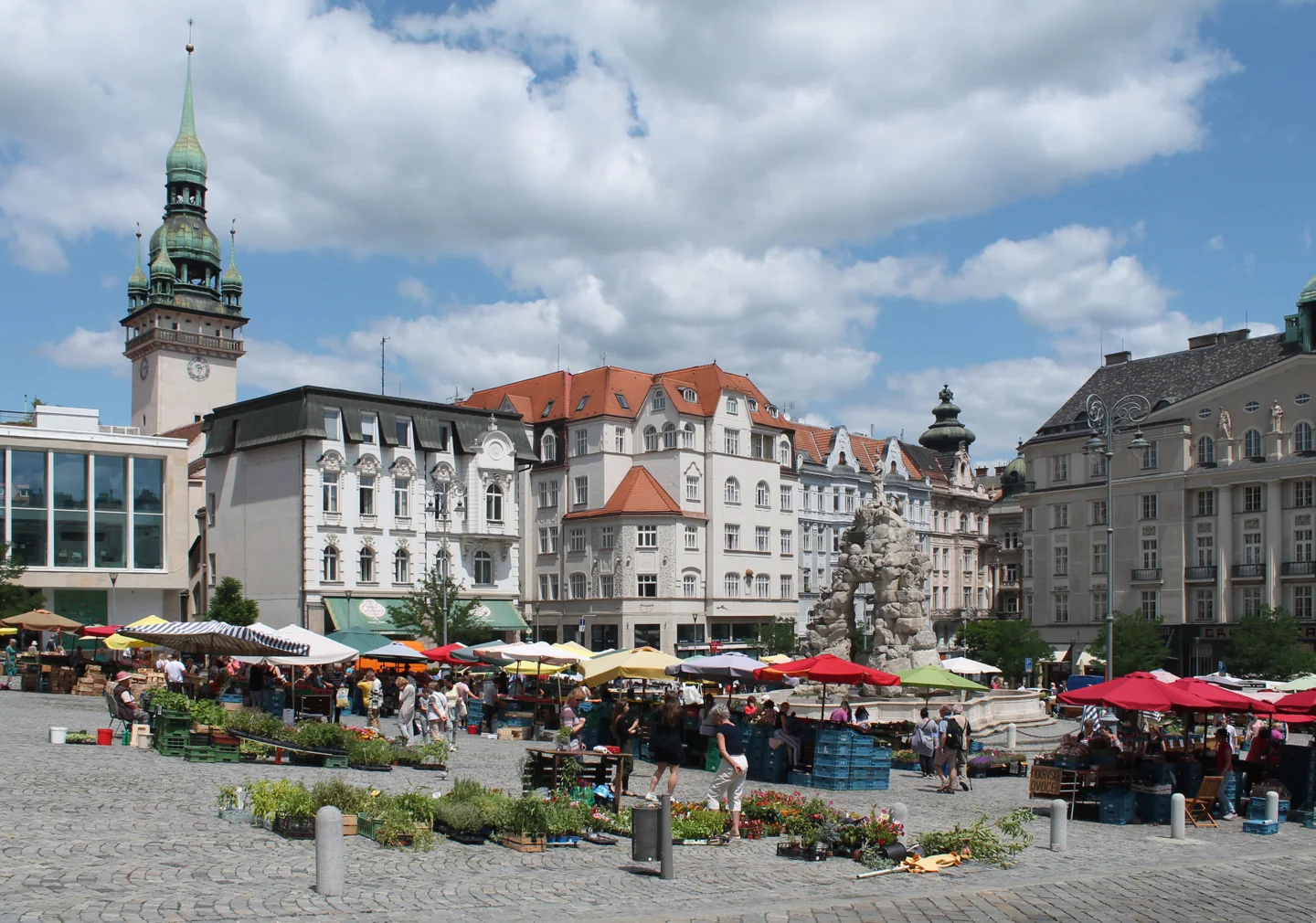
Photo credit
A weekday in Czechia might begin with a Prague tram, a walk across a Brno campus or a commute from a quieter neighbourhood outside the centre. The practical move depends on more than the city: residence status determines when you can work, how you report arrival and which health-insurance system covers your household. This guide takes you from choosing that route to signing a lease, setting up services and completing the first month, using Czech institutions and the terms you will see on real forms.
Czechia at a glance
- Capital
- Prague · Praha
- Currency
- Czech koruna · CZK / Kč
- Official language
- Czech
- Residence administration
- Ministry of Interior · OAMP; Foreign Police reporting where applicable
- Employee residence
- Zaměstnanecká karta · employee card
- Identity record
- Rodné číslo · personal identity number, where assigned
- Business registration
- Živnostenský úřad · trade licensing office; IČO
- Health cover
- Public or commercial insurance, according to status
- Reviewed
- 13 October 2026
Follow your moving journey
Start at step 1, or jump to the task you are working on.
01Choose a city and test the neighbourhood journey
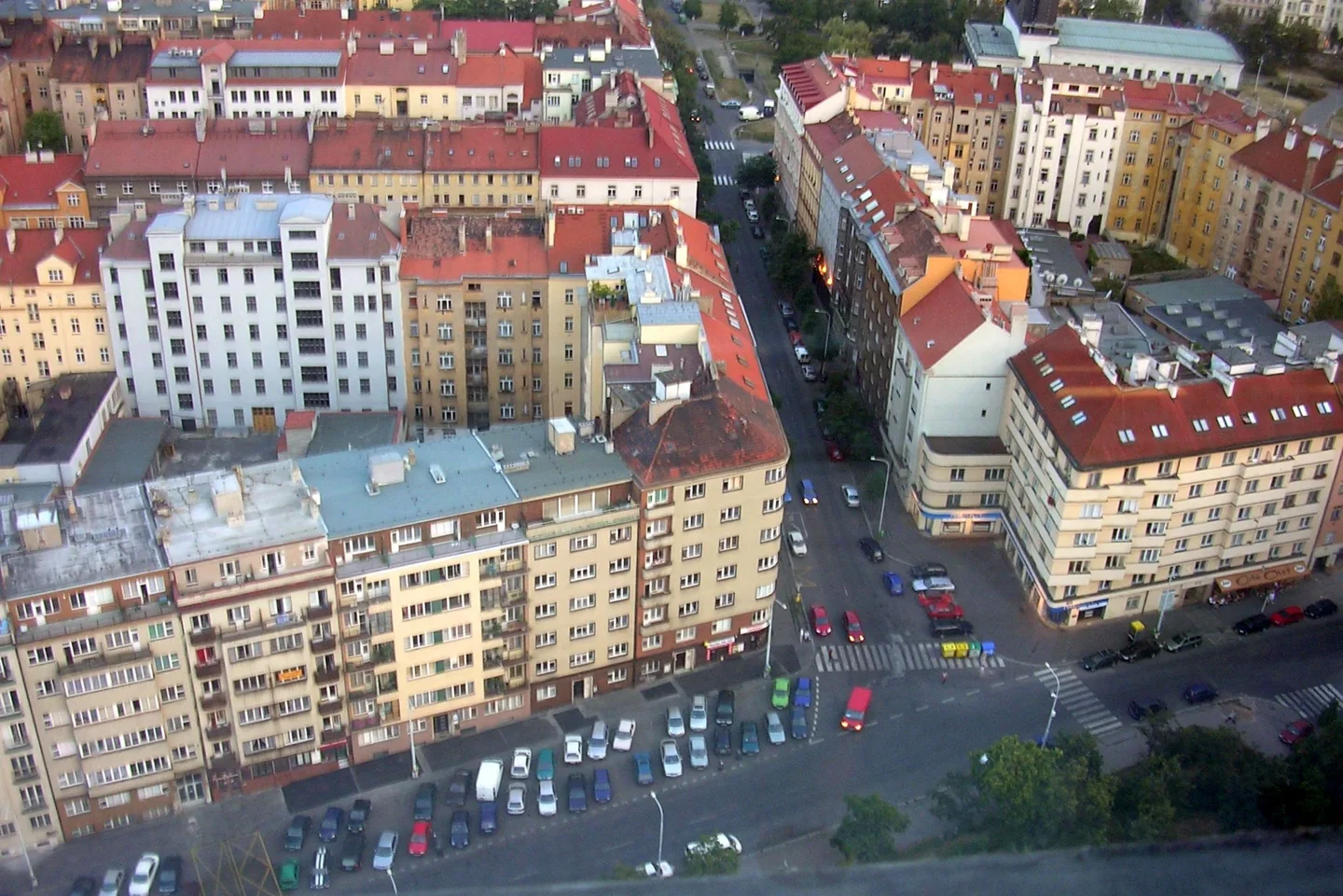
Pick the address you will travel to most often, then work outward along a tram, metro or bus line. Prague’s districts are not interchangeable; a convenient home for a school in Nebušice may be inconvenient for an office on the other side of the city. In Brno, establish which faculty or employer building you need rather than simply search for “near the university”.
| Base to investigate | Useful starting areas | Test before committing |
|---|---|---|
| Prague · Praha | Vinohrady/Žižkov, Karlín and Dejvice | Your connection to work, night-time street noise, lift access and the cost of parking. |
| Brno | The centre, Královo Pole and Bohunice | The actual campus entrance, transport to the employer and the services within walking distance. |
| Plzeň | The centre and Bory | Whether the job and school journeys fit the same home location. |
| Ostrava | The centre and Poruba | Journey time to the particular workplace rather than distance to the city centre. |
These are viewing areas, not a ranking by price or a promise of empty flats. Prague City Tourism’s local food and market directory is useful for finding ordinary amenities in named districts. For professionals planning a Brno move, the city-supported Brno Expat Centre provides a practical starting point for local questions.
- Save the workplace, school and two candidate home addresses on the same map.
- Run the commute at the time you expect to use it, including the walk from the stop.
- Visit the building and surrounding streets; inspect heating, windows, storage and a usable work area.
- Ask the landlord for a complete cost breakdown and accommodation evidence suitable for your immigration application.
A confirmed arrival room can buy time to choose a longer tenancy, but it must also fit any pre-departure accommodation-document requirement. Decide which address serves each stage before paying for both.
02Choose the residence category and application location
Separate visitor entry, residence and permission to work. A visa-free visit does not become employment permission because a company has offered a job. EU/EEA/Swiss citizens have a different framework from third-country nationals; eligible UK Withdrawal Agreement residents also have specific protected arrangements.
| Situation | Residence starting point | What remains separate |
|---|---|---|
| EU/EEA/Swiss citizen moving for a longer stay | An optional registration certificate can document the stay. | Arrival reporting, insurance and employment administration. |
| Third-country citizen taking Czech employment | Usually an employee card, or another suitable employment category. | Whether you have free labour-market access and when work may begin. |
| Eligible overseas IT/marketing worker | The Digital Nomad programme facilitates the appropriate long-term visa application. | Programme inclusion is not the visa decision. |
| Student | A study visa/residence route if the programme meets the legal definition. | Admission, financial proof and health cover. |
| Partner or child | The actual EU-family, family-purpose or family-reunification route. | Each person’s work rights and insurance eligibility. |
For an employee-card application abroad, the Ministry’s procedure identifies the mission linked to your nationality/passport or a country where qualifying long-term/permanent residence has been held with two years’ continuous lawful residence. Nationality exceptions and mission quotas matter; an appointment at any convenient consulate is not universally available.
- Select the permit category and download its current form.
- Confirm the competent mission, appointment method and whether its quota allows applications.
- Obtain the purpose-of-stay and accommodation evidence before the appointment.
- Keep the application reference and wait for the required approval/entry instructions before travelling to begin the move.
For ordinary third-country family reunification, sponsor conditions include the relevant residence duration: generally more than 15 months under the specified long-term/permanent category, or more than six months with an employee card. Blue-card and certain other sponsors have different provisions. Where those conditions are not met, examine the separate family-purpose option; do not assume all accompanying partners receive the same work access.
03Arrange employment, remote work or a genuine business
Ask a Czech employer to state the position, gross salary, working hours and who handles the immigration file. For a standard employee card, obtain the vacancy identification number where required and the accepted work agreement. The Ministry accepts a work contract, DPČ or the specified preliminary agreement; a DPP does not support the card. The evidence must show at least 15 weekly hours and remuneration meeting the prescribed minimum-wage condition. Discuss the date on which the required Confirmation of Compliance or other applicable authorisation allows you to start. A signed offer alone is not that confirmation.
The Ministry’s current free-access directory includes EU citizens and specified categories, plus nationals of Australia, New Zealand, the United States, Canada, the United Kingdom, Israel, Japan, South Korea, Singapore and Taiwan. Free access removes the separate job-authorisation requirement; it does not give a third-country citizen a right to reside or work during an ordinary visa-free visit. Identify the residence basis alongside the labour-market exemption.
If you later lose a dual-card job, the change-of-employment procedure provides a 90-day period to report qualifying new employment or apply for an appropriate different residence purpose. The Ministry must receive the relevant notification within the deadline; putting it in the post on day 90 is insufficient. This is different from the reporting rules for a cardholder with free labour-market access.
Remote-work option: the programme is for specified nationalities and qualified IT or marketing professionals, not every overseas freelancer. The programme criteria distinguish employees of a foreign employer with at least 50 employees worldwide from holders/future holders of an appropriate Czech business licence. Qualifications or the specified experience must be evidenced. Applicants must also meet the programme’s restriction on holding a Czech long-term visa/residence permit at application or during the preceding year.
- Follow the April 2026 employee guide or freelancer guide, according to the actual work relationship.
- Prepare the programme application, contract/declaration and qualification evidence. The published gross-income threshold for 1 May 2026–30 April 2027 is CZK 73,823 monthly.
- Apply for programme inclusion, then attend the assigned consular appointment with the complete visa documents.
- For self-employment, use the trade-notification procedure and Single Registration Form · JRF. A trade licence and a residence permission perform different functions.
04Plan recurring costs, arrival cash and tax treatment
Use Czech koruna, usually written Kč or CZK, for the household worksheet. A price quoted in euros by a university remains a separate currency commitment. Calculate any conversion at your actual bank’s rate rather than present one permanent euro equivalent.
| Verified item | Amount and scope, reviewed 13 October 2026 |
|---|---|
| Optional EU registration certificate | CZK 200 under the Ministry’s current fee. |
| Employee-card application | CZK 5,000 consular fee abroad; CZK 2,500 for the specified domestic application/extension. These are different submission situations, not two automatic charges. |
| Initial trade notification | CZK 1,000 in person/by post, or CZK 800 under the portal’s electronic procedure; additional contact-point charges may apply. |
| Prague normal subscription | CZK 550 monthly or CZK 3,650 yearly under PID’s page dated 22 September 2026; regional travel and Airport Express have separate rules. |
Illustrative planning calculation, not measured local prices: assume a quoted flat at CZK 22,000 rent, CZK 4,000 service/energy advances, CZK 6,000 groceries and CZK 2,000 personal spending. Add the verified CZK 550 Prague pass: CZK 34,550 monthly, before insurance, tuition or a car. Replace the four assumed figures with your actual quotes. If that landlord requests a two-month deposit plus the first rent payment, housing alone requires CZK 66,000 initial cash; agency, temporary accommodation, documents and travel are additional.
The 2026 payroll guidance applies a 15% rate to the monthly tax-calculation base up to CZK 146,901 and 23% above that threshold. This is not a flat 23% charge on all income. Ask payroll about the taxpayer declaration and whether annual settlement fits your income situation.
For overseas work, business or pensions, establish residence and treaty treatment using the Financial Administration’s cross-border guidance. A permanent home and personal/economic connections can matter as well as day counting. The immigration programme does not promise a tax exemption; retain the departure-country records and income statements for the adviser.
05Apply for the correct school place or degree programme
Optional for pupils and students. For a child entering Czech basic education, identify the school serving the actual address and speak to its headteacher about admission. The Ministry of Education’s foreign-pupil guidance says limited Czech alone cannot justify refusing admission. Prepare the child’s and guardian’s identity evidence, address/status information and previous school reports. Missing previous education records do not itself prevent admission; the school assesses the appropriate year primarily by age and educational needs. The basic-school process does not require a compulsory-vaccination certificate, unlike some preschool arrangements.
The first-grade enrolment window changed for 2026 to 15 January–15 February. It has already passed for the current academic year; an October newcomer needs the actual admission discussion, not an instruction to wait for the old April window. Ask about language preparation, school meals and after-school care at the same time. If the first school has no space, contact the municipality’s education service to resolve the placement.
An English-medium option to investigate is the International School of Prague, Nebušická 700, Prague 6. Its application steps lead to the admissions portal and assessment process. Submit the requested school information and obtain an actual offer; paying an application fee does not reserve a place.
The 2026–27 ISP schedule lists Grades 1–5 tuition of CZK 622,000 plus CZK 78,000 capital assessment: CZK 700,000. For a newly admitted pupil, adding CZK 52,000 newcomer fee and CZK 9,000 application fee gives CZK 761,000 calculated for those published items. Midyear tuition is prorated, but capital and newcomer fees are not. The separate returning-student deposit is credited against fees and should not be added as another new-pupil charge.
For higher education, start with Masaryk University’s programme/admissions directory, then the specific faculty’s language, qualification-recognition and application rules. Its 2026–27 fee table gives FSS bachelor’s/follow-up master’s foreign-language programmes at €3,000 for September 2026 starters and €3,500 for February 2027 starters; other faculties differ substantially. Non-EU applicants should use the legally recognised study route, rather than assume every language course qualifies for the same residence and work rights.
06Establish a lawful retirement basis and medical budget
A pension statement proves resources; it does not create a universal Czech retirement visa. EU/EEA/Swiss retirees can examine their residence and insurance arrangements within the free-movement framework. For a third-country retiree, identify an actual permitted residence purpose before committing to a long lease or a property purchase. This guide does not label an investment in an ordinary home as immigration permission.
Family ties may provide a route where the legal conditions fit. The family-reunification directory includes a lone parent over 65, and a lone parent unable to care for themselves for medical reasons, under its defined provisions. That is not an automatic route for every parent or financially independent relative; prepare evidence of the relationship and relevant circumstances.
- Obtain pension-award letters, payment statements and evidence of other income.
- Identify the status of any sponsoring family member and the precise relationship category.
- Ask the appropriate insurer about cross-border pension coverage or private insurance before relying on a Czech doctor.
- Calculate ongoing prescriptions, accessible housing and support needs independently of any visa financial minimum.
VZP’s cross-border insurance explanation covers cases where another state’s legislation or an international agreement applies. Ask whether an S1 or other certificate is required for the particular pension arrangement; an EHIC for temporary necessary treatment is not a complete long-term retirement plan. Take the pension’s taxation and exchange-rate exposure into the same review.
07Prepare Czech-ready documents, possessions and pets
Arrange translations and document certification against the appointment date. Under the third-country formal requirements, most application documents must be no older than 180 days, with exceptions for passports, civil-registry documents and a photograph showing current appearance. Documents outside Czech/Slovak ordinarily need certified Czech translations. Passport, civil-registry and purpose-of-residence evidence have original-document requirements. Check the applicable apostille/superlegalisation rules and exemptions before ordering certification.
For housing evidence, an ordinary hotel email may not satisfy the application. The Ministry’s accommodation instructions distinguish a signed lease/sublease from a provider’s confirmation form. The latter normally needs an officially certified signature, subject to category/submission exceptions; a lease signed by both parties does not require that same signature certification. For a sublet, keep the evidence linking the provider to the owner. Arrange this before departure if your application is abroad.
For belongings sent from outside the EU, use Czech Customs’ relocation-relief instructions to establish the earlier residence, ownership/use and import timing conditions. Prepare an itemised inventory and evidence before the mover loads the goods. Ask which items are eligible and which have separate charges; a shipment labelled “personal” is not the relief application itself.
Pets: use the State Veterinary Administration’s origin-specific directory and updated 2026 third-country instructions. Identify the animal before rabies vaccination; primary vaccination needs at least 21 days. Unlisted origins also require the approved antibody test and its waiting period. For those origins, the current instructions require the sample at least 30 days after vaccination and at least 90 days before certificate issuance. A new third-country health certificate must be issued/endorsed within ten days before EU entry. Use the current model: the old-model transition only covers certificates issued before 1 October 2026. When another person transports the pet, document the owner’s move within the permitted five-day interval. Plan the actual first EU entry point and inspection, including any transit state’s requirements.
08Report arrival through the correct channel and organise the first days
Carry the passport, visa/entry instructions, address evidence, insurance and employment/admission papers in hand luggage. Your landlord or accommodation reception should know which reporting task it undertakes; ask for confirmation instead of assuming every booking automatically completes your own obligations.
| Arrival situation | Current reporting instruction |
|---|---|
| Third-country long-term visa holder | Report the residence address to Foreign Police within three working days, unless the accommodation provider or another stated exemption fulfils the requirement. |
| D/VR entry visa to collect a residence permit | Register at the Ministry of Interior within 30 calendar days; follow the subsequent biometric process. |
| Approved residence entered by a different lawful method | The Ministry’s residence-card process gives a three-day registration deadline. |
| EU citizen staying more than 30 days | The EU-specific page gives 30 working days for Foreign Police reporting, with stated accommodation-provider and other exemptions. |
Use the third-country arrival page or EU arrival page for the full category conditions; the optional EU certificate is a separate task. Bring the travel document, registration form and insurance where required. Family members also have category-specific reporting instructions.
At Prague Airport, the current public-transport connection is bus/trolleybus 59 to Nádraží Veleslavín for Metro A, or bus 100 to Zličín for Metro B. Ordinary public-transport fares apply to these services. Purchase and validate/activate the ticket correctly before travelling; do not treat Airport Express as the same fare product.
In the first days, obtain a usable local number, confirm the full home address and mark the appointment dates on a shared calendar. If you move from an arrival room to another home, retain both sets of documents and complete the applicable address-change notification.
09Collect the card and distinguish identity, business and tax records
For a residence card, attend the Ministry appointment with the travel document, then the biometric appointment and eventual collection. The official process may require several visits; card collection is normally due within 60 days after biometric capture. Staff also initiate the personal identity-number process. Keep the record of your rodné číslo when assigned, but do not invent one on a form that allows a date of birth or other identifier.
An eligible EU citizen who wants the optional registration certificate submits its form, passport/ID, accommodation evidence, photograph and the relevant insurance/family evidence. The current fee is CZK 200; it can be applied for after arrival rather than from abroad. Its record can help document residence, but absence of the optional certificate does not make an otherwise lawful EU stay unlawful.
- Check names, date of birth, address and expiry against the passport when a document is issued.
- File the card-collection date separately from the approval date and entry date.
- Give the appropriate document to the employer, insurer and bank when they require the final record.
- For a business, preserve the trade-register extract and IČO, and identify which notifications the JRF actually transmitted.
Czechia does not require every new sole trader to register for individual income tax: the Financial Administration abolished that registration from January 2024. Filing, payment, VAT or employer obligations may still apply. Keep the distinction between a personal identity number, business IČO and a DIČ assigned for an applicable tax registration.
If starting self-employment, ČSSZ’s current instructions require the prescribed notification within 15 days where it has not been transmitted by the appropriate route. Confirm health-insurance notification separately with the insurer. Obtain confirmation of submitted forms; merely possessing a trade-register extract does not prove those other organisations received the start-of-activity information.
10Open an account and learn the payment references
A Czech-koruna account can simplify salary, standing orders and local bills. Compare the product’s maintenance, card, transfer and foreign-currency charges rather than choose from the headline “free account”. Use the bank’s current assessment process; account opening is not a residence or work authorisation.
At Fio banka, the published branch-document list distinguishes EU applicants, who present a valid identity card or passport, from other applicants, who present a valid passport plus another identity document. Take residence/address and income information too if requested for the bank’s assessment. Its FAQ limits the stated Bank iD online option to eligible adults of the named Czech/Slovak/Polish/German/Austrian/Hungarian nationalities; other newcomers should use the branch route rather than assume the same online onboarding works for everyone.
- Contact a branch about accepted identity documents and the account type available to your situation.
- Provide tax-residence information and the source of incoming salary, pension or client transfers.
- Set up the account and card, then test a small transfer before the first large payment.
- Ask the landlord and providers for the exact beneficiary, due date and payment reference.
- Retain payment confirmations beside the relevant contract or invoice.
Czech invoices commonly use a variabilní symbol, a numerical reference used to match the payment. Enter it in the designated field rather than only in a free-text message. For regular payments, a trvalý příkaz is a standing order; inkaso is an authorised collection/direct debit. Agree the amount limit and timing before enabling an inkaso, especially where advances may change after the annual bill.
Keep immigration financial evidence separate from everyday spending: an account statement requested by the consulate proves resources under that checklist, while an ordinary debit-card transaction proves a particular bill was paid.
11Sign the correct tenancy and record rent, advances and deposit
Distinguish nájem, a tenancy, from podnájem, a sublet, and an accommodation contract. The Ministry for Regional Development explains that ordinary residential housing has protections different from holiday or short-term accommodation. Ask which relationship you are actually signing; the label “long stay” on a booking website is not the answer.
- Verify the owner or the provider’s authority to let/sublet the home.
- Read the written-lease contents: parties, precise property, duration, rent, services, deposit, termination and repair responsibilities.
- Confirm which people may live there and which document will prove their accommodation.
- Inspect together and sign a předávací protokol, the handover record, with defects, furniture, keys and meter readings.
- Obtain payment receipts and arrange the energy-account handover before moving day.
The official payment guide separates rent from zálohy na služby, advances for services such as water/heating, and electricity/gas. Ask when the vyúčtování, settlement against actual costs, arrives and how a refund or extra payment is handled. A quoted monthly advance is not necessarily the final annual expense.
The refundable security is called jistota or kauce. For the covered residential tenancy, it and agreed contractual penalties together cannot exceed three times monthly rent, excluding service payments. This is a ceiling, not an instruction that every landlord charges three months. The guide also explains deposit interest and repayment after deducting valid debts. Put the amount, permitted deductions and return procedure in the agreement.
Listings use useful shorthand: 1+kk is one room with a kitchenette; 2+kk has two rooms and a kitchenette, while 2+1 includes a separate kitchen. Compare floor area and the actual layout as well as that shorthand. The Brno housing directory explains the search process; obtain current quotes instead of relying on its undated price range.
12Register for the right insurance and a local doctor
Determine insurance person by person. VZP’s participation rules include permanent residents, subject to cross-border exceptions, and qualifying employees of a Czech-based employer without permanent residence. EU coordination and international agreements can change which state covers you. A working parent’s arrangements do not automatically describe a non-working partner’s cover.
- Ask the employer which public insurer will receive the employment registration and the effective date.
- Cover any period before employment begins through the insurance required by the immigration file.
- Obtain the insurance card/confirmation and locate a contracted general practitioner, paediatrician where needed, and dentist accepting patients.
- Bring medical summaries and prescription names, then arrange repeat medication before your initial supply ends.
For applicants who need commercial comprehensive cover, the Ministry’s medical-insurance rules set a minimum €400,000 limit per insured event with no insured-person cost sharing under the applicable requirements. Since September 2023 it may be arranged with an authorised provider; do not assume a single-company monopoly. The submission location, permit category and public-insurance exceptions determine the exact certificate. If bought abroad, the required Czech translations of the contract and conditions also matter.
There is an important child-specific rule: under VZP’s current foreign-child instructions, a minor receiving a qualifying long-term residence permit enters public insurance and the legal representative must report the child within eight calendar days of receiving it. Bring the child’s permit, birth/guardianship record and your identity document. The representative has the payment responsibility under that category; “public” does not mean there is no contribution. Newborn and transition situations have separate provisions.
Ask the insurer to confirm the household’s position in writing where employment, EU coordination or a permit change overlaps. Keep the insurer’s current contribution/payment instructions with the bank setup. A residence renewal should trigger a review of cover dates as well as the immigration papers.
13Set up phone service, transfer energy and buy the correct transport pass
For a practical arrival-phone example, Vodafone’s visitor page currently lists a CZK 499 Data SIM: the first month includes 20 GB, of which 10 GB is a one-time bonus. Thereafter the stated CZK 399 renewal is for 10 GB plus SMS within Vodafone’s network, not another permanent 20 GB allowance. Activate the SIM using the provider’s instructions, save the recovery details and compare the renewal package with your actual needs. Foreign payment-card acceptance has conditions; a store can explain the available top-up methods.
For electricity supplied by ČEZ, follow its contract-transfer procedure. Obtain the EAN supply-point number, meter number/reading and a signed handover record. Coordinate the old customer’s termination and the new contract together, and provide the lease or other property-use evidence. Simply asking the former occupant to cancel can leave a gap in supply. Confirm the start date and the schedule of advances once the supplier processes the documents.
Building water and heating may be billed through the landlord’s service advances rather than a separate account in your own name. Record the relevant meters and ask which charges the annual service settlement includes. For internet, ask about service at the exact flat, installation access and the contract term before purchasing a package; building coverage and a usable connection inside your home are separate questions.
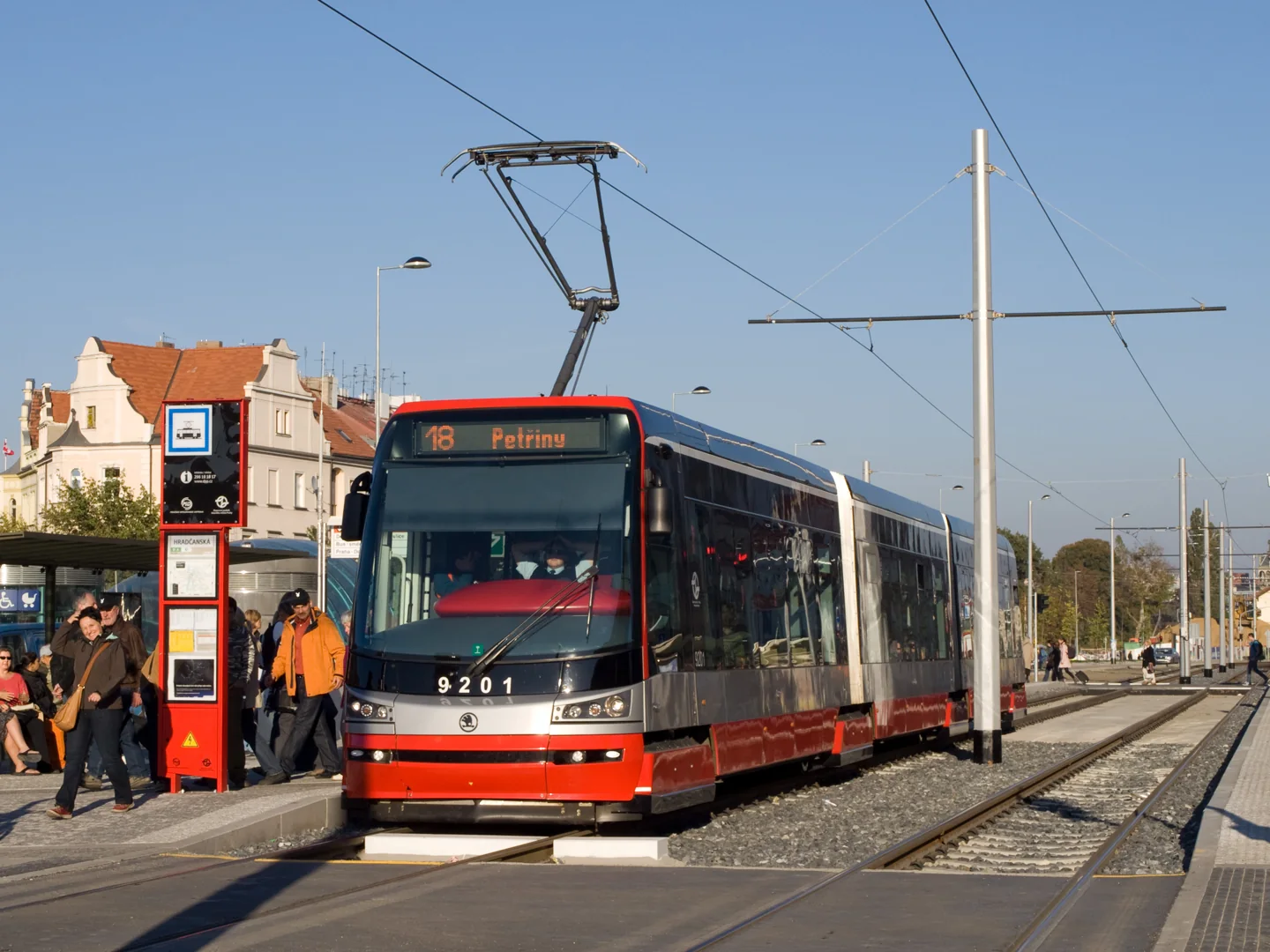
In Prague, choose the PID tariff zones around the journey you actually make. Prague’s P, 0 and B zones work differently from the numbered outer regional zones. A Prague-only pass is not automatically enough for a suburban train commute. Paper and app tickets also have different purchase/activation procedures; learn the method before boarding and use the current journey planner for disruptions.
Repeat the work or school journey in both directions, including the evening return. Another city needs its own operator’s pass, not Prague’s prices. For driving, the official licence service distinguishes EU/EEA licences from other origins. It requires exchange of a qualifying foreign licence for holders of permanent residence or temporary residence permitted for longer than a year. Prepare identity, residence/length-of-stay evidence and the original licence for the competent municipal office; recognition and additional documents depend on the licence.
14Finish the first month and schedule the remaining obligations
Start with the tasks that cannot wait for a leisurely first-month checklist: arrival reporting, the correct card appointment and continuous insurance. Then work through the home, school and payment arrangements until the same address and household details appear in every relevant record.
| Stage | Finish these actions |
|---|---|
| First days | Confirm arrival reporting, accommodation evidence, phone access and the required appointment. |
| First two weeks | Resolve employment start authorisation, insurance registration, school admission and bank/payment arrangements. |
| By month end | Confirm meter transfers and advances, follow up pending references, review actual spending and notify the final home address where required. |
| After card collection | Check the permit details, record renewal dates and determine whether the integration course applies. |
The Ministry’s current adaptation/integration guidance requires covered newcomers to complete the approved course within one year of collecting the relevant residence document. Exemptions include EU citizens/family, specified study and other permit categories, and the stated age conditions, among others. Identify your category first, then register through the official course service and keep the completion evidence. It is a real post-arrival obligation, not an optional substitute for residence paperwork.
For professionals and their families in Brno, book a Brno Expat Centre consultation with the appropriate specialist rather than arrive without an appointment. Use its current events for a regular local connection. In Prague, a neighbourhood language class, library activity or school parents’ group can provide the same repeated contact; attend once before committing to a long membership.
Set aside an hour at month end to reconcile rent, service advances, transport and insurance payments. Note who holds each deposit and the document needed to recover it. Keep the pending permit decision, next medical appointment and future renewal in the calendar. The move is working when you can complete an ordinary week and know how the next administrative task will be handled.
Sources & further reading
Reviewed 13 October 2026. Sources are linked beside the relevant instructions. Primary immigration, trade, tax, education, veterinary and transport authorities plus actual schools/providers. Immigration and work access are separate. Optional EU registration is separated from arrival reporting. Older enrolment windows and pre-April-2026 pet forms are not used as current instructions. Brno Expat Centre is used for its own services and terminology; its undated rental price range is not presented as current market data. Reviewed 13 October 2026. Nomad salary threshold applies May 2026–April 2027; education fees 2026–27; PID page dated 22 September 2026. School examples distinguish newcomer fees, tuition and recurring capital fees. Household rent, food, utility and travel allowances are hypothetical, not national measured costs. Photograph credits, licences and capture years appear with the images.
Browse the source directory
- Prague City Tourism: local districts, shops and markets
- Brno Expat Centre: city-supported service for foreign professionals and families
- Brno Expat Centre: housing search and local rental terminology
- Ministry of Interior: optional EU registration certificate and fee
- Ministry of Interior: employee-card applications, consular location and start of work
- Ministry of Interior: current application and employment forms
- Ministry of Interior: family reunification eligibility and sponsor waiting conditions
- Ministry of Interior: current labour-market access categories and nationality list
- Ministry of Interior: reporting a change of employment and receipt deadline
- Ministry of Industry and Trade: Digital Nomad programme, nationalities and occupations
- Ministry of Industry and Trade: programme criteria and employer-size requirement
- Ministry of Industry and Trade: April 2026 overseas-employee steps and current income threshold
- Ministry of Industry and Trade: April 2026 freelancer steps and trade notification
- Public Administration Portal: trade-licence notification, JRF and differentiated fees
- Trade Licensing Register: Single Registration Form application
- Financial Administration: 2026 payroll tax bands and taxpayer declaration
- Financial Administration: starting business, residence and cross-border taxation
- Financial Administration: abolition of individual income-tax registration from January 2024
- Czech Social Security Administration: self-employed notification and prescribed forms
- Ministry of Education: admission of foreign pupils and required identity evidence
- Ministry of Education: revised 2026 first-grade enrolment window
- International School of Prague: campus, admissions team and programme
- International School of Prague: application procedure
- International School of Prague: 2026–27 tuition, capital, newcomer and application fees
- Masaryk University: admissions directory and electronic applications
- Masaryk University: 2026–27 faculty and intake-specific fee schedule
- Ministry of Interior: recognised studies and long-term residence eligibility
- Ministry of Interior: original documents, Czech translations and 180-day validity rule
- Ministry of Interior: lease, sublease and certified accommodation-confirmation requirements
- Czech Customs Administration: moving personal belongings and relief conditions
- State Veterinary Administration: April 2026 rules and unlisted-country pet arrivals
- State Veterinary Administration: origin-specific pet-travel directory
- Prague Airport: current bus 59/100 and metro connections
- Ministry of Interior: third-country arrival reporting and D/VR deadlines
- Ministry of Interior: EU arrival reporting and accommodation-provider exemptions
- Fio banka: EU/non-EU account-opening documents
- Fio banka: restricted online eligibility, branch alternatives and minimum balances
- Ministry for Regional Development: residential tenancy versus other accommodation
- Ministry for Regional Development: rent, service advances and deposit/penalty ceiling
- Ministry for Regional Development: written tenancy agreement and its contents
- VZP: public health-insurance participation and cross-border exceptions
- VZP: children with long-term residence, eight-day notification and payer responsibilities
- Ministry of Interior: comprehensive insurance, authorised providers and EUR 400,000 limit
- Vodafone Czechia: current visitor prepaid packages, activation and renewal terms
- ČEZ: electricity-contract transfer, EAN, meter readings and tenancy evidence
- Prague Integrated Transport: September 2026 tariff zones and current subscription fares
- Ministry of Interior: current adaptation/integration obligation, exemptions and deadline
- Brno Expat Centre: appointments, location and eligibility for free consultations
- Ministry of Interior: work-contract evidence, DPČ/DPP distinction and hours
- Public Administration Portal: Czech driving-licence issuance and foreign-licence exchange
Make your next step a practical one
Identify the residence category for each family member, secure compliant accommodation evidence and the employment or admission documents needed before the consular application.




