 Visa
Visa
Moving & Living - Estonia - Complete Guide
Move to Estonia in 14 practical steps: EU and sponsored residence, remote-work visas, 2026 tax, schools, address registration, rental deposits, banking, Tervisekassa and transport.
Photo credit
A Tallinn routine might revolve around Kalamaja, an office in the centre or a tram journey from Kadriorg. In Tartu, the campus and neighbourhood around the Emajõgi often shape the week. This guide takes you from choosing that base to obtaining the right immigration permission, finding a registrable home and setting up identity, healthcare, banking and everyday services.
Estonia at a glance
- Capital
- Tallinn
- Currency
- Euro · EUR
- Official language
- Estonian
- Immigration
- Police and Border Guard Board · PPA
- Personal code
- Isikukood
- Population register
- Rahvastikuregister
- Health insurance
- Tervisekassa
- City travel card
- Ühiskaart
- Reviewed
- 13 October 2026
Follow your moving journey
Start at step 1, or jump to the task you are working on.
01Choose the city and neighbourhood around your daily journey
Start with where the work or course takes place. Tallinn and Tartu are different housing searches, and a job described simply as “Estonia” might be based elsewhere. Obtain the actual worksite or teaching building, expected attendance and school journey before comparing properties.
| Starting point | Useful comparison | Test before choosing |
|---|---|---|
| Tallinn: Kalamaja | Neighbourhood streets near Balti Jaam and Telliskivi versus the central office journey | Actual walk to shopping, station and workplace; building condition and noise |
| Tallinn: Kadriorg or another tram-connected address | Journey to the centre versus school and household space | Current stops and timetable at the property's location |
| Tartu: Supilinn or Karlova | Wooden-house surroundings versus your campus and winter heating arrangements | Exact university building, insulation and complete monthly bills |
| Another city or town | Proximity to the named employer and services | Transport outside the major urban networks and access to the required course or clinic |
The city's own tourism office places Kalamaja just outside Tallinn's Old Town and identifies its wooden housing, Telliskivi and local transport access. Tartu's official visitor information describes Supilinn along the Emajõgi and Karlova's wooden streets. Use those sources to orient yourself, not as evidence of today's rents or vacancies. Kalamaja geography; Tartu neighbourhoods.
Book initial accommodation that lets you inspect homes and attend appointments. Ask whether the eventual address can support residence registration and obtain the right-of-use evidence. A holiday booking or an attractive map pin does not settle that administrative requirement. Test a weekday commute and a shopping trip before paying a substantial advance.
02Choose EU registration, a sponsored permit or the appropriate visa
EU, EEA and Swiss citizens: follow the right-of-residence pathway, registering the Estonian address with the municipality and obtaining the PPA identity document. Non-EU accompanying family members need their own applicable process. A personal identification code alone does not grant permission to stay, live or work. Interior Ministry's registration explanation.
Other nationals: distinguish a short Schengen visit, an Estonian long-stay D visa and a temporary residence permit. Employment needs the relevant authorisation as well as lawful stay. A D visa is a temporary basis, potentially up to 365 days within twelve consecutive months; it is not a five-year residence card. Two consecutive D visas have an aggregate limit of 548 days within 730 days. Foreign Ministry's visa procedure.
- Identify the purpose: local employment, recognised study, family, business or eligible foreign remote work. Have the sponsor confirm the route and its evidence.
- For a D visa, use the official pre-filled form, print and sign it, and arrange an in-person appointment at the relevant Estonian visa-handling mission. A lawful applicant in Estonia can use the PPA service route.
- Prepare passport, photograph, insurance, funds and purpose evidence, then pay the applicable state fee through the service's instructions. Current application regulation.
- For a residence permit, follow the employer or institution's current checklist and attend identification/biometrics at the competent mission or PPA appointment.
- Read the issued permission and permitted activity before committing to arrival and work dates.
Application location matters: use the country-of-residence mission or obtain confirmation that another accredited/nearest visa-handling mission will accept the case. Russian citizens face broad visa-application restrictions with specified exceptions, and non-biometric Russian passports are not recognised from 31 March 2025. Belarusian restrictions include short-term work, business/start-up and teleworking visas. Review the exact exception and nationality rules before paying. Current visa and passport restrictions.
03Have the employer register the job, or document the remote-work route
For local employment, ask the employer which route it is sponsoring. Short-term work registration can cover up to 365 days in a 455-day period under the general route, but the employer must register it before work starts and you still need lawful temporary stay. A longer assignment usually needs the relevant residence permission. Commission's employed-worker overview.
- Agree the position, location, gross salary, working time, start date and contract term.
- Have the employer prepare its registration or invitation and establish whether Töötukassa permission, a quota place or an exemption applies to the particular job.
- Supply the identity, photograph, qualifications and income evidence requested. Keep the filed confirmation and eventual decision.
- Have payroll complete the separate tax employment-register entry before the authorised work begins. Immigration registration and the tax record are different tasks. Employment register.
The current Foreign Nationals Act includes employer reliability and economic-activity conditions and remuneration rules. The common salary test uses the latest published annual average, with category-specific exceptions. Statistics Estonia gives EUR 2,092 for 2025, updated in September 2026; the latest quarterly figure is not that annual test. Ask the employer to identify the applicable clause instead of treating one amount as universal. Current law; Official annual wages.
Optional remote work: the digital-nomad route covers location-independent work for a foreign employer or foreign business, or freelance clients principally abroad. It is separate from e-Residency. The current visa regulation calculates sufficient funds as 0.60 × the annual subsistence level per day: EUR 220 in 2026 gives EUR 132/day, or EUR 3,960 for 30 days, matching the ministry's table. The March 2026 programme FAQ still quotes EUR 4,500 gross monthly. Obtain the receiving consulate's written evidence instructions before payment; retain six months of documented lawful income and the remote-work evidence. Current statutory formula; 2026 base; Programme eligibility and differing figure.
Optional business: RIK's e-Business Register supports company establishment when all related people can sign using an accepted Estonian digital identity. Choose the legal form, activity, management, ownership and articles, then submit the signed application. The OÜ establishment entry lists EUR 265. Registration creates a company, not immigration permission for its owner. Registry conditions; Actual establishment service.
04Price the move and determine the tax position
Use euros and actual supplier offers. Put rent, kommunaalkulud or ancillary bills, food, transport, communications and healthcare on a monthly sheet. Keep flights, temporary accommodation, document preparation, deposit, furniture and school/application charges on an initial-cost sheet.

| Item | Verified figure and scope | Budget treatment |
|---|---|---|
| D-visa examination | EUR 120; ages 6–11 EUR 60, under-six exemption; October 2026 ministry page | Per applicable applicant; exemptions have conditions |
| Employment residence application | EUR 250 locally / EUR 280 at a foreign mission, current statutory schedule | Application-location distinction; other categories differ |
| Short-term work registration | EUR 140, or EUR 130 through PPA self-service | Separate from the visa charge |
| Telia home internet example | Up to 100/100 Mbps, EUR 27.90 monthly including VAT, tariff 1 July 2026 | Address technology and equipment/connection costs affect the actual offer |
| SEB account example | EUR 0.30 monthly for the stated Estonia/EEA-resident category, tariff 1 June 2026 | Cards and packages can add costs |
| Tallinn travel card | EUR 3, municipality's published purchase instructions | Fare entitlement and personalisation are separate |
Sources: visa fees, permit/registration fees, Telia tariff, bank tariff and travel-card process. No national monthly living-cost estimate is implied.
Hypothetical lease: rent EUR 700, agreed deposit EUR 700 and a quoted EUR 200 first month's ancillary bills would require EUR 1,600 for those three items. This is arithmetic for a fictional offer, not a Tallinn rent average. Ask for the property's previous winter bills before forecasting heating.
In 2026 income tax remains 22%, and the general basic exemption is EUR 700 monthly/EUR 8,400 annually rather than an income-dependent reduction. Submit the required written request to one employer; pension-age treatment is separate. Other payroll deductions depend on your applicable insurance and pension position. Actual 2026 tax rules.
Tax residence can arise through a home in Estonia or at least 183 days in twelve consecutive months; moving your home can matter before day 183. Submit Form R to EMTA, using e-MTA or a service office, and disclose any other tax residence for treaty assessment. Estonian tax residents generally report worldwide income. Determine tax residence. A D visa or e-Residency card does not decide that tax question by itself.
05Arrange the school place or university admission before the household move
For municipal schooling, register the child's actual address and contact the local education authority about placement, previous records and Estonian-language support. Tallinn's 2026 first-grade allocation process used LAUR from 1–15 March, with offers and acceptance later in spring. Those dates have passed by this guide's review. A family arriving in autumn should contact the education department about its actual placement, not submit an imaginary reopened March application. 2026 allocation and department contacts.
An English-medium alternative is the International School of Estonia at Juhkentali 18, Tallinn. Its own admissions page describes ages 3–19 and asks for confidential teacher references, two years of progress reports, health/data information and any educational-support evidence in English. Additional information or assessment may be requested. School's own requirements.
- Discuss the child's year group, arrival date, language and support needs with the school.
- Use the actual OpenApply form and provide the requested records.
- Attend the meeting or assessment requested and wait for the decision.
- Obtain the full fee statement, calendar, uniform/transport arrangements and start date before signing a nearby lease.
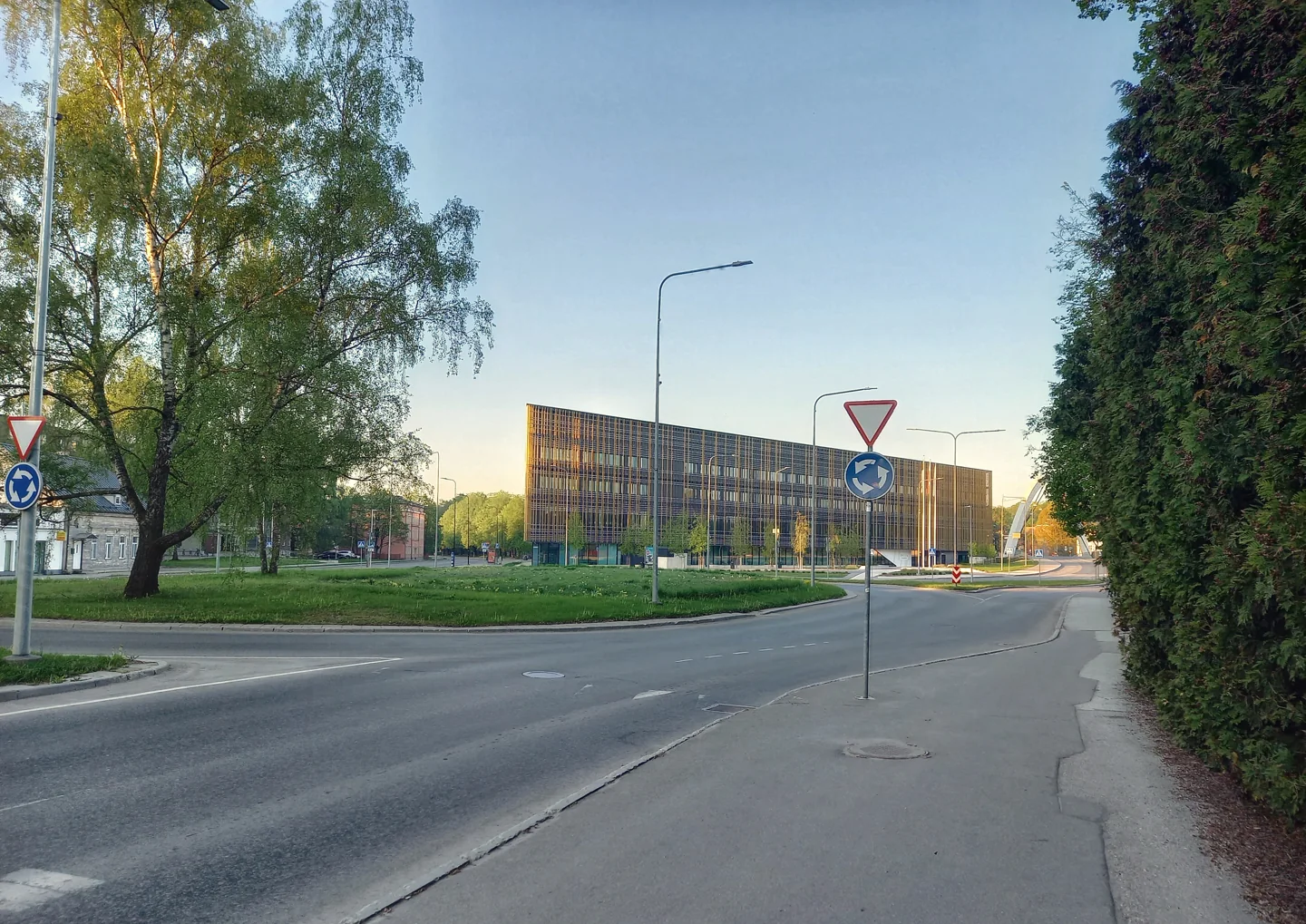
For university, use the University of Tartu's programme page and country-specific qualification requirements, then follow its DreamApply instructions. Its 2026 main application windows have closed: master's programmes used 15 March and bachelor's/Medicine 15 April, with programme exceptions. Do not assume those are announced 2027 dates. The current page lists a EUR 100 non-refundable international application charge and removes tuition waivers for newly admitted non-EU/EEA students from 2026/27, while programme-specific reductions may differ. Actual admissions information; DreamApply sequence.
Prepare the complete programme file, pay only through the university's instructions and retain the offer. Confirm teaching campus, tuition conditions, accommodation and immigration evidence separately. Nationality restrictions can affect eligibility; an offer or payment does not guarantee a visa or an available dormitory room.
06Match retirement residence with income and healthcare evidence
EU/EEA/Swiss pensioners can use the applicable free-movement residence pathway, with sufficient resources and comprehensive health insurance. Register the actual address and complete the identity-document stage. This is not a dedicated retirement visa. EU pensioner residence conditions. For other nationals, no general pension-income retirement visa was verified; establish an actual family or other qualifying residence basis with PPA before treating a pension as an entitlement to settle.
- Obtain pension and income statements and confirm where payments will be received.
- Ask the pension-country health authority whether it can issue an S1 certificate for your case.
- If eligible, submit S1/E121 and the registration application to Tervisekassa. Its process checks Estonia's population-register address and whether you already have cover on another basis before issuing confirmation.
- Arrange any interim insurance until that cover is active, then select a local family physician.
- Review taxation of foreign pension payments and continuing obligations in the former home country.
Tervisekassa's settling-pensioner procedure covers the stated EU, EEA, Swiss and UK categories; obtaining S1 from the competent country is the first step, not an automatic benefit for every foreign pensioner. Pension healthcare registration. EHIC is useful for eligible temporary visits but should not be treated as a substitute for arranging cover for permanent residence.
Before committing to a retirement location, compare the actual appointment and transport journey with your medical needs. A peaceful address outside a city can still require a plan for winter travel, prescriptions and specialist referrals. Keep a reserve for care or family travel that lies outside the agreed coverage.
07Prepare current immigration records, household imports and pets
Use one file per applicant with passport, application confirmation, sponsor/admission evidence, family records and insurance. The D-visa passport must meet the ministry's age, blank-page and post-visa validity conditions. Foreign public documents require legalisation/apostille and translation into Estonian or English under its checklist; treaty exceptions and other procedures can differ. D-visa document list.
The current residence regulation adds important evidence: applicants aged at least 14 supply foreign criminal-record/no-conviction documentation covering the past three years, or evidence that it cannot be obtained. It specifies six-month issuance timing tied to application or first arrival when applying at PPA, and an exception for an earlier submitted record whose facts have not changed. Ask which countries' records your actual history requires and order them before travel. Employment residence also calls for six months of lawful-income evidence. Current application regulation.
Belongings from outside the EU: EMTA's transfer-of-residence relief generally requires twelve months' prior residence outside the EU and six months' possession/use of the goods. Prepare old/new residence evidence, inventory and additional form 4001, then file the import declaration through Impulss or an agent. Qualifying goods normally arrive within twelve months after settlement and cannot be disposed of freely during the following restricted period. Alcohol, tobacco and commercial goods are excluded from ordinary household relief; exceptions and sanctions require separate assessment. Actual household-import service.
Optional pet: use the Agriculture and Food Board's updated 2026 page. Have the veterinarian establish the origin-country category, microchip/identification before or with rabies vaccination, valid vaccination and any required antibody test. A primary vaccination normally needs the 21-day wait. Non-EU entry needs the appropriate health certificate and non-commercial declaration; new certificate models apply from 1 October 2026. Check accompanying-person, transport-number and certificate-validity conditions before booking. Current pet movement requirements. Arrange the carrier separately; transport acceptance does not replace veterinary entry evidence.
08Reach the booked address and record the permitted stay
Carry the permission that covers your arrival, purpose evidence, insurance and the host's address/contact. For a non-EU traveller, distinguish entry to Estonia from permitted short travel elsewhere in Schengen. Keep the issued permission and any entry record together and calendar the actual stay limit.
- Reach the booked accommodation and record the apartment, street and postal details needed for later forms.
- Contact the employer or institution and confirm the first meeting and any document-collection appointment.
- Set up a working telephone connection and test access to the email address used for applications. Keep copies of confirmations offline.
- Buy the correct public-transport ticket while the resident concession has not been established. Tallinn residence benefits do not arise merely from landing in the city.
- Arrange property visits and obtain the lease/right-of-use evidence before the relevant address-registration deadline.
Use the PPA booking service for the required document appointment, and take the original identification and instructions for your own application. If a decision says the residence card is ready, follow the nominated collection point rather than assuming it has been delivered to your home.
For short-term employment, ask to see the approved work registration before starting and ensure payroll's tax entry is also complete. A first-day induction does not cure missing permission. Work-registration sequence. Keep the initial insurance active until Tervisekassa confirms any new cover. Make the first week about establishing an address and the linked services, rather than depending on an unissued Estonian ID card to open everything remotely.
09Sign a lease that supports the address registration
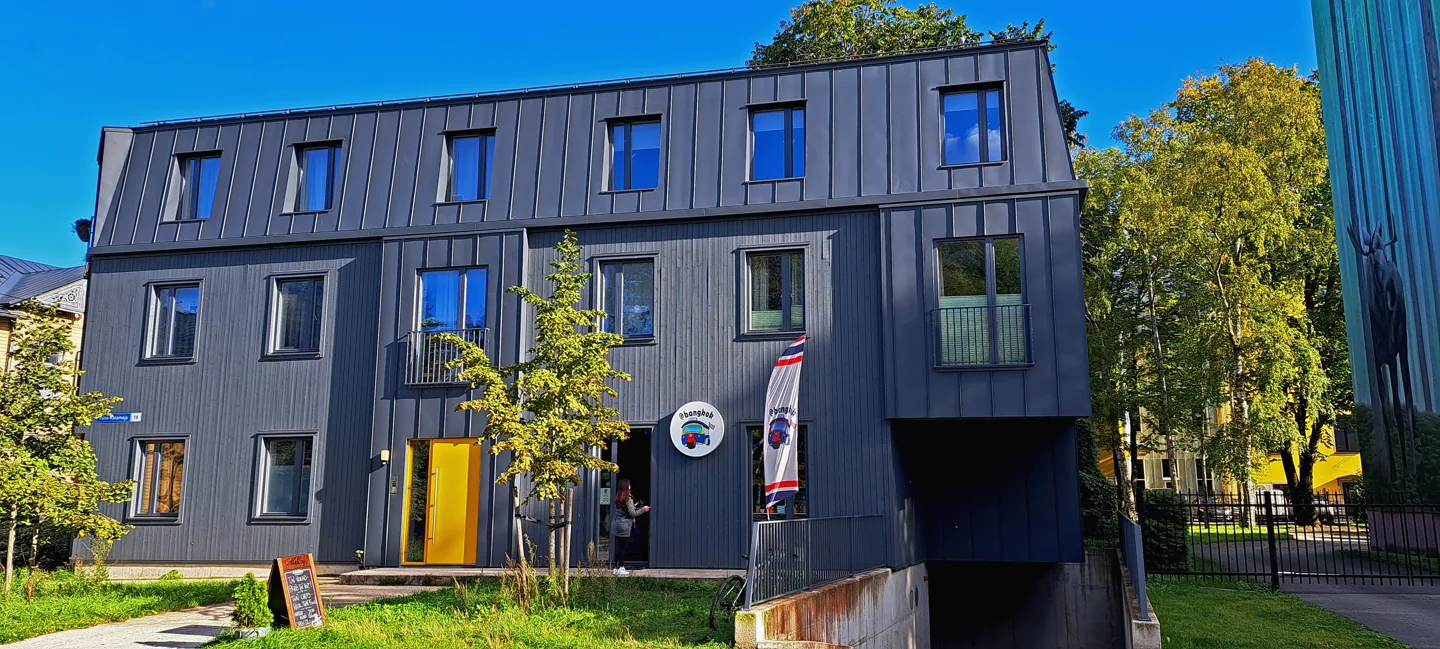
Inspect the specific unit and compare its full cost. In a listing, üür is rent, kommunaalkulud ancillary costs, tagatisraha security deposit and maakleritasu a broker charge if applicable. Ask who is contracting with you and verify the owner's or representative's authority before transferring money.
- Visit the property and test the actual commute. Inspect heating, ventilation, windows, dampness, locks and included appliances.
- Request summer and winter bills and identify which charges vary, which are included and who pays any building-maintenance items.
- Agree the term, rent, payment date, deposit, repairs, notice and handover conditions in writing. Obtain a competent translation if needed.
- Keep the signed lease as evidence of the right to use the address; an owner permission can be the alternative specified by the population-register process. Address evidence.
- Record the inventory, meters, keys and existing damage at handover and retain every payment receipt.
Under the residential-lease rules, a deposit can be up to three months' rent; the tenant may pay in three equal instalments. The landlord must keep it separate with the stipulated interest belonging to the tenant. Deposit repayment depends on any timely notified landlord claim; the law specifies a two-month post-lease claim window. Those are protections for the relevant residential contract, not a rule that every lease requires the maximum deposit. Residential lease and deposit provisions.
Confirm that the agreement and the actual occupancy details are suitable for residence registration before moving in. In shared accommodation, record which unit and occupants the documents cover. Check Telia or another operator's exact-address availability, especially when a job depends on connectivity. A neighbourhood photograph shows the place; it is not an available-rental advertisement.
10Register the address, personal code and identity document in sequence
Complete the address and identity stages for your own legal category. Keep the local registration confirmation with the immigration decision so that the correct basis is clear when arranging other services.
- For the EU/EEA/Swiss residence pathway, visit the municipality of the actual home with the residence notice, identity and right-of-use evidence. Register within the applicable first three months and arrange the PPA ID-card stage within a month after registration. Municipal EU service; One-month identity-card requirement.
- For a third-country residence-permit holder, complete the required address registration within a month of arrival under the employed-resident procedure. A short D-visa stay is not automatically that residence-permit pathway. Residence-holder requirements.
- For a child, provide the required birth evidence and other-parent consent where applicable. Use the accepted document languages and sworn translation/legalisation rules.
- Check the personal code, name and address on the resulting records and the identity document. Retain the validity and renewal instructions.
- Activate the identity services you actually receive, keep PINs secure and confirm access before relying on digitally signed submissions.
EU registration establishes the applicable five-year temporary right of residence; it is not the same as issuing a non-EU work residence permit. A temporary visitor who needs a personal code for another transaction should ask the municipality about that service without treating the code as immigration status.
Tell EMTA about the tax-residence position using Form R, and give payroll correct identity details. When changing address, update the register and other institutions that need direct notification. Maintaining a bank address, a mailing address and the registered residential address consistently prevents avoidable service problems.
11Choose the banking process for your documents and residence
Use the bank's definition of residence and accepted identification. Nationality, immigration permission and the bank's non-resident classification are related questions but not interchangeable. A foreign national with an established Estonian residence should not automatically budget the fee for someone still resident outside the EEA.
SEB's current-account procedure accepts specified identity documents, including foreign passports, and asks for a connection such as living, working, studying or family in Estonia. It can request supporting evidence and states a decision within ten working days after all requested documents are supplied. Actual account-opening instructions.
- Prepare passport/residence or other accepted ID, signed lease, employment or enrolment evidence and income/funds information.
- Choose the bank's application channel and arrange branch identification when required.
- Obtain the written fee category before paying an examination charge. Complete evidence does not guarantee acceptance.
- After approval, activate the agreed authentication method, card and payment services.
- Give payroll verified account details, test a small payment and set up household bill payments.
SEB's 1 June 2026 tariff lists free account-opening document handling for the stated Estonia/EEA-resident categories and EUR 250 for residents of other countries; a rejected application does not make that handling charge refundable. Monthly current-account fees are EUR 0.30 versus EUR 7 for those categories, before any separate package/card choices. Current residency-based tariff.
LHV's non-resident route requires an application and Estonia ties, then face-to-face identification if approved. An e-resident's digital ID alone is insufficient. Its published examples of ties include a signed lease, job contract or enrolment certificate. Non-resident application. Ask whether your newly issued Estonian document permits a different identification process. Euro SEPA payments, local debit cards and e-invoices are useful household tools, but activate only the services whose charges and access requirements you understand.
12Confirm insurance and register each person with a family physician
Residence registration alone does not prove health-insurance entitlement. Tervisekassa's employee rule covers the stated employment-contract duration and social-tax conditions. For a previously uninsured worker, cover begins after the 14-day waiting period; keep interim insurance until the actual start is confirmed. Check the status through the state service or Tervisekassa, rather than assuming a payroll email means the record is active. Current employee coverage.
- Identify a nearby perearst, or family physician, using the official list/vacancy register. Consider language and the practice's service area.
- Complete the registration application for each eligible family member and submit it to the chosen practice, digitally signed or by the stated paper channel.
- Wait for its written decision, normally within seven working days. A full list or other applicable grounds may result in refusal; approach an available practice if needed.
- Record the practice's appointment, repeat-prescription and nurse-contact process, and transfer relevant records.
The primary-care guidance distinguishes entry onto the list from care at submission: list registration starts on the first day of the next calendar month, while primary care is provided from the application day under its process. Family-physician registration. This is not a promise that every overseas applicant is already insured.
For pensioners using S1, complete that separate insurance registration. Students, dependants, business owners and remote workers should establish the applicable coverage basis individually, rather than assuming an employee's entitlement extends to everyone. Ask the insurer about referrals, co-payments and exclusions before booking specialist treatment.
Save 112 for emergencies and the family-doctor advice service contact. Take identification with the personal code to appointments and verify your phone number: digital referrals and prescriptions are useful only when the provider can identify and contact you correctly.
13Connect the household and use the right transport entitlement
At handover, record electricity and water meters and agree whether you contract directly or reimburse the owner/building for billed services. Obtain the last settlement and avoid taking responsibility for unexplained pre-tenancy arrears. Keep internet, electricity, heating and building charges separate in the budget.
For home internet, use the operator's exact-address lookup and request its complete offer. Telia's July 2026 tariff lists up to 100/100 Mbps for EUR 27.90 monthly including VAT, but available technology, line construction, router and installation affect the price. Its temporary equipment promotions have expiry conditions; do not treat a free introductory router period as the permanent household cost. Published tariff; Availability and equipment. For mobile service, compare prepaid and contract options and ask what foreign identity and payment evidence the operator accepts. Test coverage at the home and worksite.
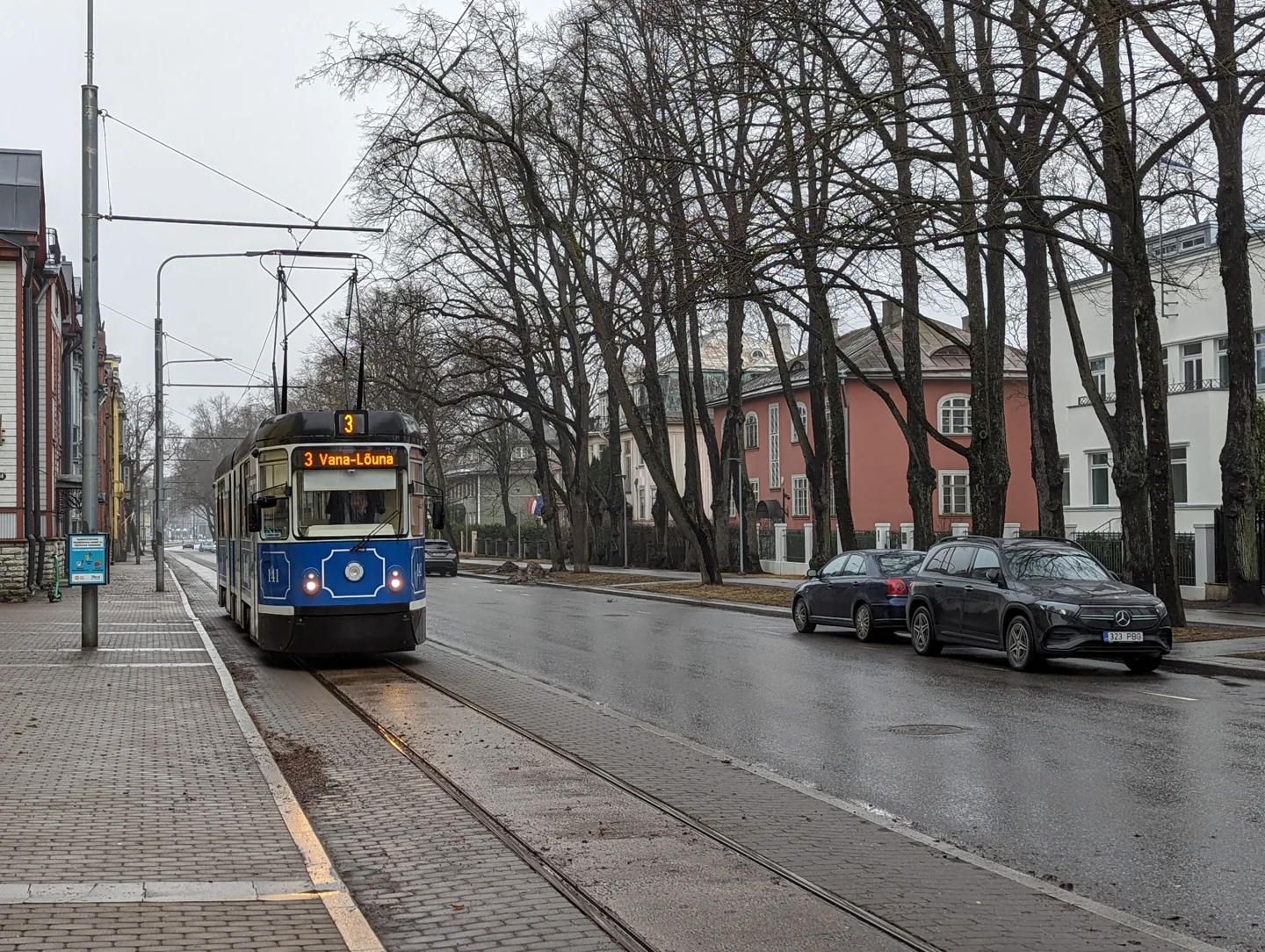
- In Tallinn, obtain an Ühiskaart and personalise it using the required personal code/identity.
- After your actual Tallinn population-register entry is established, confirm the resident concession and re-personalise if the card was personalised before registration.
- Validate on boarding even when entitled to free city travel, and carry the required identification.
- For another city, county bus or Elron train, purchase the ticket valid for that service and zone; Tallinn's resident benefit is not a nationwide free-travel pass.
Card and validation sequence; Current fare-entitlement and zone rules. Visitors and unregistered arrivals need a paid ticket. Tallinn's service instructions specify cashless onboard purchase, so arrange a suitable payment/card option before riding.
Optional driving: use the Transport Administration's issuing-country categories to determine validity and exchange. Some Convention-based licences have a twelve-month residence limit; EU/EEA and Ukrainian temporary-protection rules differ. When exchange is required, prepare the identity, health certificate, photograph/signature, licence and any translation, then follow the applicable test/fee process. Actual foreign-licence rules.
14Build a local routine and complete the first-month checklist
Start with a repeatable local routine: the shopping route from the actual apartment, the school or workplace journey and a nearby library, activity or meeting place. Balti Jaama Turg can help orient a Kalamaja shopping trip; in Tartu, explore the route between your campus and the home neighbourhood rather than assuming all university departments use the same building.
For a structured introduction, the state's Settle in Estonia programme provides modules for eligible newly arrived residents. Participation depends on legal status, the required PPA notification and identity document; short work visas are not the same eligibility category. Create the programme account after the appropriate invitation, choose an available module and attend with the required document. At review, the programme said no general language groups were open and no reopening date was fixed. Plan language learning around actual availability rather than promised immediate enrolment. Current programme and eligibility.
Use neighbourhood events and school or workplace contacts for introductions. Supilinn's visitor information identifies a local society and neighbourhood days, but an annual tradition is not a verified event date for your arrival. Obtain the actual programme before making plans. Keep practical language notes for recurring tasks: isikukood, rahvastikuregister, üür, tagatisraha and perearst.
- First days: record the permitted stay, meet the sponsor, keep interim health cover and arrange housing/document appointments.
- After the lease: register the address through the category-specific process and request/collect the applicable identity document.
- Before the first salary: ensure immigration and tax employment registration, submit the appropriate basic-exemption request and verify account details.
- Before the month ends: confirm insurance, submit each GP application, personalise the transport card and compare actual bills with the budget.
- Continuing calendar: enter permit/card and insurance expiry, lease notice, tax filing requirements and any school deadlines. Keep official receipts and update changed address/contact details.
The completed move is a functioning sequence: lawful activity, an evidenced home address, usable identity and payment services, active healthcare arrangements and a routine you can sustain through winter as well as the arrival week.
Sources & further reading
Reviewed 13 October 2026. Sources are linked beside the relevant instructions. CurrentEstonian legal texts rendered and read because Englishtranslations identify previousversions. May2026 visa/residence regulations and October2026 ForeignNationalsAct used, including police-record evidence. Tax22% retained, 2026pets updated. Nationality/household/application-location restrictions preserved. E-residency distinct from immigration and tax residence. Dvisa and statutory permit charges scoped to location; SEBJune2026price list, TeliaJuly2026VAT-inclusive tariff, city transport card. Hypothetical rent/budget explicitly labelled. No national cost figure. DNV current statutory calculation and conflict with MarchprogrammeFAQ disclosed. Photograph credits, licences and capture years appear with the images.
Browse the source directory
- Tallinn City Tourist Office — Kalamaja
- Visit Tartu — wooden districts
- Interior Ministry — population register and EU residence
- Tallinn — EU right of temporary residence
- Riigi Teataja — EU citizen identity-card requirement
- Your Europe — registering residence
- Foreign Ministry — long-stay D visa
- Foreign Ministry — pre-filled visa application
- Foreign Ministry — Russian and Belarusian visa restrictions
- European Commission — employed worker in Estonia
- Riigi Teataja — current Foreign Nationals Act
- Riigi Teataja — current residence application regulation
- Riigi Teataja — current D-visa regulation
- Social Affairs Ministry — 2026 subsistence level
- E-Residency — March2026 digital nomad FAQ
- Police and Border Guard — appointment service
- Riigi Teataja — statutory fees
- Statistics Estonia — wages
- RIK — actual e-Business Register
- e-Business Register — establishment
- Tax and Customs Board — 2026 changes
- Tax and Customs Board — determine residency
- Tax and Customs Board — employment registration
- International School of Estonia — own admissions
- ISE — actual OpenApply form
- Tallinn — 2026 first-grade process
- University of Tartu — current admissions
- University of Tartu — DreamApply instructions
- Tervisekassa — pensioners settling in Estonia
- Tax and Customs Board — moving household property
- Agriculture and Food Board — updated2026 pet movement
- Riigi Teataja — Law of Obligations Act
- SEB — current account procedure
- SEB — June2026 price list
- LHV — non-resident procedure
- Tervisekassa — employee health insurance
- Tervisekassa — family physician registration
- Tervisekassa — actual GP application
- TEHIK — family-doctor vacancies
- Telia — July2026 fixed services price list
- Telia — home internet address availability
- Tallinn — ticket/card purchase
- Tallinn — May2026 transport rules
- Tallinn Pilet — personalise travel card
- Transport Administration — foreign driving licence
- Settle in Estonia — actual programme
Make your next step a practical one
Choose your legal route and actual workplace or campus, then obtain an address whose right of use can support the required population-register entry.




