 Visa
Visa
Moving & Living - Eswatini - Complete Guide
Move to Eswatini through 14 practical steps covering residence permits, Mbabane and Manzini, school applications, 2026 taxes, banking, rentals, healthcare, customs and daily services.
Photo credit
In Eswatini, a home in the hills around Mbabane produces a different week from a base near Matsapha’s workplaces or the schools and services along Ezulwini. This guide helps you choose that base, prepare the right permit application and move from arrival arrangements to a functioning home, bank account, healthcare plan and daily routine.
Eswatini at a glance
- Administrative capital
- Mbabane
- Royal and legislative centre
- Lobamba
- Currency
- Lilangeni · SZL; plural emalangeni
- Languages
- siSwati and English
- Immigration authority
- Ministry of Home Affairs
- Tax authority
- Eswatini Revenue Service · ERS
- Resident banking
- Passport, permit and supporting evidence
- Mobile registration
- VELA
- Reviewed
- 13 October 2026
Follow your moving journey
Start at step 1, or jump to the task you are working on.
01Choose your base around the job, school and commute
Start with the place you must reach every weekday. Mbabane suits a household whose work or school is in the administrative capital. Manzini and nearby Matsapha deserve the first inspection for an industrial or commercial posting. Ezulwini puts you between the capital and the Manzini corridor; Malkerns offers a different, more agricultural setting. The Tourism Authority’s Mbabane guide and Malkerns overview explain the geography and local services.
| Starting point | Useful comparison | Inspect before deciding |
|---|---|---|
| Central Mbabane | Government offices, shops and city services | Walking route from the actual building; parking and traffic at work times |
| Sidwashini / Waterford side of Mbabane | A school-led search on the capital’s outskirts | The school journey and transport arrangements, rather than distance on a map |
| Ezulwini | A base along the central service and hospitality corridor | Your precise turning off the main road, mobile coverage and commuting direction |
| Manzini / Matsapha | Commercial or industrial employment | Noise, freight traffic, workplace gate and the route home |
| Malkerns | A countryside-oriented household routine | Water supply, road access and the school or work run |
- Pin the employer’s office or school entrance, not just its postal address.
- Ask for two prospective areas and arrange a short stay from which you can inspect both.
- Travel each route during the hours you will actually use it. Include the final stretch from a bus or kombi stop.
- Request address-specific internet and utility information before narrowing the housing search.
02Separate the entry visa from permission to settle and work
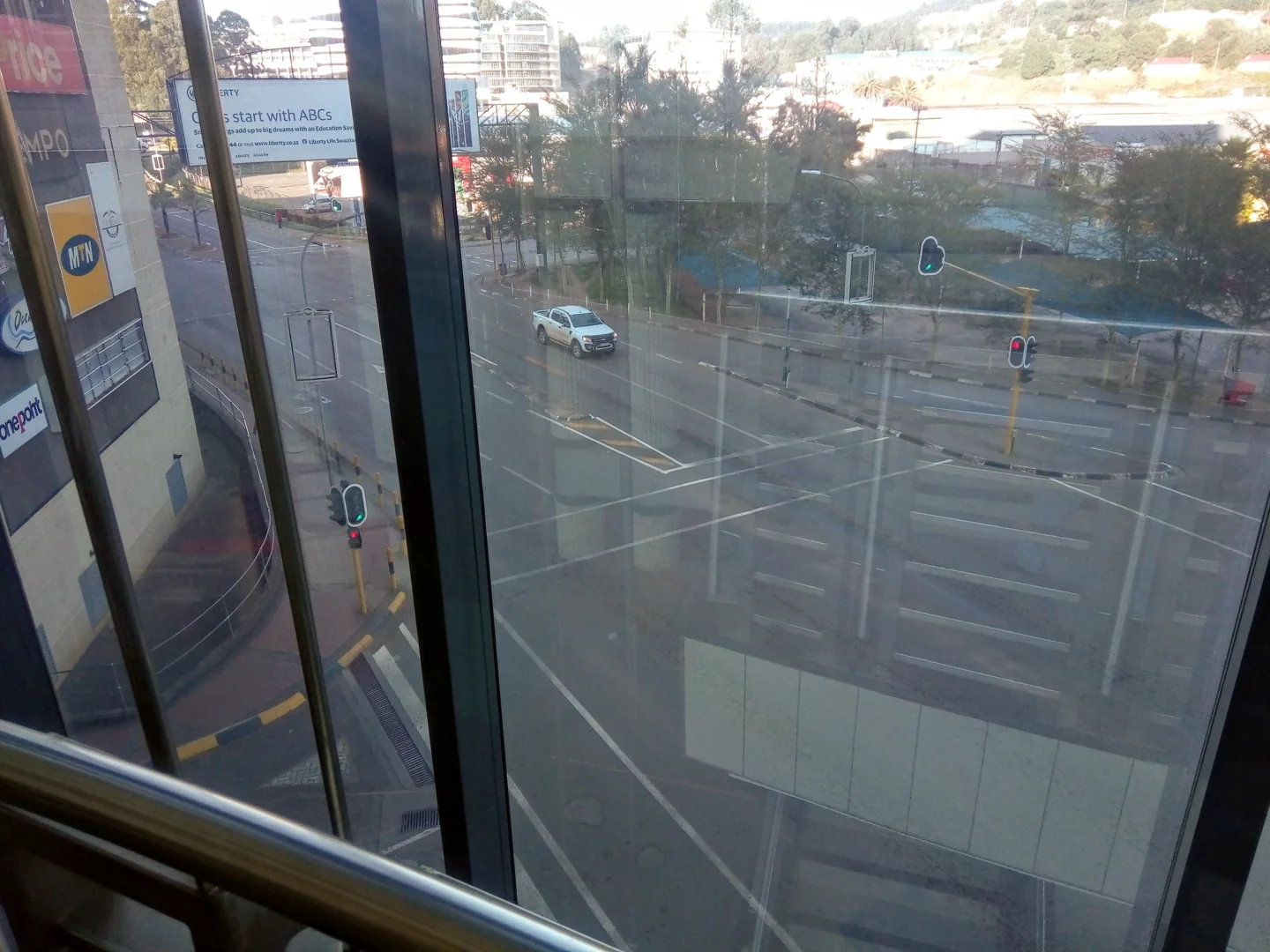
An Eswatini entry visa, a permitted visit and a residence or work arrangement are different documents. Home Affairs publishes separate services for employees, business applicants, dependants, students and visitors. Begin with the nationality-specific visa service and the Immigration Department, giving your citizenship, current country of residence, intended work and accompanying family members.
- Determine whether your passport needs an entry visa before travel. Obtain instructions from the responsible mission or Home Affairs for your application location; do not assume a universal visa-on-arrival service.
- Identify the permit or pass for the actual activity. Employment normally involves the employer’s application evidence; study involves the institution; dependants need the sponsor’s status.
- Ask which applications can be lodged before arrival, whether the original passport is needed and how an approval is endorsed.
- Obtain the current payment instructions and a submission receipt. A pending application is not itself permission to begin work or remain beyond the admitted stay.
British-passport example: the UK’s current entry advice describes a visa-free visit of up to 30 days, a possible 30-day extension and a temporary residence application for a longer stay. That example applies to the stated British-citizen passport category, not every nationality. Read the stamp on arrival and use its actual expiry date.
Use the government application-form directory rather than a commercial “visa eligibility” result. The live government checklists sometimes label the business section differently; the actual Form 3 says everyone completes personal particulars, with Part I for classes A–C and Part II for D–J.
03Build the employment or business file before starting work
For an employee application, the Home Affairs checklist identifies Form 3 Part I, two photographs, the employer’s covering letter, the full-page job advertisement, original police clearance, qualification copies, a medical certificate and company documents. Have HR assemble the employer evidence while you obtain your personal documents. Agree who files, pays and tracks the decision.
- Put the employer, position, pay, workplace and intended start in the contract. Make the operational start depend on the required immigration permission.
- Match the qualification certificates to the proposed role and arrange certified copies. Keep the original police certificate for submission.
- Ask HR to explain the local recruitment evidence and any localisation review to which the post is subject.
- On approval, compare the employer and activity with the permit. The Immigration Act restricts changing the authorised employment or activity without written approval; treat a transfer to another employer as a new immigration task.
Business applicants: use EIPA’s investor service to sequence company registration, the appropriate entry permit and the trading licence. Prepare proposed company names, objects, shareholders and directors, certified passports and a real operating address. Form J records directors; Form C concerns authorised share capital. The licensing requirements differ between urban premises, private property and Swazi Nation Land, so have the proposed site reviewed before committing to it.
No dedicated digital-nomad permission was verified for this guide. A foreign payroll or overseas clients do not establish that remote work is permitted. Describe the activity to Immigration and ERS and obtain the appropriate treatment before relocating a working home office.
04Price the move and arrange your tax treatment
Build costs in emalangeni, shown as E or SZL. The Central Bank explains the one-to-one peg with the South African rand; that does not fix costs in pounds, euros or dollars. Compare take-home pay with the whole household’s expenses, including school charges, transport and any South African medical referrals.
| Recurring item | Verified price or method | Scope and date |
|---|---|---|
| FNB Smart account | E30.38/month pay-as-you-use; E82.03/month bundled | Eswatini tariff, 1 July 2026–30 June 2027; individual transaction conditions apply |
| MTN Lula monthly combo | E150: 10GB anytime data; separate 5GB bonus valid for 24 hours | Published prepaid offer, checked 13 October 2026; confirm current purchase screen |
| Domestic electricity, S1 | E2.8624/kWh; 300kWh would be E858.72 | EEC 2026/27 tariff, including the stated 2.5% levy; calculation, not a household consumption prediction |
| Rent, water, food, transport and insurance | Use your property, household and policy quotations | No verified national monthly total is substituted for these expenses |
For initial costs, separate flights or road transfers, permission fees, certification, temporary accommodation, the rent deposit, shipping, utility setup and school admission payments. EIPA’s undated published schedule lists E2,400 for a 24-month work permit and E6,000 for 60 months; confirm the charge and granted duration in writing for your application. Do not budget as though every employee receives the investor-director period.
For tax, the 2023 amendment and Finance Ministry’s implementation statement establish the reduction of ordinary company income tax to 25% from July 2024. The older 27.5% rate still visible on an ERS webpage should not drive a new business budget. Individuals have progressive annual bands of 20%, 25%, 30% and 33%, with the ordinary annual rebate described in the ERS individual table. Ask payroll for a calculation including taxable benefits and eligible deductions.
The small-business turnover regime excludes professional and investment income; it is not a blanket low-tax arrangement for foreign consultants. Establish the source and treatment of overseas salary, pension or business receipts with ERS, alongside your previous country’s residence and treaty rules.
05Obtain school or university admission before relocating a student
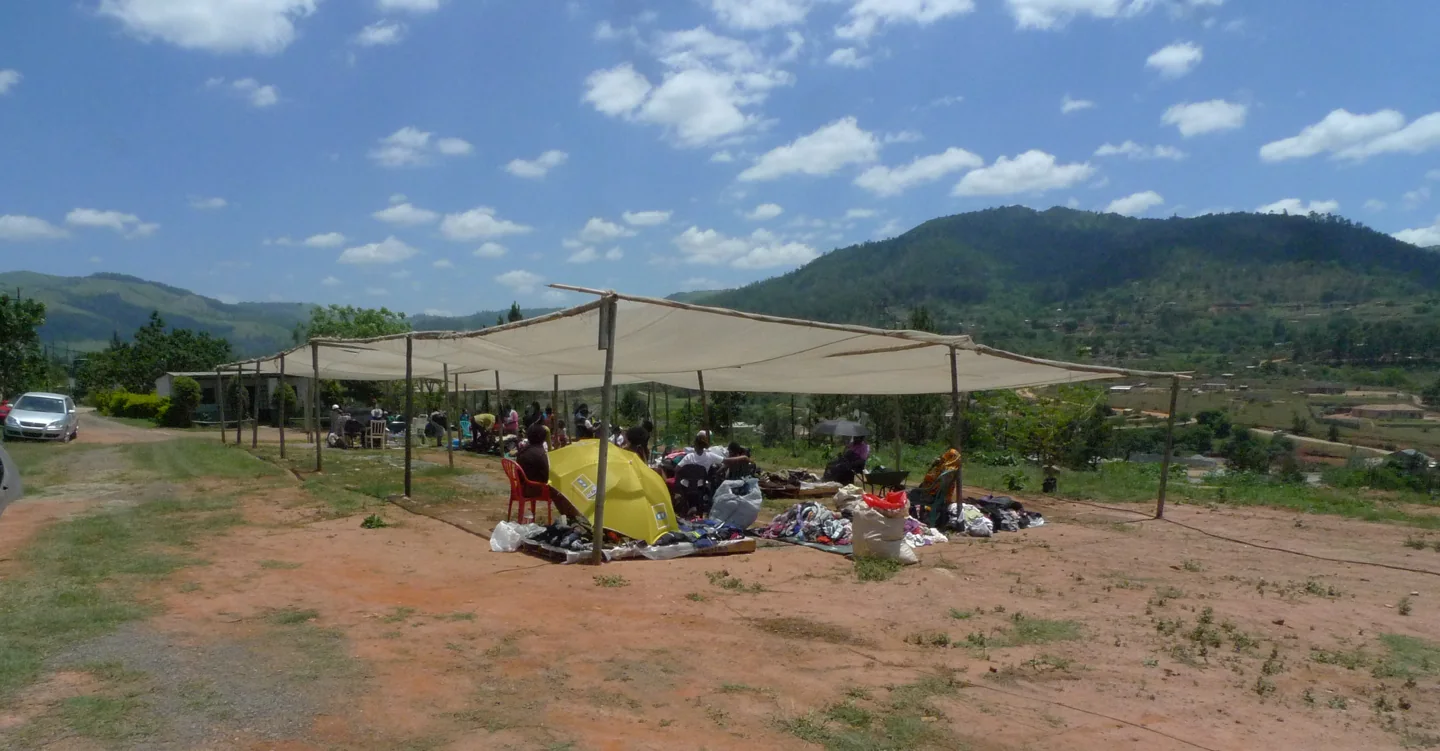
Use a school’s academic stage and admissions process to decide the home search. Waterford Kamhlaba UWC is a practical starting point for secondary Forms and the IB Diploma near Mbabane. It offers day and boarding arrangements, but neither a parental work permit nor payment of an application charge guarantees a place.
- Send the child’s age, current year, reports, learning-support needs and proposed arrival date to admissions.
- Use the school’s linked application service and arrange assessment. Forms entry testing covers mental agility, mathematics and English.
- For 2027 entry, the published March local testing days have already passed at this review date. Ask about the appropriate remaining appointment; boarding applicants from outside the kingdom can request weekday testing.
- For the IB, identify the relevant UWC national-committee route or permitted direct school route. The selection policy explains that decisions consider the overall intake.
- Obtain tuition, boarding or transport charges, entrance fee, deposit, levies, books and examinations as one written quotation.
Fee planning: the 2027 schedule, published in August 2026, separates domestic, boarding and employer-funded categories. For example, its beyond-Eswatini entrance charge is 30,000 and refundable fee deposit 40,000, labelled SZL in the tables. Its notes quote rand billing; ask the bursar to confirm your billing currency and category. These are future school-specific charges, not 2026 average school costs.
For university, start at UNESWA’s undergraduate application service, read the programme admission requirements and identify the teaching campus. The 2026/27 prospectus gives 10 April 2026 as its application deadline, now past. Request the next published intake instructions instead of reusing that date. After admission, obtain the institutional letter and Ministry of Education support required for the student pass; prepare the medical, passport and age-dependent police-clearance evidence.
06Establish the permitted income-based route if retiring
The government’s Form 3 describes Class I for a person aged at least 21 with an assured annual income meeting the prescribed amount. It includes qualifying income from outside the country that will be remitted to Eswatini, local property or pension sources, or sufficient investment capital. The applicant undertakes not to accept paid employment and must meet the country-benefit condition.
- Ask the Chief Immigration Officer whether Class I is appropriate for your pension or investment-income circumstances, and request the current prescribed minimum and application checklist.
- Obtain pension award letters, statements showing actual regular payments, investment evidence and a proposed remittance arrangement.
- Prepare Form 3 personal particulars and Part II as directed, with supporting health and identity evidence.
- Identify the spouse or dependant’s separate permission and budget private care, transport and possible evacuation alongside housing.
The current minimum annual income, applicable fee and grant period for this route could not be verified from a current official schedule. Do not treat an old amount on a relocation website as the threshold. Request those three details from Home Affairs before committing to a lease or moving pension assets.
If you intend to consult, manage an active business or take employment, explain that separately rather than presenting the move as purely retirement. Also ask ERS to determine the tax treatment of the particular pension or annuity: the existence of a residence class does not make all retirement income tax-free.
07Prepare originals and secure the correct customs clearance
Keep originals, certified copies and scans separately: passports, approval letters, police and medical certificates, qualifications, marriage or birth evidence, contracts and school letters. Investor facilitation instructions require the police certificate from the country of passport to be less than six months old; obtain the current employee or family validity rule for your own file rather than assuming every certificate lasts indefinitely.
For household effects, use the ERS new-resident concession before arranging delivery. The goods must belong to the incoming resident at arrival and importation. Complete CE101 before goods arrive, identify items and serial numbers, and submit the supporting transport, arrival, permit and employment evidence in triplicate. Retain the approved form for entry clearance; only listed goods qualify.
- Send the proposed inventory and delivery timetable to the clearing agent.
- Determine which goods need separate controlled-import permission as well as the customs concession.
- Obtain the approval, then coordinate shipping and the original paperwork used at the entry point.
- Budget any storage, inspection or non-qualifying-item charges separately from freight.
A car has stricter concession conditions: ERS describes one vehicle per family, personal use, ordinarily at least 12 months’ prior ownership and use, and permanent-residence conditions for new residents. A temporary work permit does not automatically deliver the same vehicle rebate.
Pets: contact Agriculture’s Veterinary and Livestock Services with the species, origin, identification, rabies record and proposed border or airport. Obtain the country-specific import conditions before booking the animal. This review could not verify a current dog/cat checklist covering test requirements, certificate validity, quarantine or fees. Have your exporting veterinarian complete the certificate the authority specifies; do the same for any South African transit arrangements.
08Inspect the arrival stamp and reach your temporary address
Plan the transfer from King Mswati III International Airport to the actual accommodation rather than assuming the airport is in central Mbabane. The Tourism Authority’s arrival directory identifies airport connections and scheduled road-transfer providers such as TransMagnific and Melula. Confirm the current route, departure and total fare directly with the operator.
- Carry your approval, host or accommodation details, contract or school letter and the documents required for the passport you use.
- At immigration, explain the purpose accurately and check the entry stamp, admitted duration and any required endorsement before leaving the desk.
- Save the entry record and calculate the next action date from it. Contact the filing authority promptly if the permission you received differs from the approval.
- Reach the booked address and obtain the residence or hosting evidence needed for subsequent services.
- Arrange the SIM registration and an initial food, cash and transport plan for the next administrative visits.
When entering by road in a foreign-registered light vehicle, the current levy listed in the official arrival information is E150. Keep the declaration and receipt with the vehicle. Carry the registration document—often called the blue book—and the owner, finance-company or rental authorisation that matches the vehicle’s circumstances.
Use the ERS customs rules for declarations. Cash or negotiable bearer instruments exceeding E15,000 or equivalent must be declared. A shipment rebate is separate from travellers’ luggage allowances. If entering through South Africa or Mozambique, satisfy that country’s entry or transit conditions as well; an Eswatini approval covers neither.
09Complete household permits and arrange ERS registration
Take the approval and originals to the office designated by Home Affairs or EIPA for completion and endorsement. Record the permit number, expiry, authorised employer or activity and any renewal conditions. Ask which changes of address or circumstances must be reported and obtain proof of each completed step.
The family checklist uses Form 6 for dependants, sponsor-status evidence, sponsor letter, photographs, passport, medical and relationship evidence; it lists police clearance for applicants above 18 years. Prepare a file for each accompanying person. Do not interpret a spouse’s dependant status as permission for unrestricted employment. Where schooling also needs a student pass, obtain the school’s guidance before the child starts.
- Check that every household member has the correct status rather than only the main employee.
- Give HR the approved work details for payroll setup and establish which employee registration tasks it completes.
- Ask ERS which TIN registration applies to you as an employee, independent earner, director or business.
- Prepare the category-specific identity, bank and address evidence. Request the certificate showing the Taxpayer Identification Number and keep it with financial records.
Annual-return obligations differ by income and withholding circumstances: the ERS employee exception is conditional, while companies and independent earners have separate obligations. Obtain your PAYE certificate and reconcile it with payslips. Where ENPF contributions apply, the 2026 notice sets the maximum monthly contributions at E215 from the employee and E215 from the employer, based on the applicable E4,300 wage ceiling.
The ERS registration FAQ lists a passport for a non-citizen individual/director, three months’ bank statements or an original bank letter, and a lease or current utility bill. Use the category-specific instructions and obtain the current application from ERS; its website links TaxEase for online services. For a new company, coordinate banking, trading licence and tax registration with EIPA because those documents depend on one another. A company’s TIN does not replace the director’s personal immigration permission.
10Open the account that matches your residence and income
For employed expatriates, Standard Bank Eswatini’s Achiever checklist asks for a valid passport and work permit, proof of residence and a payslip or employer introduction. Take the actual documents to the chosen branch and ask whether a temporary address can be accepted. Retirees, students and other categories should request their own account checklist rather than presenting an employment product’s eligibility as universal.
- Choose the branch near home or work; the FNB directory gives local branches and current Eswatini pricing.
- Ask the bank to identify the acceptable address evidence and source-of-funds documents before the appointment.
- Compare monthly fees with the transactions you actually expect: rent transfers, card purchases, debit orders, ATM withdrawals and incoming overseas funds.
- When approved, activate the card and online or mobile access, verify alerts and make a small test transaction.
- Ask for the correct international remittance instructions and retain the payment purpose and supporting contract or pension evidence.
In the current FNB Smart tariff, pay-as-you-use costs E30.38 monthly, but electronic payments and card purchases carry additional charges. The E82.03 bundled option includes listed electronic payments, purchases and debit orders, with an ATM allowance rather than unlimited withdrawals. Compare a normal month, not just the account headline.
Keep enough cash for smaller purchases and transport while testing card acceptance at your usual shops. Confirm the payee’s account independently before a large rent or deposit transfer, and keep receipts that identify what was paid. Banking approval remains the institution’s decision; a residence approval does not guarantee an account or credit.
11Inspect the property and record the complete rental agreement
Return to the shortlist with the employer, school and utility information now in hand. View the specific dwelling, including its access road and parking, before paying. Ask whether the advertised amount includes water, garden work, security, furnished items or any shared-service charge; a guesthouse rate and a long-term lease are different arrangements.
- Verify the landlord or agent’s authority to let the property and obtain the full written agreement.
- List rent, payment date, lease term, increase provisions, notice, early termination and maintenance responsibilities.
- Separate advance rent from the refundable security deposit. Record the deposit holder, deductions, refund procedure and any required employer guarantee or surety.
- Attach an inventory and dated condition photographs; test taps, hot water, locks, sockets and the electricity interface.
- Record the water and electricity account or meter numbers, starting readings and outstanding balances. Have the landlord resolve earlier-occupant debt before handover.
- Obtain signed copies and receipts, and ask the relevant bank or authority to confirm that the address evidence meets its requirements.
Budget illustration, not a market quote: if a particular lease offered E7,000 monthly rent and required an agreed E7,000 refundable deposit, the first payment would be E14,000 before moving, services and other charges. That calculation does not assert a national rent level or a statutory one-month deposit rule.
Use a local legal practitioner where the agreement contains unfamiliar guarantees or land arrangements. The government’s land-specific business licensing rules also matter if you plan to operate from the property: a domestic tenancy is not approval for a workshop, shop or other commercial use. Put pet permission and any proposed home-business use into the agreement explicitly.
12Choose local care and fund any referral abroad
Match healthcare to the household’s actual needs. The official medical-provider directory identifies Mbabane Government Hospital, Mbabane Private Clinic in Checkers, Manzini Private Clinic in Lugaganeni and Medisun in Mantenga, Ezulwini. Contact the appropriate provider about the service you need, appointment arrangements, payment and accepted insurance; a directory entry does not establish today’s specialist availability.
- Obtain a concise clinical summary, prescriptions using generic medicine names, vaccination records and recent relevant results.
- Ask a local clinician or facility whether continuing medicines and monitoring can be supplied locally.
- Compare insurance that explicitly covers residence and your work, routine and inpatient care, existing conditions, waiting periods and dependant needs.
- Confirm evacuation to South Africa, hospital admission deposits, pre-authorisation and who coordinates a referral.
- Save the insurer’s assistance contact and the chosen local facility’s current reception and emergency contacts.
The UK government’s healthcare guidance notes medicine shortages and that serious or specialised care may require South Africa. Private providers may arrange evacuation where insurance or funds cover it. Build this into the plan for retirement, pregnancy, chronic illness or a job in an outlying area rather than discovering the limits during an urgent admission.
Request a written treatment or consultation estimate when planning non-urgent care, and retain invoices for claims. Establish whether an employer’s policy actually includes accompanying family and South African referrals. If the policy requires payment first and reimbursement later, keep accessible funds and know the claim evidence needed.
Use the pre-departure appointment to discuss destination-specific prevention and vaccines, including any yellow-fever certificate required by the route you travel. Clinical recommendations depend on the person and itinerary; the named authorities and your clinician should determine the appropriate plan.
13Activate the phone, utility accounts and transport routine
Register an MTN SIM at an authorised outlet or VELA agent with a passport, proof of residence no older than three months and the agent-captured photograph. Wait for the confirmation message; MTN’s VELA instructions give *1212# to verify the status. If using a hotel or hosted address, ask the outlet which evidence it accepts before making the trip.
For electricity, identify whether the home is on prepaid or billed service and record the tariff. The EEC prepaid guidance explains the meter card, Customer Interface Unit and activation process. Previous debt can affect purchases, so resolve it at handover. Its public residential document list mentions Swazi ID and graded-tax evidence; ask EEC which passport/permit substitutes it accepts for a foreign tenant instead of assuming the citizen checklist applies unchanged.
Take the lease and account details to Eswatini Water Services Corporation for the property’s change-of-occupant or connection instructions. Confirm who holds the account and pays the bill, the deposit and current charges, and whether water or sewer service is actually available at that address. A functioning tap during a viewing is not the account transfer.
- Test calls and data in the room where you will work; obtain an address-specific broadband quotation if mobile service is insufficient.
- Make a small meter purchase or verify the billed account with the provider before moving everything in.
- Learn the exact stop and destination for a bus or kombi journey; confirm the current fare and last useful departure locally.
- If driving, carry the documents appropriate to your vehicle and permission. The foreign-licence conversion service lists the residence permit, existing licence, passport and graded-tax certificate; obtain the current fee and recognition instructions from the Revenue Office.
14Build a routine and close the first-month tasks
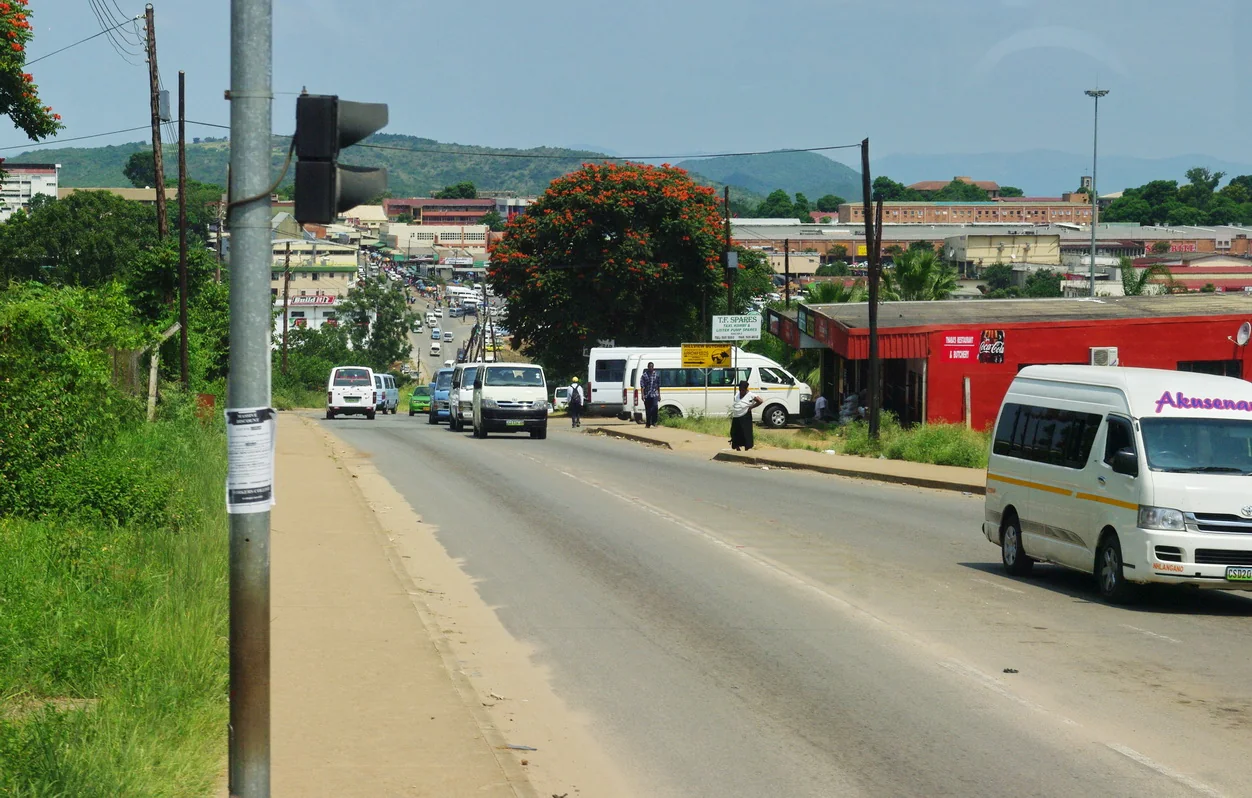
Choose one regular place where you can become familiar with people: a school activity, sports group, neighbourhood organisation or local market. In Malkerns, the craft and performance venues around Malandela’s provide practical starting points. Ask organisers what is currently running and whether any activity is open to newcomers rather than relying on a past event photograph.
The Tourism Authority’s events calendar lists markets, exhibitions and cultural occasions, including the Mavuso Trade and Exhibition Centre in Manzini. Read each event’s date individually: some archived live-music entries retain an older year. The November 2026 market listings provide a starting point at this review, but confirm an organiser’s current arrangements before travelling.
| When | Complete | Keep the evidence |
|---|---|---|
| First days | Arrival stamp, temporary address, phone registration and next immigration appointment | Entry record, accommodation details and confirmation messages |
| First two weeks | Household permission checks, school admission follow-up, payroll and bank appointment | Permit records, institution letters and accepted application receipts |
| Before the first rent or utility cycle | Lease inventory, meter readings, bill responsibility and tested payments | Signed agreement, receipts and provider account records |
| Before month end | Local care contact, referral cover, tax registration where required and renewal calendar | Policy, provider contacts, registration certificate and expiry dates |
Make the calendar household-specific. Include every permit expiry, school term payment, licence or insurance renewal, and the ERS return obligations that apply to the income you receive. Review the first payslip for tax and eligible ENPF deductions; compare the first utility cycle with the consumption and tariff you planned.
Finally, revisit the commute after a normal working week. If the school run or last kombi is awkward, solve that before considering a different long-term home. For volunteering or a paid side activity, first establish the immigration conditions that cover it; community participation and employment permission are separate questions.

Sources & further reading
Reviewed 13 October 2026. Sources are linked beside the relevant instructions. Primaryauthorities and institutions used. Original2023income amendment scan visually read, company25% corrects stale27.5%ERSpage. ActualForm3clarifiesPartII. CurrentClassIincome threshold and petconditions preciselyunresolved. Governmentserverintermittent; indexedprimarychecklists read. UKentryrules scopedBritishpassport. FNB1July2026–30June2027 price list and EEC2026/27approvedS1tariff verified. MTNLulamonthlypublishedprice checked13October2026. EIPAundatedpermitfee explicitlyqualified. Waterford2027futurecategoryfees separatelylabelled. Housingexampleshypothetical, no nationalmonthlycostfigure. Photograph credits, licences and capture years appear with the images.
Browse the source directory
- ERS — registration FAQ
- ERS — TaxEase online service
- Tourism Authority — Mbabane
- Tourism Authority — Malkerns
- Home Affairs — permit checklists
- Home Affairs — actual Form3
- Home Affairs — application forms
- Home Affairs — nationality and visa service
- UK government — Eswatini entry requirements
- Home Affairs — immigration department
- Government — Immigration Act1982
- Eswatini Investment Promotion Authority — investor applications
- Commerce Ministry — trading licence
- ERS — Income Tax Amendment Act2023
- Finance Ministry — 2024 budget implementation
- ERS — individual rates and thresholds
- ERS — presumptive tax
- ERS — income tax return obligations
- ERS — PAYE
- ENPF — January2026 statutory contribution notice
- Waterford Kamhlaba — application service
- Waterford Kamhlaba — admission policy
- Waterford Kamhlaba — published2027fees
- University of Eswatini — undergraduate applications
- UNESWA — 2026/27prospectus
- UNESWA — general admission requirements
- ERS — new-resident customs concession
- ERS — general import/export rules
- Finance Ministry — controlled imports
- Agriculture Ministry — veterinary services
- Tourism Authority — getting there
- Central Bank — currency and banking FAQ
- Standard Bank Eswatini — Achiever account
- FNB Eswatini — 2026/27price list
- FNB Eswatini — current pricing and branches
- UK government — healthcare arrangements
- UK government — Eswatini medical facility directory
- MTN Eswatini — VELA registration
- MTN Eswatini — prepaid bundles
- EEC — approved2026/27domestic tariff
- EEC — prepaid customer service
- Eswatini Water Services Corporation
- Tourism Authority — local transport
- Finance Ministry — foreign driving licence conversion
- Tourism Authority — events calendar
Make your next step a practical one
Choose your workplace or school first, then assemble the permit and household evidence before booking the permanent move.




