 Visa
Visa
Moving & Living - Faroe Islands - Complete Guide
Move to the Faroe Islands through 14 practical steps covering Nordic and sponsored work routes, family income requirements, p-tal, Samleikin, housing, healthcare, schools and current costs.
Photo credit
In the Faroe Islands, a home near work can be a decision about islands, tunnels and ferry connections as well as neighbourhoods. Tórshavn, Klaksvík and an Eysturoy posting offer different daily journeys. This guide helps you choose that base, follow the immigration rules that apply to your nationality, register the household and put housing, banking, healthcare and everyday services in place.
Faroe Islands at a glance
- Capital
- Tórshavn
- Other practical bases
- Klaksvík, Runavík and the employer’s actual island
- Currency
- Danish krone · DKK; Faroese notes in local circulation
- Languages
- Faroese; Danish is also widely used
- Immigration office
- Útlendingastovan
- Resident number
- p-tal
- Digital identity
- Samleikin
- Tax authority
- TAKS
- Health insurance
- Heilsutrygd
- Review
- 13 October 2026
Follow your moving journey
Start at step 1, or jump to the task you are working on.
01Choose an island and neighbourhood around the real commute
Start with the actual workplace, rather than choosing a scenic village first and hoping the journey works. A Tórshavn job, a Klaksvík appointment and an Eysturoy workplace produce different housing searches. Establish whether you need a daily bus, a tunnel crossing or a ferry, and test the whole journey against the shift or school timetable.
| Base to investigate | What to compare | The household question |
|---|---|---|
| Tórshavn, Hoyvík or Argir | The specific work and school addresses, walking routes and local services. | Does the offered home fit both adults' journeys? |
| Klaksvík | A northern workplace and the time needed for journeys beyond the town. | Can everyday appointments and school be arranged locally? |
| Runavík or another Eysturoy location | The actual workplace, road connections and any regular tunnel expense. | Would commuting to another island outweigh a lower rent? |
| Vágar | A workplace on the island or an airport-related appointment. | How often would you need to travel to Tórshavn? |
| Suðuroy or a smaller island | Ferry access, the last connection and services at the posting. | What is the plan when the connection changes? |
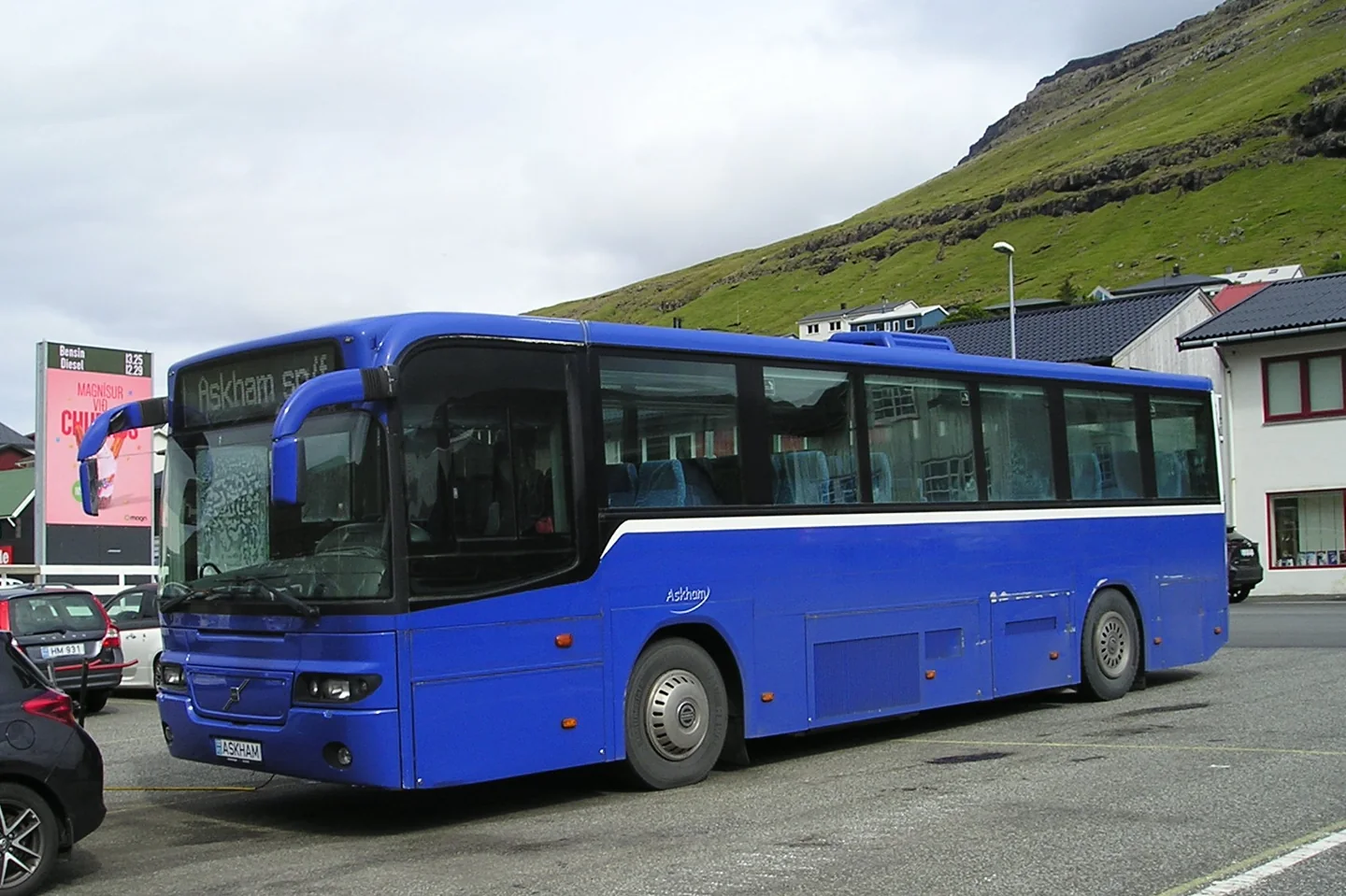
Use Strandfaraskip Landsins' route and departure information when comparing homes. A route drawn on a map does not establish that the first morning service reaches your workplace before a shift starts. Ask the employer how colleagues make that journey and confirm the current service yourself.
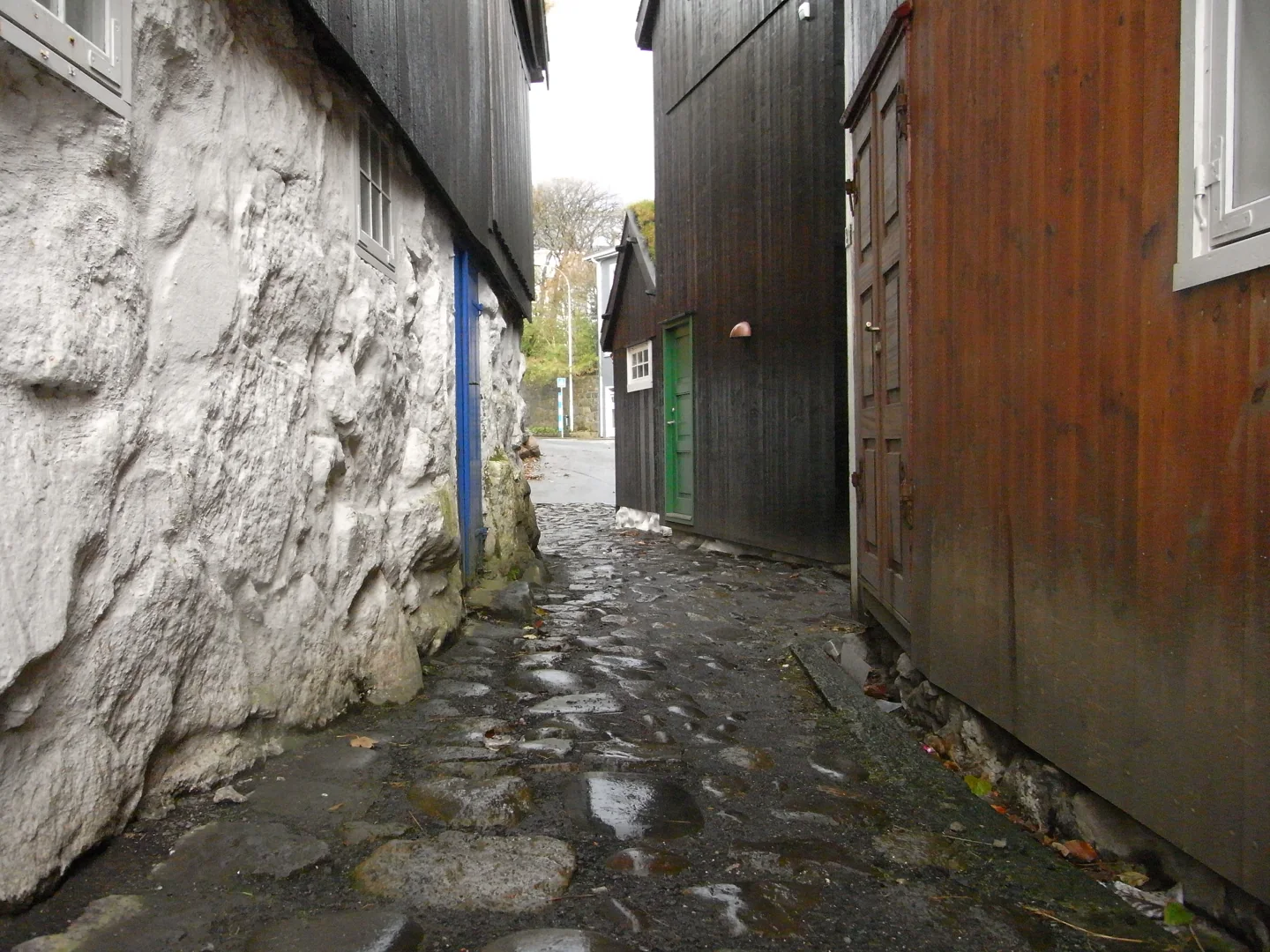
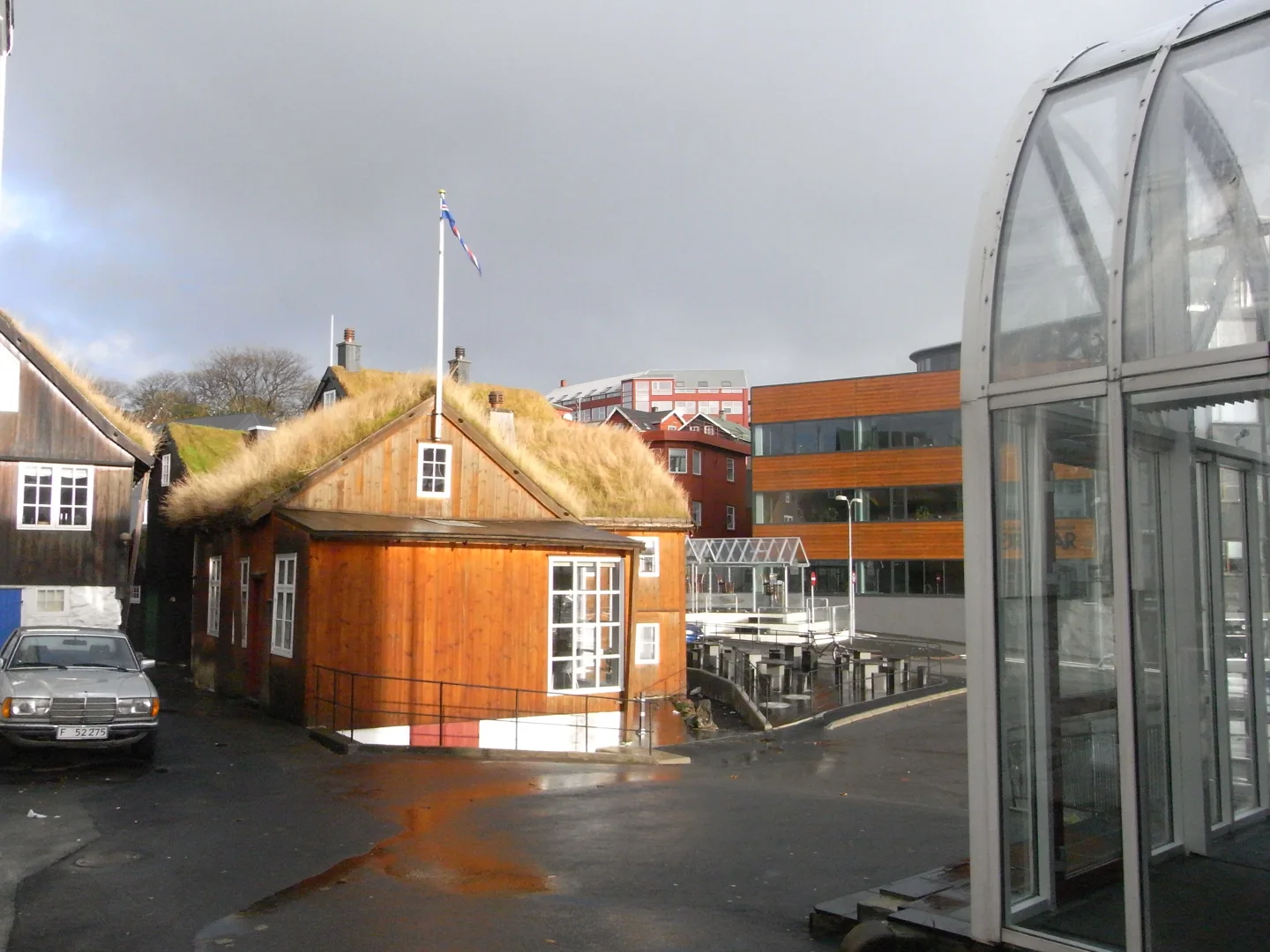
In Tórshavn, use the municipal International House as a starting point for newcomer services and community information. Keep the practical housing search separate from a walk around Tinganes or the old lanes: seeing the historic centre does not mean that its pictured homes are available to rent.
Obtain a temporary or permanent address that can support the registration process. Before paying, establish who owns or is authorised to let the property, what is included and how the handover will be arranged.
02Choose permission according to nationality and activity
The Faroe Islands are outside the EU and Schengen area. A Danish or other Schengen residence document does not automatically authorise moving or working there. Start with the Faroese Immigration Office, Útlendingastovan, which took over new residence and work applications in 2024; older Danish application pages can still contain a superseded workflow.
- Danish or other Nordic citizen: citizens of Denmark, Finland, Iceland, Norway and Sweden can live and work without an ordinary residence or work permit. The Nordic rules still distinguish a non-Nordic family member, who needs the appropriate family application.
- Other EU citizen: investigate the local EU scheme. EU free movement does not apply automatically; the employer and scheme conditions matter.
- Third-country worker: use the employment route or a qualifying Fast Track employer. British applicants are not included in the EU scheme simply because they once were.
- Student: obtain accredited admission and use the separate higher-education residence process where required.
Use the current local forms directory: it distinguishes AR 1, AR 5, AR 8 and AR 9 work applications and the family forms. Do not use an old FO 1 reference without comparing it with the current directory.
Resolve travel permission separately. The official visa page explains that a visa for Denmark or another Schengen country is not itself valid for the Faroes. A route through Denmark may require both travel permissions, while Faroese residence does not provide a general right to settle in Denmark. Identify the needs of every passport in the household, including children.
03Agree the job and test the household's sponsorship requirements
Ask the employer which scheme it is using and whether its approval applies to that scheme. Pre-approval for the EU scheme is different from Fast Track approval. Confirm the job description, weekly hours, salary, holiday entitlement and notice before the application is signed.
- For the standard third-country route, prepare the passport copies, signed contract, job description, qualifications and any professional authorisation listed by Útlendingastovan. The standard route normally requires full-time work of 40 hours weekly, and its contract requirement specifies a document no more than 30 days old.
- Have the employer complete its part of the current form, then complete yours and submit the parts together through the official procedure.
- Establish when you may start: a qualifying EU applicant at a pre-approved employer, with the required average of at least 30 hours weekly, can begin on the scheme's notification/application conditions; a Fast Track applicant must receive the permit first. These rules are not interchangeable.
- Obtain a decision on any side job or changed appointment before assuming the existing work permission covers it.
For a worker's accompanying family, compare the sponsor's own gross monthly earnings with the 2026 requirements:
| Applicant situation | Published sponsor income |
|---|---|
| Spouse or cohabiting partner | DKK 38,629.06 monthly. |
| Partner and one accompanying child under 18 | DKK 44,343.88 monthly. |
| One accompanying child under 18 | DKK 31,710.81 monthly. |
Additional-child calculations and caps are on the same authority page; the Sports Agreement has a stated exception. These are eligibility amounts, not an estimate of household living costs. Supply the sponsor's employment evidence, relationship documents and the required payslips where already working.
An accompanying-family permit can authorise work, but a visitor's permission does not create a remote-work settlement route. For a business or overseas employer arrangement, obtain the applicable immigration decision and tax treatment before moving operations to the Islands.
04Budget the first payments and calculate tax for your municipality
Use DKK and keep the costs of housing, energy, connectivity and travel separate from payroll deductions. Ask for a payslip illustration tied to your municipality and actual benefits. A single national “expat budget” cannot account for the home, heating system and island journey you choose.
| Item | Verified figure or method | Scope |
|---|---|---|
| Ordinary electricity | DKK 2.325/kWh plus DKK 850 annual fixed charge. | SEV prices from1January2026, VAT included, ordinary annual usage up to 10,000 kWh. |
| One Føroya Tele 5 GB mobile plan | Published DKK 147 monthly. | September2026 price notice; this single-plan price remains unchanged in its November table. |
| One unlimited Føroya Tele plan | DKK 287 currently; DKK 297 from 1 November 2026. | Same notice; effective dates matter. |
| Adult Nema 5 GB plan | Published DKK 149 monthly. | Adult age25+ plan, checked 13 October 2026. |
| Rent and deposit | A dated property offer and the applicable escrow arrangement. | No national rent average is asserted. |
| Initial move | Travel, authentication, freight, insurance, deposit, equipment and connections. | Obtain quotes and agree what the employer reimburses. |
A hypothetical 300 kWh month at the ordinary SEV rate costs DKK 697.50 for energy. Adding one-twelfth of the annual charge gives a monthly budgeting equivalent of about DKK 768.33. It is a calculation, not a sample bill; heating, consumption bands and the tenancy's allocation of charges can change the result.
TAKS distinguishes national and municipal income tax, with other contributions. Its 2026 table includes 12% mandatory pension and 0.6% unemployment contributions for the applicable categories, alongside health-insurance charges. Avoid an older moving page's pension or contribution table when assessing a 2026 payslip.
Under the moving-for-work rules, moving your permanent residence or exceeding 180 days in a 12-month period can establish full tax liability, including foreign income. A short assignment without transferring the permanent address has different treatment. Ask TAKS to resolve your category before treating a foreign salary as exempt. Foreign-employer or self-employment income can require a preliminary assessment and monthly tax payments rather than local payroll withholding.

05Arrange the school placement and check the actual study programme
Begin with the municipality for school placement, then contact the institution handling the child. In Tórshavn, Skúlin á Fløtum is a named school starting point; in Klaksvík, the municipality's school service identifies Skúlatrøð and its provision. An institution's name on a list does not establish that you can select any catchment or arrive without registration.
- Give the municipality the child's age, current schooling, address and intended arrival.
- Prepare previous reports and any learning-support assessment for the receiving school.
- Discuss Faroese-language support and how the transfer fits the year group. Ask what the school needs before the first attendance day.
- For younger children, investigate nursery or kindergarten waiting lists before arrival. Coordinate after-school care with the adults' hours.
- Confirm the school journey and the equipment or clothing requested locally.
For university study, investigate the University of the Faroe Islands programme itself: teaching language, entry qualification, intake and tuition category. Do not assume that an English university website means every degree is taught in English or free for every nationality. For example, its Faroese language and literature degree publishes Faroese-specific entry requirements and says the next offer will be announced on 1 March 2027.
Where a student permit is required, the immigration process needs accredited full-time admission, language ability and evidence of support. The published student work allowance is up to 15 hours weekly from September to May and full-time during June, July and August. A full-time internship needs its applicable additional permission before it begins. The institution completes part 2 of the current AR1 application. Admission, a part-time earning plan and a residence permit are separate matters.
Keep the admissions decision, fee information and immigration evidence together. Obtain a specific accommodation confirmation rather than interpreting a university application as a reserved room.
06Confirm the residence basis and pension arrangements before retiring
For Nordic citizens, the free residence rules make a retirement move a different question from a sponsored third-country appointment. For others, the reviewed routes do not establish an ordinary retirement visa granted simply for a pension or property purchase. Identify the applicable residence basis with Útlendingastovan before committing to an indefinite move.
- Confirm whether your nationality or family circumstances provide a residence route and which family members need their own applications.
- If already resident on employment permission, obtain a decision on what happens when the job ends. Do not assume that a pension replaces the original sponsorship automatically.
- Request forecasts and payment instructions from your existing pension provider, including tax and currency-transfer treatment after relocation.
- Arrange suitable insurance and continuing treatment before relying on the resident-health start date.
- Keep a return-travel and housing plan if permission is temporary.
Faroese payroll can include different pension-related contributions. The current TAKS information distinguishes mandatory pension saving from the labour-market pension contribution; ask the employer and pension institution which account receives each payment. A short contract does not mean these sums are an ordinary cash deposit available immediately on departure.
For a foreign pension, ask TAKS how it is declared after a move that establishes full tax liability. Obtain a calculation for your income and municipality rather than assuming the withholding performed in the previous country settles the Faroese position.
A home purchase is a housing transaction, not evidence that the required immigration approval has been obtained. Resolve residence and the longer-term household budget first, then seek the advice needed for a purchase.
07Prepare the records, removal declaration and pet permit
Make a separate document checklist for the worker, partner and each child. Include passport copies, approvals, employment or admission records, civil-status evidence and the address information. Use the current application directory and retain complete copies of what is submitted.
- Obtain the translations and authentication required by the actual application. Keep the job contract current enough for its route, and resolve different name spellings before submission.
- For accompanying children, assemble birth, custody and any required other-parent consent evidence. A household booking does not replace the family application.
- For belongings, use the TAKS moving declaration. The relocation exemption requires a genuine transfer of domicile, municipal proof and goods owned and used by the household for at least six months that will continue in household use.
- Arrange an inventory and clearance instructions with the freight company. The entitlement expires a year after the move; food, tobacco and alcohol are not ordinary exempt removal goods.
- Discuss a vehicle separately, including its ownership, personal-use conditions and local registration. Do not treat every car purchase as a tax-free removal item.
Dogs and cats may be imported by residents or people actually moving, under the animal-import rules; short imports under three months and transit arrangements are prohibited. Contact the veterinary authority before booking and prepare the permit, certificates and treatment schedule it specifies.
The authority's cat instructions for the listed departure countries require the permit application at least six business days before departure and the health certificate two business days before departure. These are cat-specific instructions, not a universal dog's checklist. Give the authority the departure country, species and itinerary so you can obtain the correct file.
Carry approvals, essential medicine and first-week work or school items with you. Arrange access to copies even if your phone or checked baggage is unavailable.
08Arrive with the right permission and a working first-week plan
Carry the passport and the decision matching your stay, together with the employer or institution contact and the accommodation details. Resolve the entire flight or ferry itinerary, including any Denmark or other Schengen leg, using the separate travel-area rules. Permission for one part of the journey does not establish permission for the other.
- Meet the agreed transfer or follow the booked onward connection. Tell the accommodation contact about a delay, particularly if another island connection is involved.
- Complete the entry procedure for your actual passport and permission. Retain the approval, arrival date and any record supplied.
- Take possession of the temporary or permanent home and obtain a copy of its address evidence.
- Establish a local phone connection or a reliable way to receive appointment messages. Save the employer, accommodation and municipal contacts offline.
- Arrange the municipal registration visit promptly, using the applicable five-day deadline rather than waiting for the first payday.
The Tórshavn entry instructions describe registration in person. For non-Nordic movers from a non-Nordic country, the deadline is within five days of moving or receiving the required permits; the published Nordic duration conditions also matter. Use the corresponding municipality if the home is in Klaksvík, Runavík or elsewhere.
Schedule the first work or school appointment around these tasks. Ask the sponsor to confirm whether it needs the municipal number before processing salary or other paperwork. Keep the temporary home valid long enough to complete the transition to a permanent tenancy.
For the first few days, plan meals, transport and access to essential medication without depending on an account, app or connection that is still being activated. That is a practical arrival budget, not a reason to delay the official registration.
09Register the address and activate p-tal and Samleikin
The municipal resident number, p-tal, connects many everyday services. It is separate from immigration permission. Follow the municipality's civil-registration process with passport, applicable residence evidence and the address documents requested. A previous Faroese resident normally has an existing number to reactivate rather than a new identity to create.
- Attend the registering municipality and confirm the names, household members and move date recorded.
- Obtain the p-tal and retain the registration evidence. Give it to the employer or institution through its official process.
- For a short assignment without transferring residence, ask TAKS about the temporary p-tal needed for wages. A temporary tax number is not a substitute for registering a real permanent move.
- Set up Samleikin once eligible. It requires a Faroese p-tal and age 13 or over.
- Use the official service links for Vangin and digital post, then test that you can receive and read notices.
For a foreign passport, the online Samleikin process uses a witness who meets its identity, p-tal and age conditions. Submit the witness statement before booking the video meeting with the service. The published online exclusions for passports from Cuba, Iran, North Korea and Syria require an in-person arrangement. Use the service contact1881, or +298351881 for the appointment and directions.
Store the number and credentials securely. They should be usable by you without sharing a bank or identity password with an agent. If the home changes, report the move within the municipal deadline and update services; the address used for official post needs to remain a place where you actually receive notices.
10Open the account and arrange salary and overseas payments
Contact the local bank before the first salary is processed. Betri Banki's English service explains its options for foreign passport holders, including temporary-customer arrangements, cards and Netbankin. Ask for the current checklist and charges for your status; an account intended for another customer category may have different requirements.
- Prepare passport, p-tal, address, legal-status and employment information for the bank to assess. Obtain confirmation of the additional evidence it needs before an appointment.
- Explain the expected salary, transfers and source of larger funds. Keep documents for incoming savings or a property-related payment.
- Arrange the account, card and digital access needed for local payments. Confirm how a card is activated and what to do if it is lost.
- Test a small incoming amount and a payment before depending on the account for rent or the first salary.
- Give payroll verified account details through the employer's process, checking the first payment against the payslip.
For overseas transfers, Føroya Banki's published transfer instructions show the information normally needed: recipient, bank, account or IBAN, BIC/SWIFT and the choice about who bears the charges. Obtain the actual quote and recipient instructions; the sending fee alone does not identify every correspondent or receiving charge.
Keep everyday payments separate from the tenancy deposit. A rental escrow arrangement has its own documents and release conditions; it is not simply another transfer to an owner's spending account.
For online card payments, use the bank's activation and verification instructions. Retain a second payment method while the local card is being arranged, and use the official bank contact to resolve a problem instead of giving credentials to someone who offers to complete the setup for you.
11Use the standard lease and put the deposit in escrow
Inspect the actual home and record what comes with it. Test heating, hot water, ventilation, sockets and reception. Look for damp and ask about the heating system, electricity account, furnishing and recurring service charges. Compare the total housing cost and commute, rather than advertised rent alone.
For tenancies covered by the Faroese rental law, the landlord must use the standard written lease and move-in condition report. The deposit is capped at three months' rent and normally held in the landlord's bank escrow account under a deposit agreement, subject to the law's specified exception. This differs from casually paying a security sum into a personal spending account.
- Obtain the Rental Board's English lease and deposit documents or the applicable standard forms.
- Check the owner or agent's authority and specify the property, rent, term and permitted household.
- Allocate heating, electricity, water or other services and identify any furniture in writing.
- Inspect jointly and complete the condition report with both signatures. Keep a copy and dated photographs.
- Arrange the escrow agreement and retain the payment evidence, along with the release procedure.
Scope matters: the law excludes an agreed fixed short stay of up to three months ending at its stated date. A holiday booking and a covered residential tenancy should not be treated as identical contracts.
The Rental Board's tenant guidance explains a tenant's one-month notice to the end of a calendar month: notice on 30 May leads to 30 June, while notice on 1 June leads to 31 July. Give notice in writing with a date and keep proof of delivery. For employer-linked housing, also resolve what happens if employment ends.
If a dispute arises, assemble the lease, condition report, deposit agreement and correspondence for the Board. A record made at handover is more useful than trying to reconstruct the home's condition months later.
12Confirm the coverage date and choose the local doctor
Separate hospital entitlement from the practical choice of doctor and the cost of services. The Faroese Hospital Service's patient-rights page gives the usual free-hospital-care position after six weeks of permanent legal residence on the national register with a p-tal. People moving from Denmark or Greenland receive those hospital rights from registration. Do not apply one waiting period to every arrival.
- Before departure, establish insurance for any gap, journey or service outside your entitlement. Give the insurer your actual residence plan and itinerary.
- Obtain confirmation of the applicable start date and retain the municipal record.
- Follow the doctor-selection notice and use the Heilsutrygd provider directory. Select kommunulækni for a GP and the geographical area for the home.
- Arrange a first appointment for continuing treatment, taking prescriptions, previous reports and monitoring information.
- Establish how specialist referrals and medication costs are handled. Heilsutrygd's contracted services can be covered in whole or in part; private treatment is not automatically all free.
The health-insurance premium for applicable adult residents is DKK 175 monthly plus 0.7% of taxable income. It is collected through eligible payroll or by bill where needed. Check the actual notice rather than assuming an absence of salary also means an absence of contributions.
For urgent care that cannot wait for the normal GP, the hospital's Læknavaktin1870 service says to call first and provide name and p-tal;112 is for an emergency. Save the contacts with the home address and medicine information.
The Hospital Service also describes specified reciprocal urgent-care rights for eligible Scandinavian and British residents. Those visitor arrangements should not be treated as a complete substitute for the household's resident, travel and ongoing-care plan.
13Connect the home and build the actual travel routine
Ask the broadband provider to assess the address and quote connection, equipment, recurring charges and the contract term. Compare Føroya Tele's dated prices with the actual Nema plan, including any age or household conditions. The announced 1 November 2026 changes affect some plans; a quotation for the move should show which date's charges apply.
- Register the chosen mobile service in your own name and test reception at the home and workplace.
- Confirm broadband installation and cancellation terms. Nema's published terms specify a six-month minimum for new broadband connections from January 2026.
- Record the electricity meter at handover and identify who holds the SEV account. Allocate the fixed charge and consumption according to the agreement, including any distinct heating arrangement.
- Arrange payment for the services assigned to you and retain the first bills for the budget.
- Practise the full commute, including the walk to the stop and any transfer. Save an alternative for a changed departure or a late finish.
For regular regional travel, investigate SSL's commuter and value cards. The DKK 50 amount on its page is the physical card cost, not an all-in monthly travel fare. The Monthly Card is personal and valid for 30 days from the first trip; ask for the charge covering the actual route. A Value Card has its own loading range and discount rules.
For school travel, apply through the school for any eligible card and wait for approval. The operator's school-card provision is not a promise of free travel for every child and every journey.
Use live ferry and bus information when arranging appointments on another island. If you drive, resolve the applicable licence and vehicle registration with the responsible authority and obtain the actual toll and parking costs for the route before choosing a long-term car arrangement.
14Finish the first month and settle into a repeatable routine
Use the first month to check that the administrative sequence has worked. Registration should lead to the correct identity record, that record should support the services you need, and the first salary and bills should match the arrangements you agreed. Keep a list of outstanding tasks with one responsible person and a date for each.
- First five days: complete the applicable municipal notification, confirm the address and progress the p-tal.
- First two weeks: finish the bank file, arrange digital access, check payroll and contact the receiving school or childcare service.
- Before the first full month ends: review the lease and escrow records, the health start date and the actual service bills.
- For the following months: learn the work and school routines, monitor your tax category and plan travel around the current island connections.
- Before a permit expires: prepare the relevant renewal with the employer or institution. A continuing job or course does not renew the document by itself.
For community, investigate the International House's newcomer activities, municipal services and groups around your interests. A language course, school contact or regular local activity helps you develop practical Faroese alongside the places you already use. Ask about the next actual course or event rather than assuming an old programme date is still open.
Compare receipts with the original budget, keeping deposit, connections and purchases separate from recurring expenditure. Recalculate the commute and heating if the permanent home differs from the first address. Check that official post reaches you and that notices in digital services are being read.
Keep permit, passport, tenancy, insurance and contract dates separately. Discuss extended absences with Immigration where the residence basis requires it; a visit to Denmark is not automatically local residence for that purpose. The household should know how to continue the routine and find essential records even when the main organiser is away.
Sources & further reading
Reviewed 13 October 2026. Sources are linked beside the relevant instructions. Primary immigration, municipal, tax, rental, health and service-provider sources are linked beside the instructions. Nordic, EU-scheme, Fast Track and third-country applicants follow different rules. Hospital coverage includes the specific Denmark and Greenland exception. SEV figures are effective from 1 January 2026. Føroya Tele prices distinguish current charges from the announced 1 November 2026 changes. Family income thresholds apply to the sponsor and are not living-cost estimates. Household calculations are hypothetical. Photograph credits, licences and capture years appear with the images.
Browse the source directory
- Útlendingastovan — Faroese Immigration Office
- Útlendingastovan — Nordic citizens
- Útlendingastovan — visas and travel areas
- Útlendingastovan — third-country work application
- Útlendingastovan — pre-approved employer EU scheme
- Útlendingastovan — Fast Track
- Útlendingastovan — current application forms
- Útlendingastovan — accompanying family
- Útlendingastovan — higher education residence
- Tórshavn Municipality — report your entry
- Tórshavn Municipality — Faroese p-tal
- Tórshavn — International House
- Samleikin — foreign passport activation
- Samleikin — service and contact
- TAKS — taxation and 2026 contributions
- TAKS — moving for work and temporary p-tal
- TAKS — national health insurance payments
- SEV — electricity prices from 1 January 2026
- Føroya Tele — current and November 2026 prices
- Nema — mobile plans
- Nema — connection and contract terms
- Skúlin á Fløtum — official school
- Klaksvík Municipality — Skúlatrøð and school entry
- University of the Faroe Islands
- University — BA Faroese language and literature
- TAKS — moving belongings to the Faroes
- TAKS — importing animals
- Food and Veterinary Authority — cat import instructions
- Lógir — consolidated residential rental law
- Rental Board — English lease and deposit documents
- Rental Board — tenant information
- Betri Banki — services for foreign passport holders
- Føroya Banki — international transfer instructions
- Faroese Hospital Service — patient rights
- Heilsutrygd — provider directory
- Hospital Service — Læknavaktin 1870
- Strandfaraskip Landsins — routes and departures
- SSL — commuter and value cards
Make your next step a practical one
Match the workplace and home, establish the household’s immigration route, then arrange municipal registration and the services that depend on a p-tal.




