 Visa
Visa
Moving & Living - Fiji - Complete Guide
Move to Fiji in 14 practical steps: choose Suva or Nadi, apply for the right permit, budget for schools, get a TIN, rent a home and arrange banking, healthcare and transport.
Photo credit
Life in Fiji can mean a Suva office and a bus ride through the capital, a Nadi school run near the airport, or a home in Labasa on Vanua Levu. Choosing between them changes your access to work, education and medical care. This guide follows the move in order: establish a lawful route, prepare the household, arrive with the right papers and build the everyday services that make a home workable.
Fiji at a glance
- Capital
- Suva
- Main island bases
- Suva, Nadi and Lautoka · Viti Levu
- Northern bases
- Labasa and Savusavu · Vanua Levu
- Currency
- Fiji dollar · FJD
- Languages
- English, iTaukei and Fiji Hindi
- Permit service
- Ministry of Immigration · ImmiHub
- Tax registration
- FRCS · TIN through TPOS
- Bus payments
- eTransport card or supported app
- Review
- 13 October 2026
Follow your moving journey
Start at step 1, or jump to the task you are working on.
01Choose the island, town and daily journey
Start with the location of your job or course. Suva and Nadi are on Viti Levu; Labasa and Savusavu are on Vanua Levu. An attractive property on another island introduces an additional journey into ordinary appointments, school attendance and deliveries. Make that connection part of the decision before comparing houses.
| Base | Useful starting points | What to test before choosing |
|---|---|---|
| Suva | Central offices; Laucala for USP; Laucala Beach for International School Suva | The actual office and school run, rather than distance on a map |
| Nadi | Nadi town, Namaka, Martintar and the International School Nadi area | Access to the airport, workplace and school; road and drainage conditions at the property |
| Lautoka | A separate western city and USP campus | Whether your work is here or requires journeys towards Nadi |
| Labasa or Savusavu | Northern towns, with USP Labasa and its Savusavu centre | Course delivery, healthcare needs and the cost of off-island appointments |
Use the university’s campus directory, Suva school address and Nadi school information to locate real destinations. For a Suva search, include Tamavua and Lami as inspection areas, then assess the complete journey from each candidate home. These are starting points, not promises of suitable housing.
- Mark the workplace, school and likely clinic first.
- Choose temporary accommodation close enough to inspect homes and travel the route at the times you will use it.
- Ask about water storage, power arrangements and flood history during each viewing. Photograph access roads as well as rooms.
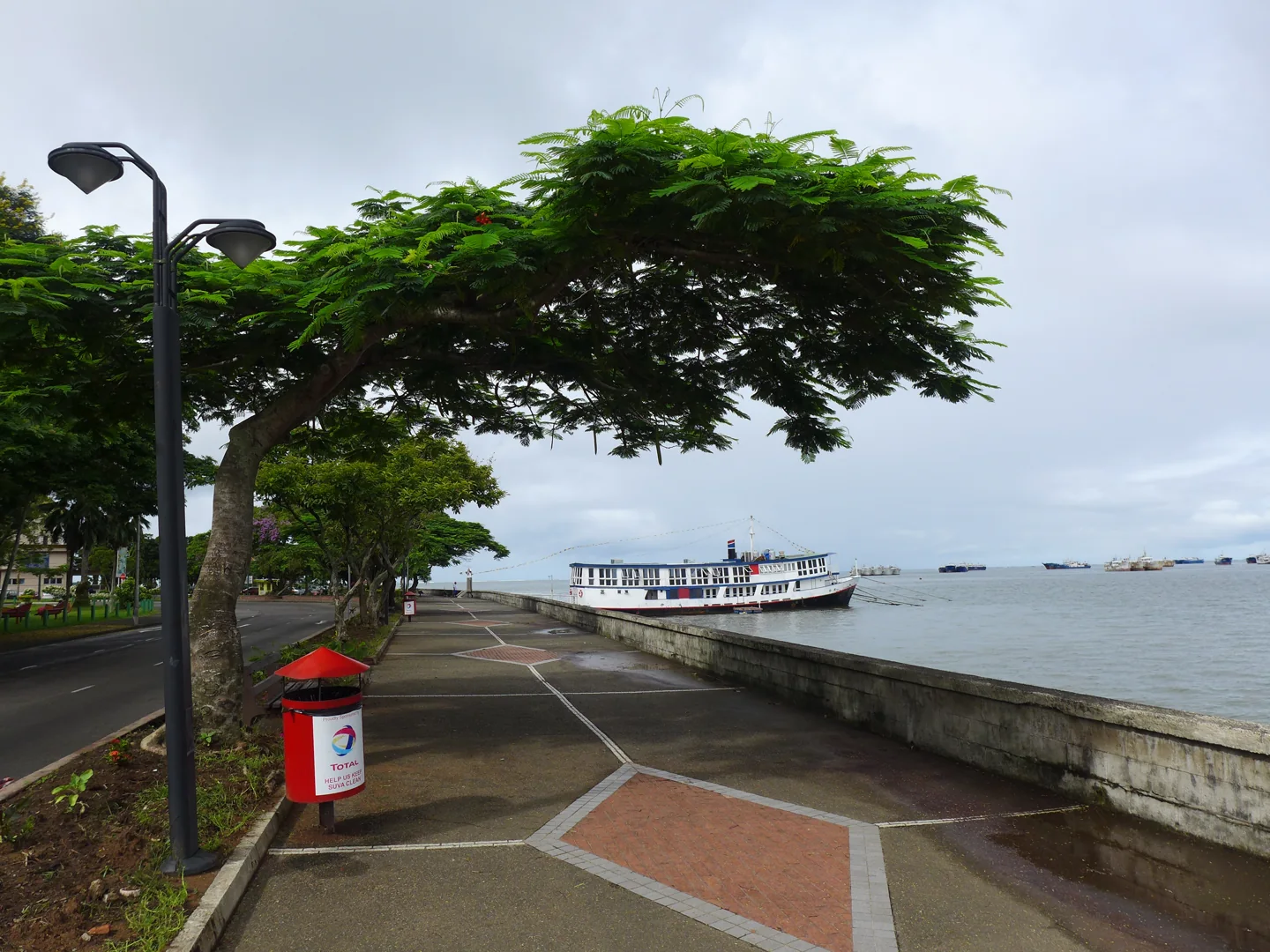
02Select the permit before booking the move
A visa is permission to travel towards Fiji’s border; a residence or work permit serves a different purpose. Nationality-based visa exemption does not grant permission to live indefinitely, study or earn a living. A visitor permit can last up to four months, but cannot be used to look for employment or work.
| Purpose | Application to investigate | Main dependency |
|---|---|---|
| A local job | Long-term work permit | Employer and contract; normally apply from outside Fiji |
| A limited specialist assignment | Short-term work permit | Up to one year; no extension or dependants under this route |
| Secondary or tertiary study | Student permit | Institutional admission and the applicable fee/exemption category |
| Living on overseas means | Assured-income residence | Age and financial conditions; no work or business permission |
| Operating an investment | Investor permit | Company, tax and investment documentation |
For a new long-term employment application, the current service requires an application outside Fiji, with specified exceptions including a spouse of a Fijian citizen or a valid short-term work holder. A holiday arrival is therefore not a practical substitute for arranging the job and approval beforehand.
- Open the relevant current service and make a checklist for your nationality, purpose and household.
- Use the linked ImmiHub portal to submit the matching application; retain the receipt and file reference.
- Resolve accompanying-family applications before purchasing travel for everyone. Short-term assignments have different family rules from long-term employment.
If your nationality requires a pre-entry visa, arrange it before travel as well. Immigration’s travel FAQ explains the letters and evidence to carry.
03Agree the job, project or business before travelling
For a local job, ask the employer for a contract that names the role, workplace, remuneration and duration. Obtain a written breakdown of accommodation, relocation, medical insurance and school support. A salary comparison is incomplete if one offer includes a house and another requires you to fund the lease yourself.
The current work-permit directory separates ordinary employment from specialist and other categories. Assemble the employer’s supporting papers alongside your qualifications, experience and personal documents. Professional roles may also require endorsement by the relevant local body. Ask who is responsible for obtaining that endorsement and when it must be supplied.
Match foreign employment to the actual route
The overseas-employer permit concerns an overseas company’s work connected with a local company or project. It is not a general permission to bring any remote job to Fiji. The published route is limited to one year, with no extension or dependants. Before planning a laptop-based relocation, describe the work, clients and local connection to Immigration and obtain a category decision.
Set up an investment in the right order
The investor checklist asks for company registration, a company TIN, proof of available funds, Reserve Bank confirmation of share issuance and relevant sector endorsements. Prepare the business and immigration files together; owning shares does not by itself complete the residence process.
- List the intended business activity and identify its sector authority.
- Obtain company registration and tax documentation, then resolve the shareholding and funding evidence.
- Submit the investor file with the required personal and household documents. The stated new application fee is FJD 650.05; issue and bond charges are separate where required.
Keep your permitted activity in writing. An accompanying spouse who wants a job needs a work-authorising status of their own.
04Build an arrival fund and a recurring budget
Use Fiji dollars throughout the working budget and keep exchange-rate assumptions in a separate column. Collect a rental quotation for a specific property, a school fee classification, shipping and insurance quotes, and the employer’s benefit schedule. Resort holiday spending and a resident household’s bills answer different questions.
| Verified item | Price and scope | How to use it |
|---|---|---|
| Long-term work application | FJD 650.05; current Immigration service, reviewed 13 October 2026 | Principal application; the service separately lists FJD 185 per dependant |
| Non-exempt student category | FJD 321; current student service | Use the institution/category decision; exemptions exist |
| Vodafone Giga35 | FJD 35 VAT-inclusive; 225 GB for 30 days, reviewed 13 October 2026 | A mobile-data example, not a home broadband quotation |
| ISS expatriate Years 1–5 | FJD 37,356 annual tuition in the 2026 Suva schedule | Add enrolment, building levy and applicable extras |
| ISN international PYP 1–2 | FJD 14,535 annual comprehensive fee in the 2026 Nadi schedule | Add development, enrolment and security charges as applicable |
Prices come from Immigration, student fees, Vodafone, ISS and ISN. Do not add a generic permit issue fee to a category total twice; request the itemised payment instructions.
For recurring spending, make rows for rent, food, electricity, water, phone, transport, insurance, education and overseas transfers. Separately reserve cash for temporary accommodation, travel, certification, shipping clearance, rental bond and household equipment. For illustration only, rent of FJD 2,000 a month plus a negotiated FJD 1,500 bond means FJD 3,500 at handover if one month is prepaid. Those numbers are hypothetical, not a Fiji rental estimate.
Discuss tax classification and overseas income with FRCS before fixing your net-income figure. Use its current amendment directory and taxpayer service rather than assuming that foreign salary or pension is outside Fiji taxation. The current VAT guidance records the 12.5% rate effective from August 2025; separate tourism taxes concern specified operators. For covered FNPF members, employer and employee contributions are each 8% from August 2026. Have payroll establish whether membership or an exemption applies to you.
For salary earners, FRCS explains when a personal return is required despite payroll withholding. Its listed cases include working for only part of the year, multiple employment and overseas employment, making the arrival year worth reviewing. Keep the foreign and Fiji payslips and withholding records together. When a return is required, the published TPOS sequence is Request → Income Tax → Request to File Personal Income Tax Return.

05Secure the school place or university offer
Choose the institution before choosing the final home. International School Suva is at Laucala Beach and follows a January–December school year. International School Nadi uses a two-stage enrolment process. Start with ISS admissions or ISN enrolment, supplying prior reports, passport and birth records, learning-support information and the requested immigration evidence.
Primary-age children need special attention. Immigration does not accept standalone student-permit applications for Years 1–8. Arrange the appropriate family residence or exemption status and obtain confirmation that it supports the child’s schooling. A school’s general request for a “student permit” does not override this restriction. For an international secondary or tertiary applicant, the current student service says the first application is to be made outside Fiji.
Compare the whole 2026 school bill
For a new ISS child in expatriate Years 1–5, the published figures give FJD 37,356 tuition + FJD 12,000 one-off enrolment + four FJD 1,750 building levies = FJD 56,356 for a full first year before extras. This is a calculation using the 2026 FJD schedule, not a quote for every foreign family; local and expatriate classifications differ.
For a new first child in ISN international PYP 1–2, FJD 14,535 comprehensive fees + FJD 4,500 enrolment + FJD 2,205 annual development + FJD 250 refundable security = FJD 21,490 before applicable extras. The fee schedule and payment policy explain siblings, optional activities and support costs. The comprehensive fee includes specified school activities; do not add those again from an older summary.
For university study, use USP Student Administrative Services to select the programme and next available intake, provide transcripts and obtain the admission documentation. Confirm the campus and delivery mode: Labasa and Lautoka are distinct from Laucala in Suva. An online course listing is not a promise of face-to-face delivery or university accommodation.

06Establish assured-income eligibility before transferring money
Fiji has an assured-income residence application for applicants aged 45 or older with overseas means. This is a non-working route: it does not authorise employment or operating a business. Compare access to prescriptions, specialist care and family travel alongside the preferred town before making the financial commitment.
- Prepare evidence of overseas resources, such as the requested bank statements and pension documentation. Set out who will be supported by that income.
- Collect the personal, medical, police and relationship documents on the service checklist. Resolve any separate accompanying-person application.
- Obtain written clarification of the remittance/property condition before moving capital.
The current page describes an initial six-month permit and a further two-and-a-half-year period after meeting a “$100,000” remittance and/or equivalent property condition. It does not label that amount’s currency. Ask Immigration to confirm the currency, accepted evidence and treatment of your proposed property transaction before transferring money. The stated application fee of FJD 650.05 is a separate charge, not the remittance.
Make a pension payment plan with both banks: frequency, transfer costs, exchange spread and the balance retained abroad. Ask FRCS how the particular pension and any other investment income should be declared. Keep enough readily accessible money for medical and travel costs while the banking arrangements are being completed.
Property ownership and residence permission are separate decisions. A house purchase should follow independent advice about title and transaction conditions; it should not be treated as proof that the immigration application will succeed.
07Prepare certified papers, cargo and the pet plan
Create one folder per person, plus a household folder for relationship records, admission letters and accommodation. Keep originals accessible during travel and name digital copies clearly. Obtain certified English translations where the application requires them; an ordinary photograph of a certificate is not a certified copy.
Use the current forms and checklist directory for the selected route. Time short-validity items around the submission date rather than ordering everything months in advance. The long-term work checklist, for example, distinguishes recent medical and photographic evidence from police reports. The employer should confirm that both sides of the file are ready before you commission the final examinations.
Pack for clearance
Give the shipper a box-by-box inventory. Under BAF’s moving instructions, clean goods and declare plant, animal and other regulated materials. Pay particular attention to gardening equipment, outdoor shoes, wooden items and food. Label boxes so the packing list identifies where an inspector will find the relevant contents.
Ask for a quote that separates freight, destination handling, storage, customs brokerage and inspection-related costs. Biosecurity clearance is a distinct task; a customs concession does not remove inspection. Arrange who will receive notices and clear the cargo if it arrives before you.
Arrange pets before the flight
BAF’s animal guidance identifies established pet pathways for cats and dogs, with conditions depending on origin and species. Use its official import notice to obtain the relevant requirements and permit. Coordinate tests, veterinary certification, any quarantine arrangement and airline acceptance as one timetable. Do not book an ordinary passenger arrival and assume the animal can accompany it without prior approval.
08Arrive with the permit letters and settle the first night
Pack passports and immigration letters in hand luggage, together with accommodation details, contact numbers and supporting travel evidence. Immigration’s FAQ calls for a passport valid for more than six months and the appropriate visa or permit letter. Visitors must also be prepared to show return or onward arrangements and funds; do not apply visitor assumptions to a different permit category without reading its conditions.
- Complete both sides of the arrival card and present the papers appropriate to your purpose.
- Follow the customs and biosecurity declaration channels. Under FRCS arrival guidance, currency of FJD 10,000 or more, or its foreign equivalent, is declarable.
- Keep medicines in their identifiable packaging with the supporting prescription or medical evidence. Resolve restricted items before packing them.
- After clearance, travel to the booked address and send the arrival details to the employer or institution handling your file.
Record what was actually granted: entry date, expiry and any conditions. Photograph the relevant passport pages and save the approval letter alongside them. If a date or purpose appears inconsistent with your approval, resolve it with Immigration before commencing the affected activity.
For the first day, prioritise communication, food, transport and rest. Keep enough Fiji-dollar payment capacity for small purchases while the local account is pending. Carry the full temporary address and a landmark for the driver. Reserve property inspections for a time when you can examine the building, access and services in daylight.
09Complete the tax and household registration sequence
Your immigration file and your tax account are different records. The FRCS Tax Identification Number, or TIN, is particularly useful because banks and utility applications ask for it. Start the tax task early rather than waiting until the first salary payment.
- Start from FRCS’s registration page and its TPOS service link, then select the new-taxpayer process appropriate to an individual.
- Follow the TIN documentation guidance for your classification. Prepare the requested identity records; non-resident documentation includes a certified passport bio page, and foreign students have institution-specific evidence.
- After issuance, download the TIN letter from the portal’s Correspondence area and keep a copy for banking and service applications.
- Give payroll the necessary tax details and obtain confirmation of the next salary and withholding arrangements.
At this review, the direct TPOS portal returned an unavailable-page response. The linked FRCS registration page remains accessible; use its current service entry and contact FRCS if access is still unavailable, rather than opening an account on an unofficial tax site.
If FNPF membership applies, coordinate the employee registration with the employer. The process uses the employee form and identity/TIN documentation. Non-citizen exemptions mean membership should be established for the actual case rather than assumed for everyone arriving with foreign income.
Review the family file separately. A co-extensive residence permit cannot run beyond the principal permission and does not independently authorise work or business. Older fully dependent children and de facto partners may require their own applications and evidence. Build a calendar for every passport, permit and school status, not just the principal applicant.
Use the permit-letter verification service where relevant. Keep any outstanding Immigration request beside the application receipt, with the person responsible for answering it clearly identified.
10Open the local account and test regular payments
Choose the bank for the services you will use: salary deposits, branch access, card purchases, overseas receipts and online payments. Ask for the account’s fee sheet and eligibility checklist for your immigration status before attending. A foreign bank card is useful during setup, but its charges may make it expensive for recurring spending.
Westpac Fiji’s account-opening instructions provide a concrete starting point: complete the form and bring photo identification, residential-address evidence, income evidence and the TIN. A tenancy agreement is one listed address document. Ask how to evidence your temporary address if the permanent lease is not yet signed; account opening remains subject to the bank’s assessment.
- Bring originals and the requested copies, plus your immigration permission and employment or study evidence.
- Confirm the minimum opening amount and which card and digital services come with the selected account.
- Activate access and make a small test transaction before directing the next salary or pension payment to it.
- Save the account details in a form you can safely give the employer or overseas sending bank.
For inward transfers, ANZ Fiji lists the account name and number, residential address, bank address and SWIFT code ANZBFJFX. Use the recipient bank’s own instructions if you choose another bank. Compare the amount actually received after fees and conversion rather than the headline exchange rate.
For mobile payments, Vodafone’s registration process requires international customers to use their original passport. After number registration, M-PAiSA can be activated through its app or *181#. Keep its PIN separate from banking credentials, and retain rental payment references and receipts regardless of the payment method.
11Inspect the home and document the rental agreement
Inspect the exact flat or house offered. Ask whether the quoted rent is for the whole dwelling, whether furniture and appliances are included, and whether anyone else shares the entrance, meter or water tank. A listing photograph cannot establish those arrangements.
- Run taps and inspect water storage, drainage, ventilation and signs of leaks. Ask the owner to demonstrate the tank pump and any backup system.
- Record appliance condition, meter readings, existing marks and the number of keys. Agree the condition record before moving belongings in.
- Read the written agreement for duration, rent payment period, bond, repairs, utilities, occupancy, pets and notice provisions.
- Verify the payee and obtain receipts for the bond and advance rent. Keep the signed agreement and condition photographs together.
The FCCC landlord-and-tenant guideline, issued in 2014 and still available from the regulator, distinguishes the rental bond from prepaid rent. It gives a four-week rent bond ceiling and advance-rent examples based on the payment period. These are dated regulator guidelines; obtain FCCC’s current advice if a proposed demand conflicts with them. Do not automatically use the bond as the last rent payment.
FCCC’s rent-restriction notice also addresses agreements, receipts and increases. Ask for the rental history and any approval supporting an increase. Refer a questionable demand to FCCC with the address, agreement, receipts and messages; a new tenant should not assume an advertised price resolves the property’s regulatory position.
Before handover, decide who holds each utility account and whether previous arrears have been settled. Obtain the owner’s written consent for any tenant application. Ask how repairs will be reported and who can authorise urgent work. These details are easier to agree before you have paid and moved in.
12Choose the clinic and arrange insurance around actual needs
Plan around the household’s existing care needs. Obtain a concise medical summary, prescriptions, vaccination records and any specialist reports before departure. Ask a local provider whether the required medicine, monitoring or treatment is available and how referrals are arranged.
Colonial War Memorial Hospital in Suva is the public tertiary referral hospital. The Tourism Fiji hospital directory provides practical starting contacts elsewhere, including Nadi Hospital, Lautoka Hospital, Labasa Hospital and Savusavu Hospital, plus private providers such as Pacific Specialist Healthcare near Nadi Airport and Oceania Hospitals in Suva. Confirm the service you need directly; a directory entry is not a guarantee of a particular appointment.
- Identify a routine clinic near the home and the appropriate hospital for urgent care.
- Ask about registration, appointment arrangements, non-citizen charges and how results and referrals are supplied.
- Give the insurer your actual residence, work and travel plans. Establish outpatient, inpatient, pre-existing-condition and evacuation cover in writing.
- Save the insurer’s authorisation procedure and local care contacts where every adult can reach them.
A travel policy designed for a short holiday may have a duration limit or exclude residence and employment. Compare the wording with the permit and planned stay. If evacuation is included, understand who organises it, which destination is covered and whether insurer approval is needed before arranging transport.
Do not treat a TIN or residence letter as evidence of automatic free healthcare. Budget the actual provider and insurance arrangements. For a northern or outer-island home, include the transport and accommodation needed for planned specialist visits as part of the healthcare decision.
13Connect the phone, utilities and daily transport
Register the mobile number with an authorised outlet using the original passport. Vodafone’s registration guidance covers international customers. Test reception at the proposed home and workplace before choosing a longer commitment. The published Giga35 example costs FJD 35 VAT-inclusive for 225 GB over 30 days; confirm activation and renewal conditions when buying it.
Put utilities in the right name
For a tenant electricity application, Energy Fiji Limited asks for identity, a TIN letter and the landlord’s signed consent. A genuinely new connection also involves electrical completion and inspection documentation and a case-specific deposit. Establish whether the property already has a working account or requires new physical supply before agreeing the move-in date.
The Water Authority’s new-connection process includes ownership and plumber documentation. Do not mistake that construction process for a simple tenant billing arrangement. Agree with the owner how the existing meter and bills will be managed, record the opening reading and learn how to use the property’s water storage.
Learn eTransport before the first commute
Visit a Vodafone or Valuefone outlet for the appropriate card. The current eTransport FAQ requires photo ID for a standard Red Card; student concessions use the relevant school documentation. The app wallet and physical-card balance are separate, so top up the method you intend to use. App payment requires scanning, checking the fare, paying and presenting the receipt QR to the bus terminal.
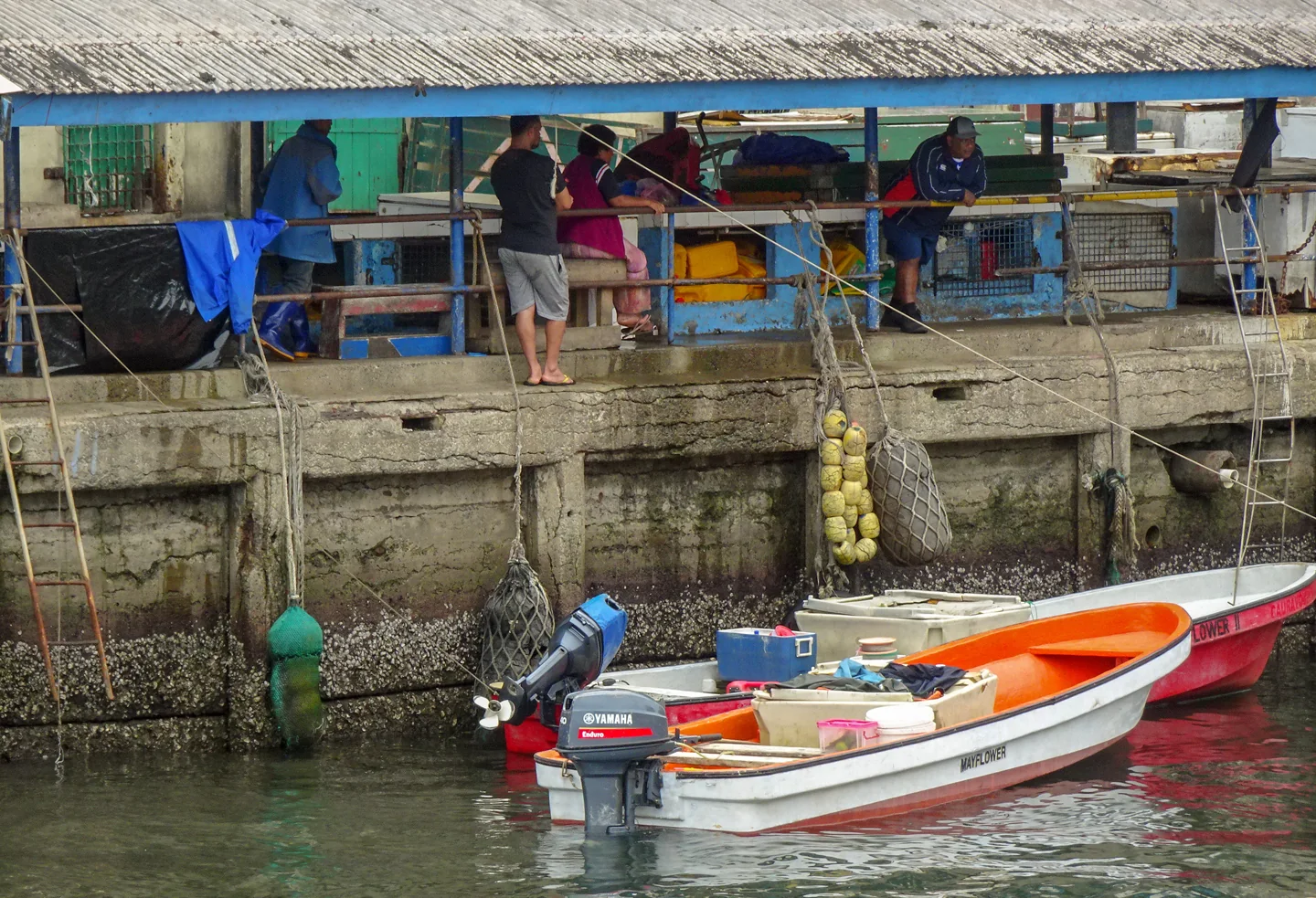
Travel the actual route once before the first school or work day, noting the stop and final connection. For inter-island travel, confirm the operator, departure point and sailing or flight for the date required; a photographed wharf does not establish a current scheduled service.
14Finish the first month and build a local routine
Use the first month to replace assumptions with working arrangements. Keep a shared list of offices visited, documents issued, applications pending and the next action. Review the budget against actual grocery purchases, transport, school invoices and utility readings rather than against an imported cost-of-living average.
| When | Task | Keep as evidence |
|---|---|---|
| First days | Record entry conditions, register a number and contact the employer or institution | Approval letter, entry record and local contact details |
| First week | Start the TIN process, organise banking documents and inspect rentals | Portal reference, TIN letter when issued and viewing notes |
| After the lease | Record the condition and meters; resolve utilities and care contacts | Agreement, receipts, readings and insurance instructions |
| Before month-end | Review payroll, school status, permit dates and actual recurring bills | Statements, invoices and a household renewal calendar |
Find community through the places you already use: parents’ groups at the school, campus activities, neighbours and work colleagues. Ask about a local sports club or volunteering opportunity, then establish whether any organised role is compatible with your immigration conditions. An unpaid description does not settle the permission question.
Learn the everyday greetings used by the people around you, and ask hosts about appropriate dress and conduct before attending a village or community event. Let the invitation and local guidance determine the visit rather than treating residential communities as sightseeing stops.
Make seasonal preparation part of household setup. The Fiji Meteorological Service describes the main cyclone season as November–April, with possible events outside it. Identify the property’s storage, charging and shelter arrangements, and follow the actual advisories. Keep permit copies, prescriptions and essential contacts available offline alongside everyday supplies.
At month-end, confirm that every family member’s residence and school arrangements are documented, payments work and the home’s service responsibilities are understood. Keep the next permit or application milestone on the calendar so the move continues smoothly after the initial settling-in period.
Sources & further reading
Reviewed 13 October 2026. Sources are linked beside the relevant instructions. Primary sources are linked beside instructions. New Immigration service pages take precedence over older pages with different checklists. The assured-income page leaves the currency of its $100,000 remittance unlabelled; this uncertainty is stated rather than guessed. Immigration and Vodafone prices were checked on 13 October 2026. School figures come from the schools’ 2026 FJD schedules and have different fee categories. Hypothetical housing arithmetic is not a market rent estimate. Pension percentages apply only where FNPF membership applies. Photograph credits, licences and capture years appear with the images.
Browse the source directory
- Immigration — visitor permit
- Immigration — visa-exempt nationalities
- Immigration — pre-entry visa application
- Immigration — travel and permit FAQ
- Immigration — long-term work permit
- Immigration — work permit categories
- Immigration — short-term work permit
- Immigration — overseas-employer work permit
- Immigration — investor application
- Immigration — ImmiHub application portal
- Immigration — permit letter verification
- Immigration — forms and fees
- Immigration — student permit application
- Immigration — co-extensive residence
- Immigration — residence on assured income
- FRCS — taxpayer portal and TIN guidance
- FRCS — TIN registration and taxpayer service access
- FRCS — salary income return instructions
- FRCS — current VAT taxpayer guidance
- FRCS — current budget amendments
- FNPF — August 2026 contribution change
- FNPF — membership and registration
- International School Suva — admissions
- International School Suva — 2026 FJD fees
- International School Nadi — enrolment
- International School Nadi — 2026 international fees
- International School Nadi — 2026 payment policy
- University of the South Pacific — admission services
- University of the South Pacific — campuses
- Biosecurity Authority — moving household goods
- Biosecurity Authority — cargo clearance
- Biosecurity Authority — animal import pathways
- Biosecurity Authority — cats and dogs notice
- FRCS — arrival declarations
- Westpac Fiji — account opening
- ANZ Fiji — transfers and local contact
- Vodafone Fiji — mobile internet rates
- Vodafone Fiji — number and M-PAiSA registration
- FCCC — landlord and tenant guideline
- FCCC — rent restriction and agreements notice
- Ministry of Health — CWM Hospital
- Tourism Fiji — hospital directory
- Energy Fiji Limited — home connections
- Water Authority — new connection application
- Vodafone Fiji — current eTransport FAQ
- Fiji Meteorological Service — cyclone preparedness
Make your next step a practical one
Choose the workplace and school location, obtain the appropriate immigration approval, then arrange your TIN, bank account and inspected rental.




