Visa
Moving & Living - Afghanistan - Complete Guide
Assess an Afghanistan move step by step: establish the sponsor and visa, separate work and residence permissions, and plan education, money, housing, healthcare and essential household services.
Photo credit
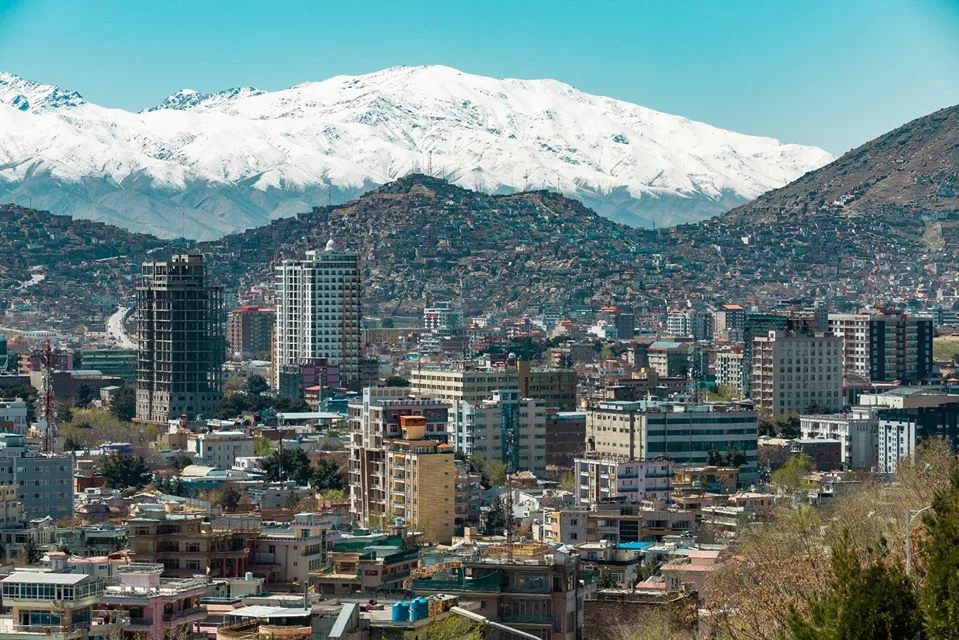
Afghanistan’s highland cities, commercial districts and family networks shape very different daily routines. A household assessing a return, an employment assignment or studies needs an address and a receiving contact, but also a clear answer about what each person will actually be able to do there.
This fourteen-step guide connects the permission process to the practical work of maintaining a household. Current official advice warns against all travel. The guide identifies real administrative starting points, current restrictions and the questions that must be resolved before making a permanent commitment.
Afghanistan at a glance
- Travel advice
- Against all travel · nationwide
- Money
- Afghani · AFN · keep international fees in their quoted currency
- Languages
- Dari and Pashto · arrange office and document assistance
- Entry
- Purpose-specific permission and accepted issuing mission
- Residence
- Extension category distinct from permanent residence and work permission
- Education
- Major restrictions affect girls and women
- Ambulance
- Kabul 102 · provincial contacts differ
- Reviewed
- 16 October 2026
Follow your moving journey
Start at step 1, or jump to the task you are working on.
01Establish the purpose, receiving contact and limits of the move
A Kabul employment assignment, joining relatives in Herat and studying at an Afghan institution involve different permissions and household arrangements. Begin with the person or organisation that would receive you. Establish the address, the activity you intend to undertake and who will help resolve immigration, transport and medical needs.
Current UK advice warns against all travel to Afghanistan, including organised tours. It identifies serious detention and kidnapping risks and says that British officials cannot provide in-person consular help there. An employer’s invitation, a previous visit or a family connection does not remove those conditions. Use this guide to assess a concrete supported stay or manage an existing one; it does not offer a safe-city ranking.
- Write a one-page plan with the purpose, household members, intended duration, host, accommodation and funding source.
- Have a responsible receiving contact establish which offices handle the proposed entry, work and longer stay.
- Obtain current professional advice about the destination and journey, including the means of leaving if the arrangement fails.
- Assess every household member’s access to education, work, healthcare and movement before deciding that the plan is viable.
- Defer commitments if those essentials cannot be established. Keep the alternative accommodation, employment or family-support arrangement outside Afghanistan available while deciding.
Revisit the decision when the host, border route or family circumstances change. The following steps connect administrative tasks to the household they must support; completing a form is useful only if the resulting stay is workable.
02Choose the address around real services and obligations
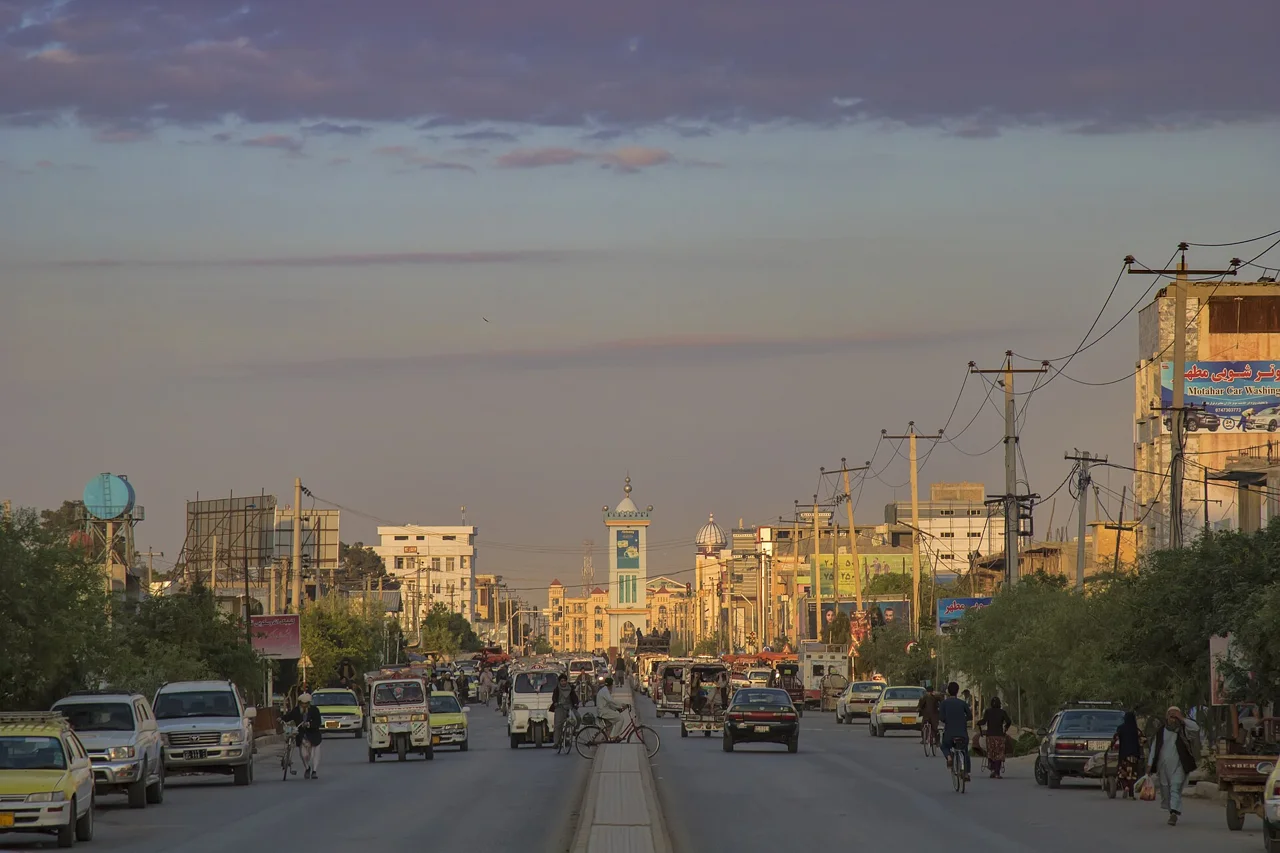
Choose a destination because it connects to your host and necessary services. Kabul’s Kart-e-Char university area, an office on Airport Road and relatives in another district are separate daily destinations. A desirable-looking apartment is of little help if the journey or services cannot be supported.
| Base | Practical starting point | Resolve before choosing a home |
|---|---|---|
| Kabul | Employer or family address, university department and appropriate clinic | The exact district, transport arrangement and appointments you need to reach |
| Herat | The receiving household or workplace and local suppliers | Water, power, medical needs and a current assessment of the intended journey |
| Mazar-e-Sharif | The named workplace, host and city services | The actual building and access arrangements rather than an old visitor itinerary |
| Another province | A specific receiving organisation or family plan | Destination-specific support; no assumption that a smaller town avoids nationwide risks |
- Obtain the address in Dari or Pashto as appropriate, a map pin and a reliable contact number.
- Ask the receiving contact to assess the home-to-work journey and access to essential care and supplies.
- Have the proposed building inspected for water provision, heating, electricity, sanitation and access. Keep photographs as a condition record with the owner’s agreement.
- Use a temporary, supported arrangement before committing to a long tenancy or purchasing furniture.
The security advice describes threats affecting cities, roads and public places. Do not turn this address assessment into an independent reconnaissance trip. The appropriate transport and movement permissions need to be settled through people with current local responsibility.
03Match the visa to the purpose and issuing mission
Use the foreign ministry’s visa directory to distinguish entry, business, student, service and other categories. It describes administration by the authorities operating in Afghanistan; a category on the website is not a promise that every applicant or overseas mission can issue it.
The entry-visa page covers invitations from appropriately licensed companies or institutions, supported by the relevant institution’s official letter and foreign-ministry approval through a mission abroad. It displays three months’ validity, a one-month stay and USD 100. Validity is the period attached to the document; it is not permission to remain for three months when the permitted stay is one month.
- Give the receiving organisation your passport details and actual purpose. Ask it to obtain the required letter and approval reference.
- Identify a mission that handles applications from your country of residence and whose documents are accepted at the intended entry point. The British entry guidance states that the Afghan embassy in London is closed.
- Obtain that mission’s current application, passport-validity rule, photograph specification, evidence list, payment method and appointment instructions.
- Submit through that channel and have the carrier confirm boarding and transit-document requirements for the actual route.
- Read the issued permission’s dates, entries, purpose and stay limit. Arrange the next application before the permitted stay expires.
For example, the Baku mission’s instructions (source unavailable) are explicitly for people residing in and applying from Azerbaijan. Its employer documentation and approval-reference requirements are useful within that scope, not a reason for an applicant elsewhere to send a passport there. Do not rely on a general visa-on-arrival assumption or a former embassy’s old web page.
04Have the employer complete the work-permission sequence
Entry approval, work permission and a residence extension serve different purposes. In its 23 April 2026 notice, the Ministry of Labour and Social Affairs specifically discusses foreign work visas and permits and preventing employment under tourist visas. Treat the employer’s permit arrangements as a separate deliverable before starting the assignment.
- Obtain the employing entity’s legal name, actual duty station, contract term, job description, salary currency and payment route.
- Have the employer identify the labour office receiving the foreign-worker file and obtain its current checklist, charge, submission and renewal instructions.
- Prepare the qualifications, experience evidence, passport, photographs, contract and other documents that office actually requests. Ask about translation or attestation before commissioning it.
- Agree who coordinates labour approval, the entry application and any residence extension. Keep copies of approvals and official receipts.
- Resolve housing, transport, medical insurance, evacuation arrangements, leave and termination support in the contract or assignment letter.
The ministry’s procedure library links older foreign-worker forms and fee documents. Their 2020 file dates do not establish the current complete process or tariff. Obtain the receiving office’s present instructions instead of applying an old downloaded fee as universal.
For commercial activity, the foreign ministry’s business-visa page names a valid business licence, passport copy and bank statements as supporting documents. Establish licensing, ownership, tax and work obligations with a local adviser before investing. No dedicated digital-nomad permission was verified; a foreign client or overseas salary does not itself resolve the right to work from Afghanistan.
05Build separate arrival and monthly budgets
Keep your household budget in afghanis, AFN, alongside the original currency of international fees. Date each quote and identify the city, supplier and service. A national monthly average would conceal differences in housing, heating, transport and the support included in an employment package.
| Item | Arrival provision | Recurring provision |
|---|---|---|
| Permission and documents | Mission fee, translations, certification and employer-confirmed permit charges | Residence extensions and later renewals |
| Accommodation | Temporary stay, rent advance, negotiated security and disclosed agency cost | Rent, water, power, heating and maintenance assigned to you |
| Health and education | Assessment, insurance start and any confirmed admission charges | Premiums, care, medicines, tuition and learning arrangements |
| Everyday access | Telephone setup, household equipment and supported arrival transport | Communications, supplies, groceries and necessary journeys |
Two published cost anchors, observed on 16 October 2026, are USD 100 for the ministry’s specified entry visa and USD 50 per month for its listed residence extension. Confirm the granted category, payable period and receiving office’s charge. As a calculation only, three chargeable months at USD 50 would be USD 150; it does not establish eligibility or include the entry fee.
For healthcare, FMIC’s Kabul charge page displays an ordinary outpatient doctor fee of AFN 350 and an emergency doctor fee of AFN 550. Neither is a complete treatment bill. The page has no clear current effective tariff date, so request a case-specific estimate and confirmation before relying on either amount.
Ask payroll or an adviser to establish income-tax treatment, withholding, filing and any relevant former-country obligations. Describe where you perform the work and how you are paid. A foreign payer, humanitarian employer or business licence is not enough to assume a tax exemption. Obtain the applicable assessment rather than importing an old online rate table into the budget.
06Resolve education access before relocating a student
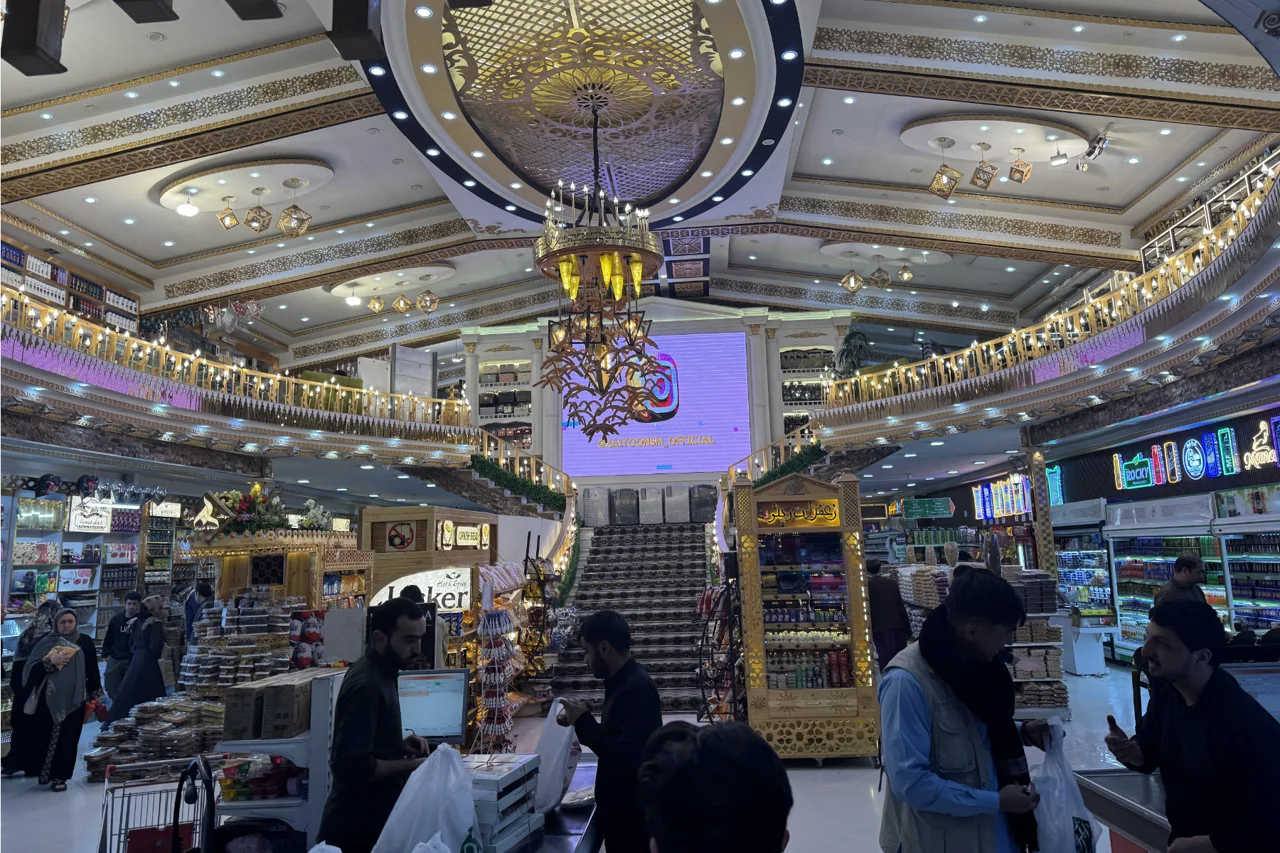
Education access must be assessed first, not left until a family arrives. UNESCO’s August 2026 update states that girls remain excluded from formal education beyond primary level and women remain barred from universities. An old photograph, international-school directory or general university page does not establish an exemption for your child or a foreign student.
- Give the intended school the child’s age, current grade, languages and curriculum, and ask what education it is currently permitted and able to provide.
- Obtain its present campus, attendance arrangements, document list and itemised costs. Ask about continuity if attendance or communications are interrupted.
- Keep reports, transfer records and completed work securely, with an alternative education plan that can function from an appropriate location.
- Make the family’s relocation decision around actual access, including the needs of daughters approaching secondary school.
For someone eligible to pursue the proposed studies, Kabul University provides a named starting point at Kart-e-Char. Contact its relevant faculty and admissions administration about the qualification, language, selection route, current intake, fees and foreign-applicant requirements. Its “International Students” heading is not an admission offer or evidence that restrictions have been lifted.
The ministry’s student-visa description refers to agreements with recognised universities and valid educational documents. It lists a USD 40–100 range and variable stay wording, so obtain the exact visa and residence sequence from the receiving institution and mission. Admission, permission to enter and the practical ability to attend are separate requirements. Do not pay non-refundable tuition before all three are resolved.
07Assess independent income and each family member’s position
No ordinary dedicated retirement visa was verified. Someone joining family or returning with a foreign passport needs the actual applicable entry and longer-stay decision. The ministry’s entry page contains a specific description involving Afghans with foreign passports and marriage or relationship evidence; its conditions should be clarified with the mission rather than expanded into a general ancestry-based settlement entitlement.
- List each person’s citizenships, passports, family relationship evidence and proposed purpose. Ask which application is required for each individual.
- Resolve marriage, guardianship, custody and travel-consent questions with appropriate legal advice before a child or dependant travels.
- For pension or investment income, establish the payer’s overseas rules, a usable payment channel, proof-of-life requirements and tax treatment.
- Assess regular treatment, mobility and support needs against the actual address and available services.
Women’s movement and access to services require particular assessment. The British guidance describes the mahram rule for journeys over 72 km and notes that officials can prevent travel, including departure. It also states that dress requirements apply to foreign women. Obtain current advice about how the restrictions affect the individual’s appointments, work, family life and departure; a foreign passport should not be assumed to remove them.
If a household cannot secure education, regular care or necessary freedom of movement, maintaining a base elsewhere may be the practical outcome. Decide that before a long lease, property purchase or shipment makes the move expensive to reverse.
08Prepare records and clear belongings before dispatch
Make a document schedule for the mission, employer, labour office, bank, education provider and medical team. Record which needs an original, certified copy, translation or recent issue date. Keep the passport and approvals accessible during travel and store secure copies separately from the luggage.
- Prepare civil-status records, qualifications, employment or admission evidence, financial documents and medical summaries as required for the actual applications.
- Have the freight agent identify the arrival point, licensed receiving agent, inventory format, customs process, duties and storage charges before dispatch.
- Separate personal effects, business equipment, medicines and restricted items in the inventory. The entry guidance requires declaration of prohibited or dutiable goods; it does not establish universal duty-free removal relief.
- For a pet, obtain the current receiving veterinary authority’s certificate, identification, vaccination and permit instructions through the responsible mission or authorised local agent. Then coordinate with the departure country’s official veterinary service.
- Confirm animal acceptance and contingency arrangements for every carrier leg before committing to transport.
A current national pet-import form, quarantine timetable and fee were not independently established in this research. Those exact requirements must be resolved before an animal moves; airline acceptance alone does not answer them. For medicines, use a prescription and clinical summary and establish any import restrictions with the relevant authority. Do not ship essential documents or the only available medicine supply in freight that may arrive later.
09Arrange a supported arrival and record the permission granted
Have the carrier reconfirm the actual flight, transit documents and check-in instructions shortly before departure. Have the receiving contact separately confirm the arrival meeting, onward transport and accommodation. A ticket or an online airport listing does not establish the viability of an onward land journey.
- Keep the passport, approval reference, visa, host’s contact and address together, including an offline copy.
- At entry, check the recorded dates and permitted stay and resolve discrepancies with officials before leaving the control point.
- Meet the agreed receiving contact and confirm arrival with the household or organisation responsible for the stay.
- Keep accommodation and arrival evidence for any local registration or extension file.
- During the first supported day, establish communications, drinking-water provision, access to medicines and the next immigration or employer appointment.
Cash planning must precede this step. The British entry page reports a USD 5,000 airport limit and USD 500 land-border limit on cash carried through those points. Obtain current instructions for the currency and intended route from the mission and arrival authority; do not treat a declaration as permission to exceed a limit. Plan lawful access to funds within the restrictions instead of arriving with an amount selected only from the household budget.
If the receiving arrangements fail, contact the responsible host and reassess. Do not improvise a cross-country journey or assume a border remains open because it was used on a previous trip.
10Arrange the extension and separate tax registration
The foreign ministry’s residence page describes continuation of stays based on service, business, entry, student and crew visas. It lists one month to one year and USD 50 for each month. This is a specific administrative category, not permanent residence or automatic approval for anyone holding a visitor document.
- Have the sponsor identify the receiving consular or immigration office and the appointment and submission method for your category.
- Obtain its current passport, entry, sponsor, work or study, address, photograph and other documentary requirements.
- Submit in time for the actual permission, obtain receipts and collection instructions, and ask what evidence supports lawful stay while an application is pending.
- Read the issued extension and record expiry, entries, permitted activity and the process for an address or sponsor change.
- Ask about any local arrival registration and exit formalities specific to your case; no unverified national reporting deadline is asserted here.
For tax, the relevant identifier is the TIN, or Taxpayer Identification Number. Have payroll establish whether a number already exists and coordinate the required application with the Afghanistan Revenue Department. Its published announcements address employee TIN registration, but the online service could not be independently completed or verified in this review. Obtain the current route and evidence requirements from the responsible tax office rather than creating duplicate records.
A TIN is not immigration permission. Likewise, the Afghan tazkira is a national identity document; do not assume a foreign newcomer must or can obtain it instead of maintaining the required passport, visa and work documents.
11Use the current bank checklist and test the transfer route
Afghanistan International Bank’s current Qard account page lists a valid national identity document or passport, a valid visa for foreigners, a passport-style photograph and income evidence. Its document section also mentions a TIN if available and an employer introduction. Prepare the relevant originals and ask the chosen branch what it needs for your particular status.
- Identify a functioning branch and explain your nationality, visa, employment or other income, expected currencies and transfers.
- Use the bank’s pre-account request service if appropriate. It states that document review is followed by a face-to-face onboarding interview; an online submission does not complete opening.
- Obtain the applicable terms and charges. The current product page says no minimum balance; an older AIB page lists different deposits, fees and foreigner documents. Confirm which checklist and tariff the branch applies before relying on either.
- Have the overseas sender and receiving bank confirm that the intended transfer is permitted and operational. Account approval is not a guarantee that every international payment will pass screening.
- Test a small receipt and withdrawal before nominating the account for essential income, and retain exchange and payment records.
Keep larger rent and service payments documented with the amount, currency, date and recipient. Overseas cards, advertised ATMs and internet access should not be the only means of meeting immediate needs. The bank’s account description and application service establish a practical starting point, not guaranteed approval, cash availability or uninterrupted digital access.
12Inspect the dwelling and make the lease usable
Ask the receiving household or organisation to arrange a current inspection. Check the actual unit rather than relying on a development name or an exterior photograph. In Kabul, establish heating and water arrangements alongside the workplace journey; attractive views do not tell you how the home functions during a service interruption.
- Verify the landlord or agent’s authority to let the property and have the agreement explained in a language you understand.
- Write down rent, currency, payment dates, security, included services, notice and early-termination terms. Obtain receipts for advances and any agency payment.
- Record the condition, furnishings, keys, locks, sanitation and any meter readings in a signed handover inventory.
- Identify drinking-water provision, storage and delivery costs; clarify who maintains pumps, tanks or other equipment.
- Establish electricity supply, backup capacity, fuel or battery costs and the maintenance responsibility. Use a competent technician for electrical or heating equipment.
For a new electricity connection, the published DABS procedure starts with customer services and an application followed by site assessment. Ask the actual service office whether a new connection, account change or existing landlord arrangement applies. The full current fee and documentary checklist could not be retrieved, so no connection price or guaranteed completion time is quoted.
Keep the latest bills and opening balances with the contract. No statutory deposit ceiling or uniform agency commission was verified. Where the employer provides the home, document the same utilities and maintenance obligations, plus what happens when the assignment ends. Resolve title and residence questions independently before considering a property purchase.

13Establish a treatment, medicine and transfer plan
Assess health needs before committing to the move. The health guidance describes limited facilities and medicine shortages. It lists 102 for Kabul ambulances, while noting that provinces have separate numbers and hospital ambulances may require payment or insurance evidence. Do not present 102 as a guaranteed nationwide response.
- Consult a travel-health professional with the destination, duration and existing conditions. Establish vaccination and lawful medicine arrangements.
- Ask the insurer in writing about destination and activity cover, the current travel-advice level, existing conditions and medical transfer.
- Contact a suitable provider about the actual condition, appointment, treatment availability, payment and any referral needed.
- Arrange a medical summary and a medicine-supply plan, including storage and replacement prescriptions.
- Agree with the assistance provider how an urgent referral and transfer would be funded and organised if transport or communications were disrupted.
A named Kabul starting point is the French Medical Institute for Mothers and Children, which also describes adult services. Its consulting-clinic directory includes internal medicine, paediatrics, obstetrics and other specialties. Ask about the particular clinician and treatment rather than assuming the directory guarantees immediate availability.
The contact number displayed is +93 (0) 79 1070 000. Its charge page provides the AFN 350 outpatient and AFN 550 emergency doctor examples used in the budget, but treatment, tests and inpatient services can add costs. Request an estimate and payment instructions. An estimate is not a guaranteed final bill or proof that an insurer will reimburse it. Keep a separate plan for household members if one patient must leave Afghanistan for care.
14Connect communications and review the first month
Test a local network at the accommodation and workplace before buying equipment or a large bundle. Ask an authorised shop which identity documents it accepts for the foreign subscriber, who the registered account holder will be and how to replace a lost SIM. Do not register in someone else’s name merely to avoid establishing the proper procedure.
- Obtain a current price and written explanation of data, call allowance, validity, automatic renewal and taxes from the operator. Afghan Wireless’s service information is a starting point, but its older modem and package listings are not quoted here as verified 2026 tariffs.
- Agree an offline contact arrangement with the host and household. Keep essential addresses and document copies accessible when the connection fails.
- In the first week, reconcile the visa stay limit, extension appointment, employer permit tasks, accommodation evidence and care contact.
- During the month, confirm income access, bills, medicine supply, education arrangements and the next expiry or reporting dates.
- Keep departure documents ready and reassess whether the agreed support still exists before extending the commitment.
The current security guidance records past sudden communications shutdowns, sometimes affecting cash access and flights. An internet-dependent work or learning plan needs a credible alternative. Build day-to-day contact through the family, employer or institution receiving you and respect local expectations about language, dress and privacy. Do not publish sensitive locations or the household’s movements.
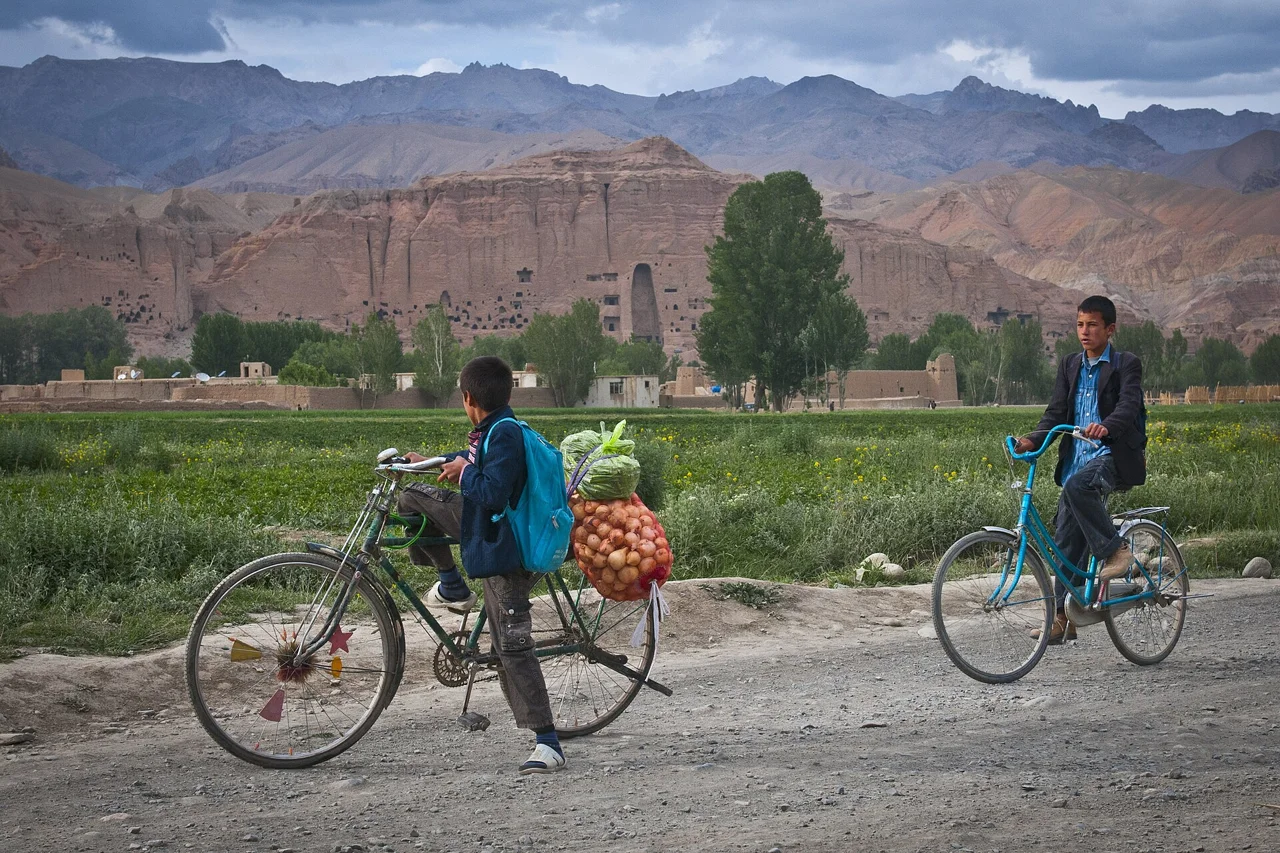
The historical Bamyan photograph below illustrates an everyday setting, not a recommended excursion or current access assessment. The useful outcome of the first-month review is a supported, lawful and workable household arrangement—or a timely decision to change or end the stay when those conditions cannot be maintained.
Sources & further reading
Reviewed 16 October 2026. Sources are linked beside the relevant instructions. Reviewed 16 October 2026. The guide adapts the moving journey to current restrictions and does not describe a safe city, ordinary retirement or digital-nomad route, guaranteed treatment, or education exemption. Ministry entry and residence pages were read directly; category wording is distinguished from an individual approval. The Baku mission checklist retains its Azerbaijan application-location scope. A ministry exit-visa page returned unrelated spam and was excluded, and no unverified exit tariff or rule was invented. Old labour PDFs, older bank fees and legacy mobile tariffs are not presented as current. Employee TIN notices and a DABS procedural excerpt were available through current indexed primary material while direct service requests failed; the article identifies precisely what remains unverified. Current AIB product information conflicts with its older page, so the branch must confirm the applicable checklist and tariff. University headings do not establish admission or access for women. Prices observed 16 October 2026, not a claim that undated pages establish a new effective 2026 tariff. The Foreign Ministry displays USD 100 for its specified entry visa, with three months validity and one month stay, and USD 50 per month for the described residence extension. Three chargeable months would calculate to USD 150, excluding the entry fee and without establishing eligibility. Student-page USD 40–100 range requires an individual category quotation. FMIC Kabul displays AFN 350 ordinary outpatient doctor and AFN 550 emergency doctor fees; additional care, tests and inpatient services are separate, and the provider should confirm charges and an estimate. No national monthly living-cost figure, current legacy mobile price, old bank tariff, statutory rent security ceiling or uniform labour fee is asserted. Initial and recurring household costs are to be entered from actual address-specific quotations. Photograph credits, licences and capture years appear with the images.
Browse the source directory
- FCDO — Afghanistan travel advice
- FCDO — security, movement and communications
- Foreign Ministry — current visa directory
- Foreign Ministry — entry visa
- FCDO — entry documents, cash and customs
- Afghan Embassy Baku — application-location scope (source unavailable)
- Labour Ministry — 23 April 2026 foreign-worker notice
- Labour Ministry — procedure library
- Foreign Ministry — business visa
- Foreign Ministry — residence extension
- FMIC — published hospital charges
- UNESCO — August 2026 education restrictions
- Kabul University — current official information
- Foreign Ministry — student visa
- Afghanistan Revenue Department — employee TIN announcements
- AIB — current Qard account and foreigner documents
- AIB — pre-account request application
- Administrative Affairs Office — DABS customer process
- FMIC — current healthcare services and contact
- FMIC — consulting clinics
- FCDO — medical care and Kabul ambulance
- Afghan Wireless — mobile service starting point
Make your next step a practical one
Establish whether the proposed household stay is workable, obtain its actual permissions, and connect the address to income, education, care and a realistic departure plan.