Visa
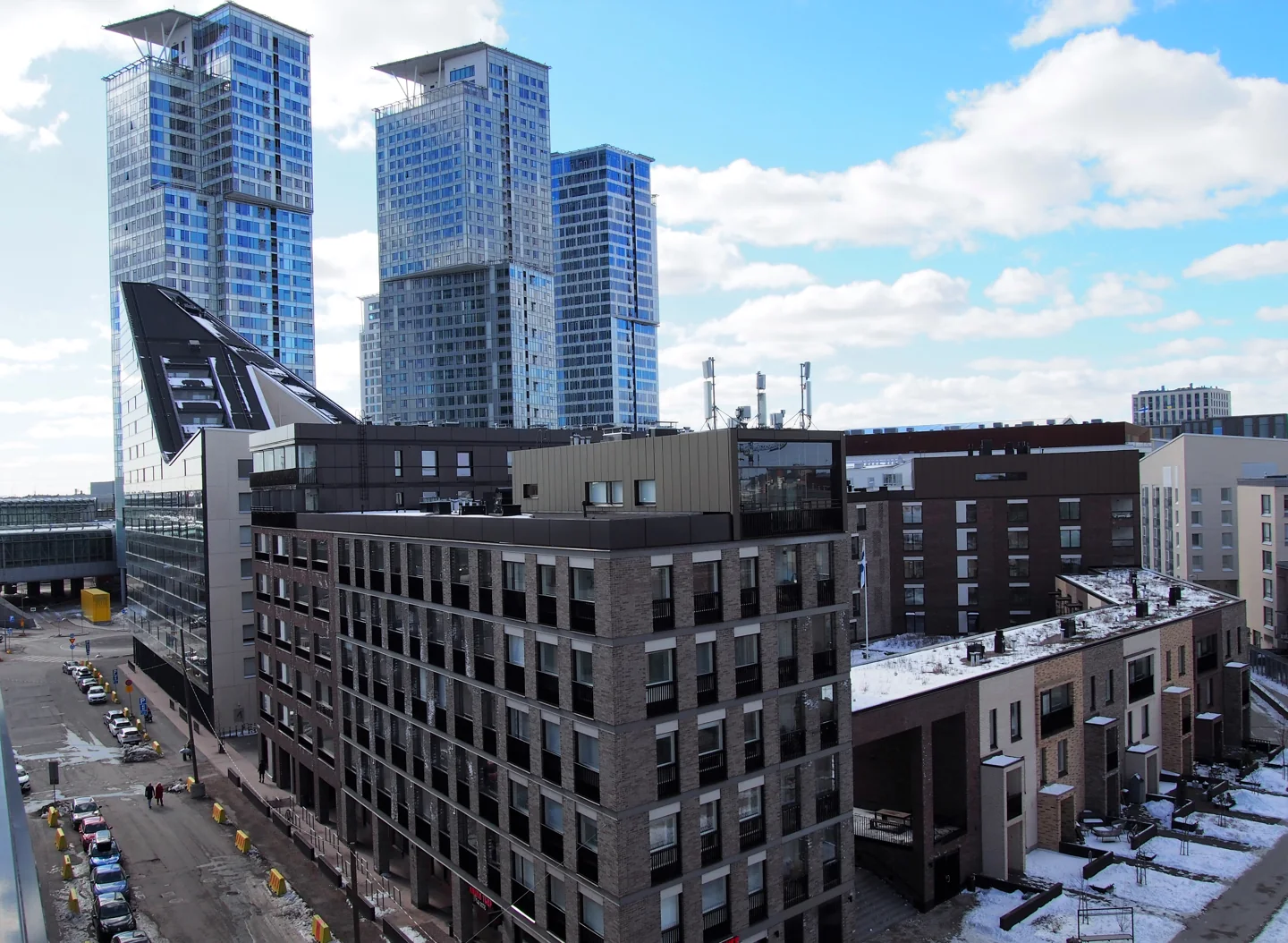
Moving & Living - Finland - Complete Guide
Move to Finland through 14 practical steps covering Nordic and EU registration, work and student permits, family budgets, DVV, tax cards, housing, banking, healthcare and daily transport.
Photo credit
A move to Finland is often a decision about the everyday journey: Helsinki’s trams, an Espoo metro connection to Otaniemi, or a Tampere commute between the centre and Hervanta. Once you have chosen that base, immigration approval, population registration and access to services follow different processes. This guide puts those tasks in order, with practical routes for work, study and family life.
Finland at a glance
- Capital
- Helsinki
- Other useful bases
- Espoo, Vantaa, Tampere, Turku and Oulu
- Currency
- Euro · EUR
- Official languages
- Finnish and Swedish
- Immigration authority
- Migri · Finnish Immigration Service
- Population register
- DVV
- Personal identity code
- henkilötunnus
- Municipality of residence
- kotikunta
- Tax administration
- Vero · tax card: verokortti
- Review
- 14 October 2026
Follow your moving journey
Start at step 1, or jump to the task you are working on.
01Choose the city around your everyday journey
Begin with the place you must reach regularly. Aalto University’s Otaniemi campus is in Espoo, rather than central Helsinki. A job in Tampere’s Hervanta calls for a different housing search from a job near its central railway station. Helsinki, Espoo and Vantaa form a useful connected search area, but a capital-region address does not automatically mean a short commute.
Compare two or three neighbourhoods with the actual destination in a journey planner. In Helsinki, Kalasatama offers a metro-based starting point; Kallio and Hakaniemi provide tram-connected alternatives. In Tampere, examine the centre, Ratina and the corridor towards Hervanta using Nysse’s current routes. These are starting points for inspections, not assurances about available flats or neighbourhood-wide prices.
Write down the door-to-door journey, required transfers, nearby groceries and the school route. Reconsider a cheaper flat if the daily connection requires an additional vehicle or a long walk with children. Visit the street and building entrance as well as looking at the transport map.
Use Tampere’s own relocation service for its local appointments and advice. In the capital region, International House Helsinki is a practical administrative starting point. Keep Turku or Oulu on the shortlist if your offer or course is there; national immigration procedures are shared, while municipal education, healthcare contacts and transport arrangements follow the chosen address.
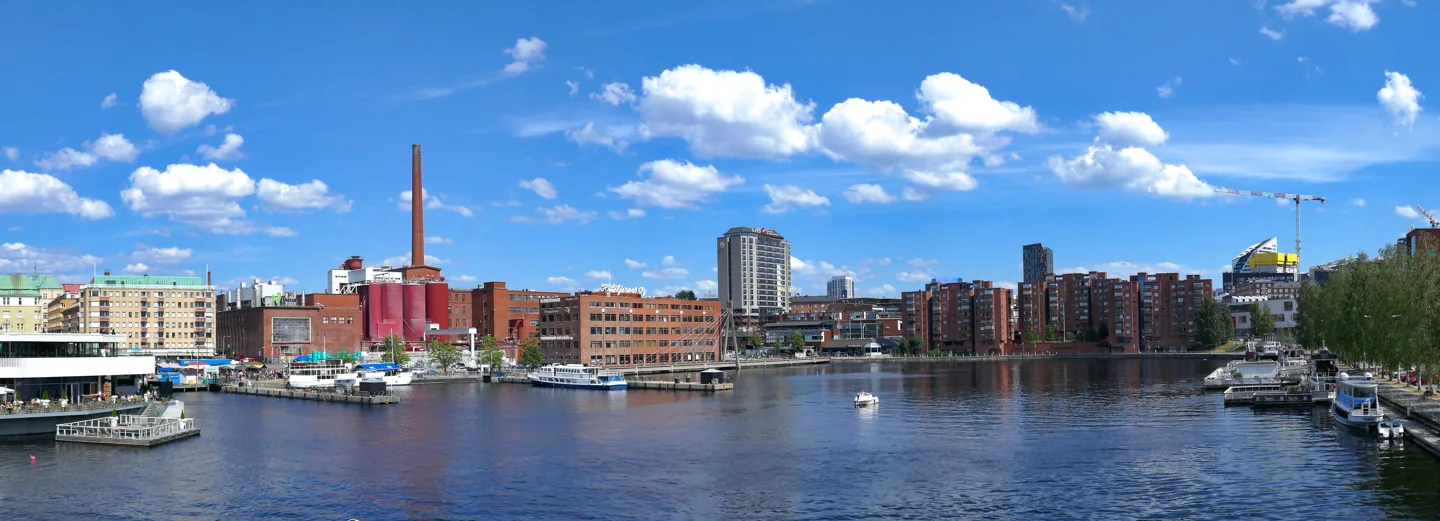
02Select the correct immigration route and submit the application
First separate visitor entry from a move. The Foreign Ministry’s visitor guidance concerns short visits and nationality-specific visa conditions. A visitor visa or visa-free admission is not an ordinary work or settlement permit. For most first residence-permit applications, follow Migri’s instructions to apply abroad and wait for the decision before moving.
| Your position | Start with | Important distinction |
|---|---|---|
| Citizen of Denmark, Iceland, Norway or Sweden | DVV registration | No Migri EU-registration application. |
| Other EU citizen, or citizen of Liechtenstein or Switzerland | EU registration for a continuous stay exceeding three months | Have a qualifying basis such as work, study, family or sufficient resources. |
| Non-EU employee | The permit matching the job | An employer and qualifying terms precede the application. |
| Non-EU student | Study permit after admission | Funds and qualifying insurance are separate requirements. |
| Joining family | The category matching the sponsor’s status | Do not use EU-family rules automatically for every Finnish sponsor. |
The EU and Nordic guidance explains these nationality distinctions. EU registration through Migri’s registration service costs EUR 53 in the reviewed fee schedule. Population registration and a municipality of residence remain separate tasks even after the immigration decision.
- Gather the category-specific attachments and complete Enter Finland. Submit the application and retain the fee receipt.
- Arrange the required identity visit at the responsible Finnish mission or service point. Ordinary online applicants must prove identity within three months of submitting; fast-track arrangements have a different deadline.
- If appointments are unavailable, report the problem using Migri’s instructions. Follow the application and requests for further evidence while waiting in the required location.
For a spouse joining a residence-permit holder, the current spouse checklist generally requires both partners to be 21 when the permit becomes valid. Its earlier-application windows and joint-custody exception matter. Use the sponsor-specific category, legalised relationship evidence where required and the household income rules, rather than assuming the worker’s approval covers everybody.
03Settle employment, remote-work and business arrangements
Ask an employer for a written contract stating occupation, hours, gross salary and the applicable collective agreement. For the employed-person permit, TTOL, the employer supplies the terms of employment through its Enter Finland service. The permit can be tied to a field of work and may involve labour-market assessment; it is not a generic permission for any job.
Under Migri’s 2026 income rules, TTOL requires at least EUR 1,600 gross per month, excluding the specified supplements, and the applicable collective-agreement pay. Specialist and EU Blue Card applications have a EUR 3,937 gross monthly threshold in 2026, excluding fringe benefits and daily allowances. These immigration thresholds do not establish what a household can comfortably afford.
Under Migri’s remote-work rules, you may work for a foreign employer while lawfully staying in Finland, but that employment does not itself create a residence-permit route. Establish an independent immigration basis before arranging a long remote stay. Then discuss Finnish payroll, tax prepayments and social-insurance responsibilities with the employer; receiving wages abroad does not remove those questions.
For an active growth company, the start-up entrepreneur route requires the Business Finland eligibility assessment before the residence-permit application. An ordinary business uses the separate entrepreneur process. Buying shares or registering a company should not be treated as automatic residence approval.
After arrival, keep the employment contract and payslips. If a job ends, consult Migri’s employment-ending guidance promptly: the protection period is three or six months depending on the permit and history, and cannot extend permission beyond its expiry. Record the actual deadline and organise a qualifying next job or another lawful basis.
04Build a move budget and arrange tax treatment
Separate the cost of obtaining permission from the money needed to live. The 2026 fee schedule lists an online first TTOL application at EUR 750, a specialist application at EUR 530 and a student application at EUR 600. These are specified electronic products; paper applications, dependants, extensions and mission service charges can differ.
| Budget line | How to establish it | Frequency |
|---|---|---|
| Immigration, translations and travel | Actual route, household documents and flight quote | Initial; later renewals where applicable |
| Rental payment and security | Written offer; keep refundable security separate | Initial payment plus ongoing rent |
| Electricity, water and insurance | Unit’s contract, meters and supplier terms | Recurring, sometimes with setup costs |
| Local transport | Actual zones and resident eligibility | Tickets or a season subscription |
| Food, phone and healthcare | Household needs and applicable charges | Recurring |
| Education | Course fee and confirmed school arrangements | Institution-specific |
For illustration only, a EUR 900 monthly flat with a two-month security deposit needs EUR 2,700 for that deposit and the first month. EUR 900 is a hypothetical quote, not a Finnish average or a verified listing. Add temporary accommodation and household equipment separately, and retain a reserve until the first salary is actually paid.
Families must compare disposable income with the current household threshold for their municipality. That calculation differs from a worker’s gross-salary test. Check every adult and child in the table; a qualifying salary for one person does not automatically satisfy the whole family’s requirement.
Read Vero’s foreign-employer guidance if wages continue from abroad. A stay exceeding six months generally changes Finnish tax residence and the treatment of worldwide income, subject to the relevant exceptions and treaty. Keep dates, contracts and foreign income records. Where the foreign employer does not handle Finnish withholding, arrange the required prepayments rather than waiting for a surprise bill.
For foreign-employer pay, use Vero’s practical application sequence: request a tax card or prepayment calculation with Form 5042e. If you also need an identity code, follow its Form 6150e and in-person identification instructions at a service point that issues codes. Bring identity and applicable immigration documents, the employment contract and any A1 certificate. The decision tells you whether payroll withholds tax or you pay instalments yourself; retain it for the first payday.
05Arrange children’s schooling or university admission
For children moving into Helsinki, use the city’s comprehensive-school process with the child’s age, address and previous education. Ask about Finnish- or Swedish-language instruction, preparatory education and support needs. A nearby school on a map does not confirm placement, and an English-language programme should not be assumed to admit every new arrival.
- Open the Service Map linked in Helsinki’s newcomer school instructions and search the child’s home address.
- Select the Finnish- or Swedish-language school for the correct grade range and current school year. The search can also show next year’s schools, so check the label before contacting the principal to enrol.
- If the child needs preparatory language education, discuss it during that contact. For grades 1–2 it is organised at the local school; grades 3–9 may attend another nearby school. Ask about an interpreter for the family’s school discussions where needed.
The city’s school-choice information identifies starting points including Ressu, Maunula and Kulosaari. Follow the actual selection, language and vacancy requirements. Contact education services in Espoo, Vantaa or Tampere if that is your home municipality, rather than sending every family application to Helsinki.
For higher education, begin with the programme, its entrance requirements and its application calendar. Aalto’s next master’s round runs from 7 December 2026 to 5 January 2027 at 15:00 Finnish time, with the stated supporting-document deadline on 12 January. Prepare degree records and required English-language evidence before the application window.
Tuition depends on programme and fee liability. As one institutional example, Aalto’s English-language Economics bachelor’s programme lists EUR 12,000 annual tuition for students who must pay it. Do not apply that figure to every Aalto degree or every nationality; establish exemptions, scholarships and the fee for your own admission year.
After admission, follow Migri’s study-permit checklist. The standard student funds requirement is EUR 800 monthly, or EUR 9,600 for a first year of at least twelve months, normally documented in the applicant’s own account. Tuition is additional if unpaid; verified scholarships and institutional support can change the calculation. A hoped-for future job does not fund the first application.
Under the insurance rules, studies shorter than two years normally require EUR 120,000 medical-expense cover; longer studies require EUR 40,000 pharmaceutical-expense cover, with a maximum EUR 300 excess. Applicable Kela, EHIC or GHIC arrangements can provide an exception. Buy the policy matching the course and permit dates. Student work is normally limited to an average of 30 hours weekly, with specified degree-related exceptions.
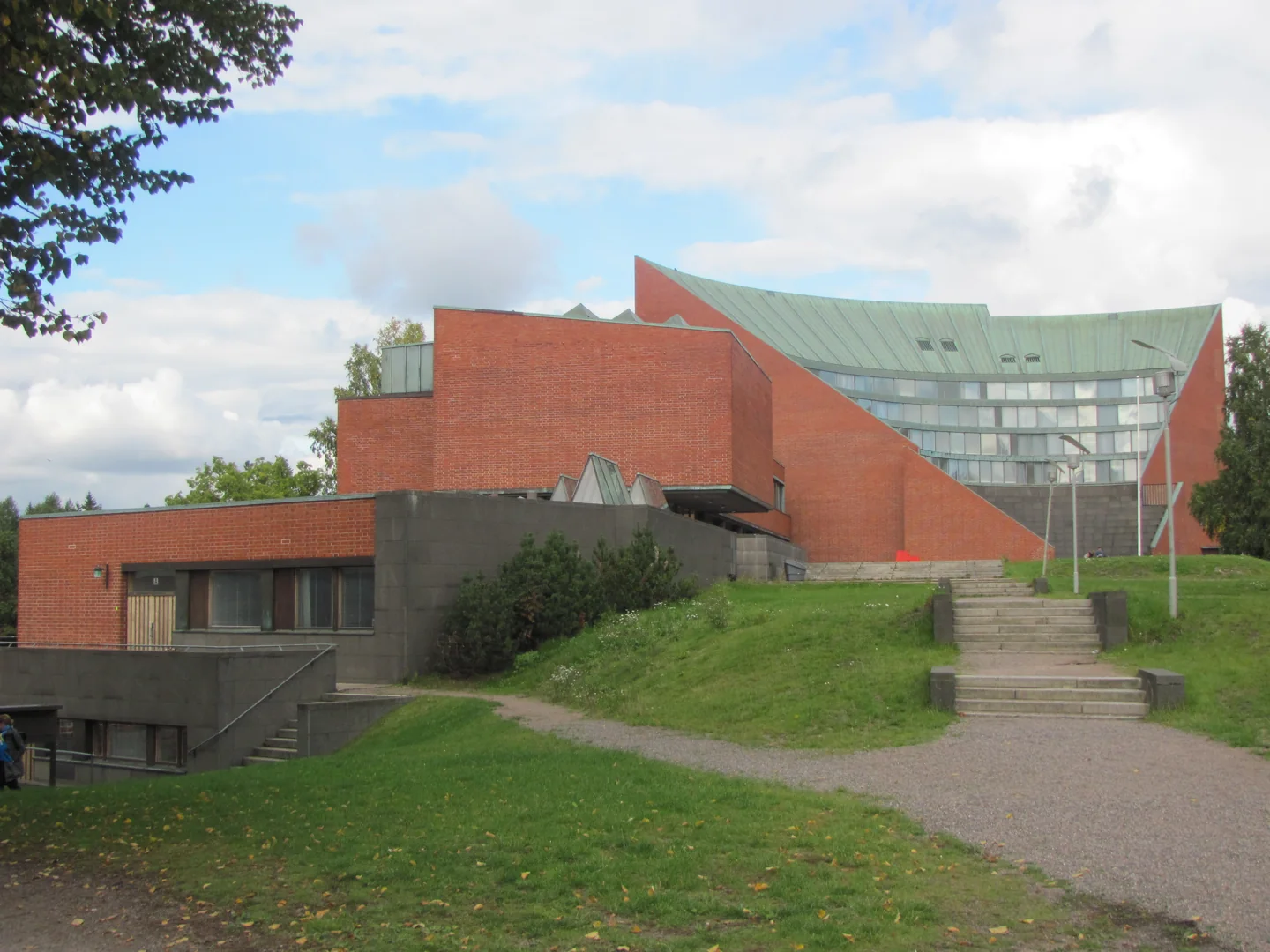
06Plan a retirement move around an actual residence basis
For an EU pensioner, sufficient resources can be the residence basis under the EU rules. Prepare evidence that the pension or other means can support the stay and address healthcare coverage. Nordic citizens use their separate population-registration arrangements. Neither path should be copied to a third-country pensioner.
Finland does not provide an ordinary retirement route simply because somebody has savings or owns a Finnish home. The other-grounds permit page concerns special situations; ownership and means alone should not be presented as a settlement option. Establish a qualifying family or other residence basis before making irreversible financial arrangements.
Ask the pension payer how moving affects payment, taxation and medical-care responsibility. Kela’s entitlement guidance explains S1 documentation for applicable pension arrangements, including origin-specific exceptions. A pensioner moving from another Nordic country or the United Kingdom follows different documentation rules; get the relevant entitlement decision rather than assuming the same form works for everybody.
Retain pension award letters, regular payment records and prescriptions. Compare housing with everyday access to care and transport as well as scenery. A seasonal visit can help assess the location, but it does not remove the need for permission covering an intended permanent move.
07Prepare originals, belongings and pet travel
Keep passports, immigration decisions, employment or admission papers, family certificates and insurance in hand luggage. Save readable digital copies separately. Follow the relevant application’s translation and legalisation instructions: an untranslated certificate or an ordinary photocopy can delay registration even when the underlying relationship is straightforward.
Use Suomi.fi’s arrival preparation to establish the customs treatment of removal goods. The departure customs territory matters, not just citizenship. Relief for a qualifying move from outside the EU has conditions concerning prior residence and prior ownership or use of possessions; obtain the customs documentation before the shipment travels.
Prepare an inventory showing what is used household property and what needs separate treatment. Ask the carrier about delivery address, storage and the declaration process. Plan heavy furniture after measuring the rental entrance, lift and rooms. Keeping essential clothing and medical supplies with you prevents a delayed shipment from disrupting the first appointments.
For dogs, cats and ferrets arriving from outside the EU, follow the Finnish Food Authority’s current non-commercial movement instructions. Microchip, rabies, certificate and, for certain origins, antibody-test requirements have dependencies. Give the vet the origin, route and arrival date instead of requesting only a general “fit to fly” letter.
Dogs usually need the prescribed Echinococcus treatment 24–120 hours before arrival, documented by a veterinarian. The authority lists origin exceptions and the separate repeated-treatment arrangement. The rule is for dogs, not automatically cats, and cannot be reduced to an identical checklist for every country. Establish airline carriage and whether the owner’s travel fits non-commercial movement conditions.
08Arrive with the first week already organised
Keep the actual accommodation address and the host’s contact details available for the journey from the airport or port. Bring the permit decision or evidence supporting your entry position. For a family, carry every member’s documents separately; one person’s approval is not the whole household’s evidence.
Arrange a working phone connection and a payment method that remains usable while Finnish banking is being established. Save the first appointments and travel routes before leaving the accommodation. Schedule demanding registration visits with enough time to retrieve originals or correct a missing attachment.
Use the first days to inspect rentals, travel the normal commute and confirm the workplace or campus reporting arrangements. For a university arrival, ask whether a registration event is already organised before booking duplicate individual appointments. If the first home is temporary, keep its address records accurate and update them when you move.
Check the permitted work start against the actual immigration category and decision. Starting a job, buying a season ticket and making an address notification are separate tasks. At the end of the week, you should know where you are staying, which appointments remain and what document each next service needs.
09Register with DVV and obtain the tax card
The Finnish personal identity code, henkilötunnus, is used across services. It may already be issued with a residence permit. Having that code does not automatically establish a municipality of residence, kotikunta, or complete the family and address records.
Follow DVV’s foreigner registration and book the appropriate visit. Bring the passport or accepted identity document, permission or EU/Nordic evidence, and the job or study records requested for your circumstances. Present original family certificates with the necessary legalisation and translation when registering relationships.
Apply separately for a municipality of residence where eligible. Intended length of stay, residence status and additional conditions matter; not every temporary permit qualifies in the same way. A postal change-of-address notification should not be mistaken for the municipality decision.
In the capital region, International House Helsinki’s registration instructions explain the DVV appointment and the available services. Its Vero desk does not issue a new personal identity code. Use the right appointment order rather than arriving at taxation expecting every population-registration task to be completed there.
For employment, follow Vero’s arrival-for-work process to obtain the tax card, verokortti, using the identity code and the expected income information. Provide the employer with the required card or withholding details. Construction and shipyard work can require a separate tax number; it is not another name for the personal identity code.
Keep the salary estimate realistic and revise it when earnings change. Save the tax decision, appointment receipts and registered address. These records support later banking and service applications, while the immigration expiry remains a separate date to track.
10Open banking services and establish electronic identification
Start with a bank’s new-resident service. Nordea’s arrival guidance explains arranging the visit and bringing the requested identity, residence, population-record and personal-code information. Ask for the checklist before the appointment, including how to document income and the source of funds.
Choose the account and card according to salary payments, rent transfers and your expected overseas transactions. Confirm recurring service charges, card delivery, international-transfer costs and access to statements. Bring the phone you intend to use for the bank’s application and authentication service.
Ordinary account opening and Finnish strong electronic identification are different decisions. Nordea’s accepted identity documents distinguish what it accepts for banking from what is needed to issue identification credentials. A foreign passport that supports an account does not automatically unlock every government online service.
If your documents do not support that identification route, investigate the Police’s foreigner identity card. Its population-register, municipality, residence and identity conditions apply. Follow the photograph and appointment instructions; a Finnish foreigner card is not a replacement passport for international travel.
Until the credentials work, use the authority’s alternative appointment or form method. Once established, test access to the services you need, store recovery instructions securely and keep the bank informed when contact details change. Never hand a landlord or helper your personal login credentials.
For a Nordea branch appointment, complete its linked customer form beforehand. Its newcomer checklist distinguishes a non-EU residence permit or pending-application certificate from an EU right-of-residence registration. Ask which evidence applies to you. Service is offered in Finnish, Swedish and English; bring an interpreter if needed. Ensure the bank can deliver agreements to your recorded home address.
11Inspect the flat and sign a workable rental agreement
Inspect the specific apartment rather than relying only on a model unit or listing photographs. Test the heating controls, ventilation, appliances and taps; ask about laundry, storage, parking and the building’s renovation plans. Confirm whether water is billed by person or meter and whether internet is included.
Read the contract for the rental term, deposit, due date, rent-review mechanism and notice conditions. The consumer authority’s rent guidance explains why an increase needs the agreed basis. Ask who handles repairs and how faults should be reported. Keep the landlord or agent’s contact details alongside the inventory.
Under KKV’s security-deposit guidance, deposits commonly correspond to one to three months’ rent. Establish the actual amount, purpose and return arrangement in writing. Deposit money is not the last month’s rent; continue paying rent normally and document damage claims separately from ordinary wear.
A continuous lease and a fixed-term lease create different exit obligations. KKV’s termination instructions describe the usual one-month tenant notice for a continuous lease, calculated under its calendar rules, while a fixed term is ordinarily binding. For leases signed before 1 October 2026, check any agreed earliest notice date. Newer leases cannot use that clause; they can instead begin with an agreed fixed period and then continue until further notice. Do not treat the initial fixed period as freely cancellable.
- At handover, photograph existing marks and record meters with the landlord.
- Agree the key count and practical access arrangements; retain the signed inventory.
- Submit the move notification no earlier than one month before the move and no later than one week afterwards. Notify the building manager, isännöitsijä, where required, and keep the confirmations.
For leases signed on or after 1 October 2026, the default handover deadline is the day the lease ends: leave the home empty and cleaned by then, unless you agree otherwise. Older leases have different default moving-day rules. Agree the key return and cleaning schedule in writing when arranging departure.
12Establish public healthcare access and the right insurance
Start with the medical-care entitlement rules, not simply whether you have received a Kela card. A municipality of residence normally provides access to public services at the applicable local patient charges. Finnish health-insurance coverage, pharmacy reimbursements and private-care reimbursement are related but separate decisions.
Notify Kela of the move using its moving-to-Finland process, through OmaKela or the indicated form. Include the work, household and other evidence requested. If you do not have a municipality of residence, ask about medical-care entitlement based on your work and origin; a certificate may be needed instead of assuming no access or unlimited free treatment.
In Helsinki, find your address-based health station, terveysasema, and follow its contact and care-assessment instructions. Kalasatama’s service location is one named example, not the assigned clinic for every resident. Keep a medication list and previous reports available for the first contact.
Arrange continuity for regular medicines and ongoing care before the existing supply ends. Clarify how prescriptions will be reviewed and which charges or reimbursement rules apply. In a genuine emergency, use 112; routine appointments follow the local service’s booking process.
Retain required student insurance and other private cover until the relevant entitlement is confirmed. An immigration insurance requirement and the services available after registration should not be treated as interchangeable. Review the household’s policy after a change of work, studies or residence status.
Without a municipality of residence, use Kela’s SV 141e medical-care entitlement application to establish whether you qualify for public care at local user fees. Save the form first, complete it in Adobe Reader and upload the saved PDF in OmaKela; send supporting documents separately. This electronic submission does not need a signature. If you cannot use OmaKela, print and sign the form and post it with attachments to Kela, Centre for International Affairs, PL 78, 00381 Helsinki. Keep the resulting certificate for healthcare visits.
13Set up utilities, phone service and local transport
Arrange electricity from the move-in date, using the address, estimated annual consumption and the contract type you want. The Energy Authority’s comparison service and its product search let you compare offers by postcode and consumption. Distinguish the energy contract from network distribution and avoid treating a quoted energy price as the entire bill.
Confirm water, internet and home-insurance arrangements with the rental agreement. Record the billing method and what the building already provides. A detached home can need additional water and waste contracts; an apartment’s arrangements may be different. Keep the first bills to revise the household budget.
For an initial connection, Telia’s own prepaid page lists a EUR 4.90 physical starter with EUR 7 credit and a EUR 19.90, 31-day Netti package in the reviewed October 2026 offer. The latter has its specified domestic data and EU allowance; it is not a universal unlimited roaming or home-broadband plan.
In the capital region, use HSL’s zones and ticket guidance for the actual journey. The reviewed ticket store lists EUR 73.90 for a 30-day adult AB season ticket in the applicable resident category. Residence and customer eligibility matter; it is not the price for every visitor or for an airport journey outside those zones.
Buy and activate the correct product under the operator’s boarding rules. In Tampere, use Nysse instead of assuming HSL covers the country. Compare the actual workplace and evening return routes, then decide whether a season product fits the month’s travel.
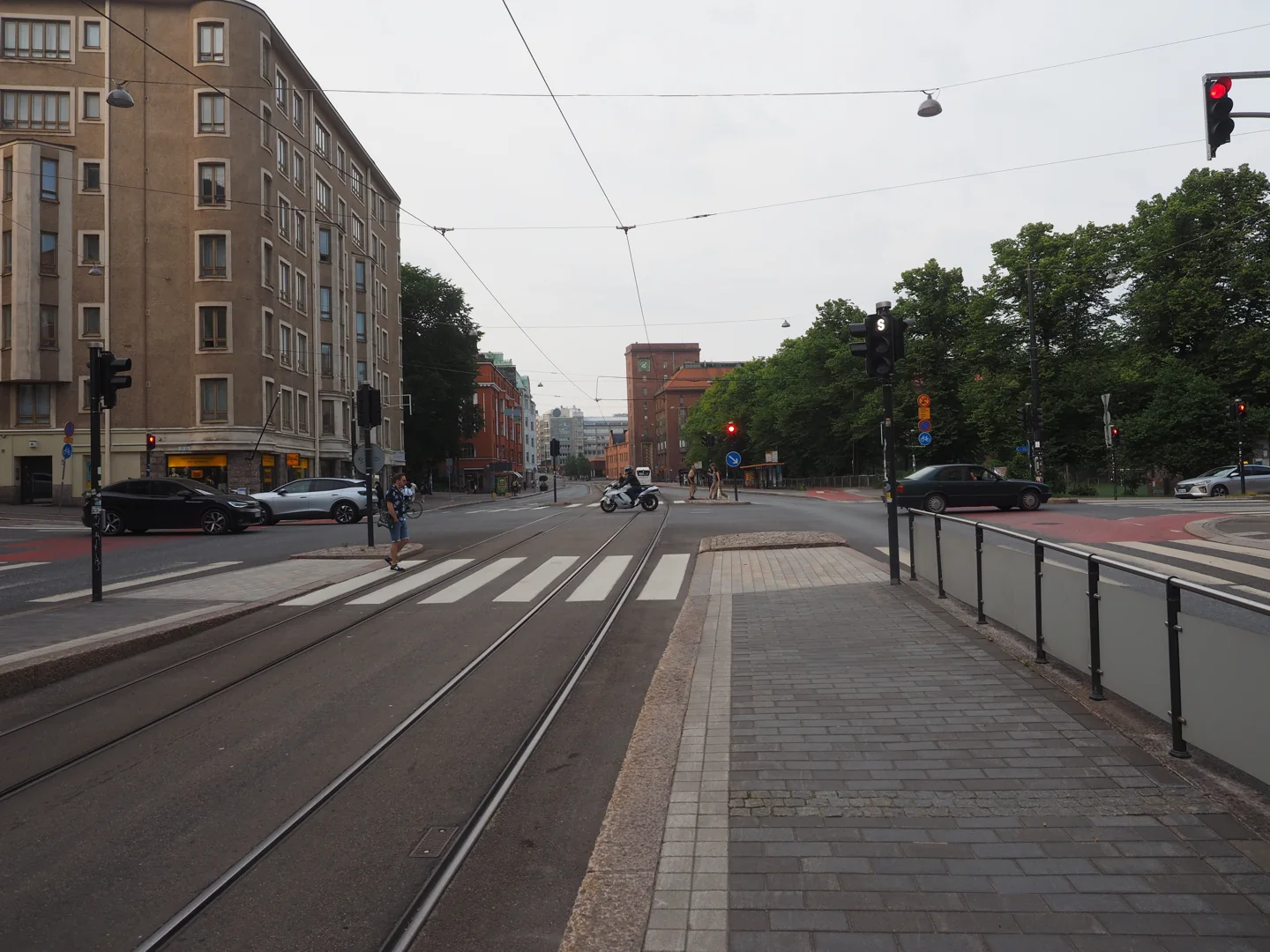
14Build a routine and finish the first-month checks
Make one household calendar for permit expiry, employment changes, school paperwork and contract dates. Compare the first payslip, rent payment and utility bill with the budget. Check that DVV, the bank, employer and education provider have the correct address, especially after leaving temporary accommodation.
Choose a local place you will return to. Maunula House combines a library, adult education and community activities in Helsinki; consult its actual programme rather than assuming a particular group meets every week. Konepaja’s Finnish courses provide another practical starting point, with levels and application arrangements to match the learner.
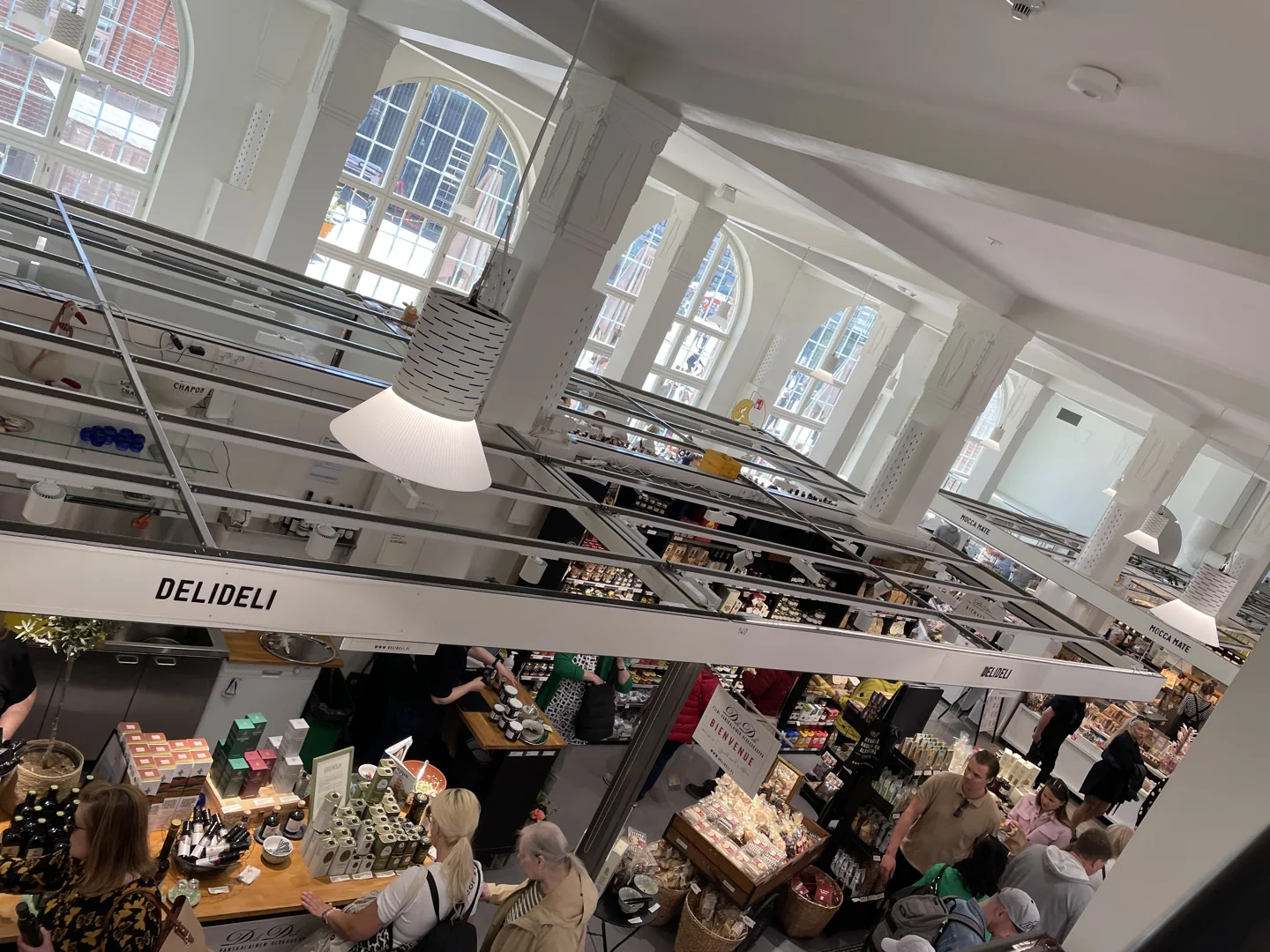
Build shopping and leisure around the neighbourhood rather than trying to reproduce a holiday itinerary. Hakaniemi Market Hall is one everyday setting shown here; its photograph records May 2023 and does not guarantee a pictured trader remains open. Explore what is useful to your own household.
Before another overseas journey, confirm that immigration documents, passport details and return conditions remain appropriate. Keep originals, registration confirmations and renewal evidence accessible. By the end of the month, the important achievement is a home, lawful work or study, functioning services and a clear plan for the tasks still pending.
Sources & further reading
Reviewed 14 October 2026. Sources are linked beside the relevant instructions. The guide separates Nordic registration, EU free movement and residence-permit applications. Municipality registration, health-insurance coverage and strong electronic identification are separate decisions. Primary services and institution pages are linked at the relevant tasks. Housing notice and handover rules rechecked against KKV on 16 October 2026; other sections retain their stated review dates. Permit fees and income conditions use Migri’s 2026 pages. HSL’s current ticket store and Telia’s own prepaid page were reviewed on 13 October 2026. University tuition is a programme example. Permit income thresholds and hypothetical rent arithmetic are not national living-cost estimates. Photograph credits, licences and capture years appear with the images.
Browse the source directory
- Migri — first residence permit
- Migri — EU and Nordic residence
- Migri — EU registration service
- Migri — employed-person residence permit
- Migri — 2026 work income requirements
- Migri — 2026 application fees
- Enter Finland — online applications
- Migri — identity appointment deadline
- Foreign Affairs — visitor visa and entry
- Migri — spouse of a residence-permit holder
- Migri — household income thresholds
- Migri — start-up entrepreneur
- Migri — entrepreneur permit
- Migri — employment ending
- Migri — other special residence grounds
- Vero — arrival for work
- Vero — working for a foreign employer
- Migri — student residence permit
- Migri — student funds
- Migri — student insurance
- Helsinki — moving children into comprehensive education
- Helsinki — school choices for new families
- Aalto University — 2027 master’s admission
- Aalto University — Economics degree and fees
- DVV — foreigner registration
- DVV — municipality of residence
- International House Helsinki — registration appointments
- InfoFinland — moving and address notification
- Suomi.fi — preparation and removal goods
- Finnish Food Authority — non-commercial pets from outside EU
- Finnish Food Authority — dog tapeworm treatment
- Nordea — banking for new residents
- Nordea — accepted identity documents
- Police — foreigner identity card
- KKV — rental security deposit
- KKV — rental payment and increases
- KKV — ending a lease
- Kela — entitlement to medical care
- Kela — moving to Finland
- Helsinki — find and contact the health station
- Telia — prepaid packages
- Energy Authority — electricity comparison service
- Energy Authority — compare electricity products
- HSL — ticket prices and zones
- HSL — current ticket store
- Nysse — Tampere transport routes
- Tampere — city relocation services
- Helsinki — Maunula House
- Helsinki — Finnish language courses
- Migri — right to work and foreign remote employment
Make your next step a practical one
Choose the actual job or course location, prepare the matching immigration and family files, then arrange DVV registration, a tax card and the services for your home.