Visa
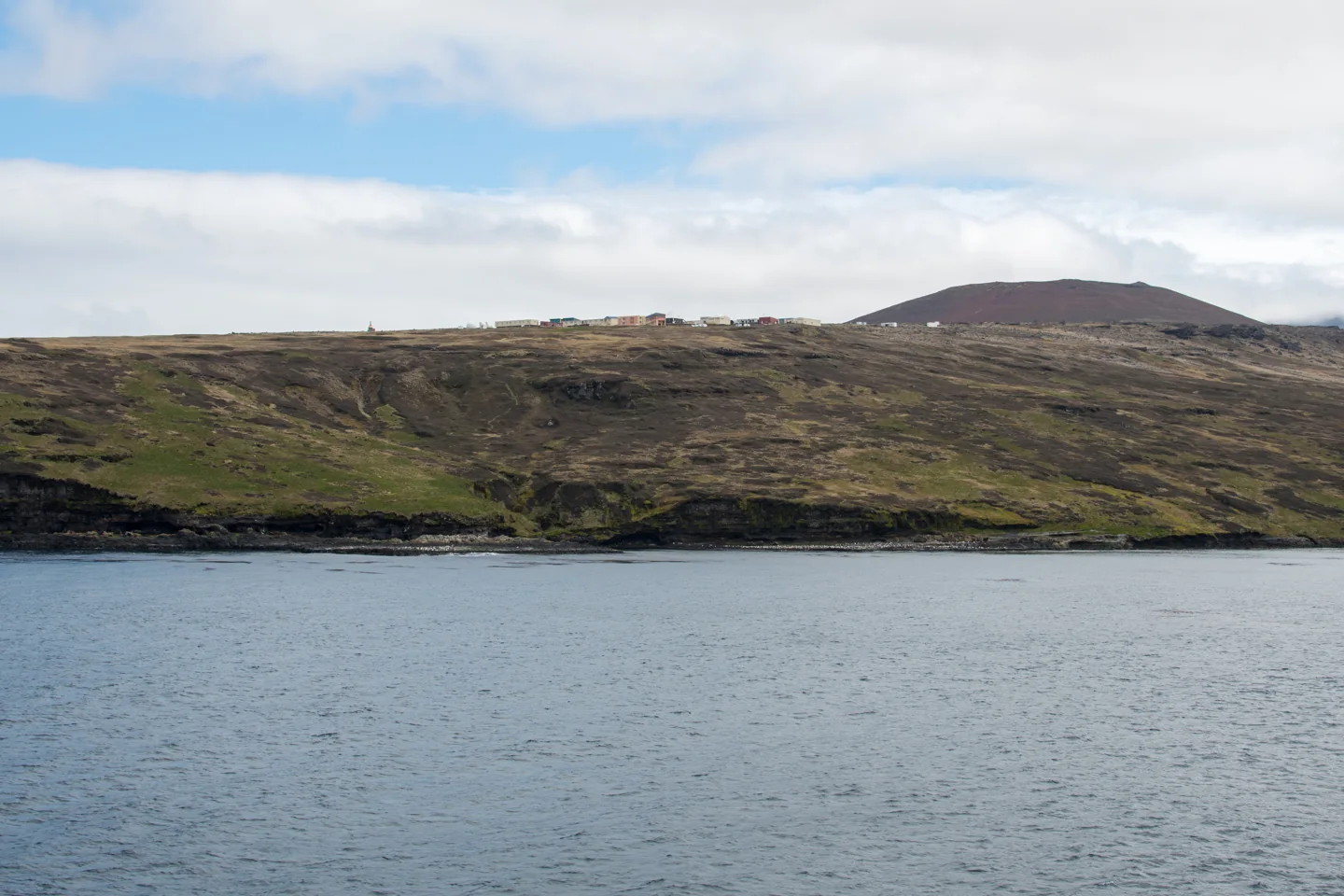
Moving & Living - French Southern Territories - Complete Guide
Prepare an authorised TAAF mission: compare stations, apply to the right employer, obtain medical clearance and access permission, arrange biosafe freight and understand accommodation, cover, communications and return.
Photo credit
Life in the French Southern Territories centres on an assigned station, a small team and the work that keeps a mission operating. At Alfred-Faure or Port-aux-Français, the practical move starts with a contract or approved project, followed by clearance, permissions and a carefully planned journey.
The subantarctic districts have no ordinary permanent-settlement route. This numbered guide follows the preparation and arrival process for an authorised posting, with family, education and retirement planning adapted to that reality. Use the links alongside each task to reach the organiser or authority responsible for it.
French Southern Territories at a glance
- Settlement pattern
- Temporary scientific, technical and military missions
- Administrative headquarters
- Saint-Pierre · Réunion
- Typical subantarctic bases
- Alfred-Faure · Port-aux-Français · Martin-de-Viviès
- Administrative language
- French
- Planning currency
- Euro · EUR
- Entry area
- Outside Schengen
- Access authority
- TAAF administration
- Scientific operator
- Institut polaire français
- Reviewed
- 14 October 2026
Follow your moving journey
Start at step 1, or jump to the task you are working on.
01Choose an authorised mission and understand its base
A move to the French Southern Territories starts with a mission, rather than a neighbourhood search. The TAAF recruitment service explains that the subantarctic districts have no permanent population: scientific, technical, military and logistics personnel rotate through the stations. This guide therefore focuses on preparing for a posting, particularly in Crozet, Kerguelen and Amsterdam.
| Mission base | Location | Decision to make |
|---|---|---|
| Alfred-Faure | Possession Island, Crozet | Does the advertised role and its fieldwork suit your skills? |
| Port-aux-Français | Kerguelen | Will the assignment keep you on base or involve approved field sites? |
| Martin-de-Viviès | Amsterdam Island | What are the current facilities and restrictions for this mission? |
| Other TAAF districts | Terre Adélie or the Îles Éparses | Which employer, permission and transport arrangements apply to that specific location? |
- Find a current vacancy naming the station, employer, contract and duration.
- Ask how much time is spent outdoors, at remote sites and on shared duties.
- Read the appropriate district information before accepting. Keep the Crozet and Kerguelen sheets as orientation material, and get the latest mission briefing for operational details.
- Separate a job at the TAAF headquarters in Saint-Pierre, Réunion, from a station posting. The address and daily arrangements are entirely different.
Amsterdam was evacuated during the January 2025 fire. The April 2025 technical-mission update describes restoring essential systems, while the later 2026–27 Institut polaire recruitment announcement includes Amsterdam. Neither establishes the facilities promised by your particular contract: request that mission’s accommodation and operational briefing.
02Apply to the employer responsible for the role
TAAF and the Institut polaire français recruit different groups of staff. Begin with the TAAF vacancies or the Institut’s actual recruitment portal, then read the particular advertisement. Do not send a generic relocation request in place of a job application.
- Match your CV to the advertised responsibilities. For a technical post, explain the systems you maintain, relevant qualifications and experience diagnosing problems with limited supplies.
- Write a motivation letter addressing both the work and communal life. Identify the advertised post and follow its submission channel and deadline.
- Keep your availability consistent with the entire mission, including training, travel and handover.
- Prepare for interviews with examples of working in small teams, resolving disagreements and following safety procedures.
- Wait for the employer’s selection and clearance instructions before resigning, buying equipment or arranging non-refundable travel.
TAAF’s contract-worker guidance covers trades and services and describes missions commonly lasting six to eight months, with no mid-mission return. The Institut polaire procedure distinguishes summer assignments of three to six months from wintering contracts averaging thirteen months. Those are different employment arrangements, not a choice to leave whenever you wish.
For military posts, follow the PARTEX route through your hierarchy. For science and technical work, investigate the Institut’s role descriptions. A volunteer contract also has nationality, residence and age conditions: establish eligibility for the actual employer’s scheme before applying.
For a TAAF volunteer vacancy, submit a detailed CV and motivation letter during that advertisement’s application period; TAAF says files outside those calls are not examined. Its recruitment includes medical and psychological tests and a criminal-record check.
For the Institut polaire’s VSC scheme, the published conditions require applicants to be over 18 and either French, EU or EEA nationals, or to have more than one year’s lawful residence in France under an eligible residence title. Check the listed title category with recruitment if using that route. The Institut also prohibits two consecutive winterings. Establish eligibility before committing to the full selection process; another employer’s volunteer scheme may use different conditions.
03Complete medical selection and preparation
The Institut polaire selection process includes physical and, for the relevant longer missions, psychological assessment. These assess suitability for isolation and limited evacuation options; acceptance of a CV is not the final clearance. TAAF’s contract recruitment also makes medical and psychological aptitude part of selection.
- Book the examinations specified by the recruiter and supply accurate health information to the medical service.
- Explain all regular medication and treatment, including anything that requires monitoring or refrigeration.
- Arrange any dental or other preparatory care requested by the mission doctor. Leave time for treatment and recovery rather than scheduling everything immediately before departure.
- Ask the prescriber and mission medical service to agree the medication supply and transport arrangements for the full stay.
- Take the medical documents required by the service in the instructed format; keep confidential medical information separate from ordinary freight paperwork.
The 2025 official handbook asks participants to prepare ongoing medicines for the stay and emphasises dental preparation. Use the medical team’s current checklist for your mission rather than treating another expedition’s vaccination or treatment list as your own prescription.
Before accepting the posting, discuss how you would handle disrupted sleep, separation and living with the same small group over many months. Bring practical questions to the assessment: who provides confidential support, what happens if a condition changes, and how do you notify the service before boarding?
The 2025 handbook, page 11 requires a first-aid training certificate for outings beyond the bases’ safety perimeter. Ask the organiser which certificate it accepts and arrange training before departure where possible; the handbook also provides for instruction by the district doctor on site. Record this with your induction tasks before requesting a field outing.
04Obtain access approval and any required visa
The territories are outside the European Union and Schengen. A travel document, a job selection and permission to enter a protected island are different requirements. Establish them with the employer and administration before arranging an independent itinerary.
- Use TAAF’s visa instructions and the France-Visas assistant to establish whether your nationality and circumstances require a visa for the destination.
- Where required, seek the administrator superior’s agreement at least two months before arrival. Use the scientific, Australes or Éparses form appropriate to the planned activity.
- After that agreement, apply through the consulate or embassy in your country of residence. The TAAF instructions provide a prefecture route for residents in mainland France.
- Check the conditions and duration approved, and ensure the organiser has completed the separate access and activity permissions needed.
- Keep copies with your passport and the mission or employment documentation.
Access and anchoring rules strictly limit private yacht access and movements ashore. Arriving by your own vessel does not create a settlement right or access to every island. Scientific activities, structures and drones can require their own authorisations.
The current Marion Dufresne tourism page says the administration no longer offers tourist stays on that ship. Do not use older tourist itineraries or cruise prices to organise a posting; a mission berth must come through the organiser responsible for your approved journey.
05Arrange the household that will remain at home
Station life is not an ordinary family relocation with a school-enrolment and rental-market route. Keep children’s schooling and dependants’ arrangements at their actual place of residence, unless the organiser has explicitly approved another arrangement. Discuss the full period away, rather than only the advertised number of working months.
- Agree who handles school communications, health appointments, housing and household payments.
- List decisions that may need your signature and obtain the appropriate permissions or representation arrangements before departure.
- Prepare emergency contact details for the organiser and the person managing affairs at home.
- Plan communications around the station’s actual services and working hours, with a fallback when a connection is unavailable.
- Keep time after return for administrative tasks and readjustment before promising a new fixed commitment.
For students considering a TAAF internship, the official internship page describes placements at headquarters in Réunion or the Paris office. Long placements use advertised offers; the page distinguishes shorter spontaneous applications. It does not promise a university course or station placement. For a scientific field opportunity, work through the supervising institution and approved project.
Retirement is also a household planning question, not a settlement visa here. A pension does not secure a station berth or authorise residence in a protected district. Someone approaching retirement should establish the contract’s eligibility, contribution treatment and return arrangements with the employer and pension institution.
06Budget for the contract, preparation and return
Build a budget from the contract instead of a national cost-of-living average. Housing and meals on a mission may be provided or charged through the relevant employment rules. Ask for a written breakdown of gross pay or allowance, deductions, travel funding and reimbursements.
| Budget line | How to establish it |
|---|---|
| Recurring home costs | Keep actual rent or mortgage, insurance, dependants’ costs and other continuing bills in the budget. |
| Mission income | Use the employer’s net estimate for this contract and status. |
| Board and lodging | Confirm what is included and any deductions; do not budget a private apartment deposit for a station assignment. |
| Preparation | Obtain quotations for required equipment, trunks, dental preparation and freight collection. |
| Reimbursements | Identify approval conditions, receipts, eligible travel and when money is repaid. |
| Return fund | Allow for continuing home costs and the period between the mission’s end and the next income. |
For a clearly hypothetical example, continuing home bills of €700 monthly over thirteen months total €9,100. Add your own preparation costs and reserve; the calculation is not a TAAF living-cost estimate.
TAAF’s volunteer guidance describes its allowance and social-cover arrangement. Do not apply one employer’s volunteer payment to another employer or to a salaried post. The territorial contribution rules also mean a working posting is not universally tax-free. Request the payroll treatment for your status and fiscal domicile, preserve the annual contribution statement and establish how any continuing home-country return will report the income.
07Make payments manageable without ordinary mobile coverage
Keep an account suited to receiving the employer’s payments; there is no ordinary station banking-onboarding journey to follow. Supply the RIB or other bank details requested by payroll and confirm the first payment date.
- Test the bank’s approved authentication method before departure. Ask for a supported alternative if access depends on receiving ordinary mobile SMS.
- Schedule predictable home payments and leave enough available funds for the first period away.
- If a trusted person must manage a transaction, establish a formal bank-authorised arrangement. Do not share your password as a substitute.
- Ask the organiser which payment methods work aboard and at the station cooperative. Obtain a cheque book beforehand if required for your mission.
- Keep the bank’s contact and account-recovery information accessible independently of the phone you normally use.
The official handbook flags SMS-dependent account access and describes cheque-based purchases. Confirm current arrangements in your joining instructions. A card that works in Réunion should not be assumed to settle every station or ship purchase.
Use the preparation period to download statements, insurance documents and important correspondence. Record upcoming expiry dates for the passport, cards and any permissions. Resolve renewals that cannot reliably be completed while away, and retain copies of the arrangements made with each provider.
08Pack clothing and equipment through the biosafety procedure
Base clothing and field clothing serve different purposes. Ask the incoming team’s contact what is issued for the role and what you must supply. The Crozet equipment guidance and Kerguelen sheet give useful starting points for footwear, weather protection and indoor clothing; avoid buying duplicates of confirmed issued equipment.
- Lay out items on a clean surface and inspect boots, bags and outdoor clothing for soil, seeds and insects.
- Follow the biosafety booklet: clean footwear inside and out, wash clothing and bags, and clean technical equipment.
- Dry and inspect the items, then pack them into clean containers and store them where they cannot be contaminated again.
- Remove prohibited fresh produce, plant material and living organisms. A household pet is not part of an ordinary station move; any exceptional introduction requires express authorisation.
- Give relatives the parcel restrictions before they send anything later. The biosafety booklet specifically excludes fresh produce, dried or dehydrated plants and nuts from postal parcels. Send the booklet to the sender before a parcel is packed.
Bring a short inventory of personal items you need every day and items needed for field duties. Check fit before packing: an uncomfortable boot is harder to replace after the ship has left. Pack travel essentials separately from freight so they remain accessible during the crossing.
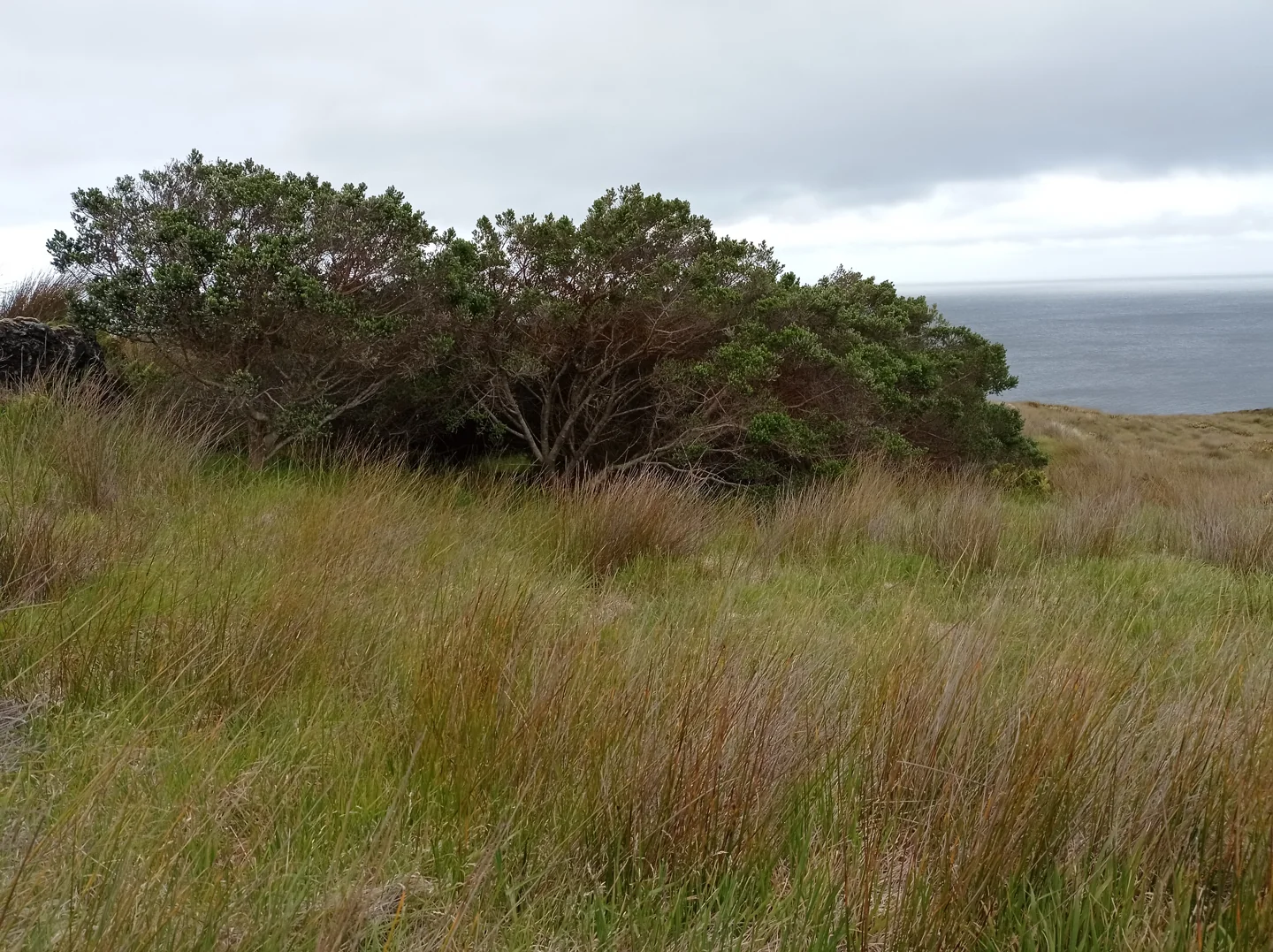
The June 2026 environmental charter also applies within station grounds. Biosafety continues after arrival and between field sites. The biosafety booklet requires cleaning field equipment before and after each outing and scientific equipment between study sites; include boots, clothing and camping gear in the cleaning routine. Ask where cleaning equipment is kept and learn the actual procedure before the first outing.
09Prepare the freight inventory and customs documents
Obtain the logistics team’s instructions before ordering containers or booking collection. Your flight baggage and your sea freight have different limits, deadlines and handling arrangements.
- Use the état de colisage to list each container’s dimensions, weight, contents and values in euros. Number the containers so the paperwork matches the labels.
- Complete the customs declaration for the individual bag or container and ask the organiser which export treatment applies.
- Attach the required protected copy, provide the original for the forwarder and send the electronic copy to the current logistics contact supplied for your mission.
- Tell logistics about tools, batteries, gas cartridges or other potentially regulated goods before packing. Obtain the required documentation or leave the item out.
- Keep the quotation, collection receipt and invoice in your own name where reimbursement requires it.
The 2025 handbook specifies a maximum of two metal trunks, 110 kg total, and earlier mainland than Réunion delivery deadlines. Its published specification is metal trunks no larger than 100 × 55 × 40 cm, without wheels. Mark them with green bands for Crozet, red for Kerguelen or blue for Saint-Paul and Amsterdam, plus your name, destination, trunk number, weight and volume. The handbook’s delivery cut-offs are 60 calendar days before the ship’s departure from Réunion for mainland/overseas freight, or 30 days for trunks delivered to the Réunion forwarder. Confirm the current forwarder, cut-off and specification with logistics before collection; do not derive them from an old rotation date. Ask specifically about protection for valuable or fragile items: an inventory entry alone is not an insurance policy.
Photograph the sealed, labelled containers and preserve the final inventory. Tell the organiser immediately if delivery slips; do not assume a late container can follow on the same rotation or that a later parcel substitutes for missing work equipment.
10Follow the arranged journey to Réunion and the station
The organiser must connect travel to the logistics operation. The October 2026 Institut polaire rotation notice describes combined third and fourth rotations carrying personnel and materials; it is not a public passenger timetable or a guarantee of your berth.
- Check the tickets and joining instructions received from the organiser: arrival airport, transfer, boarding location and reporting contact.
- Keep the passport, approved permissions and mission documents accessible. Follow the organiser’s passport-validity requirement rather than relying only on the airline’s boarding check.
- Confirm onward arrangements if an international flight is disrupted. Contact the mission travel service before making a replacement booking.
- At embarkation, report to the person named in the instructions and complete the ship’s induction.
- Keep medication, permitted essentials and clothing for the voyage in accessible luggage; your shipped trunks may not be available during transit.
Keep proposed return dates flexible. Sea conditions, cargo operations and mission priorities affect rotations. Avoid planning a fixed appointment immediately after the projected return, and ask how the employer handles a delayed relief.
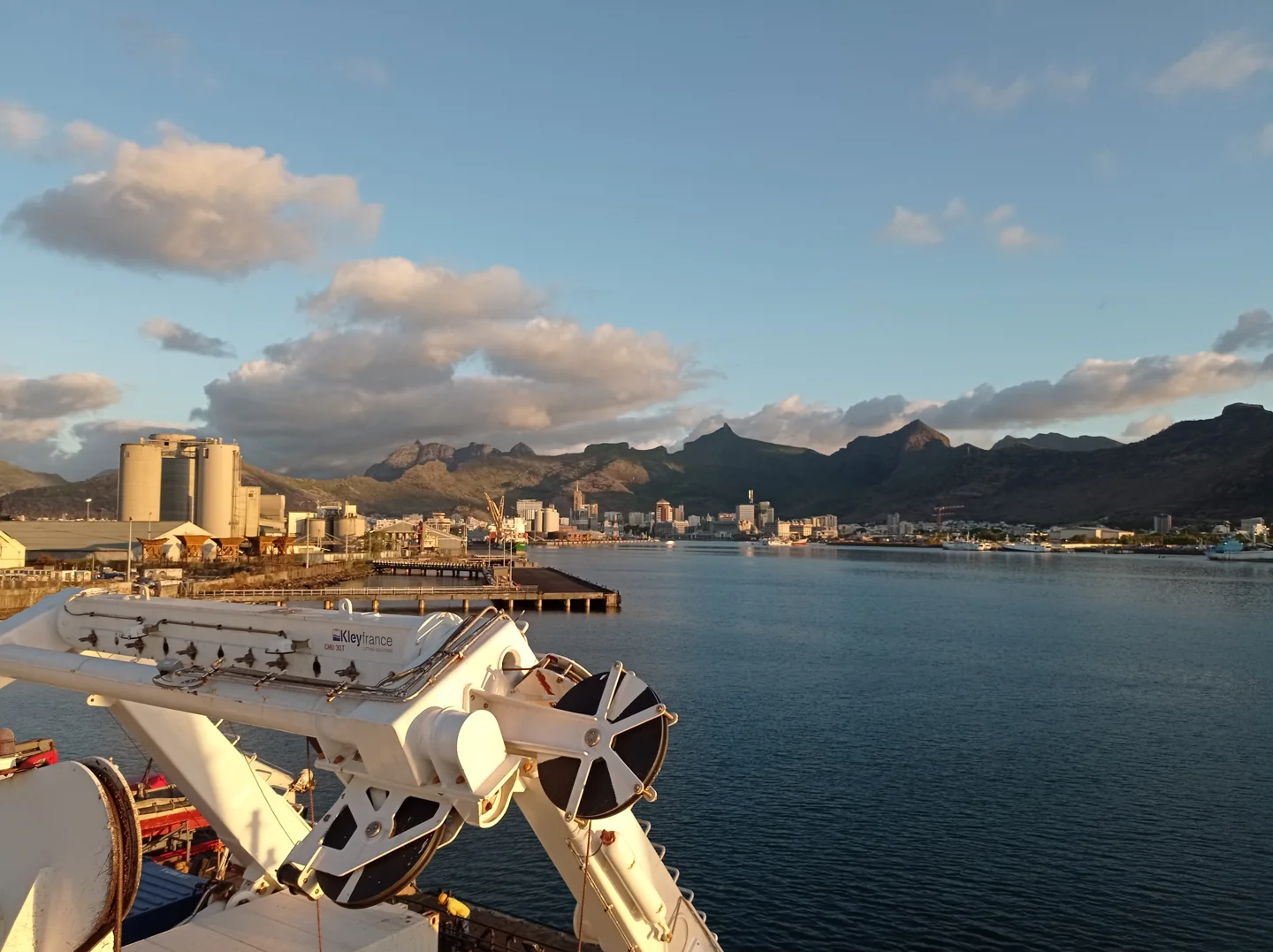
Use the crossing to learn the safety instructions and meet the incoming team. Ask which documents and equipment must be ready at disembarkation, and follow the biosafety briefing for every authorised landing. A stop at another district does not make independent exploration permissible.
11Complete the station handover and local induction
Station induction replaces the ordinary city sequence of resident registration, utility shops and municipal appointments. Report to the mission leadership and follow the handover arranged for your role. Confirm who has your emergency contact and who records the start of duty.
- Identify your supervisor, the district leadership, medical service and communications contact.
- Learn the alarm signals, assembly point, safe routes and restrictions before working independently.
- Check issued equipment against the handover record, report missing items and learn where spares and tools are controlled.
- Obtain the roster for shared duties and training, including the activities relevant to your safety role.
- Keep a list of outstanding paperwork or supplies and agree who resolves each item.
The district guidance describes communal work such as cleaning, waste handling and duties around meals and vessel operations. Establish what applies to your station and skill level; training and permission still matter when everybody contributes.
The TAAF conduct and reporting charter applies at sea and ashore. Read its contacts and reporting arrangements before a problem occurs. Ask how to reach confidential medical or administrative support independently of the ordinary work discussion, and retain the current contact details issued with the mission.
12Settle into the assigned room and meal arrangements
Accommodation is assigned through the mission rather than secured with a normal private rental contract. Obtain the details before departure, then check the actual room, shared facilities and reporting arrangements on arrival.
- Record the room and keys handed over and report any existing defect or missing item promptly.
- Ask about bedding, laundry, cleaning supplies and the storage of wet outdoor clothing.
- Learn meal times and explain any agreed dietary requirement to the responsible staff.
- Check where personal food may be stored and which supplies are for communal use.
- Understand any board-and-lodging deduction through payroll rather than improvising payments to another participant.
The Kerguelen conditions sheet describes furnished rooms and communal facilities. Its older published detail is orientation material: request your current allocation rather than assuming every room has the same bathroom or equipment.
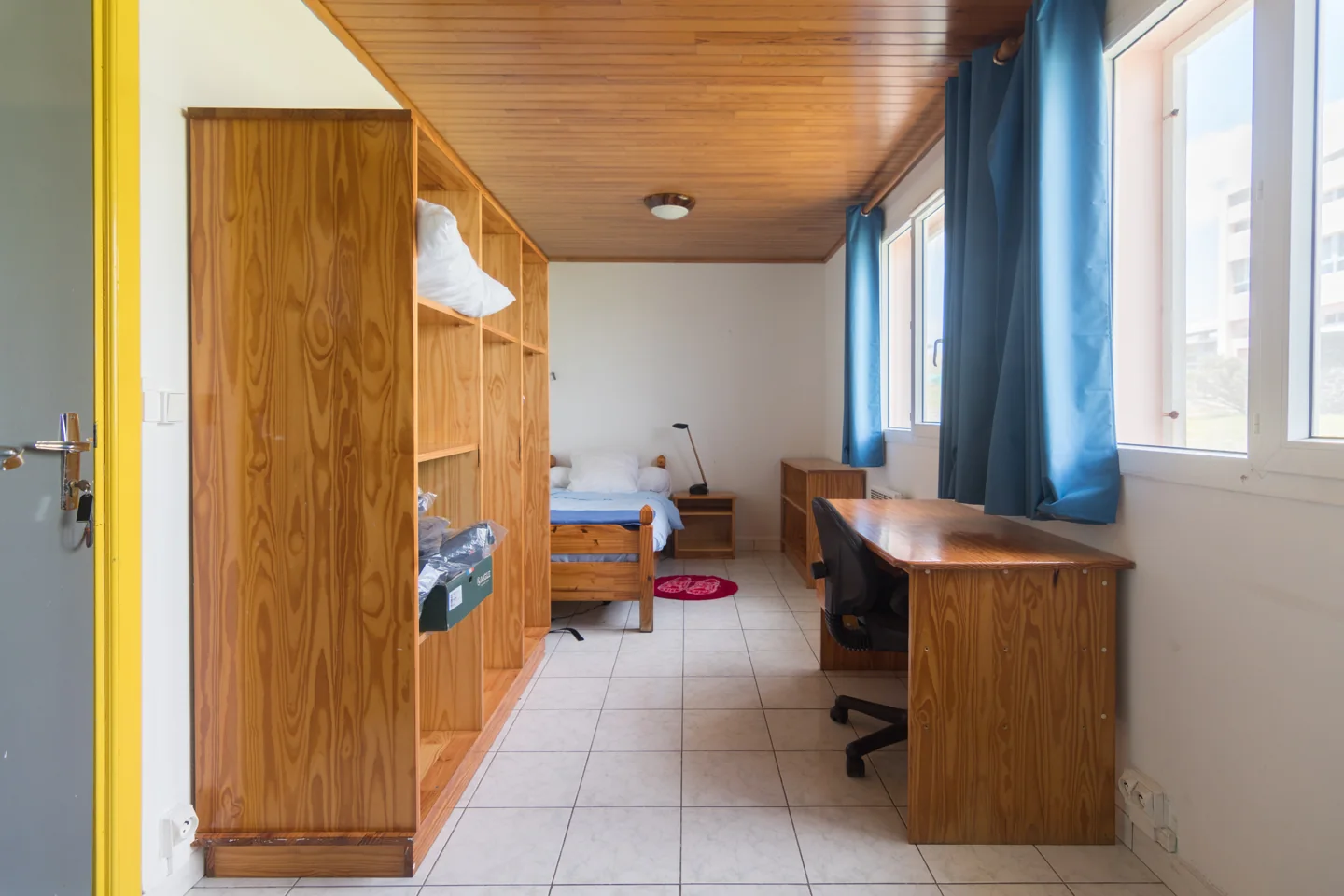
At Amsterdam, the room photograph is from 2020, before the fire. It illustrates a past station interior, not an available room or a promise about the present mission. Keep the organiser’s accommodation briefing with your contract.
Use the first week to establish a routine for laundry, drying boots and keeping the room comfortable. Learn whom to contact about a heating, water or electrical fault, and follow the station’s conservation arrangements instead of treating the facilities as a privately managed apartment.
13Confirm social cover and learn the medical pathway
Medical support is organised for the mission. TAAF’s medical-service description identifies district doctors, additional provision at Kerguelen and a doctor associated with the Marion Dufresne rotations. It does not establish an ordinary hospital network accessible as part of independent settlement.
- Ask HR for the insurance or social-security affiliation that applies from the start of your contract.
- Verify cover during preparatory training, travel, the posting and the period after return. Give dependants’ arrangements separate attention.
- Provide the station doctor with the agreed medical information and explain any change since clearance.
- Learn how to request a consultation, obtain prescribed supplies and alert the team to an urgent problem.
- Keep the insurer’s documents and ask the organiser how care outside the station’s jurisdiction is authorised and paid.
The September 2025 handbook records a change for TAAF contract staff after the 2025 social-security legislation: they remain affiliated to their usual regime. Do not use an older handbook’s automatic CFE-affiliation statement as current instructions.
For a volunteer post, read the actual employer’s cover arrangements alongside the contract. For military or civil-service staff, establish the continuing regime with the responsible service. Care provided on base and an evacuation or treatment elsewhere are different questions; clarify them while the organiser can resolve the paperwork.
14Set up communications and authorised field travel
The internet charter separates professional and personal access and gives professional traffic priority. It requires personal acceptance and provides adjustable quotas: 4.5 GB monthly for station personnel, with a different 100 MB daily limit for visitors, interdistrict personnel and personnel aboard the ship. These are charter provisions, not a commercial broadband package.
- Obtain your own credentials through the communications service and sign the required undertaking.
- Test a short message to the contact at home and agree a fallback for connection interruptions.
- Manage automatic downloads before they consume the allowance. Prepare legal offline reading or entertainment before travel.
- Use the authorised network for its permitted purpose; ask communications staff about an application your work needs.
- Before a field outing, get the route, permission, briefing and communications procedure from the responsible team.
The Institut’s field-logistics directory describes refuges and their differing water, power and radio arrangements. A named refuge is an operational resource, not accommodation you can independently reserve. Ask what is available for the actual field task and who authorises the departure.
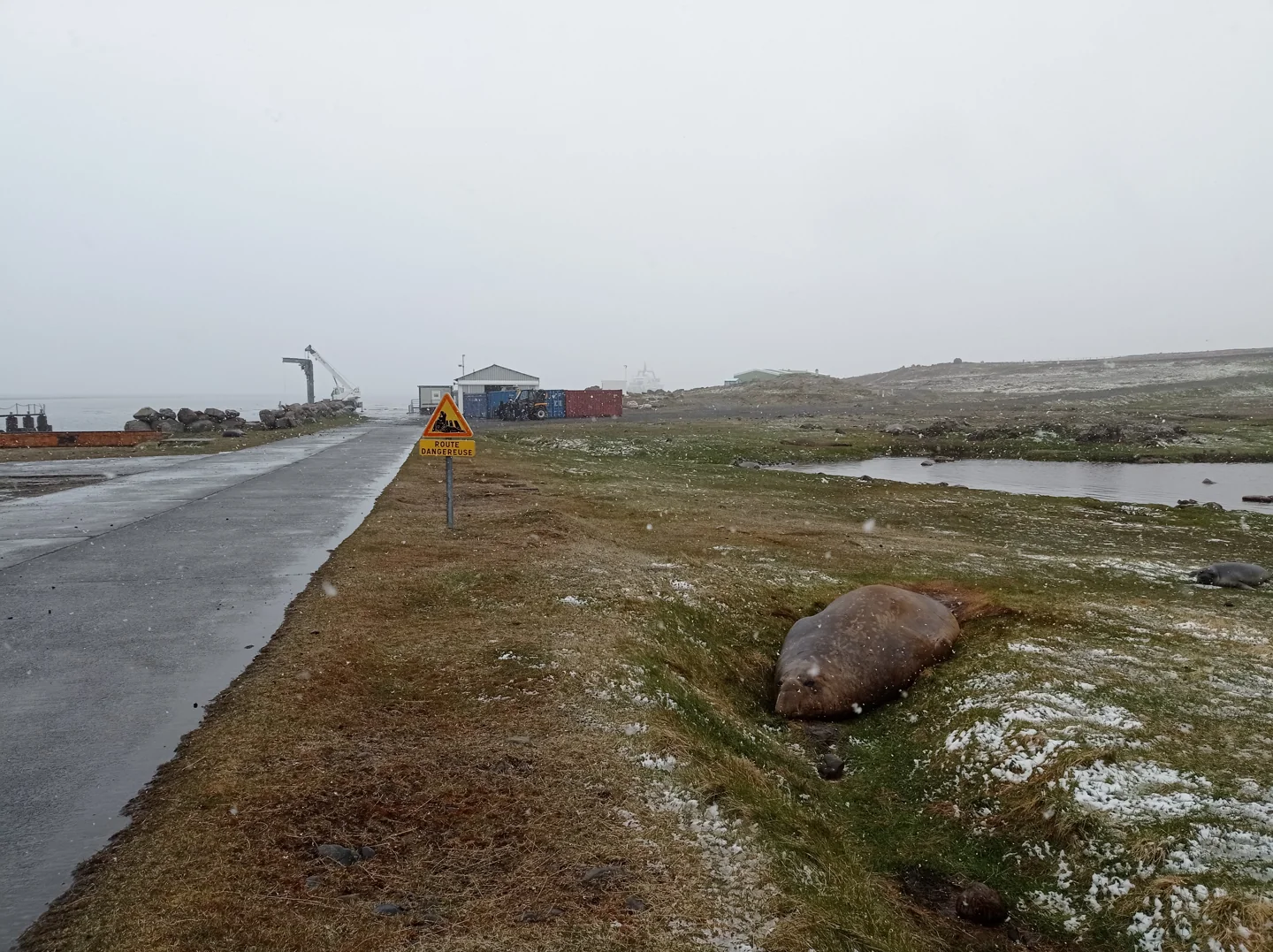
Stay on the approved route, observe the return and reporting arrangements, and apply the environmental charter to wildlife and historic sites. Obtain approval for any activity beyond ordinary assigned duties; do not treat a quiet day as permission to enter a restricted area.
The September 2025 handbook’s communications section prohibits personal low-orbit satellite terminals such as Starlink or OneWeb for winterers. Scientific missions can request the administrator superior’s authorisation for professional use. Resolve this through the organiser before buying or shipping equipment.
15Build the working routine and prepare a clean handover
Review the posting after the first weeks. Identify what is working and what needs attention with the supervisor: equipment, shared duties, communications, rest, paperwork and supplies. Raise a missing essential while there is still time to plan its delivery.
| First-month task | What to have in place |
|---|---|
| Role and equipment | A completed handover and a recorded list of faults or missing items |
| Safety | Required induction, drills and permissions for assigned activities |
| Income and cover | Correct first payment and confirmed affiliation documents |
| Home administration | Working authorised payments and a reliable contact routine |
| Daily life | Understood room, meals, laundry and communal responsibilities |
| Fieldwork | Approved route, equipment and communications arrangements |
Before relief, organise work records so the next person can find settings, maintenance history, outstanding requests and essential contacts. Keep personal data separate from the mission’s operational records and follow its instructions for returning issued equipment.
Prepare return luggage through the same inventory and biosafety process used on arrival. Follow the charter’s restrictions on collecting and exporting material; natural and historic objects are not ordinary souvenirs. Obtain the financial and employment documents needed for tax, insurance and the next job, and confirm the current travel plan through the organiser.
Keep some flexibility after the projected return for delayed transport and practical readjustment. A completed posting includes leaving the station and its records ready for the incoming team, as well as reaching home with the documents needed to resume everyday life.
Sources & further reading
Reviewed 14 October 2026. Sources are linked beside the relevant instructions. Reviewed 14 October 2026 using TAAF and Institut polaire services, including the September 2025 handbook and June 2026 environmental charter. Older orientation sheets are labelled; current joining instructions govern allocation and operations. Visa, access and mission selection remain separate. TAAF volunteer application windows and selection, and Institut polaire VSC eligibility and its prohibition on consecutive winterings, were reviewed on 21 October 2026. The handbook’s freight specifications and delivery windows, social-cover page and satellite-terminal rule, and all six pages of the internet charter, were visually reviewed on 21 October 2026. The handbook’s medical-preparation pages 8–11 and biosafety booklet’s personal, field-equipment and postal instructions were reviewed on 21 October 2026. Budget in EUR from the actual contract and household bills. The home-cost calculation is hypothetical. No national living-cost average, current cruise fare or universal pay rate is invented. Ask payroll for current deductions and reimbursable expenses. Photograph credits, licences and capture years appear with the images.
Browse the source directory
- TAAF — current recruitment
- Institut polaire — application portal
- TAAF — contract staff
- Institut polaire — procedure and contracts
- Institut polaire — roles
- TAAF — military PARTEX recruitment
- TAAF — volunteer contracts
- TAAF — internships
- TAAF — visa application
- France-Visas — visa assistant
- TAAF — access and anchoring
- TAAF — current Marion Dufresne tourism position
- Institut polaire — 2026–27 campaign announcement
- TAAF — April 2025 Amsterdam technical mission
- TAAF — Crozet district orientation sheet
- TAAF — Kerguelen district orientation sheet
- TAAF — official handbook updated September 2025
- TAAF — territorial contribution legal provisions
- TAAF — biosafety booklet
- TAAF — environmental charter, June 2026 version
- TAAF — packing inventory form
- TAAF — individual container customs declaration
- Institut polaire — October 2026 logistics rotation
- TAAF — conduct and reporting charter
- TAAF — medical staffing
- TAAF — internet charter, September 2025 publication
- Institut polaire — field logistics and refuges
Make your next step a practical one
Find a real vacancy or approved project at a named station, then confirm the employer, duration, clearance and joining arrangements.