Visa
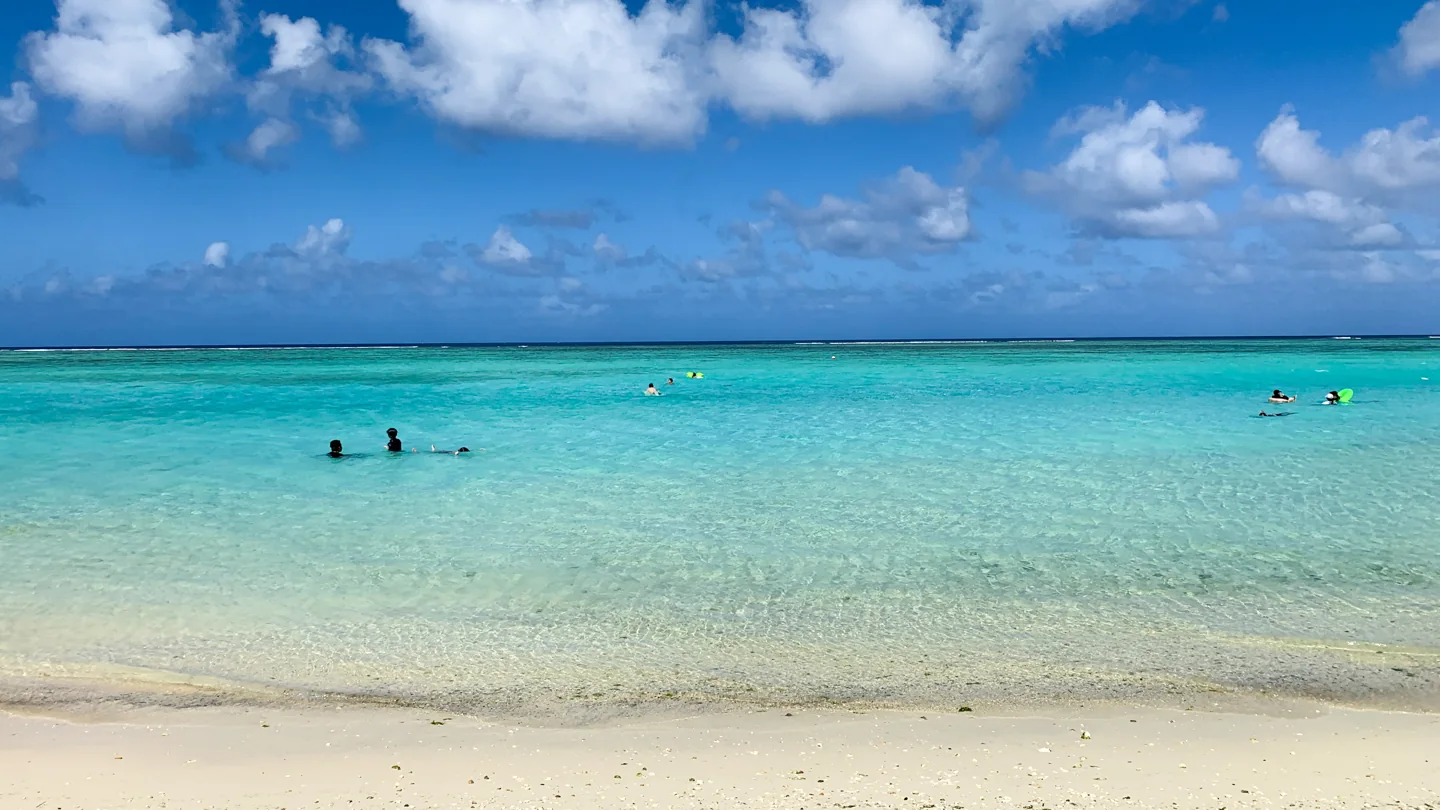
Moving & Living - Guam - Complete Guide
Move to Guam through fourteen practical steps covering U.S. immigration and Compact rights, employment, tax, schools, pet quarantine, village registration, housing and daily services.
Photo credit
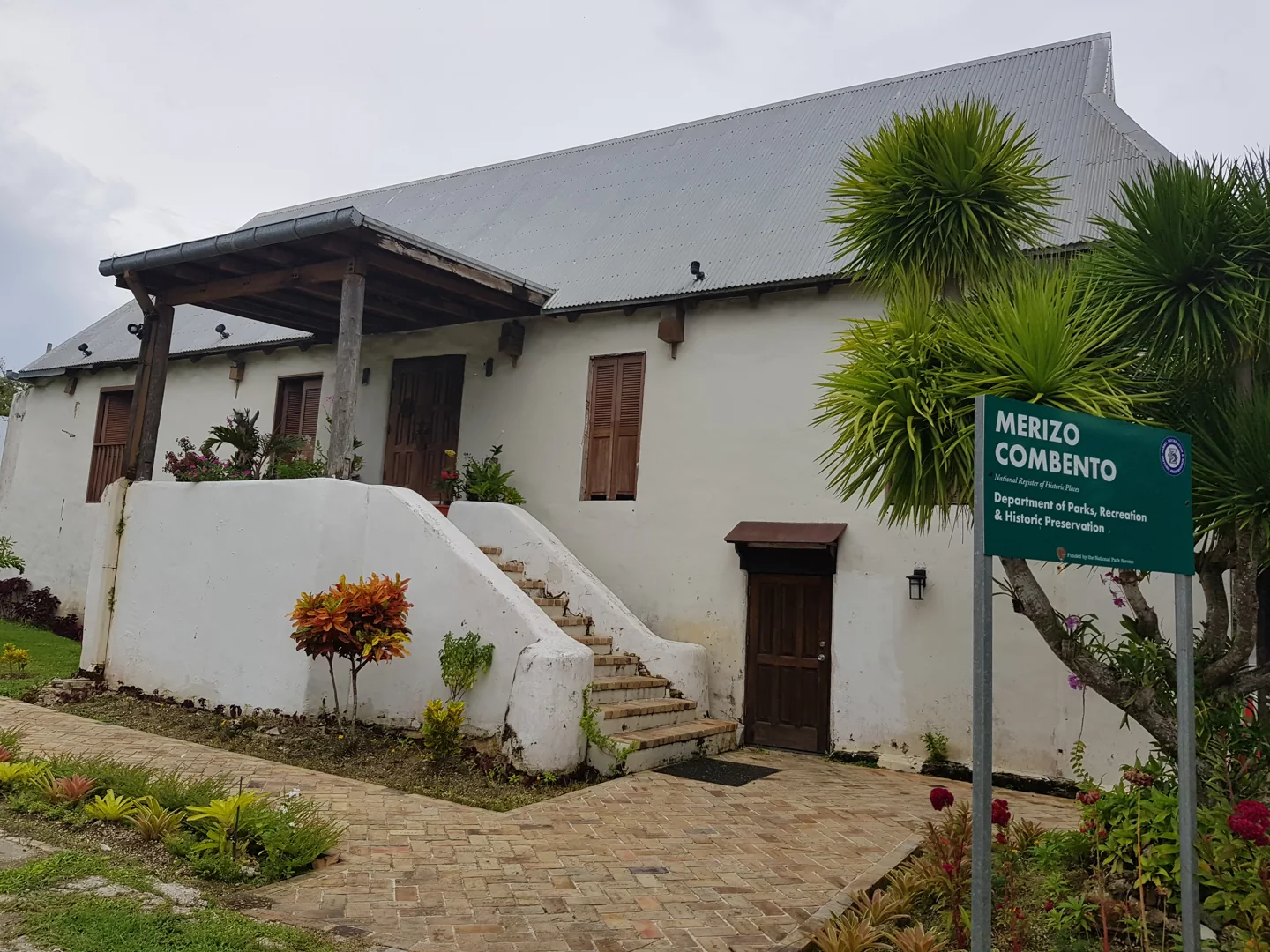
Guam’s daily geography runs from the hotels and beaches of Tumon to Mangilao’s university campus, Dededo’s residential areas and southern villages such as Merizo. A workable move connects your home with your job, school, healthcare and transport, while leaving time to participate in the island’s CHamoru community.
This guide follows that move in fourteen steps. Guam is a U.S. territory: visitor authorisation, permission to work, Compact admission and local tax residence are different questions. Settle those first, then build the practical arrangements around the status and address you will actually use.
Guam at a glance
- Capital
- Hagåtña
- Currency
- U.S. dollar · USD
- Languages
- English and CHamoru
- Territorial status
- U.S. territory
- Immigration
- U.S. federal rules; Compact exceptions
- Local tax authority
- Department of Revenue and Taxation
- Village administration
- Local mayor’s office
- Reviewed
- 14 October 2026
Follow your moving journey
Start at step 1, or jump to the task you are working on.
01Choose a village around your daily journeys
Begin with the places you will visit every weekday. Tumon’s visitor district, nearby Tamuning, Mangilao and southern villages offer different routines. The Guam Visitors Bureau village directory helps orient a first visit; it does not establish rental availability or commuting times.
- Mark your actual workplace or campus, children’s likely school and regular medical appointments on a map. For University of Guam study, include Mangilao; for Guam Regional Medical City appointments, include Dededo.
- Compare Tamuning–Tumon for access to the visitor district, Mangilao for the university area, and Dededo or Yigo when the north fits your work. Explore Hagåtña and adjoining central villages if that makes your services easier to reach.
- Consider Merizo, Inalåhan or Talofofo only after testing the full journey to work, appointments and groceries. A southern address should fit your normal week as well as your weekend plans.
- Stay temporarily near the area you are evaluating. Travel your prospective commute at the time you would actually use it; inspect the access road and parking in person.
At each viewing, record mobile reception, air-conditioner condition, shade, drainage, water storage and the owner’s arrangements during service interruptions. Ask which repairs and storm preparations are the tenant’s responsibility. Compare complete homes, not just asking rents: included appliances, maintenance and metered utilities can change the decision substantially.
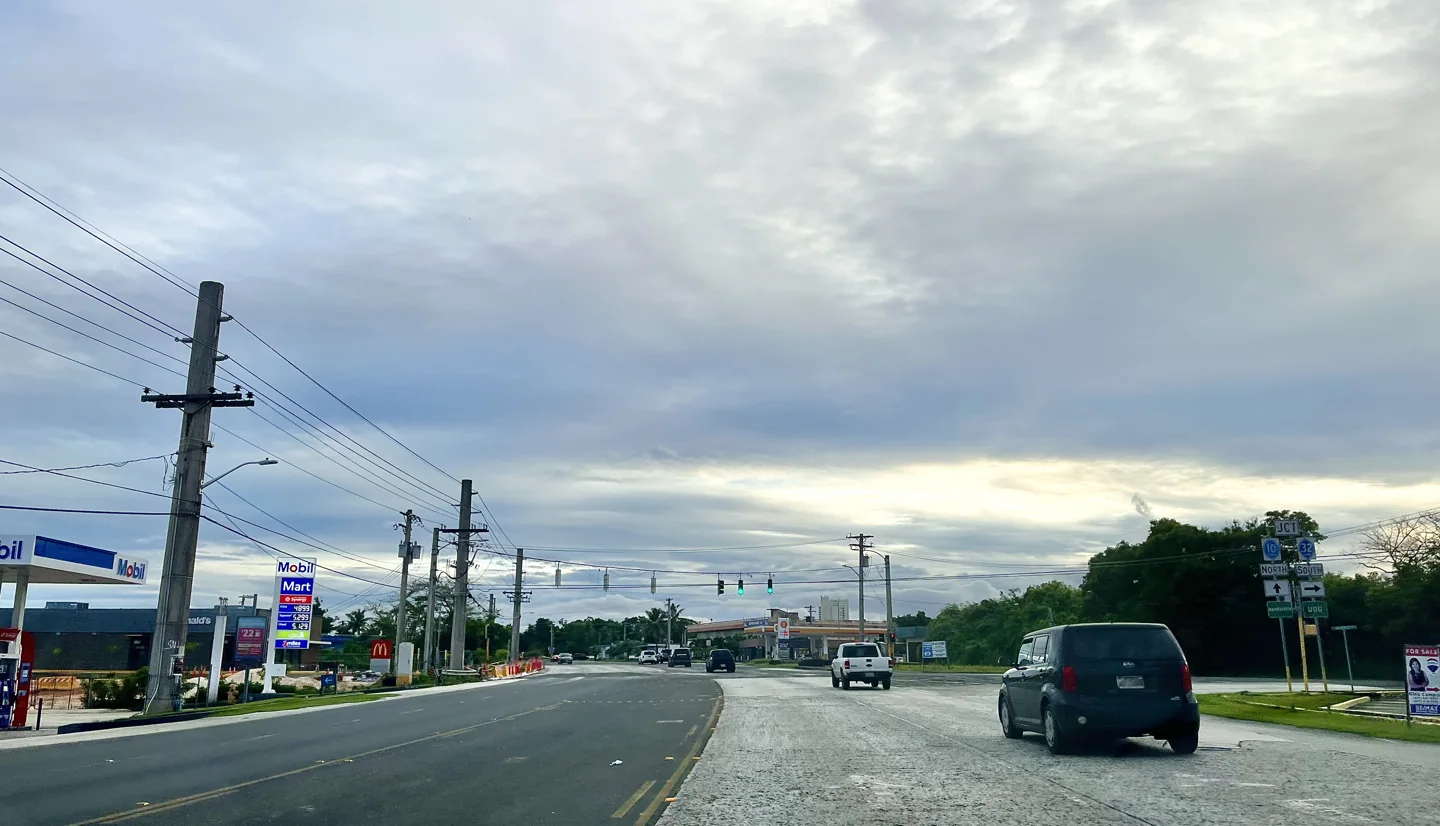
02Establish each person’s right to move and remain
U.S. citizens and nationals do not need a Guam immigration visa. Other movers need an applicable U.S. immigration status or specific admission right. A holiday authorisation is useful for a reconnaissance visit, but cannot substitute for the status needed to live and work.
| Situation | Practical starting point |
|---|---|
| Existing U.S. permanent residence | Travel using the applicable resident documentation and preserve that status. |
| Eligible citizen of FSM, Marshall Islands or Palau | Examine Compact admission and citizenship eligibility. |
| Employer-sponsored temporary work | Have the employer establish the appropriate petition and authorisation. |
| International university study | Secure admission and the required student documentation before applying for the relevant status. |
| Short exploratory visit | Use the visitor route for which your passport, history and itinerary qualify. |
The Interior Department’s Compact guidance explains residence, work and study privileges for eligible citizens of the three freely associated states. Eligibility is not identical for every naturalised citizen. Read the relevant citizenship rules, including USCIS’s Palau fact sheet, and establish the position of a noncitizen spouse or child separately. Compact admission does not automatically confer a U.S. green card or citizenship.
For a visit, Guam-CNMI ETA covers eligible programme travellers for up to 45 days; the PRC provision displayed on that service concerns the CNMI, not Guam. The separate national Visa Waiver Program allows qualifying visits of up to 90 days with ESTA and has passport, nationality and travel-history restrictions. Neither is an ordinary employment route. A Guam-CNMI itinerary through another U.S. destination can require a different entry basis.
03Arrange authorised work or a properly licensed business
Start with the work you intend to perform, where it will happen and who will employ you. An offer letter, business licence or overseas client contract does not itself grant immigration permission. Guam has no separate digital-nomad admission route in the services reviewed for this guide.
- Give the prospective employer your actual citizenship and status information. Ask who handles sponsorship, whether the offer depends on approval, and when you may legally start.
- For an H-2B position (source unavailable), have the employer use the Guam Department of Labor certification process and the federal petition procedure. The current local page provides job-order, prevailing-wage, housing and employment-contract forms; workers should not improvise an application intended for the employer.
- Obtain written terms covering duties, worksite, pay, hours, accommodation and deductions. Construction employers should use the applicable wage schedule, including the one effective 24 August 2026 where relevant.
- Arrange the local registration and orientation required by the programme, and preserve your employment and immigration records. A Guam-specific exemption should not be treated as permission to work on the mainland.
The USCIS Guam/CNMI policy update distinguishes the temporary-need exemption ending 30 December 2029 from the statutory cap exemption ending 31 December 2029. These dates are not a promise that an individual permit will last until then.
For your own business, describe the activity and premises to DRT, then obtain the required registrations and clearances using Form BL-01. The form calls for separate applications by activity and location. Establish the GRT account before business online registration. Remote employees should also settle payroll, tax and employer approval before relocating; foreign payment does not remove U.S. work-status requirements.
For a newly arriving H-2B worker, the employer must submit the ALPCD registration application and supporting documents within 24 hours of physical arrival, excluding weekends and holidays. The September 2025 instructions require the two-sided form signed by employer and worker, passport/visa and admission evidence, approved signed contract, USCIS approval notice and electronic I-94. The employer files in person and should retain a stamped copy. Coordinate the subsequent photo/ID appointment: the instructions prohibit reporting to the jobsite without documentation proving registration. These local instructions were checked on 24 October 2026.
04Build a move budget and establish the correct tax filing
Price the move in U.S. dollars using your household’s quotations. Separate cash needed before the first pay day from ongoing spending. There is no single verified island-wide monthly cost that reliably represents a student, family, retiree and employer-housed worker.
| Cost | What to budget |
|---|---|
| First housing payment | Actual rent plus lawful deposit; hypothetical USD1,800 rent and one-month deposit requires USD3,600 before extras. |
| Electricity setup | GPA USD25 application plus the deposit for the home’s size and air conditioning. |
| Recurring water and sewer | For a hypothetical ¾-inch residential meter using 3,000 gallons: USD39.25 basic + USD11.73 usage + USD35.84 sewer = USD86.82 before applicable surcharges or other fees. |
| Phone | GTA prepaid USD60 for 30 days plus USD1 monthly E911; starter kit and handset are separate. |
| Other initial costs | Quoted flights, temporary lodging, shipping, immigration processing, pet quarantine, vehicle and insurance. |
| Other recurring costs | Actual rent, electricity consumption, groceries, transport, insurance premiums and school costs. |
The water calculation uses GWA’s tariff effective 1 October 2026, with the first-tier USD3.91 per 1,000 gallons. Its supplemental surcharge has a separate application; the example is not a final bill. GPA deposits vary, while GTA’s validity period is 30 days rather than a calendar month.
For tax, read IRS Publication 570 and contact Guam DRT with your arrival dates, income sources, employer, previous residence and family position. Bona fide residence involves presence, tax-home and closer-connection tests. Qualifying bona fide Guam residents generally file Guam income tax on worldwide income; other cases may require U.S. filing or allocation. Self-employment taxes can involve a separate IRS return. Tuition classification and an immigration admission stamp do not determine this result.
Keep a move-year file of travel dates, work locations, income statements and prior returns. Ask whether Form 8898 and its filing instructions apply: Publication 570 requires it where worldwide gross income exceeds USD75,000 and the specified change in bona fide residence and prior-filing conditions are met. This is a separate residence-change statement, not a substitute for the income-tax return; not every new arrival must file it.
For online filing, DRT’s account instructions distinguish GuamTax business services from the separate MyGuamTax individual account. A new GRT taxpayer first establishes the GRT account with DRT, then uses the SSN or EIN and GRT number for business registration. Select the service for the return you actually need instead of assuming a business login covers personal filing. These filing distinctions were checked on 24 October 2026.
05Secure a school place or the correct university intake
For school-age children, contact the school serving the proposed address before signing the lease. Ask the office to identify the attendance area, current registration packet and transfer process. Prepare prior reports, vaccination records, identity documents and any learning-support information for that discussion.
Ordot-Chalan Pago Elementary’s current forms page provides school-year 2026–27 registration and separate transfer, off-island, medical and out-of-district forms. It is a practical starting point for that community, not an island-wide admission approval. Ask how a temporary address affects placement and when the child should report.
- For University of Guam, select the programme and contact international admissions about the intake it can actually accept.
- Arrange official transcripts directly from the issuing institution and any required evaluation. Submit English-proficiency evidence or follow the university’s relevant language pathway.
- Complete the financial-support and health documentation, and provide the passport information requested by international admissions. The published international application charge is USD77.
- After admission, obtain the institution’s immigration documentation and complete the applicable student-status process. Admission alone does not permit entry, ordinary employment or a switch from visitor status.
As checked again on 24 October 2026, the international Spring 2027 deadline has already closed. The university lists 8 February 2027 for Finakpo and 15 March 2027 for Fanuchånan international applications; programme availability and start dates still matter.
2026–27 undergraduate tuition is USD221 per credit for resident classification and USD442 for nonresidents. Eligible FSM, Marshallese and Palauan citizens have a specific resident-rate exception without the ordinary 12-month residence requirement. Hypothetically, 12 credits plus regular Spring 2027 fees of USD660 totals USD3,312 resident or USD5,964 nonresident, excluding books, housing and course extras, including the published additional Spring 2027 Nursing or Engineering programme fee of USD250 where applicable; this price example does not reopen a closed intake.
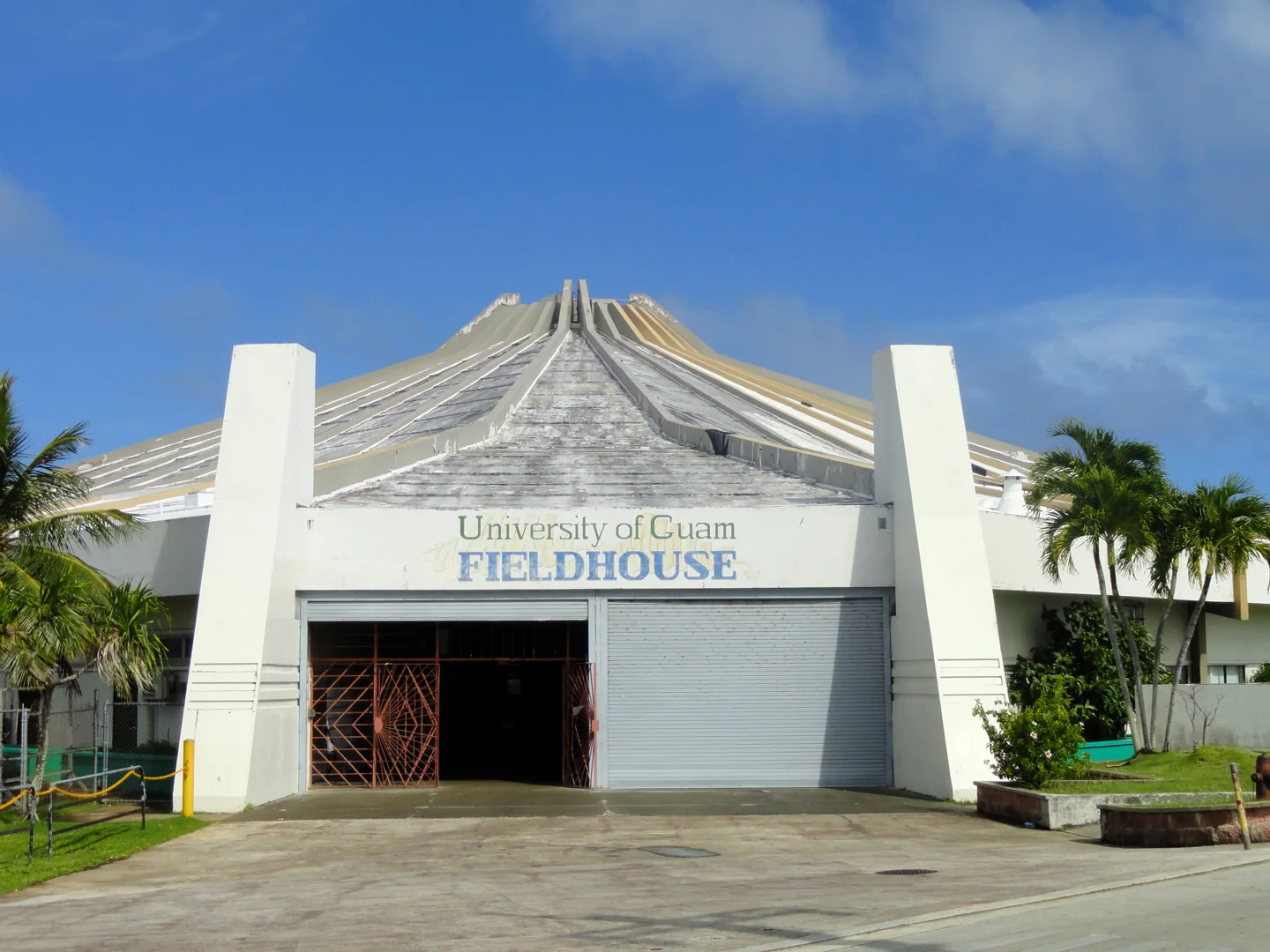
Before departure, arrange housing separately; the university describes residence-hall allocation as first come, first served. After arrival, book an early appointment with the Designated School Official at Admissions & Records. Undergraduates also take the English and mathematics placement tests. Complete the university’s online sexual-misconduct training by the semester deadline using the university email account and link sent by Admissions. These are separate tasks from obtaining a visa and choosing classes.
06Match retirement plans to residence and healthcare rights
Retirement on Guam first requires a right to live there. A foreign pension and a property purchase do not create a U.S. retirement visa. U.S. citizens, eligible Compact citizens and people holding another applicable status should assess their own position rather than purchase a purported local retirement permit.
- Document the residence basis established in step two. For a foreign retiree without such a basis, obtain advice on a genuinely applicable U.S. immigration category before committing to a move.
- Ask pension administrators how to maintain payments, change the address and complete any overseas verification. Record the account, currency and payment dates you will use.
- Discuss pension income and the move-year return with an adviser familiar with Guam’s tax arrangements. Include other investment and rental income in the brief.
- List your specialists, medicines and likely ongoing treatment. Ask insurers and local providers what is covered on Guam and what happens if treatment must take place elsewhere.
Do not assume mainland benefit administration carries over unchanged. The federal Guam Medicaid overview explains territorial arrangements, including the Enhanced Allotment Plan distinction from Medicare Part D low-income subsidies. Eligibility for Medicare, Medicaid or another programme must be established individually; living on Guam is not an automatic enrolment.
When evaluating a home, test access to the appointments you actually need, stairs, parking and who will help during an interruption to electricity or transport. Hold enough accessible funds for expenses that require payment before reimbursement. These are practical preparations, not evidence of immigration eligibility.
07Prepare the shipment and start pet clearance early
Keep passports, admission evidence, school records, prescriptions, employment papers and the first accommodation address in hand luggage. Prepare a dated inventory for the moving company and ask it to identify the Guam customs procedure, handling charges and restricted items. Use Guam Customs and Quarantine guidance rather than assuming a mainland shipment has no island inspection requirements.
Pets need their own timetable. The Department of Agriculture’s current instructions distinguish U.S.-origin, non-exempt foreign and exempt-area arrivals, and cover animals in transit as well as those staying. The posted entry permit costs USD60 and the annual pet licence USD5; transport, examinations and quarantine are additional.
- Send Agriculture the origin, full itinerary and animal history early. Its page requests import documentation at least 30 days before arrival and says submissions under 14 days cannot be guaranteed.
- Complete the currently linked animal-entry permit form with the owner/importer details, Guam housing address, arrival flight, each animal’s identification and quarantine facility. Coordinate microchip timing, current and prior rabies records, other required vaccinations, laboratory results and a quarantine reservation.
- Agree how to submit the late health certificate: the same instructions require it within ten days of travel. Start the file early and complete that time-sensitive document at the correct point.
- Obtain confirmation of the applicable quarantine programme before accepting the airline itinerary, including the effect of leaving an airport during a foreign connection.
Qualifying U.S.-origin pets may use five days or less of commercial quarantine, then complete the remaining 120-day period at home. Non-exempt foreign arrivals generally cannot use home quarantine. Foreign-vaccinated dogs with relevant high-risk-country history also face CDC requirements that can determine the U.S. airport they must use. Exempt-area treatment has conditions too. A generic promise of “no quarantine” is therefore inadequate.
For an exempt-area arrival approved under Agriculture’s conditions, book the private veterinary examination for within 72 hours of arrival and have the results sent to Agriculture. Its exemption instructions require the applicable FAVN result or export affidavit establishing at least 120 days’ residence immediately before export; simply connecting through an exempt airport does not establish that history. Ask the permit desk at quarantine@doag.guam.gov to resolve the animal’s category before booking. These instructions were checked on 24 October 2026.
08Complete arrival formalities and establish a usable first address
The current Guam entry page requires the Guam Electronic Declaration Form for arriving passengers. One qualifying household can use one family declaration. The online window opens up to 72 hours before arrival; baggage-claim kiosks are available when advance completion is not possible.
- Access the declaration through the official Customs and Quarantine site. Save the confirmation and declare the items asked about truthfully.
- Carry the admission documents for the route you will actually use, plus the address, contact details and relevant employer or university papers. Check transit-country and airline document requirements for the entire itinerary.
- On admission, inspect the status and authorised period recorded. Where applicable, retrieve the CBP I-94 record and save a copy. Visa expiry and the authorised stay are different dates.
- Reach your booked accommodation, establish telephone access and confirm the next employer, school or quarantine appointment.
A U.S. passport is a straightforward identification document to carry, particularly when travel includes a foreign connection. Domestic travel via Hawaii has its own document considerations; use the official instructions and airline requirements for your route rather than a casual statement that every Guam flight is domestic.
For the first few days, prioritise a stable contact number and an address where documents can actually reach you. Tell the accommodation provider if you expect official post and ask how it is handled. Keep the rental search separate from those immediate arrangements so a delay at a viewing does not leave you without somewhere to stay.
09Establish village, identity and Social Security records
There is no single Guam registration that settles every administrative question. Federal immigration records, an SSA number, a territorial identification card and village residence verification serve different purposes.
- Check whether your admission has already registered you federally. USCIS alien-registration guidance explains that an I-94 registers many entrants. Form G-325R is for people to whom that separate requirement applies; filing it does not grant lawful status or work permission.
- If you need a first Social Security number and qualify, start through SSA’s official number service and follow the appointment/document instructions. Noncitizen applications depend on work authorisation or a limited qualifying nonwork basis. The application is free.
- Contact the mayor’s office for the village where you will live about residence verification. The council’s Barrigada notice from 2018 gives a useful example: ownership evidence for homeowners, a valid lease for renters and a transfer form from the previous village. Establish the current procedure with your own village office before visiting.
- For a Guam ID or driving-licence appointment, use DRT’s current appointment service and assemble the category-specific documents in its REAL ID policy.
DRT’s address policy accepts two listed address documents, such as qualifying bank, utility or rental evidence, or specified alternatives including a mayor’s verification issued within 30 days and addressed to DRT. Do not assume every applicant must obtain the same mayor’s letter. Immigration, identity and SSN evidence also depend on the applicant’s category.
Compare names and dates across your passport, admission record, lease and applications before submission. Store acknowledgements and correction requests together. A village certificate confirms a local address; it is not a substitute for the right to remain on Guam.
10Open the account you will use for salary and bills
Begin with an actual bank’s account comparison and onboarding service. Bank of Guam’s checking page describes Pacific Express options for Guam and CNMI online applicants. The listed Pacific Express monthly maintenance fee is USD5, waived under the stated e-statement and electronic-deposit conditions; the account must be funded within 30 days.
- Choose the account around your expected salary deposit, cash use and bill payments. Read the current fees instead of relying on a headline saying an account has no opening deposit.
- Ask bank support or a branch which identity, address, tax-number and status evidence it needs for your situation. An online pathway may not handle every foreign document combination.
- Complete identity checks through the bank’s own application, then fund the approved account and activate the debit card.
- Give payroll the bank-confirmed routing and account details. Test a small payment before moving a large balance or setting up recurring transfers.
Compare how you will pay rent, utility bills and money transfers. Obtain the recipient’s details directly and retain receipts, especially if the lease specifies cheque or another particular method. Do not treat a bank account as proof of employment permission.
For the move itself, retain a second payment method while onboarding is pending. Ask your existing bank whether its card and cash-withdrawal fees apply on Guam, and whether it can receive security codes on your new number. A change of telephone and address can otherwise interrupt access just when you need to pay the first deposit.
11Inspect the home and sign a compliant lease
Use the Guam Landlord and Tenant Rental Act when evaluating a residential agreement. The current court compilation caps the security deposit at one month’s rent, permits a reasonable additional pet deposit up to USD500 per pet, and limits collection at lease commencement to the first month’s rent and those deposits.
- Confirm the owner or authorised manager and inspect the actual unit. Run taps, test cooling, inspect screens, look for leaks and establish which appliances belong to the landlord.
- Read the start/end dates, occupants, rent, payment method, repair procedure, pet terms and utility responsibilities. Ask for unclear promises in writing.
- Photograph the condition and meter readings with the manager. List existing damage and every key or access device you receive.
- Pay by a traceable method and retain the signed agreement and receipt. Arrange service transfers using the lease and any owner authorisation the provider requires.
The Act generally requires at least 24 hours’ notice for ordinary landlord access, subject to its emergency and impracticability exceptions. It also sets maintenance duties and procedures for breaches. Use those procedures rather than assuming any repair dispute permits an immediate rent stoppage.
On leaving, give a forwarding address and preserve the final condition record. The law’s deposit accounting and return period is 14 working days after termination, with itemised deductions and supporting receipts or permitted estimates. Its definition excludes weekends and federal and Guam government holidays. Do not silently convert that into 14 calendar days or automatically use the deposit as the last rent payment.
From 1 October 2026, Article 6 of the linked Act prohibits specified rental discrimination based on lawful, verifiable income sources, including pensions and housing assistance. It allows credit checks applied to every prospective tenant and exempts publicly subsidised housing projects and Chamorro Land Trust leases. If a refusal appears to concern your income source, retain the advertisement and correspondence and ask the Guam Housing and Urban Renewal Authority (GHURA), named as the enforcing agency, about the applicable process. This protection does not guarantee an available home or approval of an application.
12Arrange coverage and identify the providers you can use
Choose cover by the local network and benefits, then identify the first provider. Guam Regional Medical City is in Dededo; Guam Memorial Hospital is in Tamuning. A listed insurer’s name does not mean every plan pays every procedure without authorisation or a patient contribution.
- Ask the employer or insurer for the Guam network, effective date, exclusions, deductibles and referral rules. Confirm whether the specific doctor and hospital participate in your exact plan.
- Review GRMC’s insurance guidance and Guam Memorial Hospital billing information. Request an estimate and any prior authorisation before planned treatment.
- Carry a concise medical summary, vaccination record and medicine list with generic names. Arrange prescription continuity with a local clinician rather than assuming a foreign prescription can be repeatedly dispensed.
- If applying for public assistance, contact DPHSS’s Division of Public Welfare/Bureau of Economic Security for eligibility and application instructions.
The Bureau of Health Care Financing Administration deals with programme financing and providers; it should not be confused with the office handling the household’s eligibility application. Guam Medicaid arrangements include otherwise eligible Compact citizens, but income, residence and other programme conditions still need assessment.
Ask separately about off-island treatment: who approves it, how travel is arranged, whether accompanying family is covered and what you pay before reimbursement. This matters particularly for ongoing specialist care. Keep a record of approvals, claims contacts and the plan’s urgent-care instructions, and share it with another household member who can help if you are unwell.
For planned specialist care at GRMC, first obtain a specialty referral from your healthcare provider. The hospital’s appointment instructions list +1 671 633 4762 and refer@grmc.gu for follow-up scheduling assistance. Coordinate the referral with any separate insurer authorisation, then confirm the appointment and location. Retain the referral and booking details with your coverage record. This published booking process was checked on 24 October 2026.
13Connect utilities, mobile service and everyday transport
Start account applications promptly, but avoid promising yourself same-day connection. The providers may need ownership authorisation, tenancy documents, a deposit and physical access to the meter.
- Use GPA’s start/stop/move instructions. Its posted residential application fee is USD25; deposits vary by bedrooms and air conditioning, such as USD300 for a two-bedroom home with AC. Submit the requested identity, lease and owner-authorisation evidence.
- Arrange GWA service and identify whether sewer applies. Check the meter size and current tariff, not the older FAQ figures. Photograph readings at handover.
- Choose a phone plan after testing reception at home and work. GTA prepaid lists a USD10 starter kit with four days and USD60/30-day reload; daily high-speed data is limited before reduced-speed service.
- Test the complete journey before the first work or school day. Use GRTA’s current information for routes, on-demand service and operational changes.
GWA’s October 2026 schedule lists USD39.25 basic monthly service for a ¾-inch meter, first-tier usage and USD35.84 residential sewer, with separate surcharge rules. Electricity uses its own GPA rate structure and household consumption; an air-conditioned home’s bill cannot be inferred from its deposit.
If driving, use the DRT forms directory and licensing office to establish the process for your present licence and status. Ask what examinations or conversion evidence apply before relying on a foreign licence for daily residence. Include inspection, registration and insurance in the vehicle budget. For bus-dependent housing, verify stops, operating days and return journeys rather than relying on a straight-line map distance.
14Build a routine and finish the first-month file
Once the essential appointments are under way, make the island easier to live in. Visit the mayor’s office for village activities, ask the school or campus about its community groups, and choose one regular activity close enough to keep attending.
Hagåtña’s Chamorro Village Wednesday Night Market is a useful first outing for local food, produce and crafts. The current official event listing gives 5:30–9:30 p.m.; confirm operations for the evening you intend to go. Explore southern villages on another day when you have time to learn the journey rather than racing between appointments.
- Review admission and employment records. Put genuine expiry dates and programme obligations in the calendar; keep copies accessible to the household.
- Confirm school attendance or university registration, insurance commencement, prescription supply and the first local appointments.
- Test the salary deposit, rent payment and utility-account access. Compare the first bills with the meter readings and actual plan terms.
- Check remaining address evidence, ID or SSA follow-up, village registration and any pet post-arrival examination or quarantine obligation.
- Update the move budget using paid invoices rather than estimates. Preserve the move dates and income records needed for the later tax return.
Agree a household plan for interrupted water, power or transport: know the landlord’s repair contact, provider account numbers and where you will receive official updates. This is easier to arrange while services work than during an interruption.
Finish with a short outstanding-task list naming the authority or provider, reference number and next action for each item. The useful measure of a completed move is practical: lawful residence and work where applicable, a dependable home, children attending the right school, care accessible, and bills and daily journeys functioning.
Sources & further reading
Reviewed 14 October 2026. Sources are linked beside the relevant instructions. A Guam visitor authorisation does not permit relocation or ordinary employment. Compact privileges depend on the person’s citizenship category and do not automatically cover noncitizen relatives. Tax residence, tuition residence and immigration status use different tests. Pet requirements depend on origin, travel history and quarantine classification. Reviewed 14 October 2026. Water figures are the tariff effective 1 October 2026, rather than older FAQ prices. University figures identify the 2026–27 academic year and Spring 2027 fees. Phone prices distinguish 30-day validity from monthly charges. Rent and water calculations are labelled hypothetical; they are not island-wide living-cost estimates. Photograph credits, licences and capture years appear with the images.
Browse the source directory
- Guam Visitors Bureau — villages
- Guam Visitors Bureau — current entry formalities
- CBP — Guam-CNMI electronic travel authorisation
- State Department — national Visa Waiver Program
- Interior Department — Compact admission rights
- USCIS — Palauan citizenship and admission
- USCIS — H-2B non-agricultural workers (source unavailable)
- Guam Department of Labor — alien labour certification
- USCIS — Guam/CNMI H-2B policy update
- DRT — new business licence form
- IRS — Publication 570
- Guam Department of Revenue and Taxation
- DRT — online registration instructions
- Ordot-Chalan Pago Elementary — current school forms
- University of Guam — international admissions
- University of Guam — 2026–27 tuition and fees
- Medicaid — Guam territorial arrangements
- Guam Agriculture — current pet-entry requirements
- Guam Customs and Quarantine Agency
- CBP — I-94 arrival record
- USCIS — alien registration
- SSA — first Social Security number
- SSA — Social Security numbers for noncitizens
- Mayors Council — Barrigada residence notice (2018 example)
- DRT — REAL ID documentary policy
- DRT — identification appointments
- Bank of Guam — checking accounts
- Bank of Guam — branch and support services
- Guam Courts — landlord and tenant law
- Guam DPHSS — public welfare
- Guam DPHSS — healthcare financing
- Guam Regional Medical City — insurance
- Guam Memorial Hospital — billing
- Guam Waterworks — October 2026 tariff
- Guam Power Authority — start or move service
- Guam Power Authority — rate adjustment
- GTA — prepaid products
- Guam Regional Transit Authority
- DRT — current forms directory
- Guam Visitors Bureau — Chamorro Village market
- Guam Agriculture — currently linked animal-entry permit application
- Guam Labor — H-2B worker registration and ID instructions (September2025)
- GRMC — specialist referral and appointment instructions
- IRS — Form8898 residence-change statement and instructions
Make your next step a practical one
Choose a practical village, establish each household member’s legal position, and coordinate the lease, address evidence, utilities and arrival appointments.