Visa
Moving & Living - Heard Island and McDonald Islands - Complete Guide
Understand the limits on moving to Heard Island and McDonald Islands, then plan an authorised temporary activity: permits, project roles, transport, biosecurity, supplies, medical preparation and reporting.
Photo credit
Heard Island and McDonald Islands have no ordinary residential community to join. Their glaciers, active volcanoes and wildlife are the setting for tightly controlled temporary activities, supported by vessels and self-sufficient expedition teams.
This guide first establishes what is possible, then follows the practical journey from a genuine project and environmental application to transport, equipment, health preparation, field routines and return. It identifies where the usual moving tasks — renting a home, enrolling at a local school or opening local utility accounts — do not apply.
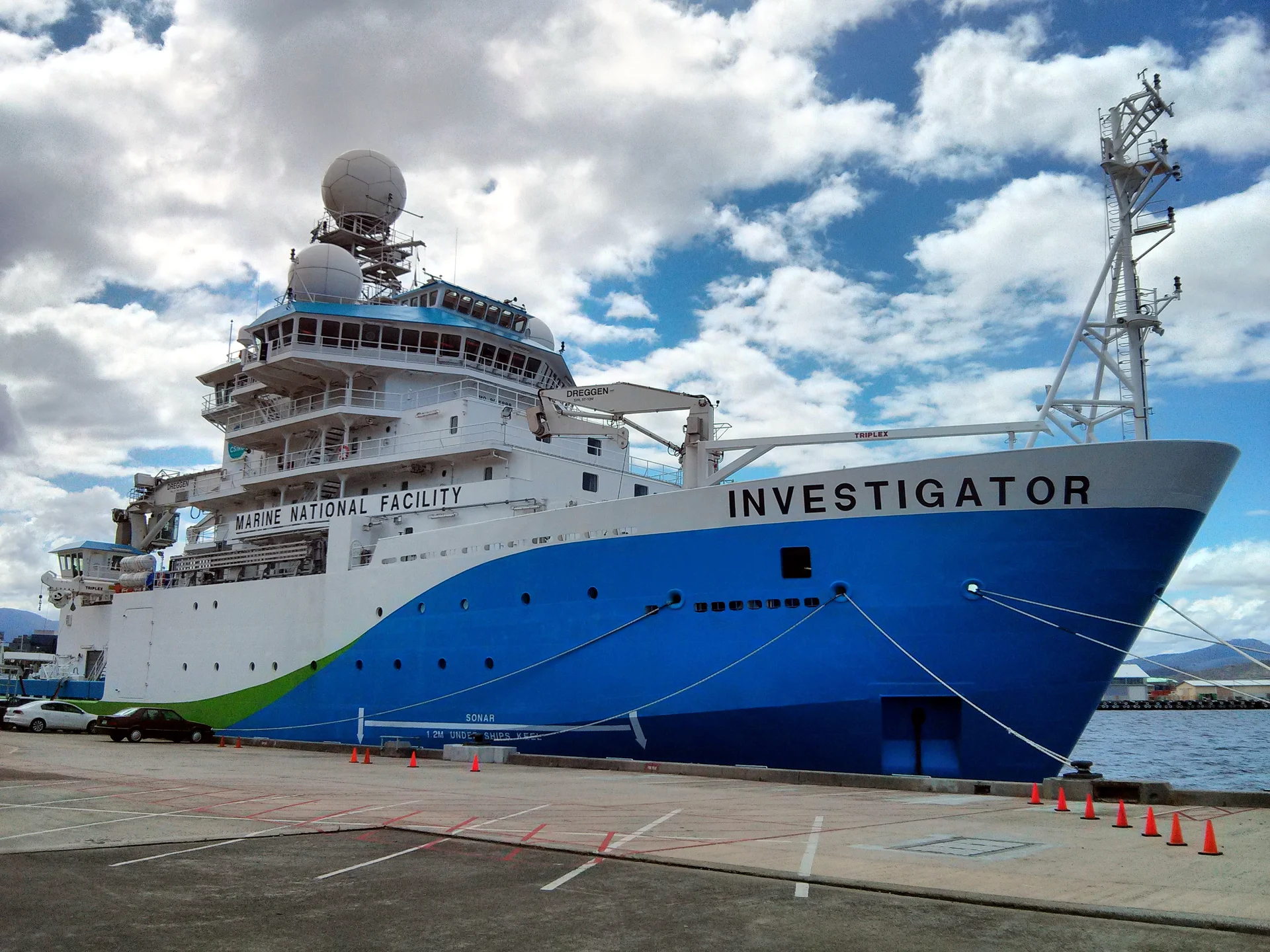
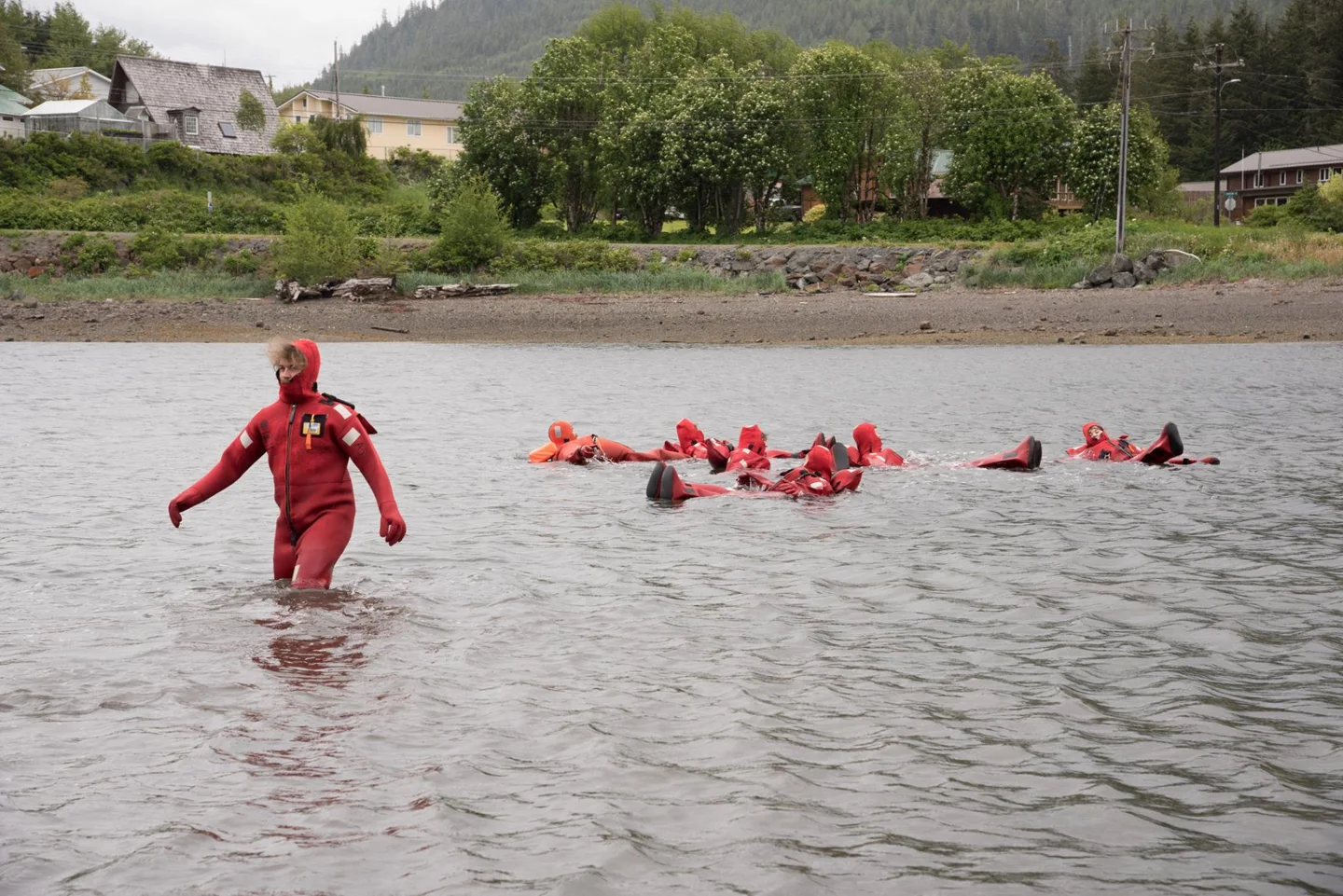
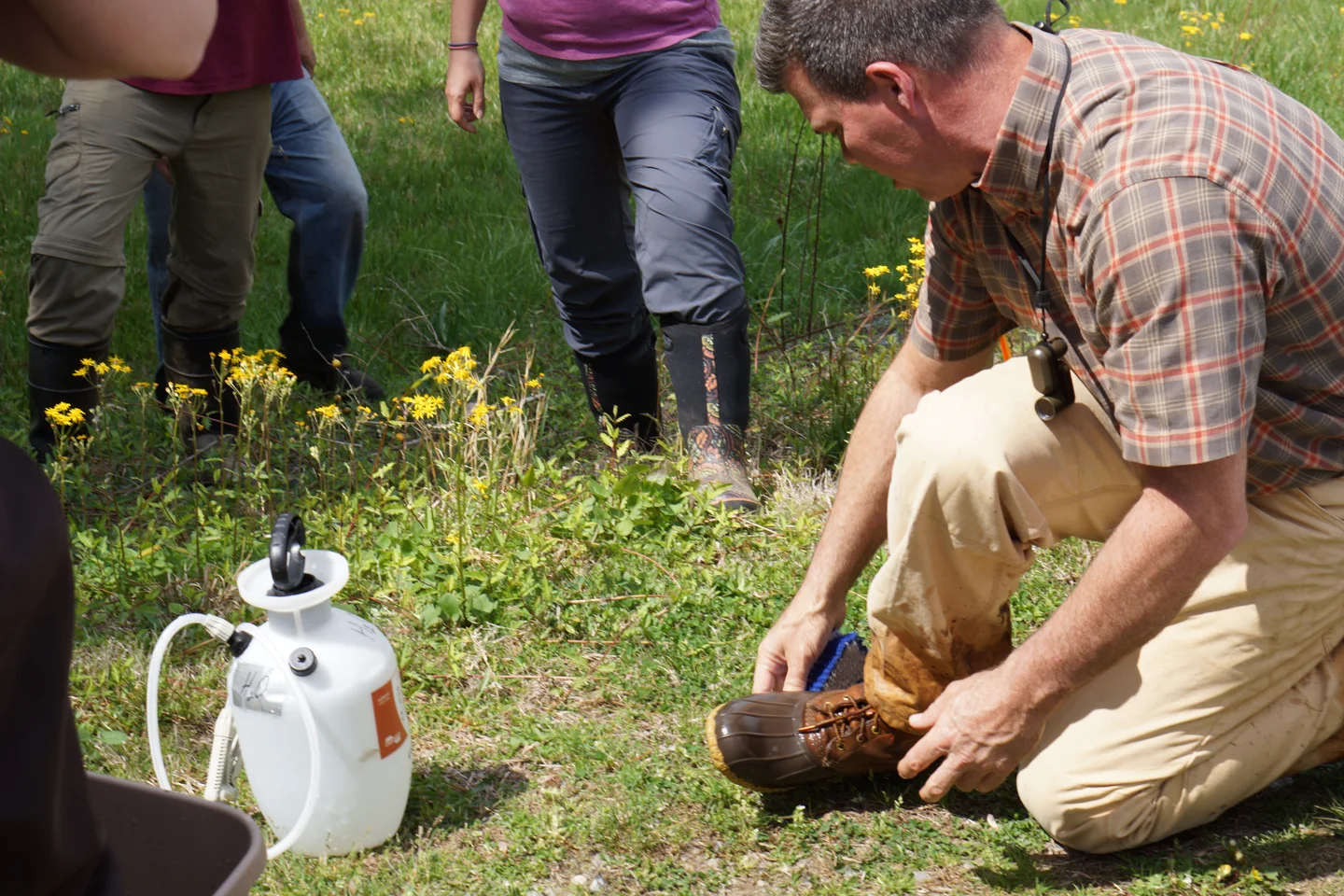
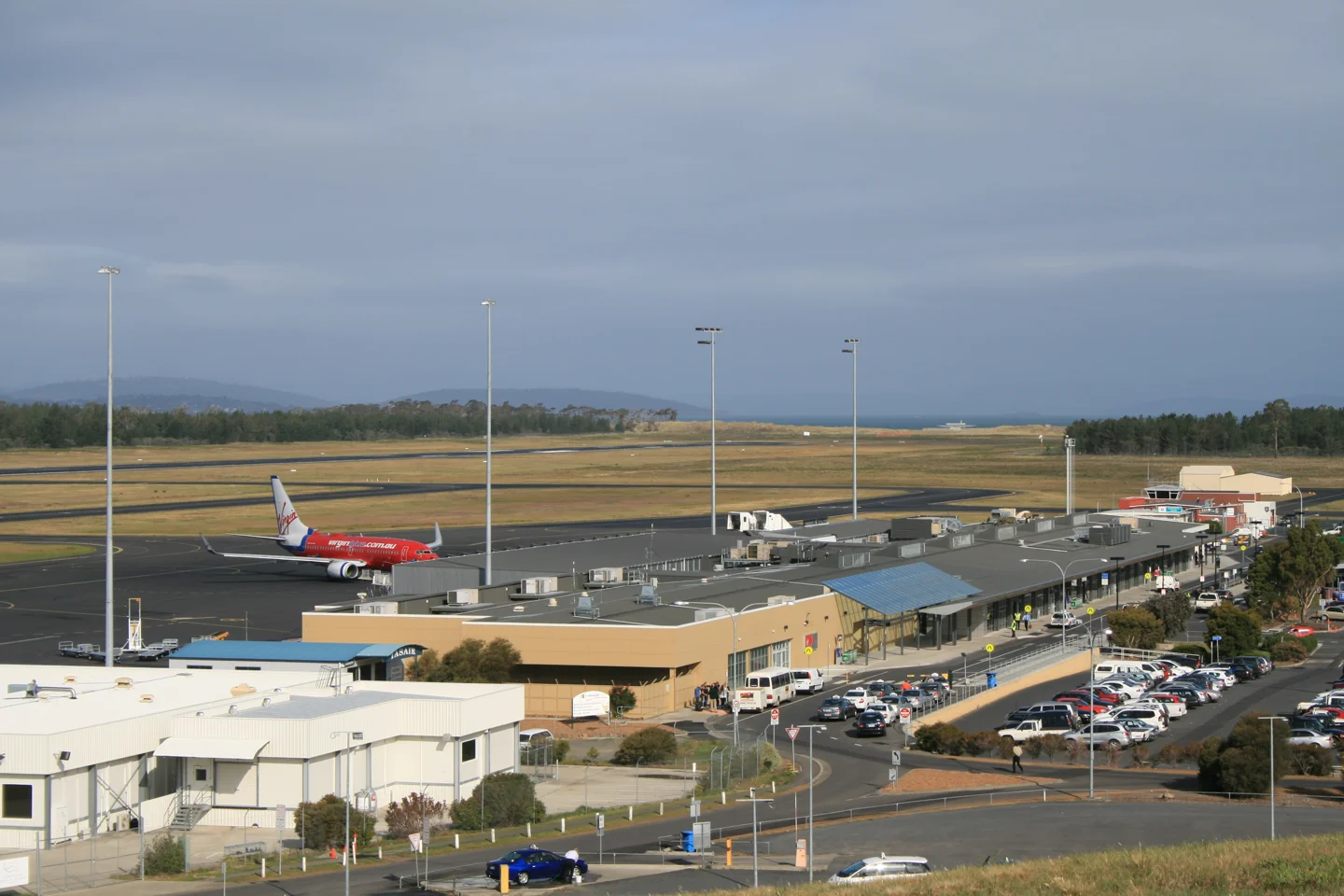
The photographs illustrate preparation, equipment and transport outside the reserve. Each caption identifies the actual subject; none depicts facilities or services available on Heard Island.
Heard Island and McDonald Islands at a glance
- Status
- Uninhabited Australian external territory
- Ordinary relocation
- No residential community or ordinary settlement pathway described
- Responsible authority
- Australian Antarctic Division · AAD
- Application timing
- At least five months; allow more for complex proposals
- Setting
- Heard Island · McDonald Islands · regulated surrounding waters
- Services
- Expedition self-sufficiency; no ordinary resident-service setup
- Maritime SAR
- AMSA outside Australia: +61 2 6230 6811
- Reviewed
- 16 October 2026
Follow your moving journey
Start at step 1, or jump to the task you are working on.
01Establish whether your plan can be an authorised temporary visit
Heard Island and McDonald Islands are uninhabited Australian external territory in the southern Indian Ocean. There is no town to move into, rental market, school system or ordinary resident-service setup. This guide is for assessing and preparing an authorised expedition or temporary activity. It does not describe a route to establishing a private permanent home.
The Australian Antarctic Division’s geography page places the islands about 4,100 kilometres south-west of Perth and 1,700 kilometres north of Antarctica. Big Ben, glaciers, volcanic ground and exposed coastlines define the setting. The nearest land, the Kerguelen archipelago, is itself about 450 kilometres away. Those distances should shape the plan before a vessel or field programme is chosen.
- Write down your actual purpose: institutional science, environmental management, an authorised vessel operation or a proposed private visit.
- Identify the organisation that will control the activity, transport, safety and environmental arrangements.
- Ask that organisation whether a real opportunity exists and whether its proposed permissions cover your role. A beautiful destination photograph or an old expedition account is not evidence of an available trip.
- If the intention is family migration, retirement or indefinite remote working, choose a destination with an applicable residence route and residential services instead.
The islands are sub-Antarctic, not an Antarctic Treaty station. Do not assume that a permit obtained for mainland Antarctica authorises an activity here.
02Define the exact sites and waters your activity needs
The equivalent of choosing a neighbourhood here is defining a justified field location. Atlas Cove, Spit Bay, Long Beach and the waters around Heard Island have different geographical and operational implications. None is a residential suburb or a guaranteed landing point.
Start with the current marine-reserve boundaries and zoning, then ask the Australian Antarctic Division, or AAD, which requirements apply to the proposed coordinates. The reserve was expanded in January 2025. Its area and zone restrictions should not be read from an old recreational itinerary.
- Map the vessel route, proposed landing points, walking routes, camp or equipment positions, and dates.
- Explain why each location is needed and whether an already disturbed or previously studied site would achieve the purpose with less impact.
- Identify the features potentially affected: vegetation, breeding wildlife, heritage remains, freshwater or another project’s equipment.
- Provide an alternative for a landing that cannot proceed. The offshore activity should remain viable if the vessel’s master declines to put people ashore.
The 2014–2024 management plan has expired and has no legal effect. The AAD describes transitional arrangements until a replacement takes effect. A draft plan is under consultation at the review date; a proposed visitor rule in that draft is not a current entitlement. Obtain the applicable conditions through the actual approval process.
03Apply for the territory and activity permissions in time
The AAD’s current permit instructions require an application at least five months before departure, allowing up to seven months for more complex activities. The territory includes the surrounding twelve-nautical-mile territorial sea. Entry and specified activities are regulated; being an Australian citizen does not remove the environmental-permit requirement.
- Download the current HIMI Environmental Approval Application Form. Identify the proponent and the people responsible for maintaining control of the activity.
- Describe the full operation, including transport, sites, timing, equipment, environmental impacts, alternatives, safety and waste arrangements.
- Attach the supporting plans and sign the application. Submit it to EIA@aad.gov.au through the process given by the AAD.
- Respond to assessment questions and identify any additional permissions for wildlife, samples, aircraft, installations or marine research.
- Read the final documents with the operator. Record the permitted people, dates, locations, activities, conditions and reporting deadline.
The Australian Business Licence and Information Service lists no application fee for its territory-entry/activity permit service. Its shorter lead-time sentence conflicts with the current AAD page and form; use the current five-month instruction. No-fee entry permission does not mean that the expedition, another authorisation or an insurance arrangement is free.
A territory permit is also distinct from permission to enter a departure or transit country, work for an employer, operate a vessel or export samples. Ask the operator to identify each separate decision needed for your passport, role and route.
04Obtain a real project or employment role
There is no local office district in which to look for an ordinary job after arrival. A working visit must be arranged through the employer, research institution, vessel operator or other responsible organisation before the voyage.
The AAD’s account of human activity identifies research and environmental management as major activities, alongside regulated marine operations. Its historic Atlas Cove station operated from 1947 to 1955; that history should not be mistaken for a continuously staffed station offering accommodation or employment today.
- Ask the prospective employer or institution for the project name, your duties, work location and dates, and the person responsible for the permit application.
- Obtain written terms covering pay or funding, insurance, food, accommodation, equipment, medical screening, training, travel and early return.
- For university research, secure the institution’s approval, supervision, field-safety process and any relevant ethics or sample permissions.
- For vessel work, have the operator confirm qualifications, medical certification and immigration arrangements for joining and leaving the ship.
A generic Antarctic recruitment page is a starting point for the organisation’s current opportunities, not proof of a Heard Island posting. Confirm the actual destination in the offer. Remote work is not an independently verified settlement route here: a laptop and satellite terminal do not replace environmental permission, transport or the duty to leave when the authorised activity ends.
05Price the expedition and keep household obligations funded
A monthly rent-and-groceries average would be misleading. Costs arise from transport, ship time, equipment, personnel, insurance and the capacity to remain self-sufficient. Obtain a written quote for the actual operation, with its currency and validity date.
| Before departure | During the activity | Contingency and return |
|---|---|---|
| Positioning travel, visas for relevant countries, medical assessment, training and equipment | Vessel or berth costs, food, fuel, communications and authorised field support | Delay, missed connections, replacement equipment, evacuation arrangements and return freight |
| Application preparation and any specialist assessments | Home-country rent, mortgage, dependants and other continuing obligations | Post-visit reporting, cleaning, waste disposal and outstanding supplier invoices |
- Identify what the quoted price includes and what is charged per additional day.
- Confirm who pays if no landing is possible, the itinerary changes or the voyage is cancelled.
- Check insurance against the exact location and activities, not just a policy labelled “worldwide”.
- Keep accessible funds and a trusted payment arrangement outside the territory for bills and unforeseen expenses.
Illustrative calculation only: a contract charging an extra AUD 2,000 per delay day would require AUD 10,000 for five additional chargeable days. These are invented inputs demonstrating arithmetic, not a charter quotation, typical delay or expected market price. Use your own contract’s daily charge, currency and allocation of liability.
Resolve payroll and tax with the employer and relevant authority before leaving. A short expedition and an environmental permit do not automatically change tax residence or exempt income. No special tax concession is claimed in this guide.
06Arrange schooling, dependants and retirement plans elsewhere
There is no ordinary school, university campus or retirement community on the islands. A research affiliation is an institutional relationship established elsewhere; it does not create a school or general settlement option at Heard Island.
- If you have children, arrange their education and care in the household’s actual residential country. Explain the planned absence and possible delays to the people responsible.
- Keep sufficient authority and funds available for a caregiver to handle school, health and household decisions while you are away.
- For a student fieldworker, agree supervision, assessment dates, data arrangements and the plan if field access is cancelled.
- For a retiree considering a private visit, assess the actual expedition’s suitability and eligibility with the organiser. A pension does not provide a residence route.
Do not plan to bring dependants by assuming that a worker’s place automatically includes a partner or child. Each participant must be acceptable to the operator and covered by the applicable activity and safety arrangements. Maintain a realistic return home and tell the household’s emergency contact which organisation can obtain reliable information about the voyage.
07Clean, inspect and pack equipment for the actual conditions
Prepare a packing list with the operator rather than buying a general cold-weather kit. Wet landings, wind, saltwater, changing terrain and limited drying space affect clothing, containers and repair supplies. Confirm what is supplied and what you must bring.
- Inspect boot soles, hook-and-loop fasteners, pockets, bags, tripods and equipment recesses for soil, seeds and other biological material.
- Clean and dry items using the operator’s approved process, then protect them from recontamination during storage and transport.
- Separate clean field equipment from clothing and footwear used in departure ports or on other islands.
- Inventory food, animal or plant products and scientific materials. Obtain approval before packing anything subject to restrictions.
- Label cargo, record its contents and retain any required inspection or treatment record.
Do not bring pets as part of an ordinary household move. The AAD controls the introduction of organisms, and the application specifically addresses non-indigenous species and food. Its published form excludes brassicas, poultry and egg products, viable seeds and fungal products, and uninspected animal products. Ask the assessor about the actual proposed provisions rather than substituting a mainland grocery list.
Keep a cleaning and inspection log. It allows the expedition to show what was done before departure and between locations, rather than relying on a general statement that equipment looked clean.
08Confirm the vessel, manifest and complete travel chain
There is no ordinary scheduled airport transfer or public transport network to connect an independent move. Your transport plan must cover the sea passage, any authorised transfer ashore and the return journey.
- Confirm the named vessel, operator, joining port, check-in date, passenger or crew status and manifest process.
- Resolve travel-document and immigration requirements for every departure and transit country through the responsible authorities.
- For a foreign marine-research vessel, have the institution and operator examine DFAT’s Public Vessel Status and marine-science guidance. Vessel clearance and science consent do not replace the territory’s environmental permission.
- Agree how the voyage team will communicate itinerary changes, and avoid non-refundable onward bookings dependent on an exact return day.
- Before arrival, attend the vessel and landing briefings, check equipment and establish who gives the final go/no-go decision.
Put personal medicines, essential documents and required survival equipment where the operator instructs, not in inaccessible freight. Tell the expedition leader about missing kit before the last practical resupply point. Treat a cancelled landing as a planned operational outcome, not a reason to improvise a separate shore visit.
09Keep permit, identity and operational records together
There is no ordinary local resident identity card, taxpayer-registration appointment or municipal address enrolment to complete on arrival. The practical administrative task is keeping the participant list and authorised activity aligned with what actually happens.
- Keep the permit, relevant annexes, participant details, vessel information, emergency contacts and approved maps available offline.
- Give each team member the conditions relevant to their task and identify who holds the master copy.
- Record entries, landings, locations, people ashore, equipment deployed and any incident or departure from the plan.
- Ask the AAD before making a material change. A different site, vessel, activity or installation may require assessment rather than an informal note in the log.
Keep personal identity information secure and share it through the operator’s authorised process. A public educational article does not require publishing passports, manifests or sensitive project records.
For an extended programme, create a simple responsibility list: expedition leader, vessel master, field leader, medical contact, environmental lead and the person completing the final report. Each should know what must be recorded and who must be contacted when the plan changes.
10Arrange authorised shelter, food, water and sanitation
There is no lease to sign or utility connection to request. Any overnight presence depends on the approved expedition arrangements and the equipment it is authorised to use or install. Old huts, field shelters or items visible in photographs are not advertised visitor accommodation.
- Establish whether participants will sleep aboard or whether a specific shore camp is proposed and approved.
- Agree shelter capacity, weather protection, heating or cooking arrangements, fire precautions and emergency reserves with the operator.
- Identify drinking-water supply, food storage, hygiene and sanitation arrangements before departing the vessel.
- Record how equipment and supplies will be retrieved if a landing must end early or the weather prevents the planned collection.
A camp should not depend on collecting local fuel, taking wildlife or finding usable water at an unassessed site. The environmental application must address installations, waste and impacts. Plan what the team brings, uses and removes, with quantities and responsibility assigned.
Check the routine as well as the survival plan: where wet equipment goes, how meals are prepared, where clean and dirty items are separated, and how batteries and communications equipment remain operational. A precise setup is more useful than assuming that a remote camp works like a serviced lodge.
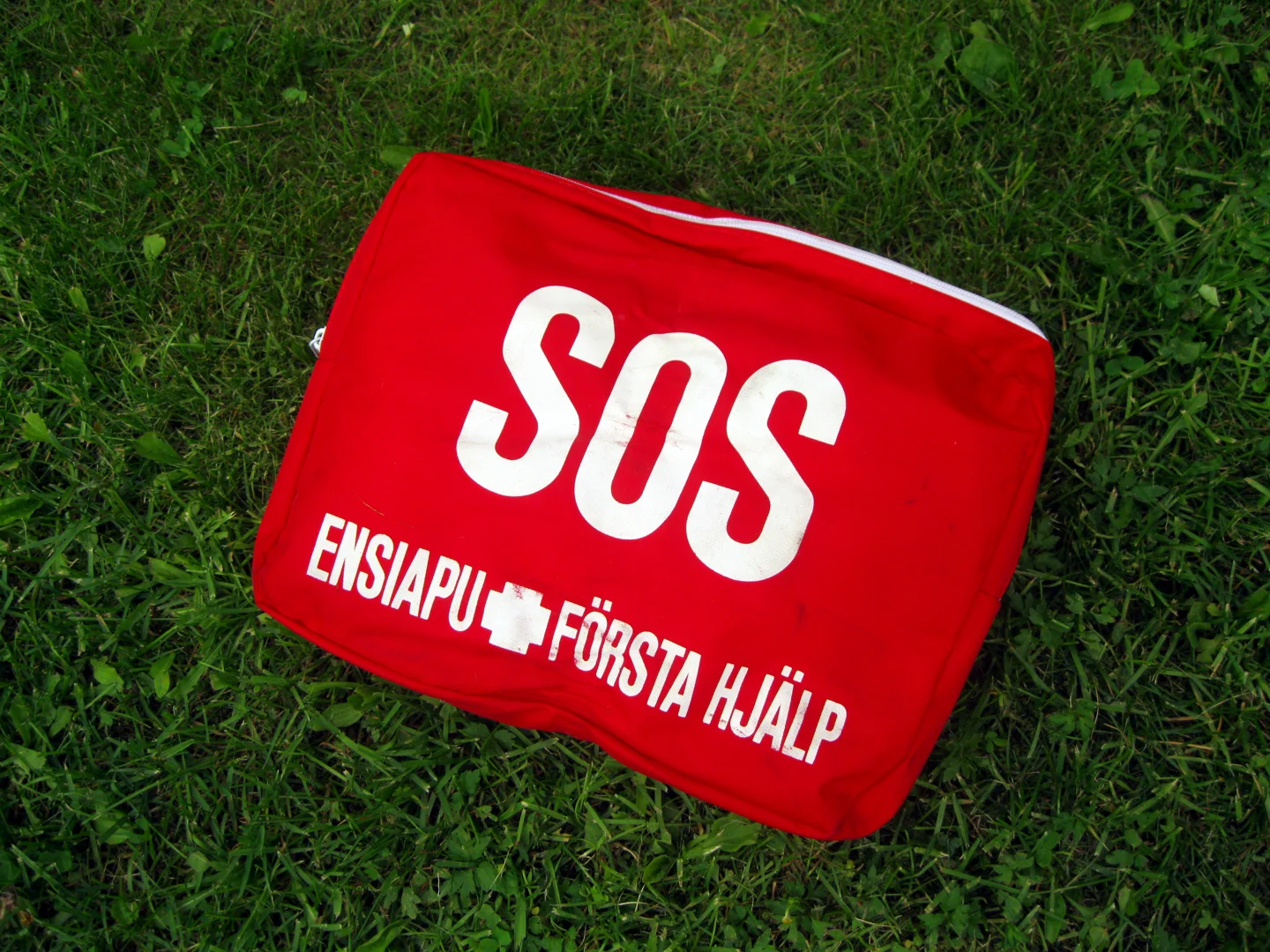
11Complete medical preparation and a realistic evacuation plan
The current environmental application says visitors must be prepared, insured and self-sufficient because emergency assistance is not available. Do not interpret a rescue-coordination contact as an on-island ambulance, clinic or guaranteed rapid evacuation.
- Complete the operator’s medical and dental assessment and disclose relevant conditions, medicines and limitations through its confidential process.
- Ask who provides clinical care aboard or in the field, what equipment is available and how remote medical advice is obtained.
- Have your clinician and expedition medical lead agree medication quantities, storage, documentation and any necessary monitoring.
- Confirm the evacuation decision process, transport options, financial responsibility and insurance terms for the actual voyage and activities.
The Australian Maritime Safety Authority lists its search-and-rescue contact outside Australia as +61 2 6230 6811. The vessel must use its appropriate maritime distress and emergency procedures; an internet page is not a substitute for those systems or crew training.
Keep emergency details accessible when satellite data is unavailable. Include the shore party’s communication schedule and the action to take after a missed check-in. Ask the organiser to explain what happens if weather prevents recovery or assistance, and make that plan part of the pre-departure assessment.
12Follow current wildlife, disease and environmental controls
Wildlife and vegetation are central to the islands’ conservation value. They are not resources for provisioning a private camp or opportunities to improvise handling, tagging or sample collection.
A 17 February 2026 government update reported H5 avian-influenza detections in additional Heard Island wildlife following the earlier elephant-seal confirmation. This makes current disease and biosecurity instructions material to planning. The update is dated evidence, not a declaration of conditions at every site on your departure day.
- Obtain the current operator and permit instructions before departure and again before landing.
- Follow the assigned routes, separation requirements and site-specific controls. Do not infer an allowed distance from a wildlife photograph.
- Avoid approaching or touching sick or dead animals; follow the expedition’s reporting procedure.
- Clean or segregate equipment between locations as instructed, including before reboarding.
- Only collect specimens, disturb ground or deploy monitoring equipment where the actual permission covers it.
Where the team cannot carry out an activity within its conditions, stop and consult the leader. Research value does not itself authorise a departure from an approved method. Record observations and the reason an activity was changed or cancelled so the final report can distinguish operational decisions from completed work.
13Set up power, check-ins and financial access before sailing
There is no residential phone contract, home broadband or public electricity account to establish. Communications, power and charging capacity belong in the vessel and expedition plan.
- Test the approved ship-to-shore and shore-party systems with the people who will use them.
- Record check-in times, contact details, call procedures and the response to a missed call. Clarify the time standard used aboard and ashore.
- Provide protected power supplies, spare batteries and approved backup charging appropriate to the equipment and conditions.
- Keep maps, medical instructions, permits and essential contacts offline, with a backup the team can use if one device fails.
Do not assume that ordinary mobile roaming, online banking authentication or a video call will work. Settle supplier payments and household banking arrangements beforehand. Test any delegated payment authority and identify how the home contact can receive reliable voyage information.
For morale and family communication, agree a realistic contact pattern and explain that operational or connectivity gaps can occur. The emergency communication schedule should remain distinct from informal personal messages, so a missed social call is not confused with a missed safety check-in.
14Remove supplies, complete reporting and close the visit
Departure is part of the activity to be assessed, not an administrative afterthought. Make enough space in the voyage and cargo plan to remove waste, equipment and other material required by the authorisation.
- Check the field inventory before leaving each site. Record anything deployed, removed, lost, damaged or retained under permission.
- Follow the approved waste and cleaning procedures, including return-country biosecurity requirements.
- Consolidate the daily logs, landing records, incident details and evidence of compliance.
- Complete the official HIMI Visit Report and send it through the AAD process by the due date in the actual authorisation.
- Close supplier payments, equipment returns, institutional reports and any separate sample or research obligations.
The permit webpage contains inconsistent generic reporting deadlines, mentioning both expiry and sixty days after expiry. The current report form directs the holder to the deadline in the authorisation or permits. Record that controlling deadline when permission is issued, and ask the AAD to resolve any ambiguity before departure.
The visit report requests details including vessel, dates, permit number, people and activities ashore, incidents, equipment and quarantine measures. Maintain those records during the work rather than reconstructing them from photographs afterwards. Once the temporary purpose is finished, return through the agreed travel chain; the permit does not create an ongoing residential entitlement.
Sources & further reading
Reviewed 16 October 2026. Sources are linked beside the relevant instructions. Reviewed 16 October 2026. This is an access and temporary-activity guide for an uninhabited territory, not an ordinary settlement offer. Current AAD application authorised September 2026 and current permit page specify at least five months; older ABLIS timing is not used. The 2014–2024 plan has expired and the replacement draft is under consultation at this review date. Generic permit-webpage reporting deadlines conflict; the actual authorisation and current visit-report form control. H5 wildlife evidence retains its 17 February 2026 date. Replacement photographs and their reuse terms were inspected on 21 October 2026. Images are illustrative preparation scenes from outside the reserve. Reviewed 16 October 2026. ABLIS lists no application fee for its described territory-entry/activity permit service; that is not a quotation for other approvals, preparation, transport or an expedition. No national monthly living-cost figure, charter price or guaranteed scheduled journey is verified. An illustrative additional AUD 2,000 per delay day multiplied by five days is AUD 10,000; both inputs are hypothetical and must be replaced with the actual contract terms. Photograph credits, licences and capture years appear with the images.
Browse the source directory
- ATSB — current Heard Island geographical context
- AAD — Heard Island geography
- AAD — marine-reserve boundaries
- AAD — expired plan and transitional management
- AAD — draft-plan consultation, September–October 2026
- AAD — current HIMI approval process
- AAD — current environmental application form
- Australian Business Licence Service — permit and fee
- AAD — human activity and Atlas Cove history
- DFAT — research-vessel approvals
- AMSA — search-and-rescue contact
- Australian Government — H5 update, 17 February 2026
- AAD — HIMI Visit Report form
Make your next step a practical one
Establish a genuine temporary purpose and responsible operator, then seek the current AAD assessment before committing to transport or field activity.