Visa

Moving & Living - India - Complete Guide
Move to India in 14 practical steps: choose a city, arrange the right visa, complete FRRO and PAN procedures, and establish housing, banking, schools, healthcare and daily services.
Photo credit
Moving to India starts with a particular city and a particular purpose. A job near Bengaluru’s Whitefield, a Mumbai school place or study in Delhi creates a different housing search and daily journey. Choose the neighbourhood around those commitments, then prepare the visa, address evidence and registrations that make everyday life work.
This guide follows the move from preparation to the first month. It uses the current immigration rules, the PAN application forms introduced in April 2026 and the 2026 baggage rules. Visitor entry, authorised work, FRRO residence records, tax identification and Aadhaar are separate matters; complete the steps that apply to each person in the household.
India at a glance
- Capital
- New Delhi
- Currency
- Indian rupee · INR / ₹
- Languages
- Hindi and English at Union level; local administrative languages vary
- Immigration services
- Bureau of Immigration · e-FRRO
- Tax identifier
- Permanent Account Number · PAN
- Resident identity
- Aadhaar, subject to foreign-resident eligibility
- Payments
- Bank accounts, cards and eligible UPI services
- Reviewed
- 14 October 2026
Follow your moving journey
Start at step 1, or jump to the task you are working on.
01Choose the city, then test the actual neighbourhood journey
Start with the exact workplace or institution. “Bengaluru”, “Mumbai” or “Delhi NCR” is too broad a description for choosing a daily commute. Record the building, campus or business district, then compare the routes and services around candidate homes. A familiar neighbourhood name does not establish that every address has the same journey.
| City or area | Practical comparison |
|---|---|
| Bengaluru | Compare Whitefield, Indiranagar and other addresses against the actual office or campus. Identify the nearest usable Namma Metro station and the final road journey. |
| Mumbai | Compare Bandra, Powai, Andheri or another base against the school and office. Check the actual suburb, rail or metro connection and apartment access. |
| Delhi NCR | Distinguish Delhi, Gurugram and Noida; they cross administrative boundaries. Map the workplace, school and responsible local registration office. |
| Hyderabad | Compare Gachibowli, Kondapur, Hafizpet and other candidate addresses against the specific workplace and school route. |
| Pune, Chennai or Ahmedabad | Begin with the employer or institution, then identify the local transport, school calendar and housing administration. |
- Put work, school, a likely hospital and shopping on one map.
- Test the morning journey and the return at realistic hours. Include transfers and the final walk or road connection.
- Ask for the complete street address, apartment number and postcode before requesting the lease.
- Inspect access, water arrangements, ventilation, noise, storage and any backup services you expect to use.
- Request a full housing quotation covering rent, deposit, maintenance charges, parking and separately billed utilities.
Use Delhi Metro’s actual journey planner or BMRCL’s operator information for the relevant city. Calculate a particular journey rather than assuming every home advertised as “near metro” suits the household. Keep enough time in temporary accommodation to inspect the permanent home and establish usable address evidence.
02Choose the correct visa or existing residence basis
Identify the proposed activity before choosing the application service. Employment, business meetings, full-time study and accompanying family are different visa purposes. An e-Tourist permission is not a way to begin an ordinary job or establish a permanent remote-work routine.
| Purpose | Starting point |
|---|---|
| Employment in India | The Employment Visa procedure, supported by the Indian employer’s contract and required evidence. |
| Business activity | The Business Visa category for the actual permitted activity; separate it from employment. |
| Full-time study | Institutional admission and the appropriate Student Visa process. |
| Accompanying spouse or child | The dependent or entry procedure matching the principal’s status, with separate evidence and applications. |
| Existing eligible OCI status | The OCI rules and any special permission needed for the proposed activity. |
- List every traveller’s citizenship, passport, current residence, activity and relationship to the principal applicant.
- Open the responsible Indian mission’s category instructions and identify its jurisdiction and submission channel.
- Prepare the application and supporting documents through the actual government service; follow the mission’s appointment or authorised submission arrangements.
- Check the issued permission for name, passport, category, validity, entries, allowed stay and registration endorsements.
- Keep the approval and document copies accessible for departure and arrival.
Use the regular-visa application service for the relevant category. The official e-Visa instructions exclude employment and preserve nationality eligibility; Pakistani passports and Pakistani-origin circumstances have separate restrictions and mission procedures. A non-Pakistani passport does not automatically remove those ancestry conditions. Establish the mission’s current handling before making commitments.
For eligible OCI applicants or existing holders, use the actual OCI service and FAQ. OCI is a foreign-national status with stated rights and exceptions, rather than Indian citizenship. Research, journalism and other specified activities can require special permission even where ordinary entry is covered.
03Finalise the employer’s evidence and authorised work
Ask the employer to identify the visa category, sponsoring entity and role in writing. Obtain the signed contract, company details, qualifications evidence and salary breakdown before submitting the application. A relocation allowance or accommodation offer should be distinguished from salary and from the documents the mission requires.
- Confirm the Indian employing or engaging entity, workplace, duties, contract period and proposed start date.
- Prepare academic and professional evidence for the specialised role and the employer’s supporting documents.
- Check whether the salary threshold or a named exception applies to this particular case.
- Agree who supplies immigration documents, handles payroll and assists with the arrival address file.
- Begin work only under the issued permission covering the activity; obtain advice before changing the employer or duties.
The High Commission in London currently describes a gross annual salary in excess of INR 16.25 lakh for the ordinary Employment Visa case, with specified exceptions, including certain mission-employed cooks, language teachers/translators, performers and coaches. Its application-location rule refers to the country of origin or a qualifying country of domicile outside India with more than two years’ permanent residence. The precise case matters: current employment instructions.
The Houston consulate’s instructions also identify the INR threshold and additional specified family/PIO cases. Use the responsible mission’s current rule because older US-dollar guidance differs from the current INR criterion. Dependants need their own permission; the principal’s Employment Visa does not give every accompanying adult an unrestricted job entitlement.
For a business, identify what you will actually do: attend meetings, invest, manage an entity or provide professional services. Company ownership and a Business Visa do not resolve every permission to perform work. Follow the category’s actual activity rules and obtain the relevant professional, company and tax advice.
For remote employment, ask the mission to assess the exact arrangement and residence basis. An ordinary digital-nomad settlement route has not been verified in the current official categories. An overseas employer or payment account does not itself establish that working from India is covered by a visitor permission.
04Separate moving cash, recurring costs and tax obligations
Build the budget from particular homes, schools and services. Record costs in INR and show deposits separately from money spent. Immigration, income tax and banking use their own tests; the arrival date or an identity number cannot substitute for the tax-residence assessment.
| Budget category | What to price |
|---|---|
| Initial move | Visa and service fees, document preparation, flights, shipment, temporary accommodation and insurance. |
| Initial home | First rent, the agreed refundable deposit, brokerage if contracted, registration/stamp charges and setup items. |
| Recurring home | Rent, maintenance, electricity, water arrangements, internet and other agreed charges. |
| Daily spending | Food, the actual commuting route, phone service and household-specific activities. |
| Education and care | The school or programme’s charges, transport, insurance premiums and treatment not covered by the policy. |
Visa fees vary by nationality, category, duration and mission. As one limited example, London posts GBP 391 for a UK national’s Employment/Project Visa up to one year under its schedule effective 1 April 2024; service charges and another nationality’s fee need separate verification: the posted UK-national schedule. PAN charges and rental cash are explained in later steps.
- Ask payroll for gross salary, expected withholding, contributions and benefit treatment.
- Record Indian and foreign income, previous residence and days present in India during the relevant and preceding years.
- Determine resident, non-resident or applicable resident-not-ordinarily-resident treatment with a qualified adviser.
- Compare the available tax regime and applicable treaty, rather than assuming the principal’s calculation covers the spouse.
- Keep salary statements, tax withholding records and foreign-income evidence for the correct return and filing obligations.
The Income Tax Department’s current residence FAQ retains the basic 182-day test and the alternative 60 days plus 365 days in the preceding four years, with special Indian-citizen/PIO and deemed-residence conditions. Those exceptions are not a blanket relaxation for every foreign newcomer.
For income from 1 April 2026, the new Act uses the tax-year framework; an “AY 2026–27” return can concern the earlier period under the old Act. Ask payroll and the adviser to identify the correct period, income scope, deductions and return. The default new regime and any election require their own assessment: the authority’s transition explanation. Do not infer that advertised rebate headlines make all foreign salaries tax-free.
05Secure school admission or the university offer first
Choose the school and home together. Ask which campus serves the child’s grade, the actual journey, language support, current capacity and full charge schedule. A family inquiry or payment of an application fee is not an admission decision.
- Send the admissions office the child’s age, current grade, intended start date and previous curriculum.
- Prepare the school’s requested reports, identity and health information and arrange any assessment.
- Confirm grade placement and learning support with the school rather than mapping grades by name alone.
- Obtain the written offer, payment terms, withdrawal rules and start arrangements.
- Coordinate each child’s immigration application and the school’s arrival documentation separately.
The American School of Bombay is a named Mumbai starting point. It reviews complete applications on a rolling basis and uses its stated age and grade-placement rules; Indian-national applicants have additional eligibility conditions. Open the school’s own admissions instructions before making an inquiry and ask for the current fees and relevant campus.
In Ahmedabad, AIS’s 2027–28 process identifies the available grades and pathways. Its current application form posts an INR 1,000 non-refundable application fee, separate from tuition. Use the actual admissions page and application form, then obtain the complete school quotation.
University students: establish the programme, admission eligibility and foreign-applicant channel. Study in India registration and the student ID, an institutional offer and a visa application are distinct stages. Use the Ministry of Education’s portal and its student instructions; neither portal registration nor admission guarantees a visa or automatic employment after graduation.
For the University of Delhi, foreign applicants use the Foreign Students’ Registry. The posted 2026–27 deadline was 31 May 2026; that window has closed; use the upcoming-cycle notice for the next deadline. Follow the programme’s document and fee instructions. The mission’s student and research guidance explains the permission matching the course.

06Confirm the family route and retirement arrangements
India does not become an ordinary retirement destination through the purchase of a home or possession of a pension. First establish an available residence basis. Eligible Indian-origin or family circumstances may support OCI or an appropriate entry/dependent category; another retiree may not have that option.
- List each relationship, citizenship and existing Indian-origin or OCI evidence.
- Ask the responsible mission which category applies to each spouse, child or other relative.
- Prepare civil-status, custody or qualifying-origin evidence in the requested form.
- Confirm the permission’s duration, activity limits and relationship to the principal’s status.
- Ask pension providers about overseas payment, proof-of-life requirements and documents needed to preserve benefits.
- Price insurance and continuing treatment for the individual’s age and conditions before booking the permanent move.
The OCI FAQ describes eligible origin and qualifying foreign-spouse cases, including a registered marriage subsisting for at least two years before application. It also preserves the exclusions involving Pakistani or Bangladeshi citizenship in the stated ancestry. Check the full eligibility and security conditions rather than assuming marriage or a distant family connection is enough: OCI eligibility.
Employment dependants have a separate visa record, with the principal’s validity relevant to the dependant’s duration. Discuss any plan to work or change category with the mission or FRRO before beginning it. Save the written answer and the issued conditions for each adult.
For an older relative, identify the nearby provider that can continue their treatment, how appointments are arranged and whether the insurer accepts that hospital. Transfer a concise medication and medical-history file through the appropriate clinical channel. Include appointments and costs in the household’s arrival schedule.
07Prepare the documents, shipment and pet clearance
Keep passports, issued visas or OCI cards, admission or employment evidence, civil-status documents, insurance and the initial address available for travel. Retain readable copies of the file and the original documents needed for appointments. Match the spelling and passport number across the records before submission.
- Make a document list for each traveller and obtain the mission’s required certification or translation.
- Prepare photographs and digital scans in the format of the actual service, rather than one format for every application.
- Inventory belongings, distinguish household items from commercial equipment and ask the broker about the applicable Customs category.
- Provide the shipping and arrival dates, ownership information and visa/status evidence before agreeing to freight.
- Identify any restricted items and obtain the relevant permission before packing them.
The Baggage Rules 2026 took effect on 2 February and replaced the 2016 rules. Transfer-of-residence concessions have specific status, time-abroad, value and goods conditions; they are not a universal tax-free shipment allowance. Use the current rules and CBIC’s traveller guide to obtain a shipment-specific quotation and declaration plan.
Dogs and cats: AQCS distinguishes personal baggage, a DGFT-licence case and re-import. Its personal baggage instructions cover up to two dogs/cats for an eligible transfer of residence with evidence of at least two years abroad. Other cases require the applicable licence route before AQCS clearance: the actual pet-import procedure.
Ask AQCS at the entry point which category and documents apply, then have the competent authority in the exporting country issue the required health certificate. Match the owner’s name with the ticket and include vaccination records and the origin and destination addresses. Coordinate the pet’s timing with the owner’s arrival and any required Customs permission. AQCS describes advance NOC issuance within seven days before arrival and original-document examination on arrival; do not confuse advance permission with final clearance. Arrange the airline’s carriage separately and budget for inspection, handling or observation required in the case.
08Complete arrival information and establish the first address
Complete the official e-Arrival information within the stated 72-hour window before arrival where applicable to foreigners and OCI cardholders. It records arrival information and is separate from a visa or OCI entry basis. Follow the government service linked in the official travel instructions.
- Travel with the original passport, permission and the address and purpose-of-stay evidence accessible.
- Check the entry record and retain copies of the relevant passport and visa pages.
- Ask the accommodation provider how the required foreign-guest reporting is completed and retain its address confirmation.
- Obtain a working Indian mobile connection and keep the household’s own email addresses accessible for official messages.
- Start the registration calendar from the actual arrival and visa conditions, not from the day you move into the final apartment.
Choose temporary accommodation that can provide usable documentation for the initial stay. A later rental agreement and address update may be needed when the household moves. Tell the employer or institution the actual arrival and accommodation details so its supporting letters agree with the file.
Accommodation reporting and your own FRRO obligations are separate. The 2025 rules set the accommodation keeper’s reporting duties and include OCI guests; the guest should provide the requested particulars rather than assuming the booking confirmation completes that process: current immigration rules (source unavailable).
For the first days, schedule the tasks that unlock others: the mobile connection, address file, required e-FRRO application and PAN/bank appointments. Keep receipts and a simple status list showing what has been submitted, what has been granted and what still depends on another document. Approval of one service does not mean every registration has been completed.
09Complete e-FRRO registration and apply for the correct PAN
Read the visa endorsement and the current registration rules. Rule 12 uses a fourteen-day arrival application for registration, with specified exceptions including OCI holders, children below twelve and certain stays not exceeding 180 days. Longer visas limited to 180 days per stay have additional aggregate-stay conditions. A nationality-specific order or endorsement can require a different timeline: the applicable rule and exceptions (source unavailable).
- Open the current e-FRRO service and create the account with your own email and a valid Indian mobile number.
- Select the appropriate service and responsible office for the actual residence.
- Upload the requested passport, visa, photograph, entry, address and category-specific employment or student evidence.
- Submit the complete application and save its reference. A draft account or an incomplete upload is not submission.
- Review email/SMS instructions, supply corrections or additional evidence and pay any case-specific fee through the portal.
- Download the granted registration/residence document and verify its dates and conditions.
Attend an interview if directed. The portal supplies the actual fee after scrutiny rather than a single invented national charge. Apply for any later extension before the permission expires; a pending request is not an assumed approval. Current rules require the specified address-change or long-absence notification before leaving the address. OCI residents also have stated address/occupation update duties.
PAN: from 1 April 2026, a fresh foreign-individual application uses Form 95; older Form 49AA instructions should not be used for a new application. Existing PAN numbers continue. Prepare identity, birth-date and address evidence and the required foreign TIN information: the Income Tax Department’s current forms.
Use Protean’s foreign-citizen application instructions or the authorised alternative linked by the department. Its posted physical-document mode charges INR 107 for physical-card delivery in India, INR 1,017 overseas or INR 72 for e-PAN alone; paperless modes have different charges and conditions. For the physical-document mode, print and sign the acknowledgement, attach the required photographs and identity/address proofs, and use the dispatch address in Protean’s instructions. The packet must reach Protean within 15 days of the online application; allow delivery time rather than posting on the final day. Retain the acknowledgement number and delivery proof for tracking.
10Open the account matching your status and activate payments
Ask the bank to classify the account using your actual activity and residence under the applicable banking rules. A foreign employee, foreign student and short-term visitor do not automatically use the same product. NRE, NRO and an ordinary resident account are not interchangeable names for any foreigner’s savings.
- Contact the intended branch with the passport, permission, address and employer or admission evidence available.
- Ask which PAN or other declaration and additional KYC documents the branch requires in your case.
- Confirm the eligible account category, minimum balance, card and transfer charges before opening.
- Register your own reachable mobile number and email and test the bank’s login.
- Give the employer the verified payment details and test a small transfer before moving the main funds.
- Keep statements and remittance evidence for later tax or outward-transfer requirements.
SBI’s account-eligibility FAQ distinguishes foreign nationals employed in India from foreign students and tourists and retains nationality-specific conditions. Its foreign-student arrangement calls for local address evidence within thirty days after the stated opening procedure. RBI’s non-resident account FAQ explains special visitor arrangements; do not apply a tourist-account rule to salary banking without the branch’s assessment.
For UPI, confirm that the bank account, application and registered mobile arrangement support your case. The verified phone number in the app must match the bank-linked number. A foreign credit card and a merchant QR code alone do not establish ordinary UPI access: NPCI’s actual setup information. Start with a small payment and read the payee confirmation.
Aadhaar is not an immediate arrival document for a foreign newcomer. UIDAI’s resident-foreign-national process requires at least 182 days in the twelve months immediately before enrollment, along with the prescribed identity and address evidence. Indian-passport NRI cases differ: foreign-resident enrollment (source unavailable); the 2026 handbook. A bank should explain the KYC route for your actual documents; do not assume a newly arrived foreigner can already use an Aadhaar-only online flow.
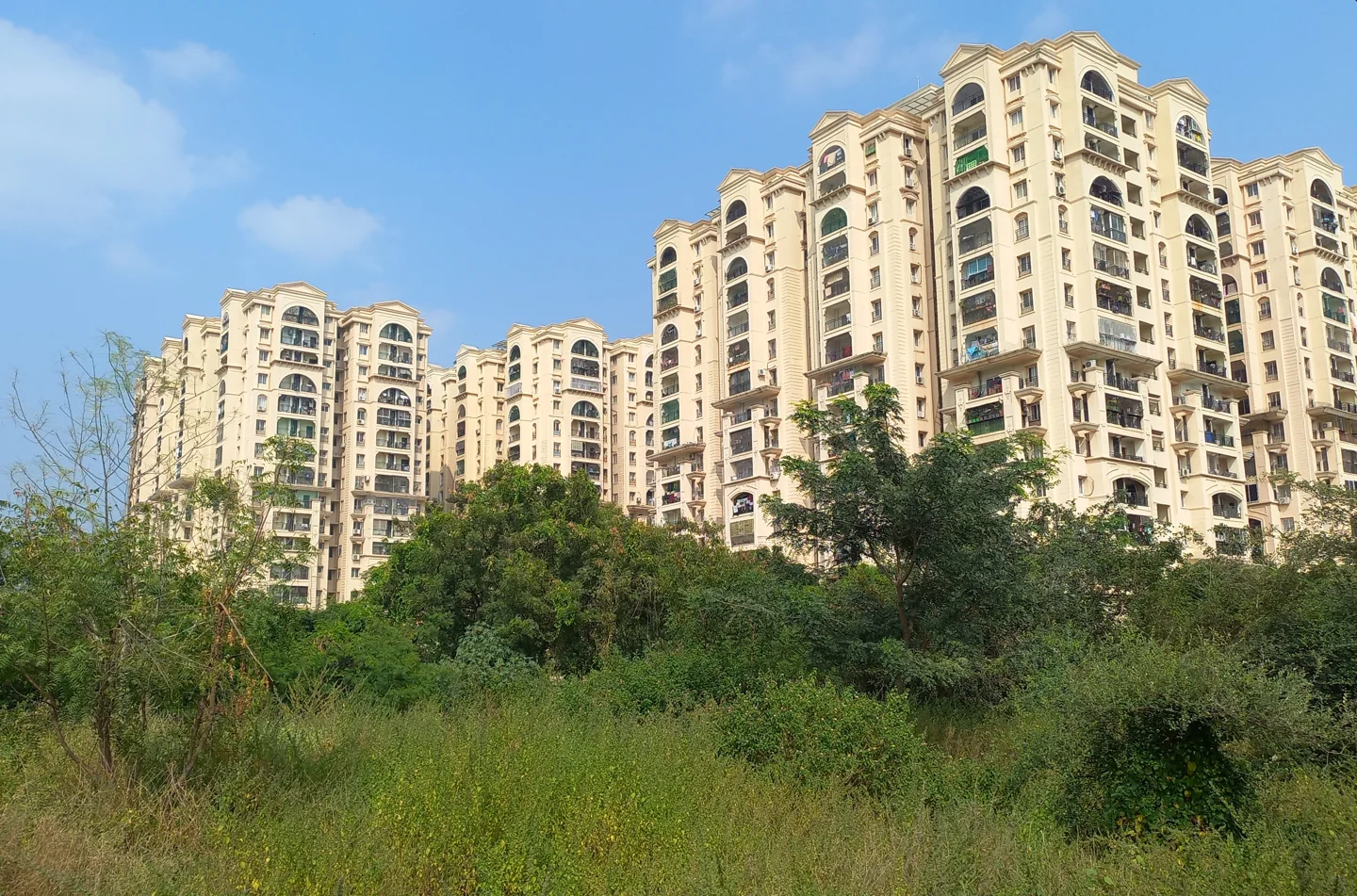
11Inspect the apartment and execute the local rental agreement
Get the complete contract and payment schedule. Ask whether the arrangement is a lease or leave-and-licence, who receives payment and what the owner or authorised representative signs. Local registration and stamp requirements vary; there is no universal “eleven-month agreement means no paperwork” rule.
- Inspect the exact apartment and check the owner’s or agent’s authority.
- Record the address, apartment number, permitted occupants and any building or society move-in procedure.
- State rent, refundable security, maintenance, brokerage if agreed, escalation, notice, early-exit terms and deposit-release conditions.
- Allocate electricity, water, parking, internet and repairs in writing.
- Complete the applicable stamping and registration, retaining the final document and payment receipts.
- Sign a condition and inventory record with photographs, keys, meter readings and existing defects.
In Maharashtra, section 55 of the Rent Control Act requires the stated letting and leave-and-licence agreements to be written and registered, with responsibility on the landlord. Use the actual state law and the registration authority. Ask how a foreign passport holder completes the chosen channel instead of assuming every remote identity flow is available.
For Delhi, the Revenue Department identifies its lease-registration charge separately from stamp duty. Establish the duty and filing required for the actual document; sale-deed percentages are not automatically rental charges: the responsible registration service. Another state needs its own process.
Hypothetical initial cash: if a particular home quotes INR 40,000 monthly rent and an agreed two-month refundable deposit, the first rent plus deposit is INR 120,000. INR 80,000 is tied up as security and INR 40,000 pays rent; add only the brokerage, registration and setup amounts actually quoted. These invented figures illustrate budgeting and do not represent a national rent, market average or mandatory deposit.
Keep the signed document accessible for immigration, banking or utility evidence. Ask the landlord to provide any requested address undertaking or accommodation reporting through the responsible service. Moving into the apartment does not automatically update your FRRO record.
12Choose the provider and verify insurance before treatment
Obtain insurance that covers the intended residence and activity, not only a short holiday. If the employer provides a group policy, request the actual benefits, family enrollment and effective date. Confirm inpatient and outpatient cover, waiting conditions, exclusions, limits and the hospitals accepted for direct billing.
- Prepare a concise medical-history and medication file and ask the treating clinician about continuity after the move.
- Choose a nearby provider for ordinary appointments and a suitable hospital for the household’s specific care.
- Ask the insurer whether that exact hospital and treatment are covered and whether authorisation is required.
- Arrange the appointment, identify the required records and obtain a cost estimate where appropriate.
- Confirm whether the hospital requires a deposit or payment upfront and how the claim or direct-billing process works.
- Keep prescriptions, itemised bills, authorisations and receipts together.
Apollo’s international-patient service is a practical named starting point in several major cities; its page identifies appointment, medical-history and insurance/billing assistance. Use the linked appointment service to choose the actual branch and clinician. The provider’s international service does not guarantee every foreign insurer’s cashless approval or a particular price.
For an Indian policy, verify the insurer and current product conditions against IRDAI’s official material. A general older FAQ may not reflect a newer circular or the policy you buy. Obtain the written contract and answers for pre-existing conditions and the planned duration, rather than relying on a summary saying “comprehensive”.
Students should ask whether the institution supplies insurance and what its effective dates and exclusions are; a Student Visa does not itself provide medical insurance. Older relatives and children need individual enrollment and benefit checks. Keep a usable payment reserve for care while a claim is assessed.
After arrival, identify how routine appointments, prescriptions and records are handled. Ask the provider what to do outside ordinary opening hours and save its actual contact details. This gives the household a specific care pathway instead of waiting until treatment is urgently needed.
13Set up the phone, utility payers and regular transport
Obtain the local connection early enough for e-FRRO and banking verification. Visit a provider store with the passport, visa and address evidence and ask how its foreign-national verification works. Confirm activation, plan validity and what happens at a visa extension. Airtel says its foreign-national connection validity follows the visa date: the provider’s specific guidance; store service.
- Agree with the landlord whether utility accounts transfer or remain in the owner’s name.
- Record meter numbers and readings and obtain the previous paid bill and any outstanding-charge position.
- Use the operator’s actual application for a new connection or change, with the required occupancy and identity evidence.
- Confirm the first bill’s payer, period and address and retain the handover reading.
- Arrange internet at the actual apartment and confirm the installation and equipment charges.
In the BSES Rajdhani service area, the new-connection checklist accepts the stated identity documents, including a valid passport, and identifies a tenant’s lease or qualifying rent-receipt evidence with the owner/representative undertaking. That is a particular operator’s procedure, not a countrywide rule: BSES’s actual checklist.
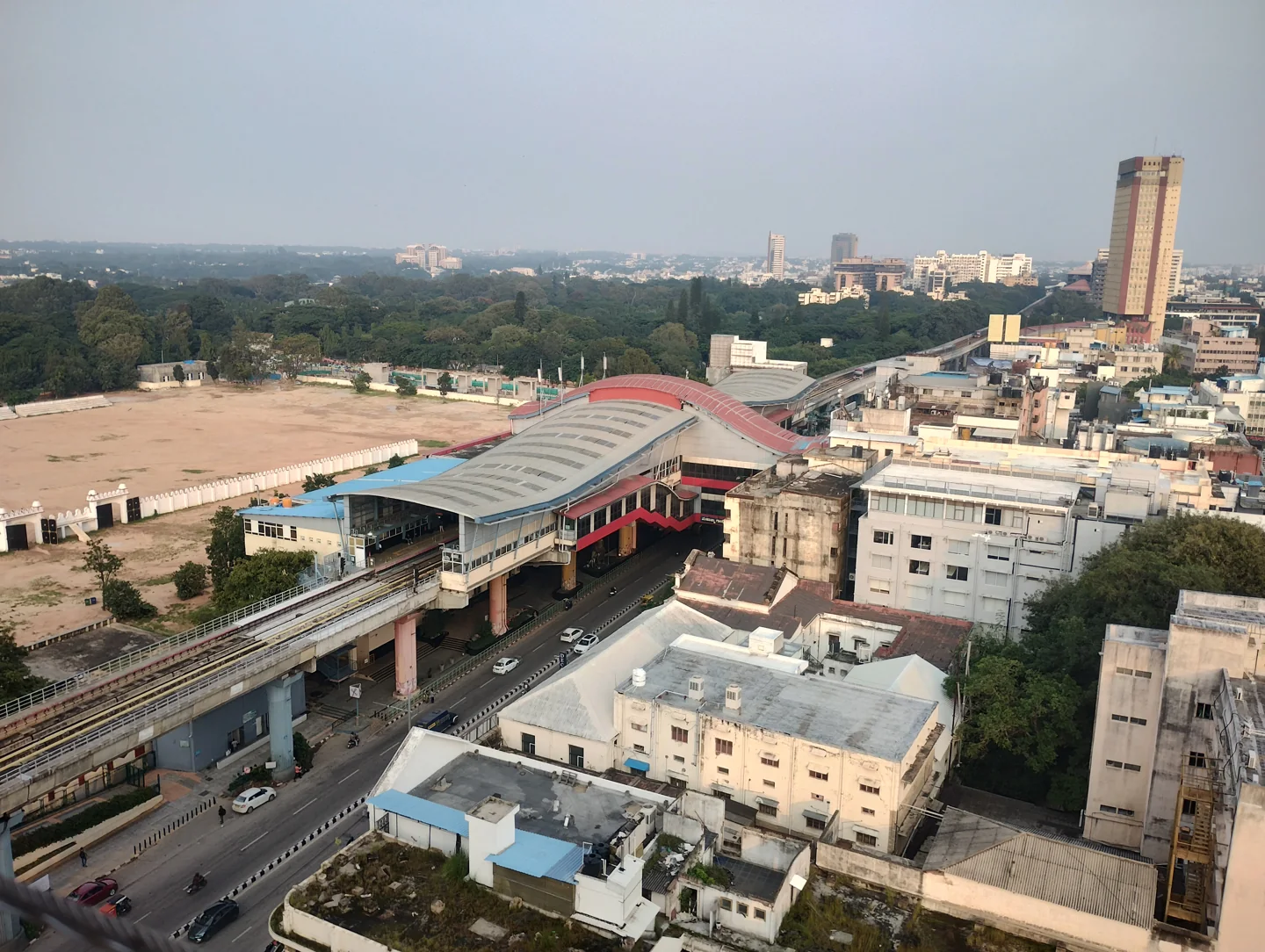
For transport, select the station pair, time and payment product. Delhi Metro’s posted ordinary distance bands include INR 11 for 0–2 km, INR 21 for 2–5 km and INR 32 for 5–12 km on Monday–Saturday; Sunday/holiday and Airport Express arrangements differ. Use the fare table and the actual planner for the journey rather than quoting one national commuting price.
For Bengaluru, use Namma Metro’s operator information to establish the actual fare and route; conflicting online summaries of a proposed fare increase are not a reliable quotation. For intercity rail, Indian Railways’ enquiry depends on the date, train, route and class.
Hypothetical recurring example: if your quoted rent is INR 40,000, agreed maintenance INR 3,000, quoted phone/internet INR 1,500 and planned journeys INR 2,500, these four lines total INR 47,000 per month. This is a calculation using invented household inputs and excludes food, electricity, healthcare, school and other spending.
14Close the first-month tasks and build a local routine
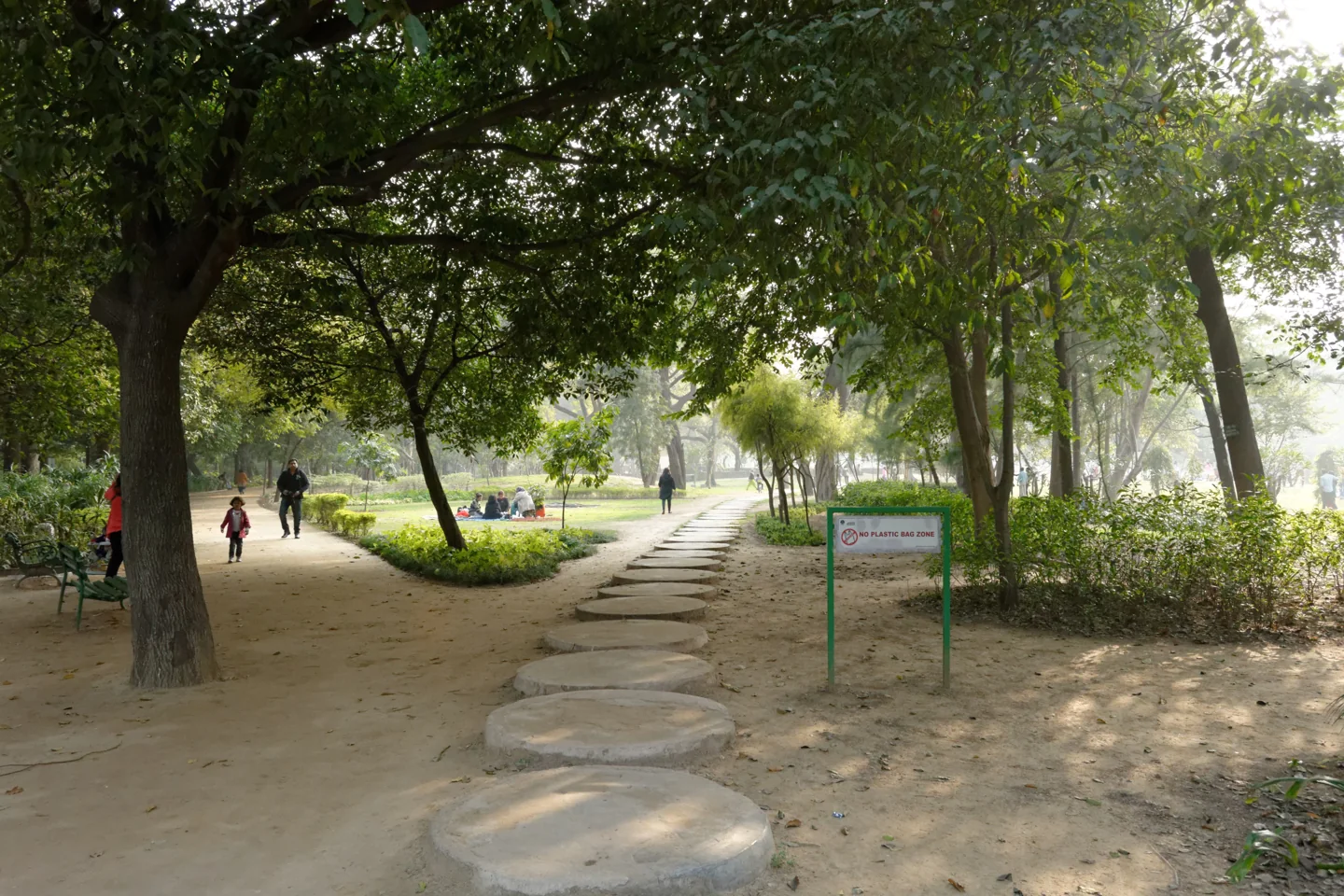
Choose a routine within the neighbourhood before expanding it across the city. Test the regular shopping, school and work journeys, identify a public space you can return to and follow the institution’s or community organisation’s own event information. Ask about local languages used by the building, school and service offices.
- Confirm required e-FRRO submission and granted documents, then record any outstanding query.
- Track PAN, bank and mobile activation and check the details agree with the passport and address.
- Review the first payslip and the tax-period and residence assumptions with payroll.
- Retain the executed rental document, security receipts and handover inventory.
- Check the first utility bills and complete the relevant address update when moving.
- Confirm school attendance or university registration and the actual campus journey.
- Finish insurance enrollment for each family member and identify the routine-care provider.
- Add passport, visa, residence, insurance and institutional dates to a shared calendar.
Keep separate columns for “submitted” and “granted”. An acknowledgement is useful for follow-up but does not replace the permission or record you applied for. Revisit unresolved tasks with the responsible service using the application reference, the specific missing evidence and the next deadline.
Learn the terms used in the paperwork you receive: PAN, FRRO/FRO, RC/RP, leave-and-licence or lease, security deposit, maintenance and utility consumer number. Keep the full institution or operator name alongside an acronym so the household can identify the right office later.
At the end of the month, replace hypothetical budget inputs with actual bills, identify refundable money still tied up and retain a reserve for irregular costs. Review any upcoming employer, course, address or passport change before it occurs. The aim is a household that can receive notices, make payments, obtain care and understand its next obligation.
Sources & further reading
Reviewed 14 October 2026. Sources are linked beside the relevant instructions. The September 2025 immigration rules govern the registration examples, including exemptions and visa endorsements. Current PAN forms replaced older first-application forms from April 2026. Income earned from April 2026 uses the new tax-year framework; nationality, past presence, tax residence and treaty conditions remain relevant. Old country guides remain separate. Targeted Protean review on 16 October 2026 confirmed the physical-document submission sequence and 15-day receipt deadline. Amounts checked on 14 October 2026. Delhi Metro prices are the posted named distance bands; Airport Express is separate. Protean PAN charges distinguish paper-document and paperless modes, e-PAN and domestic or overseas card delivery. The UK visa fee example retains its April 2024 effective date and UK-national scope. Rental and recurring-cost arithmetic is hypothetical and deposits are separated from expenditure. Photograph credits, licences and capture years appear with the images.
Browse the source directory
- Government of India — regular visa application
- Government of India — e-Visa eligibility and instructions
- High Commission London — employment visa
- Consulate Houston — employment visa
- High Commission London — business visa
- High Commission London — UK-national fees
- MHA — Immigration and Foreigners Rules 2025 (source unavailable)
- Bureau of Immigration — current e-FRRO service
- Government of India — OCI FAQ and services
- Income Tax Department — new-Act residence FAQ
- Income Tax Department — tax-year transition
- Income Tax Department — current PAN forms and documents
- Protean — foreign-citizen PAN application
- UIDAI — resident foreign-national enrollment (source unavailable)
- UIDAI — 2026 Aadhaar handbook
- American School of Bombay — admissions
- Ahmedabad International School — 2027–28 admissions
- Ahmedabad International School — application
- Ministry of Education — Study in India
- Study in India — student FAQ
- University of Delhi — Foreign Students Registry
- Consulate Houston — study, research and internship visas
- CBIC — Baggage Rules 2026
- CBIC — current traveller guide
- AQCS — importing personal dogs and cats
- State Bank of India — nationality and account categories
- RBI — accounts in India by non-residents
- NPCI — UPI FAQ
- India Code — Maharashtra Rent Control Act
- Maharashtra IGR — stamp and registration services
- Delhi Revenue — property registration services
- Apollo Hospitals — international patient services
- Apollo — appointment service
- IRDAI — insurance circular directory
- Airtel — foreign-national connection validity
- Airtel — find a store
- BSES Rajdhani — new-connection documents
- DMRC — journey planner
- DMRC — fare bands
- BMRCL — Namma Metro
- Indian Railways — journey fare enquiry
Make your next step a practical one
Choose the employer, institution and city first; establish the lawful route for every traveller, then prepare the address documents, insurance and registration calendar before signing a long rental.