Visa
Moving & Living - Italy - Complete Guide
Move to Italy in 14 practical steps: choose a city, arrange EU or non-EU residence and work, plan schools and retirement, obtain your codice fiscale and connect housing, healthcare and transport.
A move to Italy takes shape around a specific address: a Milan home linked to the right metro zones, a Bologna room near your teaching campus, a Turin base close to the health district, or a Naples neighbourhood with a workable daily journey. Choose that routine alongside the residence route.
This guide follows preparation, entry and the first month. EU citizens and non-EU newcomers have different formalities; a visa, a permesso di soggiorno, municipal residence and a codice fiscale serve different purposes. The sequence below explains how they connect without treating tourism as permission to settle or work.
Italy at a glance
- Currency
- Euro · EUR / €
- Working language
- Italian
- Residence permission
- Permesso di soggiorno for relevant non-EU categories
- Tax identifier
- Codice fiscale
- Municipal registration
- Anagrafe at the Comune
- Public healthcare
- SSN · local ASL / regional service
- Reviewed
- 14 October 2026
Follow your moving journey
Start at step 1, or jump to the task you are working on.
01Choose a city and neighbourhood around your daily destination
Start with the workplace, teaching campus or school you need to reach. “Milan” or “Bologna” is too broad for a rental search: the final walk, connection and last return journey can change which apartment works. Ask for the actual building and timetable before comparing homes.
| Possible base | What to compare | First practical check |
|---|---|---|
| Milan: Isola, Porta Vittoria or another address on your route | A walkable workplace versus a connection across the city. | Check the precise ATM zones and municipal boundary. |
| Bologna: a room near teaching or along a useful bus route | The course’s actual campus and housing contract. | Confirm whether your teaching is in Bologna or another university campus city. |
| Rome | The particular workplace or institution rather than a sightseeing district. | Test the door-to-door journey at the time you will travel. |
| Turin | Work, shops and the relevant health-service district. | Locate the receiving services and their appointment channels. |
| Naples: a waterfront or inland base | A setting you enjoy versus the actual daily route. | Include stairs, gradients and the last connection in the comparison. |
- Choose two or three actual homes and mark work, school, groceries and a pharmacy for each.
- Run the ordinary weekday journey, including the evening return.
- Ask which bills and condominium charges are additional to rent.
- Reserve temporary accommodation with enough flexibility for viewings and administrative appointments.
In Milan, ATM’s urban subscription covers the municipality, with additional arrangements needed for travel beyond its limits. A cheaper-looking suburban address may require a different product. For students, Bologna’s housing service advises comparing transport with the teaching location; its university network includes campuses outside Bologna itself.
02Choose the route before treating the move as a visitor trip
For non-EU nationals, enter nationality, country of residence, purpose and length of stay in the official Visa for Italy service. Use the resulting responsible mission and application category. A short Schengen visit and a national type D visa have different purposes; neither a rental agreement nor an Italian tax number changes your immigration status.
- List every person’s citizenship, existing residence permission and intended activity.
- For an EU citizen moving as a worker, student or pensioner, prepare the evidence for the applicable residence conditions. The European Commission’s registration guidance distinguishes employment, self-employment, study and self-sufficient residence.
- For a non-EU worker, determine whether the employer uses a quota route or an eligible route outside the quotas.
- For a student, follow admission and pre-enrolment before the consular application.
- For family, establish which sponsor and relationship procedure applies before assuming everyone can move together.
Family members: identify the sponsor’s category
The government’s current reunification guidance describes a two-year lawful, continuous residence requirement for many non-EU sponsors. Exceptions concern minor children, international-protection beneficiaries and certain worker categories, including Blue Card and ICT cases. Confirm the precise exception using the current procedure update. Housing suitability and income remain separate questions.
A qualifying relative joining an Italian or EU citizen uses a different framework. The embassy’s national family-visa instructions explain the June 2024 change and the absence of a Sportello Unico nulla osta for that category. Do not apply the ordinary foreign-sponsor waiting rule indiscriminately to these families.
Give the responsible mission the relationship, ages, nationalities and current residence details. Keep its documentary list and the application receipt. A statutory processing period or an accepted submission does not guarantee approval or a particular arrival date.
03Have the employer complete the correct work-entry procedure
Ask the employer to identify the route in writing. Under Flussi 2026, the employer’s application depends on the category and available quota. The January and February 2026 opening dates are past; applications may continue to 31 December 2026 subject to availability. An advertised vacancy does not establish that a quota place is available.
- Agree the job duties, location, duration, salary and applicable collective agreement.
- Have the employer assess the correct application and prepare the required accommodation and employment evidence.
- The employer submits through the Interior Ministry’s immigration portal and keeps the reference.
- After the required clearance, apply for the corresponding visa through the mission responsible for your residence.
- Coordinate the arrival date and subsequent contract and permit tasks with the employer.
For eligible highly qualified employment, the EU Blue Card procedure operates outside Flussi quotas. The employer applies using model BC; the offer must last at least six months, and qualification and remuneration conditions must be met. The salary test relates to the applicable collective agreement and ISTAT figure, so do not substitute an undated salary from a blog.
The June 2026 contract notice explains the portal’s digital signing function for BC and LFE cases. On arrival, the employer records entry details and completes the documentation received through PEC; the notice preserves the worker’s handwritten-signature alternative. Have the employer explain exactly which action belongs to you.
Check the work conditions on the decision and permit before taking a different role or additional activity. Ask payroll what documents it needs for salary and contributions. Retain the contract, immigration record and pay statements together so a renewal does not begin with missing evidence.
Match remote work or a business to its own permissions
Italy has a digital-nomad and remote-worker route for eligible highly qualified non-EU applicants. It is not permission for everyone with a laptop. Independent professionals and employees supply different work evidence, and the employed route includes an additional remuneration test.
- Identify whether you are an independent specialist or an employee and document the qualifications that support the category.
- Prepare at least six months’ relevant work experience and evidence of the income generated by the proposed work.
- Obtain the responsible consulate’s accommodation and insurance requirements before paying for a property.
- For an employee, request the contract and the employer’s required declaration.
- Keep a copy of the complete application pack for the residence-permit stage after entry.
As a specific current consular example, Tbilisi’s May 2026 checklist states EUR 25,500 annual work income, full-stay accommodation with registered rental evidence and at least EUR 30,000 medical cover. Passive pensions or rental income do not meet its work-income test. Its Georgian residence-jurisdiction requirements are local; applicants elsewhere must use their responsible mission’s checklist. A Washington PDF uploaded in 2026 still labels an income figure as 2024, so upload date alone is not verification of a new national threshold.
Tbilisi’s checklist limits this route’s family category to the qualifying spouse and minor children, with the required consent; it excludes adult children and parents. Establish the family clearance and timing with SUI and the mission before planning a joint move.
Business registration follows the activity, not the visa label
For a sole-trader business requiring registration, Registro Imprese’s procedure connects tax, business-register, INPS, INAIL and relevant SUAP tasks through Comunicazione Unica. Prepare PEC and digital-signature arrangements or appoint an authorised intermediary. The current filing-tools page says the old ComUnica tool ceased availability on 12 February 2026; filing now uses DIRE’s integrated function or an appropriate market solution. This is a software change, not the abolition of registration. Have a commercialista distinguish your professional activity from a registered trading business before submitting.
04Budget the first move and establish your tax position
Build the budget from an actual address and contract. Include rent, spese condominiali, energy, water where separate, TARI waste tax, internet, food and journeys. Keep refundable deposits apart from expenditure: the money is still unavailable while the landlord holds it.
| Initial costs or tied-up funds | Recurring costs | Evidence to request |
|---|---|---|
| Visa, permit, translations and qualification evidence | Renewals and professional administration | The category-specific authority or adviser quote. |
| Travel, shipment and temporary accommodation | Ordinary commuting and food | A dated booking and actual travel product. |
| Security, first rent and agreed broker fees | Rent and condominium charges | The lease, inventory and full bill breakdown. |
| Connections, furniture and education setup | Utilities, healthcare and tuition | The supplier and institution’s own terms. |
Hypothetical moving calculation: a EUR 1,000 monthly rental, agreed EUR 2,000 cash deposit and EUR 900 temporary stay require EUR 3,900 before shipment, application fees and other setup costs. These are assumed planning inputs, not surveyed Italian rents. Replace them with the actual home and bookings.
- Calculate accessible cash before the first salary and local account become operational.
- List all income, pensions and assets, including those outside Italy.
- Record arrival days and family or home connections for the tax-residence assessment.
- Agree who files the return, handles payroll or business contributions and assesses treaty relief.
The Chamber of Deputies’ 2026 tax overview confirms ordinary IRPEF bands of 23% up to EUR 28,000, 33% on the portion above EUR 28,000 to EUR 50,000, and 43% above EUR 50,000. Deductions, credits and local additions affect the result. Residence can arise through majority-year presence or other connections; partial days matter. A remote-work visa does not itself provide a tax exemption.

05Arrange school placement or admission before the study move
For children, contact the school serving the actual address and explain the age, previous grade and arrival date. Milan’s 2026/27 annual enrolment window closed on 20 February 2026. A family arriving later should discuss placement with the receiving school rather than treating that annual window as a reason to leave a child without a plan.
- Prepare identity and previous school records and explain any language, learning or medical needs.
- Discuss class placement and Italian support with the school office.
- Confirm the school day, meals, supplies and any separate after-school arrangement.
- For teenagers, Cerco-Offro Scuola offers Milan guidance for foreign young people aged 14–21 who arrived within the previous three years.
Istituto Comprensivo Gattamelata’s own enrolment page is a named starting point for families assessing its area; it links the municipal catchment information. An enquiry or an address does not promise admission to a particular school.
University applicants: connect admission, Universitaly and the visa
Follow Bologna’s non-EU enrolment instructions for the selected course. Complete academic and language requirements, submit the requested documents through Studenti Online and obtain validation of the Universitaly pre-enrolment. Consular approval remains a separate decision. The university identifies EUR 10,179.85 as the 2026 subsistence-evidence minimum; this is not a surveyed annual living budget.
Bologna’s 2026/27 fees comprise a EUR 157.04 fixed amount plus a programme- and household-dependent variable part. The ordinary open-access undergraduate payment deadline of 24 September is past; the stated second-cycle deadline is 29 October 2026, with programme-specific rules and a late-payment option subject to conditions. Confirm the actual course rather than treating one date as universal. Prepare foreign household-income documentation if seeking reductions.
Use SAIS and the university housing directory early. ER.GO residence places require the relevant application and eligibility; admission and a fee payment do not guarantee housing.
06Choose retirement residence and healthcare together
For an EU pensioner, assess self-sufficient residence and health cover under the EU framework, including whether an S1 is available from the responsible insurer. For a non-EU applicant considering elective residence, the purpose is a stable move supported by private resources, with no employment entitlement.
- Use the responsible elective-residence instructions as the starting checklist. London’s service asks for detailed stable private-income evidence, recent tax returns, a registered lease or deed and an explanation of the move.
- Identify pensions, annuities, property or investment income separately from employment.
- Give the consulate the actual household composition and request its applicable financial assessment. Do not assume one person’s figure covers a spouse.
- Arrange the required insurance and ask the receiving health authority whether mandatory or voluntary registration applies.
- Choose a home with usable access to shops, appointments and any support you need.
London’s UK residence-document requirements apply to its jurisdiction, not to every applicant worldwide. Elective residence does not become a remote-work route because the employer is overseas. Resolve any intended work under the appropriate category before relying on retirement permission.
Retirement planning also needs a calendar: pension-provider address changes, tax reporting, healthcare registration and recurring treatment. Ask the clinic how it receives records and books continuing care. Keep reserve funds for insurance exclusions, home assistance and travel to family, rather than using the immigration income test as the entire household budget.
07Prepare originals, belongings and the pet journey
Prepare documents according to the receiving authority: consular visa evidence, university qualifications and family records do not all use one authentication process. Request the exact translation or recognition needed before paying for unnecessary copies.
- Carry passports, approvals, application copies and the receiving employer or institution’s details in hand luggage.
- Keep academic and civil-status originals accessible for appointments; store secure scans separately.
- Bring children’s previous school records and any required custody or travel-consent documents.
- Obtain medical summaries and a plan for continuing prescribed treatment.
- For shipment, request an itemised quote identifying clearance, storage, access and final delivery; give the receiving address accurately.
Pets: use the requirements in force for your travel date
The EU animal-movement rules applying from 22 April 2026 replaced the earlier framework still cited on some information pages. Send the current requirements to your veterinarian, specifying origin, transit, species, number of animals and whether ownership will change.
- Confirm the applicable identification and rabies-vaccination evidence; the initial vaccination generally requires a 21-day interval before movement.
- Establish whether an EU passport or the applicable health certificate is required and whether the origin triggers a rabies-antibody test.
- Choose the permitted entry arrangements and complete the documentation within its validity.
- Confirm airline or ferry acceptance independently of veterinary eligibility.
Italy’s Health Ministry guidance distinguishes accompanied noncommercial travel from sale, adoption or ownership transfer. Do not use the personal-pet procedure for a commercial movement or assume a young animal is exempt from rabies requirements. Preserve the records for the receiving veterinarian after arrival.
08Keep arrival evidence and organise the first usable day
Travel with the documents supporting the purpose approved for you. Keep evidence of the entry route and date, particularly when you reach Italy through another Schengen country. Ask the receiving office how that arrival is recorded for your application rather than discarding travel records.
- Carry the passport, visa where required, accommodation details and employer or university contact.
- Retain the entry evidence and travel documents with the application pack.
- Contact the sponsor or international desk after arrival and confirm the next action.
- For a relevant non-EU long-stay route, arrange the residence-permit application within the first eight working days, following the category’s actual channel.
- Confirm access to the temporary home and locate groceries, a pharmacy and the next administrative office.
A first-day phone connection should let you receive messages and retrieve booking references. Reserve enough money for a delay, onward transport and initial purchases before local banking is ready. Ask the accommodation host how late arrival, luggage storage and the checkout date work.
If you came for work, agree when the employer completes arrival details and the relevant contract process. If you came for university, book the institution’s identity and original-document check for the actual campus. A postal permit receipt and a university application have different purposes; keep both.

09Apply for the permit, tax code and municipal residence separately
The permesso di soggiorno concerns the applicable non-EU permission. The codice fiscale identifies you for tax and many services. Anagrafe registration records residence with the Comune. Completing one does not automatically complete the others.
- Use the permit procedure to establish whether your category uses a yellow-band postal kit or direct Questura submission. Free help is available through authorised Patronati or municipalities.
- For the postal route, complete the requested forms in black uppercase writing, prepare the A4 copies and take the open envelope with your valid passport to an enabled Sportello Amico.
- Keep the submission receipt, payment evidence and Questura appointment. Attend with the requested originals and photographs and follow the collection instructions.
- Obtain your official tax code. It may already be assigned through SUI or Questura; otherwise the Tax Authority’s AA4/8 procedure provides the application with valid identification.
- At the receiving Comune, select the correct resident-registration category. Milan’s service for foreign arrivals and its document list distinguish EU and non-EU evidence and lawful occupancy.
Poste’s posted charges include a EUR 16 stamp, EUR 30 postal submission and EUR 30.46 card production, plus the category-specific contribution where due. For a one-year case carrying a EUR 40 contribution, the calculation is EUR 116.46 before any separate payment commission. Monza’s Questura checklist updated in May 2026 corroborates category-dependent amounts; minors and other exemptions must be assessed separately.
Use the official certificate’s name and tax code consistently. The consular tax-code guidance explains the different issuing channels; an online generator does not issue an official number. Keep acknowledgements and expiry dates for each person, and update address-dependent records after a later move.
10Choose an account and test the payment arrangements
Ask a bank what it needs for your status before attending. Prepare valid identity documents, the official codice fiscale and evidence explaining residence, income and the purpose of the account. Request the complete fee sheet, not only an advertised monthly charge.
- Identify the payments you need: salary, rent transfers, utility direct debits and a debit card.
- Compare annual cost, included transactions, cash withdrawals and international-transfer charges.
- Complete the bank’s identity, source-of-funds and tax-residency checks.
- Activate online access and test a small payment before a rent or tuition deadline.
- Record the IBAN and exact account-holder name and retain payment confirmations.
For essential consumer banking, Bank of Italy’s August 2026 guidance explains the conto di base. It is intended for eligible people lawfully staying in the EU who do not already have an account and need consumer services. It is not a business account or an overdraft facility, and defined refusal grounds remain.
The same guidance distinguishes fee concessions: an ISEE below EUR 11,600 removes the account charge and stamp duty; the pension concession up to EUR 18,000 gross annually still leaves stamp duty. Do not assume a newly arrived low-income person automatically has the required ISEE evidence. Ask the bank how to document the applicable concession.
Agree direct-debit dates with suppliers and keep sufficient funds available. If using another European account initially, confirm that the receiving institution can use it for the actual payment. A completed transfer is different from setting up an instruction for a future date.
11Sign the right lease and obtain its registration evidence
Ask which legal rental form is being offered. An ordinary long-term lease, a local canone concordato agreement, a qualifying temporary contract and student housing have different purposes. A furnished apartment does not by itself identify the contract type.
- Verify who can let the home and which rooms, furnishings and services are included.
- Review the term, renewal, notice, early-departure conditions and repair responsibilities in a language you understand.
- Separate rent, condominium charges, utilities, waste tax, broker remuneration and security.
- Inspect heating, hot water, windows, damp, internet access and building entry before signing.
- Keep the signed lease and registration receipt and document keys, inventory and meter readings at handover.
Law 431’s ordinary rental provisions explain the familiar four-year term followed by renewal, subject to the relevant rules. Do not interpret “4+4” as a guarantee that no termination condition can apply. If a shorter or student contract is proposed, establish the applicable category and its evidence rather than relabelling an ordinary tenancy.
Article 11 of Law 392 limits the cash deposito cauzionale to three months’ rent and provides legal interest. Distinguish that deposit from advance rent and other guarantees. Have unclear security wording reviewed before paying.
The Tax Authority’s RLI service states that required registration must be completed within 30 days of signing or the earlier commencement. Obtain proof rather than accepting an oral assurance. The short-contract exception concerns no more than 30 days in the year and should not be used to disguise a continuing home.
For a Bologna student room, use the university’s SAIS and housing resources to understand the proposal. Check whether bills are included, how shared charges are divided and the actual notice required to leave.
12Establish SSN eligibility and arrange continuous care
The Health Ministry’s SSN guidance distinguishes compulsory registration for qualifying situations from voluntary registration or private insurance. Employment, family, study and elective residence must be assessed under their actual conditions. A tessera sanitaria is not issued merely because you have a codice fiscale.
- Ask the local health authority which registration applies to your permission and household.
- For eligible work or family cases, prepare the permit or accepted application receipt, identification, tax code and address evidence requested in the Ministry’s checklist.
- Complete registration and choose the available general practitioner or paediatrician through the local service.
- Bring medical summaries, arrange continuing prescriptions and ask how specialist appointments are booked.
- Confirm dependants and any gap before coverage starts separately.
For voluntary registration, ASL Città di Torino’s September 2026 instructions use the application, declaration and F24 payment at the administrative choice-and-revocation counters. Coverage starts at registration, ends on 31 December and is neither retroactive nor prorated. An October arrival therefore does not automatically buy twelve months of coverage.
The Torino contribution form distinguishes the EUR 700 student amount from the general EUR 2,000 minimum with an income-based calculation. Family cover and category conditions need individual assessment; use the receiving region’s payment details. These charges are not a promise that every visa holder qualifies for voluntary registration.
An EU pensioner should resolve the appropriate S1 or comprehensive cover; an EHIC for a temporary visit is not a complete relocation plan. Keep policy details until local entitlement is confirmed and ask the clinic which services carry a ticket or other patient payment.
13Transfer utilities and build a usable transport routine
Ask whether the energy supply is active before ordering a service. Enel’s instructions distinguish voltura, changing the holder of an active supply, from subentro, reactivating a disconnected one. Send the supplier the correct request rather than assuming both are simply an address update.
- Take electricity and gas readings and obtain the previous bill’s supply identifiers.
- Use the POD for electricity and PDR for gas, alongside the new holder’s tax code, contact details and requested occupancy evidence.
- Confirm the tariff, fixed charge, deposit, start date and payment method; retain the contract and reference.
- Agree who handles water and condominium services where the building bills them collectively.
- Complete the waste-tax task separately. Milan’s household TARI guidance specifies declaration within 90 days of possession.
Choose mobile and home internet according to address coverage, activation costs and cancellation terms. For an existing Italian number, Iliad’s portability instructions require the account holder’s identity, tax-code evidence and current SIM. This does not mean an overseas number can be transferred into an Italian mobile service. For a new line, use the provider’s actual identification procedure.
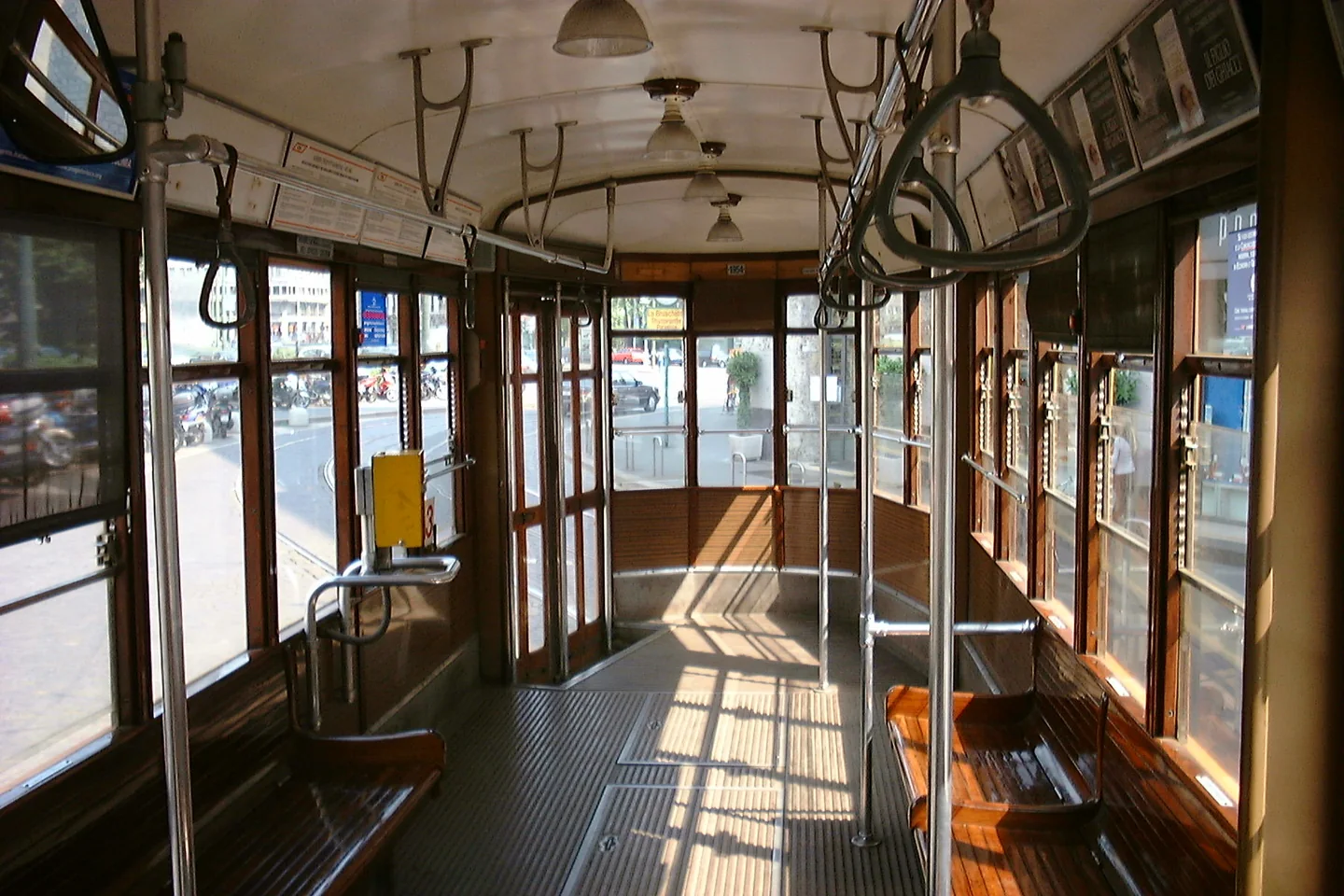
In Milan, the ordinary urban subscription is EUR 39 for the calendar month, not a rolling 30-day pass. It covers the municipal area; check the product for a home or workplace beyond that boundary before purchase. Elsewhere, use the relevant city and regional operator’s actual journey and fare.
For a non-EU/EEA driving licence, the Transport Ministry permits driving for up to one year after acquiring residence with the valid licence and an international permit or official Italian translation. Conversion depends on a reciprocal agreement; otherwise an Italian examination is required. EU/EEA licences have separate validity and conversion rules.
14Confirm the first month and establish a local routine
Keep a practical list with the task, organisation, reference and next date. Close an item only when the arrangement works: a submitted kit still needs its appointment, a utility application still needs confirmation, and a clinic enquiry still needs coverage and a booking.
- Keep the permit receipt and attend the Questura appointment; track collection and expiry.
- Confirm municipal residence and address details and retain the tenancy-registration evidence.
- Check the first salary or pension payment and reconcile bank and utility charges.
- Confirm the child’s attendance or complete the university’s identity and original-document check.
- Use the selected doctor and establish how urgent or after-hours advice works locally.
- Review the first month’s actual spending against the budget and reserve money for irregular bills.
Choose Italian classes that you can attend repeatedly. Milan’s XXII Marzo municipal centre, at corso XXII Marzo 59/a, offers Italian for foreigners in its 2026/27 programme. Its registration instructions require placement steps for new Italian-language applicants. The advertised September test window is past at this review date; contact the secretary about the next available assessment rather than assuming immediate October admission.
Build a small weekly routine close to home: a class, a regular shopping trip and time in a public space such as Parco Nord Milano. Ask a neighbour or receiving institution about suitable local activities without making every connection depend on an expatriate group.
Revisit the administrative list after changing employer, course, household or address. Confirm which organisation needs notice and keep its acknowledgement. This helps the next renewal use consistent records and makes everyday life less dependent on repeated visits to offices.

Sources & further reading
Reviewed 14 October 2026. Sources are linked beside the relevant instructions. EU residence registration differs from a non-EU permit application. Family reunification has category-specific waiting rules and exceptions; Italian/EU relatives follow a separate procedure. Remote-worker salary, income and qualification tests must match the responsible consulate. Some official pages retain older figures despite a newer upload date. The animal-travel rules changed in April 2026; use the current EU requirements for your origin. Prices reviewed on 14 October 2026. University fees refer to Bologna’s 2026/27 rules and depend on programme and household documentation. Transport amounts refer to the named Milan product. Permit costs depend on category, duration and exemptions. Household rent and moving calculations are hypothetical examples. Older photographs and consular figures are not presented as current surveyed prices. Photograph credits, licences and capture years appear with the images.
Browse the source directory
- Foreign Ministry — Visa for Italy
- European Commission — EU residence registration
- Government migrant portal — Flussi 2026
- Government — EU Blue Card
- Government — June2026 digital employment contracts
- Interior Ministry — immigration applications
- Embassy Tbilisi — 2026 digital nomad and remote-worker checklist
- Embassy Washington — remote-worker checklist
- Government — current family reunification
- Government — 2025/26 work and family procedure updates
- Embassy — national family visa for Italian/EU relatives
- Consulate London — elective residence
- Chambers of Commerce — sole trader registration
- Chambers of Commerce — current filing tools
- Chamber of Deputies — personal taxation in 2026
- Tax Authority — codice fiscale application
- Consular tax authority guidance — foreign citizen tax codes
- Milan — 2026/27 primary and secondary enrolment
- Istituto Comprensivo Gattamelata — enrolment
- Milan — Cerco-Offro Scuola
- University of Bologna — non-EU enrolment steps
- Ministry university pre-enrolment portal
- University of Bologna — 2026/27 fees and deadlines
- University of Bologna — housing and SAIS
- Health Ministry — arriving with pets
- EU — current noncommercial animal movement regulation
- Interior/Poste — permit application procedure
- Poste Italiane — permits and fees
- Questura Monza — postal permit applications
- Milan — arriving foreign residents
- Milan — residence application documents
- Bank of Italy — basic account guidance August2026
- Law 431/1998 — ordinary residential tenancy
- Law392/1978 Article11 — cash rental security
- Tax Authority — RLI rental registration
- Health Ministry — foreign resident SSN eligibility
- Health Ministry — foreign resident healthcare FAQ
- ASL Torino — voluntary SSN registration September2026
- ASL Torino — voluntary contribution form
- Enel — account reactivation and transfer distinction
- Enel — POD and PDR supply identifiers
- Milan — household waste-tax declaration deadline
- ATM — current Milan subscriptions
- Transport Ministry — driving-licence conversion
- Milan — XXII Marzo language centre
- Milan — 2026/27 language-course registration
- Iliad — mobile number portability
Make your next step a practical one
Identify each person’s route and application authority, ask the employer or university for its required evidence, and compare actual addresses with their complete rental bills and daily transport before paying relocation costs.