Visa

Moving & Living - Kenya - Complete Guide
A practical 14-step move to Kenya: compare neighbourhoods, choose the right permit, arrange schools, register for an alien card and KRA PIN, rent, bank and set up everyday services.
Photo credit
A move to Kenya takes shape around real daily journeys: from a Nairobi home to an office or school, along the coast from Nyali, or between a university and a neighbourhood in another city. Good planning connects the immigration basis, the household budget and the actual address before the move becomes permanent.
This guide follows those connections through fourteen steps. Kenya has distinct permissions for a local job, foreign remote work, business, study and ordinary residence. Travel authorisation, an issued permit, the foreigner certificate and a tax PIN each do a different job.
Kenya at a glance
- Currency
- Kenyan shilling · KES / KSh
- Capital
- Nairobi
- Official languages
- Kiswahili and English
- Immigration applications
- eFNS · Foreign Nationals Services
- Tax identification
- KRA PIN
- Local mobile payments
- M-PESA
- Health authority
- SHA · Social Health Authority
- Reviewed
- 14 October 2026
Follow your moving journey
Start at step 1, or jump to the task you are working on.
01Choose a city and test the actual daily journey
Choose the job, school or campus journey before choosing the apartment. Nairobi is a useful starting point for many employers and institutions, but a move to Mombasa, Kisumu, Nakuru or Eldoret should be planned around the services and connections actually available there.
| Place to investigate | Practical starting points | Decision to make |
|---|---|---|
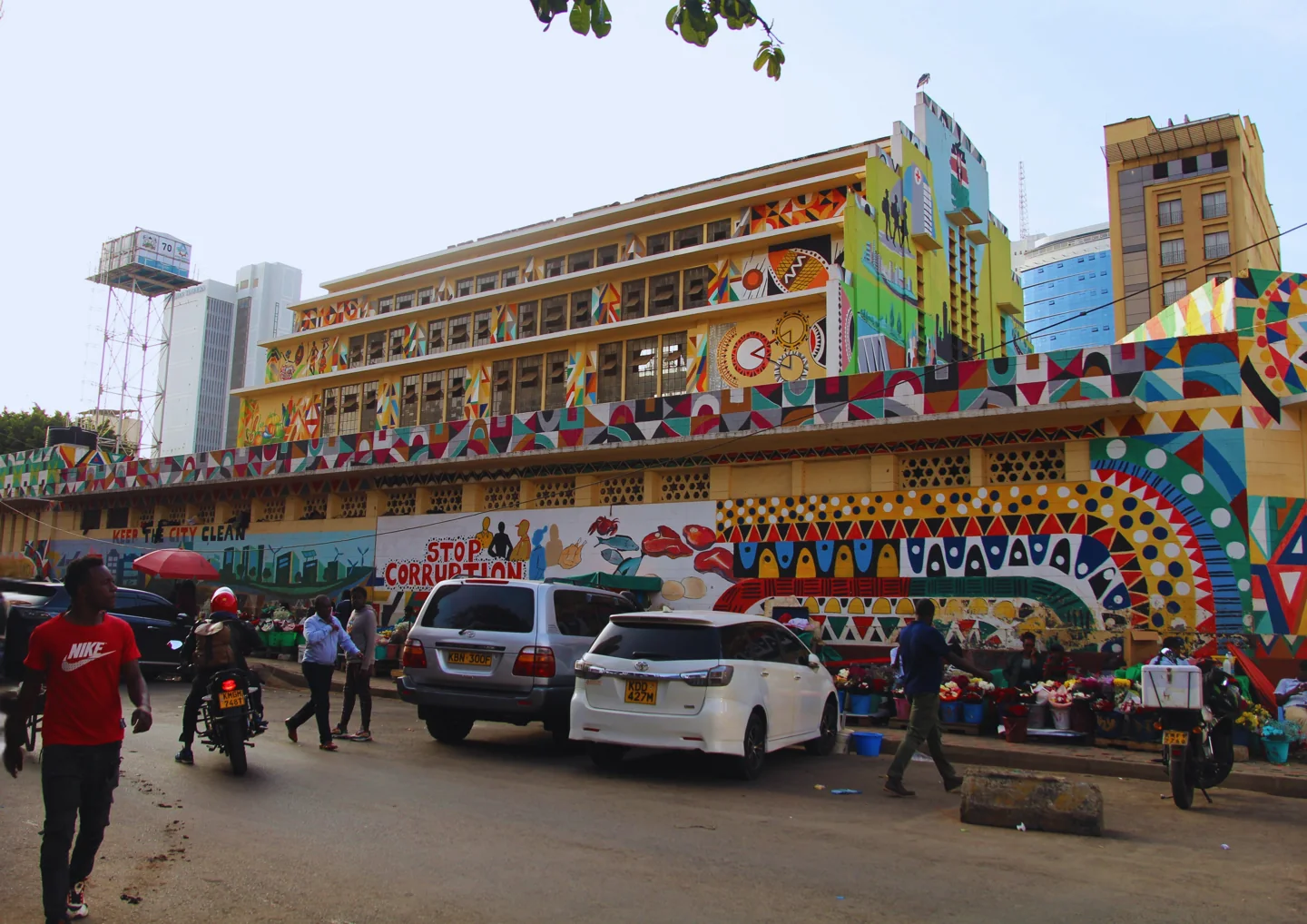
| Nairobi | Westlands and Parklands; Kilimani and Kileleshwa; Gigiri, Runda and the school areas to the north | Which address keeps the work and school journeys manageable? |
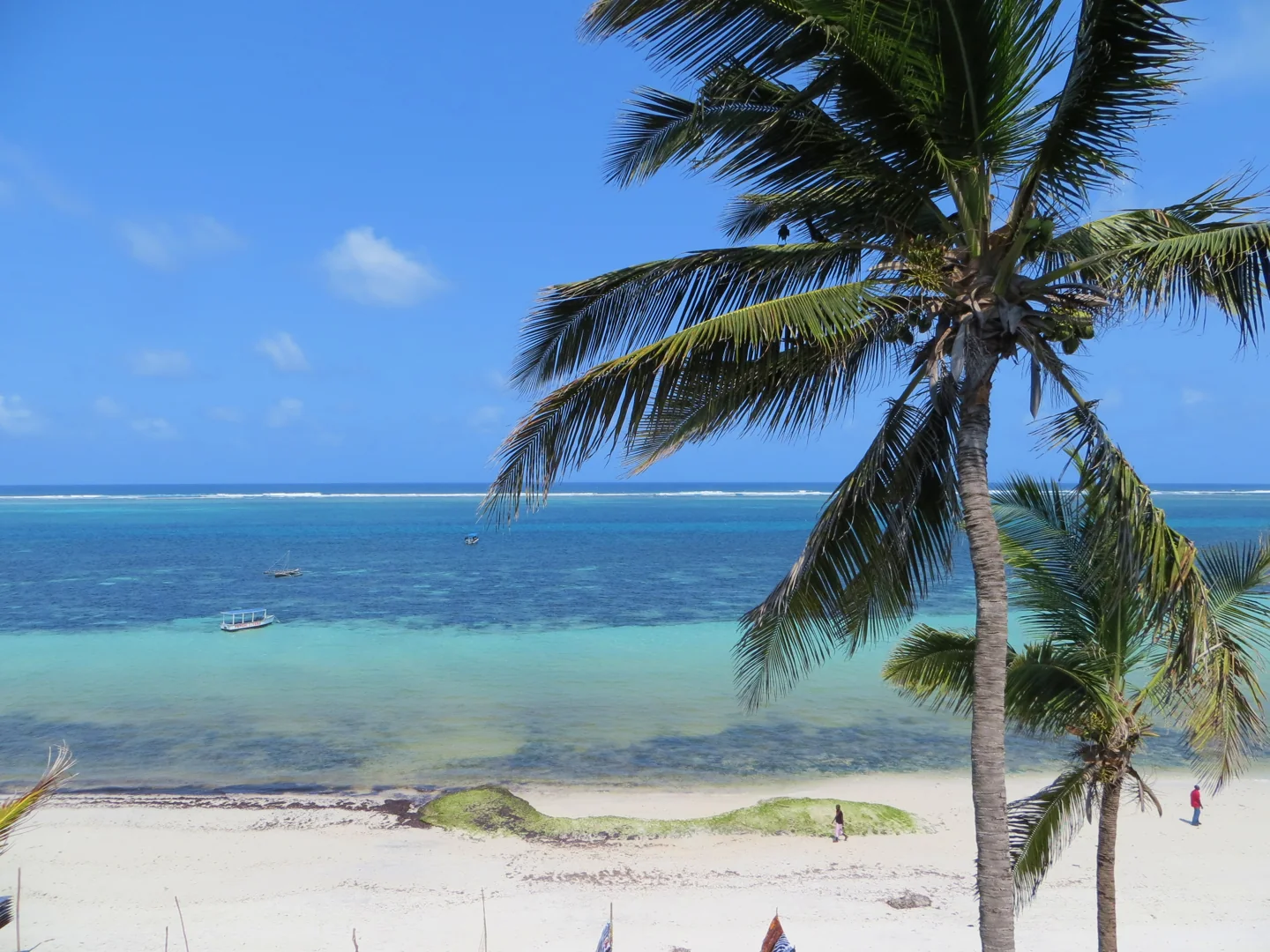
| Mombasa | Nyali and Bamburi on the north coast; an address matched to your actual workplace | Will the regular journey involve crossing to the island, and what does it cost in time? |
| Kisumu, Nakuru or Eldoret | Neighbourhoods around the employer or institution bringing you there | Which clinic, school, transport and communications services suit the household? |
- Put the employer, school and likely clinic on one map. Compare three specific addresses rather than assigning a commute to an entire neighbourhood.
- Arrange temporary accommodation for viewings and the first document appointments. Ask for the actual address and a receipt you can use where accommodation evidence is required.
- Test the route at the hours you will travel. A map distance does not establish the school-run time or the connection from a railway station.
- Inspect the flat's water arrangements, electricity meter, home-internet coverage and building access. Ask which costs are included in rent and service charge.
For a Nairobi rail-based plan, use Kenya Railways' commuter-service information and confirm the actual current departure with the operator. The Riruta–Ngong project was still at the feasibility and stakeholder-engagement stage in September 2026; proposed infrastructure is not a service to base an immediate commute on.
Keep a comparison sheet showing the full address, total monthly bill, deposit, commute and school response. Let it guide the lease decision after arrival, when you can inspect the property and meet the authorised contracting party.
02Choose the permission for your purpose and household
Kenya separates permission to travel from permission to live, work or study. An eTA permits travel for border assessment; it is not the final entry decision and does not grant a local job. The current official exemption list also gives different limits to different nationalities and exempts holders of specified valid Kenyan permits or passes.
| Purpose | Starting route | Main distinction |
|---|---|---|
| Employment by a Kenyan employer | Class D | Specific employer and qualifying role |
| Qualifying work for an overseas employer or foreign clients | Class N | Foreign remote work rather than a local job |
| A specific business or consultancy | Class G | Business, capital and company evidence |
| Qualifying pension or assured-income residence | Class K | Ordinary residence with age and income conditions |
| Study or joining a sponsor | Student pass or dependant pass | Separate institutional or relationship evidence |
- List everyone's nationality, age, purpose and intended duration. Identify an immigration category for each adult and child.
- Establish the sponsor's role and the application sequence. Obtain the employer, institution or relationship documents before submitting.
- Create your own eFNS account through the official access process. Use the relevant permit or pass application, retain the acknowledgement and follow the generated invoice instructions.
- Complete the issued permission and any required endorsement. An approval notification alone is not a substitute for the actual permit or pass.
A dependant pass can cover qualifying family residence but does not authorise employment, including unpaid employment, or replace the required pupil/student permission. Someone accompanying a worker who also wants a job needs their own suitable work permission. Make that decision before treating both adults' expected earnings as part of the budget.
03Prepare the employer, remote-work or business application
For a local job, ask the employer to describe the sponsored role, proposed start date, salary deductions and who pays the application and relocation costs. Class D is designed for specific employment where the qualifying skills are unavailable locally and the engagement benefits Kenya; a vacancy does not automatically produce approval.
- For Class D, provide your passport, CV and certified qualifications. The employer prepares its cover letter, registration and tax-compliance evidence, Form 27, the Kenyan understudy information and evidence of its recruitment process.
- Use the official permit application and obtain the category checklist. The posted Class D charges are KES 20,000 non-refundable processing and KES 500,000 issuance per year, with the stated EAC exemption. Confirm the invoice for the actual application.
- For Class N, prepare three months of bank statements or payslips, accommodation evidence, applicant and employer/company letters, the overseas company contacts and the home-country embassy's no-objection letter. The service posts USD 200 processing and USD 1,000 annual issuance, for a renewable one- or two-year permit.
- For Class G, assemble the company's registration, shareholding record or CR12, company and individual KRA PINs, relevant tax-compliance documents and proof of at least USD 100,000 capital to invest. The posted charges are KES 20,000 processing and KES 250,000 annual issuance, subject to the stated EAC exemption.
The Class N service page requests proof of monthly income but does not publish a fixed minimum in that checklist. Obtain Immigration's current income assessment for your case rather than relying on conflicting older online figures. Class G also excludes prescribed professions from its general description; a regulated profession needs the relevant professional and immigration route.
Keep the contract and approved permission consistent. If the employer, role or business activity changes, establish the required immigration action before making the change. Remote workers should separately agree their employer's cross-border payroll, data and tax arrangements; the permit does not answer those contractual questions.
04Fund the initial move and understand the tax position
Use Kenyan shillings for the household budget, retaining USD or other currency where the actual bill uses it. Put school admission costs, permit fees and deposits in separate rows so that a refundable balance is not mistaken for money available to spend.
| Hypothetical setup item | KES assumption | How to replace it |
|---|---|---|
| Travel and baggage | 100,000 | Your actual itinerary quotation |
| Temporary accommodation | 80,000 | The chosen booking |
| First rent and separately funded deposit | 90,000 + 90,000 | The lease terms, not a national rent or deposit rule |
| Documents and basic household setup | 40,000 | Itemised translation and purchase quotes |
| Total | 400,000 | Before permits, school, insurance, shipping and contingency |
A hypothetical recurring month could contain KES 90,000 rent, 12,000 utilities, 30,000 groceries, 5,000 communications and 15,000 transport: KES 152,000 before tuition, insurance, tax and other spending. These are planning assumptions, not verified market averages. Substitute actual lease bills, a travel plan and household shopping costs after the first month.
- Collect quotations before moving. For an employer-sponsored household, compare reimbursed expenses with the costs you must fund yourself.
- Record days in Kenya. KRA's residence guidance distinguishes a permanent home with presence, a 183-day annual test and a more-than-122-day average over the relevant three years. The immigration card alone does not settle the tax question.
- Ask payroll for a sample net-pay calculation. KRA's current PAYE page publishes bands from 10% to 35%, resident personal relief and the employee and employer Affordable Housing Levy contributions of 1.5% each. Apply the bands to taxable income rather than multiplying the whole salary by the top rate.
- Keep the employer's P9 and other income records. Use KRA's filing instructions for the relevant year and obligation, including additional consultancy income. Its currently published 2026 filing window concerns 2025 income; arriving in October 2026 does not create a 2025 obligation by itself.
For overseas salary, business receipts or pensions, apply the actual source rules and treaty position. KRA explains that its source-based system has exceptions, including employment income earned overseas by a Kenyan resident and the specified partly Kenyan, partly overseas business income. A digital-nomad or ordinary-resident permit is not a blanket tax exemption.
05Arrange school admission or a university place
Start with the child's curriculum, age and language needs, then consider the journey. Ask schools about the year-group decision and the actual availability for your arrival date. An application or fee payment is not a guarantee of a seat.
- Use a school's own procedure. International School of Kenya's admissions process and its OpenApply application provide one named Nairobi starting point. Prepare records and disclose relevant learning or support needs so that the school can assess the appropriate provision.
- Price the whole entry year from the 2026–2027 fee schedule. ISK lists Grades 1–5 tuition at USD 32,540, a USD 400 application fee and a USD 11,000 one-time capital levy for new entrants in Grades 1–12. The application and capital levy are non-refundable. Its USD 1,600 annual capital levy is described for continuing students; ask which charges apply to your invoice.
- For university, compare the particular programme's recognition, requirements and open intake. The University of Nairobi application guide lists a USD 50 international application fee and directs applicants to the online course and deadline listings.
- Create a personal account using the university's application instructions, activate it by email, complete the profile and upload the required certified certificates, transcripts and photograph. Track the decision and download the admission and joining instructions when available.
- Arrange the student pass with the institution. Its Form 30 and cover letter identify the course and duration; sponsorship, funds, adult police clearance and parental documents for minors have their own requirements. The posted charge is USD 100 annually for non-East Africans, with EAC members gratis.
After admission, follow UoN's international registration process, including the certified joining documents and originals to bring for confirmation. Ask separately about accommodation availability and charges. Admission, immigration permission and housing are three different arrangements, so do not promise the household a campus room before it is confirmed.
06Use Class K for an eligible ordinary-residence plan
Kenya has a defined ordinary-resident category that may suit a qualifying retirement plan. Class K requires an applicant aged at least 35 with assured annual income of at least USD 24,000 available in their own right. This is an eligibility condition, not a recommended annual household budget.
- Document the income source and availability with pension or annuity statements and the bank evidence appropriate to the case. The eFNS conditions distinguish qualifying income from outside Kenya to be remitted and qualifying Kenyan pension or annuity sources.
- Prepare Form 25, passport and photographs, a detailed signed cover letter, current immigration evidence if already in Kenya, and the documents on the applicable checklist. Arrange English translations through an accepted institution where needed.
- Budget for the posted KES 20,000 non-refundable processing charge and KES 250,000 annual issuance charge, subject to the category's stated EAC exemption. Keep the qualifying income evidence separate from the application fees.
- Plan the spouse's or dependant's permission and insurance individually. Ensure the housing and healthcare budget works after exchange conversion, fees and the household's actual recurring costs.
Class K includes an undertaking not to take paid or unpaid employment or engage in income-generating activity without the relevant permit. If the retirement plan includes consulting, a local shop or a regular unpaid role, resolve the appropriate permission rather than assuming the pension qualification covers the activity.
Before committing to a permanent shipment, review pension taxation, bank access, prescriptions and the cost of comprehensive medical cover. Set a renewal reminder and keep updated evidence of assured income. A Class K application is not itself permanent-residence approval or citizenship.
07Prepare documents, a customs inventory and pet permission
Build a document checklist for each person's immigration route. Keep passports, civil-status records, qualifications, sponsorship letters and payment receipts together, with scanned copies stored separately from the originals.
- Identify which documents need certification or English translation under the relevant permit or pass instructions. Record name spellings and passport numbers consistently.
- Order time-sensitive police and medical records to fit the actual submission date. Ask the receiving institution or Immigration about the document's required form before paying for it.
- Prepare a shipment inventory with descriptions, values and evidence of ownership. Give the clearing agent your entry and permit information and ask it to identify the applicable passenger or changing-residence customs category.
- Do not assume every relocation qualifies for the first-arrival exemption. KRA describes qualifying personnel and dependants, contracts of at least two years, shipment timing and required import documents. Obtain the case-specific exemption or assessed charges before the goods are dispatched.
For a dog or cat, obtain import permission before departure and coordinate the veterinary records with the route. The Kenya Embassy in Berlin's current consular instructions list a written request, pet passport or export health certificate, vaccination evidence and a fit-to-travel veterinary certificate. Its licence is valid for 30 days; its EUR 57 charge and postal procedure apply to that mission.
The Kenya Embassy in Angola gives additional certificate conditions, including a health certificate signed within five days before departure and extra official evidence when rabies vaccination was less than six months earlier. Give the responsible mission or Veterinary Services your origin, vaccination dates and transit route to obtain the exact applicable requirements; do not substitute another country's certificate. Agree carrier acceptance, crate and charges separately, and have the import permit accompany the animal.
08Complete the entry process and establish a working contact
Use the current official eTA information for your passport and status. It lists 180-day EAC exemptions, specified 90-day nationality exemptions and a separate 60-day list, alongside permit/pass and other exemptions. Avoid the older FAQ's claim that only EAC citizens are exempt.
- If an eTA is required, apply through the official portal. Prepare the passport with at least six months' validity and a blank page, photograph, contacts, itinerary, accommodation and purpose-specific evidence. The authority recommends applying at least two weeks before travel.
- Retain the approval and have the supporting documents available for the airline and border officer. Check the actual entry endorsement and allowed stay after admission.
- Keep the sponsor's contact and instructions accessible. Arrange the next permit/pass endorsement or registration task rather than treating the airport admission as completion of the move.
- Visit an authorised mobile outlet with your original identity document. The Safaricom registration form accepts relevant passport or alien-ID identification and separately records M-PESA registration. Test calls and data before relying on the number for account authentication.
Bring proof of the health cover arranged for the journey, including the insurer's assistance contact and cover dates. If the border or permit process requires a particular designated product, follow the current official instructions; the insurance question needs its own evidence rather than an assumption based on eTA approval.
In the first days, locate the immigration office or appointment venue, your temporary accommodation and the actual work or school route. Keep the entry record and payment acknowledgements in the folder that will be used for the foreigner certificate and tax registration.
09Obtain the foreigner certificate and the correct KRA PIN profile
The foreigner certificate, often called an alien card, records a foreign resident. The KRA PIN identifies the taxpayer. Neither replaces the work or residence permission on which the move depends.
- Follow the Immigration certificate procedure if you will reside beyond 90 days, unless a stated exemption applies. Submit the eFNS application, print Form 50 and the payment acknowledgement, and prepare passport, residence permission and two current photographs.
- Book the submission appointment and attend for verification and biometrics. Retain the waiting slip and monitor the account for the collection notice. The posted charge is KES 1,000 per year or part of a year; production takes several weeks rather than being an instant card.
- Use KRA's noncitizen document categories for the PIN application. A resident employee's evidence includes the employer introduction and PIN, original passport and endorsed work permit; students, investors and family applicants have different checklists.
- Complete the relevant registration through iTax and retain the acknowledgement and issued PIN certificate. Verify names, passport number, contact email and the actual tax obligations recorded before using the PIN at a bank or utility provider.
Do not register a tax obligation simply because a generic tutorial selects it. Ask KRA or a qualified adviser which obligations follow from your activity, including remote work or business. A PIN with an income-tax obligation carries filing responsibilities even in a year without income; a nil return is appropriate only where the actual facts support it.
Keep account access under your control. If an employer or adviser helps with the forms, retain the application, result and access details yourself. Put certificate, permit, passport and renewal dates in one calendar, and update records when the address, passport or employment basis changes.
10Set up a bank account and M-PESA payments
Mobile money is useful for daily payments, but a mobile-wallet balance and a bank account are different products. Arrange the bank account needed for salary or overseas transfers and the wallet needed for local payments, each in your own name.
- Ask the chosen branch for its foreign-national onboarding checklist for your actual permit or pass. Take passport, KRA PIN, lawful-status and address evidence, with source-of-funds or employment records where requested.
- Compare a specific product. KCB's personal current account page posts KES 1,000 opening balance, KES 300 monthly charge and KES 430 debit-card fee, with charges excluding tax. The opening balance is money held in the account, not an opening fee; confirm the foreign-national documents and current tariff with the branch.
- Complete M-PESA registration with the provider and follow the activation instructions. Make a small test transfer before using it for a large rent payment.
- For a bill, distinguish a merchant Till from a Paybill with an account reference. Confirm the recipient name and amount, then retain the transaction message and the provider's receipt where issued.
For overseas funds, ask about currency, conversion rate, transfer costs and any intermediary deductions before sending the full relocation balance. Keep account and branch details separately from the debit-card number. An online account advertised for Kenyan diaspora customers may require a Kenyan ID and is not automatically the right foreign-resident application.
Agree a rent reference that identifies the month and property. Keep a backup payment method while the bank verifies documents or replaces a card, and learn the provider's process for changing the telephone number used for authentication. Avoid lending the registered line to someone else to operate your financial accounts.
11Verify the contracting party and document the rental
For a Kenyan tenancy, the useful detail is what your particular agreement covers. Rent, deposit, service charge and utilities should be distinguishable on the page. Do not assume a universal deposit cap or refund period from an online template that may concern another jurisdiction.
- Inspect the property and meet the owner or authorised agent. Obtain identity and authority evidence, verify the property address and confirm that the payment recipient matches the contracting arrangement.
- Put the term, rent currency, due date, payment method, deposit amount and return conditions in writing. Include repairs, access, renewal, rent changes, termination notice, pets and permitted household members.
- Ask about water storage, electricity account, generator or other building arrangements and service charge. Inspect previous bills and agree responsibility for earlier arrears.
- Prepare a dated inventory with condition photographs and meter readings. Obtain receipts for rent and deposit, and retain the signed agreement for bank, immigration or utility evidence where requested.
If the tenancy needs a new water account, Nairobi Water's instructions require the relevant identity, PIN and property or tenancy documents, with additional landlord documents for a tenant application. Ask whether the flat already has an individual account or whether the owner bills the household through a shared arrangement.
Before signing, resolve clauses that affect your expected departure: an employment transfer, a refused extension or a school change can make early termination important. Have a person qualified to advise on Kenyan tenancy law review an agreement you cannot interpret. Keep a copy of the inventory with the contract so that move-out deductions can be compared with the condition at handover.
12Arrange health cover and identify a local clinic
Healthcare planning depends on status and duration. Sections 26 and 27 of the Social Health Insurance Act distinguish eligible ordinarily resident foreigners, contribution liability for the specified longer-term residence and designated travel cover for shorter stays. A work permit alone is not proof that every treatment is funded.
- For travel or a shorter stay, take the planned duration and household medical needs to the insurer. The Ministry's published inbound framework specifies a cumulative benefit limit of at least USD 50,000 and distinguishes initial cover up to 30 days, 31–60 days and private medical insurance beyond 60 days up to twelve months.
- The framework does not, by itself, verify the current designated purchasing channel or premium. Obtain the current ministry/Immigration instruction for the journey before buying a product advertised as mandatory; keep comprehensive cover in force while resolving that precise issue.
- For eligible local registration, use the official SHA registration channels: the portal or USSD where applicable, or assisted registration through a SHA branch or Huduma centre. Take passport/alien-ID and household evidence; use Digital Health Agency support if the foreign-national profile cannot be completed online.
- Ask HR or SHA to confirm contributions, dependants, active cover and the chosen care facility. For a named private starting point, Aga Khan University Hospital Nairobi provides its appointment and clinic information at 3rd Parklands Avenue, Limuru Road.
Confirm direct billing with both insurer and provider; a hospital appearing on a list does not establish authorisation for your particular treatment. Compare outpatient and inpatient care, existing conditions, maternity, medicines, evacuation and excesses in the actual policy wording.
Bring prescription names, dosages and a concise medical history. Arrange continuing care before supplies run out and save the insurer's assistance contact offline. For children or someone with an ongoing condition, book the first local appointment early and establish the prescription and referral procedure.
13Connect utilities, home internet and regular transport
Start with the meter and customer numbers already serving the property. A new tenancy does not always require a new connection: the landlord, building manager and household need to agree who holds the account and pays each bill.
- For Kenya Power, distinguish prepaid tokens from a postpaid bill. Its prepaid Paybill is 888880; use the actual meter reference. Obtain the postpaid account instructions where that is the building's arrangement.
- Use Kenya Power's self-service procedure to view bills, submit applicable readings and retain an outage reference. The *977# USSD service is described for Safaricom users; a non-Kenyan account profile uses the applicable passport and KRA PIN evidence.
- For Nairobi Water, agree whether the owner pays and recovers charges or the tenant applies for the account. Follow the actual connection procedure only where required, with landlord documents and property arrears resolved.
- Order home internet for the actual premises. Safaricom's router setup separates buying the router, registering and activating its SIM/account, and purchasing a package. Test coverage before buying the hardware; the router and data bundle are separate costs.
- For a rail journey, confirm the current operator service and timetable and the connection at both ends. For a matatu or bus, learn the route, boarding point, destination and fare before treating it as a daily commute.
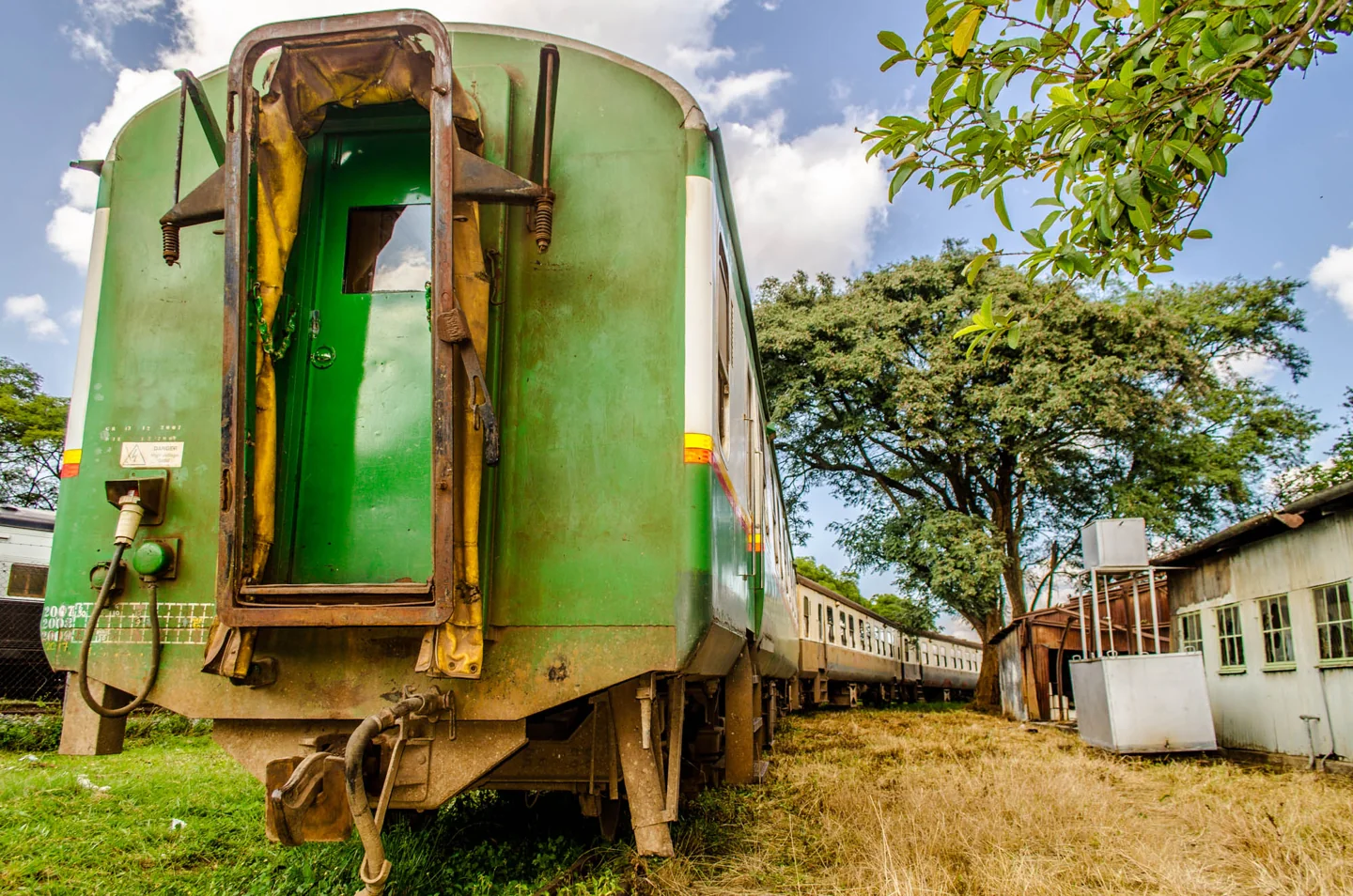
Keep transport estimates route-specific. The historical commuter-train photograph below illustrates Nairobi's railway setting, not a guarantee about the fleet or today's departure time. A new or proposed line should be verified as operating before the household depends on it.
Test the home connection during the working hours you expect to use it and arrange a suitable backup if work depends on connectivity. Record opening meter readings and compare the first bill with the lease so that a shared account or earlier balance can be resolved promptly.
14Finish the first month and find your local routine
A useful first month ends with documents, payments and daily journeys working together. Keep a shared task list that names the person responsible for the school record, permit endorsement, card collection, utility bill or insurance enrolment rather than leaving each item “in progress”.
- First week: record the entry conditions, establish the sponsor's next immigration action, activate a correctly registered telephone line and test the regular work or school journey.
- Second week: complete the lease and handover, arrange the appropriate foreigner-certificate appointment and PIN application, and identify a clinic and insurance contact.
- Third week: confirm school or university registration, payroll deductions, bank payments and the first utility accounts. Correct any mismatch in passport names or document numbers.
- By month-end: compare actual spending with the planning budget, retain decisions and receipts, and set renewal reminders for permits, passes, passports, insurance and cards.
Build a routine through the institutions and places you actually use: a school parent group, a class, a regular activity or a professional event relevant to your work. Learn the Kiswahili phrases that help with greetings, directions and everyday purchases while using English where appropriate to the service.
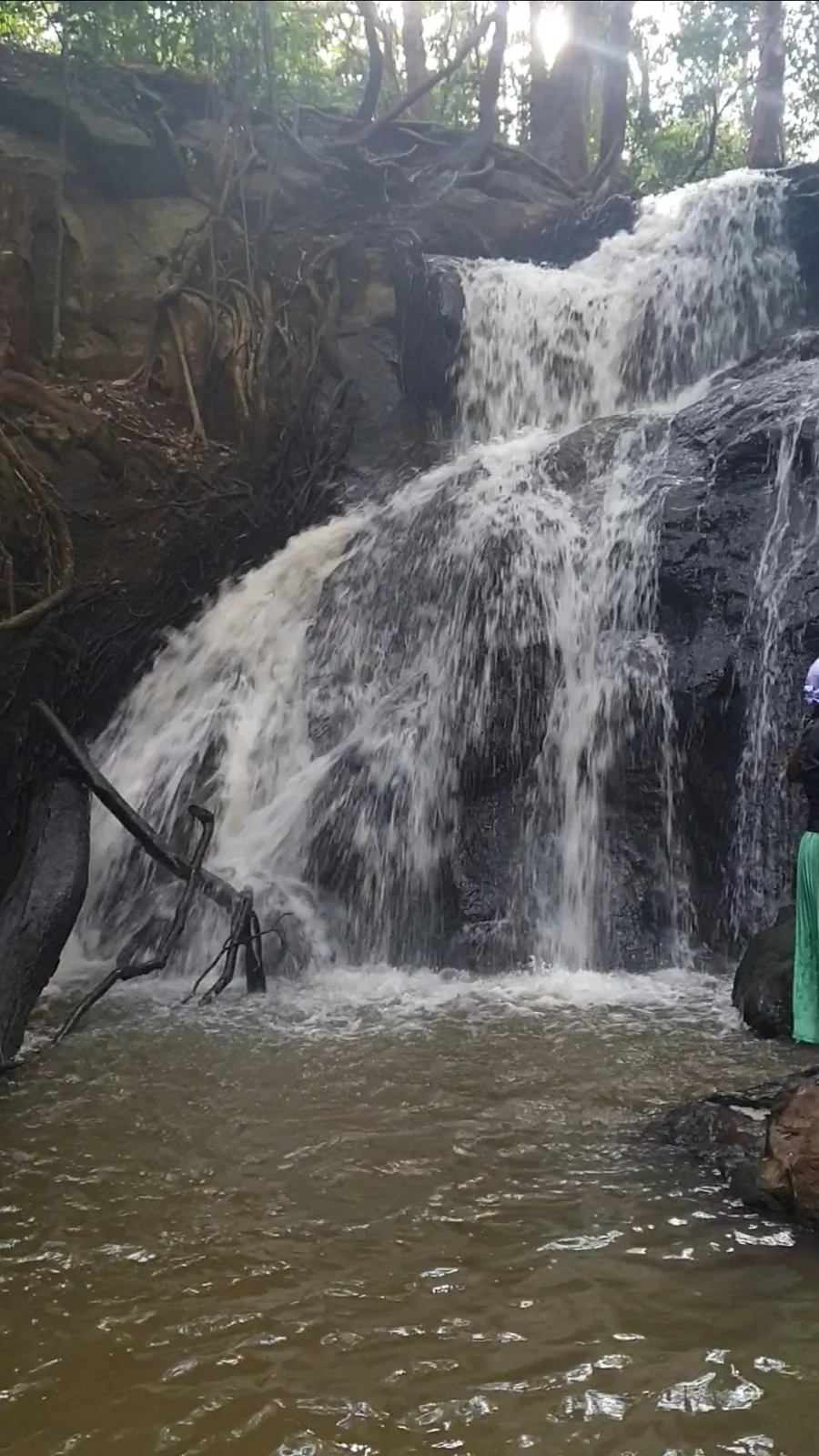
In Nairobi, Friends of Karura Forest's visitor information gives a practical outdoor starting point. Its current page lists entry until 17:30 and gates closing at 19:00, with payment through M-PESA via eCitizen. Follow the current fee and gate information rather than an older notice, and choose a route that fits the household's ability and time.
At the end of the month, review the next immigration and tax actions with the actual sponsor or adviser. If plans have changed from remote work to a local job, from temporary accommodation to a lease or from a visit to a longer stay, update the relevant process before the current permission ends. The aim is a practical household: clear status, payable bills, a usable school and clinic plan, and a routine that fits the real address.
Sources & further reading
Reviewed 14 October 2026. Sources are linked beside the relevant instructions. Entry exemptions have nationality-specific stay limits. A dependant pass does not authorise work or replace the required school pass. Class N covers qualifying foreign remote work, while Class K prohibits work without the relevant permission. The published inbound-health-insurance framework and long-term SHA registration require separate planning; the current designated purchasing process could not be confirmed from the published framework alone. Prices reviewed on 14 October 2026. ISK fees refer to its 2026–2027 school year. Permit fees are the amounts posted for the relevant class; EAC exemptions have their own scope. The moving and monthly budgets are hypothetical examples, not a national living-cost average. Bank opening balances and rental deposits are distinct from fees. Photograph credits, licences and capture years appear with the images.
Browse the source directory
- Official eTA — current exemptions and documents
- Official electronic travel authorisation application
- Directorate of Immigration — Class D employment
- eFNS — Class N digital nomads
- Directorate of Immigration — Class G business
- eFNS permit application
- Foreign Nationals Services portal
- Directorate of Immigration — dependant pass
- eFNS — dependant-pass rights and applications
- Directorate of Immigration — student pass
- Directorate of Immigration — Class K ordinary residents
- eFNS — ordinary-resident conditions
- Directorate of Immigration — foreigner certificate
- KRA — noncitizen PIN registration documents
- KRA iTax service
- KRA — resident individual definition
- KRA — PAYE rates and deductions
- KRA — current return filing instructions
- International School of Kenya — admissions process
- International School of Kenya — application
- International School of Kenya — 2026–2027 fees
- University of Nairobi — how to apply
- University of Nairobi — application instructions
- University of Nairobi — international registration
- KRA — customs and passenger categories
- KRA — first-arrival customs privileges
- Kenya Embassy Berlin — current consular pet-import licence
- Kenya Embassy Angola — cat and dog certificates
- Social Health Insurance Act — foreign residents and travellers
- Ministry of Health — approved inbound-insurance framework
- Ministry of Health — SHA registration guide
- Digital Health Agency — registration support
- Aga Khan University Hospital Nairobi — appointments
- Safaricom — individual SIM and M-PESA registration form
- KCB Kenya — personal current account
- Kenya Power — customer service
- Kenya Power — self-service instructions
- Nairobi Water — customer procedures
- Safaricom Home — router setup and plans
- Kenya Railways — commuter rail service
- Kenya Railways — September 2026 Riruta–Ngong project
- Friends of Karura Forest — visitor information
- KRA — taxation of foreign income
Make your next step a practical one
Choose the exact permit or pass for each household member, establish who supplies the sponsorship documents, and compare real housing, tuition and health-cover quotations before fixing the permanent move.