Visa
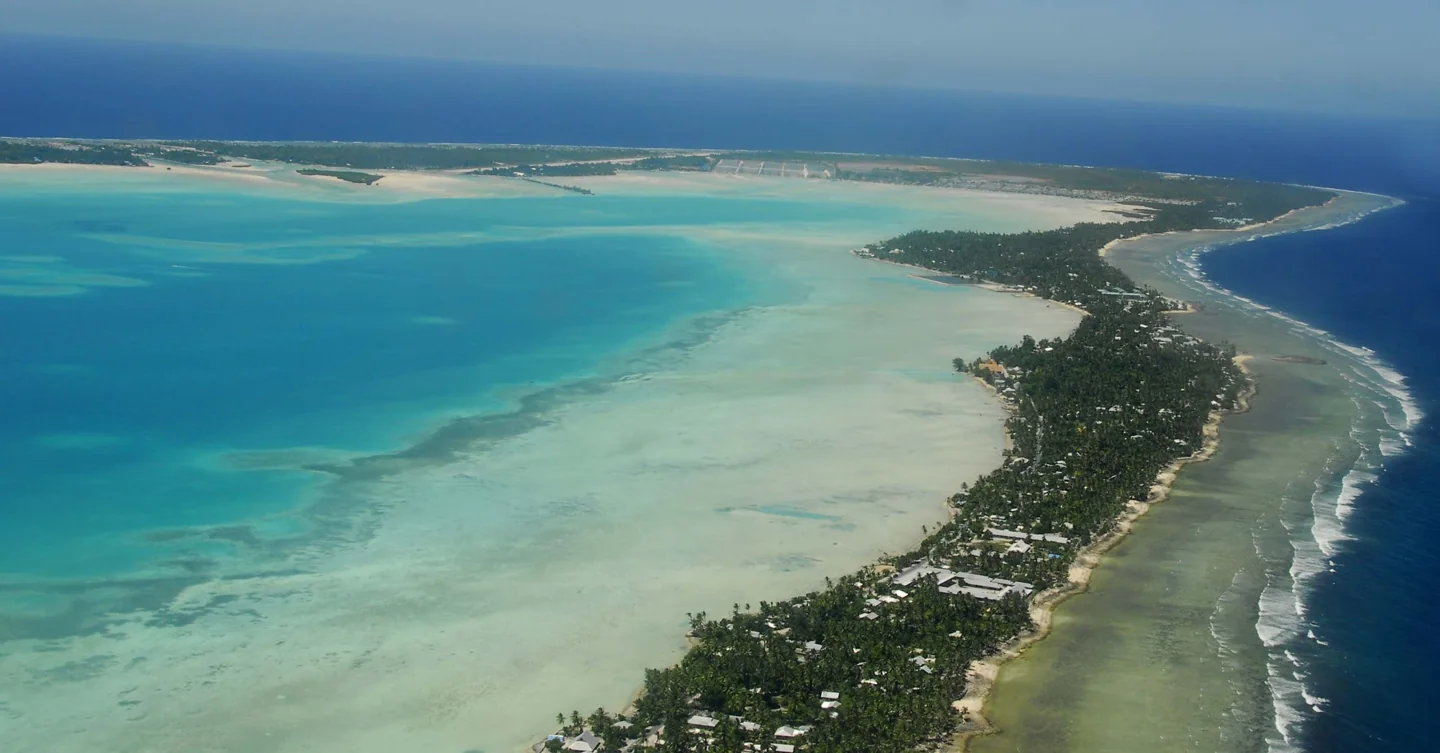
Moving & Living - Kiribati - Complete Guide
Plan a move to South Tarawa or Kiritimati: choose the correct visa, arrange work and study, prepare documents, manage tax, rent, bank and establish water, power and health cover.
Photo credit
In Kiribati, choosing an island comes before choosing a neighbourhood. South Tarawa concentrates government offices, campuses and many everyday services along a narrow settled strip. Kiritimati has its own airport, settlements and service arrangements, far from Tarawa. A home that suits one household may leave another with an impractical school journey or a difficult supply problem.
This fourteen-step journey connects lawful entry and residence with the practical work of moving: an employer or course, household documents, banking, a tested rental and reliable arrangements for water and medical care. Follow the steps that apply to your household and leave the optional employment, education or retirement sections aside when they do not.
Kiribati at a glance
- Currency
- Australian dollar · AUD
- Capital
- South Tarawa
- Languages
- Kiribati and English
- Main arrival airports
- Bonriki · Cassidy
- Tax identification
- TIN · Taxation Division
- Electricity and water
- Address-specific service coverage
- Visa applications
- Immigration Division
- Reviewed
- 14 October 2026
Follow your moving journey
Start at step 1, or jump to the task you are working on.
01Choose your island, settlement and daily journey
Start with the location of the job, course or family connection that brings you to Kiribati. South Tarawa and Kiritimati are different relocation projects. The Tourism Authority identifies Bonriki as the South Tarawa gateway and Cassidy as the Kiritimati gateway; a ticket to one does not put you near an address on the other. Use its arrival information alongside the destination on your actual booking.
| Starting point | Useful places to compare | Test before choosing |
|---|---|---|
| South Tarawa | Betio, Bairiki, Teaoraereke, Bikenibeu and Bonriki | Distance to the employer, school, bank and the property's water and power arrangements |
| Kiritimati | London, also called Ronton, and Banana near Cassidy Airport | Transfers, actual shop and medical access, communications and shipment destination |
| North Tarawa | Communities beyond the main South Tarawa service corridor | Boat access, water storage and how frequently the household must travel south |
- Mark the workplace or campus first. Ask a local contact to describe the journey at your required arrival time, rather than measuring only kilometres on a map.
- Request two or three temporary accommodation options close to that destination. Ask who can receive you if the flight arrival changes.
- For each permanent candidate, list the nearest food shop, clinic, bank or cash point and boarding point for transport. Ask how each is reached in wet weather.
- Discuss island access directly with the council or host. Eutan Tarawa Council's North Tarawa information helps distinguish an island visit from a workable regular commute.
Do not choose a remote home because its nightly rate looks lower until you have priced the trips it creates. If a household member needs frequent treatment, schooling or dependable online meetings, make those needs part of the address decision. Keep the first booking flexible enough to inspect the permanent home in person.
02Choose permission for the activity you will actually do
The signed 2023 visa-exemption order covers specified nationalities, permits no more than 90 days in any twelve-month period and requires an ICAO-compliant passport valid for at least six months on departure from Kiribati. Read the actual nationality list for every traveller. Exemption from obtaining a visitor visa is not employment permission.
- Write down each person's nationality, intended activity and length of stay. Include school-age children and a partner who wants to work.
- Read the Immigration Division's entry and visa requirements. It currently posts visitor, work, student and other categories. Non-exempt visitors apply in advance; a person travelling for employment needs the appropriate work visa before travel.
- Download the correct form from the Ministry's immigration page. Send the completed application and requested scans to the visa officer through the contact published there, and obtain the officer's payment instructions.
- Keep the response, receipt and eventual permission together. Confirm its validity, entry conditions and whether another journey requires additional travel permission.
The service page currently posts AUD 40 for a non-exempt visitor application and AUD 60 for a visitor extension. New work and student visas are listed at AUD 150, with AUD 90 renewals. These are application-category amounts, not an all-inclusive moving cost; confirm the invoice and payment destination before sending money.
The linked procedure manual treats worker and student family members as separate applicants. Do not put a partner on the worker's form and assume that settles their status. Explain the relationship, financial support and the partner's intended activity to Immigration. Ask which permission covers a child attending school, then obtain that child's documents as well.
03Secure the job or business basis before starting work
For employment, the useful starting document is a detailed offer: employer, position, duties, remuneration, workplace and duration. The investment authority's foreign-worker instructions call for evidence of local recruitment where foreign skills are not readily available. Your employer needs to participate; a personal CV alone does not establish the employer's case.
- Ask the employer who gathers recruitment evidence, completes the supporting material and follows the application. Agree who pays application, travel, accommodation and insurance costs.
- Complete the official work visa form using the same job title and employer details as the offer. Assemble qualifications, work history, passport copies and two recent photographs; follow its health and police-record questions according to your actual circumstances.
- Obtain written permission before undertaking the job. Record any restriction to employer, role or place of work, and ask Immigration before changing the arrangement.
For a business, first identify the activity precisely. Read the reserved, prohibited and restricted sectors before renting commercial premises or purchasing equipment. Ask the investment authority whether the proposal needs a Foreign Investment Certificate and whether a partnership or other condition applies. Then arrange the appropriate immigration basis, tax registration and the local council operating licence. An investment approval and a council licence serve different purposes.
No general remote-work visa was verified in the published categories used for this guide. Describe overseas employment or freelance activity to Immigration before relying on visitor entry. The manual's definition of rewarded work can include benefits such as board and lodging; an unpaid label does not settle a volunteering or work-exchange arrangement. Put the actual duties and compensation in the enquiry so the officer can assess the real proposal.
04Build two budgets and establish your tax position
Build the move around written quotations for your island and household. A Tarawa bill is not evidence of a Kiritimati price, and an employer-provided home changes the cash budget substantially. Use Australian dollars consistently, recording foreign-currency tuition or insurance separately until you obtain the actual exchange and transfer charges.
| Initial move | Recurring household costs |
|---|---|
| Airfare, transfers and temporary accommodation | Rent and any agreed service charges |
| Visa fees, medical evidence and document delivery | Electricity, water storage or delivery and communications |
| Rental deposit, basic furnishings and shipment | Food, transport, schooling and insurance |
| Pet preparation and an emergency reserve | Periodic travel, maintenance and remittances |
Hypothetical example: suppose a household's own quotations are AUD 1,100 rent, 700 food, 180 water and power, 100 communications, 150 transport and 350 insurance per month. The sum is AUD 2,580. If its move requires AUD 4,000 travel and freight, 1,100 deposit and 900 setup, initial spending is AUD 6,000; adding three months of that hypothetical recurring budget gives AUD 13,740. These invented inputs demonstrate a calculation, not local market prices. Replace every input and add schooling or other omitted household needs.
The Taxation Division's currently linked 2023 individual return instructions distinguish resident worldwide income from nonresident Kiribati-source income. They use a permanent-home test or 183 days in a twelve-month period beginning or ending in the tax year. Tax residence is a different question from the visa label. Show the Division or a qualified adviser your arrival dates, homes, employment and overseas income before assuming that foreign payment means exemption.
- Ask the employer for the gross-to-net pay calculation and withholding arrangements.
- Keep contracts, payslips, foreign income and foreign tax certificates from the start.
- Establish whether a return is required: the instructions distinguish business, property, multiple-employer and unwithheld income from single-employer income with tax already withheld.
05Arrange a school place or the right campus admission
For tertiary study, begin with the USP Kiribati Campus in Teaoraereke or the Kiribati Institute of Technology, which identifies Betio and Ronton campuses. Contact the actual campus before assuming that a programme advertised across a regional institution is taught on your chosen island. Ask about delivery mode, practical attendance, internet requirements and the next available intake.
- Send the institution your intended programme, previous qualifications, nationality and proposed campus. Ask for its application form or application service and a precise document list.
- Prepare transcripts and certificates in the format it accepts. Request a written assessment of eligibility rather than treating a website enquiry as admission.
- Obtain a fee quotation showing tuition, compulsory charges, equipment and any accommodation. Confirm refund terms if permission or travel cannot be arranged.
- Use the offer and funding evidence for the official student visa application, which addresses study longer than three months. Follow the form's photograph, health and conditional police-record requirements.
USP's 2026 international-fee schedule distinguishes citizens of member countries from international students. Its Fiji campus figures must not be presented as Kiribati tuition: the published international table does not supply the corresponding undergraduate amount for other campuses. Ask Kiribati Campus for a written programme-specific figure and the applicable nationality category.
For children, use the Ministry of Education school portal to identify schools near the proposed home, then contact the school about grade placement, language, records and places. Bring birth or identity evidence, previous reports and relevant learning-support information, subject to its actual requests. A parent having a work visa does not by itself establish a child's admission or school permission. Resolve those two questions together before signing a long lease for a presumed catchment.
06Test long-term residence and support before retiring here
No ordinary pension-based retirement-entry category was verified in the official catalogue reviewed for this guide. Do not use a proposed pension amount as evidence of a visa that has not been established. A visitor stay, family route or later residence application each needs its own legal basis.
There is an important published conflict: the linked procedure manual says ordinary residence for three years immediately before a permanent-residence application, while the newer Immigration service page says seven or more years. Ask Immigration which law and rule apply to your case and request a written answer. Neither statement provides an automatic initial permission to settle, and completing a period of residence is not approval.
- Explain your citizenship, family connections, current permission and proposed length of stay to Immigration. Identify a lawful initial route before planning indefinite residence.
- Ask the pension provider whether it can pay overseas, what proof-of-life documents it needs and how bank charges affect the amount received.
- Have a clinician assess treatment and medicine needs against local availability. Obtain health-cover terms for residence, chronic conditions and evacuation.
- Budget periodic travel and an alternative care arrangement. Agree who can organise documents, funds and transport if you become unable to manage the move yourself.
Visit the intended settlement first if that can be done lawfully. Test the practical routines you expect to keep: obtaining cash, buying suitable food, sleeping comfortably, contacting family and reaching care. A pleasant short visit is useful evidence about preferences; it does not resolve a long-term medical or immigration dependency.
07Prepare the household file, shipment and pet approvals
- Create a folder for each traveller: passport, permission, tickets, photographs, relationship evidence, admission or employment papers and insurance. Keep a second copy with someone who can help from abroad.
- Answer the work or student form's police-certificate questions carefully. The forms distinguish intended stays of at least 24 months, previous records and countries of citizenship or long residence. Do not order an arbitrary certificate from every transit country.
- Request medical evidence in the form and timing specified for the application. Keep prescription names, doses and a clinician's summary for ongoing treatment.
- Inventory belongings with quantities and realistic values. Ask the freight agent where the shipment will clear, who receives it and what storage charges arise if arrival is delayed.
The Taxation Division's customs service information identifies invoices, bills of lading and identity evidence among clearance documents. Obtain an itemised assessment before shipping; no blanket duty-free entitlement for every foreign household was verified here. Compare the full landed cost with obtaining essentials after arrival.
Contact Kiribati Biosecurity before booking a pet or transporting plants, animal products or used goods that may need approval. State the species, origin, route and date. The current species-specific vaccine intervals, certificate wording, fees and quarantine outcome could not be verified from the general page alone, so obtain the actual permit conditions from the authority and give them to your veterinarian and carrier.
Pack the first weeks independently of the freight shipment. Include essential medicine in lawful quantities, application copies, suitable charging equipment and the information needed to contact your host offline. Do not send the only original passport or the only prescription record inside a container.
08Coordinate the flight, transfer and first safe base
Use the operator's dated flight schedule and the booking confirmation for the exact journey. Nauru Airlines publishes regional services and Tarawa–Kiritimati arrangements, but an older timetable is not a promise that a particular connection operates on your travel date. Confirm transit-country requirements as part of the itinerary.
- Send the host your flight number, island airport and a contact method that works before your local SIM is active. Agree how changes are handled.
- Carry entry and activity permission, onward arrangements and evidence of support where required. Present documents for your actual purpose.
- After entry, check the passport endorsement or issued record. Note the permitted end date and any reporting instruction immediately.
- Reach the temporary home, establish drinking water and food for the first day, and find a working phone connection.
Ask the host to demonstrate the property's water and power setup rather than simply identifying a switch or tap. Find the stored water, meter and any arrangements for replenishment. Keep enough accessible funds for immediate transport and purchases without depending on one foreign card.
If a delayed flight changes the duration of accommodation or an onward connection, contact the relevant provider while you still have internet access. Keep receipts and messages for an insurance claim, but first secure the next safe place to stay. Review the household file once everyone has arrived; a missing dependant document is easier to address early than at renewal.
09Record immigration deadlines and obtain the relevant TIN
Ask Immigration whether your issued permission requires a local follow-up, address update or further document inspection, and retain its answer. No universal foreign-resident identity-card procedure was established by the sources used here. Kiribati citizen passport instructions are not a substitute for a foreigner's registration process.
- Copy the entry record and approval. Put renewal and travel-validity dates in a shared household calendar, with time to obtain supporting documents.
- Give the employer or institution the evidence it needs to confirm lawful commencement. Make the name and passport number consistent across the records.
- Use the TIN and VAT registration form with the Taxation Division's service instructions to identify the applicable individual or business registration.
- Take valid photo identification and the supporting evidence requested for your reason for registration. Ask which office handles your island and how you receive the completed record.
An individual tax number and VAT registration are different decisions. Do not select a business tax obligation merely to obtain a personal identifier. If you are creating a business, disclose the activity and obtain instructions for the appropriate obligations rather than copying another applicant's form.
Store the final number securely and give it only to providers that need it. Revisit the filing position when circumstances change: starting rental income, adding an employer or beginning freelance work may matter even if the first salary arrangement was straightforward. Record who at the employer handles payroll questions and how to obtain an annual income statement.
10Open the right account and test everyday payments
Locate the relevant ANZ branch and cash points before making the appointment. The bank lists Banraeaba in Tarawa and a Kiritimati branch; an address in Bairiki does not mean all banking is done there. Ask the chosen branch which account a foreign applicant can open and what identity, immigration, address and income evidence it requires.
- Request the current document checklist and explain your nationality, length of stay and source of funds.
- Compare the account's ongoing fees, access methods and international-transfer charges. Distinguish a required opening balance from a charge.
- Bring originals and the copies the branch requests. Confirm the legal spelling of your name, contact details and instructions for an incoming transfer.
- Test a small transfer and withdrawal before making rent, payroll or a household reserve dependent on the account.
The actual fee document effective 23 September 2026 lists AUD 20 as the Pacific Savings minimum opening balance. It lists a 2.5% cross-border transaction fee for Visa debit. Those figures belong to the named products and transactions; they are not a universal account-opening fee or the full cost of every remittance. Intermediary and sending-bank charges may also affect the amount received.
Ask merchants and the landlord how they accept payment. Maintain a modest cash reserve and a separate accessible backup, with receipts for significant purchases. Never assume an advertised card facility works at every shop, on every island or during an outage. Save the bank's loss-reporting contact somewhere other than the phone carrying your banking app.
11Inspect the home and agree the rental in writing
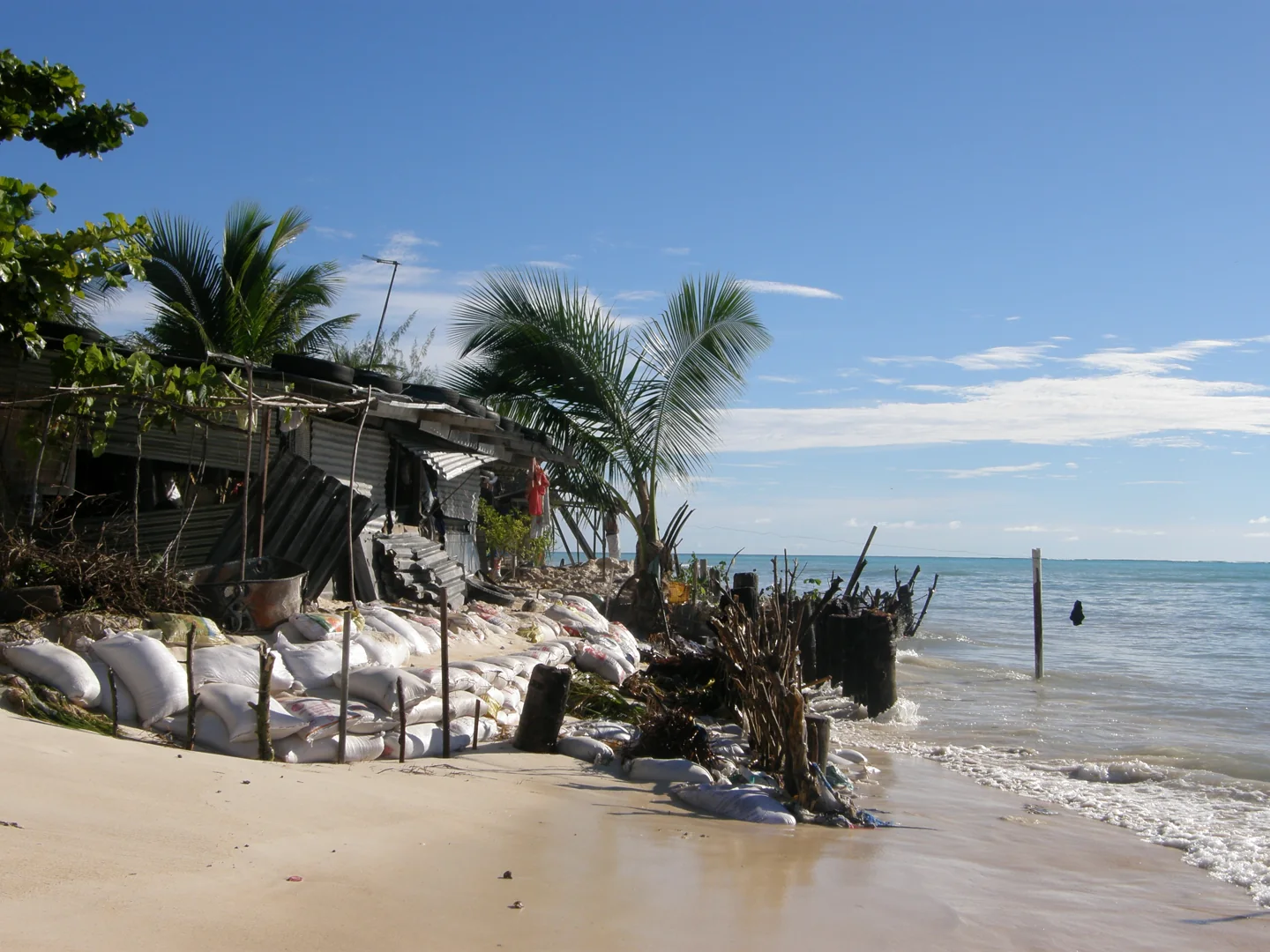
Inspect the home in daylight, ideally with someone who understands the local setting. The historical coastal photograph illustrates why a property's position matters; it is not a current rental listing or evidence that a particular address is unsafe. Ask about past water intrusion, repairs and access during severe weather without treating a general island description as a property survey.
- Confirm that the person offering the home has authority to rent it. Check the exact property and inventory before transferring a deposit.
- Test taps, storage tanks, toilet arrangements, electrical fittings, ventilation and locks. Ask how outages or shortages are handled.
- Record rent, deposit, term, payment method, notice, repairs and utility responsibilities in a written agreement both parties understand.
- Photograph the condition and meter references together. Retain receipts, keys and a signed inventory, and identify a repair contact.
Ask whether the rent includes furnishings, stored water, waste or wastewater arrangements and any staff accommodation. Establish who orders water or other supplies and who pays. No nationwide standard deposit multiple or automatic furnished-rental inclusion was verified for this guide; negotiate the actual terms rather than assuming a familiar overseas formula.
Where services are shared, identify how the bill is allocated and what evidence you receive. If the owner pays a utility directly, write down how you reimburse it. Confirm that the account belongs to the property and discuss outstanding charges before moving in. Do not pay cash to resolve someone else's alleged arrears without understanding the obligation and obtaining a receipt.
12Arrange ordinary care and an evacuation-capable policy
The UK Government's Kiribati health guidance describes limited medical facilities and the possibility of evacuation for treatment beyond local capacity. It publishes 994 for medical emergencies. Arrange cover that actually accepts your residence, activity, medical history and proposed islands; a short-trip policy may not fit a permanent move.
- Tell the insurer your intended length of stay and any pre-existing conditions. Obtain the relevant wording for treatment, evacuation and repatriation.
- Ask how evacuation is authorised, who arranges it, whether costs are paid directly and which exclusions could affect the household.
- Bring a clinical summary and a lawful medicine supply, then locate a provider that can assess ongoing needs and prescription continuity.
- Store emergency numbers, insurer assistance details and policy identifiers offline. Explain the plan to a partner or trusted contact.
Establish routine care separately from the emergency plan. Ask a local provider about appointments, charges, laboratory access and how a referral is made if the required service is elsewhere. No universal free-treatment entitlement for foreign residents was verified here. Obtain the provider's payment instructions instead of relying on a general statement about public healthcare.
For drinking water, follow the health guidance on safe boiled or bottled supplies and assess storage and handling in the actual home. Discuss food and swimming choices with reliable local advice; the official safety guidance specifically addresses lagoon pollution and water hazards. Keep these matters connected to daily arrangements rather than assuming that a clear-looking lagoon or familiar medicine brand settles the question.
13Set up the actual meter, phone connection and transport
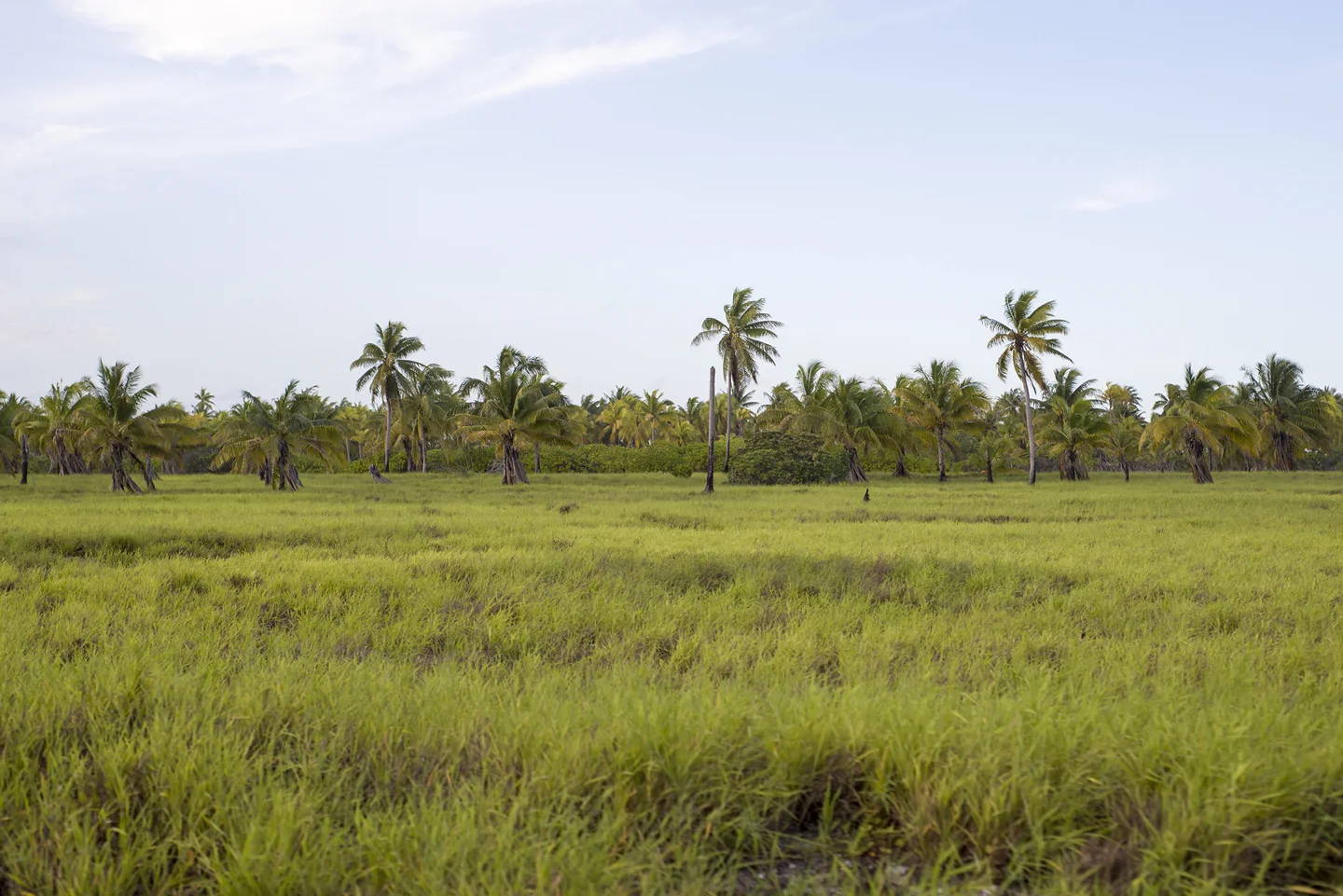
PUB's service information describes an electricity corridor from Betio to Nabeina and water coverage from Betio to Buota. It does not establish the same service at every Kiribati address. The South Tarawa Water Supply Project is infrastructure information, not proof that the specific rental already receives continuous drinkable water.
- Record the meter and customer numbers and confirm the tariff and account holder. Ask the owner to demonstrate the home's backup and water storage arrangements.
- For a PUB account, follow its email-billing and portal instructions. For prepaid electricity, use the meter-token procedure; ANZ bill payments can take one to two business days to reach the account, so replenish before the meter runs low.
- Test mobile coverage inside the home and at the workplace. Ask Vodafone Kiribati about the applicable prepaid or postpaid product, registration evidence and equipment before committing.
- Try the real work or school journey. Ask the operator for the route, payment method and last practical return journey; arrange another option for a missed service.
The January 2026 PUB price list posts standard domestic electricity at AUD 0.55 per kWh for the first 300 kWh. A hypothetical 200 kWh at that rate is AUD 110 for energy alone. The lower lifeline category depends on prior usage criteria; do not assume a new household qualifies. The listed AUD 100 standard domestic connection charge concerns that connection service, not an automatic fee for every tenant.
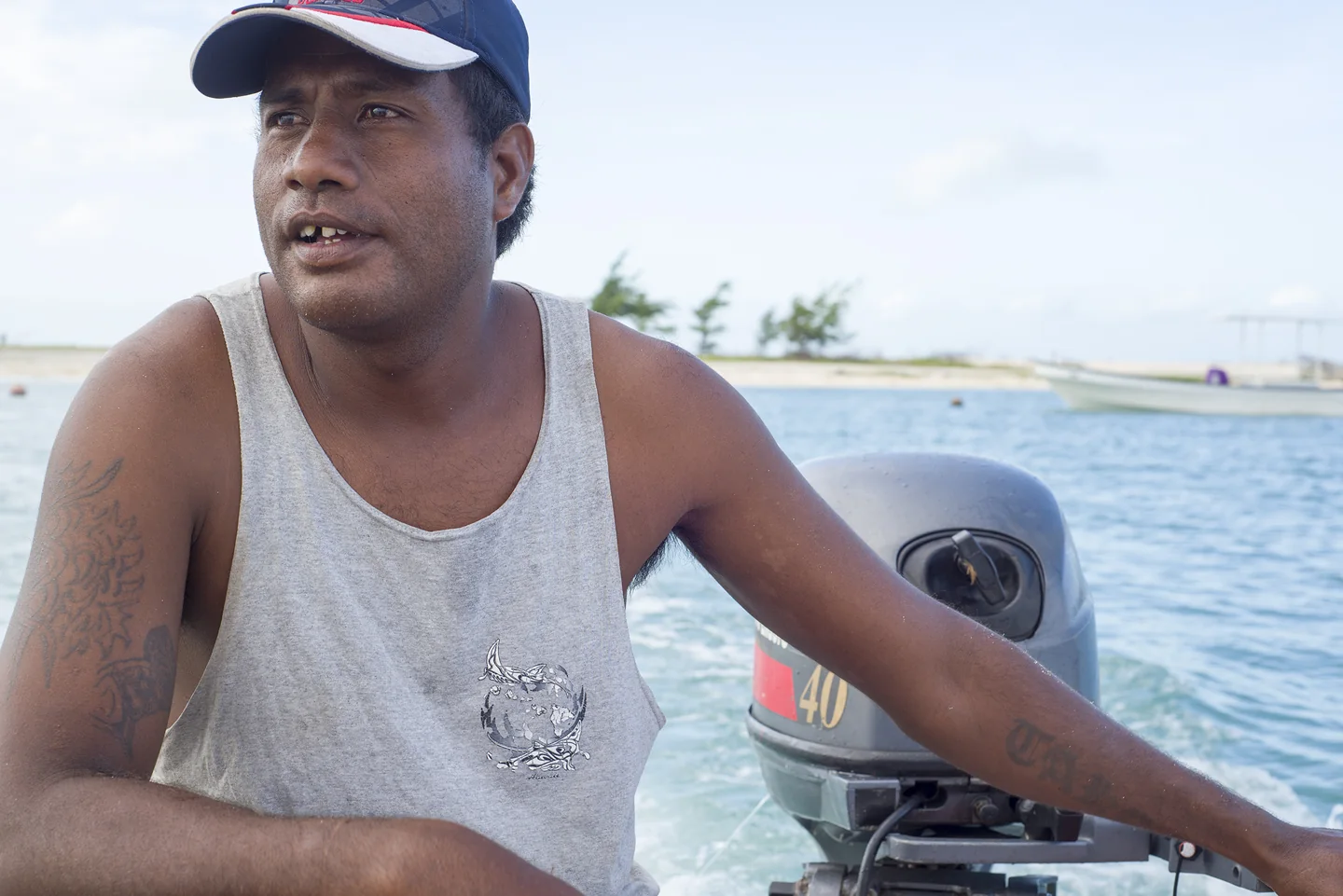
For boats, discuss the landing point, weather decision, luggage and return arrangement with the actual operator. A photograph of a Kiritimati boatman is not evidence that a passenger service currently operates. Do not treat travel between islands as an ordinary urban bus connection: establish the schedule and accommodation consequences before making it a regular dependency.
14Complete the first month and build a workable routine
Start with practical introductions through the workplace, campus, host or council. Ask about appropriate conduct in shared community spaces, local meetings and household visits. Learn the names and contact methods of the people who actually handle repairs, deliveries and transport. Ask permission before photographing people or entering a community activity.
- First days: reconcile passports and permissions, test the phone and payment backup, identify care and establish safe water.
- First week: confirm work or school commencement, inspect permanent housing and settle the relevant registration questions.
- Second week: test a bill payment, record utility account references and resolve repairs with the landlord in writing.
- By the end of the month: replace the sample budget with actual spending and quotations. Review immigration deadlines, travel permission, school costs and insurance together.
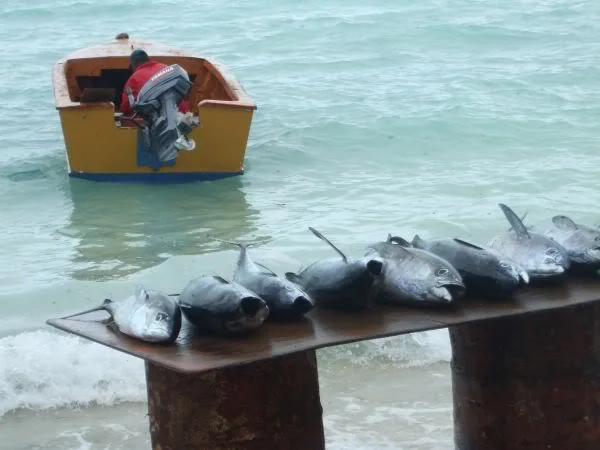
Build shopping habits around what the household can obtain and store reliably. Ask about delivery days and alternatives for essential items, rather than relying on a shopping list designed for a different island. The historical fishing photograph shows one part of local everyday life; it does not establish the safety or availability of any current catch. Apply the health advice when deciding where to buy and what to eat.
Keep a compact household record: permission expiry, bank contact, insurer assistance, landlord, meter number, school or employer contact and a trusted person abroad. Update it after a change of address, passport or family circumstances. A completed move is more than having arrived: the useful result is knowing who to contact, how to pay, what permission each person has and what to do when an essential arrangement changes.
Sources & further reading
Reviewed 14 October 2026. Sources are linked beside the relevant instructions. The newer immigration service page and the linked procedure manual give different permanent-residence eligibility periods. Confirm the applicable rule with Immigration before relying on either. Pet conditions depend on species and origin. Published school and utility information does not establish availability at a particular address. Reviewed on 14 October 2026. PUB prices retain their January 2026 date. ANZ fees take effect on 23 September 2026. Immigration fees are currently posted amounts in Australian dollars; obtain payment instructions before paying. Budget examples are hypothetical household calculations, not national living-cost estimates. Photograph credits, licences and capture years appear with the images.
Browse the source directory
- Immigration Division — visas and entry
- Entry and Visa Exemption Order 2023
- Ministry of Foreign Affairs — immigration forms
- Immigration procedure manual
- Official work visa application
- Official student visa application
- Investment authority — employing foreign workers
- Investment authority — reserved and restricted sectors
- Investment authority — local business licences
- Taxation Division — individual income tax instructions
- Taxation Division — services
- Tax identification and VAT registration application
- University of the South Pacific — Kiribati Campus
- USP — international student tuition fees 2026
- Kiribati Institute of Technology
- Ministry of Education — school data portal
- Ministry of Environment — biosecurity
- Tourism Authority — travelling to Kiribati
- Nauru Airlines — flight schedules
- ANZ Kiribati — branches and contact details
- ANZ Kiribati — banking fees effective 23 September 2026
- Public Utilities Board
- PUB — January 2026 service price list
- PUB — customer portal access
- PUB — purchasing prepaid meter tokens
- Infrastructure Ministry — South Tarawa Water Supply Project
- Eutan Tarawa Council — North Tarawa
- Vodafone Kiribati — mobile postpaid plans
- UK Government — Kiribati health arrangements
- UK Government — Kiribati safety and transport
Make your next step a practical one
Choose the island and lawful basis for every household member, obtain written answers on the application and accommodation, and build a budget from actual local quotations before committing to the move.