Visa
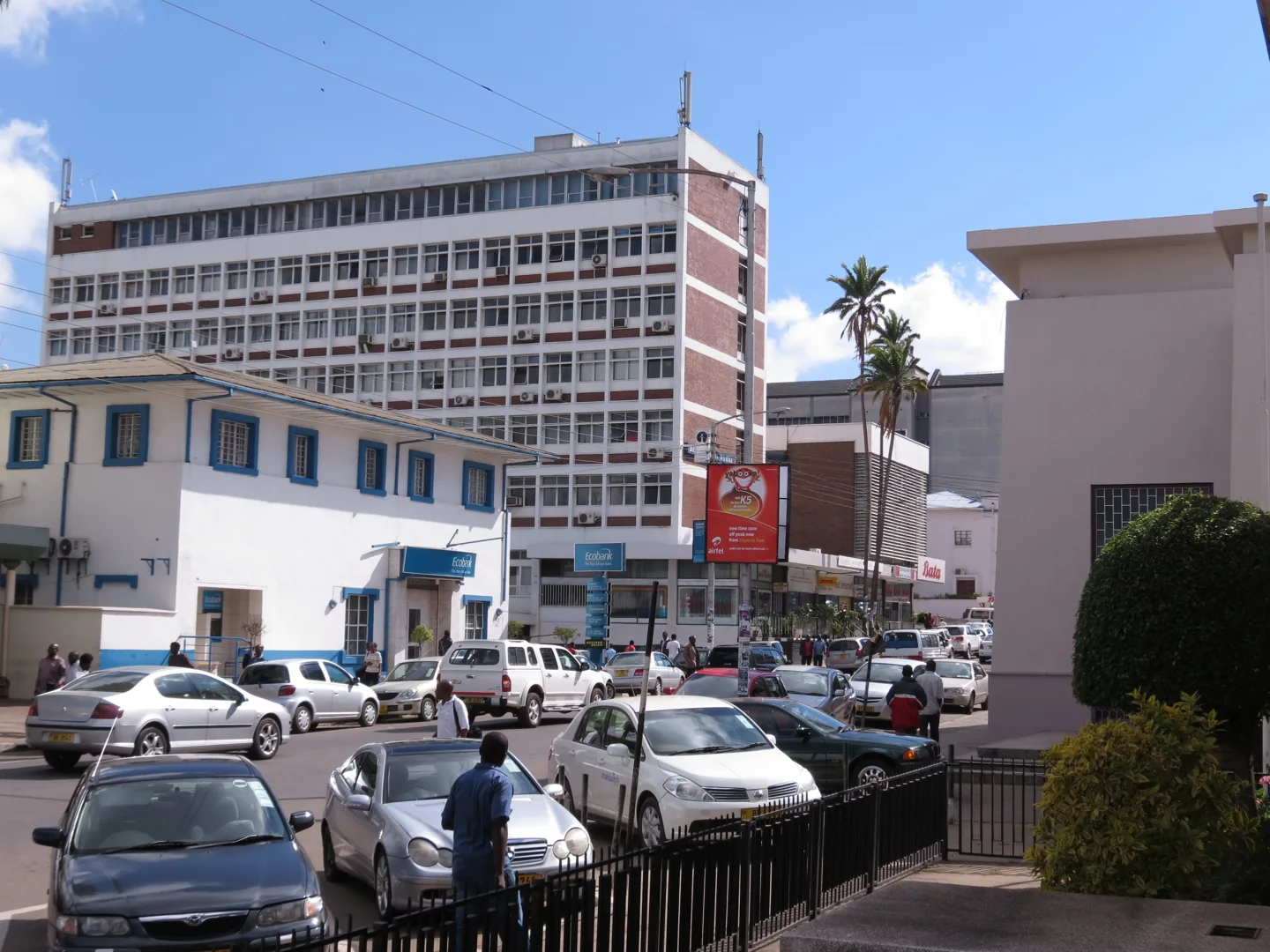
Moving & Living - Malawi - Complete Guide
Move to Malawi in fourteen practical steps covering immigration, employment, retirement, schools, tax registration, banking, housing, healthcare and everyday services in Lilongwe and Blantyre.
Photo credit
A move to Malawi often starts with a practical choice between Lilongwe and Blantyre: where you will work, where children will study and how easily you can reach healthcare. A home near Lake Malawi offers a different routine, with more travel needed for specialist services and administrative appointments.
These fourteen steps take you from that first decision to the end of your first month. The crucial distinction is between permission to enter, permission to reside and permission to work. New employment-permit applicants must wait outside Malawi for approval; a visitor visa does not settle that question.
Malawi at a glance
- Capital
- Lilongwe
- Languages
- English and Chichewa
- Currency
- Malawi kwacha · MWK
- Employment permission
- Temporary Employment Permit · TEP
- Business permission
- Business Residence Permit · BRP
- Tax authority
- Malawi Revenue Authority · MRA
- Ambulance / fire
- 998 / 999 · also arrange local contacts
- Police
- 990 or 997
- Reviewed
- 15 October 2026
Follow your moving journey
Start at step 1, or jump to the task you are working on.
01Choose a base around work, school and healthcare
Start with the address you will need to reach most days. Lilongwe is the capital and a practical base for government, diplomatic and development-sector work. Blantyre is an alternative for business and families whose employment or school is there. The two cities are separate housing searches: a school place in one should not be treated as a manageable daily commute from the other.
| Starting point | Build your search around | Test before choosing |
|---|---|---|
| Lilongwe | The actual office address, a school offer and your clinic | The journey between numbered residential areas, shopping and the workplace |
| Blantyre | Your employer, Saint Andrew’s or another chosen school, and medical access | Distance to the specific campus, home access and transport after dark |
| Zomba | An identified university programme or local job | Campus attendance, specialist care and journeys for administrative appointments |
| A lakeshore base | A real local commitment rather than a holiday itinerary | Year-round road access, communications and the trip to your medical provider |
- Ask the employer and school for their exact location; save it on an offline map.
- Request rental listings with a physical location, meter details and access directions. In Lilongwe, include the area number rather than relying on a development’s marketing name.
- Arrange a short initial stay and travel the school or office route at the time you would normally use it.
- Visit a supermarket, pharmacy and bank from each candidate home. Compare the whole routine, including a vehicle or hired transport, rather than rent alone.
Useful anchors include Saint Andrew’s International High School in Blantyre, Daeyang Luke Hospital in Lilongwe and Mwaiwathu Private Hospital in Blantyre. They are starting points for checking your own needs, rather than a promise of places or appointments.
02Choose the residence route before booking relocation
Malawi’s entry visa and its longer-term permits are different documents. Match the permit to what you will actually do, then use the Immigration Department’s ePermit service. There is no general remote-worker permission identified in the official categories reviewed for this guide.
| Your purpose | Starting route | Important dependency |
|---|---|---|
| Employment in Malawi | Temporary Employment Permit: TEP | Employer applies; a new applicant waits outside Malawi until approval |
| Operating an eligible investment | Business Residence Permit: BRP | Evidence of at least US$50,000 legally sourced outside Malawi |
| Study or research | Student Permit | Acceptance by an approved educational institution |
| Retirement | Consider Permanent Residence Permit eligibility | Discretionary assessment of the applicant’s assured income and circumstances |
| A legitimate visitor needing longer than 90 days; certain short consultancy assignments | Temporary Residence Permit: TRP | Immigration must assess the actual purpose and conditions |
Read the specific TEP, BRP, student, permanent residence or temporary residence instructions. A consultancy provision is not blanket permission for every overseas employee to work online from Malawi.
- Describe the activity, employer or funding, intended duration and each accompanying family member.
- Select the category in ePermit and gather its supporting documents before submitting.
- Keep the reference number and copies of uploaded documents. Track the individual application rather than assuming an account registration is approval.
- Follow the written decision and payment instructions before moving or beginning the permitted activity.
The permit FAQ currently directs payment to FDH Bank counters at Immigration offices; it does not offer online permit payment. An approved applicant can print the approval letter. Obtain the actual assessed processing and approval charges from Immigration: a current complete permit-fee schedule was not verified, so this guide does not substitute an old TEP price.
03Coordinate employment, consultancy or a business correctly
For a new TEP, the employer applies on your behalf. The published process runs through assessment and a ministerial decision; the applicant must remain outside Malawi until approval. Pay an approved permit’s appropriate fees within 30 days of notification. Calendar renewal at least three months before expiry; ordinary renewals are limited, with an exception for qualifying key posts.
- Give the employer your passport details and the documents requested for the position.
- Agree who submits the file, handles Immigration questions and records the decision.
- Ask for the approved conditions and validity dates before arranging your start date.
- Have payroll explain deductions and keep permit renewal in the employer’s compliance calendar.
The employer notice includes local recruitment and understudy requirements. Its family wording covers a wife, children under 18 and dependent relatives subject to conditions. Ask Immigration how your actual spouse or partner and children qualify; accompaniment does not establish their independent right to work.
For a business, Immigration’s BRP instructions require at least US$50,000 of legally externally sourced investment and approval before operating. The published permit term is five years, with renewal application three months before expiry. Company registration alone does not replace that permission.
Since 1 April 2026, the Companies, Registrations and Intellectual Property Centre, CRIPC, has taken over the former Registrar General department’s functions. Choose the legal structure using its current services, then enter through the Malawi Business Registration System. Obtain the applicable tax identification first where required, prepare the registered address and ownership information, and complete the selected structure’s application. A company limited by guarantee is a nonprofit structure; do not copy its guarantor checklist into an ordinary trading company.
If your work is paid abroad, obtain Immigration’s classification of the activity and MRA’s tax treatment before treating a visitor stay as a remote-work arrangement.
04Build a move budget and separate salary tax from spending
Price the household you actually have. Use the landlord’s written offer, a school invoice, an insurer’s quotation and your employer’s net-pay estimate. Keep Malawi kwacha expenses separate from any US-dollar school quotation; an exchange-rate movement can change the cash you need.
| Initial costs | Recurring costs | Evidence to obtain |
|---|---|---|
| Visa and permit assessment; document preparation | Renewals when due | Your actual category and written charges |
| Temporary stay, shipping and customs assessment | Travel to work and school | Accommodation and carrier quotations |
| Rent advance, deposit, furnishings | Rent, electricity, water and communications | Lease and the home’s meter classification |
| School joining charges and refundable deposit | Tuition, transport and activities | The child’s offer and payer’s fee category |
| Insurance premium and emergency reserve | Medical costs outside cover | Policy, exclusions and provider payment arrangements |
MRA’s notice effective 31 December 2025 sets monthly employment-income marginal bands: the first MWK170,000 is taxed at 0%; the portion above that up to MWK1,570,000 at 30%; the next portion up to MWK10 million at 35%; and the portion above MWK10 million at 40%. These are bands, not a single rate on the whole salary. VAT is 17.5%.
Ask payroll for a worked calculation using your actual taxable pay and benefits. Overseas pension income, self-employment and employment income require their own analysis: MRA taxpayer assistance is the responsible contact, including toll-free 672. A foreign bank account does not settle whether income is taxable.
A useful hypothetical cash plan is rent payable at signing + deposit + temporary accommodation + permit charges + shipping + school joining invoice + insurance + emergency reserve. Populate every item with a quotation. Do not substitute a national “monthly cost” figure for the city, property and household you are choosing.
05Secure the school place or university offer
School location can determine your housing search. For Lilongwe, Bishop Mackenzie International School’s admissions information describes assessment, school reports and capacity-dependent admission. In Blantyre, Saint Andrew’s International High School is a practical starting point for British secondary day or boarding education.
- Send the school the child’s date of birth, recent reports, language background and support needs.
- Ask which year group, curriculum and assessment apply. Obtain the written offer before treating a place as secured.
- Request the joining invoice, tuition category, payment dates and transport arrangements.
- Choose accommodation around the confirmed campus and test that journey.
BMIS’s 2026/27 schedule distinguishes a Malawi-taxpayer fee category from a non-taxpayer category; it is not simply a citizenship discount. Primary annual tuition is US$11,854.67 for the taxpayer category or US$19,589.71 for the non-taxpayer category. For a first child, infrastructure charges are US$3,375.90 or US$4,646.40, and refundable enrolment deposits US$2,500 or US$3,500 respectively. Annual registration is US$132 and the book deposit US$50.
Calculated example: first-year primary tuition plus those listed first-child joining items totals US$17,912.57 in the taxpayer category or US$27,918.11 in the non-taxpayer category. These totals include refundable deposits and exclude transport, meals, uniforms and other extras. BMIS uses nine tuition instalments; qualifying taxpayer invoices use kwacha at its prevailing monthly conversion. Get your household’s category confirmed before budgeting.
For higher education, approach the institution for the specific intake and foreign-applicant process. The University of Malawi’s 2026/27 mature-entry form gives the Registrar’s address in Zomba, but its 31 July 2026 closing date has passed; it is not evidence that applications remain open. Secure an appropriate offer and then apply for the student or research permit.
06Assess retirement eligibility against the actual permit category
Malawi’s Permanent Residence Permit information lists retired elderly people with assured income among eligible categories. It also lists people ordinarily resident for at least five years, but neither description is an automatic grant. The page does not establish a universal retirement age or a fixed monthly pension threshold; figures for those conditions should come from your individual assessment.
- Ask Immigration what evidence establishes your age, retirement and assured income for the proposed application.
- Prepare pension award letters, payment statements and other documents it requests. Explain any accompanying household member separately.
- Submit the appropriate application with supporting documents and processing payment; retain the receipt and decision.
- For an approved PRP, follow the stated fee payment requirement within 30 days of notification.
- Agree with the pension provider how payment continues abroad, and ask MRA how the income is treated.
Compare homes by the services you can continue using as circumstances change. A lakeshore property may require planned journeys for appointments or administrative work. Obtain insurance that actually accepts your age, pre-existing conditions and intended residence, and establish where prescribed medicines and follow-up care will be available.

07Prepare the paperwork, household shipment and animal permit
Build a household folder containing passports, approval letters, application references, civil-status records, school reports, employment or pension evidence and medical records. Use the selected permit’s document list for certification and validity requirements; a requirement for one route should not be copied into every family member’s file.
- Keep originals accessible during travel, with secure digital copies stored separately.
- List the goods you intend to send, distinguishing ordinary household belongings from new equipment, trading stock, vehicles and restricted items.
- Give the shipping agent your inventory, transport details and residence evidence. Request a written clearance plan and a quotation that separates freight, handling, storage and assessed customs charges.
- Resolve a pet’s import conditions before choosing its flight and crate.
The Ministry of Trade’s relocation FAQ describes customs exemption for normal, noncommercial household effects of foreigners taking up residence, subject to eligibility and the goods concerned. It does not make every new purchase, vehicle or container tax-free. Obtain Customs’ assessment for doubtful items before shipping.
Animal imports are handled by the Department of Animal Health and Livestock Development’s permit procedure. Apply to the Director in Lilongwe, identifying the animal and exporting country, then obtain the actual conditions and permit. Ask which official veterinary evidence and any quarantine conditions apply to your cat or dog’s origin. The trade portal’s general livestock procedure is not a complete companion-animal vaccination checklist. Airline acceptance is a separate arrangement and does not replace import permission.
08Complete arrival checks and establish a temporary base
Use the official visa assistance service for your nationality. Since 24 February 2026, the current eVisa homepage distinguishes Category One travellers, who need prior visa or authorisation, from Category Two travellers eligible for a visa on arrival. An older list of visa-free passports is not sufficient for planning today’s journey.
For eVisa, create an account, complete the travel and passport information, upload the requested scans and photograph, pay through the service and await the decision. Download and print the approval for travel. The published single-entry fee is US$50; multiple-entry fees are US$150 for six months or US$250 for twelve months. Convenience charges may apply. The stated three-working-day processing period is a target, not a travel guarantee, and visa validity starts at issue.
- Present the passport used for the application, entry approval and your relevant permit approval.
- Read the entry endorsement before leaving the desk. A visitor’s initial permission is 30 days, with an application possible for a further 60; the visa’s validity period is not the length of each authorised stay.
- Use the Customs red channel for restricted goods, goods over the applicable allowance or uncertainty about what you carry.
- Reach your booked accommodation, record its address and arrange the next Immigration or employer appointment.
- Visit an authorised mobile shop with identity and immigration documents, then keep the local number with your emergency contacts.
09Finish Immigration formalities and apply for your tax identity
Bring the approval letter and application reference to the Immigration appointment specified in your decision. Ask which final endorsement or document proves your status, how it will be collected and which conditions apply to the approved activity. An email acknowledgement or an online status screen is not necessarily the issued permit.
- Keep the final document with its conditions, issue date and expiry date.
- Record renewal dates: the student-permit instructions and employment-permit instructions call for applications three months before expiry; follow the actual category’s rules.
- Ensure the employer or school has the relevant issued permission, rather than only the application receipt.
- Ask MRA which tax registration applies to your employment, business or other taxable activity, then complete the appropriate application.
MRA’s Msonkho Online TIN instructions begin with account registration and email activation, followed by the TIN application. Complete the taxpayer particulars and supporting evidence requested, submit for review and retain the reference and issued identification. Creating the online login alone does not issue the tax number.
Use the same spelling and passport identity across tax, banking and immigration records. For a non-working dependant, establish the actual need for tax registration rather than assuming every household member must follow the worker’s process. An older permit issued offline may first need Immigration enrolment before it can be renewed through ePermit, as explained in the service FAQ.
10Open an eligible bank account and set up everyday payments
Bring your actual status to the bank rather than asking only whether it “accepts foreigners”. National Bank of Malawi’s personal-account application (source unavailable) includes non-Malawian and resident/non-resident fields. Its checklist asks for identity, residence evidence such as a utility bill, a payslip if employed, TEP or permanent residence and a sketch map of the home.
- Show the branch your passport, issued permission and proposed account use. Ask what it accepts for your particular permit category and for a utility bill in a landlord’s name.
- Complete the application and source-of-funds information; provide tax-residency information and any applicable additional declarations.
- Obtain the tariff, minimum balance and card or digital-banking conditions in writing.
- Test a small deposit, a payment and account access before moving your full emergency reserve.
For comparison, Standard Bank Malawi’s advertised Achiever account shows a MWK4,700 monthly fee and MWK2,000 opening balance. Confirm eligibility and the final tariff with the branch; the opening balance is money in the account, rather than automatically a fee.
TNM’s support information describes registered SIM activation and Mpamba registration through *444#. Use an authorised agent to confirm accepted identity and wallet conditions. A mobile wallet is useful for payments but does not replace a bank account or proof of lawful residence.
The current MRA notice charges a sender levy of 0.05% on electronic bank transfers and on mobile-money transfers above MWK100,000. Provider charges are separate. Calculated example: the levy on a MWK200,000 qualifying transfer is MWK100; add the provider’s fee to find the total cost.
11Inspect the home and make the rental terms explicit
Move from temporary accommodation to a rental once the work or school location is clear. Compare like with like: furnished or unfurnished, standalone home or shared compound, included maintenance or separate charges, and prepaid or postpaid meters.
- Visit the actual property and establish who can lawfully let it. If an agent handles the transaction, request the landlord’s authorisation and the agent’s charge.
- Run taps, check plumbing and electrical fittings, and ask how water supply, storage and backup power operate. Record which equipment belongs to the property.
- Read the proposed agreement for currency, rent period, advance payment, deposit, increases, notice, repairs and early termination.
- Agree who pays water, electricity, security, compound charges and any existing account debt.
- Pay the identified contracting party through a traceable method and obtain receipts. Complete a photographed inventory and meter-reading handover.
The agreement should spell out what the landlord may deduct from the deposit and when the balance will be returned. This guide does not assert a standard nationwide deposit or compulsory advance-rent period: those terms need to be visible in your particular lease.
If a quotation is in US dollars but payment will be in kwacha, record the agreed exchange-rate source and date mechanism. Ask the bank about transfer availability before signing a commitment dependent on foreign-currency payment. Keep rent receipts and address documents: they can also help satisfy a bank’s residence-evidence request.
Ask the landlord to identify the meter’s tariff class and provide recent bills. A home’s electricity use and supply arrangements are more useful for budgeting than an unspecified national utility average.
12Arrange care, insurance and a local emergency plan
Book a travel-health consultation in advance and discuss your planned residence, medicines and activities. The FCDO’s current Malawi health guidance recommends preparation at least eight weeks before travel where possible, notes limited rural facilities and says many providers expect upfront payment. Choose cover for local treatment, medical evacuation and repatriation that accepts your actual stay and circumstances.
- Give the insurer your planned duration, employment and pre-existing conditions; read the exclusions and claims procedure.
- Carry medical summaries and prescriptions and establish where continuing treatment will be available.
- Ask your chosen hospital about appointments, emergency attendance, payment and whether it directly bills your insurer.
- Keep accessible funds for an initial payment, alongside the insurer’s assistance contact.
- Save a local provider contact and an evacuation procedure shared with your household.
In Lilongwe, Daeyang Luke Hospital is a starting point for enquiries; in Blantyre, Mwaiwathu Private Hospital on Old Chileka Road lists outpatient and specialist services. Confirm the actual service needed rather than assuming every provider offers every treatment or accepts every policy.
The published emergency numbers are ambulance 998, fire 999, and police 990 or 997. FCDO notes that emergency numbers can be unreliable; also obtain working local contacts from your accommodation or medical provider. Agree how the household will reach care if a call fails. Establish a safe drinking-water arrangement for the home rather than assuming every tap provides drinkable water.
13Identify the meters, connect communications and test transport
Take meter numbers and opening readings from the handover. Check with ESCOM which electricity account and tariff apply, whether a balance or debt remains, and how to buy prepaid tokens or settle a postpaid bill. Obtain the actual current connection quotation if a new supply is needed.
The ESCOM schedule effective 19 January 2026 lists domestic single-phase prepaid ET1 at MWK79.90 per kWh for the first 50 kWh and MWK122.25 for consumption above that, without a fixed charge. Calculated example: 150 kWh costs 50 × 79.90 + 100 × 122.25 = MWK16,220 in those tariff components, before any separately applicable charges. Postpaid and three-phase classifications differ; do not apply that example to every home.
- For Lilongwe water, establish the account and meter with Lilongwe Water Board. Obtain the current bill and applicable charges; the older tariff PDF linked on its website is not used here as a 2026 price.
- Ask which household equipment depends on uninterrupted power and how existing backup systems are maintained.
- Register the mobile service, test coverage inside the home and compare current data packages before taking a long contract.
- Test the school and work journeys. Agree a hired vehicle’s fare and destination before departure and record a reliable return contact.
TNM describes dialling 100 to activate a registered SIM and *678# to retrieve the number. For an imported foreign-registered vehicle, the trade portal identifies an entry permit, road token and insurance. Obtain the actual vehicle and driving requirements before treating a foreign registration as permission to use the car indefinitely.
14Build a routine and close the first-month gaps
Use the first month to turn separate bookings into a routine. Learn how your own neighbourhood describes directions, where the household buys everyday supplies and how each person reaches work, school or appointments. Practise useful Chichewa greetings and ask local colleagues how they give an address or arrange transport.
- First few days: record the entry endorsement, local number, accommodation address and next Immigration appointment.
- First week: confirm the employer or school has the correct permission, identify care contacts and test banking and payments.
- Before a rental handover: settle the inventory, meter readings, responsibility for accounts and repair contacts.
- Before month-end: review the first bills against the budget, check that every household member’s application or issued status is accounted for, and save receipts.
- For the coming months: calendar permit renewals, school instalments, insurance renewal and the employer or accountant’s tax deadlines.
Find community through the people and institutions you already use: school-parent activities after enrolment, a local sports group near home, colleagues, volunteering that fits your permission, or a cultural programme with clear participation details. Keep any event date or membership cost separate from the permanent relocation plan.
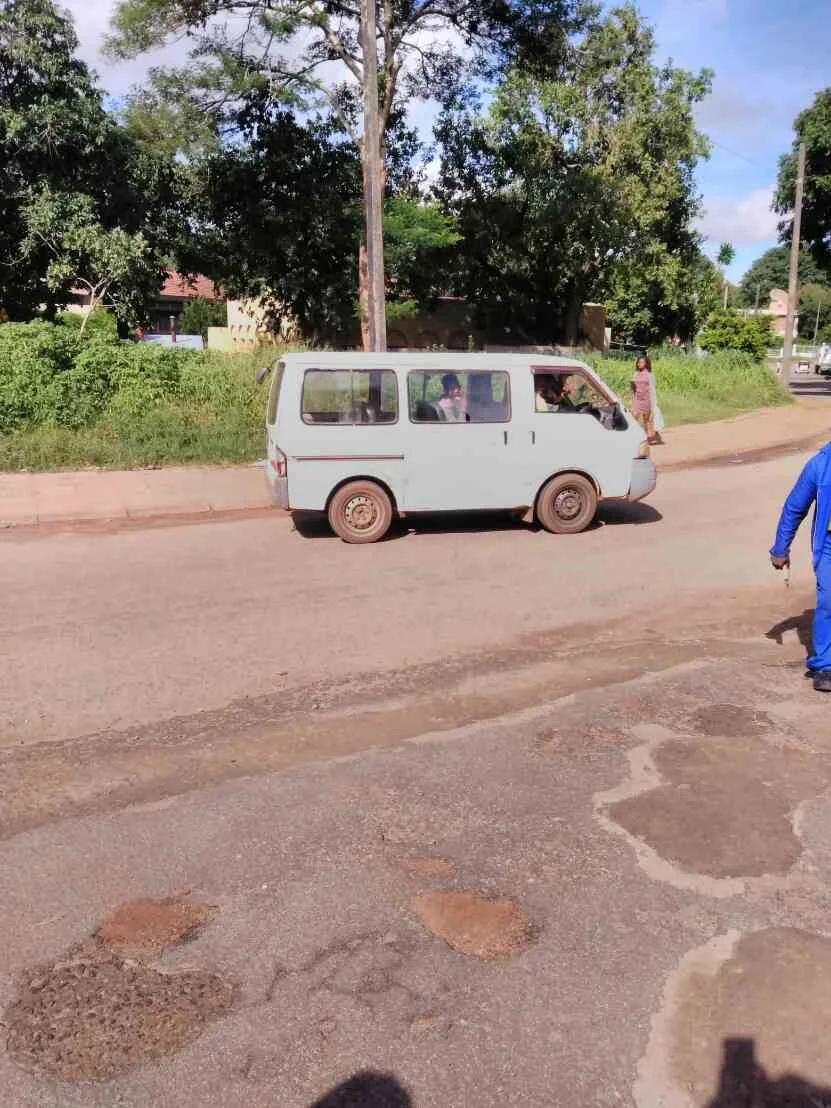
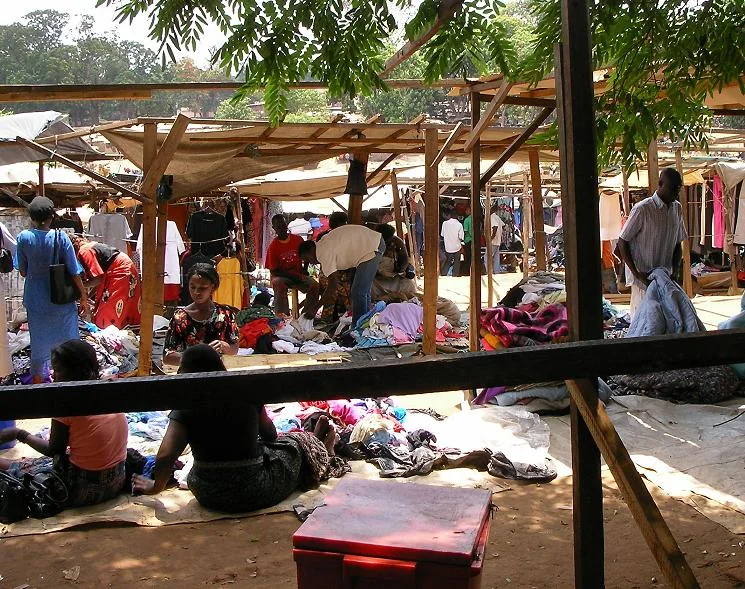
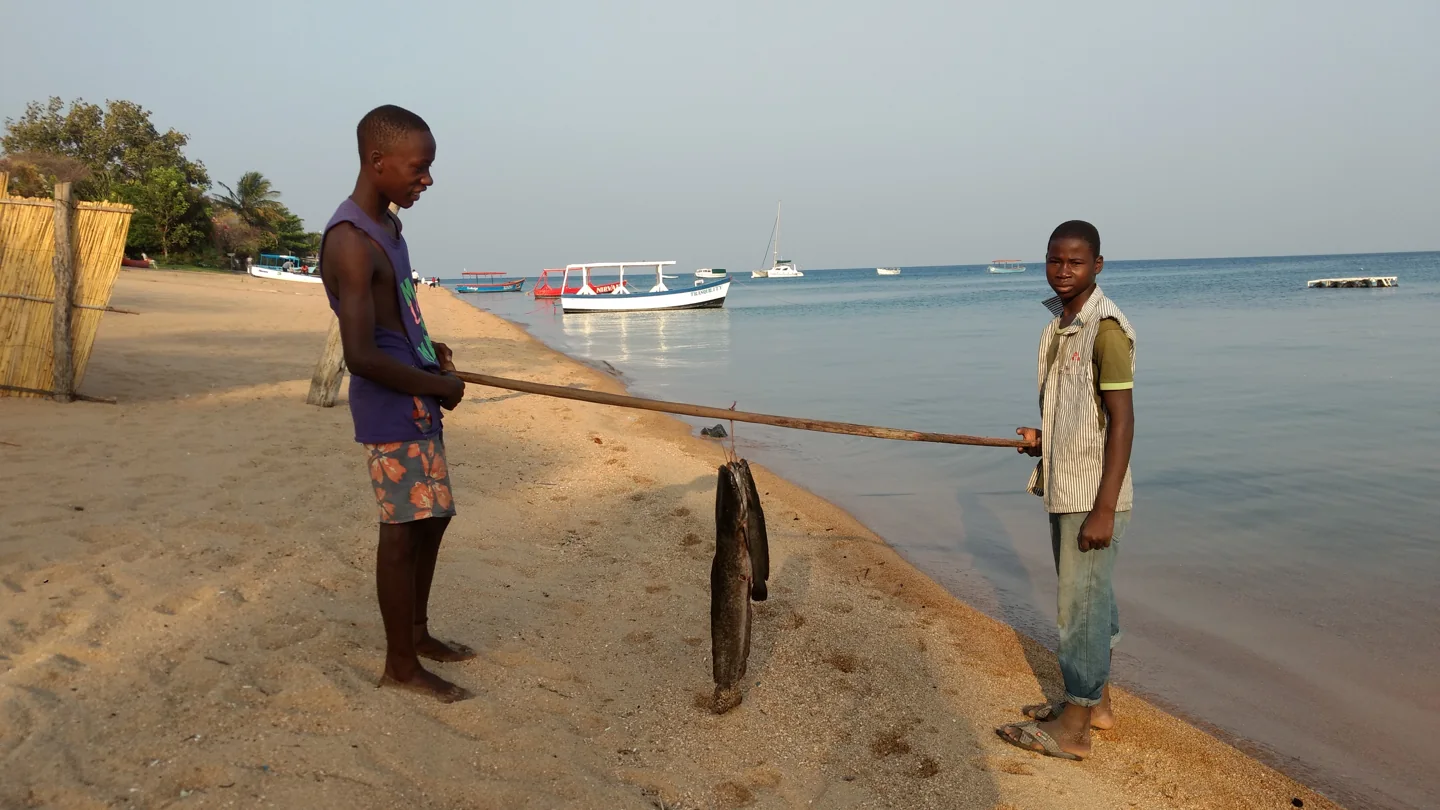
A lakeshore visit can become part of that routine, but plan transport and medical access for the actual trip. The photographs in this guide show specific places on their stated dates; they do not establish current roads, rental availability or water conditions.
At the end of the month, your folder should contain the issued permissions, pending references, rental agreement, address evidence, account details, insurance and school documents relevant to your household. Follow up any missing issued document with the responsible institution instead of treating a completed online form as the finished task.
Sources & further reading
Reviewed 15 October 2026. Sources are linked beside the relevant instructions. The current eVisa service distinguishes nationality categories from 24 February 2026; earlier blanket visa-waiver summaries are not used. Residence and employment applications use a separate ePermit service. CRIPC assumed the former Registrar General department’s functions on 1 April 2026. Older electricity, water and school schedules are not presented as current prices. School admissions and permit decisions remain individual. Reviewed on 15 October 2026 using research collected on 14 October. School fees are for 2026/27, electricity uses ESCOM’s posted 19 January 2026 schedule and tax measures took effect on 31 December 2025. Provider account fees have the scope stated beside them. Budget calculations are hypothetical and do not represent a national monthly living cost. Photograph credits, licences and capture years appear with the images.
Browse the source directory
- Malawi Immigration — current eVisa service
- Malawi Immigration — nationality and visa eligibility service
- Malawi eVisa — fees and visitor stay FAQ
- Malawi Immigration — online residence and employment permits
- Malawi ePermit — applications, tracking and payment
- Malawi Immigration — Temporary Employment Permit
- Malawi Immigration — employer and family TEP conditions
- Malawi Immigration — Business Residence Permit
- Malawi Immigration — Temporary Residence Permit
- Malawi Immigration — Permanent Residence Permit
- Malawi Immigration — student and research permits
- CRIPC — business registration and current agency
- CRIPC — business structures and services
- Malawi Business Registration System — public registration service
- Malawi Revenue Authority — current tax measures notice
- MRA — Msonkho Online TIN application instructions
- MRA — taxpayer assistance
- Bishop Mackenzie International School — secondary applications
- BMIS — 2026/27 tuition and joining charges
- Saint Andrew’s International High School — Blantyre
- Saint Andrew’s — admissions process
- University of Malawi — 2026/27 mature-entry form
- Ministry of Trade — household relocation and import FAQ
- Ministry of Trade — arriving travellers and vehicles
- Department of Animal Health — animal import permit
- National Bank of Malawi — personal account application (source unavailable)
- Standard Bank Malawi — account options and advertised fees
- TNM — SIM activation and Mpamba support
- FCDO — Malawi healthcare and emergency arrangements
- FCDO — Malawi emergency numbers
- Daeyang Luke Hospital — Lilongwe services
- Mwaiwathu Private Hospital — services and appointments
- ESCOM — tariff schedule effective 19 January 2026
- ESCOM — electricity service, bills and interruptions
- Lilongwe Water Board — accounts and water services
Make your next step a practical one
Choose your actual immigration category with the employer, institution or Immigration Department, then coordinate approval, school admission and a short initial stay before committing to a long rental.