Visa
Moving & Living - Malta - Complete Guide
Move to Malta in fourteen practical steps covering neighbourhoods, EU registration, Single Permits, Nomad residence, schools, tax, rentals, banking, healthcare, utilities and transport.
Photo credit
Life in Malta might mean walking through Sliema to work, living near the university in Msida, or building a quieter routine in a town with a longer bus journey. Choose the home together with the actual job, school and immigration route: short distances on a map do not tell you how the daily trip will work.
These fourteen steps follow the move from the first neighbourhood decision through permissions, arrival, household services and the first month. They distinguish EU free movement, employer-led Single Permits and the separate Nomad programme, including the work-entry course rules introduced in 2026.
Malta at a glance
- Capital
- Valletta
- Currency
- Euro · EUR / €
- Official languages
- Maltese and English
- Time zone
- Central European Time · seasonal clock changes
- Residence authority
- Identità
- Nomad authority
- Residency Malta
- Tax authority
- Malta Tax and Customs Administration · MTCA
- Public transport card
- Personalised tallinja card
- Reviewed
- 15 October 2026
Follow your moving journey
Start at step 1, or jump to the task you are working on.
01Choose a neighbourhood around your daily journey
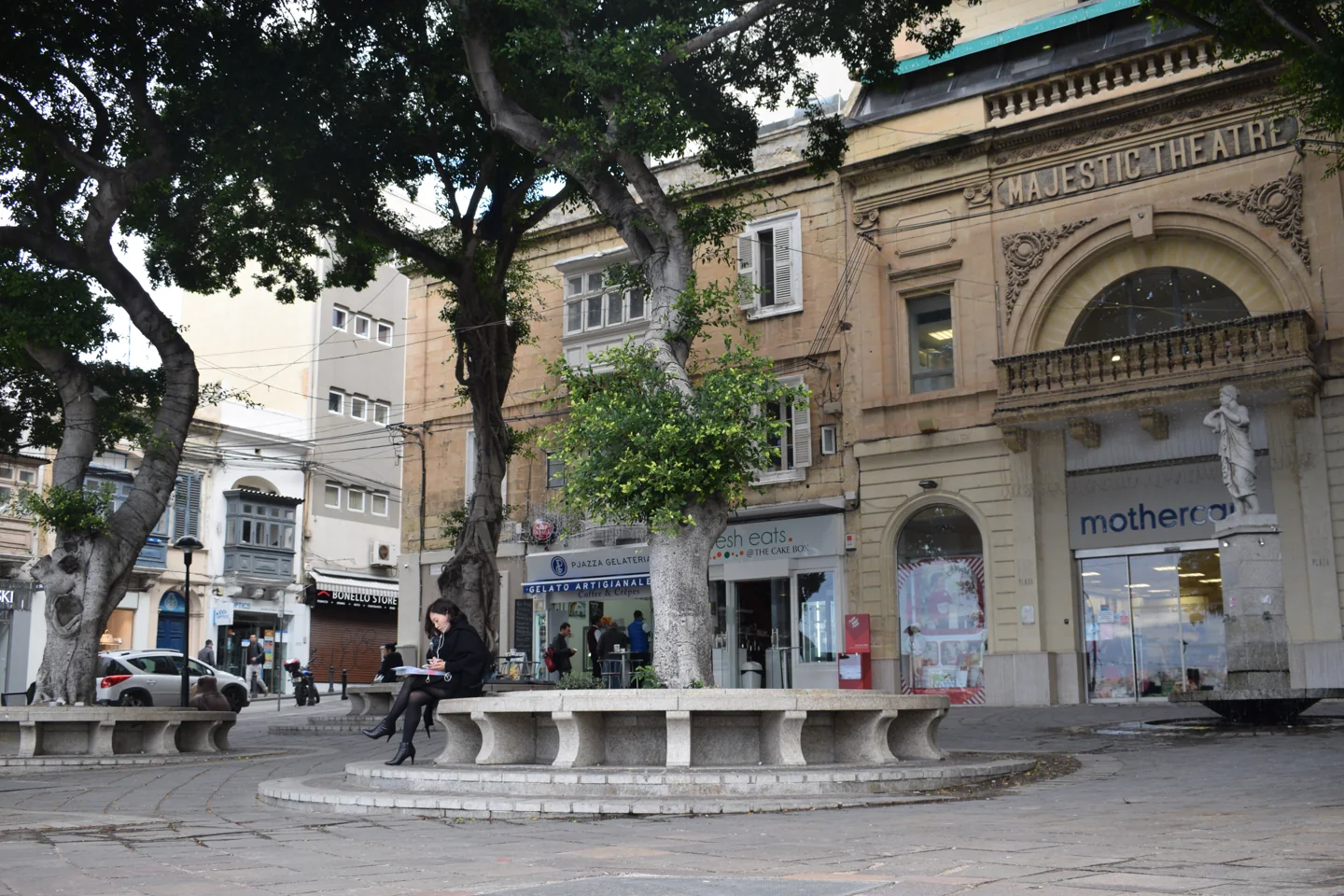
Start with the destination you must reach most days, then compare homes by the journey at the right time. An apartment that looks close to an office across a bay may involve a different bus route, a ferry or a substantial walk. Check the entrance, hills and collection point rather than relying on the neighbourhood name alone.
| Base to investigate | Practical reason to consider it | Question to resolve |
|---|---|---|
| Sliema or Gżira | A household whose work and errands centre on that waterfront area | Can you walk to work, and what happens when the preferred ferry is unavailable? |
| Msida or nearby towns | A university or employment destination in the central area | Which actual bus stop serves the home and campus entrance? |
| Valletta or the Three Cities | A routine connected to the capital and harbour | Does the journey include steps, a lift or a ferry? |
| Mosta, Naxxar or another inland town | A home suited to the household’s work and school locations | How long is the trip during the working week? |
| Victoria or another Gozo address | A confirmed Gozo-based routine | How often must someone travel to Malta, and what is the fallback? |
- Map the office, school, clinic and likely shopping trip together.
- Use the transport operator’s current services to check the relevant journey, including premium-service charges.
- Arrange temporary accommodation that allows local viewings and appointments before a permanent commitment.
- Inspect the proposed home and test the route with the items normally carried to work or school.
Keep the intended address consistent across applications, the lease and household services. If the employer provides accommodation, ask for the actual unit, permitted occupants, included bills and the arrangement if employment ends. A company’s office address does not establish where the family can live.
02Choose the residence basis for every household member
EU free movement, employment permission for other nationals and the Nomad programme follow different processes. A Schengen visitor admission is not an ordinary work permit. Begin with nationality, activity, duration and family relationship, then establish which authority handles each person’s application.
| Situation | Starting point | Distinction to keep clear |
|---|---|---|
| EU citizen moving for work, study or self-sufficiency | Identità’s EU residence guidance | No employment permit is required, but longer residence entails registration on an applicable basis. |
| Third-country national taking a Maltese job | Employer and Single Permit service | The employer-led process combines residence and employment requirements. |
| Eligible remote worker with foreign activity | Residency Malta’s Nomad eligibility | The programme excludes work serving Maltese businesses or individuals. |
| Joining family | Identità’s family-category guidance | EU-family rights, statutory reunification and discretionary policy are different routes. |
| Study or retirement | Receiving institution or the relevant programme authority | Admission or special tax status does not by itself finish immigration formalities. |
- List every traveller’s nationality, passport expiry, purpose and relationship to the main applicant.
- Choose the appropriate service and obtain its current category checklist.
- Identify what must be approved before entry and what is completed after arrival.
- Record application references and distinguish a submitted file from an issued permission.
For EU residence beyond three months, follow Identità’s registration instructions for the actual treaty basis and household. British nationals must distinguish Withdrawal Agreement rights from a new move under the applicable non-EU rules. Do not assume a prior visit, a property purchase or an EU residence card from another country gives every family member the same Maltese work rights.
03Arrange the job application or document the foreign remote activity
For a Maltese job, obtain the written contract, workplace, pay and expected start date before budgeting the move. Ask the employer who will manage the permit, course evidence, recruitment documents and arrival appointment. Keep your own copies of the approved documents even where the employer controls the application portal.
- The employer normally submits through Single Permit Online. The applicant receives a link to check and confirm the information before the employer’s final submission.
- Prepare the passport, signed contract and other category documents using Identità’s checklist. It currently requires at least eight months’ passport validity at application, a full passport copy, appropriate insurance and any required final health approval.
- Resolve the Pre-Departure Course requirement before submission. From 1 March 2026, new and still-abroad third-country applicants must supply the required certificate. Tourism and hospitality applicants also need the separate completed Skills Pass certificate. Check the stated exemptions against the actual application history.
- After approval in principle, obtain any required entry visa and follow the letter’s arrival and biometric instructions. Do not treat that letter alone as authority to start employment; confirm the issued work authorisation with Identità and the employer.
The Home Affairs course page is the practical starting point for the current course arrangements. A previous permit does not automatically settle an exemption when someone is applying again from abroad. Match the category to the actual facts rather than reusing a colleague’s old checklist.
For Nomad residence, document the foreign employer, foreign business or contracted foreign clients and the required gross annual income of €42,000 for a new application. The current ineligible list includes Afghanistan, North Korea, Iran, Democratic Republic of Congo, Somalia, South Sudan, Sudan, Yemen, Venezuela, Russia and Belarus; close-ties restrictions also apply.
Apply through the Residency Malta portal, then follow the payment instruction. After approval in principle, submit acceptable accommodation and insurance within thirty working days for final approval. Obtain any required entry visa, then arrange biometrics after arrival. Include eligible family in the initial application: later additions normally wait until renewal, apart from newborns.
For a local business or self-employment, obtain the applicable business, tax and immigration advice before trading. A foreign company registration and a Maltese residence address do not turn local activity into qualifying foreign remote work.
04Build the move budget and identify the correct tax treatment
Budget around the actual lease and household rather than one national monthly figure. Keep deposits and annual bills separate from ordinary monthly spending. An annual school charge or permit fee may be affordable over the year but still require cash before the first salary.
| Item | Verified starting point or method | Scope |
|---|---|---|
| General first Single Permit | €600; renewal €150 per year | Published general fees; category-specific exceptions exist. |
| Nomad application and card | €300 application plus €100 card per person | Programme fees; any entry-visa charge is additional. |
| Adult personalised tallinja card | €25 plus applicable delivery | Operator’s published conditions, checked 15 October 2026. |
| Private-school example | €11,700 annual tuition for Kindergarten–Grade 5 | Verdala 2026/27 schedule, excluding other applicable charges. |
| Housing and services | Written rent, security, recent utility bills and internet quote | The inspected unit and selected contracts. |
For a hypothetical lease at €1,100 monthly, with one month’s security and one month paid in advance, initial housing cash is €2,200. This illustrates timing and arithmetic; it is not a market survey or a legally standard deposit. Add temporary lodging, travel, documents, insurance and any agreed agency fee.
For a new Verdala Kindergarten–Grade 5 student attending a full year, the published €11,700 tuition, €2,000 annual capital contribution, €300 administration and €5,000 registration total €19,000 before other applicable services. Dividing tuition by twelve gives a €975 monthly provision; it does not override the school’s invoice or approved payment plan.
Tax treatment depends on residence, domicile, income source and any approved special status. Under MTCA’s remittance-basis guidance, Malta-source income is taxable regardless of where it is received; foreign income remitted to Malta and foreign capital gains are treated differently, with additional conditions and possible minimum-tax rules. Work performed in Malta should not be labelled foreign-source merely because an overseas employer pays it.
Before the first payroll or business invoice, establish the taxpayer reference, social-security position and who handles filings. Keep evidence distinguishing capital brought into the move from later income, and obtain advice for a mixed household, overseas pension or business.
05Secure schooling or university admission before fixing the family timetable
School choice depends on age, language, curriculum, residence status and the daily journey. Establish the likely registration route before signing a home solely for a particular school. A school enquiry, fee payment or nearby address does not guarantee a place.
- Use the International Learners Directorate’s registration guidance. EU primary registration is through the school in the town of residence; for secondary placement, the College Principal can direct the household.
- For non-EU registration, prepare the child’s birth certificate and translation, immigration evidence, residential agreement, relevant marriage or custody records, vaccination record and education history. The Directorate requires presence in Malta for document verification.
- Ask how the child’s status affects fees. The published state-school entitlement includes eligible EU/EEA/Swiss households and children of holders of a Maltese Single Permit, but it should not be applied to every foreign residence category.
- Discuss language and induction support where the child does not yet communicate comfortably in Maltese or English.
For an international-school starting point, Verdala International School publishes admissions and age guidance. Request the offered grade, assessment, learning-support position and complete invoice. Its 2026/27 fee schedule distinguishes annual tuition and capital charges from non-refundable administration and registration fees. A school offer is a different decision from residence approval.
For university, begin with University of Malta admissions advice, then confirm the course’s entry requirements, qualification assessment, language evidence, fee classification and location. After an offer, use the International Office’s visa and residence guidance to coordinate entry, health screening where required and the residence application. Do not assume student permission provides unrestricted employment rights.
A special case matters for families: Identità’s early discretionary-family exception for qualifying KEI/SEI sponsors includes a private-school application for compulsory-school-age children. Confirm which family route applies before relying on general state-school entitlement.
06Coordinate retirement tax status with residence and healthcare
The Malta Retirement Programme is a real special-tax programme for eligible pension recipients, including EU and non-EU applicants. It is intended for people not in an employment relationship. Special tax status should not be treated as a residence card, permanent residence or permission to accept a local job.
- Ask an Authorised Registered Mandatary to assess the pension, household and proposed property against the programme.
- Under the linked programme guidelines, the pension must be received in Malta and represent at least 75% of chargeable income. Assemble evidence of pension payments, resources, qualifying housing and appropriate health cover.
- Have the mandatary identify the application stages, current financial conditions, annual obligations and the documents needed for the household.
- Coordinate the relevant residence process with Identità, keeping the tax application and immigration evidence distinct.
- Establish healthcare entitlement or insurance before ending existing cover abroad.
MTCA’s current page links guidelines labelled version 4.0, dated 2020. Use the mandatary to verify the conditions applicable to a new application rather than treating every historic fee or threshold in that document as newly issued in 2026. The document also restricts occupancy and use of qualifying property, so resolve those conditions before buying or signing a lease intended for the programme.
For an eligible UK pensioner, the UK-funded S1 process requires registration in Malta to establish the documented entitlement. Other households must identify their competent health-insurance country and applicable coordination rules. Neither a pension payment nor EU nationality alone proves that the local healthcare registration has been completed.
Keep accessible funds for ordinary living costs, treatment and travel in addition to any programme commitment. Confirm the consequences of a change in household, employment or property before making it.
07Prepare consistent documents, belongings and any pet arrival
Make a separate checklist for every traveller. Compare names, passport numbers and family relationships across the offer, application and civil records before paying for translations or certification. Keep originals accessible and save complete, readable scans in a secure offline folder.
- Collect passports, approval letters, employment or university documents, insurance evidence and the first accommodation address.
- Use Identità’s document-format guidance for the relevant process. Certificates in another language may require an official translation into English or Maltese; certification and legalisation depend on the document and category.
- For a Single Permit, follow the actual requirements for the whole-passport copy, qualifications and housing documents. Do not replace a required final medical approval with evidence that screening was merely requested.
- For belongings, obtain a written inventory and quote identifying delivery to the actual island, building, floor and access. Ask about customs treatment and handling before dispatching regulated goods.
For a dog, cat or ferret, start with the European Commission’s origin-specific pet-movement guidance. Arrange identification before the relevant rabies vaccination and select the correct passport or health-certificate process. The route and origin can change the evidence and waiting periods; a pet passport is not automatically sufficient for every departure country.
For dogs, arrange veterinary tapeworm treatment twenty-four to 120 hours before entry; the instructions exempt direct movements from Norway, Finland and Ireland. Submit the official Pet Arrival Notification with flight or vessel details, animal identity and the Malta address, and retain its confirmation for travel. Confirm the current veterinary inspection arrangements and the carrier’s conditions before finalising tickets.
Obtain the landlord’s agreement to the animal, and plan the airport or ferry pickup accordingly. Keep the animal’s documents together with the owner’s itinerary so a change of flight does not leave the veterinary file inconsistent.
08Arrive under the correct permission and schedule the next appointment
Before boarding, recheck the passport, issued visa where required, approval letter and dates. An approval in principle is one stage in a process; it does not necessarily replace an entry visa or authorise work. Carry the receiving organisation’s contact and the actual accommodation details.
- Complete border entry using the documents required for the nationality and category. Keep the arrival record needed for the next application.
- Reach the booked accommodation and establish a working phone connection. Test access to money and the application email account.
- For employment, follow the instructions in the approval letter and coordinate the biometric appointment with the employer.
- For Nomad residence, notify Residency Malta after arrival to arrange the card appointment, following its approval instructions.
- For EU registration or study, organise the relevant local documents and appointment with the responsible authority or institution.
Keep a small first-week schedule with the person responsible for each task. A landlord’s lease registration, the employer’s permit action and the applicant’s biometric attendance are different dependencies. Confirm each rather than assuming one organisation will finish the whole move.
Compare the address on the lease with the one supplied for official correspondence and later card collection. If temporary accommodation changes, obtain the category-specific instruction for updating it. Keep photographs or scans of document receipts, and record where original papers have been handed over.
Do not start a third-country employment assignment simply because the flight has arrived or the employer says the file is progressing. Use Identità’s employment guidance to establish the current authority to work, then agree the lawful start date with the employer.
09Complete residence, tax and social-security records in the correct order
Track the passport, residence document, tax number and social-security number separately. They serve different purposes, and an online account is not proof that every underlying registration has been completed. Keep the issuing authority and the document’s current status beside each reference.
- For EU registration, apply through the Expatriates Portal process on the relevant basis, such as employment, study or self-sufficiency. Supply the supporting evidence for that category.
- For a Single Permit, complete biometric capture and obtain the issued interim or final document applicable to the case. Check whether the document expressly includes temporary authorisation to work.
- For Nomad residence, attend the appointment and complete the approved accommodation evidence before card issue.
- Arrange the social-security number where required for employment or self-employment and give payroll the confirmed reference.
- Use MTCA’s expatriate registration form where applicable. Its instructions say EU citizens who have already applied for a social-security number should not duplicate the income-tax registration through that form.
Family planning needs its own timetable. Under the discretionary family-members policy, sponsors normally need twelve months from their initial residence permit and relatives must be outside Malta when applying. Eligible KEI/SEI sponsors can seek an earlier exception using the specified income and household conditions. That exception includes €50,000 gross annually for sponsor and one dependant, plus €6,000 for each additional dependant.
The same policy does not give automatic employment rights to relatives. Use the actual issued category and Jobsplus or Identità instruction before a family member starts working. The policy’s displayed general median-wage example is dated June 2024, so obtain the current assessment rather than copying that figure into a new household budget.
10Open the appropriate account and establish reliable payments
Choose the account around its purpose: salary, routine payments, savings or business. Ask which application channel serves the product and the applicant’s circumstances. A bank’s online savings application should not be mistaken for an application for every current or business account.
- Start with Bank of Valletta’s new-customer options and identify whether online savings onboarding or a branch appointment is appropriate.
- Prepare the valid passport or identity document, evidence of the tax identification number and the permanent residential address. The personal onboarding checklist accepts specified address evidence where it differs from the identity document, including a qualifying utility bill or rental agreement.
- Provide the requested employment, income and source-of-funds information. Explain whether the address is temporary or the established home.
- Obtain the current account and card tariff and confirm which payment features are included.
- After approval, activate the available services and test a small transaction before arranging substantial transfers or direct debits.
Send payroll the verified beneficiary name and account details through its agreed channel. For rent or a deposit, independently confirm the landlord or authorised agent and the payment reference, then retain the receipt with the tenancy file.
Keep enough accessible funds for the period before onboarding and the first salary. If another account will be used temporarily, confirm the payment arrangement with payroll and the bank rather than assuming a particular account or currency will be accepted automatically.
For a joint household, agree which person pays each bill and how both adults can access receipts and renewal information. A financial record should distinguish deposit, advance rent, recurring bill and reimbursable employment expense.
11Inspect the home and obtain a registered rental agreement
Inspect more than the furniture. Check ventilation, signs of damp, cooling and heating, water pressure, windows, noise and the building entrance. Ask how utilities are metered and whether the quoted rent includes any services. A roof terrace, parking space or storage room should be identified in the agreement if it forms part of the offer.
- Verify the owner or authorised agent and the exact unit. Confirm permitted occupants and any conditions affecting pets or shared accommodation.
- Review the written rent, duration, payment dates, security, notice, repairs and other charges. Obtain an explanation of unfamiliar clauses before signing.
- Prepare an inventory and record the opening condition, appliances, keys and meter readings with photographs.
- Have the owner complete Housing Authority lease registration within the current thirty-day period from commencement, and obtain the registration approval and a copy of the signed agreement.
- Check the documents required by the residence category. A Single Permit file can require additional landlord declarations and professional lease attestation; registration alone is not necessarily the whole checklist.
Use the current Housing Authority instructions rather than the older ten-day service description still found elsewhere. Record the actual registration reference and ensure the occupants and address match the household application.
Before paying for housing intended to support a residence application, ask which evidence that category needs at the current stage. Agree how the landlord will supply the signed declarations and registration records, and keep them with the contract.
Pay by a traceable method and retain a receipt specifying what the payment covers. Keep refundable security separate from rent, and establish the handover and deduction procedure early enough that the end of the tenancy can be documented.
12Establish healthcare entitlement and obtain the right insurance
Start with the household’s actual healthcare basis: employment contributions, an applicable S1 arrangement or private cover required by the residence programme. An EHIC concerns necessary care during a temporary stay; it should not be treated as a universal substitute for the insurance or entitlement documents needed for settlement.
- Ask the employer or competent health authority what confirms access to care for each household member.
- For an eligible UK-funded S1, follow the registration instructions with Malta’s Entitlement Unit. Keep the issued certificate and the identity documents used to establish entitlement.
- For other coordinated European coverage, identify the competent institution and the applicable S1 process before assuming another country will fund treatment.
- For a residence category requiring private cover, obtain the actual policy, benefits table, proof of payment and any required declaration. Check the insured names, period, territorial scope, exclusions and claims process.
- Identify the appropriate local care provider and establish how ongoing prescriptions, records and appointments will be handled.
Nomad applicants should use the programme’s required benefits table, not an ordinary travel-policy headline. Single Permit applicants must meet their own insurance and health-screening checklist. A screening application or appointment receipt is not the same as the final approval certificate required where screening applies.
Keep a medical summary, current prescriptions and the insurer’s assistance number accessible. For a planned appointment, ask how charges, tests and pre-authorisation work before attending. Where someone has an existing condition, obtain the insurer’s written position and a continuity plan rather than inferring cover from a general policy description.
Review the arrangement when employment, residence status or the responsible insurance country changes. A valid residence card and a completed healthcare entitlement registration are related but separate pieces of the move.
13Set up utilities and test the ordinary transport route
Begin with the existing water and electricity account, its tariff category and opening readings. Ask the landlord which account action is appropriate and who is responsible for prior balances. Do not order a new connection when the actual task is changing the consumer or arranging payment for an existing meter.
- Use ARMS customer guidance for the relevant change-of-consumer process. Its Form F and the owner–tenant agreement are practical starting points.
- Confirm who receives bills, the registered occupants and how shared charges are calculated. Keep access to the original invoices.
- Obtain a registered mobile service and test calls and data at home. Keep the number used for official and bank authentication active when changing plans.
- For home broadband, check the actual address with a provider such as GO, then request the installation cost, full contract price after any introductory period, equipment and cancellation terms.
- Apply for a personalised tallinja card with the required identity evidence, photograph and delivery address. Test the route and stop before the first working day.
Under the operator’s current conditions, validated personalised cards provide free travel on the eligible ordinary bus services. Tallinja Direct, Airport Direct and on-demand services are excluded. Tap the card when boarding; carrying it without validation is not the same as using it correctly. Check ferry and other operators separately rather than assuming every crossing is included.
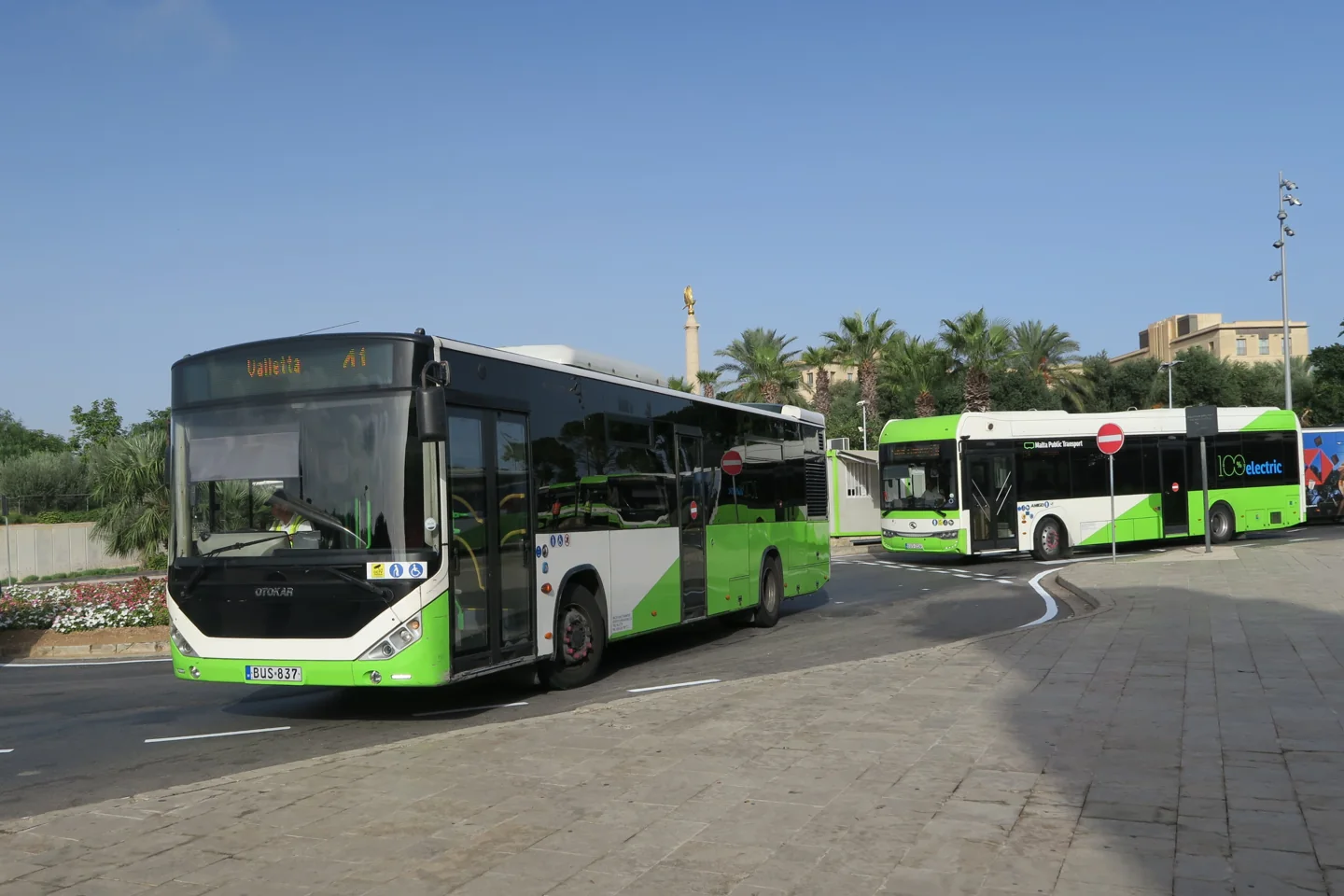
Record the final departure, the alternative route and the fare for any premium fallback. For Gozo or a harbour commute, review the full door-to-door journey and the service conditions before deciding the home is convenient.
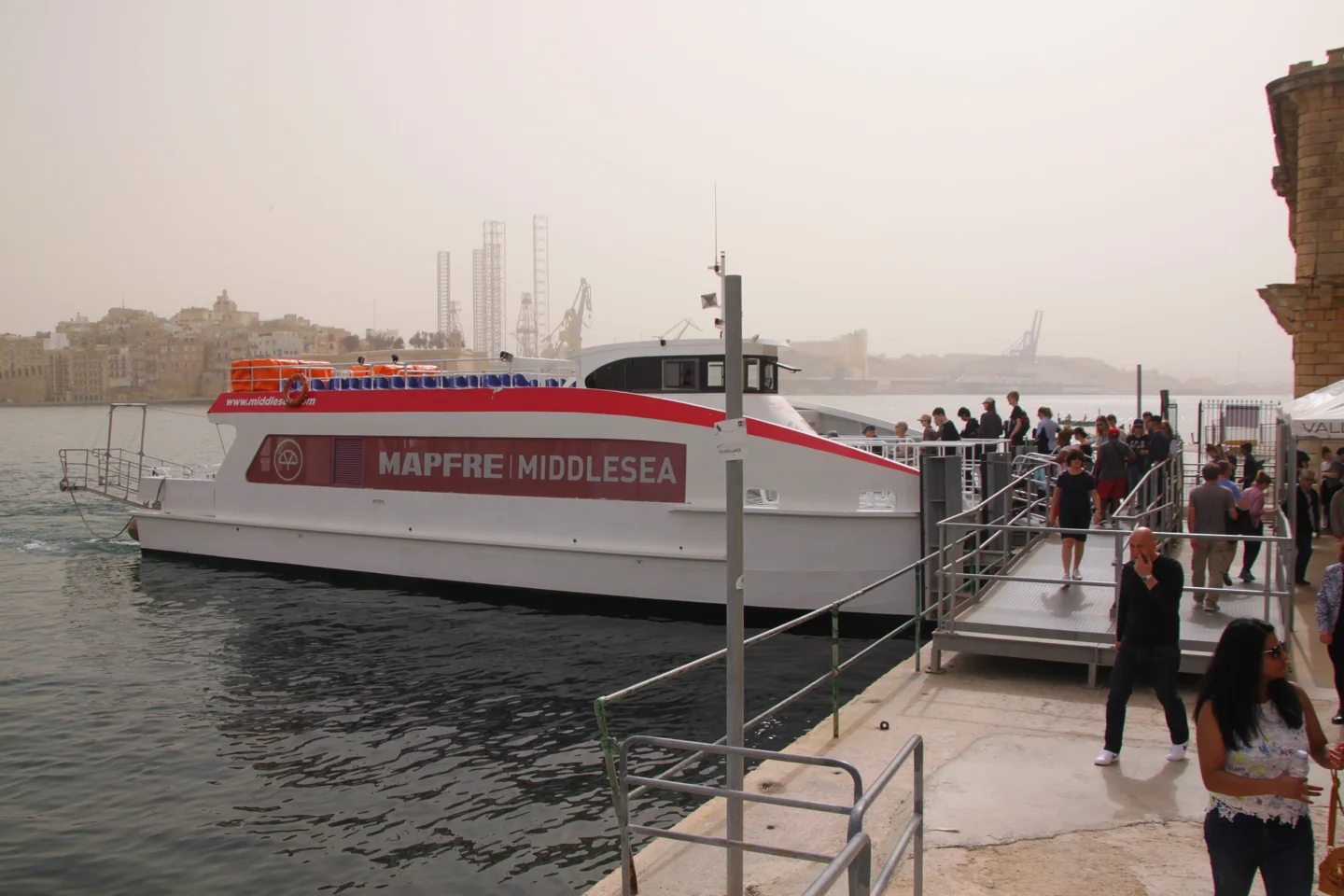
14Close the outstanding tasks and build a repeatable routine
Use the first month to turn the move into a set of ordinary routines: groceries, school collection, work, medication and bills. Keep a short task list with the responsible person, reference, due date and evidence of completion. Marking a task “submitted” should not hide that a decision or card is still outstanding.
- First week: confirm arrival records, appointments and the current authority to work or reside. Check every family member separately.
- After housing handover: obtain the lease-registration evidence, record meters, resolve service access and test the school or office journey.
- Before the first payroll: verify banking, tax and social-security references with the employer and retain the first payslip.
- Before the month ends: close missing school, insurance and residence documents, and confirm the process for receiving official correspondence.
- For the coming year: calendar passport, permit, insurance and lease dates with the lead time required by the actual category.
Nomad residence begins with one year, renewable three times to a maximum four years subject to eligibility. A renewal application does not automatically extend lawful stay. Keep the evidence needed for the next assessment.
Find community through the school, university, workplace and activities near the actual home. Ask about public opening times, language options and participation costs. Learning useful Maltese greetings and the names of local places makes routine errands easier even where English is widely used.
Before a trip abroad, confirm the passport, issued residence document and return-entry requirements. Before changing employer, address or family circumstances, identify which authority and provider must be notified. Keep the written acknowledgements together so the next application starts from an accurate record.
Sources & further reading
Reviewed 15 October 2026. Sources are linked beside the relevant instructions. Primary immigration guidance includes the March 2026 course requirement and Residency Malta’s current Nomad FAQ. Family-policy income formulae and immigration grounds must be assessed for the household; an older median-wage figure is not presented as a current national threshold. Retirement tax status is distinct from immigration permission. Current Housing Authority instructions use thirty days for lease registration; the older ten-day service description is excluded. Checked on 15 October 2026. General Single Permit fees have category-specific exceptions. Verdala school costs refer to 2026/27 and distinguish annual charges from one-time fees. Tallinja registration has delivery charges and temporary promotions; free travel excludes premium services. Rental and monthly saving examples are labelled calculations, not national market averages. Photograph credits, licences and capture years appear with the images.
Browse the source directory
- Identità — EU and EEA residence
- Identità — EU residence applications and documents
- Identità — Single Permit application process
- Identità — non-EU employment FAQs
- Single Permit — employer application portal
- Identità — Single Permit documents
- Identità — course certificates from March 2026
- Home Affairs — Pre-Departure Course
- Identità — family residence categories
- Identità — discretionary family-members policy
- Residency Malta — Nomad eligibility
- Residency Malta — Nomad FAQ version 14.1
- Residency Malta — Nomad application portal
- Residency Malta — required health insurance benefits
- MTCA — Malta Retirement Programme
- MTCA — linked retirement programme guidelines
- MTCA — remittance basis guidelines
- MTCA — expatriate taxpayer registration
- Social Security — foreign-national number application
- International Learners Directorate — school registration
- International Learners Directorate — education and language support
- Verdala International School — admissions
- Verdala — 2026/27 fees and financial conditions
- University of Malta — admissions advice
- University of Malta — visa and eResidence guidance
- European Commission — pet movement requirements and FAQs
- Veterinary Directorate — pet arrival notification
- Bank of Valletta — personal savings onboarding documents
- Bank of Valletta — new personal customer options
- Housing Authority — register and terminate residential leases
- ARMS — utility accounts and change of consumer
- Malta Public Transport — cards, fares and exclusions
- Tallinja — personalised card registration
- GO — home internet services
- UK government — Malta healthcare and UK-issued S1
- Entitlement Unit — S1 coordination
Make your next step a practical one
Match every household member to the correct residence basis, identify the employer or authority responsible for the next application, and coordinate housing and school decisions with those permissions.