Visa
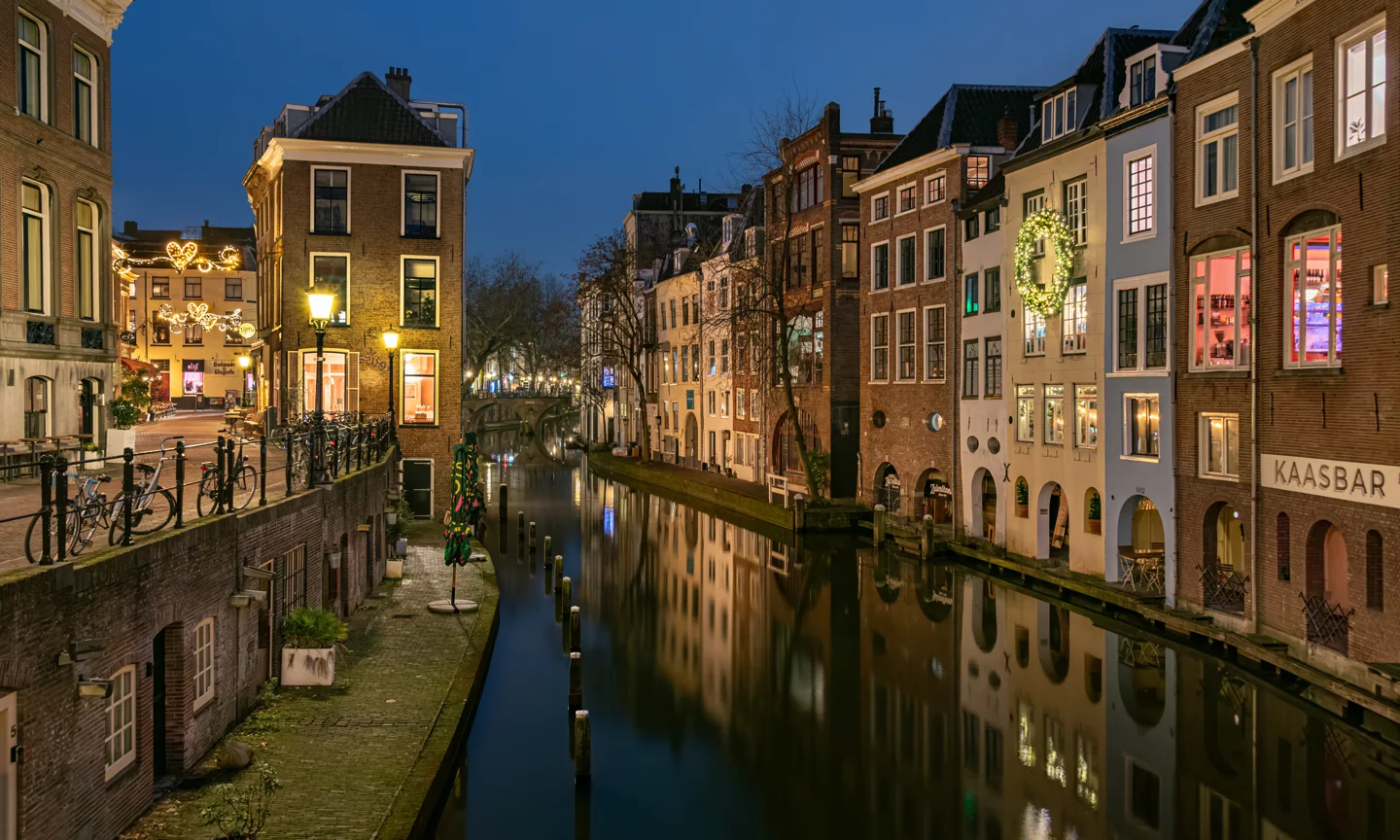
Moving & Living - Netherlands - Complete Guide
A step-by-step move to the Netherlands: choose a base, arrange residence and work, register for a BSN, and organise housing, schools, insurance, banking and transport.
Photo credit
A move to the Netherlands becomes practical when the address, residence route and everyday journeys fit together. A home in Utrecht, a job in Rotterdam or a school in The Hague brings different choices, even when the country looks compact on a map.
This guide follows fourteen steps from preparation to the first month. It covers the European Netherlands, separates immigration permission from municipal registration, and explains how to arrange the documents and services behind ordinary daily life.
Netherlands at a glance
- Scope
- European Netherlands
- Capital
- Amsterdam
- Seat of government
- The Hague · Den Haag
- Currency
- Euro · EUR · €
- Immigration
- Immigration and Naturalisation Service · IND
- Resident registration
- BRP · municipality · BSN
- Online identity
- DigiD
- Reviewed
- 15 October 2026
Follow your moving journey
Start at step 1, or jump to the task you are working on.
01Choose a base around the journeys you will actually make
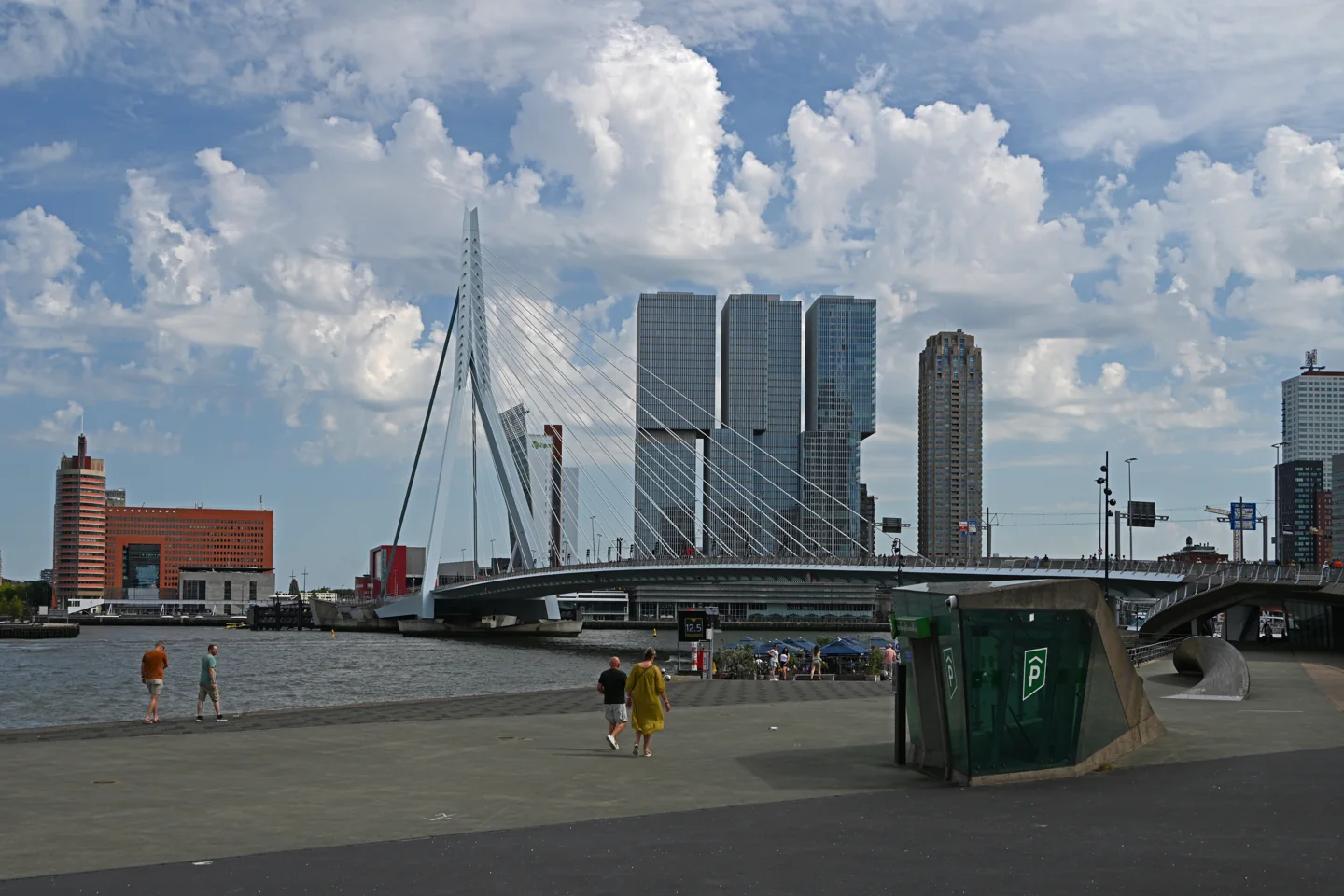
Start with the workplace or campus, then map the school, station and services the household will use. Amsterdam, Rotterdam, The Hague, Utrecht and Leiden are useful places to compare, but a city name alone tells you little about a particular address. Test the full journey from front door to destination, including the walk to the station and the last connection home.
| Base to investigate | Practical starting point | Question before choosing a home |
|---|---|---|
| Amsterdam | The actual office or campus and its nearest public-transport stop | Does the address work for the commute and lawful municipal registration? |
| Rotterdam | Rotterdam International Center's registration guidance | Does the postcode require a housing permit, and are you eligible for the centre's services? |
| The Hague | School and workplace journeys; International School of The Hague is on Wijndaelerweg | How will the family travel between the school, home and work? |
| Utrecht | A station-based search followed by visits to individual streets | Is the advertised journey realistic at your normal travel time? |
| Leiden | The teaching location for your chosen university programme | Is the course actually taught in Leiden or another location? |
Book an initial stay with enough flexibility to inspect homes. If you need to register there, obtain the accommodation provider's written confirmation that its address can be used for that purpose. A hotel reservation is not automatically registration evidence: Rotterdam's guidance specifically requires an appropriate signed hotel statement.
Before paying for a permanent place, establish who owns or manages it, what the total monthly charge includes and whether any local housing permit is needed. The registration appointment and housing search are connected; leaving the address question until after arrival can delay the next tasks.
02Identify your residence route before arranging the move
Your nationality and purpose determine the starting point. IND's EU, EEA and Swiss guidance describes free-movement residence: up to three months without additional residence conditions, followed by conditions connected to work, study or sufficient resources and insurance. These citizens generally do not need a Dutch residence permit. Their non-EU family members may have a different application process.
For other nationals, choose the actual purpose—employment, study, family or self-employment—and establish whether a provisional residence visa, the MVV, is required. A short Schengen visit and municipal registration are not substitutes for permission to settle or work. British nationals should establish the route applying to their own circumstances rather than assuming EU citizenship rules still apply.
- Write down each traveller's nationality, passport, purpose and intended stay. Treat partners and children as individual applicants where required.
- Read the responsible IND route with the sponsoring employer, institution or family member. Identify who submits the application and which documents you must prepare.
- Establish the MVV requirement and any exemption before booking travel around an assumed in-country application.
- Keep the application confirmation and decision. Follow the decision's instructions for any embassy appointment, entry and document collection.
- After issue, read the dates and work endorsement on the residence document. Ask IND about a mismatch before relying on it.
The partner-permit page provides the relevant family application process; do not assume a partner's right to work is identical across every sponsor's status. Plan identity, relationship evidence and any integration requirement for that route, alongside the principal applicant's file.
03Match the job or business to the permission that allows it
The highly skilled migrant route requires an employer recognised by IND and a qualifying salary. The employer submits the application; its current page lists a €423 application charge, subject to exceptions. Ask the employer who pays, which documents it needs and how the proposed start date relates to the decision.
| 2026 first highly skilled migrant application | Gross monthly criterion, excluding holiday allowance |
|---|---|
| Age 30 or over | €5,942 |
| Under 30 | €4,357 |
| Eligible reduced criterion | €3,122 |
These IND amounts are salary requirements, not living-cost estimates. The reduced amount has specific orientation-year or qualifying education/research conditions; it is not available to every graduate. Application, renewal and employer-change rules differ, and specified research, guest-lecturer and medical-training categories have separate amounts. Have payroll confirm which components count; holiday allowance is excluded. IND also identifies special rules for Turkish nationals and their families.
- Confirm the recognised employer and the exact immigration route for the offer.
- Obtain the contract, role, salary breakdown and proposed start date. Resolve the permit application before beginning work.
- Provide the requested identity and civil documents, retaining copies of the employer's submission and decision.
- If changing employer or role later, check the permission and salary rules before making the change.
For a business, use IND's self-employed route: it assesses the proposed activity, permits, income and business plan, with RVO advice in relevant cases. US and Japanese treaty provisions and certain other exceptions have their own conditions. Registering with the Chamber of Commerce does not by itself create immigration permission. The separate start-up route concerns an innovative business with a facilitator and lasts one year before a possible change to another qualifying route. Neither should be presented as a general visa for anyone working remotely.
04Separate setup money, monthly spending and tax obligations
Prepare two budgets: the money needed to obtain keys and complete setup, and the recurring household cost afterwards. Keep a reserve accessible while the bank account and first salary are being arranged. Immigration salary criteria and a university's funding requirement answer different questions from the cost of your particular home.
| Category | Initial budget | Recurring budget |
|---|---|---|
| Housing | Deposit, first rent, agreed agent charge, furnishings and moving costs | Basic rent, service costs, energy, water and applicable local assessments |
| Health | Cover from the relevant start date and medical continuity | Premiums, applicable excess and uncovered care |
| Children or study | Application charges, deposits, first tuition instalment and equipment | Tuition, childcare, transport and activities |
| Daily life | Phone, internet installation, essential household purchases | Groceries, transport, communications and personal spending |
A hypothetical €1,500 basic rent with an agreed two-month deposit would require €4,500 for that deposit and the first month's basic rent. These invented inputs show the arithmetic; they are not a market quote or a statement that every landlord charges the maximum. Add any separate service costs, accommodation search and furnishing expenses.
Use the Tax Administration's immigration checklist to identify the tax matters connected to your move. Keep the move date, foreign and Dutch salary records, pension information, income statements and relevant asset records. Ask payroll which deductions it makes, and obtain advice on cross-border income and treaty treatment where needed. A payroll deduction is not automatically the final answer to every tax obligation.
For a year spent partly abroad, the immigration-year tax-return instructions explain the appropriate return through Mijn Belastingdienst and the paper alternative. Select the actual tax year and follow the deadline applying to your return. Do not file as a full-year resident merely because you have obtained a BSN. Compare the assessment with your records and keep the supporting documents.
05Arrange a school place or university admission before choosing a long lease
Government guidance states that children aged five to sixteen must attend full-time education. Ask the municipality about the appropriate local school and newcomer-language provision, including the rules for older teenagers. Give the child's age, previous school history, language needs and intended address rather than requesting a place based only on a preferred city.
International schools have their own eligibility and fees. The International School of The Hague's admissions procedure describes its state-subsidised international-school conditions, including a non-Dutch child whose parent works in the Netherlands or a Dutch border region temporarily, and specified returning or outward-moving Dutch-family cases. Check the full category before paying.
- Identify the age group, curriculum and support requirements with admissions.
- Prepare the child's passport, photograph and applicable school reports, including the previous two years in English as requested by ISH.
- Complete the application checklist and understand that review and waiting-list placement do not guarantee an offer.
- Read the fee agreement for the correct school year and year group before accepting.
- Test the journey from prospective homes before signing a lease.
ISH's 2026–27 fee page lists a €300 non-refundable application charge, a €1,000 deposit on acceptance subject to refund conditions, and €9,000 annual tuition for Years 2–4. That particular example is €10,300 including those initial charges, before other applicable costs. It is not a national school-cost estimate.
For higher education, Leiden University's admissions directory separates bachelor's, master's and exchange procedures, documents, deadlines and tuition. Choose the programme first, then use its application instructions. Obtain the institution's immigration and housing advice, without assuming admission includes a room. Confirm the teaching location and the fee category that actually applies to you.
06Check residence and healthcare before committing retirement savings
A pension and enough money for a home are useful financial facts, but they do not alone establish a Dutch residence route. EU, EEA and Swiss retirees should examine the sufficient-resources and insurance conditions in the EU guidance. For other nationals, identify a qualifying family or other residence basis before making a permanent housing commitment.
IND's economically inactive long-term EU resident permit is a specific route for someone already holding long-term EU resident status in another EU country. It is not a general retirement visa for every non-EU pensioner. The applicant still needs the Dutch permission and must meet its requirements.
- Identify the residence basis using your nationality and existing status, not simply your age.
- Collect pension award letters, regular-payment records and any documents the relevant route requests.
- Ask the pension payer and competent healthcare authority how residence in the Netherlands affects coverage and contributions. Cross-border arrangements depend on the actual country and entitlement.
- Budget pension income after tax, currency conversion and any healthcare payments, with a reserve for changes.
- Confirm how prescriptions, specialist follow-up and support at home will continue before moving.
Keep immigration permission, pension entitlement and health insurance as three separate decisions. Owning property does not settle all three. If an authority cannot establish your coverage from the documents available, resolve that question before relying on an overseas card for an indefinite stay.
07Prepare usable civil documents, belongings and the pet file
Ask the receiving municipality and immigration sponsor for their document checklists. Gather passports, birth and marriage records where relevant, custody documents, approval letters and the housing evidence you will present. Use NetherlandsWorldwide's issuing-country directory for legalisation instructions: not every country, document or EU public record needs the same procedure. Arrange any required translation before the appointment.
For belongings from outside the EU, Dutch Customs requires an import declaration and explains applying for a removal-goods exemption. Establish eligibility before shipping. Obtain an inventory, removal quote, insurance, shipment documents and the agent's list of evidence. Do not treat a possible exemption as automatic approval, or include business stock under a household description.
For dogs and cats, use NVWA's third-country instructions with the actual origin and transit route. Its rules include identification, rabies protection and the appropriate documents; high-risk rabies origins can require an approved antibody test and a ninety-day wait after sampling. Begin months ahead. Your vet must establish the sequence for your animal rather than applying an EU-travel checklist to every arrival.
- Confirm whether the journey qualifies as non-commercial, including ownership, number of animals and timing relative to the owner's travel.
- Have the vet and competent authority complete the applicable identification, vaccination and certificate process.
- Obtain separate carrier acceptance for the animal and crate, and establish the EU entry point.
- For a qualifying non-commercial arrival, report the pet to Customs with its documents.
- If bringing a dog for a stay over three months, NVWA says a vet must register it in a designated database within two weeks of arrival.
Keep essential documents and medical records in hand luggage. Leave secure copies accessible if checked baggage or freight arrives later.
08Complete the first days without losing the paperwork sequence
Carry the passport, entry permission where required, decision letter, sponsor contact and first accommodation details. After arrival, follow the sponsor's and IND's instructions for any remaining biometrics or residence-document collection. An approval email, an entry sticker and the final residence document serve different purposes; keep the records together.
- Check the permission and entry record, then save the relevant expiry and collection dates.
- Confirm how your name and address should appear on appointments and deliveries. Put your name where the accommodation provider tells you official post is received.
- Test the phone and a payment method, retaining a backup while local services are being arranged.
- Keep the municipal registration appointment and housing evidence ready. If it cannot be completed promptly, ask the municipality how to proceed rather than assuming a booking is registration.
- Start the healthcare-insurance process appropriate to your status; do not wait until the final week of a deadline.
Photograph and acknowledge the condition of accommodation at handover, including meter readings where you are responsible for utilities. Keep the landlord or host's contact details and an offline copy of the address.
For the first journeys, a supported contactless card can be convenient. Plan the route and payment before boarding, and allow time to learn the check-in and check-out procedure explained in the transport step. Early administrative appointments are easier to manage when you have already tested the journey.
09Register at the municipality, obtain your BSN and activate DigiD
For a stay over four months, national guidance requires registration with the municipality where you live within five days of arrival. It records you in the BRP and provides the citizen service number, BSN. For no more than four months, investigate non-resident RNI registration instead. A BSN is an administrative identifier, not immigration permission.
- Book the receiving municipality's appointment before travelling where possible. Ask which family members must attend.
- Bring the requested identity, lawful-stay, address and civil documents. For a shared address, obtain the specified consent and supporting evidence.
- Check the recorded name, birth details, address and household information. Keep the registration confirmation and BSN securely.
- Ask how to correct any missing record and how to report a later address change.
- Once eligible, apply through DigiD's official application instructions using your BSN, registered municipal address and mobile phone. Receive the activation letter at that address and complete activation.
Each person should use their own DigiD; do not give a landlord or adviser your login. If someone needs to act for you, use the appropriate authorisation process rather than sharing credentials.
Municipal registration and residence-document collection may be separate appointments. Keep their checklists distinct, particularly if a sponsor or international centre coordinates some services. A service-centre appointment does not guarantee that every household registration or permit can be completed on the same day.
10Open an eligible account and test ordinary payments
Compare eligibility and charges before choosing a bank. A provider's promise of fast opening still depends on its identity and compliance checks. bunq's expat page describes starting an application without a BSN and supplying it within ninety days; that is its product arrangement, not a rule every Dutch bank must follow.
- Check whether the provider accepts your residence, nationality and identity document through the application channel you intend to use.
- Prepare the current passport or accepted ID, address and tax-residence details, plus any requested permission or income evidence.
- Choose the account package after reading monthly fees, card charges, transfer costs and conditions. Do not choose solely on a temporary promotion.
- Complete verification and retain the account confirmation. Set a reminder for any outstanding BSN submission.
- Test a modest transfer, a card payment and the services you will actually use before directing the first salary or a large deposit there.
The Dutch Payments Association's basic-payment-account explanation is useful if you need to understand that separate account category and its eligibility. It does not establish an entitlement to every commercial package.
Confirm the beneficiary name, IBAN, currency and reference directly with the landlord, school or employer before making a substantial payment. Keep the invoice and transfer record together. Ask which payment method the service accepts rather than assuming that cash, an overseas card or a local online checkout will always work. Maintain an accessible reserve and a backup card while the account is being assessed.
11Check the tenancy, deposit and service costs before paying
Read the government's current tenant plan with the actual proposed agreement. For agreements dated from 1 July 2023, it states a maximum deposit of two months' basic rent and a written tenancy agreement. Basic rent excludes service charges. An older government Q&A mentions three months; use the dated current rule for a new tenancy rather than treating the older answer as the limit.
- Inspect the property and identify the owner or authorised agent. Establish whether the address is suitable for your intended registration.
- Separate basic rent, service costs, utilities, furniture charges and any deposit. Obtain the amounts and payment dates in writing.
- Read the agreement's duration, termination, maintenance and use provisions. If you cannot understand it, obtain a translation or advice before signing.
- Check agency fees: the tenant plan says an agency acting for the landlord cannot also charge the tenant mediation fees. Your independently appointed search agent is a different arrangement.
- Pay by a traceable method and retain the receipt. At handover, agree the inventory, existing defects, keys and meter readings.
Check the basic rent using Huurcommissie’s self-contained-home tool or shared-accommodation tool. For a self-contained home, gather its WOZ property value, energy label, room and outdoor measurements, and kitchen-counter length. For a room, gather the WOZ value, your room measurements, shared-space measurements and number of people or units sharing facilities. Ask for the landlord’s points assessment, required with new contracts from 1 January 2025. Save your calculation; a formal tribunal assessment uses its own points score.
The government tenant plan says deposits normally return within 14 days after the tenancy ends; where permitted debts are deducted, the balance must return within 30 days. Retain the handover record and ask for an explanation of deductions. Keep annual service-cost statements too, and use the municipal reporting office or Huurcommissie procedure appropriate to the dispute.
Ask what furnishing level the advertised home actually includes. Inspect flooring, lighting, appliances and internet installation needs instead of treating attractive photographs as an inventory. Confirm who arranges the first utility contracts and who remains responsible for any shared services.
12Establish your insurance status and register with a huisarts
For people subject to Dutch compulsory health insurance, government guidance says to arrange the policy promptly and no later than four months after arrival, with cover from the relevant arrival date. That period is not four months of free cover. Foreign students and some cross-border situations have different rules; registration alone does not settle every insurance case.
If you receive a CAK letter, respond using the CAK's own instructions. Its foreign-student flowchart distinguishes work and internship circumstances and explains the role of an SVB Wlz assessment. Arrange the appropriate student cover or statutory insurance after establishing your position; do not ignore a letter because you already hold an overseas policy.
- Establish which system covers you, including any applicable cross-border entitlement.
- Compare eligible policies, contracted providers, premiums and reimbursement for non-contracted care.
- Budget the applicable excess separately from premiums. The government insurance Q&A lists a €385 annual mandatory excess for adults; GP visits are excluded, but related services can be treated differently.
- Use Thuisarts' introductory-appointment guidance to approach a nearby GP practice, or huisarts. Ask whether it accepts new patients, then complete its registration process.
- Arrange transfer of relevant records, prescription continuity and the practice's out-of-hours instructions.
The GP's coordinating role matters when arranging referrals and ongoing treatment. Ask how appointments work and which services the practice provides instead of treating the GP registration as a hospital booking. Keep the insurer's policy confirmation and medical contacts accessible to the household. Admission to a practice or availability of a specific specialist is not guaranteed by this guide.
13Connect the actual address and learn public-transport payments
Start with the lease and the meters, not a generic utility package. Establish which electricity, gas or district-heating and water arrangements serve the property, which accounts remain with the landlord and which you must arrange. Record opening readings and the date you take responsibility. Ask how any shared charge is calculated.
- Obtain the supplier or network details for the actual home and the account-holder responsibilities.
- Compare energy offers using expected use, fixed charges and the contract term, not just a headline monthly advance.
- For broadband, use an address check such as KPN's postcode tool to establish availability. Confirm installation, equipment and the earliest activation date before relying on a connection for work.
- Compare mobile prepaid and contract options against your actual identity, payment and length-of-stay circumstances.
- Save contracts, opening readings and cancellation or renewal dates together.
For travel, NS's contactless-payment instructions explain using a supported debit card, credit card or phone. Check in and out using the same card or device: a physical bank card and its phone version are not interchangeable tokens for one journey. Check the travel class and fare conditions before boarding, and do not assume an existing discount automatically follows a bank card.
The OV-pas information describes the newer public-transport card and the arrangements for NS products. If you already have a subscription, follow its transfer instructions rather than assuming the old card, a bank card and a new pass carry identical products. Use the operator's planner for current stops and services; a tram photograph illustrates the setting, not a timetable.

14Build a routine and close the first-month paperwork
Turn the move into a manageable local routine: the same grocery trip, a tested commute, a GP contact, a school handover and a place to receive official post. Ask colleagues, neighbours or school parents about activities nearby, and investigate a language class or local club that fits your schedule. Useful relationships usually grow from places you visit regularly.
- First days: check entry and collection instructions, confirm the address and registration appointment, and start the appropriate insurance arrangements.
- First week: complete the municipal task or obtain clear follow-up instructions; organise the bank account, GP approach and household services.
- Second week: activate DigiD when eligible, reconcile deposits and invoices, and test work and school journeys.
- Before the month ends: replace budget estimates with actual bills, check every outstanding document request and confirm later immigration, insurance and bank deadlines.
Keep a secure record showing each task's reference number, responsible organisation, next date and outcome. A submission is different from approval, and an appointment is different from a completed registration. Update employers and service providers through their proper channels when details change.
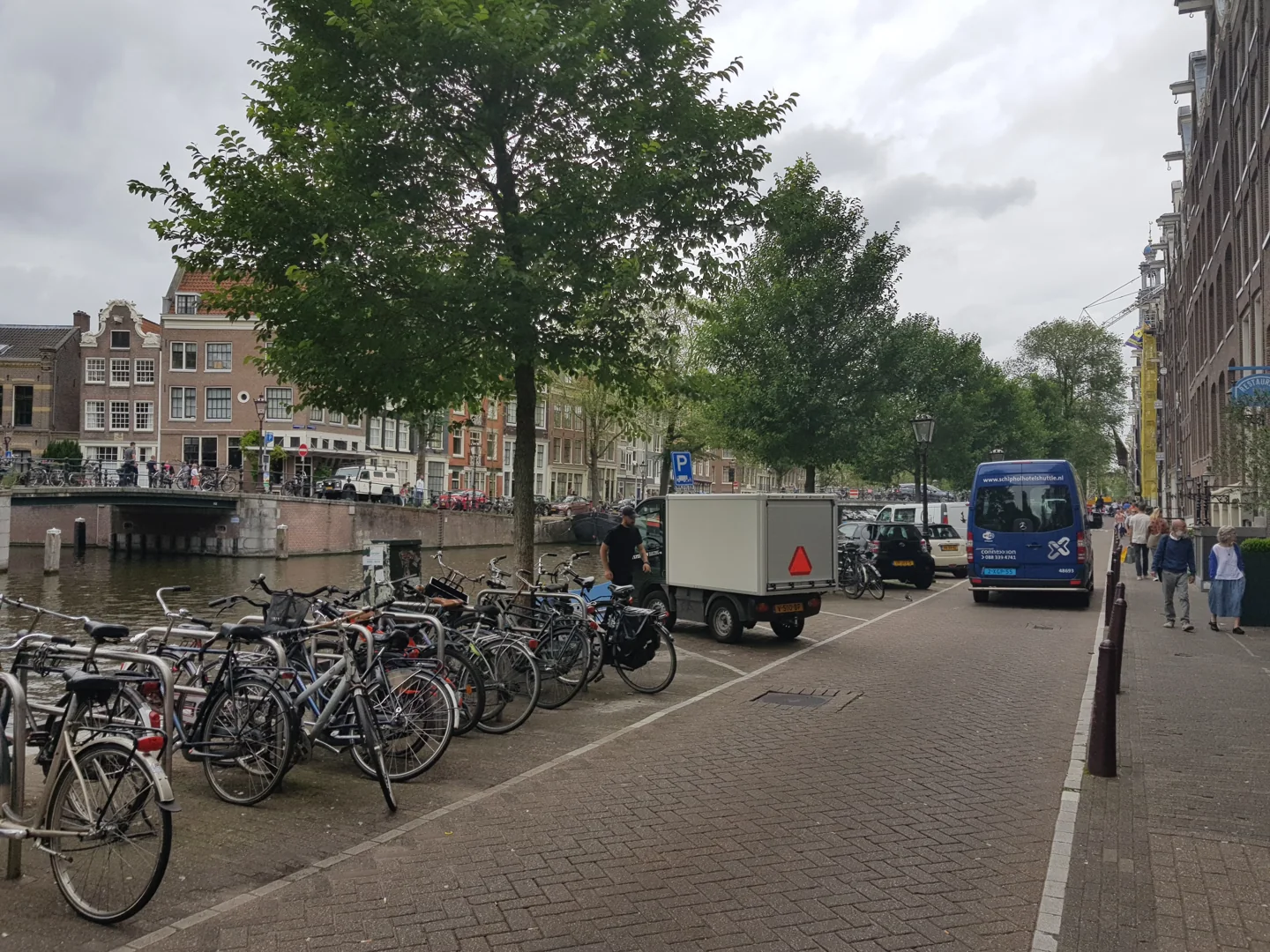
If cycling will be part of your routine, learn the route and local road rules before making it a hurried commute. Inspect a purchased bicycle, retain proof of purchase and establish the parking arrangements at home and your destination. Public transport provides an alternative while you learn the streets.
Review the move as a household after a few weeks: does the address still work for school, work and care; are the recurring bills understood; and is each person's permission correct? Resolve those practical gaps early instead of letting them become renewal or payment problems months later.
Sources & further reading
Reviewed 15 October 2026. Sources are linked beside the relevant instructions. Reviewed on 15 October 2026 using the primary sources below. The dated current tenant guidance takes precedence over an older government answer mentioning a three-month deposit. Municipal registration and a BSN do not grant immigration permission. Student and cross-border health-insurance cases require their applicable assessment; a general insurance deadline is not universal eligibility. SVB and Amsterdam municipal pages returned access restrictions and were not retried; the independently published CAK and Rotterdam material is identified separately. Some provider pages were temporarily unavailable and are not used to promise account opening. Capture dates remain visible on the photographs. Targeted housing review on 16 October 2026: government deposit-return guidance and both Huurcommissie Rent Check instructions checked. Prices and thresholds were reviewed on 15 October 2026. IND salary figures apply to the specified 2026 highly skilled migrant categories and are not a living-cost budget. School figures refer to ISH’s stated 2026–27 year groups and conditional fees. The housing example uses invented rent inputs. Obtain current property, insurance, utility and transport quotes for your household; this article does not invent a national monthly cost. Photograph credits, licences and capture years appear with the images.
Browse the source directory
- Rotterdam International Center — long-term registration
- IND — EU, EEA and Swiss residence
- IND — partner residence permit
- IND — highly skilled migrant
- IND — required amounts for 2026
- IND — self-employed residence
- IND — start-up residence
- Tax Administration — immigration checklist
- Tax Administration — immigration-year tax return
- Government — compulsory school attendance
- International School of The Hague — admissions procedure
- International School of The Hague — 2026–27 fees
- Leiden University — admissions and applications
- IND — economically inactive long-term EU resident
- NetherlandsWorldwide — foreign document legalisation
- Dutch Customs — moving goods from outside the EU
- NVWA — dogs and cats arriving from third countries
- Government — moving, municipal registration and BSN
- DigiD — application and activation
- bunq — expat account application
- Dutch Payments Association — basic payment account
- Government — current step-by-step plan for tenants
- Government — insurance when coming to live or work
- CAK — health-insurance services
- CAK — foreign-student insurance flowchart, September 2025
- Government — basic insurance, excess and provider coverage
- Thuisarts — introductory appointment with a GP
- Thuisarts — role of the GP
- KPN — postcode and fibre availability check
- NS — contactless card check-in and check-out
- NS — OV-pas and product arrangements
- Huurcommissie — self-contained-home Rent Check
- Huurcommissie — shared-accommodation Rent Check
Make your next step a practical one
Identify each household member’s residence route, confirm a usable registration address and book the municipality appointment. Coordinate work or school, insurance and the first payments before committing to a permanent home.