Visa

Moving & Living - New Zealand - Complete Guide
Move to New Zealand step by step: choose a base, plan immigration and work, organise schools, tax, banking, housing, healthcare and everyday services.
Photo credit
Life in New Zealand quickly becomes local: the workplace or campus you must reach, the school attached to a real address, and the home you can afford to run. Auckland, Wellington and Christchurch offer different starting points, but the practical move depends on joining those decisions to the immigration permission that fits your household.
This fourteen-step guide takes you from choosing that base to organising the first month. It explains application stages, local terminology and useful services, with separate treatment of work, residence, retirement and overseas remote work.
New Zealand at a glance
- Capital
- Wellington
- Currency
- New Zealand dollar · NZD · NZ$
- Immigration authority
- Immigration New Zealand · INZ
- Tax authority
- Inland Revenue · IRD
- Rental authority
- Tenancy Services
- Auckland transport
- AT HOP or eligible contactless payment
- Wellington transport
- Metlink · Snapper
- Reviewed
- 15 October 2026
Follow your moving journey
Start at step 1, or jump to the task you are working on.
01Choose a base around the journeys you will make
A useful shortlist begins with the places you must reach each week. Put the actual worksite, school or campus on a map, then compare homes that make those journeys practical. Treat a neighbourhood name as a starting point rather than a promise about rent, commuting or the condition of a particular house.
| Starting point | What to investigate |
|---|---|
| Auckland: central city and Ponsonby | Compare an apartment with a home farther from the centre; inspect the route, noise and included services. |
| Wellington | Test the walk to the bus stop or station as well as the ride itself, using the actual work or campus address. |
| Christchurch | Compare the complete home-to-work journey and access to the services your household uses, rather than distance alone. |
For an Auckland neighbourhood to explore on foot, the city's Ponsonby guide identifies Ponsonby Central, the Three Lamps area and Western Park. Its shops, eating places and evening activity can help you assess the street environment, but they do not tell you what a rental will cost or whether it suits a child's school arrangements.
- Shortlist two or three areas against the confirmed work or study location.
- Book an initial stay that allows time for viewings.
- Walk the immediate streets and rehearse the commute.
- Compare the actual property, total cost and school eligibility before signing.

02Choose a route that permits the move you intend
Decide whether the plan is a temporary job, residence, study, joining family or a visit. Those are different immigration purposes. Put the intended activity beside each household member's name, including whether a partner needs permission to work and whether a child will attend school.
For an employer-led move, the Accredited Employer Work Visa requires a qualifying offer from an accredited employer with an approved job check. The employer sends the application link. The role must provide at least 30 hours a week, and you must meet its skill, health, character and other applicable requirements. A partner and children are not included in the same AEWV application; any supported permissions are separate.
- Identify the route and read its evidence list before ordering certificates or paying for appointments. Prepare the passport and the documents proving the actual qualifying job, study or relationship.
- Match the proposed start date to the immigration process. A submitted application or employer offer is not permission to begin the work.
- Keep the application reference and requested follow-up evidence together. When granted, read the employer, occupation, location, travel and expiry conditions before booking around them.
Skilled residence deserves a fresh assessment under the rules effective from 24 August 2026, which added Trades and Technician and Skilled Work Experience pathways alongside changes to existing settings. Do not assess eligibility from an old points chart. Qualification evidence and which work experience counts can change the result.
The SMC expression-of-interest service explains the next stage: an EOI is an official submission and is free; an invitation allows access to the residence application. The application and fee must then be submitted within four months of the invitation. An invitation is not the residence decision.
03Agree the actual job and protect your working arrangements
Compare the offer with the life you are organising around it: the worksite, paid hours, shifts, start date and the cost of reaching it. A role described as Auckland-based could involve a very different daily journey from the neighbourhood you first considered.
- Obtain a written agreement and use Employment New Zealand's rights guidance to review it. Employees retain legal minimum rights even where an agreement omits them. Ask for time to get advice before signing.
- Agree the pay cycle, ordinary hours, duties, leave arrangements and any proposed deductions. Keep a copy of the offer and signed agreement outside the employer's systems.
- For an AEWV, confirm that the work you will actually do matches the authorised arrangement. Changing employer, job or location can require a Job Change, variation or new visa. Employers and agents cannot charge for the job or their recruitment costs.
- After starting, keep your own hours and pay records. Compare the payment with the agreed hours and raise discrepancies promptly through the employer's stated process.
Contractors and employees have different rights. Do not accept a contractor label merely to make an employer's paperwork easier; establish what arrangement is proposed and whether your immigration permission allows it. Registering a business or receiving a tax number does not itself settle that immigration question.
For overseas remote work, use INZ's specific visitor conditions. The permitted activity must be for an overseas business or client; it excludes local employment, providing goods or services to New Zealand businesses or people for reward, and work requiring your physical presence here. That concession is a visitor condition, not an ordinary settlement route. Resolve the tax position separately using current Inland Revenue guidance.
04Build a moving fund and a separate ongoing budget
Build the budget from the household's route and address. Keep one column for money spent once and another for repeating payments; show refundable funds separately from costs. This makes the amount needed before the first salary much easier to see.
| When | Include | How to establish the amount |
|---|---|---|
| Before departure | Immigration, evidence, travel, shipping and insurance | Use the selected application's fee and written supplier quotations. |
| Arrival and home setup | Temporary lodging, bond, advance rent, furnishings and connections | Use the actual booking and proposed rental agreement; keep bonds distinct. |
| Weekly or monthly | Rent, food, energy, transport, communication, care and education | Build around the address, household members and work or school journeys. |
| Reserve | Time before income, an unexpected bill or a changed departure | Choose an amount your household can keep accessible. |
One verified recurring example is Auckland Transport's NZ$50 seven-day AT HOP cap for the eligible services it lists, reviewed on 15 October 2026. It is not a universal transport budget: the seven-day cap does not apply to contactless payment, and excluded journeys need separate allowance. Use the actual fare for your commute rather than multiplying a national estimate.
Inland Revenue distinguishes tax residence from immigration status. Its ordinary tests include a permanent place of abode or more than 183 days in a twelve-month period, with backdating rules. Current guidance also describes a conditional exception for qualifying non-resident visitors of up to 275 days in eighteen months. The conditions restrict local employment and services, require lawful presence and overseas tax obligations, and include other household and prior-status tests. It is not a blanket exemption for everyone working online.
- Record arrival and departure days and the date your home and work arrangements change.
- List income, investments and property retained overseas alongside New Zealand earnings.
- Read the IRD criteria against that record. For uncertainty, use its linked tax-residency questionnaire or obtain advice before a filing decision.
- Revisit the budget after the first actual bills. Keep the original assumptions so you can see what changed.
05Match the school place to the child's status and real address
Choose the education arrangement alongside the home. A property described as close to a school does not establish that it is inside the school's enrolment zone, and an adult's permission to work does not settle a child's fee status.
- Ask the receiving school to establish whether the child is a domestic or international student. The Ministry of Education's overseas-student guidance includes citizens, residence-class visa holders and designated categories as domestic students; only some workers' or students' dependent children qualify through those categories.
- Look up the exact address against the school's enrolment scheme. For state schools with a home zone, living genuinely inside it qualifies a child to enrol, subject to the applicable eligibility rules. An out-of-zone application depends on available places and may require a ballot. A temporary address used merely to obtain a place is not an acceptable shortcut.
- Prepare the documents listed by the government enrolment guide, including evidence of age and the child's immigration status. Ask the school which address evidence and previous school records it needs, and agree a start date.
- Make a separate allowance for the items the school actually requests: uniform, stationery, transport and activities. Confirm any international tuition charges in writing before treating a place as affordable.
For university study, the University of Auckland's international student site is a practical named starting point. It links to programmes, application instructions, closing dates and student-visa information. Choose the actual programme and intake first, then follow its academic and language requirements. An enquiry registration is not an application or an offer of admission.
Keep the offer, fee information and immigration requirements together in one folder. If your course needs placements, practical training or time at another campus, include those journeys when choosing housing. For a family with several students, build a calendar around all their starts rather than assuming one arrival date works for everyone.
06Test the temporary retirement option before committing capital
New Zealand has a named Temporary Retirement Visitor Visa, but its name matters: it is a temporary visitor route with substantial financial conditions. A retirement budget alone does not create a general right to settle.
The current Immigration New Zealand visa listing states an age of at least 66, at least NZ$750,000 to invest, a further NZ$500,000 for maintenance, and annual income of at least NZ$60,000. It permits a stay of up to two years, can include a partner and cannot include dependent children. Acceptable travel or health insurance must be maintained. The listed application price starts at NZ$7,891, reviewed on 15 October 2026; the final payable amount and the full conditions must be established for the application.
- Keep the investment, maintenance funds and annual income separate in your planning.
- Read the full investment and transfer conditions before moving money.
- Get an insurance quotation and add it to the household budget.
Plan for the end of the permission as carefully as the arrival. Decide how an overseas home, banking access and ongoing medical care would work if you leave when the permitted stay ends. If another family or residence route appears relevant, assess it as a separate application with its own criteria.
07Clear the document and shipping decisions before packing
Carry the papers that establish your identity and purpose of travel. Keep accessible copies of the immigration grant, accommodation booking, employment or admission documents, family records and relevant medical information. Put the originals needed for arrival in hand luggage rather than a shipment that may clear later.
For possessions, read Customs' household-effects concession before deciding shipping is cheaper than replacing items. The published criteria combine a qualifying permission with residence outside New Zealand for the preceding 21 months, allowing brief visits, and personal ownership and use before departure. New or unused items do not receive the same concession. Student visa holders do not qualify for the ordinary concession, although items needed for study are treated separately. A qualifying work visa must have been issued for at least twelve months.
- Create an inventory that distinguishes used household possessions, new purchases and any separately regulated items. Ask the mover to identify the clearance, storage and destination charges in its quote.
- Prepare the Customs documents, including the relevant identity and immigration evidence, inventory, shipping information and required declarations. Follow the authority's current clearance instructions; incomplete documents can delay release.
- Price the shipment after any applicable tax, goods levy and inspection or biosecurity costs. A duty concession is not an all-inclusive free shipping service.
- If bringing an animal, resolve its country-of-origin protocol before booking travel. The MPI 2026 cat-and-dog instructions are the responsible starting point, but their full requirements could not be accessed in this review. The current permit, testing schedule, quarantine booking and charges remain unverified here. Obtain those specific instructions directly before setting a travel date.
Keep the mover's inventory, insurance terms and consignment references in the same folder. Mark which essentials will be unavailable until delivery so the first accommodation is equipped for that interval.
08Land with your declaration and first address ready
Keep your first accommodation address somewhere you can open without an internet connection. Add the host's arrival instructions, the check-in time and a telephone number. A late international arrival is a poor moment to discover that the key collection office has closed or that the booking is in somebody else's name.
- Complete the free New Zealand Traveller Declaration. For air travel, submission opens 24 hours before the journey starts; on a continuous long-haul itinerary, count from the first flight rather than the final connection. Children and infants need their own declarations.
- Use your passport, flight details and contact information to complete the form. Save its reference so you can return to it; resubmit after making changes. The digital declaration is checked against your passport at the border, so printing it is unnecessary.
- Put the actual visa grant and any requested supporting evidence in your cabin bag. The arrival declaration collects border information; completing it does not replace the immigration permission needed for your trip.
- Plan the airport transfer against the accommodation's check-in arrangements. Keep a second payment method available and avoid relying on a phone that needs an unavailable roaming connection to receive a verification code.
For the first night, prioritise a reachable address, food, medication and sleep. Leave property inspections and administrative appointments for a time when you can read documents carefully. If travelling as a household, make sure everyone knows where to meet if you become separated during baggage or border processing.
09Use the new-arrival route for your IRD number
An IRD number identifies you to Inland Revenue. It is a tax record, not a residence document, and an employer's request for it does not authorise employment. Treat the immigration grant, tax number and bank account as separate records with different purposes.
- Open the new-arrival IRD application instructions and register for myIR. This route lets Inland Revenue check identity with Immigration New Zealand instead of asking for the same identification again.
- Have your passport details and Immigration New Zealand application number ready. Work and student visa holders also need their most recent overseas tax number, if they have one.
- Apply by the final arrival date stated on your visa to use this particular process. That is the streamlined application cutoff, rather than a universal number of days after landing. If it has passed, use the linked living-in-New-Zealand process. Australian passport holders have a different window, often four to six weeks after arrival.
- Retain the submission record and monitor the nominated telephone or email. Inland Revenue says approved applications are normally notified within two days; further information requests can change that timing.
Enter the number carefully when payroll or a bank asks for it. Keep account recovery details current, particularly if the phone number used during the move will soon be disconnected. Save a private record of the submission and notification rather than leaving the only copy in an employer's email thread.
For a family, make a separate administrative checklist for each person. Do not assume that the adult applicant's tax or identity record also registers a child. Where a child needs a number, the same Inland Revenue page explains which parent and child visa combinations can use that application route.
10Prepare an address record before opening your account
A temporary address need not automatically leave you waiting for a permanent tenancy before approaching a bank. BNZ's published document rules provide a useful starting point for a newcomer who is still staying in short-term accommodation. These are that bank's rules, rather than a promise that every bank will accept the same evidence.
- Read BNZ's identification requirements before choosing an application channel. Prepare an acceptable original identity document, such as an overseas passport, and evidence of your current address. Identity, address and any required tax residency information are checked separately.
- If you have just arrived and cannot provide the usual address evidence, request a letter from the accommodation provider. BNZ specifies your full name and current New Zealand residential address, together with the provider's name, signature, declaration date and occupation.
- If applying while still overseas, use the bank's separate migrating-customer address list. Do not describe an address you have not yet moved into as your present residence.
- Agree how the documents will be verified and when the account becomes usable. BNZ's trusted-referee option on this page is limited to customers and referees within New Zealand.
Before transferring the moving fund, confirm the account details through the bank's own channel and make a small test transfer. Compare the amount that will arrive after exchange costs and transfer fees. Keep enough money accessible through your existing arrangements for the interval between opening an account and having a working card or app.
Ask how everyday purchases, rent transfers, cash withdrawals and overseas payments are charged under the particular account. Put the rent due date and account reference in your household calendar. A completed application is useful progress, but the practical test is being able to receive money and make the payments your first weeks require.

11Choose a tenancy you understand before paying the bond
The distinction between a tenant and a flatmate matters. Under Tenancy Services' newcomer guidance, signing a tenancy agreement with the landlord makes you a tenant covered by the Residential Tenancies Act. Sharing with another person who holds the tenancy, or renting a room in an owner's own home, can instead make you a flatmate outside that Act. Establish which arrangement you are being offered before assuming statutory tenancy protections apply.
- View the home and test the ordinary journeys from its actual address. Ask which bills and parking spaces are included and whether the person advertising it is authorised to let it.
- Read the proposed agreement before signing. Record the occupants, start date, rent, payment cycle, included facilities and how to contact the landlord or manager. Keep your signed copy.
- Inspect together and record existing damage. Take dated photographs of the rooms, fixtures and meter readings and retain the agreed condition report.
- Separate the bond from rent paid ahead. For a covered tenancy, rent cannot be demanded more than two weeks in advance, and the next payment cannot be required before the already-paid period has been used.
- Keep receipts and follow up on the bond acknowledgement. The current bond service handles a general bond of up to four weeks' rent and, where applicable, a separate pet bond of up to two weeks. If you pay the landlord, they must lodge the bond online with Tenancy Services within 23 working days of receiving it. Alternatively, with the landlord’s approval, they can nominate you to pay Tenancy Services directly through its emailed payment link; agree the lodgement timeframe. After lodgement, keep the confirmation and bond number. Keep your Tenant Number private, including from the landlord.
Illustration, not a market quotation: at an invented rent of NZ$620 a week, four weeks of general bond would be NZ$2,480 and two weeks of advance rent would be NZ$1,240, giving NZ$3,720 before moving costs. An applicable two-week pet bond would add NZ$1,240. The advance rent pays for the initial rental period; it is not another refundable deposit. Your actual advertised rent and agreement determine the calculation.
Compare the full household arrangement, including heating, commuting and included services, rather than the advertised rent alone. If a term is unclear, resolve it before sending the money. Keep the advertisement and written answers alongside the agreement so there is a record of what was offered.
12Establish public eligibility, then arrange the care you need
Public eligibility and access to a particular appointment are different decisions. The Ministry of Health's current eligibility explanation confirms that New Zealand citizens and residence-class visa holders qualify for publicly funded services, while clinical assessment and individual service funding still determine what they receive. Some care involves a patient contribution.
For workers, Govt.nz's work-visa guidance describes eligibility where a work visa permits a stay of two years or more. That page is dated October 2021. If your case involves successive short visas or a special category, do not turn that simplified summary into a definitive decision; ask the responsible service to assess your actual documents. The detailed Health New Zealand eligibility site could not be accessed during this review.
- Prepare your passport, visa grant and relevant previous permissions for the provider's eligibility assessment. Ask which services and dates its answer covers.
- Arrange travel or private health cover before leaving, including any period before public eligibility or a local treatment arrangement is established. Read the exclusions, excess and medical-history terms.
- Approach a general practice near your home and ask whether it is accepting patients, how enrolment works, what an appointment costs for your status and how after-hours care is handled.
- Carry a concise medical summary and the generic names of regular medicines. Ask the receiving clinician how ongoing prescriptions, monitoring and specialist referrals will be arranged; allow time rather than waiting until your supply runs out.
The Ministry has announced new eligibility regulations taking effect on 1 December 2026. These include targeted changes for specified protected work-visa groups and some public-health services. They are future changes at this guide's review date, not conditions already in force. If your move falls after that date, use the Ministry's linked implementation guidance when arranging the assessment.
Put appointment records, insurance documents and any funding decision somewhere both you and an authorised household member can retrieve. Keep the provider informed when the immigration permission or contact address changes.
13Connect the home and learn the local payment system
Set up the home against its actual address and handover date. Ask which connections already exist, what equipment stays and which accounts you must arrange yourself. A router left in the property does not establish an active internet subscription.
- Choose a mobile plan with a renewal cycle and allowances you understand. 2degrees' current Prepay range offers both monthly and fortnightly plans and SIM or eSIM options. Confirm device compatibility and coverage where you will live; a fortnightly price is not a monthly price.
- Compare electricity options using Powerswitch's plan-comparison service. Read the selected retailer's actual conditions, including fixed charges, usage rates and any term or exit fees, before arranging the start date.
- Arrange broadband for the address with the chosen provider. Confirm equipment, installation access and activation timing, and allow a workable connection for the interval before it starts.
- Photograph opening meter readings and keep the handover date. Check the first bill against those records rather than assuming the previous occupant's balance belongs to you.
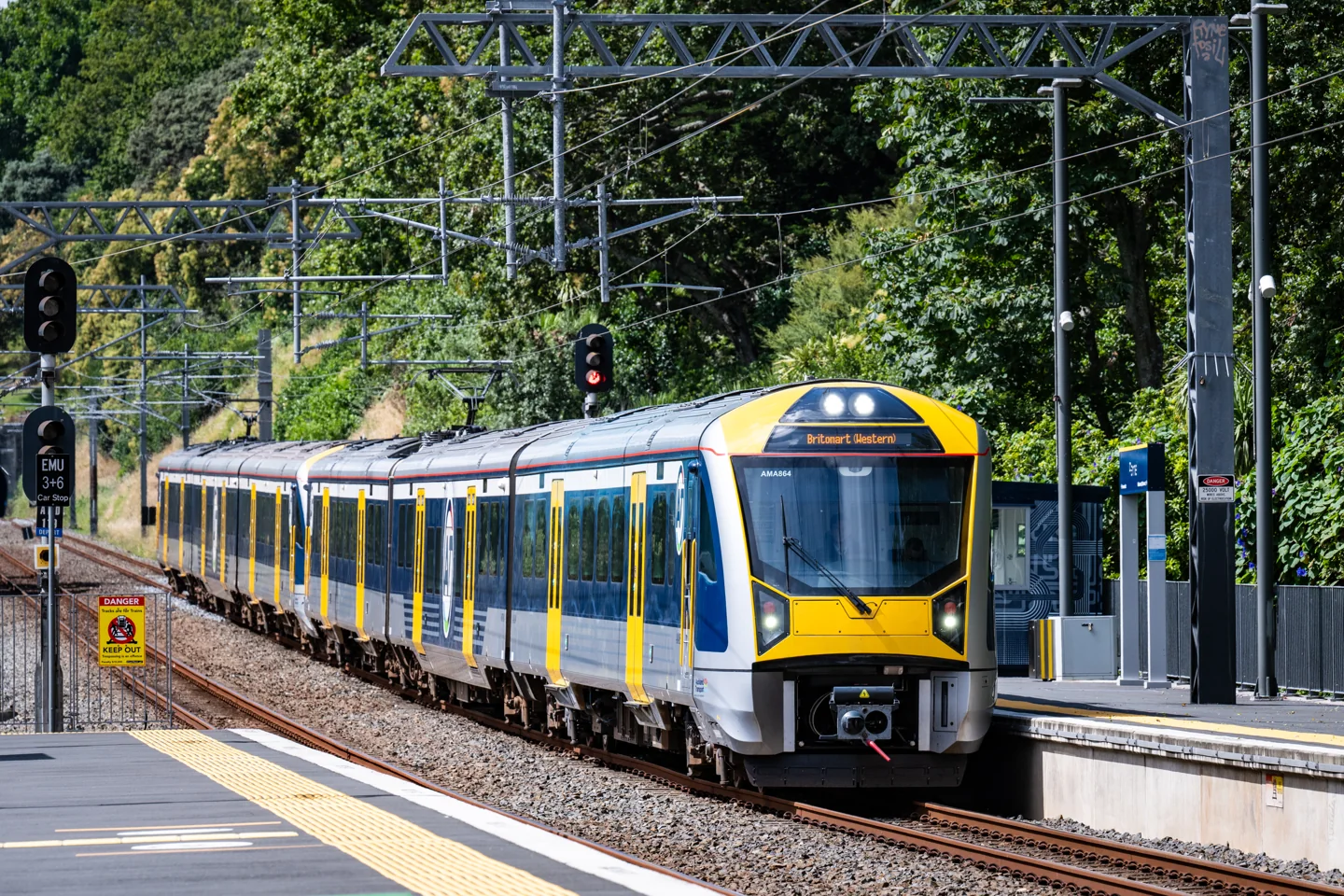
In Auckland, AT HOP and contactless payment can be used on AT buses, trains and most ferries. Tag on and off with the same specific card or device: a phone wallet and the physical card are different payment methods. Concession fares require HOP; Fullers360 Waiheke and tourist services are excluded from the general contactless arrangement.
In Wellington, Metlink explains using Snapper on its network. On trains, tag on at the platform reader before boarding; staff's checking devices cannot perform that tag-on for you. Learn where to tag off and keep the balance topped up. Practise the work or school journey at the time you will use it, including the walk to the stop and any transfer.
14Turn the first month into a manageable routine
Use the first month to replace provisional arrangements with ones you have tested. Keep one shared list of applications, bills, appointments and expiry dates, with a named person responsible for each task.
- In the first week, confirm the address, immigration conditions, insurance and tax-registration plan.
- After moving into the home, retain the condition report, meter readings, payment receipts and account references.
- Before the first pay or bill cycle, check payroll details and the dates payments fall due.
- At the month's end, compare spending with the original budget and resolve applications or service problems still outstanding.
Build a weekly activity into that administrative calendar. A local class, sports group or regular walk gives you repeated contact with the same people. Ask about the actual joining procedure, cost and schedule rather than assuming an advertised activity is always available.
In Christchurch, the Council's Welcoming Communities project is a named starting point for learning about its work with migrants, former refugees, international students and relocated New Zealanders. Its published page describes community planning; it is not a promise of an individual relocation or immigration service.
Keep overseas relationships and practical arrangements working too. Update the people who need your new contact details, retain access to essential overseas accounts and keep the documents needed for future immigration or tax decisions.

Sources & further reading
Reviewed 15 October 2026. Sources are linked beside the relevant instructions. Reviewed on 15 October 2026. The guide accounts for skilled residence changes effective in August 2026 and treats the Ministry of Health changes due on 1 December 2026 as future rules. The Govt.nz work-visa healthcare summary is dated October 2021 and does not resolve every eligibility case. Health New Zealand and MPI pages restricted access; detailed healthcare exceptions and the full 2026 pet-import protocol remain unverified here. The retirement listing was available through current primary search text while its full page returned an availability error. Photographs retain their capture dates. Targeted housing review on 16 October 2026: current Tenancy Services lodgement instructions checked, including the 23-working-day landlord deadline and separate direct-payment arrangement. Reviewed on 15 October 2026. Amounts are New Zealand dollars. The Auckland fare cap applies to the specified AT HOP services, not every journey or payment method. The retirement application price is a starting price, not a complete relocation cost. The rental calculation uses invented weekly rent and is an illustration, not market data. Obtain household-specific prices for accommodation, insurance, freight, education and utilities. Photograph credits, licences and capture years appear with the images.
Browse the source directory
- Immigration New Zealand — Accredited Employer Work Visa
- Immigration New Zealand — skilled residence changes effective August 2026
- Immigration New Zealand — SMC expression of interest and invitation process
- Employment New Zealand — employee rights and responsibilities
- Immigration New Zealand — overseas remote work on a visitor visa
- Inland Revenue — tax residency for individuals
- Auckland Transport — seven-day AT HOP fare cap
- New Zealand Customs — household-effects concession and clearance
- Ministry for Primary Industries — 2026 cat and dog import instructions
- New Zealand Traveller Declaration — timing and completion
- Inland Revenue — IRD number application for new arrivals
- BNZ — identity and address documents for account opening
- Tenancy Services — information for new tenants
- Tenancy Services — charging rent and advance payments
- Tenancy Services — online bond lodgement and deadlines
- Ministry of Education — enrolling students from overseas
- Ministry of Education — school zones and enrolment schemes
- Govt.nz — enrolling a child at school
- University of Auckland — international study and application links
- Immigration New Zealand — Temporary Retirement Visitor Visa
- Ministry of Health — current eligibility and December 2026 changes
- Govt.nz — healthcare on a work visa, guidance dated October 2021
- 2degrees — current monthly and fortnightly Prepay range
- Consumer NZ Powerswitch — comparing energy plans
- Auckland Transport — HOP and contactless payment
- Metlink — using Snapper on buses and trains
- Discover Auckland — Ponsonby neighbourhood
- Christchurch City Council — Welcoming Communities project
Make your next step a practical one
Choose the route and first address together, then organise each household member's immigration, education and care arrangements. Keep the tax, banking, tenancy and utility records separate and review the first actual bills against your moving budget.