Visa

Moving & Living - Niue - Complete Guide
Move to Niue step by step: establish immigration permission, plan work and schools, arrange tax registration, banking, housing, healthcare, phones and transport.
Photo credit
Moving to Niue means organising a home, work and everyday services around a small island community. Alofi is a useful starting point, but the right village depends on the household’s school, transport and care arrangements as much as its preferred surroundings.
This fourteen-step journey takes you from establishing your own immigration position to an ordinary working week. It identifies the local offices, documents and services you can use, and distinguishes a visitor stay from permission to live or work in Niue.
Niue at a glance
- Main service centre
- Alofi
- Currency
- New Zealand dollar · NZD · NZ$
- Immigration authority
- Niue Immigration Department
- Individual tax registration
- Tax Office · TA1 · TIN
- Local banking starting point
- Niue Development Bank · Kiwibank agency
- Hospital
- Niue Foou Hospital · emergency 999
- Transport
- Arrange a vehicle; no public transport system
- Reviewed
- 15 October 2026
Follow your moving journey
Start at step 1, or jump to the task you are working on.
01Choose a village around work, school and a car
Alofi is the practical starting point for a newcomer: compare Alofi North and Alofi South before deciding that a quieter village elsewhere will suit your household. Use the tourism board’s Niue map to locate an actual address, then place your workplace, school and shopping stops on the same map. Avatele, Tamakautoga, Hakupu and Liku are useful places to investigate individually, rather than treating every coastal address as interchangeable.
- Ask the employer or host for the precise workplace and normal starting time. If children are moving, establish which school can consider their enrolment before choosing the home.
- Request a recent video showing the approach, parking, cooking facilities, bedrooms and water arrangements. Ask who can deal with a fault when the owner is away.
- Price the transport required for that address. Niue’s official visitor guidance says there is no public transport system; a cheap room can become an expensive choice if every errand requires paid vehicle hire.
- Book an initial stay you can actually afford while inspecting longer-term options. Keep its cancellation terms beside the immigration and flight timetable.
Judge the property against an ordinary wet morning, a school collection and a shopping trip, rather than its holiday photographs. Ask your prospective neighbours about the way visitors should approach village activities and shared spaces. A village name alone does not establish access rights, a rental offer or a dependable internet connection.

02Establish your own right to enter, remain and work
Start with your passport, birthplace, parentage and any existing Niue status. The Immigration Act consolidation contains exemptions tied to particular birth, descent and residence histories; a New Zealand passport alone is not a reason to assume everyone follows the same procedure. For everyone requiring permission, a visa authorises travel to seek entry, while the permit and its conditions govern staying and working.
- Set out who is moving, the intended dates and purpose: employment, family, study or another proposed stay. Send that outline to the Niue Immigration Department and request the applicable application form, evidence, fee and submission sequence.
- If you have Niuean ancestry or existing permanent residence, ask whether the passport exemption or permanent-residency label procedure applies. The 2024 announcement places these services with Immigration. A label for eligible travellers is not a new settlement programme for everyone else.
- For an actual visit, read the nationality-specific visitor entry requirements. Visa-waiver entry is limited to the stated visit; a stay beyond 30 days requires advance attention.
- Where the published visitor visa application form is appropriate, complete and sign it, attach passport pages, itinerary and confirmed accommodation, and submit it with the requested payment confirmation to Immigration.Niue@gov.nu. The form lists NZ$27 per application; that is not a residence or work-permit quotation.
Keep the response and issued document for each family member. Obtain clarification before travel if the proposed activity or duration differs from what the permission describes.
03Agree the job or business before arranging the move
Ask a prospective employer to describe the position, work location, pay, hours, accommodation and proposed start date in writing. Separate the employment offer from the immigration decision. The published immigration legislation distinguishes work and student permissions; a visitor arrangement is not a substitute for the right conditions.
- For government opportunities, use the Government of Niue vacancies page. Open the particular advertisement and its deadline rather than relying on an old listing. Its general application guidance requests a CV, references, police and medical documents.
- Agree who assembles the employer evidence and who follows up the permission. Put travel, freight, temporary accommodation and any return arrangements into the offer, including what happens if approval or the start date changes.
- For a shop, consultancy or other business, take the proposed activity and ownership arrangement to the Ministry of Finance business-licensing service. Its published process includes an application, public notice and a licence. Company formation, a business licence and personal permission to work need separate answers.
- For overseas remote work, describe the actual services and client locations to Immigration and the Tax Office. No dedicated digital-nomad route was verified for this guide. Obtain a decision on the proposed activity rather than calling it tourism.
Before promising full-time overseas availability, test the connection at the intended home and agree a backup with the employer. Keep the signed contract, approval correspondence and business records together; they will also help explain funds and income to a bank.
04Build a household budget and resolve your tax position
Use New Zealand dollars, NZ$, for the working budget. Separate quoted household costs from optional spending and from money that must remain available for departure or an emergency. There is no verified national monthly living-cost figure in this guide: a village home, a short-stay unit and employer-provided accommodation are different purchases.
| Budget line | Before arrival | Continuing expense |
|---|---|---|
| Housing | Quoted temporary stay, agreed advance rent and deposit | Actual rent and separately billed services |
| Transport | Transfer and initial vehicle hire | Hire or ownership, fuel and maintenance |
| Household | Freight, essential furnishings and installation quotes | Food, replacements and utilities |
| Administration and health | Applicable permits, documents, insurance and medicines | Renewals, cover and care outside the policy |
| Communications | Suitable SIM and activation | Chosen data and calling plan |
A verified narrow example is Telecom Niue’s visitor package: NZ$55 including the SIM, 6GB, 30 specified calling minutes and 30 texts for 14 days. This undated offer was reviewed on 15 October 2026; it is not a permanent household internet budget.
List salary, pension, business receipts and overseas income separately for the Niue Tax Office. Its published material identifies individual return TF1 and employer PAYE forms. The 2025 Income Tax Amendment Act changes administrative and withholding provisions; its application timing refers to separate legislation. The Tax Office’s current service page states 31 August as the TF1 individual-return deadline and offers an online guided form or a paper return, available to download or collect at the office. Confirm which tax year and filing obligation apply to your arrival; the published date does not determine your residence classification or personal rate. Obtain those answers before calculating take-home income or assuming overseas tax treatment continues unchanged.
05Arrange school placement or a confirmed study programme
Niue Primary School and Niue High School are the principal starting points for a school-age household. The Statistics Office education overview identifies these institutions and the USP branch, but dates from 2020. Its description of government provision should not be treated as a current promise of free admission for every foreign household.
- Contact the Education Department on +683 4145 with the child’s age, previous year group, intended arrival and likely address. Ask which school should assess the child, when its next term begins and which person handles enrolment.
- Prepare passport identification, previous school reports, subject information and any learning-support or medical plan. Ask which records the school actually requires and whether originals, copies or translations are needed.
- Discuss language, classroom placement, uniform, transport and support needs before accepting a distant home. Ask for the actual family contribution and equipment list rather than budgeting from a general description of public education.
- For university study, begin with the University of the South Pacific’s Niue Campus. Establish which components are delivered locally, online or elsewhere. Then use USP’s enrolment service for the relevant application and supporting qualifications.
A university admission decision does not itself settle immigration status. Confirm the permission needed for the proposed period and whether any compulsory overseas attendance is affordable. Keep a short handover note from the previous school or programme so the first meeting deals with the student’s needs rather than reconstructing their history.
06Test retirement plans against permission, care and income
No dedicated retirement visa or automatic pensioner settlement option was verified in the current material reviewed. Start with Niue Immigration to establish the permission available to you, including any existing status or relevant family connection. Do not turn a successful holiday into an assumed right to live indefinitely.
- Make a written income schedule showing the paying country, currency, payment dates and receiving account. Ask the pension provider what a move to Niue changes, including evidence-of-life correspondence and any residence conditions.
- Take that schedule to the relevant tax authorities. Separate permission to receive a pension from the tax treatment of that pension.
- Discuss ongoing prescriptions, mobility needs and specialist appointments with your present clinician. Establish how replacement medicines and any necessary off-island appointments would work before choosing the move date.
- Read the proposed insurance wording for age limits, pre-existing conditions, medical evacuation and return travel. Obtain actual acceptance and a premium quotation.
A useful household test is whether you could manage an ordinary month without a visiting relative: collecting supplies, reaching appointments, dealing with a power or plumbing fault and arranging transport. Then test a month when one partner cannot drive. Keep a funded contingency and a contact who has agreed to help with practical arrangements; neither the small community nor a family connection replaces a care plan.
07Prepare the document file, freight and animal permissions
Create a separate folder for each person: passport, issued permission, relevant civil records, employment or study documents and the application correspondence. Keep an encrypted copy accessible without the main laptop. Carry irreplaceable records and essential medication in hand luggage within airline rules.
- Ask the receiving office about the particular certification or translation it needs. Match spellings and birth dates across the forms before paying for new copies.
- Make a freight inventory with descriptions, values and serial numbers where useful. Obtain a quote that states collection, sea or air carriage, destination handling, storage and delivery. Ask what paperwork is required for your actual shipment.
- Refer food, plant, animal and household biosecurity questions to Agriculture, Forestry and Fisheries, +683 4032. Tell them the origin, route and contents before booking carriage.
- For a pet, give the species, identification, age, origin and transit plan. A complete current dog or cat import protocol, fee and quarantine arrangement was not verified. Obtain the animal-specific written conditions and airline acceptance before paying for transport.
The official arrival guidance requires declaration of food and identifies prohibited categories. Do not pack fresh produce or home food on the assumption that a personal-use quantity is exempt. Keep the inventory available at arrival so a declaration is accurate. Sending something as cargo rather than luggage does not answer whether it is permitted or how it will be inspected.
08Match transit permission, arrival date and your first night
A journey through Auckland has a separate immigration question. Immigration New Zealand’s Transit Visa guidance distinguishes nationality and existing visa exemptions. Airside transit is limited to Auckland and up to 24 hours; leaving the transit area or collecting baggage can require entry permission. Establish the appropriate visa, NZeTA or exemption for your itinerary rather than assuming a Niue approval covers New Zealand.
- Compare the calendar dates printed for Auckland departure and Niue arrival. Crossing the International Date Line can make the Niue arrival date the previous day. Send the actual flight details to the accommodation and transfer provider.
- Carry the required passport, permission where applicable, accommodation confirmation and onward arrangements. The official travel guidance requires visitors to pre-book accommodation for their stay and does not allow camping or couchsurfing as alternatives.
- Follow current Immigration Department arrival notices. The Express Lane instructions address residents and regular returning visitors, and still require specified physical-card entries. A first-time newcomer should not assume an online submission replaces every arrival form.
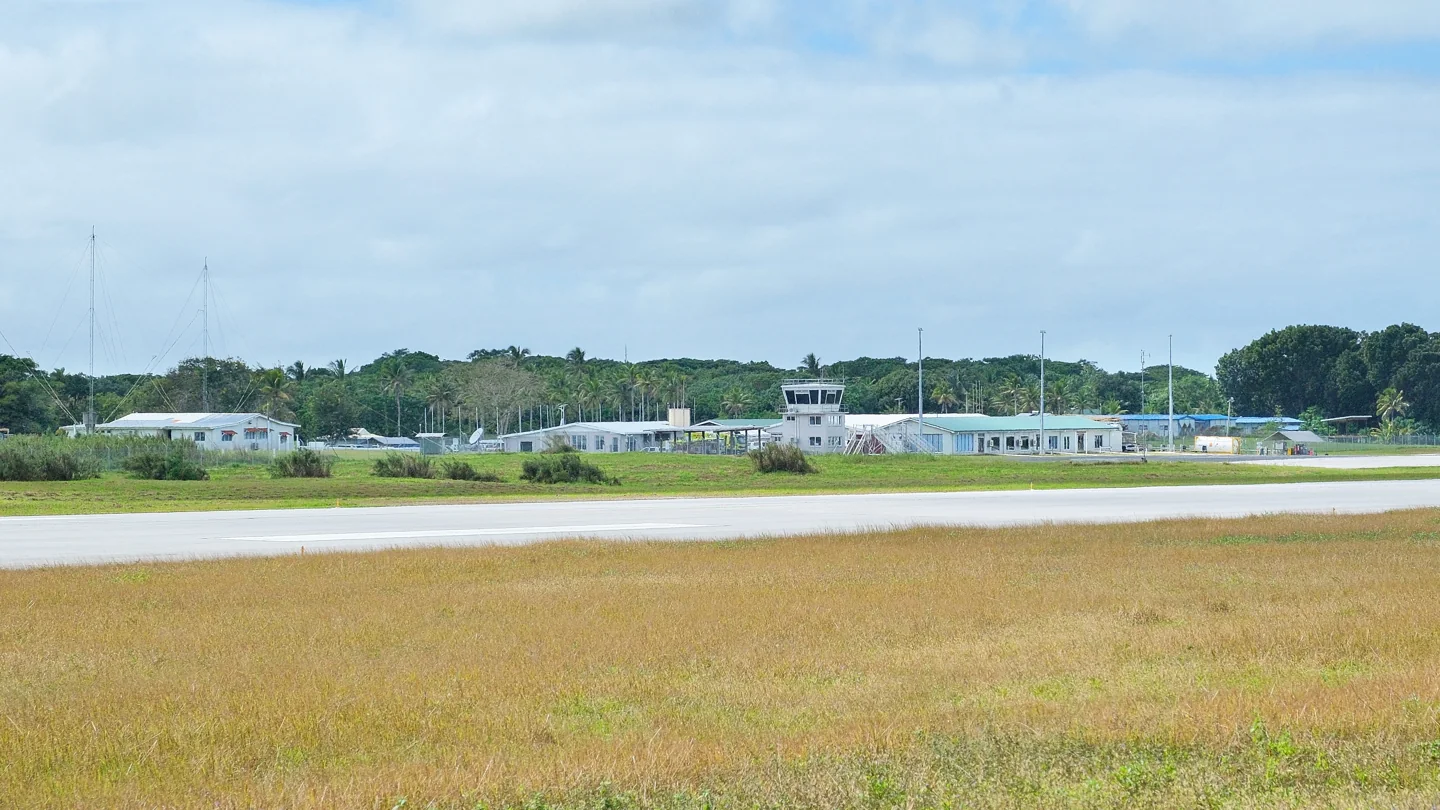
- Declare relevant goods and retain the entry record. Before leaving Hanan Airport, check that your bag, transfer and the first night’s access arrangements are settled.
Photograph the entry endorsement for your private records and note the permission’s expiry. If the recorded conditions differ from the approval you expected, resolve that with Immigration promptly. Keep the host’s number available offline in case your phone has not yet been connected.
09Record your permission and obtain the correct tax number
First compare your issued document with the work or study arrangement. Under the published Immigration Act, a fresh application does not by itself extend an expired permission, and departure can end a permit. Ask how a planned trip affects your particular status before buying a return ticket. Put the actual expiry and any specified follow-up appointment into your calendar.
- Make a list of each household member’s permission, conditions and documents still requested. Ask Immigration which originals must be presented and whether any address or employment change needs to be reported.
- Use Tax Office form TA1 for an individual tax identification number; TA2 is for a company. The published instructions accept a valid passport or birth certificate and explicitly exclude a driver licence as identification.
- Deliver the completed form and evidence to the Tax Office in the Public Service Building at Fonuakula, or follow its email instructions at taxoffice@gov.nu. Keep the submission and the issued number.
- Give the correct tax details to payroll and your bank when requested. Filing a TA1 is not the same as completing an annual tax return.
Build one small administrative record with the office, date submitted, reference and next action. Do not create a fictitious national identity-card appointment: the verified priorities here are the applicable immigration record and TIN. If a dependant’s case is outstanding, track it separately rather than assuming the main applicant’s correspondence covers the whole household.
10Arrange a receiving account and test everyday payments
The Niue Development Bank describes transactional services through its Kiwibank agency, alongside Western Union and merchant EFTPOS services. Its published address is Alofi–Liku Road, Alofi, and contact number +683 4220. This local agency arrangement is the useful starting point; a New Zealand online application should not be assumed to accept someone living in Niue.
- Ask the agency which account is available for your residence and immigration circumstances. Request its current identity, address, tax-residence and funding-source checklist, fees and appointment arrangements.
- Prepare the documents actually requested. Explain whether income comes from local employment, an overseas pension or a business, and whether another household member needs access.
- Confirm the account name, transfer currency, receiving details and all intermediary charges before sending a large amount. Make a small test transfer and retain the receipt.
- Test how you will pay rent, buy groceries and top up the phone. Keep a modest, secure cash reserve for a payment interruption and establish where a cash withdrawal is possible.
A full current foreign-newcomer account-opening checklist and approval timeline were not available in the bank’s public material reviewed. Do not treat this preparation list as an approval promise. Agree how the household will pay its first bills while the application is being assessed, and avoid a situation in which every available card depends on the same overseas bank or phone number.
11Inspect the property and put the rental terms in writing
Start with housing leads from the employer, host or people you can identify locally. Ask whether the proposed accommodation is a genuine longer-term rental, a holiday booking extended by agreement, or tied to the job. Those arrangements can end in different ways and include different services.
- Visit the property with the person authorised to let it. Confirm the address, owner or representative and the exact rooms, garden, parking and furnishings included.
- Run taps, inspect cooking equipment, test locks and look for damp or damage. Ask who supplies water, power and internet, and what happens when equipment fails.
- Write down rent, currency, payment interval, any deposit, start and end dates, notice, repairs, visitors and responsibility for utility bills. If employment supplies the home, record what happens when the job ends.
- Read the agreement before payment. Photograph condition and meter readings with the owner, list keys and furnishings, and obtain receipts for every agreed amount.
A current nationwide rental-deposit cap, standard lease and foreign land-acquisition pathway were not verified. If the proposal involves a land interest, long lease or purchase rather than an ordinary accommodation booking, take the papers to Justice, Lands and Survey, +683 4127, and obtain suitable legal advice. Being offered a house does not establish that the seller or lessor can grant the rights described. Keep the payment schedule tied to the agreement you have actually reviewed.
12Arrange ongoing treatment and cover for off-island care
The Department of Health’s Niue health information sheet identifies Niue Foou Hospital as the island’s only healthcare provider. It gives 999 for emergencies and +683 4100 or +683 4202 for hospital contact. Its visitor information says non-resident visitors pay for treatment. That does not establish the entitlement or charge for every new resident.
- Carry a concise medical summary, prescription names and doses, allergies and relevant test results. Arrange enough ongoing medication for the planned period with your clinician and confirm carriage and import requirements for controlled medicines.
- Contact the hospital about continuing treatment, prescriptions and appointment arrangements. Explain your status and ask how charges or any eligibility assessment apply to your household.
- Read the insurance schedule for local treatment, specialist referrals, emergency evacuation, escort and onward accommodation. Check who authorises transport, which destination is covered and what you must pay first.
- Save the hospital and insurer numbers offline. Tell another household member where the policy, medicines and medical summary are kept.
Do not schedule an essential specialist visit on the assumption it is available locally. Discuss the actual service and lead time with the provider. For a condition requiring regular monitoring, agree the first appointment and supply plan before the last medicine runs out. Keep a record of payments and clinical documents for claims, and distinguish an insurer’s approval from an airline booking or a hospital appointment.
13Connect the home, register the phone and arrange driving
Take the actual address and existing account details from the landlord. For the responsible electricity or water office, start with the Ministry of Infrastructure, +683 4297. Establish whether you need a new account, a transfer or simply payment through the owner; do not pay an invented standard connection charge.
- Record the opening readings and responsibility for any earlier balance. Ask who reports a fault, the billing interval and what payment reference to use.
- Choose a plan based on the stay and the connection at the property. Telecom Niue’s SIM terms require registration and identity/address information. Test calls and data before relying on the connection for work; its published balance service is *888#.
- For driving, follow Niue’s local licence instructions: take your current home licence to the Police office in Alofi and establish the local processing fee. Motorbike use requires the appropriate motorcycle entitlement.
- Read the hire contract for insurance excess, permitted drivers, fuel, damage reporting and collection times. Arrange a vehicle suitable for both the daily journey and essential errands.
Keep the provider, account reference and fault contact together. Test the arrangements yourself: place a call from the home, make one bill payment and complete the school or workplace journey. A solar installation shown in a photograph does not tell you the supply or tariff at an individual rental.

14Build a village routine and close the first-month gaps
Make time for the places used by residents, rather than filling every free day with a visitor itinerary. The official shopping and market directory identifies Alofi’s makete on Wednesdays and Fridays, with local produce and prepared food. Confirm the current opening arrangements before a special journey and use the visit to learn what is actually available for your weekly meals.
- Introduce yourself through people you already know at work, school or your accommodation. Ask how to approach village events, church activities or a sports group, and which spaces require an invitation or permission.
- Learn practical greetings in Vagahau Niue and ask people how they prefer their names pronounced. Let local hosts explain the appropriate customs for the particular occasion.
- Review the first bills against the moving budget. Replace estimated groceries, transport, data and utility amounts with actual spending, and decide whether the longer-term home still works.
- Check that immigration follow-ups, tax correspondence, school placement and any account application have a recorded outcome or a named next action. Put renewals and planned travel dates in the same calendar.
Keep the routine manageable: one shopping plan, a dependable transport arrangement, a way to reach care and a few people with whom contact is reciprocal. At the end of the month, close tasks with receipts or issued records rather than treating an unanswered email as an approval. The aim is an ordinary week that your household can repeat comfortably.
Sources & further reading
Reviewed 17 October 2026. Sources are linked beside the relevant instructions. Reviewed on 15 October 2026. The 2019 legal consolidation is distinguished from later amendments and current case instructions. The education overview dates from 2020. Pet-import conditions, current personal tax treatment, newcomer account requirements and resident healthcare charges remain case-specific or unresolved where stated. Photographs retain capture dates. Tax Office TIN instructions and published 31 August TF1 deadline, and Niue Development Bank agency details, rechecked on 17 October 2026; personal tax treatment still needs assessment. Reviewed on 15 October 2026. Amounts are New Zealand dollars. NZ$27 is the published visitor application form fee, not a residence or work-permit fee. NZ$55 is an undated 14-day Telecom visitor offer reviewed on that date. No national monthly cost estimate is asserted; obtain actual household quotations. Photograph credits, licences and capture years appear with the images.
Browse the source directory
- Niue Tourism — entry, accommodation and declarations
- Government of Niue — Immigration Department notices and contacts
- Niue Immigration — exemption and permanent-residency passport labels
- Government of Niue — Immigration Act in the 2019 consolidated laws
- Niue Immigration — visitor visa application form
- Ministry of Finance — tax identification, forms and business licences
- Government of Niue — Income Tax Amendment Act 2025
- Government of Niue — agency directory
- Telecom Niue — visitor SIM packages
- Telecom Niue — SIM registration and plan terms
- Niue Development Bank — local banking services
- Niue Statistics — education overview, February 2020
- University of the South Pacific — Niue Campus contact
- University of the South Pacific — enrolment service
- Niue Tourism — transport and local driving licence
- Niue Tourism — Alofi market and shopping directory
- Government of Niue — vacancies and application guidance
- Niue Department of Health — hospital and visitor health information
- Niue Tourism — map of places and services
- Immigration New Zealand — Transit Visa requirements
Make your next step a practical one
Establish the applicable immigration position first, then connect the job or study plan with a workable home, transport and care arrangement. Complete each household member’s records and replace budget assumptions with actual first-month bills.