Visa
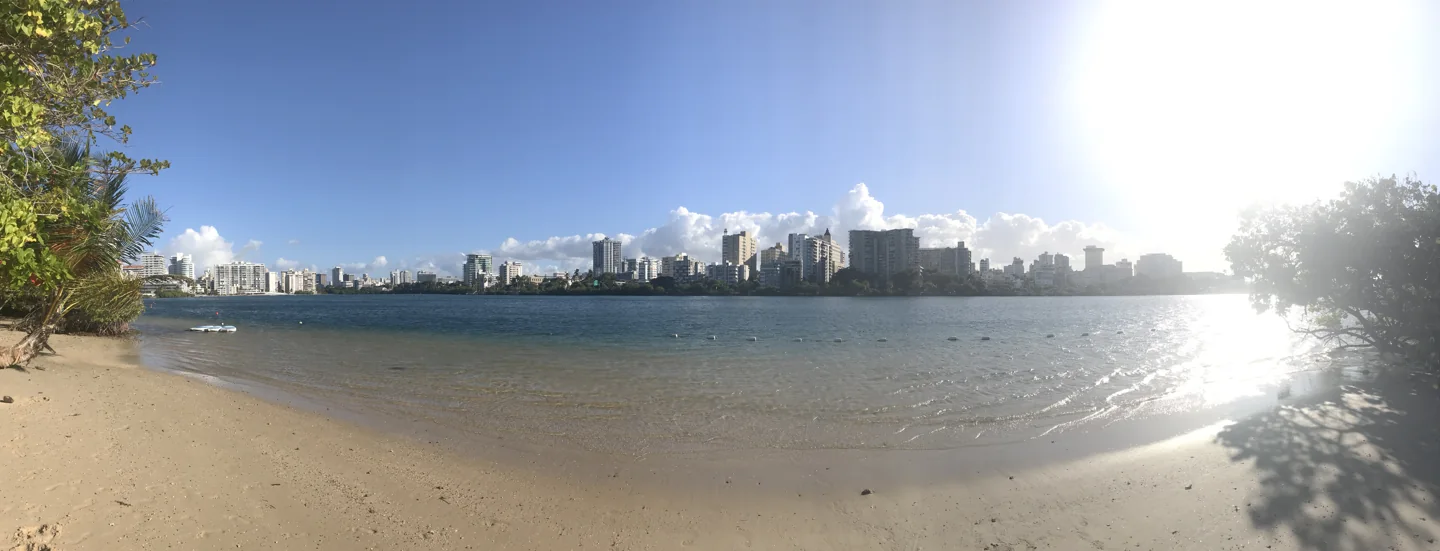
Moving & Living - Puerto Rico - Complete Guide
Move to Puerto Rico step by step: establish US immigration permission, choose a neighbourhood, prepare tax records, arrange schools, rent a home and set up healthcare and services.
Photo credit
A move to Puerto Rico can mean a San Juan school run, a Río Piedras campus routine or a household based in Ponce or Mayagüez. Begin with the places you need each week and the permission each person has to live and work there.
These fourteen steps connect the preparations with the practical tasks after arrival: sorting the immigration category, documenting tax obligations, bringing the right records and establishing housing, banking, healthcare and everyday services. Puerto Rico’s local procedures sit alongside US federal requirements; the guide identifies which authority handles each task.
Puerto Rico at a glance
- Currency
- US dollar · USD
- City starting points
- San Juan · Ponce · Mayagüez · Caguas
- Immigration framework
- US immigration law
- Tax services
- Hacienda / SURI · IRS
- Driving applications
- CESCO
- Urban transport starting point
- ATI · Tren Urbano
- Reviewed
- 15 October 2026
Follow your moving journey
Start at step 1, or jump to the task you are working on.
01Choose a base around the journeys you will make every week
Start with a map of the workplace, school, medical appointments and food shopping. A San Juan address is not enough information to judge the journey: Condado, Santurce, Hato Rey and Río Piedras offer different starting points. Compare a specific building and route, including the walk at each end, rather than choosing an entire municipality from holiday photographs.
| Starting point | What to investigate | Decision to make before signing |
|---|---|---|
| Condado and Santurce, San Juan | The actual walk to school, shops and the relevant bus stop; building access and noise at the intended hours. | Whether the desired daily routine works from that street without assuming every journey is walkable. |
| Hato Rey and Río Piedras | The route to the workplace or campus and the connection to the Tren Urbano network. | Whether the station, timetable and last part of the journey serve the actual destination. |
| Bayamón | The address in relation to stations and the onward journey into the San Juan area. | Whether the full commute works for every household member. |
| Ponce, Mayagüez or Caguas | Local employment, the chosen school and clinicians, and the practical transport arrangement. | Whether the household can build its routine locally or would depend on frequent longer journeys. |
Use the Integrated Transport Authority’s route information to test a transport-based plan. Its published T3 route connects Sagrado Corazón with San Juan; do not assume a rail station is the final stop for an Old San Juan destination. Ask the school and employer for the entrance you should use, then test the connection during the hours that matter.
- Choose two or three candidate areas around confirmed destinations.
- Book an initial stay that lets you inspect homes and make those journeys.
- Visit candidate buildings by day and at the times you expect to return home.
- Compare the complete monthly arrangement: housing, transport, utilities and any parking, rather than rent alone.

02Establish each person’s US immigration position before booking a move
Puerto Rico is included in the geographic United States for the immigration statute’s definition in 8 USC 1101(a)(38). Start with US citizenship or the person’s actual US immigration category. A Puerto Rico tax incentive, property purchase or intention to retire is not a substitute for permission to enter, reside or work.
US citizens travelling between the United States and Puerto Rico: USAGov’s territory travel instructions say a passport is not required for that journey. Prepare the identification accepted for the flight and any documents needed for the actual itinerary. Travel through another country introduces that country’s requirements; the domestic-journey rule should not be extended to a different route.
People who are not US citizens: identify the status already held, its validity and conditions, or the category for which an application is needed. Use the Department of State’s visa category directory to reach the instructions matching the purpose. Family members need their own appropriate position; one person’s approved application does not describe everyone’s rights.
- List every traveller’s citizenship, passport and existing US status documents.
- Match the intended activity to the appropriate category and responsible application service.
- Obtain the required employer, family or educational evidence and follow that category’s submission instructions.
- Record the decision, permitted activity and any expiry or follow-up obligation before making the move depend on approval.
The State Department’s visitor visa instructions exclude employment, ordinary study and permanent residence from the listed B-visa activities, and say B1/B2 visitors cannot accept employment or work. A visitor trip to inspect neighbourhoods should remain within its permitted activities. Establish the correct work or study permission separately; a possible change of status is not automatic approval.
03Match the job or business activity to the permission to work
Obtain the employing entity’s name, workplace, gross pay, hours and payroll arrangements before comparing an offer with the move budget. For a remote role, have the employer confirm the proposed Puerto Rico work location and who will assess payroll, insurance and tax obligations. A manager’s approval to work remotely is not the same task as establishing immigration permission.
USCIS’s employment overview distinguishes temporary worker classifications, permanent employment categories and other bases for employment authorisation. Employer petitions commonly precede a visa application, but some classifications permit self-petitioning. Use the rules for the actual category instead of assuming every worker needs the same sponsor or document.
- Identify the current status or proposed category for the worker and any accompanying people.
- Have the employer or authorised adviser establish whether a petition, labour process or employment-authorisation application is required.
- Reconcile the activity, employing entity and start date with the permission actually granted.
- Obtain the payroll explanation, benefits start date and records needed for salary payments.
For an entrepreneur, establish the permission covering your own work separately from creating a company or signing a customer contract. The DDEC’s compliance guidance also treats incentive decrees as arrangements with continuing conditions and reporting requirements. Do not book a tax saving as available cash simply because a business or new address has been established.
Keep the contract, approval records and any expiry or renewal dates together. If the job, employer or activity changes, resolve what that change requires before starting it. Build a contingency for a later start date rather than relying on work income before its legal and payroll arrangements are ready.
04Build the cash budget and establish the tax position before relying on a saving
Use US dollars and separate the cost of arriving from the cost of maintaining the household. Keep refundable security separate from ordinary spending: it still uses cash when rent, transport and service deposits fall due together.
| Initial costs | Recurring costs |
|---|---|
| Travel, freight, document preparation and temporary accommodation | Rent, utilities, communications and groceries |
| Rental security, first payment and service deposits | Commuting, parking and vehicle insurance where needed |
| School entry charges and essential equipment | Tuition, health cover, treatment and professional advice |
Hypothetical signing calculation: if a particular lease agreed USD1,600 monthly rent and USD1,600 security, the first rent payment and security would use USD3,200 before other charges. These are illustrative inputs, not a current San Juan quotation or a statement of legal deposit limits. Obtain the actual address’s complete terms.
The IRS Form 8898 instructions separate the presence test, tax home and closer connection when assessing bona fide territory residence. For US citizens and resident aliens, 183 days is one presence-test route, not the whole residence test. The instructions specify different treatment for nonresident aliens and exceptions for a year of moving.
The IRS Puerto Rico filing guidance distinguishes Puerto Rico-source income from other income and preserves separate rules for US government employees. It also explains that self-employment reporting can remain necessary even without a federal income-tax return obligation. Have income sources and filing requirements assessed before assuming the move makes every receipt exempt.
- List employment, business, pension, investment and property income, including payments from outside Puerto Rico.
- Keep travel dates and evidence relevant to the home, work location and connections.
- Have a qualified adviser determine the Puerto Rico and federal filing position, including the move year.
- Reserve cash for liabilities not withheld through payroll and assess any incentive separately.
05Complete the school or university admissions process before relying on a place
Use the child’s age, curriculum, language and support needs to build the shortlist. Obtain the campus address and school-day times before testing the commute. Ask for the full annual cost, separating application, enrolment, tuition, transport, meals and activities.
For a concrete San Juan example, Saint John’s School in Condado requires an online application, birth certificate, PVAC-3 or immunisation record and a family/student introduction letter. Its published non-refundable application fee is USD150, checked 15 October 2026; this is an application charge, not tuition. Grade-specific requirements include school records and recommendations, with ISEE testing and an admissions interview for the stated elementary and secondary groups. For 12th grade, the school considers only extraordinary cases: applicants must provide evidence for the committee’s case-by-case assessment and meet at least one of its listed academic, returning-student or community-contribution conditions. An admitted senior must commit to at least five academic courses for the year.
- Confirm the appropriate entry grade and obtain its complete checklist.
- Request the records from the current school and disclose support needs early enough for assessment.
- Arrange the required test, visit or interview and keep the application complete.
- Obtain the written result and acceptance conditions before making housing depend on that placement.
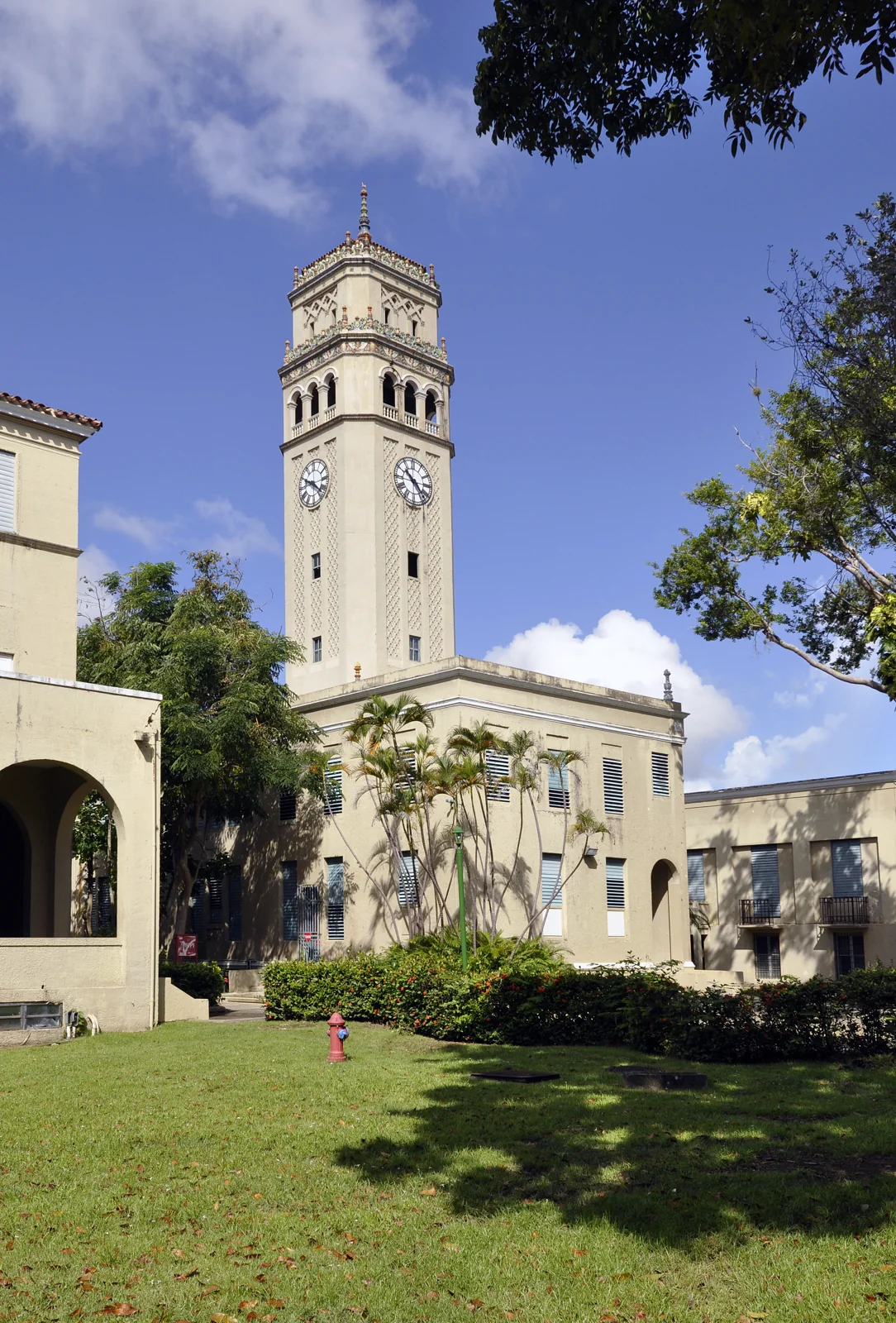
At the University of Puerto Rico’s Río Piedras campus, the undergraduate instructions distinguish US high-school applicants, applicants from outside Puerto Rico and the US, and university transfers. The foreign-secondary branch asks for the relevant examination results, a certified transcript and a Puerto Rico Department of Education equivalency certification. A transfer has a different document route; do not order the wrong evaluation because another applicant needed it.
Use the chosen programme and intake to establish the deadline and document route. International applicants are directed to DARI for immigration arrangements; admission and the permission to study are separate stages. Ask for the actual tuition classification, medical records, insurance requirements and enrolment steps before treating a course enquiry as a completed move plan.
06Prepare the household records, shipment and the correct pet-entry branch
Make one record pack per person: identity, immigration decisions, birth and relationship records where relevant, education documents, medical summaries and employment evidence. Keep originals accessible during travel and a secure backup separate from the luggage. Ask the receiving institution which format it accepts before paying for certification or translation that it has not requested.
For belongings, obtain a written inventory and a quotation identifying collection, shipment, storage, delivery, insurance and any destination charges. Give the mover the actual origin and items, including any vehicle. Require the firm to identify the clearance arrangements applicable to that shipment; an interstate household shipment and an international import should not be treated as identical.
Dogs and cats arriving from another US state or territory: the Department of Agriculture’s published entry regulation does not require its import permit for that branch. It requires an official veterinary inspection certificate valid for 30 days from inspection, identification and the stated vaccination records. For animals over four months, its rabies requirement specifies vaccination within six months of shipment. External parasite treatment within 72 hours before entry must be recorded on the health certificate. Have the accredited veterinarian work from the regulation itself.
International dog arrivals: apply the federal requirements as well. For dogs that have only been in rabies-free or low-risk countries during the preceding six months, CDC’s relevant branch requires the dog import form receipt, a healthy dog at least six months old and a readable microchip. The local rule’s identification alternatives do not cancel this federal microchip requirement.
A foreign-vaccinated dog arriving from a high-risk country has a different process, including a reservation with a CDC-registered animal care facility and an appropriate first US arrival airport. Resolve that route before booking a direct Puerto Rico flight. CDC’s dog conditions should not be presented as the cat checklist.
- Give the veterinarian the origin, recent travel history, species and complete flight itinerary.
- Confirm the applicable local and federal branches and the carrier’s acceptance conditions.
- Schedule certificates and treatments within their respective windows.
- Carry the records and arrange collection and ground transport at arrival.
07Use the first days to establish a working address and essential access
Keep the initial address and host’s arrival instructions available offline. Arrange how each person, pet and essential bag will reach it. Do not make the first night depend on an unfinished lease or an electricity connection that has not been confirmed.
- Check in and confirm the practical address, access arrangements and emergency contact for the accommodation.
- Test the phone, payment card and internet connection you will use for appointments and account verification.
- Inspect any urgent medical or medication needs and confirm where the planned provider is located.
- Put the immigration decision and any actual arrival or follow-up documents in the individual record pack.
- Schedule the outstanding school, bank, Social Security or service-provider appointments using the checklist for your circumstances.
Use a simple appointment sheet with the purpose, required originals, location and next action. Keep a separate list of records that depend on a permanent address, so that a temporary booking is not represented as evidence of occupancy that an institution has not accepted. If an employer or school is helping, confirm who is making each submission and who keeps the confirmation.
During the first few days, make the ordinary journeys on the proposed timetable. Test grocery shopping with bags, the school entrance and the return journey after work. Note the travel cost and the actual time door to door. These observations are useful evidence for choosing a lease and transport arrangement; they do not require committing to either immediately.
08Complete the identity records and driving application that fit your status
Separate the Social Security number, immigration documents, tax records and driving licence. They serve different purposes. Carry the specific evidence requested by the institution rather than assuming one number replaces every other record.
If you have never had an SSN, Social Security’s first-number service describes a free application starting online and continuing at a local office with documents. US citizens and certain eligible noncitizens can apply; not every foreign arrival qualifies. Its stated five-to-ten-business-day mailing period begins after approval, not at the start of an incomplete application. Keep an existing number rather than requesting another because you changed address.
For driving, CESCO’s reciprocity checklist applies to licences from eligible jurisdictions, rather than every foreign licence. It calls for the valid licence and a driving record issued within 30 days of the transaction, along with the relevant medical, identity, Social Security and lawful-presence evidence. Its residential-address evidence must be no older than two months; the stated DTOP-DIS-156 authorisation applies where the document is in another person’s name.
- Identify the exact CESCO application category for the licence you hold.
- Obtain its medical form and document checklist before scheduling the transaction.
- Order the driving record close enough to the appointment to meet its age limit.
- Prepare the address evidence and any required named-person authorisation.
- Confirm the fees and attend with the originals; the reciprocity instructions provide for surrender of the previous licence when the Puerto Rico licence is delivered.
Do not mistake the driving-record age limit for a universal deadline to exchange a licence. If reciprocity does not apply, establish the appropriate application and interim driving position with CESCO. Arrange transport for the household while that is being resolved.
09Set up the tax records and keep Puerto Rico and federal tasks distinct
Keep a list of the returns, records and payments the household actually needs. A change of address, a local tax account and a federal residency notification are separate transactions. Record the taxpayer, authority, period and confirmation for each rather than using one folder labelled “tax done”.
Puerto Rico’s Treasury uses SURI for individual income-tax administration. Its 2026 filing circular for the 2025 return describes the individual income-tax account, electronic filing, supporting evidence and retention of the confirmation and return copy. It also requires the taxpayer’s proper authorisation when a specialist files through the account. That circular concerns tax year 2025; it is not a published deadline for a later return.
- Establish whether you already have a taxpayer record and which account or registration applies before creating a duplicate.
- Use the official service and retain the account-recovery details under your control.
- Give a specialist the appropriate authorised access and obtain copies of what is filed.
- Check the tax year, required evidence and payment allocation before treating a filing as complete.
For a move that changes bona fide territory residence, review the Form 8898 filing conditions. The instructions combine a worldwide gross-income threshold above USD75,000 with specified residency-change circumstances. The threshold is tested for the individual, excluding the spouse’s income. Do not assume every mover must file it, or that a Puerto Rico return replaces it.
Keep federal and local confirmation numbers with the exact return and supporting records. When the arrival date or income arrangement changes, update the calendar with the adviser so an assumption made before the move does not silently become the basis of a later filing.
10Bring the bank’s identity records and activate the payment methods you need
Compare the account against the household’s real payments and income. Keep an existing card working while the new account is assessed, and ask payroll which routing and account details it needs. An account-opening enquiry is not confirmation that the bank has accepted the documents.
Banco Popular’s branch checklist distinguishes US citizens from foreign citizens resident in Puerto Rico. The foreign-resident branch lists the Social Security card, a current passport from the country of citizenship and one additional accepted identity document, such as the listed residence, work-authorisation or driving document. Resolve the bank’s instructions for your circumstances before relying on an application route that assumes a document you do not hold.
- Ask the branch for the checklist for the intended product and applicant category.
- Prepare the original records and requested residential, tax and income information.
- Read the fee schedule and conditions for any waiver before signing.
- Activate the card and digital access yourself, test a small payment and give payroll the verified account details.
As a product-specific recurring-cost example, Popular’s Mi Cuenta page advertises a zero monthly service charge when an eligible account receives direct deposit or maintains the specified average combined balance of at least USD500. This was checked 15 October 2026. Read the complete terms; it is not a statement that every account or every service is free.
The product also supports ATH Móvil with the required participating-bank debit-card registration. Establish the actual payment method the landlord accepts before sending rent. Save confirmations showing the beneficiary, amount and reference, and keep the phone number used for account recovery current.
11Inspect the home and put the complete rental agreement in writing
Ask for the draft contrato de arrendamiento early enough to understand it. Verify the owner or representative’s authority and match the unit, signing party and payment recipient. Separate rent from security and from utility or building charges instead of relying on the headline amount in an advertisement.
- Record the term, rent, security, payment dates and which charges are included.
- Agree renewal, notice and early-termination terms, occupants, pets and repair responsibilities.
- Obtain the building’s rules for parking, access, generators and any shared facilities you expect to use.
- Confirm which documents the landlord supplies for utility transfers and other applications.
- At handover, record keys, inventory, readings and existing damage, with dated photographs acknowledged by both parties.
Test ventilation and air-conditioning arrangements, look for signs of moisture, and ask how water storage and backup power work at that particular property. Establish who maintains shared equipment and how any associated charges are billed. A claim that the building has a generator does not explain which circuits, hours or units it serves.
Keep rent receipts, correspondence and repair reports together. Ask how security will be reconciled and what evidence supports deductions. Obtain an explanation of clauses you cannot assess before signing; a summary from an agent should not replace the agreement you are accepting.
For questions about possession or a tenancy dispute, the Puerto Rico judiciary’s property guide distinguishes the rights involved and the judicial processes, including desahucio and temporary protection of possession. The appropriate process depends on the circumstances. Use that official starting point to identify the issue, with the lease and payment records available for qualified advice.

12Confirm local treatment access and the coverage that pays for it
Start with the care you use: prescriptions, primary care, specialists, laboratory work and any equipment that depends on electricity. Ask the employer or insurer for the actual Puerto Rico provider network and effective date. Carry a clinical summary and medication details so the next clinician can assess continuity rather than reconstructing the history from memory.
- Confirm which existing cover applies after the address change and which services require a new plan.
- Locate the providers you would actually use and ask whether they accept the chosen product.
- Establish referrals, authorisation, deductibles, copayments and the process for reimbursement.
- Arrange the first routine appointment and prescription review before the departure supply runs low.
For eligible Medicare beneficiaries: Medicare’s enrolment instructions specifically say that the described beneficiaries living in Puerto Rico do not receive Part B automatically. Follow the branch for your age, benefit and coverage circumstances and contact Social Security about enrolment. The page explains that missing the applicable enrolment opportunity can mean waiting and a late penalty; do not assume the Part A card completes the outpatient-cover decision.
Use Medicare’s enrolment-method selector to choose the relevant submission route. For the stated case of an existing Part A beneficiary losing job-based cover, it directs an online Part B application and employer evidence on CMS-L564, sent to Social Security. That is a case-specific route, not an instruction for every retiree.
For possible government-plan eligibility, begin with Puerto Rico’s official Medicaid programme, which provides the application starting point and Plan Vital information. Obtain an eligibility determination for the actual household rather than assuming that a new address alone establishes coverage. Keep the result and the plan’s provider information with the household records.
For retirement planning, compare premium and treatment costs with the pension budget and the locations of the required clinicians. Arrange any gap between old and new cover explicitly. A decision to retire in Puerto Rico should include the working healthcare arrangement, not only the accommodation and flight.
13Establish the electricity account and test household communications
Ask the landlord which supplies are active, which remain in the landlord’s name and which must be transferred. Obtain the physical and mailing addresses, meter information and recent bills. Photograph readings at handover and retain them with the lease.
LUMA’s residential service checklist distinguishes a new electrical service from a transfer. It lists government photo identification, Social Security number, evidence of lawful occupancy and a deposit. A new service additionally calls for the electrical installation certification and use permit; for a transfer, the certification is listed for premises without service for over a year. The meter number is part of the transfer checklist.
- Identify the correct transaction and collect the lease or other accepted occupancy record.
- Resolve missing identification or an unavailable Social Security number directly with LUMA before making the move depend on activation; its published checklist does not establish every alternative-document case.
- Request the service by the listed customer-service channel and obtain the deposit assessment and service reference.
- Confirm activation and the account holder, then check the first bill against the agreed start and readings.
For water, use the Autoridad de Acueductos y Alcantarillados’ Mi Acueductos instructions and official portal. Create the profile with your email, activate it using the confirmation, then associate the appropriate account with the account holder’s or authorised person’s validation details. The Services menu includes Alta de servicio and service-order status. Establish the activation or transfer evidence for your exact property with AAA; registering a portal profile alone does not confirm a working supply.
If using direct debit, set the limit deliberately. AAA explains that a bill above the authorised maximum leaves a balance to pay by the due date. Keep the service-order confirmation and test the first bill. Arrange fixed internet for the exact unit, with responsibility for installation access and equipment written down. Test mobile reception inside the home and obtain the plan’s actual Puerto Rico coverage and renewal terms.
Ask how the home handles a power interruption, including any shared generator, permitted equipment and building rules. Establish practical charging and communications arrangements for work, school and medical equipment. Keep the provider’s fault-reporting channel and the property contact available offline, with the account details needed to identify the supply.
14Test the transport plan and close the first-month task list
Build the weekly plan around the actual work and school timetable, medical care and household shopping. Decide whether public transport serves the full journey or whether a car, another connection or a different address is needed. A route that works for one adult may still leave another household member without a usable return journey.
The Integrated Transport Authority’s published fare information lists a USD50 normal 30-day unlimited product for the stated Tren Urbano/AMA/MetroBus arrangement, checked 15 October 2026. Metro Urbano is excluded from that unlimited product. Establish which services the intended journey uses and confirm the applicable product before purchase. This is a named transport product, not a national monthly living-cost estimate.
- Make the complete commute and school journey at the required times, including the walk and transfers.
- Save the relevant operator route information and the alternative journey for a missed connection.
- Test the household’s rent and utility payment methods and store the confirmations.
- Confirm the school start, payroll details and first medical appointment.
- Put actual immigration, licence, insurance and tax follow-up dates in a shared calendar.
- Review the first month’s spending against the budget and replace estimates with the bills received.
For community, begin where the household already has a reason to return: a campus, school activity, neighbourhood public space, sports class or professional association. Ask the organiser about the language, meeting place, cost and registration before attending. Choose activities that fit the ordinary week rather than adding another difficult journey.
Finish the month with a short document review. Confirm that each completed application has a receipt or decision, each service has an account reference and the household knows the next action on anything outstanding. Keep evidence of the move’s actual dates and living arrangements for the tax review. The aim is a settled routine supported by records you can find when the next institution asks for them.

Sources & further reading
Reviewed 15 October 2026. Sources are linked beside the relevant instructions. Use the branch matching citizenship, existing US status, household and itinerary. The Hacienda circular covers the 2025 return filed in 2026. Federal and local tax tasks can differ. Pet instructions distinguish interstate movements, international low-risk dog arrivals and high-risk-country routes. School applications and account enquiries do not guarantee acceptance. Reviewed 15 October 2026. The USD150 fee is Saint John’s School’s published application charge, not tuition. The USD50 30-day fare is the named ATI product with its stated service scope. Banco Popular conditions are product-specific. Rental figures are hypothetical arithmetic, not a market quote or legal deposit limit. Obtain actual household quotations for housing, care, insurance and shipments. Photograph credits, licences and capture years appear with the images.
Browse the source directory
- 8 USC 1101 — statutory definitions
- USAGov — travel to US territories
- State Department — visa categories
- State Department — visitor visas
- USCIS — working in the United States
- AAA — Mi Acueductos instructions
- AAA — Mi Acueductos service
- IRS — Form 8898 instructions
- IRS — Topic 901
- DDEC — tax decree compliance
- Hacienda — circular 26-02
- Hacienda — SURI
- LUMA — residential service applications
- Banco Popular — account documents
- Banco Popular — Mi Cuenta
- Saint John’s School — admissions
- UPR Río Piedras — undergraduate admissions
- Medicare — enrolment instructions
- Medicare — choose the enrolment method
- Puerto Rico Medicaid — application starting point
- Puerto Rico Judiciary — property matters
- Social Security — request a first number
- CESCO — applications and forms
- ATI — urban transport routes and fares
- Puerto Rico Agriculture — animal entry regulation
- CDC — dogs from rabies-free or low-risk countries
- CDC — foreign-vaccinated dogs from high-risk countries
Make your next step a practical one
Establish each person’s immigration and work position, obtain the school or employer records, and test the proposed address before committing to a long lease.