Visa

Moving & Living - Rwanda - Complete Guide
Move to Rwanda step by step: Kigali journeys, employment and business permits, school and university applications, resident ID, banking, housing, healthcare and local services.
Photo credit
A move to Rwanda may start with a Kigali job offer, a university place or a retirement plan supported by assured income. The order matters: a visitor’s arrival arrangements, permission for the intended activity and the subsequent resident identity card are distinct stages.
These fifteen steps connect the paperwork with everyday life. They explain employer and business categories, school placement, banking evidence, the rental handover, healthcare appointments and the Tap&Go bus card. Optional education, business, retirement and pet arrangements are identified within the journey.
Rwanda at a glance
- Main city starting point
- Kigali
- Immigration authority
- DGIE
- Government service portal
- IremboGov
- Tax authority
- Rwanda Revenue Authority · RRA
- Bus payment
- Tap&Go
- Electricity support
- REG · 2727
- Reviewed
- 15 October 2026
Follow your moving journey
Start at step 1, or jump to the task you are working on.
01Choose the home by testing the daily journey and setting up bus payment
Start with the actual school, campus or workplace address. Compare homes against the complete journey to that entrance, including the walk to transport and the final connection. A neighbourhood name is not enough to establish the time or cost of a daily trip.
In Kigali, use a short stay to compare the proposed home with the household’s destinations. Test the outward and return journey at the hours it will normally be made. Note where groceries and regular appointments fit into the route, and inspect the path back from the stop as well as the property itself.
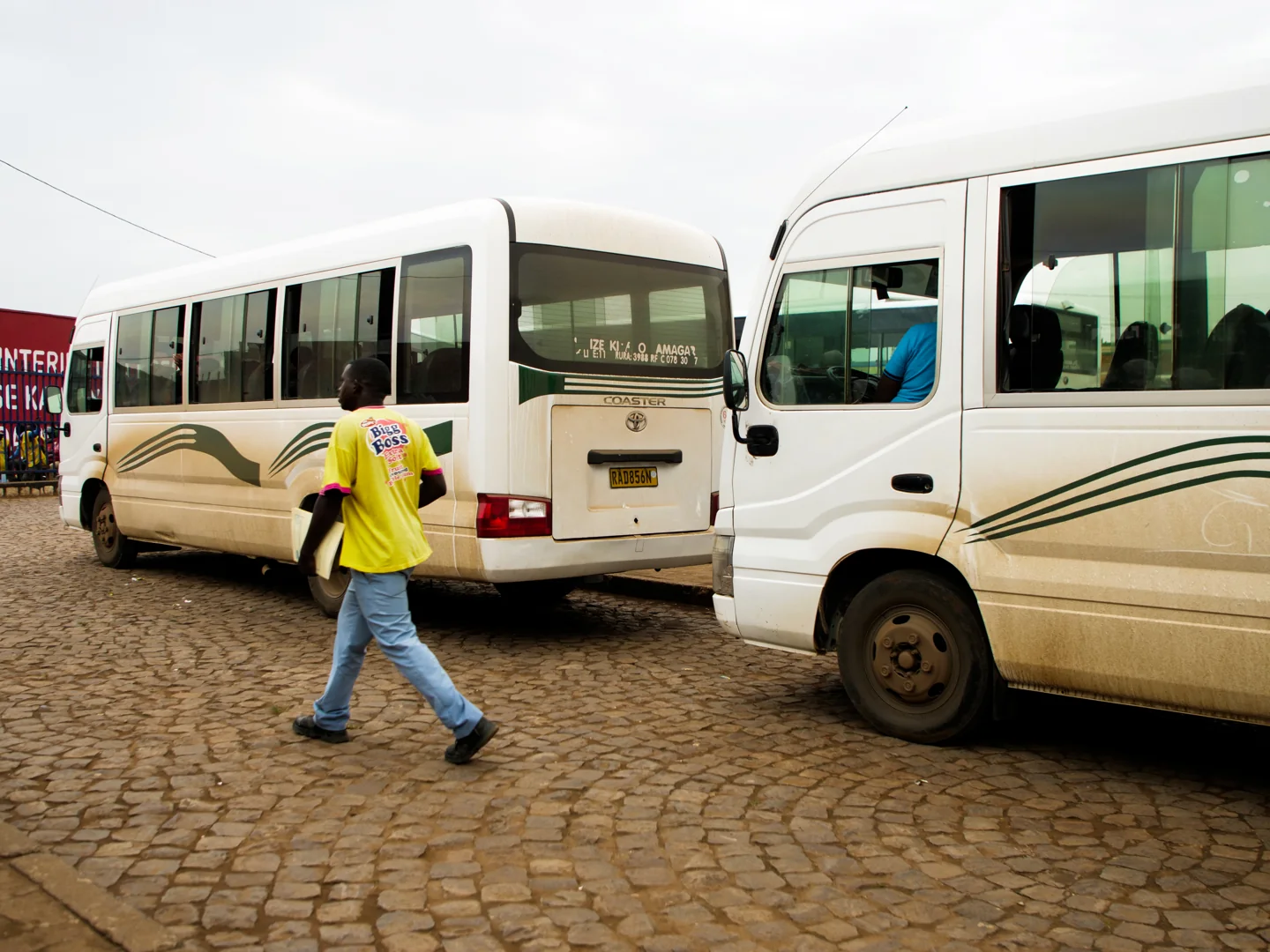
For bus payment, AC Mobility’s October 2026 Tap&Go instructions list a RWF1,000 card with no loaded balance. Its sales locations include Nyabugogo, Downtown, Kimironko, Kabuga and Nyanza bus parks.
- Obtain the card from the provider’s authorised sales staff.
- Complete registration with a brand ambassador and follow the *532# registration prompts.
- Retain the final eight characters after the last hyphen as the card identifier.
- Load travel funds through an authorised agent or the supported app or payment channel.
- Confirm the balance before travelling, then tap the card on the bus validator.
The provider lists RWF100–50,000 top-ups and recommends allowing fifteen to thirty minutes for a USSD top-up before a journey. Retain the payment confirmation and card identifier if a balance needs tracing. The card purchase and its stored travel funds are separate budget items; they are not a quoted fare for every route.
02Separate the arrival visa from the permission covering the move
The immigration authority’s visa-on-arrival page says citizens of all countries may obtain a visa on arrival without a prior application. It distinguishes the fee-waived thirty-day visit for citizens of African Union, Commonwealth and La Francophonie member countries from the six-month arrival pass or entry visa for East African Community citizens. A further named-country list has a ninety-day fee-free branch.
- Identify the branch covering each traveller’s citizenship.
- Read its permitted stay and fee treatment rather than applying another household member’s allowance.
- If applying in advance, use the authority’s Irembo link or the responsible Rwandan diplomatic mission.
- Keep the issued entry record and its dates with the travel documents.
The page states that visa charges must not exceed USD50 for single entry or USD70 for multiple entry; the applicable exemption matters. These visitor-entry arrangements do not replace the employment-permit application described separately.
Plan the arrival accommodation and the first appointments around the documents actually available at that stage. Keep the employer or institution’s written instructions accessible during the journey, and record who will resolve a mismatch between the planned start date and the permission decision.
03Match the job offer to the correct employment-permit category
Ask the employer to name the permit category before assembling the file. The Directorate General of Immigration and Emigration’s employment page distinguishes H1, for a skilled worker on the occupation-on-demand list, from H2, for an employer-sponsored worker with the required qualifications or relevant experience. Government, NGO and regional-organisation roles have their own categories.
- Agree the category with the employing organisation.
- For H2, prepare the employment contract, employer recommendation, detailed CV and certified academic certificates.
- Obtain the original police clearance requested from the country of residence for the previous six months.
- Follow the page’s Irembo application link and the applicant-specific instructions.
- Retain the submitted file, payment record and decision.
Checked 15 October 2026, the H2 listing quotes RWF150,000 and validity of up to two years. These figures concern that category; they do not establish a guaranteed duration or permission to start work while the application is pending.
04Identify the business activity and its matching entrepreneur category
Describe what the business will actually do, where the work takes place and who contracts with the customers. That description is more useful than calling every independent worker a digital nomad. Business registration, professional authorisation and immigration permission are separate parts of the plan.
The immigration authority’s business-entrepreneur page distinguishes C1 self-employment in a prescribed profession from sector-specific entrepreneur categories. For C1 it lists original police clearance from the country of residence for the previous six months, a detailed CV, full business-registration certificate, membership of a registered professional body and an application letter.
- Have DGIE identify the category covering the actual activity.
- Establish the business-registration and professional-membership requirements for that category.
- Collect the specified personal and business records.
- Follow the authority’s Irembo application link and the current category instructions.
- Retain the decision and record the conditions applying to the business and the individual.
The page lists RWF150,000 for the C1 application. Do not apply that category to every remote worker or use a company certificate alone as proof of an individual’s permission to work. Obtain the applicable treatment for an overseas employer, local clients or a mixed arrangement before starting the activity.
05Separate the moving fund from ordinary monthly spending and tax obligations
Build the budget around the actual household and city rather than a national average. Request quotations in their stated currencies and record what each amount covers. Separate money paid in advance from refundable security, and allow for the gap between arrival and the first salary payment.
| Area | Initial moving costs | Recurring costs |
|---|---|---|
| Home | Temporary accommodation, agreed rent in advance, security and moving charges | Rent, water, electricity, internet and shared services |
| Administration | Applicable permits, document certification, identity card and bank setup | Required renewals and account or transaction charges |
| Education and health | Application, enrolment, insurance and continuing-treatment arrangements | Tuition, transport, insurance and patient contributions |
| Daily routine | Arrival journey, bus card and essential purchases | Food, travel, communications and household supplies |
- Ask the employer for gross pay, deductions, expected take-home pay and payment dates.
- Replace estimates with written housing, education and insurance quotations.
- Keep refundable amounts separate from expenses.
- Assign responsibility for payroll, personal income and any business filings.
- Review the plan after the first complete billing cycle.
The Rwanda Revenue Authority’s income-tax directory lists the 2022 income-tax law and its 2023 and 2025 amendments. Use the current rules together, rather than relying on a pre-amendment rate table. The detailed residence tests and the treatment of this household’s foreign income have not been verified here; provide RRA or the responsible tax adviser with the actual travel dates, contracts and income sources before deciding the filing position.
For hypothetical arithmetic only, RWF500,000 rent plus RWF500,000 security means RWF1,000,000 before other costs. Those inputs illustrate a cash requirement; they are not a Kigali market quotation or a legal deposit limit.
06Obtain the school’s placement decision before choosing the family home
Choose the education plan alongside the home rather than after it. For a named starting point, the International School of Kigali’s application page invites families to discuss programmes and grade placement, visit its campus at 10 KG 307 Street, and submit an application with supporting records.
- Ask admissions about the child’s intended start date, grade and support needs.
- Arrange a visit or obtain the information needed to assess the programme.
- Prepare the application, student passport copy, recent academic records and immunisation record.
- Supply relevant educational assessments and follow the school’s placement process.
- Obtain the outcome and the complete payment and enrolment instructions.
The school describes possible assessment for placement and learning support. It accepts applications during the year subject to availability, so a submitted application is not an offered place. Ask specifically about the intended grade and term before committing the family’s move to that timetable.
Compare the complete home-to-school journey for every proposed property, including the arrangements for collection and after-school activities. Keep the previous school’s contacts and records available until the transition is complete. Request an itemised quotation separating tuition, transport and any other charges rather than treating a single deposit as the full education budget.
07Complete the qualification and payment stages before submitting a university application
The University of Rwanda’s online application guidelines separate obtaining a reference number from submitting the programme application. International applicants and applicants educated in an international system need the appropriate equivalence documentation. Start with the current programme call as well as the general portal instructions; a working portal does not establish that every intake is open.
- Complete the applicable international-applicant form and retain the generated UR reference number and PIN.
- Prepare the equivalence certificate, secondary-school certificate and passport copy requested for the international branch.
- Select the eligible programmes, up to three under the published guidance.
- Pay through Urubuto using the UR reference number as the payer code.
- Wait for payment to appear in the system, submit and retain the emailed confirmation.
The reviewed portal lists a non-refundable RWF6,000 application fee for international applicants and RWF5,000 for Rwandan and EAC citizens. Another university FAQ gives different application fees. This discrepancy was not resolved during review; obtain the amount applicable to the current programme and citizenship category from admissions before payment.
Obtain the teaching campus and programme timetable before comparing housing. Keep the admission outcome separate from immigration permission and accommodation: each needs its own decision. Ask the institution which arrival records it will issue and which original qualifications it needs to inspect in person.

08Assemble the assured-income application and resolve its banking dependency
The immigration authority’s other-permits page lists category K for a foreigner with assured income, including a retiree who does not intend to be employed in Rwanda. Its new-application checklist requests a detailed CV, original police clearance from the country of residence for the previous six months, retirement certificate, a statement from a Rwandan bank, an application letter and local medical insurance.
- Establish with DGIE whether the applicant fits the assured-income category.
- Prepare the retirement and police records and the application letter.
- Arrange the bank’s opening process and the requested Rwandan statement.
- Obtain suitable local medical insurance.
- Follow the page’s Irembo application link and retain the decision and supporting file.
Checked 15 October 2026, the page lists RWF150,000 and validity of up to two years. Its renewal list includes statements for the preceding six months. These are category-specific published conditions, not a guaranteed approval or a promise of employment rights.
Resolve the banking and permit sequence before booking permanent accommodation: the authority requests local banking evidence, while a bank may request residence evidence for its own applicant category. Obtain the instructions for the actual circumstances instead of assuming one general checklist settles both decisions.
09Prepare the personal records, shipment inventory and any pet paperwork
Prepare a separate record pack for each traveller. Use the selected permit category’s checklist to decide which police, qualification, civil-status and insurance records are needed. Keep originals available for inspection and retain an independent digital copy of the submitted file and decisions.
- Obtain the issuing authority’s records for the actual applicant.
- Have the receiving organisation specify any certification, translation or equivalence requirement.
- Compare names, dates and passport details across the file.
- Keep arrival documents and appointment instructions in hand luggage.
- Separate the shipping inventory from personal records needed immediately after arrival.
Ask the mover for an itemised quotation identifying collection, storage, customs handling and delivery. Supply an accurate inventory and ask which records establish the applicable import treatment. Do not assume that a price for transport includes customs charges or that an advertised relocation package establishes a household’s entitlement to relief.
For a pet, obtain the current origin-specific import instructions from Rwanda Agriculture and Animal Resources Development Board’s veterinary service and the exporting country’s official veterinarian before fixing travel. The complete household-pet checklist and its examination and vaccination timing were not verified during this review. Do not substitute a commercial livestock-import procedure for the owner’s actual movement. Obtain the carrier’s acceptance separately and retain the issued veterinary records with the animal’s travel file.
10Apply for the resident ID after obtaining the qualifying permit
The Irembo resident-ID instructions, updated May 2026, require an applicant aged sixteen or older with a passport and a Rwandan permit valid for longer than six months. The listed charge is RWF5,000 and the stated processing time is five days. Keep the permit decision separate from this subsequent identity-card application.
- On Irembo, open Immigration and Emigration, then Resident ID Card.
- Select the first-application service.
- Enter personal details, permit number, birth date and the collection location.
- Review the record and supply a working phone number, email address or both.
- Submit, retain the generated billing reference and pay using the offered channel.
- Follow DGIE’s notification directing the next office visit or other instructions.
The service allows applications with or without an Irembo account. Payment completes a stage in the process; retain the authority’s actual response rather than treating the billing receipt as the issued card.
11Prepare the personal-account file and agree the currency and payment services
Separate the account used for everyday spending from any account intended to hold foreign currency. Ask about the actual transaction: salary, rent, school payment or overseas support. Record the account currency, conversion charges and transfer instructions before sending the moving fund.
As one provider-specific example, Access Bank Rwanda’s domiciliary-account page describes a foreign-currency checking account. Its opening checklist includes valid identification such as an international passport, address verification, two passport photographs, two references and a residence permit where applicable. Obtain the bank’s decision on which address evidence and references it accepts for a newcomer.
- Explain the intended currency, payments and residence status to the bank.
- Collect its accepted identification, address evidence and other opening records.
- Read the current tariff and the terms of any card or digital service.
- Complete the bank’s verification and retain the issued account details.
- Test a small payment and confirm access before relying on the account for a major bill.
Keep the account-opening record separate from the immigration file, even when one process needs evidence from the other. Ask how statements can be obtained and whether the format meets the receiving authority’s request. A published product checklist does not guarantee acceptance of every applicant or immediate access to all services.
12Inspect the home and record the full rental agreement before paying
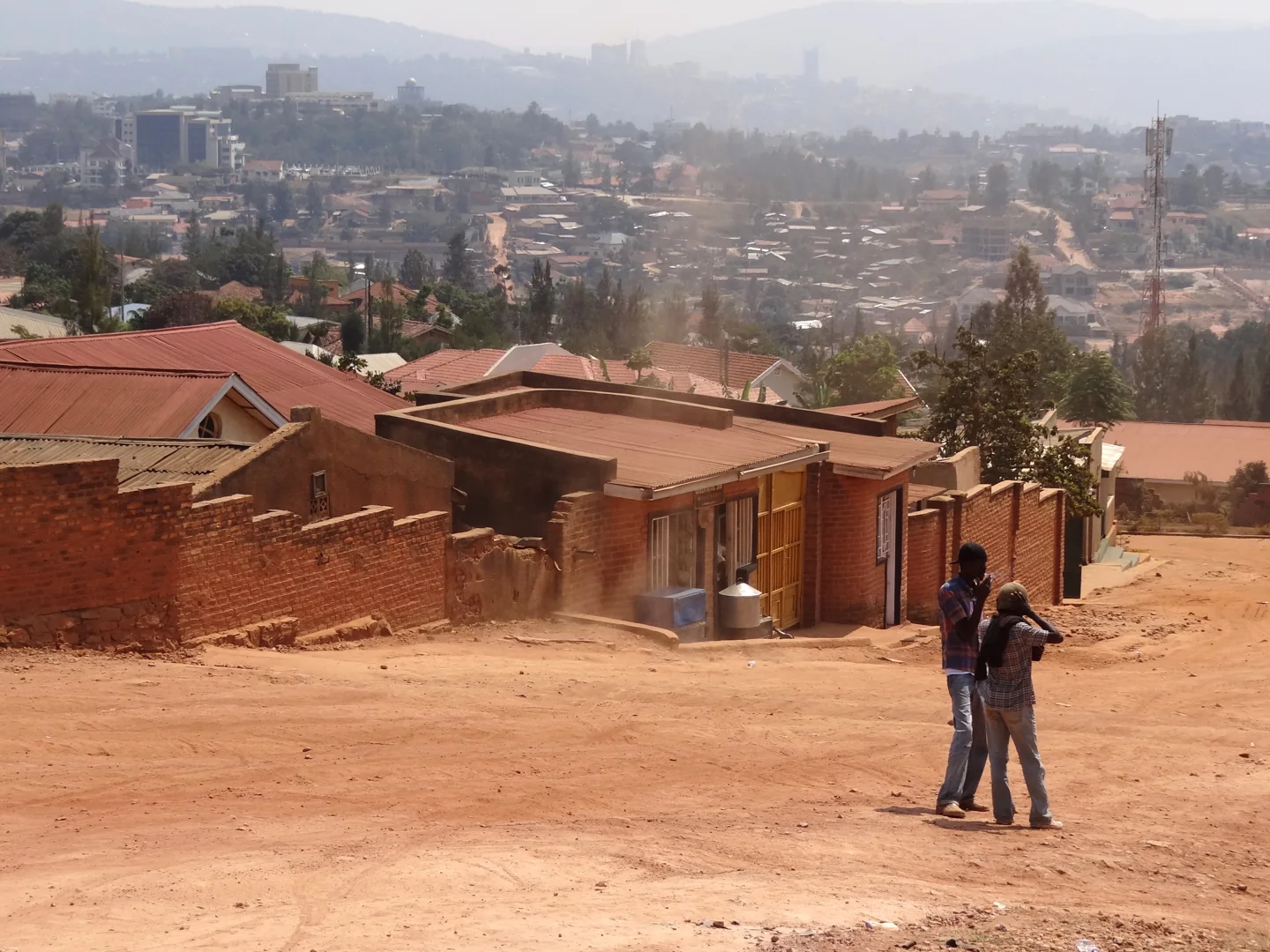
Use a temporary base to inspect the actual home where possible. Compare the entrance, rooms, water and electricity arrangements with the advertisement and proposed agreement. Identify who owns or manages the property and who has authority to sign and receive money.
- Record the complete address and the home or unit included in the agreement.
- Read the rent currency, payment dates, term and termination conditions.
- Separate rent in advance, refundable security and any agency charge.
- Agree responsibility for water, electricity, internet, shared services and repairs.
- Prepare an inventory and dated condition photographs before accepting the keys.
Ask for the payment schedule in writing, including the period each payment covers. If a quotation is in a different currency from household income, calculate the effect of conversion and transfer charges before comparing it with another property. Keep refundable security separate from expenses in the moving budget.
At handover, identify the meter serving the home and establish the starting balance or reading. Record the keys, supplied furniture and appliances, and any defects awaiting repair. Agree how a repair request reaches the responsible person and who can authorise urgent work.
Do not infer a nationwide deposit limit or standard advance-payment period from an agent’s proposal. Negotiate and record the actual terms. Keep the signed agreement, receipts and handover record together so the first bills and eventual move-out can be compared with the documented starting point.
13Arrange cover and book the provider needed for continuing care
Build the healthcare plan around the actual treatment the household needs. Ask the insurer about the intended provider, authorisation requirements and exclusions before relying on the policy for a planned consultation. Keep prescription information, allergies and a concise medical history available independently of the shipping boxes.
As a named starting point, King Faisal Hospital’s patient information describes appointment booking through its toll-free number 3939 and walk-in access for general practice and paediatrics. It asks patients to bring identification, insurance evidence and previous medical records. For a foreign newcomer, confirm which passport or resident-identity evidence the admissions desk accepts before attending.
- Identify the required clinic or specialty and contact the appointment service.
- Confirm whether the consultation needs a referral or advance insurer approval.
- Establish the accepted identity records and prepare the treatment file.
- Confirm coverage or obtain the self-payment arrangements.
- Retain the appointment details and follow-up instructions.
The hospital describes cashless billing and payment through mobile money and credit or debit cards. It directs patients to confirm insurance coverage before a visit and offers billing-office assistance for patients without insurance. A hospital’s insurer relationship does not by itself confirm that a particular policy covers the proposed treatment.
14Record the electricity meter and establish who manages the account
At handover, identify the meter serving the actual home. Photograph its number and accessible reading or prepaid balance, then write down which bills remain the owner’s responsibility. Distinguish taking over an occupied property from requesting an entirely new electricity connection.
The Rwanda Energy Group’s customer FAQ (source unavailable) describes new-connection applications online or on paper. It requests applicant and service-address details, a personal reference, identity evidence and proof of ownership or land title. A tenant should agree the owner’s participation before treating a new connection as a personal account change.
- Record the meter and the account contact with the owner.
- For a new connection, establish the authorised applicant and collect the required attachments.
- Submit the service application and retain the reference.
- Use the provider’s instructed payment channel and keep the receipt.
- Test the supply and retain the support contact with the household documents.
REG lists 2727 for customer support, including a prepaid token that will not enter the meter or a meter that cannot be topped up. Give support the relevant account or meter details and payment reference. Its FAQ states that service payments go through the organisation’s accounts rather than cash handed to an employee.
Also record how water, internet and any shared building services are billed. Put the initial handover record beside the first statement so the household can identify charges belonging to an earlier occupancy period. Ask the owner who authorises repairs and how urgent faults should be reported.
15Complete the first-month file and put future renewals on the calendar
Keep the first accommodation address and the host’s contact accessible offline. Save the entry record and compare the issued dates with the planned appointment and employment timetable. Complete the next immigration and identity stages using the records actually issued, then finish the bank and household-service arrangements.
- Record each traveller’s entry and permit dates.
- Complete the applicable identity-card and bank verification stages.
- Keep the home’s signed handover and the first utility-payment records.
- Confirm the school or workplace journey and the healthcare contacts.
- Review the household file weekly until the initial applications and bills are reconciled.
For later renewals, Irembo’s permit-renewal instructions direct applicants to Immigration and Emigration, Permits, then Renew permit. Complete demographic, request and travel details, add dependant details where applicable, and upload the attachments for the actual permit category. Review the contact details and submit; a chargeable application generates a billing reference for payment. Follow DGIE’s subsequent notification about collection.
The service lists seven days for processing, with the fee dependent on permit type. Keep the expiry date and category-specific instructions beside the application reference; a stated processing period is not an extension of the existing permission.
Build community through places and activities the household can attend regularly. Ask the school, employer or institution about orientation and recurring events. Learn the route to a convenient food shop and set a manageable weekly routine before filling the calendar with longer journeys.
For a local phone connection, the RURA SIM-registration regulation, Articles 8 and 9, distinguishes registered foreign residents from visitors without a residence permit. The visitor procedure uses the travel document presented at entry, fingerprint verification with DGIE and a live facial image matched to the travel-document information. Activation follows the completed identity checks. Foreign residents registered with NIDA use the relevant resident identity process. Bring the actual entry document to the provider’s authorised registration point and have staff identify the branch covering your current status. Test calls and data before making the new number essential for appointments or payments.
Sources & further reading
Reviewed 15 October 2026. Sources are linked beside the relevant instructions. Preserve nationality, permit and household branches. Visitor entry does not establish employment permission. Detailed tax-residence tests and the household-pet checklist were not verified and are identified as uncertainties beside the responsible authorities. Provider examples do not guarantee admission, insurance eligibility or account opening. Prices checked 15 October 2026. Permit and identity-card figures apply to the stated categories. Tap&Go figures come from the provider’s October 2026 guide and distinguish the card from stored funds. University portal fees conflict with another university FAQ; obtain the amount for the current application before paying. Rent and security inputs are hypothetical arithmetic, not a market estimate or legal limit. Photograph credits, licences and capture years appear with the images.
Browse the source directory
- DGIE — employment permits
- Irembo — first resident identity card
- International School of Kigali — applications
- Rwanda Energy Group — customer FAQ (source unavailable)
- DGIE — visa on arrival
- King Faisal Hospital — patient information
- Access Bank Rwanda — domiciliary account
- DGIE — assured-income permit
- University of Rwanda — application portal guidelines
- DGIE — business entrepreneur permits
- AC Mobility — October 2026 Tap&Go guide
- Rwanda Revenue Authority — income-tax laws
- RAB — veterinary services
- Irembo — permit renewal
- RURA — SIM registration regulation
Make your next step a practical one
Identify the permit category for each household member, obtain the employer or institution’s written instructions, and connect the document appointments with the actual housing and banking sequence.