Visa
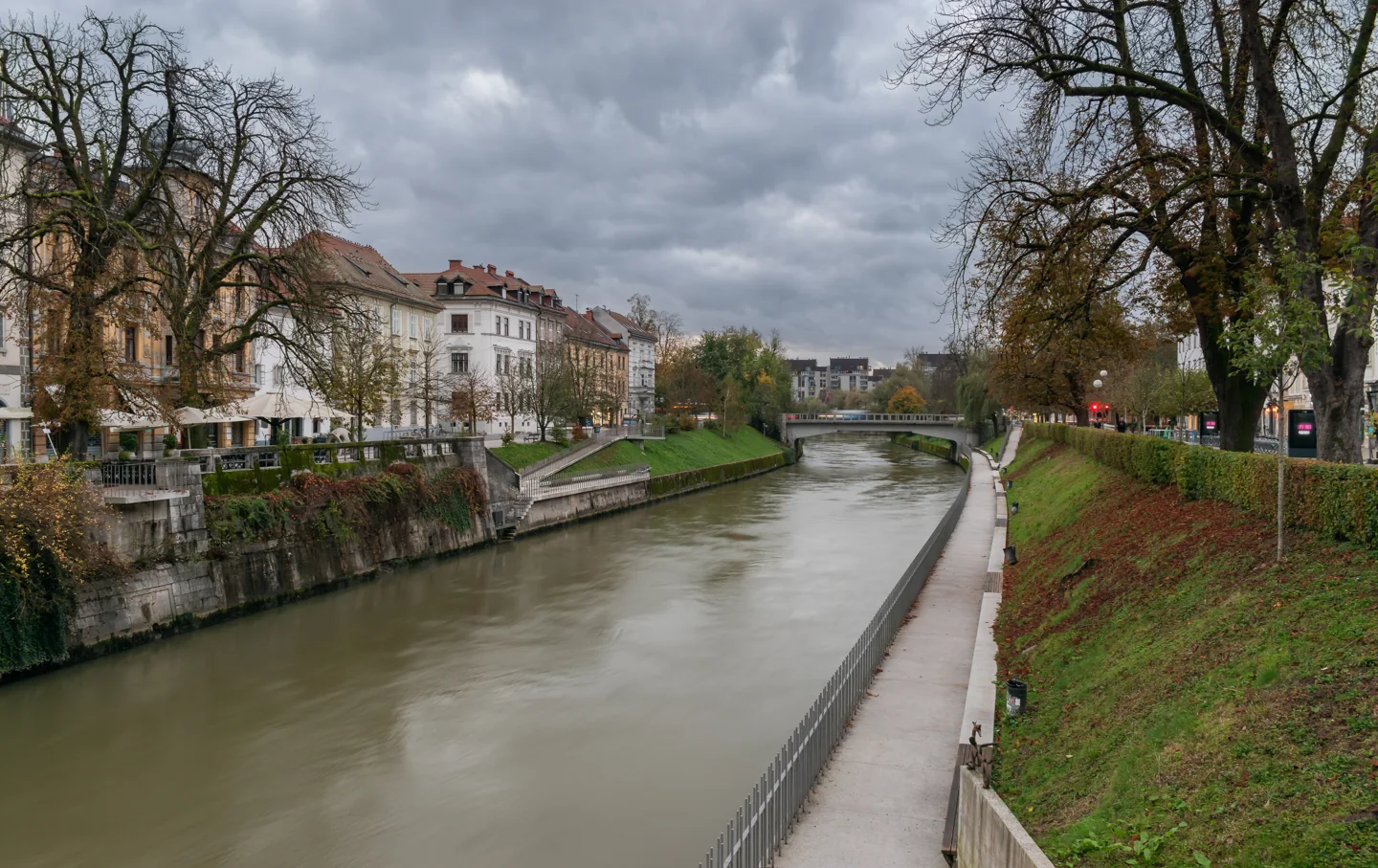
Moving & Living - Slovenia - Complete Guide
Move to Slovenia step by step: choose your base, arrange residence and permitted work, prepare the household, and establish registration, banking, housing, education and healthcare.
Photo credit
A move to Slovenia can mean a Ljubljana office and school run, a course in Maribor or a coastal home connected to work in Koper, Izola or Portorož. Start with that daily destination, then put the residence, income and household arrangements in the order they need to happen.
This fourteen-step journey takes you from preparation to the first month. Local employment, remote work and a Slovenian business have different permission requirements. Education and pension-related tasks apply where relevant. Each step identifies its timing, practical instructions and the result to put in place.
Slovenia at a glance
- Country
- Slovenia — Slovenija
- Currency
- Euro — EUR
- Local administration
- Upravna enota — administrative unit
- Tax reference
- Davčna številka — tax identification number
- Health authority
- ZZZS — Health Insurance Institute of Slovenia
- Reviewed
- 16 October 2026
Follow your moving journey
Start at step 1, or jump to the task you are working on.
01Choose the city around the journeys you need to make
Start with the entrance you will use on an ordinary weekday: the employer's site, your faculty or the child's school. Then compare two areas from which the household can make that journey. A national relocation plan becomes much more useful once it has a specific destination.
| Base | Practical starting points | Test before choosing |
|---|---|---|
| Ljubljana | The centre and Šiška; Črnuče for a household considering BISL | The school or office journey at the actual start and finish times |
| Maribor | The centre around Slomškov trg as an orientation point for the university search | The address of the particular faculty or employer, rather than the rectorate alone |
| The coast | Koper, Izola or Portorož according to the workplace or programme | Whether everyday travel crosses between towns and how the return journey works |
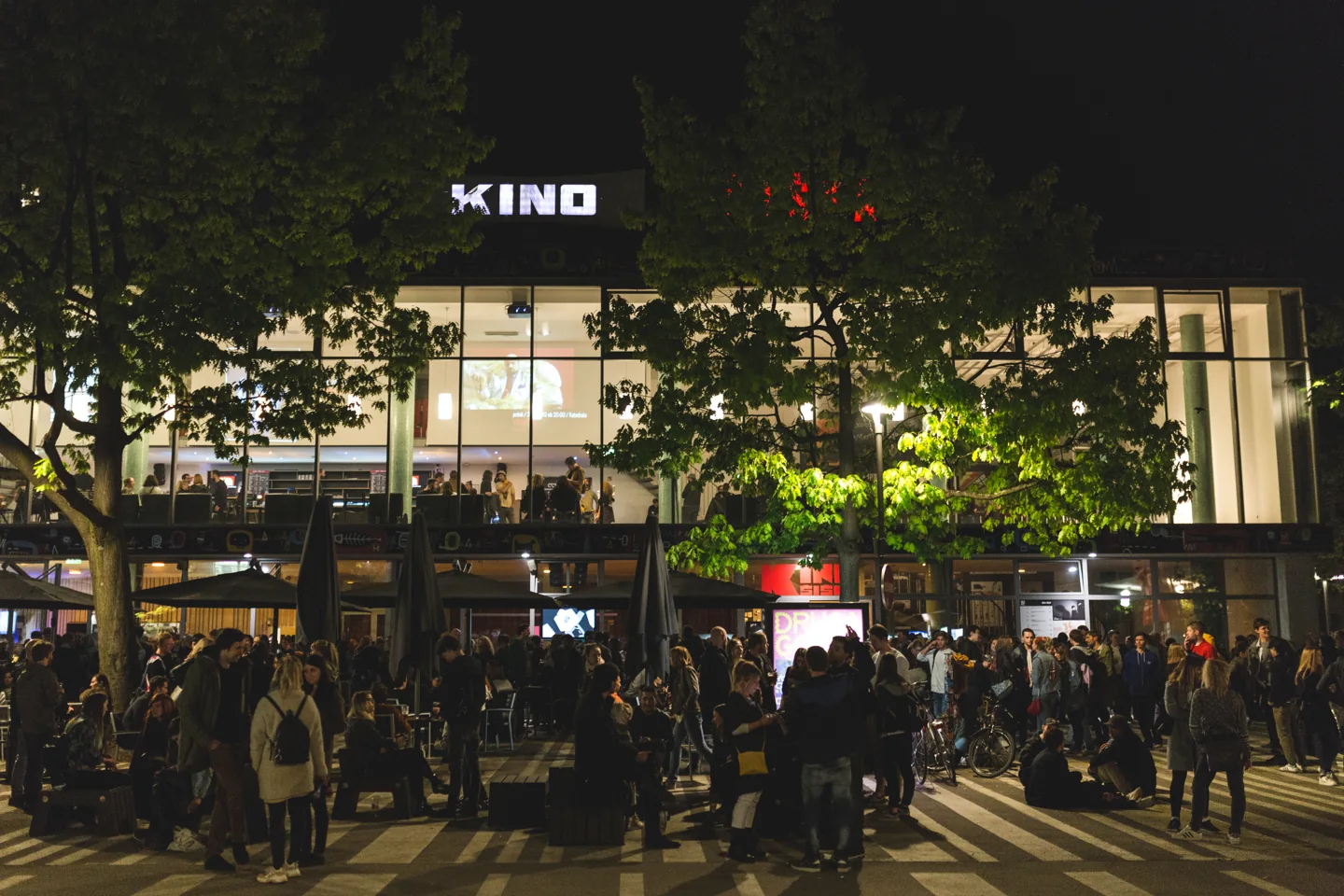
The Ljubljana Tourist Board's Šiška directory identifies Kino Šiška and neighbourhood cultural spaces. Use these to explore the area alongside practical viewings. The University of Maribor gives its rectorate address at Slomškov trg 15, but establish the actual teaching location. The University of Primorska's faculty directory shows why the coastal distinction matters: its Management faculty is in Koper, Tourism Studies in Portorož and Health Sciences in Izola.
- Save the precise work or study address and two candidate residential areas.
- Compare equivalent homes, separating the rent from operating charges.
- Test the route at the required time, including the walk from the stop and the final service home.
- Check the location of groceries, a suitable medical practice and any school collection point.
For remote work, inspect the actual connection and a place to take calls. For a household with a car, establish parking terms and access before adding the vehicle to the plan. Let the required week determine the address.
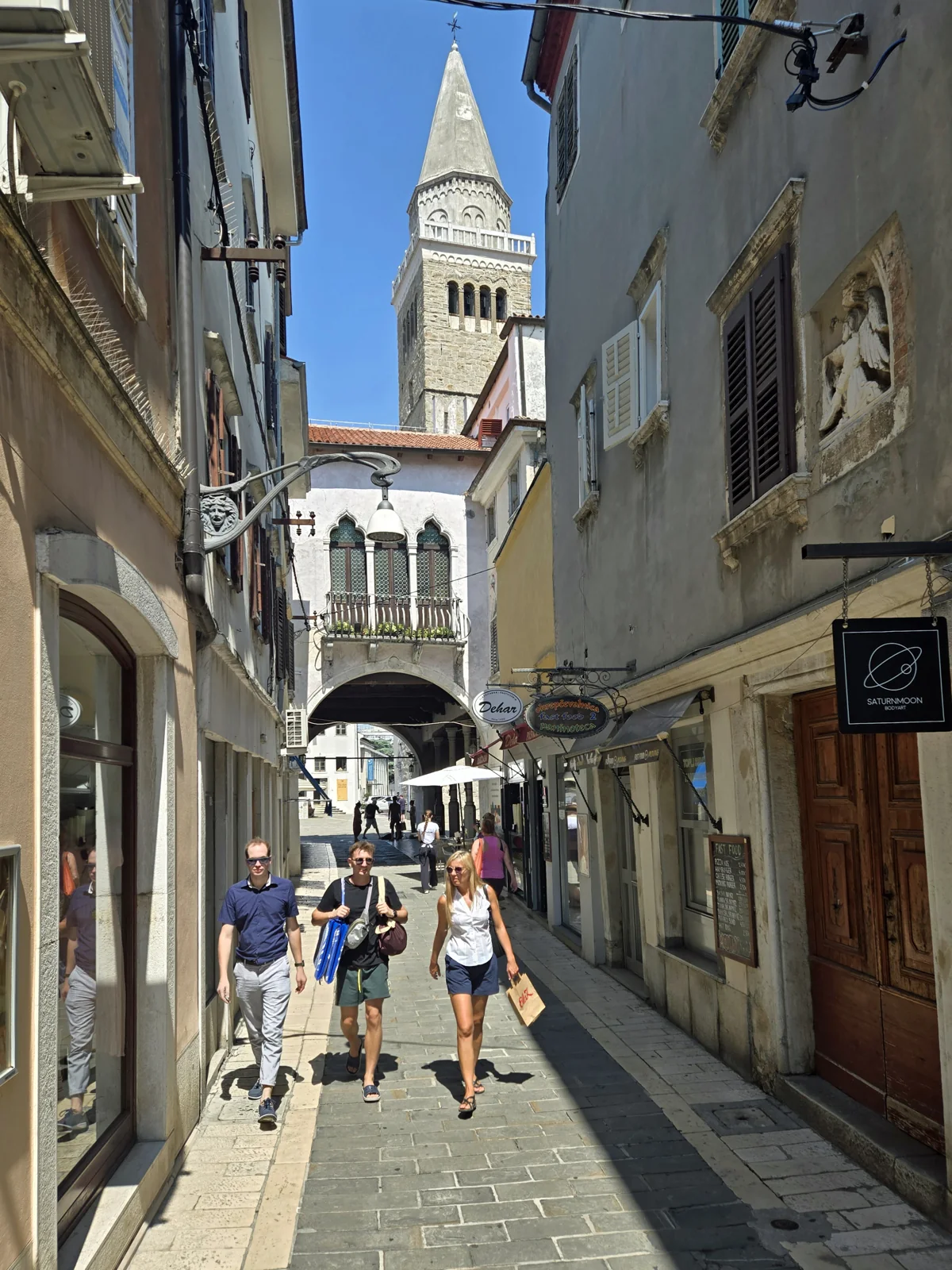
02Choose the residence procedure for each person moving
Begin with a household table: nationality, intended activity, expected arrival and the person whose circumstances support the application. A job in Ljubljana, remote work for an overseas employer and joining an EU-citizen spouse lead to different procedures. Put permission to enter, permission to remain and permission to work in separate columns.
The government's entry and residence guidance explains that EU citizens can enter with a valid identity card or passport. For a stay exceeding three months, obtain a residence registration certificate from the local upravna enota, or administrative unit, before that initial period expires. The rules also extend to EEA citizens. The supporting evidence depends on whether the basis is work, study, family or another qualifying reason.
A non-EU family member of an EU or Slovenian citizen uses the family-member procedure and must apply before the authorised ninety-day stay expires. Proof of the relationship and the sponsor's circumstances matters; the insurance and resources requirements have stated exemptions for working sponsors. Read that procedure for the actual household rather than assuming everyone receives the same document.
- Identify the applicable residence category and record the document each person will need.
- Find the administrative unit or Slovenian representation responsible for accepting the application.
- Collect the category's checklist before commissioning translations or time-sensitive records.
- Obtain the appointment or filing instructions and keep copies of the submission and official receipt.
For a local job, follow the single-permit sequence below. For remote work, assess the separate digital-nomad route. A short visit or another Schengen country's residence card should not be used as the basis for assuming a right to settle and work in Slovenia.
03Secure the employer and complete the single-permit process
Use the Employment Service of Slovenia's single-permit page to start with an actual employer and search its linked vacancy listings by occupation, education and area. For the ordinary third-country employment route, the administrative unit runs the residence-and-work procedure and requests Employment Service consent itself. The first permit follows the contract's duration, subject to a two-year maximum; an extension has its own conditions and a maximum of three years.
The government's employment instructions distinguish who can lodge a first application: an employer or authorised representative can file with the competent administrative unit, while the foreign applicant or employer can use the Slovenian diplomatic or consular representation in the country of origin. The Bosnia and Herzegovina and Serbia agreements have a separate work-permit element that serves as consent in the single-permit procedure.
- Agree the job, workplace, pay and intended start in writing. Ask the employer which approval category applies.
- Decide who will submit the application and obtain the evidence list for that category.
- Have the employer complete its part and provide the requested personal records. Keep a complete copy, not only an appointment confirmation.
- Establish the authorised start date with the employer and responsible authority before performing the work.
- Keep the permit and the employment records together, and request evidence of the required social-insurance registration.
A change of employer or job during the permit's validity requires the written approval described by the Employment Service; do not treat the card as unrestricted permission for every subsequent job. Plan a proposed change before ending the existing arrangement.
04Match remote work or a business to the permitted activity
Slovenia introduced this route on 21 November 2025. The Interior Ministry's digital-nomad instructions cover non-EU/EEA nationals working remotely through information technology for an entity outside Slovenia, or as a self-employed person abroad. It does not provide entry to the Slovenian labour market.
- Document the overseas employment, civil-law engagement or foreign self-employment and how the work will remain remote.
- Prepare evidence of lawful monthly funds meeting the specified threshold: at least twice Slovenia's average monthly net salary, using the ministry's prescribed published-salary basis. Obtain the figure applicable when filing rather than copying an old euro amount.
- Apply at a Slovenian representation abroad, or at an administrative unit if already legally residing in Slovenia.
- Plan around a permit of up to one year that cannot be extended. A new application under this route is possible six months after the previous permit expires; another residence purpose can be sought during validity if its conditions are met.
The route permits immediate family reunification without the usual waiting restriction described in the announcement. Family applications still require their own evidence. Before fixing the household's moving date, reconcile the principal application, dependent applications and insurance arrangements.
Use the remainder of this guide to arrange the address, tax position and daily services. Residence permission for remote work does not answer those separate questions or establish that overseas income is exempt from Slovenian tax.
If planning a Slovenian business
The Employment Service's self-employment instructions normally require one year of continuous lawful residence before self-employment, with an exception for the specified independently pursued professional activity. Self-employment does not require its consent to the single permit. Establish eligibility before registering or trading.
Prepare the proposed activity, business address and expected revenue and expenses for an adviser or the responsible business service. Resolve registration, residence, tax and social-insurance responsibilities together before signing a commercial lease or issuing invoices.
05Separate the moving fund from the monthly household budget
Use euros and three totals: money payable before travel, money needed at handover and the recurring monthly household costs. Immigration evidence of sufficient resources serves a different purpose from the amount you can afford to spend. Keep the supporting funds and the spending plan consistent.
| Initial costs | Recurring costs | What to request |
|---|---|---|
| Applications, translations, travel and shipping | Renewals and continuing document costs | The fee and payment instructions for the actual application |
| Temporary accommodation, deposit and moving services | Rent, heating, electricity, water and shared-building charges | A lease and an itemised operating-cost statement |
| School application, equipment and initial supplies | Tuition where applicable, meals and travel | The learner's specific programme and academic year |
| Interim medical cover and medicines | Applicable contributions, premiums and treatment payments | Confirmation of the household's insurance position |
One verified recurring figure is the ZZZS mandatory health contribution, OZP: €39.36 monthly from March 2026 through February 2027 for the liable categories. It is a contribution within the insurance system, not a complete insurance quotation or an amount that buys eligibility for every newcomer. Confirm the applicable category and collection method.
Have FURS assess the tax position
FURS's guidance for people moving to Slovenia considers residential connections, including family and time spent in the country. Residents are generally assessed on Slovenian and overseas income; non-residents on Slovenian income. Apply for a determination of residency status, using the arrival questionnaire or an application containing the relevant facts. A signed scan can be sent to the competent financial office, or submitted through eDavki. Treaty provisions may allocate taxing rights and provide relief.
Prepare the arrival date, continuing home abroad, family location, employer and expected income streams for that assessment. Request a gross-to-net illustration for a job offer and separate the payroll result from rent and household bills. Revisit the budget after the first complete month's statements rather than treating a national average as your own spending limit.
06Arrange school placement or university admission before fixing the home
Start with the learner's age, previous schooling, language needs and intended start date. For a local primary-school enquiry, approach the school serving the proposed address with that information and ask it to explain placement and language support. The government's basic-school guidance confirms the right to enrol in the public school serving the child's permanent or temporary residential district; another school needs to agree to the transfer. Basic education lasts nine years and the usual teaching language is Slovene, with Italian and Hungarian arrangements in the relevant mixed-nationality areas. Discuss the child's actual placement with the school.
An international-school starting point
The British International School of Ljubljana's application process begins with an enquiry and school tour, followed by its application portal. Prepare parent and child identification, the child's birth certificate, three recent school reports and a passport-style photograph. The Principal reviews the application; an offer depends on approval and a place being available. Discuss an assessment day and any learning support with Admissions before submitting.
The school's admissions page, checked 16 October 2026, lists a €750 deposit refundable under stated conditions and a €1,200 admission fee: €1,950 per child before tuition. Obtain the offer, current fee schedule and refund terms. Its campus is in Ljubljana-Črnuče, so test that journey from the proposed home rather than treating every Ljubljana address as equally convenient.
For university study
At the University of Ljubljana, an application with a foreign qualification also starts the recognition process. Use the applicable eVŠ application instructions, prepare the education certificate, supporting records of study and a brief chronological education history. The university initially accepts electronic copies and verifies authenticity with the issuer; a legally certified original may be requested if verification is unsuccessful. Translations can be requested through eVŠ. Check the actual programme's language, selection conditions and application round before making travel dependent on admission.
07Prepare the household records, shipment and pet journey
Build one folder per person and one shared moving folder. Keep original identity and civil records accessible during travel; a scanned copy is useful for administration but does not replace an original where it is requested. Record which authority needs which version before paying for certification or translation.
- Match the spelling, dates and passport details across the application, employment or admission records and family documents.
- Obtain the receiving authority's instructions for translation, legalisation and the age of each certificate.
- Keep the residence evidence, temporary address, insurance and arrival contact available offline as well as in the shared file.
- Prepare a dated inventory for the mover, with separate treatment for a vehicle, medicines and any restricted goods.
For a move from outside the EU customs territory, ask FURS or the customs representative to assess the personal-property relief before shipping. The FURS notice of 20 May 2026 confirms that customs-duty and VAT relief depend on the applicable conditions. It also makes a useful distinction for a car: moving residence does not itself exempt it from Slovenian motor-vehicle tax, DMV. Any exemption needs its own qualifying basis and supporting evidence.
If bringing a dog, cat or ferret
Use the Slovenian veterinary authority's non-commercial third-country instructions for the actual origin and transit countries. Identification must precede rabies vaccination; a primary vaccination has a waiting period of at least twenty-one days. Depending on origin and travel history, an antibody test and an official veterinary certificate may be necessary. Arrange the correct documents with the veterinarian before reserving transport. For origins requiring a travellers' entry point, the check takes place where the animal first enters the EU, which may be outside Slovenia.
Agree the carrier's animal booking separately from veterinary clearance. Keep the animal's identification document and contact details with the accompanying person, and confirm the current certificate model with the responsible authority before departure.
08Plan the first night and the journey from the airport
Prepare the first night as a practical handover: a complete address, the host's telephone number, the agreed arrival window and a fallback if the flight is late. Keep the travel and residence documents with you, along with the contact for the employer or institution expecting you. Another household member should be able to retrieve the same information.
For a Ljubljana Airport arrival, use the airport's public-bus page for the linked Arriva timetable to Ljubljana city centre. It also provides the reverse journey and identifies platform 28 for the city-to-airport departure. Look up the service for the actual day rather than assuming the airport bus follows the city-bus fare or schedule. Check where you need to continue after reaching the city.
- Before boarding, save the accommodation address and transfer details offline.
- After arrival, confirm the onward journey and retain receipts for the moving budget.
- At the accommodation, test keys, heating, hot water and a way to contact the host.
- Establish whether the accommodation provider is handling the required guest or residence reporting, and obtain confirmation rather than assuming a booking receipt proves it.
- Open the household calendar and enter the registration tasks explained in the next step.
Do a short local circuit for food, a phone connection and the route to the next appointment. Reserve longer errands for when the necessary documents are available. If the address is temporary, record its end date and leave enough time to move into the next home without losing access to official correspondence.
09Register the actual address and obtain the tax number
Keep the residence permission and the address registration as separate tasks. The government's address-registration instructions give an eight-day deadline for a temporary-permit, residence-certificate or long-stay-visa holder registering their own temporary address after moving in. If the document is delivered only after settling there, the eight days run from delivery. A registered accommodation provider or host arrangement has its own responsibilities; establish who is making the registration.
- Prepare identification and evidence of the right to occupy the address, such as the tenancy agreement or the relevant owner's consent.
- Give the complete address, including the apartment number where one exists, to the administrative unit.
- If a registered accommodation provider must register you after the document arrives, notify that provider within three days of its delivery.
- Keep the registration evidence and note its expiry. Temporary address registration lasts up to two years, or less if the underlying document expires sooner.
For the davčna številka, or tax identification number, follow FURS's foreign-individual procedure. Complete DR-02 and take identification plus the documents supporting the recorded information to a financial office other than the General or Special Financial Office. A representative can file with authorisation; postal filing requires the stated copies. FURS says the certificate is issued within eight days of a complete application, usually by post.
Record the number where you can retrieve it for employment and account-opening enquiries. Notify FURS of changes to registered information, such as an address or bank account, within eight days. Set up a way to receive post at the address you actually use, and save the certificate separately from your immigration document.
10Prepare the bank's foreign-customer file and set up payments
Use OTP banka's Personal Plus requirements as a concrete starting point. The published basic file needs photo identification and a Slovenian tax number. Its additional foreign-customer categories distinguish residents working or studying in Slovenia, people working abroad and people living outside Slovenia. Choose your category before arranging a visit.
- Ask the branch to confirm the file for your nationality, residence and income circumstances.
- For a newcomer living and working locally, prepare the applicable residence document, address evidence and employment records. The bank specifies alternatives when a Slovenian tax-residency certificate is not available; these are conditional, not a general waiver.
- For a student or pensioner, obtain the corresponding enrolment or pension evidence described by the bank.
- Compare maintenance, card, transfer and cash-withdrawal charges, then complete the bank's identification and approval process.
- Activate the agreed payment access and test it before relying on it for rent or the first salary.
Keep the account details and payment receipts with the lease and household bills. Ask how to enter a bill's reference correctly and what happens if a recurring payment is rejected.
11View the home and agree the complete rental contract
Compare a Ljubljana apartment, a Maribor rental or a coastal home using the same sheet: rent, operating costs, heating, furniture, parking, deposit and the lease end date. Ask for the draft contract early enough to read it before the viewing becomes a payment appointment. A photographed room is not evidence of the whole dwelling's condition.
The official housing portal's tenancy guidance requires a written lease, either fixed-term or indefinite. Its minimum contents include the property's description and cadastral identifier, owner and tenant details, household occupants, rent and payment dates, responsibilities for maintenance, the charges excluded from rent, fixed-term duration where relevant and the handover arrangements.
- Visit the dwelling and confirm which rooms, storage and parking are included. Check heating, hot water, ventilation and the condition of windows.
- Identify the owner or the person authorised to sign. Match the property description and apartment identifier to the contract.
- Ask for recent operating-cost statements and separate individual consumption from shared-building charges.
- Write the deposit amount, permitted deductions and return procedure into the agreement. Obtain a receipt for every payment.
- At handover, record meter readings, keys, furniture and existing damage in an inventory that both sides keep.
Ask who will hold each utility account and how bills reach you. Arrange the address-registration evidence alongside the lease, rather than discovering a missing document after moving in. Before extending a fixed-term agreement, obtain the extension in writing and update the household calendar. Do not assume a deposit automatically covers the final rent: settle payments and the return of the deposit under the actual agreement.
12Confirm insurance and register with a local doctor
Establish cover for the gap between departure and the start of any Slovenian entitlement. Then identify who registers each household member and from which date. Do not infer a partner's or child's status solely from the employed person's appointment letter.
For employment, SPOT's M-1 registration instructions put the social-insurance registration on the employer and require the employment contract with the application. Registration must be made by the time work begins. Ask for the resulting record and check the personal details and start date. Other circumstances require the relevant insurance basis to be established with ZZZS, the Health Insurance Institute of Slovenia.
- Keep the interim policy, employment information and any existing overseas-insurance evidence together. Ask ZZZS which registration applies to your circumstances.
- Confirm the cover is active and arrange the health-insurance card or the evidence accepted while it is being issued.
- Search for a suitable local family doctor or paediatric service and contact the practice about accepting you.
- Bring the insurance evidence, medication list and useful medical records to the first appointment.
The ZZZS doctor-choice procedure uses a declaration completed at the selected practice; the doctor records the choice in its system. A parent or guardian chooses for a child under fifteen. Choose a health-centre doctor or a private practitioner contracted to ZZZS. If an insured adult over nineteen has no chosen family doctor, or the selected doctor is permanently absent, ask about a dodatna ambulanta družinske medicine. This additional-clinic arrangement is described as a temporary measure running through 31 December 2026; establish the arrangement available when you need it.
The May 2026 ZZZS service overview distinguishes contracted private practices within the public network from fully private services, which patients generally pay themselves apart from emergency assistance. Confirm the basis of a booking before agreeing to treatment. Paying a private bill and receiving a service under public insurance are separate arrangements.
13Activate the phone, transfer household services and test transport
Start with a connection that lets you receive calls and use the services needed for the move. Telekom Slovenije's Mobi page explains its prepaid SIM and eSIM options and activation through Moj Mobi for eSIM. Check device compatibility, the included allowance and the renewal terms before choosing it. The published starter offer checked 16 October 2026 costs €2 and includes seven days of unlimited calls within Telekom Slovenije's network and 1 GB of data in Slovenia; this is a short promotional allowance, not a monthly household plan.
Agree who pays each service
At the property handover, list electricity, heating, water, waste and internet. Identify the supplier, account holder, meter or supply-point reference and the date responsibility changes. Take the opening readings with the landlord and retain the signed record.
For a property supplied by Elektro energija where the owner stays the same but the bill payer changes, its change-of-contract-signatory instructions require a new household electricity supply contract and the owner's signed consent to record the payer. Send the complete file within thirty days of the change; the proposed date is recorded on that consent. Use the procedure of the actual supplier, rather than treating this example as every utility's form.
- Test calls, data and the connection at the home.
- Complete the agreed supplier changes and confirm the first billing period.
- Test the ordinary work or school journey in both directions.
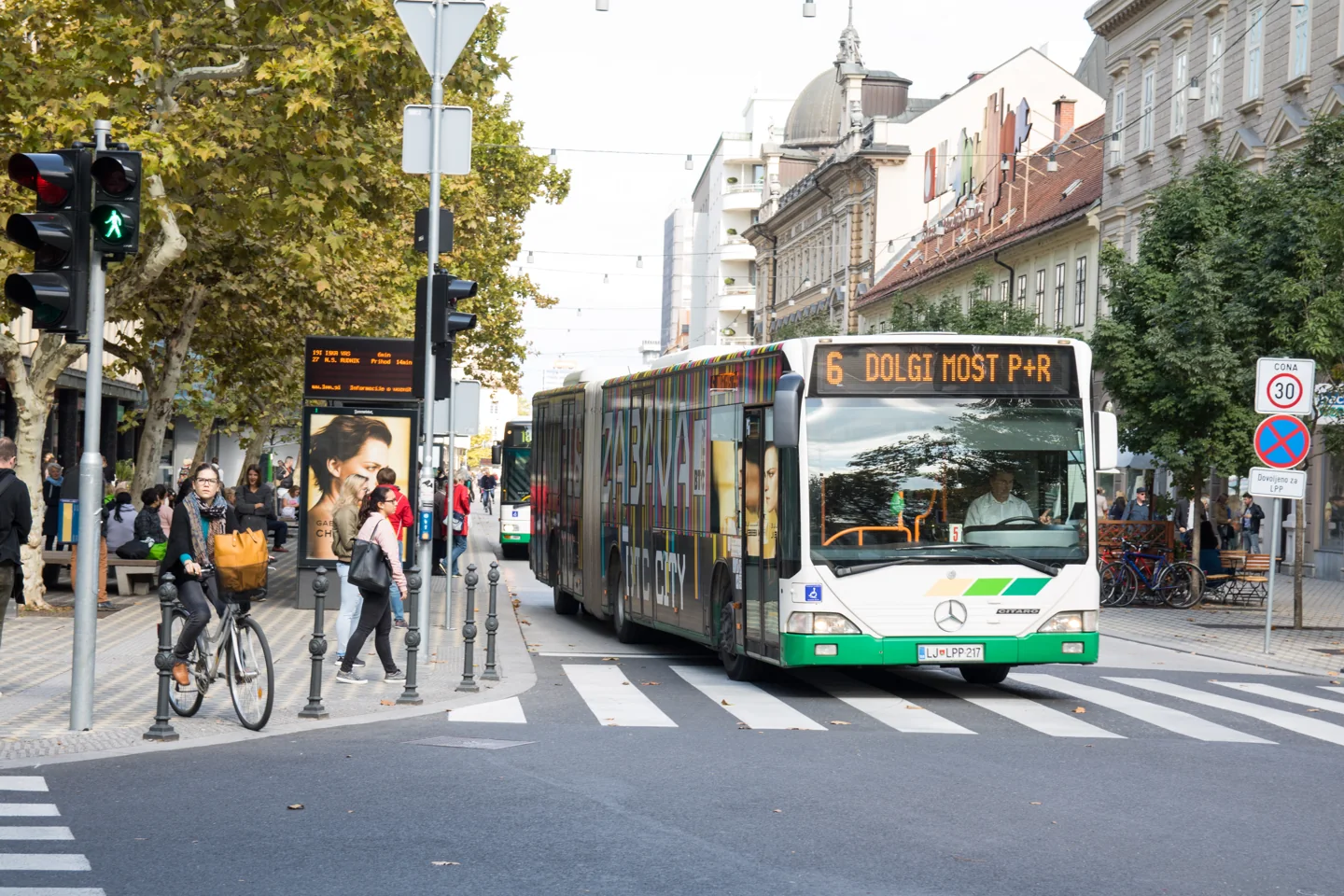
- For Ljubljana, use LPP's transport information to identify the route, fare zone and payment method; check the relevant tariff before loading or buying travel credit.
Before choosing a long internet contract, obtain the installation date for the exact address and read its commitment and cancellation terms. Keep confirmation that the previous occupier's account has been dealt with separately from your own new arrangement.
14Complete the first-month review and build a local routine
Use the first full set of bills and records to check that the move works as intended. Compare the lease, employment or study arrangements, insurance start and official address with what is actually happening. Resolve a mismatch while the supporting documents and handover contacts are easy to retrieve.
- Confirm that every household member's application or registration has the expected status.
- Check the first salary or other income against the agreed terms and keep the statement.
- Review the first utility bills against the opening readings and billing dates.
- Save the expiry dates for residence documents, insurance, the lease and any school or university conditions.
- Choose a regular language-learning or community activity that fits the actual weekly timetable.
For eligible newcomers, Cene Štupar's ZIP enrolment instructions provide a practical language-course starting point. Apply at the administrative office for the eligibility certificate, then contact the provider with it; the certificate is sent later rather than issued immediately. The page distinguishes course attendance from proof of language proficiency. A course-completion certificate should not be assumed to meet an immigration examination requirement.
If retiring or living from a pension
Confirm the residence basis before committing to a retirement move; receiving a foreign pension is not itself a general settlement permission. Assess the pension's tax treatment, payment arrangements and healthcare separately. Under the EU pensioner healthcare coordination rules, the responsible system depends on the pensions and entitlement involved. Where the pension-paying country's insurer remains responsible, request S1 and register it with the healthcare institution in the new country. Ask ZZZS to determine the Slovenian arrangement for the actual case before ending existing cover.
Keep the final household checklist short enough to use: the next appointment, the next payment and the next expiry. Once these are reliable, use the neighbourhood beyond administrative errands—visit the local library, explore a regular market or join an activity you can return to each week.
Sources & further reading
Reviewed 16 October 2026. Sources are linked beside the relevant instructions. The digital-nomad funds test uses the applicable official salary basis; no unverified euro threshold is substituted. Doctor access and the additional-clinic arrangement retain their eligibility and stated 2026 time limit. Confirm the current pet certificate with the veterinary authority for the actual origin and route. School joining charges and the Mobi starter promotion were checked 16 October 2026; tuition and a continuing mobile plan are separate. OZP retains its March 2026–February 2027 period and is not a complete insurance price. Household costs require actual quotations. Photograph credits, licences and capture years appear with the images.
Browse the source directory
- Ljubljana Tourist Board's Šiška directory
- University of Maribor
- University of Primorska's faculty directory
- entry and residence guidance
- Employment Service — single permit
- government's employment instructions
- Interior Ministry — remote work
- ZZZS mandatory health contribution, OZP
- guidance for people moving to Slovenia
- government's basic-school guidance
- British International School of Ljubljana's application process
- admissions page
- University of Ljubljana
- FURS notice of 20 May 2026
- Slovenian veterinary authority's non-commercial third-country instructions
- airport's public-bus page
- government's address-registration instructions
- FURS's foreign-individual procedure
- OTP — account requirements
- official housing portal's tenancy guidance
- SPOT's M-1 registration instructions
- ZZZS doctor-choice procedure
- May 2026 ZZZS service overview
- Telekom Slovenije's Mobi page
- change-of-contract-signatory instructions
- LPP's transport information
- Cene Štupar's ZIP enrolment instructions
- EU pensioner healthcare coordination rules
Make your next step a practical one
Choose the work or study location, identify each household member’s residence route, and collect the documents and housing quotations that support that plan.