Visa
Moving & Living - South Georgia and the South Sandwich Islands - Complete Guide
Plan an authorised South Georgia posting: understand entry and work permits, medical clearance, biosecurity, accommodation, sea travel and the practical arrangements for daily life and return.
Photo credit
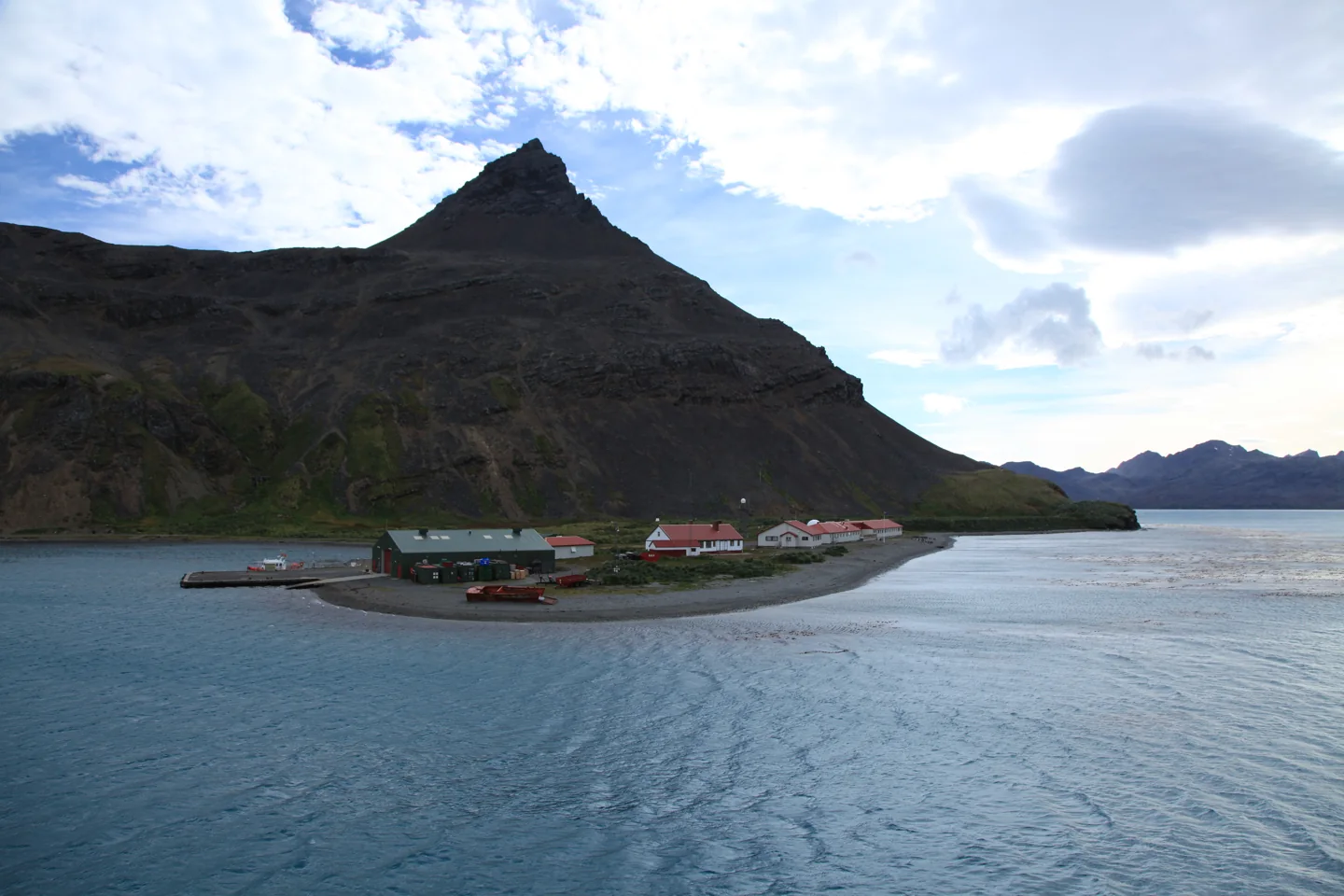
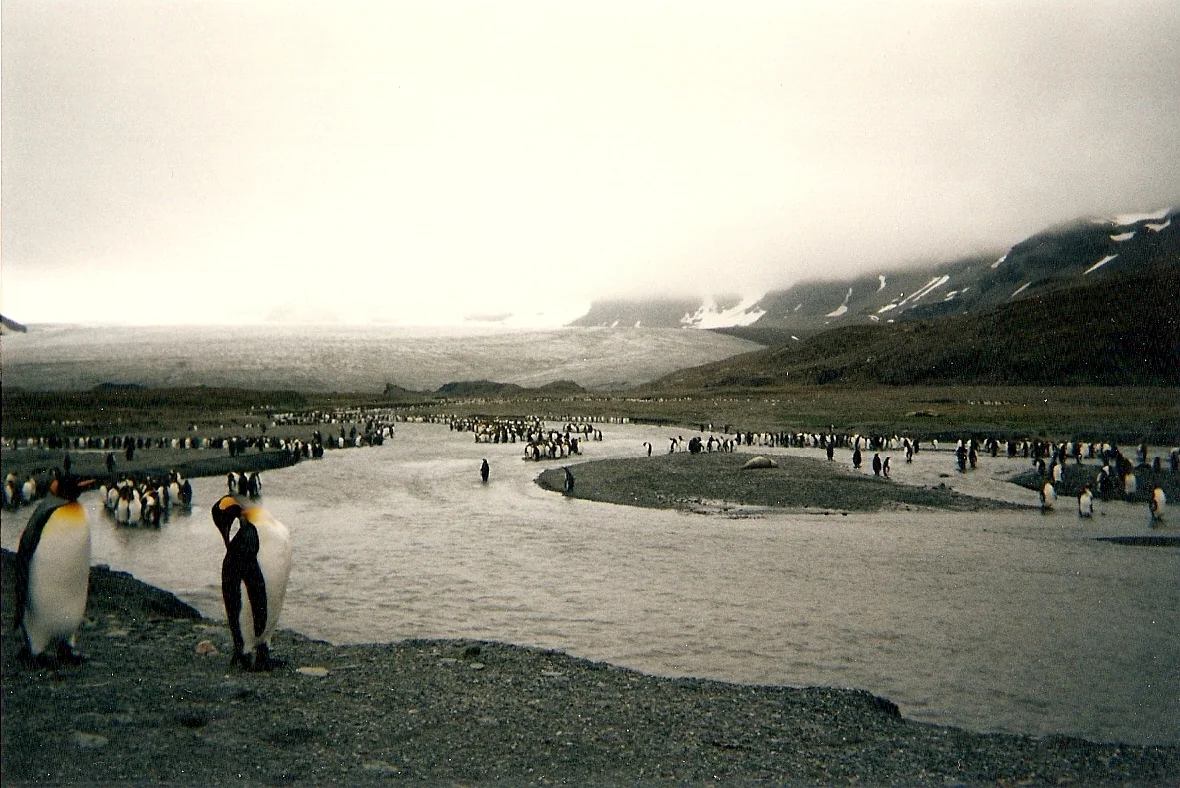
At King Edward Point, a small group of shoreline buildings sits beneath steep slopes; reaching the base means arriving by sea with a purpose and a receiving team. A South Georgia posting is organised around the assignment, transport and support that make time ashore possible.
This guide adapts the moving journey to the territory’s actual circumstances. It covers authorised work and research, preparations, daily arrangements and departure. It does not offer a private settlement, retirement or independent remote-work route. The named station and museum examples are on South Georgia; they are not accommodation or employment options on the South Sandwich Islands.
South Georgia and the South Sandwich Islands at a glance
- Planning basis
- An authorised assignment or permitted visit
- Entry permissions
- Work and visitor categories are separate
- Transport
- Sea passage arranged with the organiser
- Accommodation
- Confirm the assigned station room or vessel berth
- Environment
- Current activity-specific biosecurity procedures
- Reviewed
- 16 October 2026
Follow your moving journey
Start at step 1, or jump to the task you are working on.
01Establish an authorised posting before planning a move
Start with the reason for being on the islands. The territory government's FAQ says ordinary relocation is not possible and there is no permanent resident population. The people present include government and research personnel, with museum staff in summer. Do not build a retirement, independent remote-work or family-settlement plan around a tourist itinerary.
- Identify an actual employer, research project or other authorised activity that requires your presence.
- Obtain the proposed location, duties, dates and receiving contact in writing.
- Establish who arranges entry, travel, accommodation and departure.
- If no organisation is receiving you, investigate a permitted visit rather than buying a supposed residential package.
Keep the posting and any visitor extension separate: an expedition booking does not establish an entitlement to stay for employment. Ask the receiving organisation to explain which personal and activity permissions it obtains and which remain your responsibility.
02Secure a real role and review the deployment contract
Look for a defined assignment with an organisation operating in the territory. The King Edward Point station description explains a research base supporting marine-protected-area and fisheries management, staffed by scientific, technical and support personnel. A role there is a particular deployment; it is not a general licence to establish a private business or work remotely from a rented home.
For heritage work, use the South Georgia Heritage Trust's recruitment page. On 16 October 2026 it stated that no opportunities were open. Treat earlier museum adverts as examples of past recruitment, rather than applications that can still be submitted.
- Find an active advert on the recruiting organisation's own service and read its location and eligibility conditions.
- Prepare evidence of the specific qualifications and experience requested.
- Apply by the advert's method and deadline; do not send personal records to an unverified intermediary.
- Review the offer's duties, duration, pay, training, travel, accommodation, insurance and early-return terms.
- Ask who handles the work-permit application and which pre-deployment conditions remain outstanding.
Keep the employment agreement and deployment instructions together. Resolve any gap between the work dates, permit period and ship schedule with the organiser before departure. If an accompanying partner is proposed, obtain an explicit assessment of their permission and accommodation instead of assuming the employee's arrangements extend to another person.
03Arrange an institutional research project rather than local enrolment
Begin with the university or research institution responsible for the work. Agree the scientific purpose, supervisor, location, equipment and outputs, then establish how the field activity fits the receiving organisation's logistics and permissions. An admission offer elsewhere does not by itself provide a South Georgia placement.
UKRI's Collaborative Antarctic Science Scheme is a practical example for scientists in recognised UK research institutions. It supports small collaborative projects using existing Antarctic activities or infrastructure and offers logistics and some specified costs. It does not fund salaries, capital equipment or other direct science costs. Its January 2026 page lists 31 March 2026 as the next closing date, which had already passed when this guide was reviewed: obtain the next round's position from the Antarctic Access Office listed there.
- Ask the institution to assess project and scheme eligibility.
- Separate scientific funding from transport, equipment and personnel support.
- Identify the permissions needed for the actual sites, sampling and equipment.
- Secure the receiving organisation's approval and deployment instructions before arranging travel.
This is a research-planning example, not a promise that a scheme supports a particular South Georgia project. For a parent considering a posting, resolve children's schooling and care at the household's continuing home base before accepting. This guide has not verified a local school-admission service or an independent university-enrolment route in the territory.
04Apply for the permission matching the activity and dates
The government's entry-permit instructions distinguish work and visits, subject to specified exemptions. Applications use the territory's Entry Control Portal. Ask the organiser whether it applies on your behalf.
- Agree with the organisation whether it submits an individual or group application.
- Provide names, birth date and nationality exactly as recorded in the travel document, plus the purpose and contact information.
- Prepare a passport valid for the permit duration plus four weeks, or the accepted seafarer identity document where applicable.
- Submit well before the intended arrival, resolve payment where applicable and retain the issued permission.
- Check that its dates cover the actual journey and ask for an extension before relying on a longer stay.
Published charges checked 16 October 2026 are £250 for a forty-day visitor permit and no charge for a six-month work permit. Justified extensions are thirty days and six months respectively. These are permission periods, not guaranteed transport or accommodation. An issued permit cannot be amended; changed dates may require a new application and fee.
Official summaries differ: the FCDO entry page for British-citizen passport holders states a thirty-day visitor period, while the territory's application page states forty. Confirm the period and submission deadline with the territory immigration team and rely on the actual issued permission when fixing the itinerary.
Apply more than fourteen days before the first intended landing wherever possible. The territory’s submission rules allow applications made fourteen days or less before arrival only where earlier filing was not reasonably practicable. They require receipt and payment at least eight days ahead; visitor applications submitted, or still unpaid, eight days or less before arrival incur a £50 late fee. Applications three days or less before arrival will not be approved. Allow for weather bringing a vessel forward: paying a late fee does not guarantee approval.
Coordinate the application calendar with the ship's itinerary. Have the organiser identify the latest submission date it accepts, including time for corrections; do not plan to resolve permission at the landing.
05Separate deployment costs from continuing household costs
Build the budget from the offer and the journey, not an invented national rent or grocery figure. Ask the organisation to identify what it supplies, what it reimburses and what remains personal. Record when reimbursements arrive; an employer-funded journey can still require money in advance.
| Before departure | During the posting | On return or delay |
|---|---|---|
| Medical and dental preparation, documents, travel to the gateway, approved equipment | Any agreed room or meal deductions, communications, insurance and continuing home commitments | Gateway accommodation, onward travel, freight return and the reserve for changed dates |
- Allocate each cost to the organisation or household in writing.
- Obtain quotations for personal travel and services, with dates and cancellation conditions.
- Calculate the money needed before the first pay or reimbursement.
- Keep the contingency reserve separate from the ordinary spending account.
- Review tax residence and payroll with the employer or adviser using the actual contract and travel calendar.
For a UK-connected worker, HMRC's residence guidance explains that UK residence affects the treatment of overseas income and uses automatic and sufficient-ties tests. Being away for an assignment does not by itself settle the result. Use its linked residence checker with working days, hours, family and housing information; obtain advice where the posting spans tax years or involves another jurisdiction. This guide has not verified a territory-wide employee tax schedule and does not assume that remote work is tax-free.
As a hypothetical reserve calculation, five additional gateway nights quoted at £100 each would require £500 before meals and replacement travel. Those are assumed figures, not local prices: substitute the actual gateway quotation and the delay scenario agreed with the organiser.
06Keep family, pension and home commitments workable
Plan the assignment around the household that remains elsewhere. The territory is not an ordinary retirement destination: use the government's relocation position in step one when evaluating any offer of an independent retirement stay. Receiving a pension or being able to finance a voyage does not create residence permission.
- List the people, home, pets, possessions and regular commitments affected by the absence.
- Arrange schooling and care through the household's existing services, with a named person handling urgent decisions.
- Tell pension, insurance and other relevant providers about the actual absence where their terms require it.
- Resolve time-sensitive signatures, renewals and payments before leaving.
- Agree a realistic contact routine and the procedure for a family emergency.
If another adult would accompany a worker, obtain a separate written assessment from the receiving organisation covering permission, medical clearance, accommodation and duties, if any. A report that spouses have accompanied government officers is not an eligibility rule for every applicant. Do not enrol a child in an assumed local school or terminate existing care arrangements without a verified alternative.
07Complete medical clearance and document the evacuation arrangements
Resolve fitness for the assignment with the receiving organisation before treating a departure date as fixed. Tell its medical service about the proposed duties, duration and location, rather than buying ordinary holiday cover and assuming it answers the deployment requirements.
For a BAS deployment, the BAS Medical Unit instructions require clearance six weeks before travel. Start by completing BASMU-1 and returning it directly to the medical unit through the contact on that page; the unit then sends the relevant online screening forms. Read BASMU-2, complete the required medical review, and arrange the annual self-assessment and dental assessment. BASMU makes the fitness decision, so a completed form is not the clearance itself.
- Start the medical process as soon as the deployment is proposed.
- Give the medical team the requested history and complete its follow-up requests.
- Discuss ongoing prescriptions, storage and supply for the whole assignment, including possible travel delays.
- Keep clinical records with the medical service and obtain the clearance confirmation required by the organiser.
- Save the emergency reporting and insurer or employer assistance contacts offline.
The government's medical-facilities explanation says vessels must be medically self-sufficient. Limited King Edward Point facilities primarily serve personnel, and there is no island search-and-rescue or other emergency service to assume will provide a public fallback.
Ask the organiser to identify who authorises an evacuation, arranges transport and pays the costs. Obtain written confirmation that cover applies to the actual work, vessel journey and remote location. Keep its exclusions and emergency procedure with the deployment file; a confirmation that someone else bought a policy is insufficient if nobody can produce its terms.
The entry application instructions require cover for evacuation to the nearest country offering adequate treatment, including transport and care in transit, and repatriation of remains. Obtain that evidence before the application is submitted.
08Prepare baggage and cargo against the current biosecurity procedures
Packing for South Georgia starts with the environmental controls. The government's biosecurity service now provides a background document and separate procedures for visitors, vessels, cargo packing and unusual animal mortality. These replace the previous single handbook. Some King Edward Point staff procedures are operational documents supplied outside the public website.
- Read the background document and ask the organiser which procedures apply to the assignment.
- Obtain the staff-specific instructions before buying or packing equipment.
- Inspect clothing, bags and equipment for contamination, and prepare them according to the relevant procedure.
- Agree who packs, checks and records any separate cargo shipment.
- Keep cleaned items protected from contamination before embarkation and present them for the required checks.
The government identifies clothing, equipment and cargo as possible carriers of seeds, invertebrates and pathogens. Include reused field kit and the inaccessible corners of bags in the preparation, rather than treating new boots as the whole task. Ask how checks are repeated between sites and who reports a suspected biosecurity problem.
Do not substitute an old packing list for the current instructions. Obtain explicit approval for unusual personal items, food, biological material and work equipment before committing shipment costs. A household pet should not be added to the manifest as ordinary luggage: this guide has not verified a personal pet-import permission, so obtain a written determination from the territory government and the receiving organisation before making any animal transport arrangements.
09Make payroll and account access work before sailing
Ask payroll which account, currency and payment references it requires. Do not infer the payroll currency from a territory fact box or open an account through an unfamiliar relocation agent. This guide has not verified a walk-in retail banking service or a standard local account-opening process on South Georgia.
- Provide the verified account details through the employer's secure process.
- Confirm the first payment date, deductions and expense-claim method.
- Ask the bank about overseas access, any address change and transaction limits.
- Test the authentication and recovery methods you expect to use during the assignment.
- Arrange recurring household bills and give any authorised helper only the authority actually needed.
Keep account recovery codes and the bank's own assistance details securely available. Establish with the organiser whether a personal phone will receive verification messages and what happens during connectivity interruptions. Prepare this before sailing rather than discovering that an essential account depends on a number you cannot access.
For travel through other countries, obtain the gateway payment arrangements separately. Keep personal funds distinguishable from project advances and retain receipts for reimbursable spending. Agree who can approve an urgent travel expense outside normal office hours.
10Confirm the assigned berth or room and its practical terms
Arrange accommodation through the organisation receiving you. The government's accommodation guidance says South Georgia has no hotels or overnight tourist accommodation ashore; visitors stay aboard their vessel. Do not pay a purported landlord for a normal relocation tenancy on the strength of an unverified listing.
- Ask for the named station, building or vessel and the dates it can accommodate you.
- Establish whether the room is shared and what bedding, laundry, food and storage are provided.
- Record any charges, deductions, rules and responsibilities in the agreement.
- Ask what happens if the arrival is delayed or the assignment ends early.
- Confirm the departure arrangement and how personal equipment is returned.
Prepare questions around the actual working routine: shift hours, quiet periods, shared spaces, dietary needs and access to personal supplies. If any essential need cannot be met, resolve it with the organiser before embarkation. Keep a separate plan for rent, utilities, possessions and dependants at the home base during the absence.
11Confirm the gateway, vessel and arrival handover
The FCDO transport guidance describes sea access, no scheduled services beyond cruise, yacht or expedition arrangements, and no roads on the islands. Treat the journey as coordinated logistics rather than a flight followed by a taxi. Confirm the actual boarding port and vessel with the receiving organisation.
- Obtain the complete route to the boarding point and the onward sea passage.
- Check entry and transit requirements for each gateway against the traveller's nationality.
- Confirm luggage, freight, check-in and contingency arrangements with the organiser.
- Keep documents, permitted medicines and essential personal items accessible during transit.
- Before disembarking, receive the landing instructions and meet the designated receiving contact.
Carry the issued permission, travel document, contact sheet and accommodation confirmation offline. Check arrival arrangements again when the vessel schedule changes. Ask how an early arrival or delayed sailing affects the permit, room allocation and onward connections.
At the handover, identify the person responsible for your induction and the procedure for reporting a problem. Complete the required safety and biosecurity briefings before beginning duties or exploring independently. Record the current movement restrictions and the return-to-base arrangements for the actual site.
12Keep the permission and posting records consistent
At induction, identify who keeps the personnel and entry records and who handles questions for the immigration authority. This guide has not verified an ordinary municipal resident-registration, local identity-card or retail taxpayer-registration service for incoming workers. Do not substitute a generic registration checklist from another country.
- Check the name, travel document and validity on the issued permission against the arrival record.
- Give the authorised administrator the documents required for the assignment through its approved process.
- Record the actual arrival and planned departure, keeping the supporting travel records.
- Save the permission conditions, contract and emergency contacts in a secure offline file.
- Report a proposed change of activity or length of stay before acting on it.
Separate an employer's internal induction from government authorisation. Keep an unanswered permission question open with the named administrator until a responsible authority has resolved it; a colleague's previous experience does not amend the terms issued to you.
13Learn the site's communications and shared-service arrangements
Obtain a site-specific briefing on communications, power, water, food, laundry and waste. A research station or vessel supplies a managed environment; its facilities and access rules must come from the operator. This guide has not verified a public mobile-plan, domestic utility-account or household broadband application service for the territory.
- Ask which personal devices and charging equipment are accepted.
- Establish the connection available to personnel, any usage limits and the permitted personal-call arrangements.
- Test a call or message to the household contact once authorised access is available.
- Save the site's urgent reporting method separately from ordinary personal messaging.
- Learn how to report faults, conserve supplies and handle waste under the site's instructions.
Download essential reading and entertainment before travelling, subject to the operator's device rules. Arrange account recovery without assuming continuous personal connectivity. Agree what the home contact should do if an expected call is missed, including how long to wait and which official contact to use.
14Complete induction, observe site limits and plan the return
Use the first weeks to learn the station or vessel routine: duties, shared tasks, reporting, rest and permitted recreation. Ask the leader to identify where you may go, the approval needed for excursions and the equipment and communications required. Permission to work at a base does not make every historical site accessible.
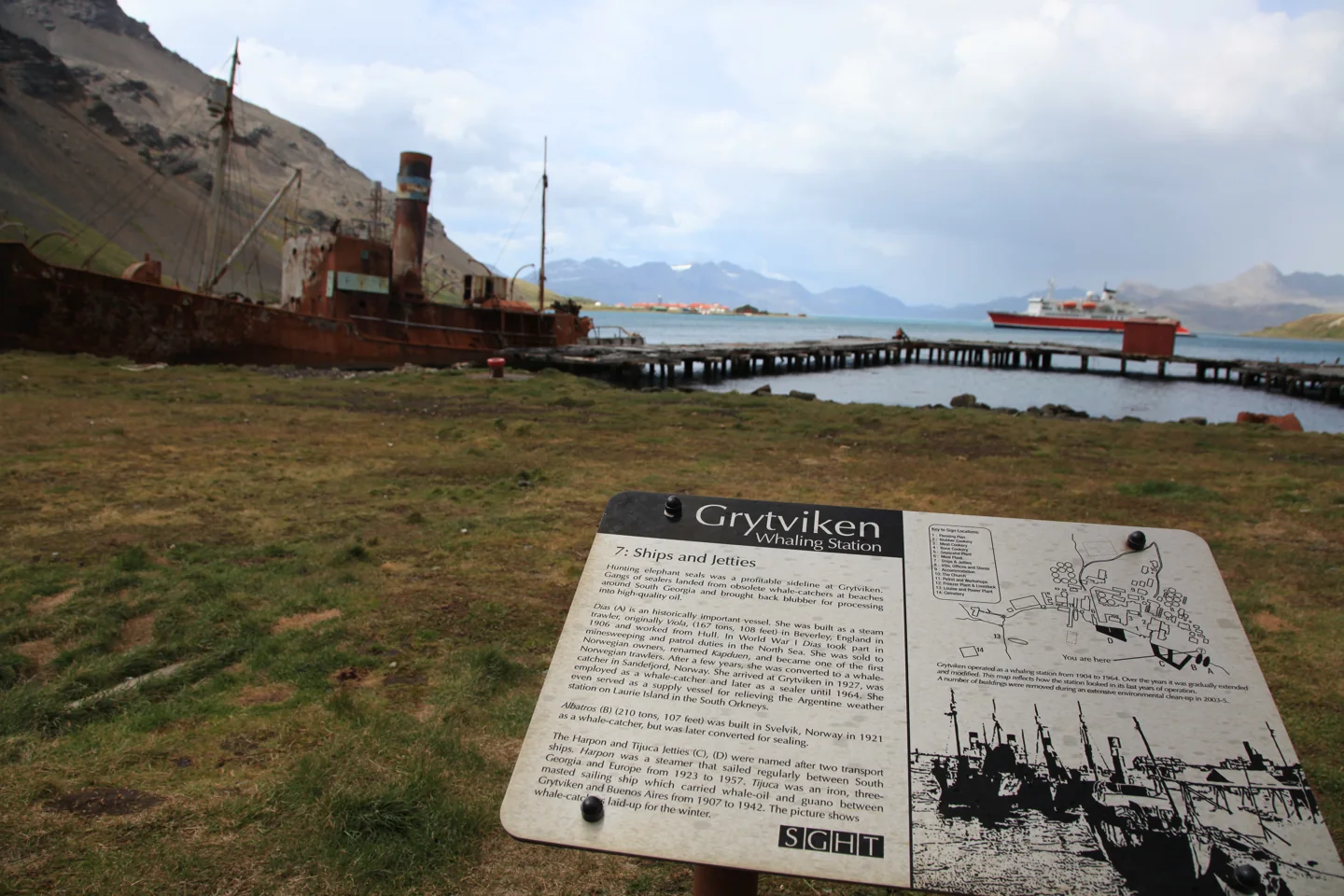
The FCDO site-access guidance identifies dangerous former whaling stations at Prince Olav Harbour, Leith Harbour, Stromness and Husvik, including asbestos hazards and a 200-metre exclusion unless the responsible authority directs otherwise. If unexploded ordnance is encountered, do not touch or approach it; report its position to the Government Officer at King Edward Point.
- Complete safety and biosecurity induction before independent duties.
- Confirm the work, contact and rest routine with the team.
- Review actual expenditure and outstanding reimbursements.
- Check that the departure plan remains within the permission period.
- Prepare equipment, records and accommodation for handover.
- Retain departure evidence and close the employer's outstanding administration.
Agree the return journey early enough to handle a changed sailing. Keep home-base accommodation and the contingency reserve available until the onward route is secure. After return, reconcile pay and expenses and provide the travel record needed for the relevant tax assessment.
Sources & further reading
Reviewed 16 October 2026. Sources are linked beside the relevant instructions. There is no ordinary relocation route. The guide identifies unverified public banking, utility, identity-registration and education services rather than inventing them. Research-scheme dates and recruitment availability retain their review context. Employer support must be confirmed for the actual assignment. Obtain current site and deployment instructions directly from the receiving organisation. Photographs show dated South Georgia locations and do not establish current access or conditions. The government application page’s permit fees and periods were checked on 16 October 2026; its visitor period differs from the FCDO summary, as explained in the entry step. The gateway-reserve calculation is hypothetical. Personal travel, equipment, insurance and continuing home costs require actual quotations; no monthly local living-cost total is invented. Photograph credits, licences and capture years appear with the images.
Browse the source directory
- territory government's FAQ
- King Edward Point station description
- South Georgia Heritage Trust's recruitment page
- UKRI's Collaborative Antarctic Science Scheme
- government's entry-permit instructions
- FCDO entry page for British-citizen passport holders
- HMRC's residence guidance
- BAS Medical Unit instructions
- government's biosecurity service
- FCDO transport guidance
Make your next step a practical one
Establish the receiving organisation and actual assignment first. Then align permission, medical clearance, accommodation and sea passage before making household or travel commitments.