Visa

Moving & Living - Sri Lanka - Complete Guide
Plan your move to Sri Lanka step by step: choose a base, establish the right residence and work route, prepare documents, complete health and tax procedures, and arrange housing, schools and everyday services.
Photo credit
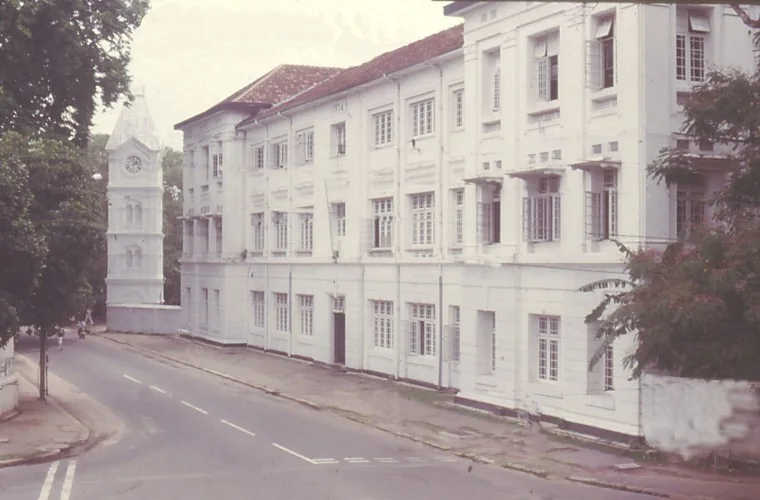
A weekday in Colombo might connect an office, school and appointments across several neighbourhoods. In Kandy the lake and the journey towards Peradeniya shape a different search; in Galle, the Fort and surrounding town offer another setting. Choose the place around the life you will actually lead, then make the permission, housing and service arrangements fit.
This guide follows the moving process from preparation to the first month. It distinguishes a local job from overseas remote work and investment, explains the retirement scheme’s renewal-only status, and puts the required health assessment before the relevant residence submission. Follow the optional steps that apply to your household and keep the actual decision, receipt and deadline for each task.
Sri Lanka at a glance
- Currency
- Sri Lankan rupee · LKR
- Start with
- The actual worksite, school or campus journey
- Residence
- Match the permission to the planned activity
- Tax identification
- TIN through the Inland Revenue Department
- Medical emergency
- 1990 · Suwa Seriya pre-hospital ambulance
- Reviewed
- 16 October 2026
Follow your moving journey
Start at step 1, or jump to the task you are working on.
01Choose a base around the worksite, school and services
Colombo, Kandy and Galle offer different versions of the move. Start with the fixed destination in your weekday: the employer's office, the child's school or the university faculty. A coastline or lake view can be attractive without solving the practical journey you need to make.
| City | Areas to investigate | Decision to make on the ground |
|---|---|---|
| Colombo | Kollupitiya, Bambalapitiya, Cinnamon Gardens and Narahenpita | Which exact address connects the workplace, school and healthcare you intend to use? |
| Kandy | The lake area and the route towards Peradeniya | Does the daily route work for the campus or workplace, including access to the home? |
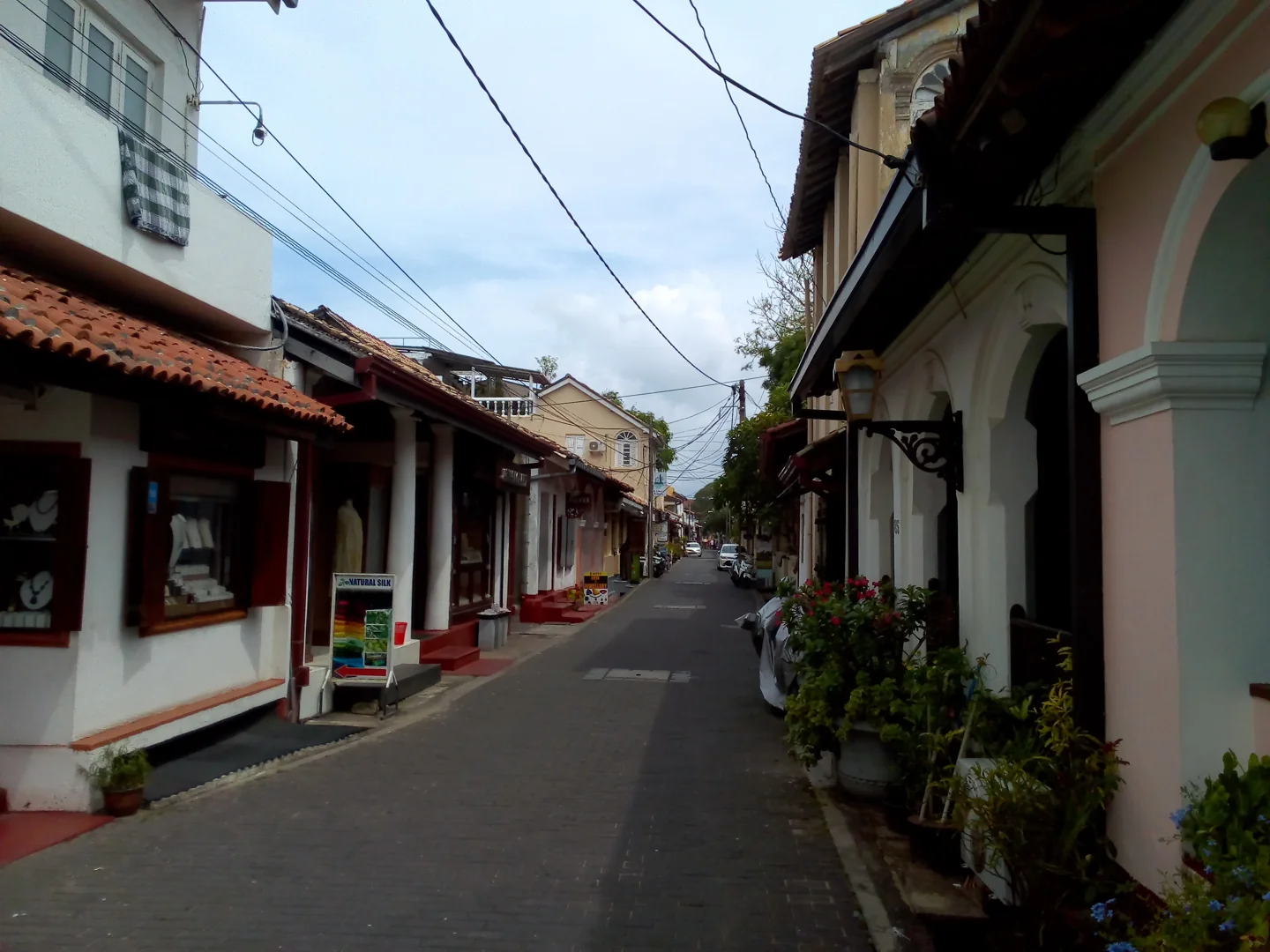
| Galle | Fort and the surrounding town | Can the proposed home support an ordinary week, beyond its appeal for a short stay? |
These are inspection starting points, not rankings of price or safety. Visit the street at different times, test the actual commute and ask about building access, drainage, ventilation and the responsibility for water and electricity. For a remote-work household, test a video call inside the proposed home rather than relying on a provider's national coverage claim.
- Mark each household member's fixed destination.
- Shortlist addresses with plausible journeys to all of them.
- Compare written housing offers with utilities, furnishings and payment timing included.
- Stay temporarily while inspecting the home and confirming the administrative arrangements.
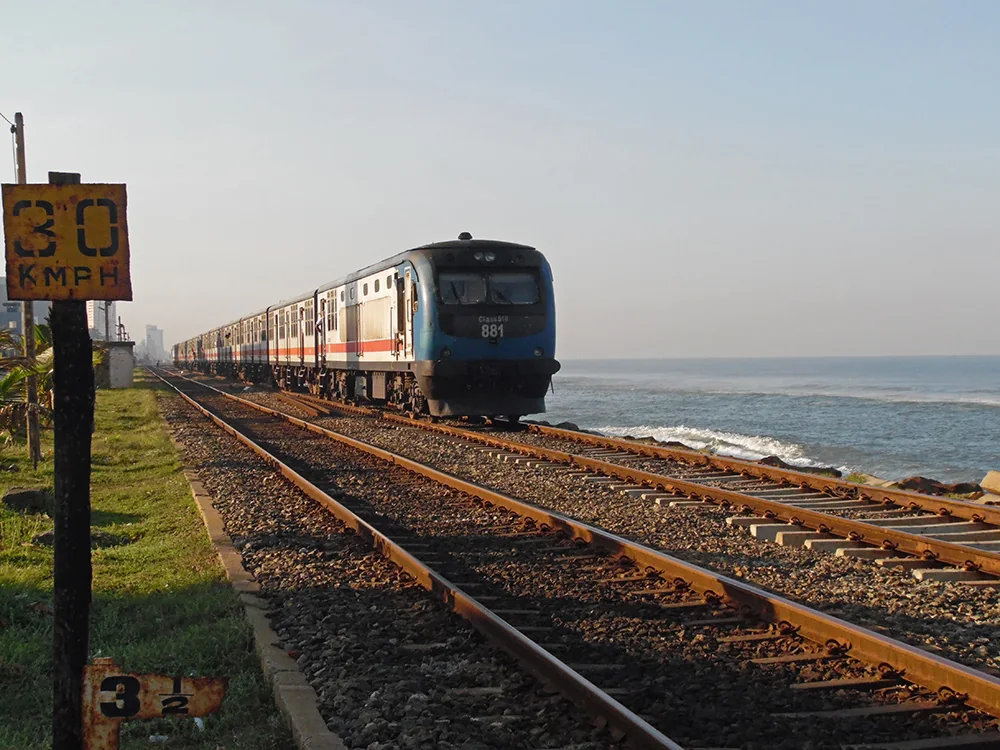
If regular travel to Colombo is part of the plan, evaluate it before choosing a distant base. Use the Sri Lanka Railways reservation service for the actual route and date; its published services include Colombo Fort–Kandy and the southern line towards Beliatta. A scenic trip and a dependable working-day routine are different decisions. Leave the first search with a small shortlist and evidence for why each address works.

02Match the entry and residence process to the planned activity
Make the immigration decision before selecting a permanent home. Record what each adult will do: work for a local employer, serve overseas clients remotely, manage a qualifying investment, study or accompany an eligible principal applicant. The same household can contain people whose permissions and obligations differ.
The Department's residence-category page provides the starting checklists for employment, education and eligible family circumstances. Ask the actual employer, institution or recommending authority to identify its category and the entry arrangements that precede the residence application. Keep the confirmation with the proposed departure date and the permission's conditions.
| Purpose | Next task |
|---|---|
| A local job | Establish the employer and recommending authority in the employment step |
| Overseas remote work | Build the Digital Nomad Visa file in the remote-work step |
| Investment | Identify the permitted activity and fund-transfer mechanism before committing capital |
| Study | Secure the appropriate admission and student-entry instructions |
| Family or retirement circumstances | Establish actual eligibility rather than assuming a general settlement entitlement |
The Department's investigation FAQ expressly excludes employment and business activity on a visit visa. Do not use a visitor booking as a substitute for the assessed long-stay route. Students should also follow the institution's advance visa instructions; the education step explains the published restriction on tourist-to-student conversion.
- Identify the purpose and eligible household members.
- Obtain the category's current checklist and recommending authority's instructions.
- Resolve filing location, entry sequence and document requirements.
- Confirm charges with the responsible service and submit through its actual process.
- Record the decision, authorised activity, expiry and next administrative task.
Keep the household checklist specific. Write down which office has which original, who will receive the decision and what happens if a document or recommendation is delayed. This makes the move manageable without treating a submitted application as a guaranteed approval.
03Put the employer and the work-authorisation sequence in place
Begin with the organisation offering the job. Ask its human-resources team to identify the residence category, recommending authority, entry arrangements and person responsible for submitting the file. A salary offer and an apartment booking are not a completed work-permission process.
The Immigration Department's employment FAQ says the foreign employee should arrive with the relevant entry visa or landing endorsement and apply for residence within the stay granted at entry. It explicitly excludes employment on a visit visa. A residence visa tied to Company A does not permit employment at Company B; a change of employer needs the appropriate permission for the new workplace.
- Obtain the written offer, job description, location, proposed start date and sponsor contact.
- Have the employer establish the correct recommending authority and entry process.
- Prepare the sponsor's company documents and your identity and health records.
- Complete the residence process within the authorised entry period.
- Confirm the granted conditions before starting the role or changing employers.
For a private-sector company, the published residence checklist includes the company's request, registration and director details, constitutional documents, line-ministry recommendation, passport evidence and Health Protection Plan. BOI projects have their own recommendation and agreement requirements. Ask the sponsor to match the file to its actual category rather than assembling a mixture of unrelated checklists.
Agree who pays the immigration, assessment and relocation expenses, what happens if the proposed start moves, and whether dependants are included in the support package. Give payroll the household's real tax and banking position. If permission or a required document is still pending, record the next action and responsible person in writing so that travel and employment dates remain realistic.
04Build the remote-work or investment application around the real activity
The official Digital Nomad Visa guidance covers adults working remotely, freelancing or owning an overseas-registered business serving clients abroad. It requires minimum monthly remittances of US$2,000; when dependants exceed two, its wording adds US$500 monthly for each additional dependant. Confirm the household calculation and accepted remittance evidence with the Residence Visa Division before moving funds.
The checklist includes a request and application, passport and photographs, relationship records where relevant, security and medical clearance, a police certificate no older than three months, international insurance covering Sri Lanka and a Ministry of Digital Economy recommendation. Submit the completed file to the Residence Visa Division. The guidance lists one-year validity and US$500 per person per year, including spouse and dependants. Local employment is excluded. Changes to employment, income or dependants must be notified within 30 days; extension also requires tax-registration proof. These published terms were checked on 16 October 2026.
Plan departure as well as renewal. The same Digital Nomad Visa guidance lists two months’ written notice when requesting termination and notification fourteen working days before leaving Sri Lanka permanently. Ask the Residence Visa Division how to coordinate those notices for the actual departure date, and retain its acknowledgement.
For investment, use the separate Investor Visa guideline, which describes US$100,000 for five years or US$200,000 for ten. The latter starts with a five-year endorsement and an official letter for the additional period. Establish the permitted investment and sector restrictions before incorporating a company or buying an asset.
- Discuss the proposed investment with a licensed commercial bank and qualified local adviser.
- Arrange the required Inward Investment Account (IIA) and Visa Programme Foreign Currency Account (VPFCA), following the published fund-transfer sequence.
- Prepare the proposal, bank confirmation, identity, family and clearance records.
- Submit the file to the Residence Visa Division and retain the decision and ongoing conditions.
The investor guideline lists US$200 per person per year and reviews every two years. An investment threshold does not override restrictions on particular sectors or property. Ask the Department to confirm the applicable current programme before committing: its general residence page also contains differently structured investment schemes. Keep business registration, investment compliance and personal immigration permission as separate tasks.
05Cost the first move and assess tax before comparing salaries
Use Sri Lankan rupees (LKR) for local household bills and keep foreign-currency immigration or school charges in their quoted currency until you obtain the bank's actual conversion cost. Build the budget from the proposed home, household and commuting pattern rather than a single national monthly estimate.
| Initial cash commitments | Recurring expenditure |
|---|---|
| Travel, permission, assessments and document preparation | Rent, electricity, water and internet |
| Temporary accommodation, agreed deposit and advance rent | Food, transport and household services |
| Freight, furnishings and school setup | School fees, insurance, healthcare and tax provision |
For a hypothetical calculation, not a Colombo market quotation, rent of LKR150,000 with three months requested in advance means LKR450,000 before any separate refundable deposit, utilities or moving costs. Ask what period each payment covers and when the next instalment is due. Compare competing offers on that full basis.
IRD's income-tax overview distinguishes residents' global income from non-residents' Sri Lankan-source income. It describes self-assessment and quarterly instalments for instalment payers. Give an adviser the actual move dates, income sources, overseas work arrangement and household circumstances, and establish the applicable treaty treatment before assuming an overseas-paid salary is exempt.
There is a material route-specific exception: the 2026 Inland Revenue amendment inserts a provision that an individual holding an Investor Category Residence Visa is not resident for the year of assessment notwithstanding the ordinary residence rules. Have a qualified adviser establish whether the particular endorsement falls within it and what Sri Lankan-source liabilities remain. This is not a blanket exemption for digital nomads, employees or everyone investing money.
Get a gross-to-net payroll illustration, list income outside payroll and assign responsibility for returns and payments. Keep a reserve until the first salary and utility bills arrive. If a quotation is in US dollars but payable in rupees, record the agreed exchange mechanism rather than silently treating the two currencies as interchangeable.
06Secure the school or university place before fixing the start date
Begin with the child's curriculum, age and learning needs, then consider the journey. Ask the school to explain teaching language, assessment, support capacity, term dates and the complete fee schedule. Compare a full school year, including transport and activities, rather than tuition alone.
As a Colombo starting point, Elizabeth Moir School publishes an entry process involving tests in English and mathematics from KG1 and thinking skills from Form1, with interviews for the youngest groups. It identifies limits on its special-needs resources, so discuss individual requirements directly before relying on a place. Its application service asks for a current photograph, passport and recent school report, with originals brought on the visit.
- Ask which year group and curriculum fit the previous schooling.
- Submit the application and records through the school's stated process.
- Arrange the relevant assessment and discuss support needs.
- Obtain the decision, complete enrolment and confirm the start and transport arrangements.
For university study, the University of Colombo Faculty of Medicine's foreign-admission page explains the UGC route and evidence such as certified examination records, language proficiency where applicable and funding. It describes sending the application by registered post and a scanned file to the UGC by the relevant deadline. Use the current call for the actual course and intake rather than treating a general page as an open application window.
The same university page states that tourist visas are not converted to student visas, and tells prospective students to arrange the correct visa in advance. Coordinate with the receiving institution after the offer. The immigration checklist for university students includes the university letter, Higher Education recommendation, passport and health-plan evidence. Admission, permission and a suitable place to live must all be arranged; none guarantees the others.
07Establish an available route before planning retirement
The Department's My Dream Home page is labelled extension only for existing holders. It provides renewal instructions for that group, including financial evidence, applicable insurance and restrictions on work. A new retiree should not interpret those renewal conditions as an invitation to start a fresh application.
Begin by establishing whether a current family, investment or other eligible route fits the actual circumstances. Ask the Residence Visa Division about the proposed category before paying an intermediary or transferring a deposit advertised as part of a retirement package. An attractive home and sufficient pension income do not independently create permission to remain.
- Obtain a documented assessment of the available immigration basis.
- Request insurance terms for the actual age, conditions and intended length of stay.
- Identify where regular prescriptions, specialist reviews and emergency care will be obtained.
- Review pensions, investments, currency transfers and tax treatment with the relevant advisers.
- Keep enough flexibility to change accommodation or arrangements after the initial stay.
Choose the home for daily access as well as comfort: stairs, lift access, the route to appointments and the person who can help when a household member is away. Make any support or care arrangement explicit, including duties, cost and cover during absences. Existing My Dream Home holders should use their own renewal checklist and dates; newcomers should proceed only after establishing a route that is actually available to them.
08Prepare the household file, shipment and animal-import permit
Make one document file per person. Keep passports, decisions, relationship certificates, school reports, employment or income evidence and requested clearance records together. Ask the receiving authority which originals, certifications and translations it accepts before ordering multiple copies. Keep essential originals in hand luggage rather than in the shipment.
For belongings, use Sri Lanka Customs' passenger guide to establish whether the actual status and consignment qualify for baggage treatment. It distinguishes tourists from residents, including foreign-passport holders with residence visas. The ordinary-resident provisions identify accompanied or unaccompanied personal goods and specified arrival windows, including 30 days before or 90 days after arrival, and goods brought within 90 days of the first residence visa. These conditions do not mean every item in a household shipment is duty-free.
- Prepare an inventory showing the goods, quantities and ownership.
- Give the customs representative the actual arrival and residence-permission dates.
- Establish allowances, restricted items, charges and the required clearance documents before shipping.
- Keep the consignment reference and warehouse or agent's collection instructions.
For animals, DAPH's import service requires an import permit before bringing them into Sri Lanka. Dogs and cats use the guideline and application form linked by DAPH; other species have separate health protocols. Follow the current species-specific requirements with the veterinarian and obtain the permit before finalising the animal's travel. Confirm the health records, carrier arrangements and arrival inspection instructions against the issued permit. An airline's acceptance does not replace the animal-import permission.
Coordinate the shipment and pet timetable with temporary accommodation and the permanent home's rules. Record which person can receive each delivery and what happens if the household arrives first. That prevents storage, boarding or delivery costs from appearing as a surprise after the move.
09Reach the first address and make communication and payments work
Save the first address, access instructions and receiving contact offline before boarding. Carry the permission and sponsor details needed for your entry process, plus insurance information and essential medical records. Plan the transfer for the actual luggage, household and arrival time rather than assuming everyone can manage the same vehicle or route.
At Bandaranaike International Airport, the airport authority's taxi service has counters in the arrival lobby and porch. Ask the counter to quote the exact address, vehicle size and any extra stops before accepting. The published page did not provide a usable destination-fare table at review, so this guide does not invent a fixed Colombo transfer price.
For a first mobile connection, Dialog's arrival instructions identify stores after Customs in the arrival lobby and passport verification for a prepaid SIM. Test a call and data before leaving the counter. If you reserved online, keep the order details available; compare the actual plan, validity and top-up arrangements with your needs.
- Complete the applicable entry and declaration procedures and retain the records.
- Arrange transport to the agreed address and confirm handover.
- Test the phone, payment access, water, electricity and keys.
- Contact the sponsor or receiving institution and confirm the next submission or assessment.
- Put the actual entry-stay expiry and appointment dates into the calendar.
Keep the initial days flexible for the residence and health-assessment sequence. Before paying for permanent housing, inspect the property and establish which address evidence the bank and IRD will accept. Finish the arrival stage with a functioning base, a way to contact the responsible services and an identifiable next action for each pending procedure.
10Complete the required assessment and arrange continuing healthcare
For applicants subject to the Health Protection Plan, the official assessment instructions say to apply within seven days of entry and complete assessment before the residence application. Published exemptions include specified diplomatic, UN and government-related groups; establish whether one actually covers your case.
- Book through the official registration service and print the confirmation; walk-ins are not accepted.
- Bring the original and any previous passports, biodata-page copy and confirmation. Follow the alternative documentary instructions if Immigration holds the passport.
- Attend the assessment and obtain the resulting medical and HPP records.
- Continue the residence process with the required evidence.
The service lists US$75 per person, paid in LKR, and one-year assessment validity, checked on 16 October 2026. Its stated HPP benefits cover specified government outpatient, primary and emergency services and assessment-diagnosed diseases; they exclude non-emergency hospitalisation and private-hospital treatment. The plan is therefore not a substitute for deciding how the household will fund all its care.
Arrange insurance appropriate to the actual immigration route, conditions and preferred providers. Ask how appointments, outpatient medicines, inpatient treatment and any evacuation are handled, including direct settlement versus reimbursement. Keep prescriptions and a concise medical summary available when approaching a new clinician.
For a named Colombo starting point, Lanka Hospitals' international-patient contact service at Elvitigala Mawatha, Narahenpita, provides appointment and enquiry contacts. Ask the provider and insurer about the actual service, charges and authorisation before planned treatment. Keep the closest suitable facility's contact details with the home address.
For a medical emergency, 1990 Suwa Seriya provides a free pre-hospital ambulance service across all districts, reached by dialling 1990. It is not routine clinic transport or a scheduled hospital-transfer service. Save the number and make sure household members can give the precise location.
11Complete the residence endorsement and obtain the tax records you need
Use the passport endorsement and decision to establish your permitted activity and expiry date. Check each family member's record separately. Keep the application receipt, assessment records, recommendation and collection instructions together; a pending application should not become an assumed extension of the period originally granted.
For the residence appointment, reconcile the names and passport details against the file before submission. Ask the responsible sponsor or Residence Visa Division to resolve any inconsistency, and record the next renewal action once the permission is issued. The general category instructions identify annual or recommending-authority periods for several routes, rather than an automatic unlimited right to remain.
For taxation, the IRD's 2026 taxpayer-registration guide requires foreign individuals to provide a valid passport and local address proof. It distinguishes obtaining the Taxpayer Identification Number (TIN) from registering for the tax types that your activities and liabilities require. Use the official registration service and quick guides rather than assuming a TIN alone completes every filing obligation.
- Assemble the passport and accepted evidence of the actual local address.
- Follow the individual taxpayer-registration process and retain the resulting TIN.
- Arrange the PIN needed for e-services and keep the registered contact details accurate.
- Register for the relevant tax types, with advice where the work or income spans countries.
- Put the actual filing and payment dates in the household calendar.
Use the tax record when a subsequent procedure requests it, including the digital-nomad extension requirement. Keep residence expiry, tax-year obligations and account-document updates as separate calendar entries. When the home or passport changes, ask the affected services which records need updating and retain their acknowledgements.
12Choose the appropriate account and complete the bank's identity checks
Tell the bank why you need the account: local salary, foreign remittances, everyday rupee payments or a qualifying investment. Ask which account category fits the actual residence and funding arrangements. Do not assume a personal payment account performs the same role as the IIA or VPFCA required for an investment application.
Commercial Bank's personal KYC form asks foreign-passport holders for the purpose of opening the account, residence and visa details, occupation, source of funds and expected transactions. Its documentary checklist includes a valid permit for non-national customers. For address verification, it lists options such as a tenancy with the owner's billing proof, a current utility bill or employment evidence; it excludes mobile bills and other banks' statements from that particular address checklist.
- Ask the selected branch to confirm the eligible product and complete document list.
- Bring the accepted identity, permit, address and source-of-funds evidence.
- Complete KYC and any tax-residence declarations accurately.
- Read the product's current fees, balance rules, remittance and withdrawal conditions.
- After approval, test digital access and a small payment before directing essential income to it.
Keep remittance receipts that identify the sender, currency, amount and receiving account. These records are useful for reconciling household funds and for a route requiring remittance evidence. Before a large transfer, compare the receiving charges and actual exchange rate, and verify the beneficiary details independently of a payment request.
Agree within the household who owns each account and how bills will continue when one person is away. Retain a second usable payment method while the account is being assessed. Keep the bank's residence, passport and contact records updated when those details change; opening approval is the bank's decision, not an automatic consequence of having a lease.
13Inspect the home and have the lease properly prepared
Inspect the exact home rather than relying on a photograph of the building or neighbourhood. Test taps, hot water, cooking equipment, sockets, fans or air conditioning, mobile reception and access. Ask who deals with a blocked drain, failed pump, appliance fault or building repair, and how those requests are recorded.
Use a Sri Lankan lawyer or licensed notary to establish the required form and execution of the proposed lease. The 2024 Prevention of Frauds amendment sets formalities for relevant deeds and instruments, involving the executants, witnesses and licensed notary being present together. Have the professional apply the current requirements to your agreement; an informal exchange of messages should not become the whole record of a substantial tenancy.
- Establish the owner's identity and the representative's authority to let the home.
- Obtain a draft setting out the property, occupants, term, rent and payment currency.
- Separate advance rent from the refundable deposit, and define deductions and return arrangements.
- Agree notice, early departure, renewal, repairs and responsibility for utilities and building charges.
- Complete the required signing process and obtain receipts before handover.
This research did not establish one universal deposit or advance-rent figure for every Sri Lankan tenancy. Treat the amount requested as a term to assess, not a national rule. Ask for a written breakdown and take legal advice on the particular agreement before paying a large advance.
At handover, list furnishings, equipment condition, keys and meter readings, and take dated photographs with the landlord's agreement. Record any existing damp, damaged fittings or missing item before accepting responsibility. For an apartment, obtain the building rules on visitors, pets, parking and service access. Finish with a copy of the executed agreement and an understandable route for both repairs and eventual deposit settlement.
14Connect the home, test transport and establish the first-month routine
Confirm internet at the specific premises before depending on it for a job. The SLT broadband page listed Unlimited Home Fibre at LKR5,900 monthly plus tax, with advertised 100/50Mbps download/upload speeds, when checked on 16 October 2026. That is a published service example, not an assurance of availability or delivered speed at every address. Obtain a connection quotation covering installation, equipment, tax and any commitment before ordering.
Test the connection with the applications you use and keep a workable mobile backup while installation is pending. For the phone, record the SIM's number, plan validity and renewal method. Dialog's published tourist options can serve an arrival need; ask the provider which ongoing arrangement fits a longer stay and retain the registration record.
For a CEB-supplied home, the change-of-tariff-customer guidance distinguishes occupancy, ownership and consent situations. Establish with the landlord and electricity office whether a name change is appropriate and which agreement, evidence, balance settlement and security deposit the case requires. Do not confuse paying the bill with having completed the supplier's account process. Record the opening reading and agree responsibility for electricity, water and building charges in the lease.
Test school and work journeys at their real times. For a reserved rail trip, use the official service's general-passenger search with the actual stations, date and passengers, and read the offered ticket conditions. For regular commuting, ask the station which product and identification process fits your circumstances; the online season-ticket form specifically asks for a Sri Lankan NIC, so a foreign newcomer should not assume that form will accept a passport.
| First-month review | Evidence to retain |
|---|---|
| Permission and assessment | Decisions, receipts, appointment details and expiry dates |
| Home and services | Executed lease, inventory, meter readings and first bills |
| School, work and payments | Confirmed start arrangements and tested payment access |
| Next obligations | One named person and next action for each outstanding task |
Find a recurring activity near the home: a language class, sports group or school community event. Attend before committing to a long membership. Keep enough space in the first month to complete appointments and learn the neighbourhood; by its end, everyday services should work and every remaining administrative task should have a date and owner.
Sources & further reading
Reviewed 16 October 2026. Sources are linked beside the relevant instructions. Reviewed on 16 October 2026. Application instructions distinguish entry, the residence category and permitted activity. The investor section identifies differing official programme descriptions and asks for confirmation before committing capital. The tax discussion includes the 2026 investor-category amendment; it does not extend that treatment to other visa holders. The HPP service lists exemptions and limited benefits. Universal residential deposit and advance-rent figures were not established. Photographs are documentary views with their source dates and individual licences, not evidence of current housing or service availability. Published immigration and health-assessment charges retain their US-dollar denomination and any stated rupee payment requirement. SLT’s LKR5,900 monthly plus tax example is a provider listing checked on 16 October 2026, subject to address-specific availability and contract terms. LKR150,000 rent and LKR450,000 advance are a hypothetical calculation, not a Colombo market quotation. No national monthly living-cost figure or fixed airport transfer price is invented. Photograph credits, licences and capture years appear with the images.
Browse the source directory
- Sri Lanka Railways reservation service
- Department's residence-category page
- Department's investigation FAQ
- official Digital Nomad Visa guidance
- Investor Visa guideline
- income-tax overview
- 2026 Inland Revenue amendment
- Elizabeth Moir School
- application service
- University of Colombo Faculty of Medicine's foreign-admission page
- My Dream Home page
- Sri Lanka Customs' passenger guide
- DAPH's import service
- airport authority's taxi service
- Dialog's arrival instructions
- Health Protection Plan
- Lanka Hospitals' international-patient contact service
- 1990 Suwa Seriya
- IRD's 2026 taxpayer-registration guide
- official registration service and quick guides
- Commercial Bank's personal KYC form
- 2024 Prevention of Frauds amendment
- SLT broadband page
- change-of-tariff-customer guidance
Make your next step a practical one
Choose the actual residence basis and daily destinations first. Use the relevant steps to establish entry, assessment, residence, finances and the home, then review every outstanding obligation at the end of the first month.