Visa

Moving & Living - Switzerland - Complete Guide
Move to Switzerland step by step: choose a neighbourhood, arrange the correct residence and work basis, prepare school and university applications, and set up registration, banking, housing, healthcare and transport.
Photo credit
A Swiss move is organised around a real address: a daily journey through Zurich, a school enrolment in Geneva or the handover of a flat in Bern. The canton and municipality matter alongside your nationality, because immigration, registration and everyday services involve different offices.
This guide follows the move from the first shortlist to a functioning household. It explains the sequence for employment and residence, shows practical application and enrolment steps, and connects the housing decision with banking, healthcare and transport. Follow the optional education, business or retirement steps that fit your household.
Switzerland at a glance
- Currency
- Swiss franc · CHF
- Administration
- Use the destination canton and municipality
- Residence and work
- EU/EFTA and third-country processes differ
- Registration
- Arrange promptly; employment must wait for required steps
- Healthcare
- Individual basic insurance; liability and exemptions assessed
- Reviewed
- 16 October 2026
Follow your moving journey
Start at step 1, or jump to the task you are working on.
01Choose the language region and test a real weekly journey
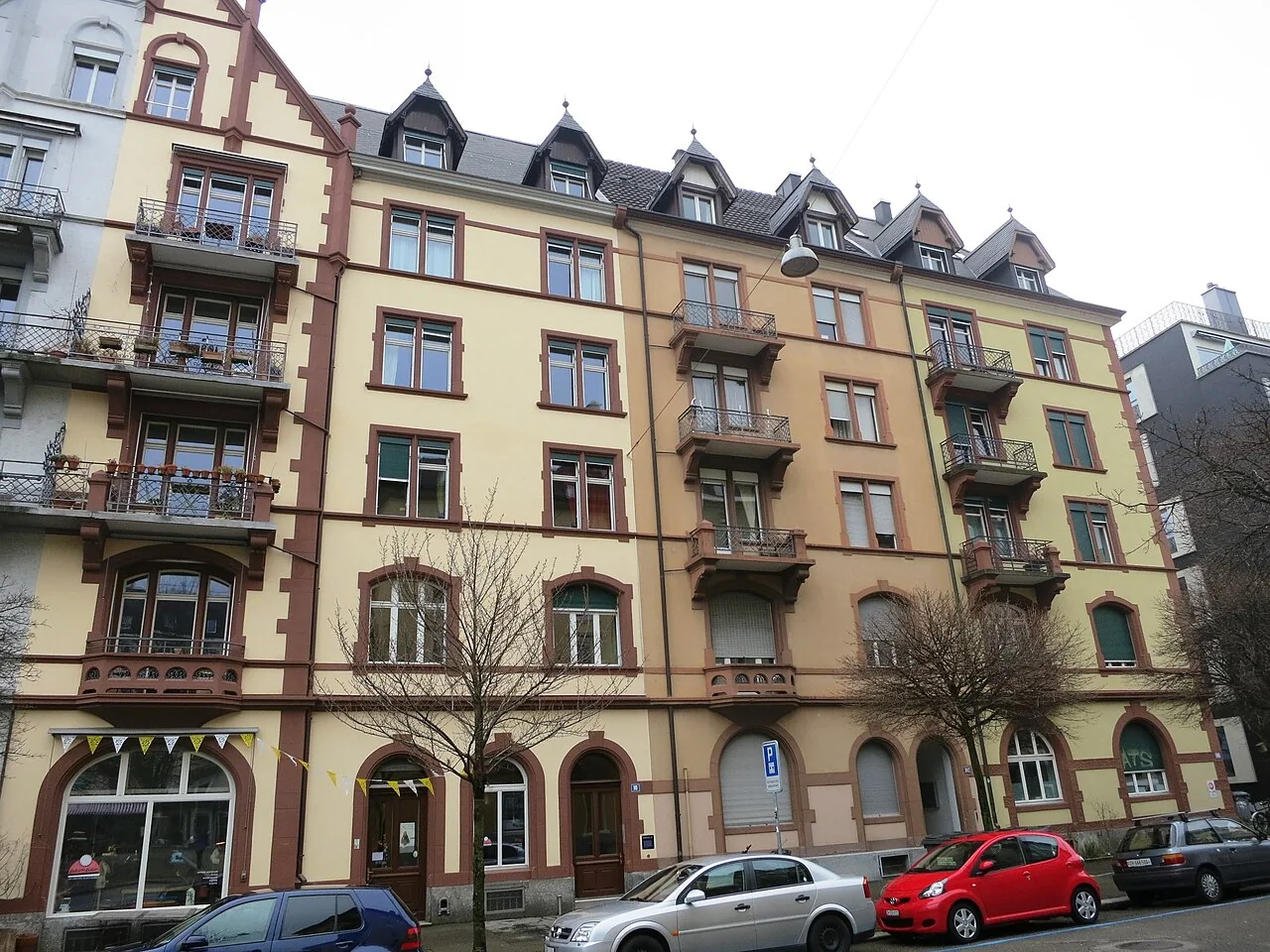
A Swiss move starts with the place where you will actually live, rather than a country-wide idea of commuting distances. Compare Zurich, Basel, Bern and Geneva against the address of the job or course, the language you will use and the housing you can secure. A home across an international border introduces a separate residence and commuter arrangement; it is not another neighbourhood in the same application.
Within Zurich, compare Wiedikon around Idaplatz with Zürich-West around the Viadukt and Josefwiese. The former offers an established street-and-café setting; the latter mixes reused industrial spaces, cultural venues and newer development. Use Zurich Tourism’s district guide to locate actual streets and public spaces, then inspect the homes themselves. Neither description establishes a rent level or available tenancy.
- Put the workplace, campus or prospective school address into the journey planner. Test the morning arrival and the return after evening activities, including the walk to the stop.
- View two or three neighbourhoods at the times you will use them. Check groceries, step-free access, laundry arrangements and the route home with a child or luggage.
- Compare total rent, separate services, transport zones and the initial cash payment in one table. Keep a temporary housing option until the longer tenancy is confirmed.
A pleasant weekend visit can miss the practical limits of a weekday routine. If two addresses involve different cantons, record the relevant migration, school and tax office for each before choosing.
02Identify the residence basis for each person
Keep three questions separate: may you enter, may you live here for the proposed period, and may you carry out the proposed work? A visitor itinerary does not answer the other two. Start a household table showing nationality, purpose, intended duration and accompanying-family relationship.
EU/EFTA employees follow the contract-and-registration process in step 3. Students, retirees and others not working must establish the relevant non-economic residence conditions. Third-country applicants need the category appropriate to the actual purpose, such as employment, study or family reunification. Do not apply the EU/EFTA rules merely because you hold a residence card from an EU country.
The SEM free-movement FAQ explains EU/EFTA arrangements. Family reunion covers qualifying relationships and requires suitable family accommodation; students have a narrower entitlement. Ask about the actual partner or child's case rather than assuming that everyone accompanying the principal applicant has the same rights.
- Find the destination canton in SEM’s cantonal authority directory. Identify both the migration office and, if employment is involved, the labour-market authority.
- Use the responsible Swiss representation’s instructions for any required entry visa. Give your current country of legal residence, not simply your nationality, when identifying the competent representation.
- Keep the decision and its conditions with your travel records. Plan the municipal registration immediately after arrival; the residence document and the visa serve different functions.
If one person changes purpose during planning, revise that person’s documents and timeline before buying the household’s tickets.
03Secure the job and complete the employer-led permit process
Start with a written offer identifying your employer, workplace, hours, salary and intended first day. Ask the employer to explain which immigration process covers the appointment before making non-refundable moving arrangements.
For EU/EFTA nationals, the employment contract supports the residence application. Employment of up to three months follows a notification procedure; a longer appointment requires residence registration. Third-country recruitment is more restrictive: employers generally need a highly qualified candidate and must demonstrate that a suitable Swiss or EU/EFTA worker could not fill the position. Permit numbers are limited. A job offer alone does not establish eligibility. Read SEM’s employment rules with your employer.
- For a third-country appointment, have the employer submit the dossier to the competent canton. If you require a visa, apply through the Swiss representation responsible for your current place of residence.
- The canton assesses the application; an approved case proceeds to SEM. SEM approval by itself does not authorise entry. Wait for the relevant visa authorisation and collect the visa where required.
- After entering, register at your place of residence within 14 days and before beginning employment. Keep the contract, approval correspondence and registration record together.
The official employer-to-canton procedure identifies each decision-maker. Agree a start date that allows these steps to finish, and have HR revise it if the actual approval timeline changes.
04Agree the legal and payroll arrangements for remote work or a business
An overseas salary does not by itself establish a Swiss residence or work basis. Before moving a home office, describe the arrangement to the cantonal authority: who employs you, where the business is based, where you will physically work, which clients you serve and how long the arrangement will last. Get the employer to address payroll and social-insurance treatment alongside immigration.
For EU/EFTA self-employment, prepare evidence of the intended activity and the means to support the household. Register within 14 days of arrival and submit the canton’s required documents before starting the activity. The SEM self-employment instructions provide the starting point; simply incorporating a company is not the same task.
Third-country business proposals face a substantive admission assessment. In Zurich, the Office for Economy’s self-employment criteria include Switzerland’s general economic interest, sufficient seed capital and income to cover operations and living expenses, with a business plan or budgeted balance sheet. Qualification conditions also apply.
- Write a short operating plan with customers, premises, expected income, expenses and funding. Keep personal living funds separate from business capital.
- Send the relevant authority the factual arrangement before signing premises or announcing a start date. Ask which application covers the work and who must submit it.
- Agree responsibility for deductions, insurance and reporting with the employer or accountant. Record the intended first working day and the approval or registration it depends on.
If the arrangement cannot yet be classified, retain the current work location while that specific question is resolved. An informal promise of “working from anywhere” is not a completed relocation plan.
05Price the move and establish how your income will be taxed
Build the budget in Swiss francs, using the actual address and household. Housing offers, health premiums and childcare arrangements are more useful than a single national monthly total. Record whether a quotation covers one adult, the whole household, one calendar month or a shorter package.
| Cost | Initial cash requirement | Ongoing provision |
|---|---|---|
| Housing | Temporary stay, first rent, agreed deposit and basic furnishings | Rent and separate service charges; retain a reconciliation reserve |
| Administration | Visa or permit category fees, translations and local registration | Renewals when due |
| Healthcare | Premiums from the start of liability; treatment reserve | Each person’s premium plus deductible and other cost-sharing |
| Travel and communications | Journey, freight, SIM and any installation | The actual commuting zones, mobile package and home connection |
| Household and education | School or university preparation, equipment and moving supplies | Food, childcare, tuition where applicable and household charges |
Verified examples, checked 16 October 2026: Zurich city registration costs CHF 40 per adult, with separate immigration fees; an adult personal ZVV monthly pass for 1–2 zones is CHF 88 in second class. These are local charges, not a nationwide budget. The generally applicable household radio/TV charge is CHF 335 annually, subject to exemptions; use OFCOM’s fee guidance. That is about CHF 27.92 a month when divided by twelve, a budgeting calculation rather than monthly billing.
As a hypothetical cash-flow example, rent of CHF 2,000 plus an agreed CHF 6,000 deposit would require CHF 8,000 before other moving costs. These invented inputs illustrate arithmetic, not a market quotation.
Foreign employees without a C permit are generally taxed through payroll withholding. A Swiss/C-permit spouse or registered partner can change the treatment, as the Zurich handbook explains. The Federal Tax Administration directs readers to cantonal schedules; have payroll explain your actual category. Give the tax office the facts about foreign income, assets, pensions or a remote employer and ask whether an ordinary return is required. Keep your arrival date, first payslip and any foreign tax statements together.
06Arrange school placement or complete university admission
Choose the school process for the destination canton and your child’s age. In Zurich, compulsory public schooling includes two kindergarten years, six primary years and three lower-secondary years. Contact the local authority or school to enrol; the canton’s welcome handbook also points families toward vocational and academic counselling. Ask separately about lunch, after-school care, language support and holiday coverage.
Geneva provides a concrete alternative process for resident children aged 4–12: telephone the school near the home to arrange an appointment, attend with the child and bring the specified file. It includes child and parent identification, child health-insurance evidence, recent OCPM residence attestations, housing evidence, the SIG bill or moving-in proof and reports for the last two school years. The authority determines placement and may allocate another school. Follow Geneva’s current primary-enrolment instructions, updated 8 October 2026.
For university, apply to the institution before treating study as the reason for your move. ETH Zurich’s bachelor's application for non-Swiss school-leaving certificates is country- and certificate-specific, normally opens 1 December–31 March and leads to an autumn start. German-language requirements apply by the deadline. Prepare the school certificate, recent reports, identification, CV and any required language or university-admission evidence, then use ETH’s application sequence and its linked eApply service. Submit the completed application and fee, rather than leaving it in “started” status.
Budget the assigned tuition category: ETH lists CHF 730 or CHF 2,190 per semester, with residence, citizenship and other qualifying categories, plus separate semester charges. The higher fee does not apply to every foreign student. Admission and immigration are separate decisions: use the destination canton’s study instructions for the entry application, financial evidence and any proposed paid work.

07Establish the residence basis before planning a retirement home
Start with pension income, the household’s savings and the healthcare arrangements that will apply after the move. Ask the pension provider how to report the new address and bank details and what continuing proof-of-life or tax paperwork it needs. Keep payments running while the Swiss account is being arranged.
For EU/EFTA nationals, SEM’s non-economic residence factsheet requires sufficient resources and comprehensive health and accident cover. For retirees, the resource assessment relates to the threshold for supplementary benefits, not an invented fixed national retirement income. Prepare pension statements and a household budget for the cantonal assessment.
Third-country retirement is a different, discretionary proposition. Zurich states that there is no entitlement. Its criteria include age 55 or older, particular personal connections to Switzerland, adequate finances and no gainful activity abroad apart from managing one's own assets. Read the canton’s non-economic residence conditions and use the linked retirement entry-application service for a Zurich proposal. Another canton must assess its own case.
- For a Zurich application, prepare the completed entry form, passport copy, reasons and proposed municipality, evidence of personal ties, pension/assets records and confirmation of no gainful activity. Applicants under 75 also need the specified criminal-record or good-character evidence and certified German translation.
- Ask for the appropriate healthcare-liability assessment, especially if another country pays the pension.
- Have the tax office or a qualified adviser assess the pension and assets before deciding how to transfer funds.
- Commit to the home on terms that fit the immigration decision and expected arrival date.
Property ownership and the means to pay for a property should be considered separately from the right to settle.
08Organise the document file and declare the household shipment
Build a separate document file for each person: travel document, immigration correspondence, employment or admission papers and the civil records requested for the household’s applications. Keep originals accessible while the shipment is in transit. Match names across records and obtain the translation or certification specified by the receiving office.
For belongings, distinguish goods already used abroad from new purchases. Swiss customs normally requires at least six months’ prior use for household-effects relief. Prepare form 18.44 and an inventory; list bulky or restricted items individually and identify goods requiring normal taxation with their values. Keep receipts for newer purchases.
- Collect evidence of the transfer of domicile, such as departure confirmation, employment and tenancy records. A residence card is not an absolute prerequisite, but customs decides whether the evidence is sufficient.
- Tell the mover which commercial-goods customs office you will use and confirm its clearance hours. Do not plan around an ordinary passenger crossing being open all night.
- Declare later consignments on a separate list at the first importation. The normal two-year moving window does not remove the six-month prior-use condition.
Use FOCBS’s removal-goods instructions to organise clearance. Pets also need the separate veterinary entry file; placing an animal on the household inventory does not satisfy animal-health rules.
For your own dog, cat or ferret, use FSVO’s country-specific entry check before booking. EU arrivals normally need a microchip, valid rabies vaccination and recognised pet passport; the first vaccination has a 21-day validity wait. Third-country requirements depend on rabies risk and may require an official veterinary certificate, titration test and waiting period. Direct flights from rabies-risk countries also require FSVO import authorisation. Present the animal at the red customs exit for the required third-country entry control.
Record the animal’s chip, vaccination and paperwork dates with your vet, then match them to the actual entry route. If an authorised person transports the pet separately, the owner must travel within five days before or after it and provide the written declaration. Confirm the airline’s transport acceptance separately.
09Reach the accommodation and establish the first working day of your move
Carry the destination address and host’s telephone number offline, alongside the immigration decision, any visa and the household’s identity documents. Keep the first night practical: confirm how you will obtain keys if the flight or train is late, and keep medicine and essential paperwork outside the freight shipment.
- If travelling with household effects, use the planned commercial-goods customs clearance. Keep the stamped inventory and any follow-up requirement with the shipment records.
- Buy the ticket that covers the actual airport-to-home route. Enter the address or nearest stop into the operator’s planner; do not assume a later city travelcard covers the airport journey.
- At the home, record the condition, photograph relevant meters and establish whose name belongs on each service contract. Put the correct household names on the mailbox with the manager’s agreement.
- Test calls, messages and mobile data. Save the registration appointment, route and required documents in an offline note.
For initial communications, Swisscom’s prepaid registration guidance accepts a valid passport or identity card and specified Swiss residence permits; a driving licence is not accepted for SIM activation. Compare the actual package before purchase. Its Prepaid Flat 7 is advertised at CHF 20 for seven days on 16 October 2026, with Swiss domestic data/calling conditions; it is a short arrival option, not a monthly market average.
Once settled for the night, send the employer or university the arrival update it requested and confirm the next appointment. Keep employment commencement dependent on the required immigration and registration steps.
10Register locally and complete the cantonal residence formalities
Register at the office for your actual home: commonly the Einwohnerkontrolle, Einwohnermeldeamt or Personenmeldeamt.
For an arrival from abroad into Zurich city, attend Personenmeldeamt Zürich Süd by appointment within 14 days of taking up residence. All family members must attend. If the first available appointment exceeds the deadline, book it and request an extension through the city’s contact form; booking alone is not an extension.
- Use Zurich’s registration and appointment service. Bring identification, housing evidence, any permit assurance or visa authorisation, and employment or study confirmation.
- Bring original marriage and child birth records where applicable. Records outside a Swiss official language or English require an official translation. A child arriving with one parent needs additional consent and identification evidence from the other parent.
- Allow CHF 40 per adult plus immigration charges. Retain the receipt and follow subsequent cantonal residence-document instructions.
These arrangements are for Zurich city. Use the destination municipality elsewhere. Keep the household’s appointment records together, and put the residence document’s expiry into your calendar when it arrives.
11Open the everyday account and learn to pay Swiss invoices
Choose an account by the transactions you will actually make: salary in CHF, rent, debit-card spending and any international transfers. Compare package charges and currency conversion before moving the full balance from abroad. Keep a working payment method available during the application.
As one practical starting point, PostFinance’s CHF account is offered within its banking packages. The adult application requires Swiss residence; younger customers have separate youth arrangements. Identity checks are available through a branch or online video identification. Ask what it needs for your nationality and permit position before assuming an online application can be completed while a document is pending.
- Arrange the identification appointment or online process. Keep your travel document, residence/registration evidence and requested tax-residence and income information ready.
- Read the selected package terms, including debit-card and foreign-transfer charges. Give payroll the account details only after confirming the account belongs to you and is usable.
- Activate the app or online access, test a small transfer and confirm the card PIN and recovery method. Keep the recovery information separately from the phone.
- For a QR invoice, scan or upload the payment part in the banking service. Compare the recipient, amount and reference with the actual bill before confirming, then retain the payment record.
PostFinance explains QR-bill payment through its app, e-finance, payment order or a Swiss Post counter. A QR code supplies payment data; it does not establish that the invoice itself is correct. Ask the issuer about an unfamiliar bill before authorising it.
12Build the rental dossier and document the handover
View homes around your actual work and school journeys. Keep the floor plan and proposed occupancy date with your notes.
The Federal Office for Housing’s tenant handbook explains applications: occupation, income, employer, household and permit details, commonly with a debt-enforcement-register extract. Ask what evidence the manager accepts for your pre-Swiss residence history.
- Compare rent and separately billed services. Understand notice provisions, house rules and pet conditions before signing.
- Arrange any cash deposit through a special tenant-named deposit account; the residential ceiling is three months’ rent.
- Record defects jointly at handover, including minor damage. Photograph them and keep the signed report. Confirm keys and maintenance contacts.
- Establish whether service charges are instalments subject to annual reconciliation. Reserve money for a possible balancing bill.
Before accepting furniture, agree what belongs to you and what you must remove when leaving. Keep the lease, initial payment records and inventory together, so the home’s condition and financial arrangements remain easy to retrieve.
13Choose basic insurance and establish how to obtain care
Ordinary resident healthcare planning begins with individual basic insurance, not a family policy assumed to cover everyone automatically. Enrol each adult and child within three months of becoming liable. Timely enrolment backdates both cover and premiums to the start of residence. Basic authorised insurers must accept applicants irrespective of health; supplementary insurance can be subject to different underwriting. EU/EFTA/UK coordination, students and posted workers may have different liability or exemption arrangements requiring the responsible authority’s assessment. Follow FOPH’s resident-insurance instructions.
- Enter the actual postcode, birth year, deductible and accident-cover choice into the official Priminfo comparison. On review, its main calculator displays 2027 premiums: do not treat a next-year quotation as the price for the remaining months of 2026.
- Confirm the policy year and start date directly with the insurer. Read the selected model’s first-contact and referral rules before choosing a doctor.
- Ask HR whether employer accident insurance covers your situation; give the health insurer evidence before requesting removal of duplicate accident cover.
- Find a practice accepting new patients under the chosen model and transfer prescriptions and relevant medical records. For a child, ask about paediatric care at the same time.
Allow for treatment costs as well as premiums. The federal co-payment rules specify a standard adult annual deductible of CHF 300 and ordinarily 10% of subsequent covered costs up to CHF 700 annually. Hospital contributions and exceptions also apply, and some medicines carry higher cost-sharing. A higher optional deductible changes your exposure. Keep an accessible medical reserve rather than budgeting only the cheapest monthly premium.
14Connect the home, choose the travel zones and complete the first month
Ask the property manager which services you must arrange yourself and which appear in the rental charges. Record the meter identification and takeover date before contacting the utility. In Bern, Energie Wasser Bern asks for the moving notification at least ten days beforehand, with a linked online moving form. That is a local process; use the actual supplier for an address elsewhere.
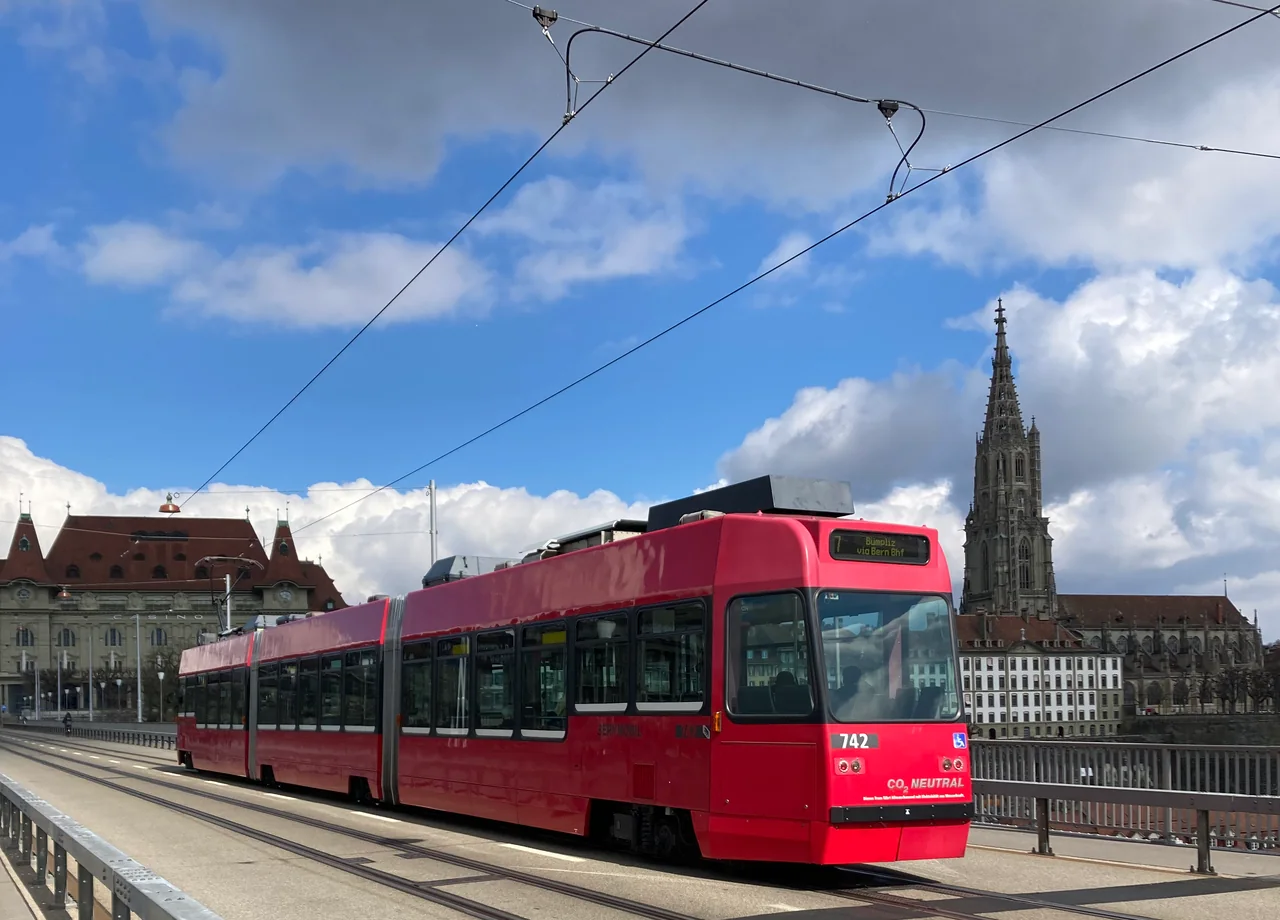
For home internet, compare service at the exact building, the activation appointment, equipment and the minimum term. Keep the prepaid connection available until the fixed service works. Then choose commuting cover against the journeys you now make: ZVV’s personal adult NetworkPass costs CHF 88 monthly for 1–2 zones in second class on 16 October 2026. Zurich city zone 110 uses that category. A pass covering different or additional zones costs more; confirm the whole route before buying. Personal passes are issued on SwissPass.
- Complete the service handover and test internet, hot water and the systems the manager has explained. Report faults in writing and retain the acknowledgement.
- Ask for the municipal waste calendar and the required bags or stickers. Check the building’s laundry timetable and shared-space rules.
- Choose a recurring language class or neighbourhood activity that fits the working week. Zurich’s local integration officers, community centres and libraries provide practical starting points in the cantonal welcome handbook.
- At the end of the first month, compare actual spending with the budget. Review residence paperwork, insurance start dates, school arrangements, payroll and unpaid invoices together.
Keep a short list of outstanding tasks with the responsible person, next action and date. Revisit the housing and transport decision once you know the real weekly journey, rather than making a long financial commitment solely on the arrival-week routine.
Sources & further reading
Reviewed 16 October 2026. Sources are linked beside the relevant instructions. Individually researched and reviewed on 16 October 2026. Sources beside instructions identify the actual authority or service. Preserve cantonal scope and each household’s nationality, immigration, education and insurance conditions. Dated photographs illustrate locations and do not establish current housing availability. Prices checked on 16 October 2026. Zurich registration and ZVV fares are local examples; Swisscom’s seven-day option is a short package. ETH tuition depends on the assigned category and excludes other semester charges. The rent/deposit illustration is hypothetical. Priminfo currently displays 2027 premiums: obtain the correct policy-year quote for a 2026 arrival. Photograph credits, licences and capture years appear with the images.
Browse the source directory
- Zurich Tourism’s district guide
- SEM free-movement FAQ
- SEM’s cantonal authority directory
- SEM’s employment rules
- official employer-to-canton procedure
- Office for Economy’s self-employment criteria
- Zurich city registration costs CHF 40 per adult
- adult personal ZVV monthly pass for 1–2 zones
- OFCOM’s fee guidance
- Zurich handbook
- The Federal Tax Administration
- Geneva’s current primary-enrolment instructions
- ETH’s application sequence
- eApply service
- ETH lists CHF 730 or CHF 2,190 per semester
- SEM’s non-economic residence factsheet
- canton’s non-economic residence conditions
- retirement entry-application service
- form 18.44
- FOCBS’s removal-goods instructions
- FSVO’s country-specific entry check
- Swisscom’s prepaid registration guidance
- PostFinance’s CHF account
- PostFinance explains QR-bill payment
- Federal Office for Housing’s tenant handbook
- FOPH’s resident-insurance instructions
- the official Priminfo comparison
- federal co-payment rules
- Energie Wasser Bern asks for the moving notification at least ten days beforehand
- online moving form
Make your next step a practical one
Confirm the household’s immigration basis and a real housing address, then arrange education and documents around that timeline. Complete local registration and insurance, establish working payment and service arrangements, and review the first month’s outstanding tasks.