Visa

Moving & Living - Taiwan - Complete Guide
Move to Taiwan step by step: compare cities, choose residence and work permissions, prepare schools and documents, and arrange banking, housing, NHI healthcare and everyday transport.
Life in Taiwan takes shape around the neighbourhood: a walk to the MRT in Taipei, a campus timetable or a commute from a New Taipei address. The most useful first decisions connect that daily routine with your work, family and immigration circumstances.
This guide follows fourteen steps from choosing a base to a functioning household. It separates ordinary employment, specialist and remote-work routes, explains practical residence and service applications, and shows what to prepare for education, housing and healthcare. Follow the optional steps that apply to your household; a visitor permission, a work permit and residence are distinct decisions.
Taiwan at a glance
- Currency
- New Taiwan dollar · TWD / NT$
- Residence document
- ARC or the applicable specialist residence document
- Work
- Employer permission and specialist routes differ
- Healthcare
- NHI enrollment depends on status and qualifying date
- Housing
- Compare usable area, full charges and commute
- Reviewed
- 16 October 2026
Follow your moving journey
Start at step 1, or jump to the task you are working on.
01Choose a city and neighbourhood around the real commute
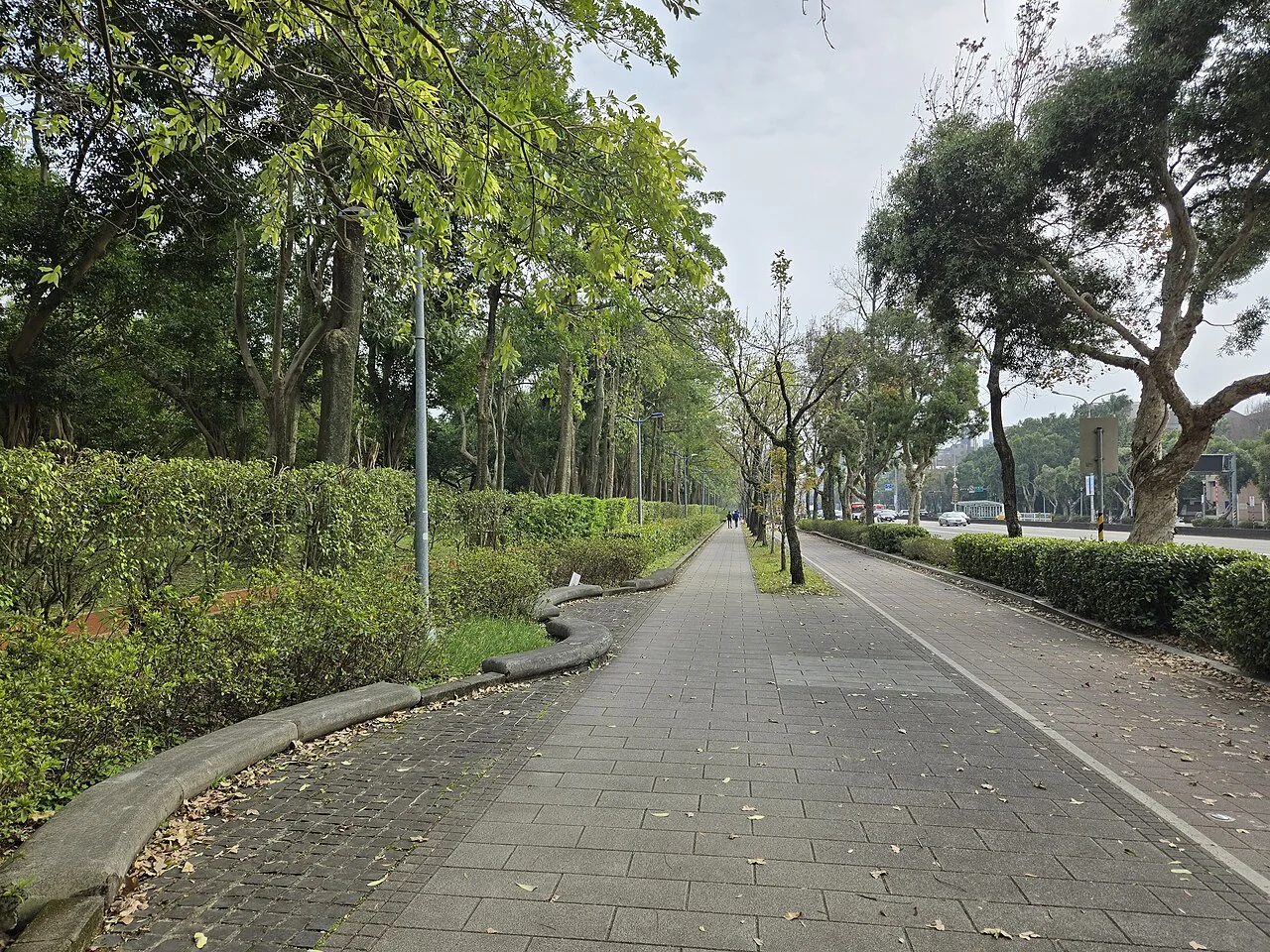
Start with the destination that your job, university or family ties require. Taipei and New Taipei, Hsinchu, Taichung, Tainan and Kaohsiung are different housing searches. A cheaper flat in another city may not help when the workplace or campus still requires a daily journey.
For Taipei, compare a shortlist around Da’an or Zhongshan with a family-led search in Tianmu, and assess New Taipei addresses such as Banqiao using the complete door-to-door route. These are places to investigate, not promises of available homes or a single recommended rent. The school’s location and acceptance decision should come before an assumption about the best family neighbourhood.
- Put the workplace, campus, school and essential care provider on a map. Identify the actual station exit, bus connection and walk.
- Compare two or three candidate areas using the same household requirements: bedrooms, lift, ventilation, kitchen, pets and working space.
- View the building and the surrounding street at a time resembling daily life. Test the journey rather than using only the time shown for the rail segment.
- Keep temporary accommodation until the lease, commute and essential services have been inspected.
Use Taipei Metro’s official transport information when comparing Taipei-area connections. For another city, start with its own operator rather than applying Taipei’s fares or pass coverage nationwide. Keep the housing shortlist flexible until the receiving institution confirms the address at which you need to attend.
02Choose entry and residence for your actual purpose and nationality
Make a separate record for each person: passport nationality, any former ROC or mainland status, purpose of moving, intended length of stay and application location. Mainland Chinese, Hong Kong and Macau residents and ROC nationals do not simply use every ordinary foreign-passport procedure described here.
BOCA’s general resident-visa information identifies purposes including employment, study, family and approved investment or other activities for intended stays over six months. It lists a passport with at least six months’ validity, an application with photographs, supporting approvals and a health certificate where applicable. The receiving category determines the complete file; the general list is not a replacement for an employment or student checklist.
- Choose the category matching your actual activity. Obtain the work, admission or family evidence before submitting the visa application.
- Use the official online visa application service where applicable, print and sign the application and follow the responsible mission’s submission instructions.
- Check the resulting approval against the passport, including its validity, entry conditions and permitted purpose. Keep an offline copy and resolve errors before travel.
- Plan the ARC stage. BOCA specifies application within thirty days from the day after arrival for resident-visa entrants; the ARC then governs the authorised residence period.
Do not assume that a visa-exempt visit can always be converted locally. BOCA’s general notice expressly separates visa exemption and landing entry from the ordinary procedure; specialist routes have their own rules. Use the employment, remote-work or Gold Card instructions that fit your case and keep the permitted stay visible throughout an application.
03Match the job or professional route to its permission
Start with the employing entity and the work you will perform. Obtain a contract naming the role, workplace, gross salary, payment currency, probation, benefits and starting conditions. Ask who will handle the permit and how you will receive the approval before work begins.
For the ordinary white-collar route, BOCA’s employment-resident-visa instructions require an employer-obtained work permit with more than six months of employment remaining at the visa-application stage. Prepare the signed barcode application, passport and copy, photographs and original permit with a copy. Apply through the responsible overseas mission or the eligible in-country procedure; visitor entry alone does not grant permission to start the job.
Eligible specialists can instead investigate the Employment Gold Card, which combines an open work permit and residence-related permissions. Its official application guide offers twelve professional fields and requires choosing one. Use the actual qualification matching your evidence rather than assuming that a salary figure qualifies every applicant.
- Choose the relevant field and assemble the evidence requested for that standard.
- Follow NIA’s current Gold Card instructions to upload the file to the four-in-one application platform, choose one, two or three years and pay the applicable category-specific charge.
- Respond to document requests and complete the passport-verification stage if directed. Retain the reference and follow the approval’s entry and collection instructions.
For example, the April 2026 NIA schedule lists NT$3,700, NT$4,700 and NT$5,700 for one-, two- and three-year overseas applications outside the special-processing-fee category. Other applicant categories have different charges. Do not use that example as a quotation for every nationality or application location.
For a business, determine the activity, investment and company-registration requirements before moving capital. Company registration and the founder’s personal permission to work and reside are separate decisions.
Remote work: a separate optional route
Taiwan has a specific digital-nomad visitor visa. It is a different application from an employer-sponsored job or an Employment Gold Card. Start by deciding where your clients or employer are based and what you will actually do in Taiwan; changing the label on the same work does not resolve immigration or tax questions.
Under BOCA’s instructions updated in August 2026, eligibility is limited to nationals of visa-exempt countries. The financial route is a prior digital-nomad visa from another country, or qualifying annual salary in one of the preceding two years: US$40,000 for applicants aged 30 or older, or US$20,000 at ages 20–29. The page separately requires an average monthly bank balance of at least US$10,000 over the last six months.
- Prepare the signed printed application, passport and photographs, CV or portfolio, current employment or freelance contracts, and the intended-activities form linked by BOCA.
- Include the applicable qualifying evidence, bank records and health/full-hospitalisation insurance for the intended stay.
- Apply through the overseas mission, or use the eligible in-Taiwan process at BOCA or a regional office at least ten working days before the current stay expires. Qualification review involves the National Development Council.
- Retain the receipt. If BOCA or the mission requests additional documents, submit them within three working days of notification. An application is not permission to overstay.
Before agreeing a long rental, reconcile the permitted stay with your proposed work and budget, and obtain advice on any Taiwan tax obligations. Keep a separate decision record if you later change to a different immigration basis.
04Budget the first payments and establish the correct tax position
Use New Taiwan dollars, written NT$ or TWD, consistently. Separate money needed before the first salary from the household’s recurring expenses. A city-wide average will not tell you whether a particular flat’s management fee, school transport or air-conditioning bill fits your budget.
| Initial payments | Recurring commitments |
|---|---|
| Visa and residence processing, certification and travel | Rent, management charges and utilities |
| Temporary accommodation, rental deposit and agreed agent charge | Groceries, phone and internet |
| School applications, shipping and essential furnishings | Transport, healthcare, insurance and education |
Obtain dated quotations for the destination neighbourhood, household and intake year. For each one, record whether it is refundable, includes tax and is due before service begins. Put a separate allowance beside electricity if the apartment relies heavily on air-conditioning.
- Calculate the first month’s payments plus deposits and any advance rent. Keep funds accessible until the bank account and first transfer are working.
- Ask payroll to explain gross salary, deductions, withholding and the expected first payment date. Do not budget from the gross contract amount.
- Keep entry and departure dates and income records from the beginning. Give the tax office or adviser the actual work location, employer, foreign income and continuing overseas ties.
The Taxation Administration’s resident-status guidance distinguishes residence of at least 183 days in a taxable year from shorter stays. It also separates stays of up to ninety days from stays over ninety but below 183 days, including the treatment of remuneration from a foreign employer. Working remotely for an overseas company does not by itself settle the Taiwan tax result. Ask for the treatment of your own facts, including any applicable treaty or specialist relief, before calculating take-home pay.
05Choose the education route before choosing a long-term address
Keep school admission, university admission and Mandarin study as separate decisions. For a child, compare curriculum, learning support, language and the daily journey. Ask the destination education department about local-school enrollment using the child’s actual residence and schooling history; an international-school application is an additional option, not an automatic entitlement.
A named starting point is Taipei American School. Its own admissions page requires foreign, non-ROC nationality and residence in Greater Taipei with a parent or guardian. Submit the online application, follow the portal checklist, pay the applicable application fee and complete the grade-specific records and assessment stages. A new application costs NT$10,000 on the page reviewed on 16 October 2026; this is an application charge, not tuition or a guaranteed place.
- Collect the child’s passport, prior school reports and relevant learning-support records. Ask the current teacher about the confidential recommendation process rather than writing it on their behalf.
- Confirm eligibility and the correct grade, then submit the receiving school’s requested file. At TAS, foreign nationality needs supporting evidence in addition to the passport.
- Record assessment arrangements, the admissions decision and any deadline to accept. Resolve transport and the full fee schedule before committing to an address around that school.
For degree study, National Taiwan Normal University’s international-student eligibility service provides a useful first check. Academic levels differ for bachelor’s, master’s and doctoral applicants, and nationality or former ROC status can change the channel. Its interactive result is guidance, not a final eligibility decision. Use the university’s programmes-and-requirements and application links to identify the correct intake, language evidence and programme documents. Keep the admission decision separate from the later student visa and residence process.
06Establish a lawful retirement plan before ending arrangements abroad
Do not equate savings, a property purchase or repeated visitor entries with permission to settle. Identify the immigration basis for each household member before agreeing a long lease or cancelling overseas medical cover. A former professional’s circumstances may differ from those of a new applicant who has never held residence.
One narrowly defined option is BOCA’s visitor-visa procedure for Japanese retirees aged 55 or over. Its file includes a Japanese police certificate, financial evidence exceeding US$50,000 and evidence of the specified Japanese pension benefits, alongside the passport, application and photographs. The insurance duration affects the visa validity. Each permitted visit is 180 days and cannot be extended; this is a visitor arrangement, not a general retirement-residence programme for every nationality.
- Ask the responsible mission which existing route fits your nationality and family circumstances, identifying any previous ROC or mainland status.
- Ask the pension administrator about overseas payments, address notices and proof-of-life requirements. Test the intended bank route.
- Obtain the actual NHI eligibility date or private-cover terms rather than assuming immediate coverage because you are retired.
- Inspect the home for stairs, summer cooling, nearby care and the daily journeys you expect to make.
Keep a written plan for the end of the authorised stay or permit validity. Resolve any gap between the visitor arrangement and your longer-term intentions before giving up your previous home.
07Prepare identity records, freight and pets in the right order
Build a file for each person containing passports, the relevant work or admission decision, family records, school reports and medical information. Match certification and translation to the receiving office’s instructions. Keep originals and essential medicines in hand luggage, with scans stored separately.
For belongings, Keelung Customs’ passenger guide, updated in March 2026, says to declare unaccompanied baggage through the Red Channel on arrival. It must arrive before entry or within six months afterwards. The passenger or representative must make the import declaration within fifteen days from the day after the carrying vessel or aircraft arrives. Arrange the inventory, shipping documents and clearance contact before dispatch; these timing rules do not make every item duty-free.
- Compare the freight quotation with buying replacements locally, separating packing, insurance, destination charges and storage.
- Identify restricted goods before packing. Give the agent an accurate inventory and retain the arrival declaration needed for the later shipment.
- For a cat or dog, use the official APHIA import-permit portal and determine the requirements for the exporting country and animal.
- Coordinate the permit, veterinary evidence, any quarantine arrangements and the airline’s acceptance before confirming animal travel.
MOFA’s pet-import instructions say to apply at least twenty days before shipment and obtain approval in advance. That is an application lead time, not a promise that all veterinary preparation can be finished in twenty days. Contact the responsible APHIA branch for the applicable pre-arrival and post-entry conditions, including a pet other than a cat or dog.
08Plan the airport-to-address journey and retain the entry record
Keep the first accommodation address in Chinese and English, with the building entrance and contact number. A Taipei Main Station arrival still leaves a final journey to the flat; include luggage, lift access and the time of day when deciding between rail and a pre-arranged vehicle.
- Use the official Taiwan Arrival Card service to determine whether your entry category needs an online arrival card and complete it in the permitted window. A visitor application and a residence document are different things.
- Carry your passport, entry approval or visa, first address and the evidence associated with the purpose of entry. Retain the entry record for residence, phone and other follow-up tasks.
- Declare unaccompanied baggage or other declarable items through the appropriate customs channel, retaining the document for the later freight clearance.
- Before leaving the airport, establish a working contact method, accessible funds and the onward route. Confirm the receiving person knows when you expect to arrive.
For a Taoyuan arrival bound for Taipei, Taoyuan Metro’s operator FAQ gives NT$160 between Taipei Main Station and the airport following the fare adjustment effective 2 January 2025, as reviewed on 16 October 2026. This is a route-specific adult fare example, not a fare for every station or onward journey. Use the operator’s station and timetable links for your actual arrival time.
Once at the first address, test the keys, phone and next morning’s route. Set the residence-card appointment or online follow-up immediately rather than waiting for permanent accommodation to be found.

09Complete the residence card and keep the address current
The Alien Resident Certificate, usually shortened to ARC, is the document you will use repeatedly for banking, insurance and other local services. An employer’s work permit, a visa and the ARC are different documents. Keep a separate checklist for dependants rather than treating the principal applicant’s approval as a family-wide card.
- For the foreign-professional route, use the NIA’s online residence instructions and the foreign white-collar application platform. Prepare clear copies of the passport, appropriate entry document, photograph and employment evidence for the applicable category.
- Enter your actual residential details consistently with the supporting evidence. Follow any request for authenticated relationship records or translations for family members.
- After online approval, pay within five working days. Print the payment receipt and follow the service-station collection instructions, including surrendering a previous card where applicable.
- Check the name, passport details, residence purpose, address and validity on collection. Save a scan separately and place the renewal date in the household calendar.
The cited professional ARC schedule lists NT$1,000 per year of validity, with an additional NT$2,200 for the specified visa-exempt or visitor-entry applications. These are residence-processing charges, not the total cost of obtaining a work permit or visa.
The Gold Card has its own collection procedure. NIA’s April 2026 Gold Card guidelines require an overseas-approved applicant entering with the approval certificate to supply Taiwan residence evidence and exchange it for the card within thirty days. They also specify thirty days to register a changed address or workplace. Use the instructions for your own status and do not assume the Gold Card process applies to every ARC holder.
10Open an account for salary and daily payments
Ask your employer which bank handles payroll before choosing a branch. Bring consistent names, local contact details and the documents that institution requests. Eligibility, the identity file and internet-banking activation are separate questions.
For a concrete starting point, Chunghwa Post’s account-opening FAQ tells foreign applicants to attend personally with a residence certificate, second identification such as a passport, and the required specimen signature or seal. Its instructions allow foreign applicants to register a personal signature; a Chinese-name stamp is not a universal requirement.
- Contact the branch with your nationality, employment or study status and intended account use. Request the documents and any tax-residence or source-of-funds evidence.
- Attend with the originals. Follow the foreign-applicant checklist rather than another customer category’s instructions.
- Ask which card functions, transfer limits, mobile banking and overseas receipts are available. Test receipt of verification messages on the registered phone.
- Test a modest transfer and withdrawal before sending payroll the verified account details. Retain the account confirmation and recovery instructions securely.
The postal FAQ currently suspends its ordinary passport-plus-UI-number route for foreigners without a residence certificate, with limited scholarship-student exceptions requiring extra evidence. Do not assume every new visitor can use that route. Another bank may have different requirements; a postal restriction is not evidence of a nationwide ban.
Compare sending and receiving charges before transferring a large sum. Keep funds for immediate accommodation and transport accessible while the opening checks and first payment are completed.
11Inspect the flat and document the complete rent agreement
Search around the actual commute rather than a city-wide rent average. The official Gold Card living guide points to 591 Housing and explains the ping, an area unit of about 3.305 square metres. Ask for usable interior space; the advertised figure may include common areas.
- Compare the station exit or bus stop, walking route and building access. Visit at a time resembling the work or school journey.
- Identify the owner and any agent’s authority. Inspect damp, ventilation, air-conditioning, hot water, locks and appliances; photograph defects and meter readings.
- Read the complete lease with help for Mandarin terms you do not understand. Specify term, rent, deposit, management fees, utilities, repairs, termination, pets and inventory.
- Retain the signed agreement and payment receipts, and record the key handover and deposit-return conditions.
The official guide states a maximum deposit of two months’ rent. Treat agent commission, parking and management fees as separate questions and put every agreed charge in writing.
The Interior Ministry’s rental-electricity rules apply to new residential agreements from 15 July 2024. Usage-based charges cannot exceed the bill’s current average price per kilowatt-hour; a charge not based on consumption cannot exceed the bill total. The landlord must provide the relevant price and usage information. Ask how a divided flat’s meter and shared charges are documented, then retain the calculation.
Test internet and mobile reception at the unit if work depends on them. Reconcile the signed address with the residence file before arranging utilities and deliveries.
12Enroll in NHI when eligible and cover the period before it starts
National Health Insurance, or NHI, is a major part of everyday healthcare in Taiwan, but the starting date depends on your status. An ARC does not automatically give every newcomer immediate coverage. Arrange private cover for any gap, declaring your actual residence plans and ongoing conditions.
The National Health Insurance Administration’s eligibility FAQ says eligible resident employees enter from their first day of employment. Other residents generally enroll after six full months; its calculation permits one trip abroad of fewer than thirty days and excludes those days. Qualifying professional dependants and specified employer or self-employed specialist categories have exceptions, so ask the employer or NHIA to assess each family member rather than imposing the six-month rule on everyone.
- Give the employer the residence and family information needed for enrollment and ask for the confirmed effective date. If you have no enrolling employer, ask NHIA which registration unit handles your category.
- Prepare the identification, photograph and application evidence requested for the NHI card. Keep the submission record and confirm how you can demonstrate coverage before the card arrives.
- Choose a nearby clinic for routine care and identify the hospital department relevant to any existing condition. Bring a medical summary and generic medicine names.
- Ask about registration charges, co-payments and non-covered treatment before a planned appointment. Keep private-insurance contacts and receipts for any separately covered expense.
The official Gold Card living guide distinguishes employer enrollment from the qualifying residence period for a non-employed holder. Holding a Gold Card alone should not be treated as proof that the waiting period has disappeared. Reconcile that guidance with your own employment and household circumstances before cancelling overseas or private cover.
13Set up a usable phone number and repeatable daily journeys
A short-stay data product can get you through arrival, but compare its expiry and renewal arrangements with a resident line. Chunghwa Telecom’s own prepaid page offers SIM and eSIM day-based products at airport counters and service centres and specifies Taiwan-dollar cash payment for the advertised product. Ask which identification and compatible handset it requires before travelling to a particular outlet.
- Have the outlet register the line to the correct person and test data, a call and an incoming message. Confirm that the plan includes the local number and functions you need, not only data.
- Record the number, expiry, top-up method and account-recovery instructions. Test coverage inside the intended home, particularly if work depends on mobile internet.
- Ask the landlord which electricity, water, gas and fixed-internet arrangements transfer to you, which remain in the owner’s name and how bills are evidenced. Record meter readings and any existing balances.
- Try the actual commute before buying a pass. Save the station exit and last part of the walk, not just the destination’s name.
For Taipei-area travel, Taipei Metro’s stored-value-card instructions explain EasyCard and iPASS use: tap at entry and exit and maintain a usable balance. The operator lists adult card designs at NT$100 or NT$120, subject to availability; card purchase is separate from the money needed for journeys.
For regular travel, compare the operator’s regional TPASS prices with your observed trips. Its FAQ lists the Keelung–Taipei–New Taipei–Taoyuan metropolitan pass at NT$1,200 per month. Confirm the pass’s included services and activation before purchase; the name is not a promise of coverage for every transport service in Taiwan.
14Turn the first month into a settled household routine
Give the first month a short, visible task list: residence card, school follow-up, bank activation, insurance start, signed lease and working communication. Put the responsible person, submission reference and next date beside each item. A submitted application is still open until its decision or requested document arrives.
- In the first week, test work and school journeys and find the nearby clinic, pharmacy and grocery shop. Keep the home address saved in Chinese for deliveries and visitors.
- During the second week, reconcile account details with payroll, activate the payment functions you need and confirm the insurance effective date for each household member.
- Before the month ends, compare actual spending against the budget. Include utility and management charges, transport and any school extras, then adjust the reserve.
- Use the workplace, school and a suitable Mandarin-learning setting to build regular contacts. Choose an activity you can attend consistently rather than relying on an occasional networking event.
Gold Card holders can use the official living guide’s community and support links as a starting point for programme-specific contacts and events. Keep that support separate from a promise of employment or accommodation. Ask the relevant professional body about licensing where your work is regulated.
Store originals and digital copies separately. Calendar residence validity, passport expiry, school deadlines and rent payments, and update the household file after a move or change of job so the next application begins with accurate information.

Sources & further reading
Reviewed 16 October 2026. Sources are linked beside the relevant instructions. Visa requirements depend on your nationality and application location. Price evidence and calculations retain their stated source dates. Photograph credits, licences and capture years appear with the images.
Browse the source directory
- Taipei Metro’s stored-value-card instructions
- BOCA’s general resident-visa information
- official online visa application service
- BOCA’s employment-resident-visa instructions
- Employment Gold Card
- NIA’s April 2026 Gold Card guidelines
- four-in-one application platform
- BOCA’s instructions updated in August 2026
- Taxation Administration’s resident-status guidance
- Taipei American School
- National Taiwan Normal University’s international-student eligibility service
- BOCA’s visitor-visa procedure for Japanese retirees aged 55 or over
- Keelung Customs’ passenger guide, updated in March 2026
- official APHIA import-permit portal
- MOFA’s pet-import instructions
- official Taiwan Arrival Card service
- operator’s regional TPASS prices
- NIA’s online residence instructions
- foreign white-collar application platform
- Chunghwa Post’s account-opening FAQ
- official living guide’s community and support links
- Interior Ministry’s rental-electricity rules
- National Health Insurance Administration’s eligibility FAQ
- Chunghwa Telecom’s own prepaid page
Make your next step a practical one
Shortlist a city, confirm your residence route and build a budget before committing to a move.